Is the Akris Ai bag worth the money?+
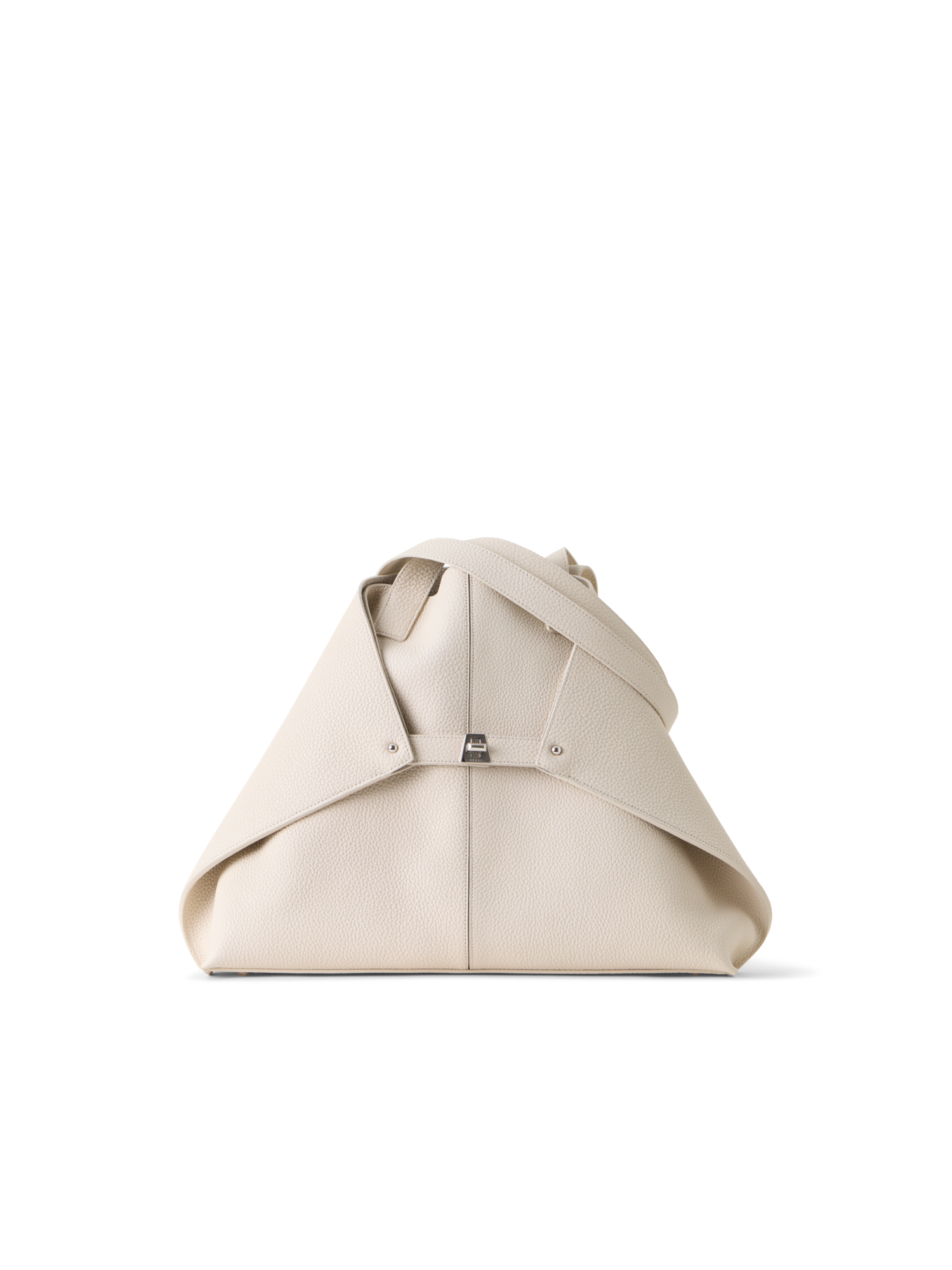
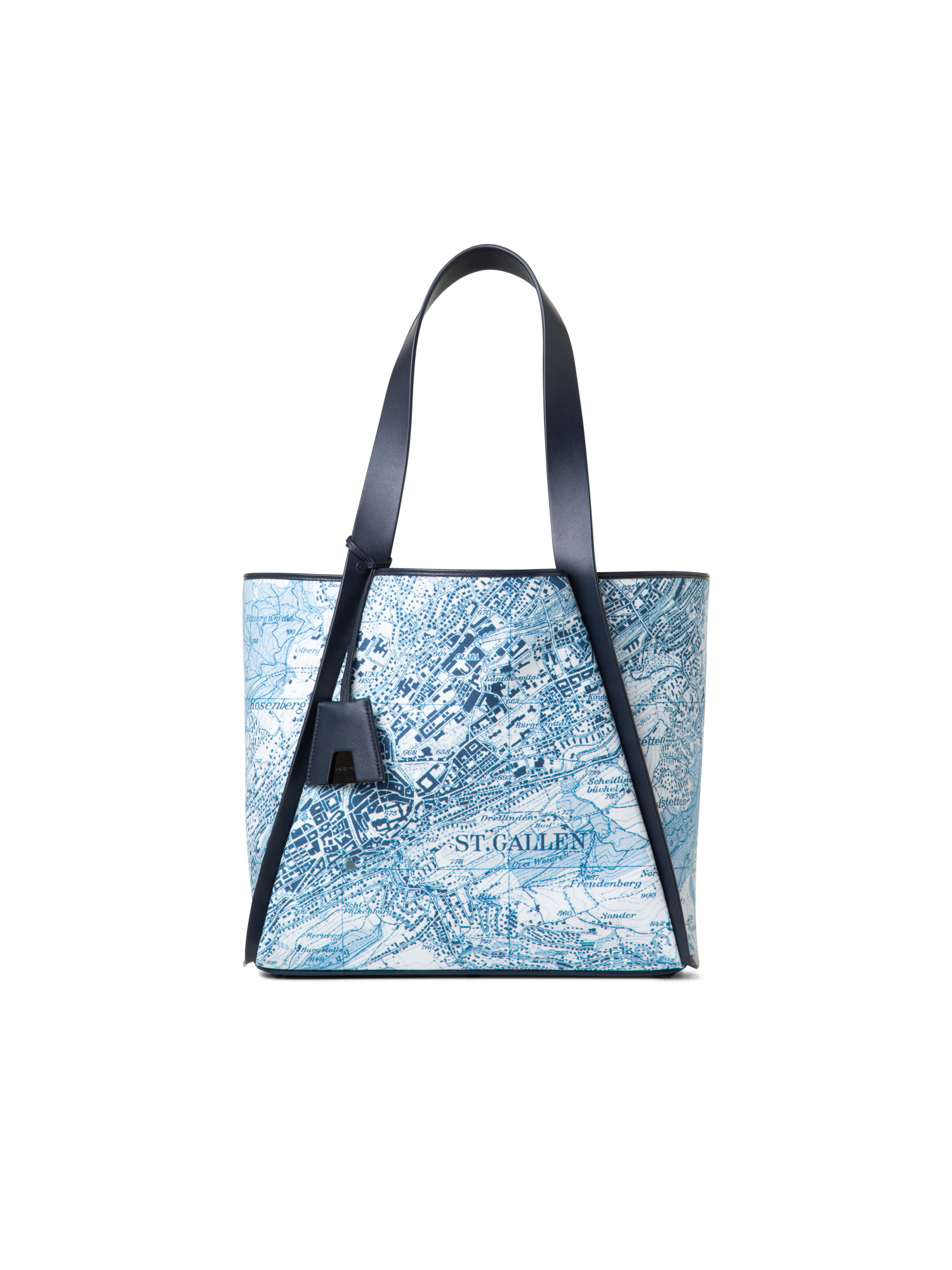
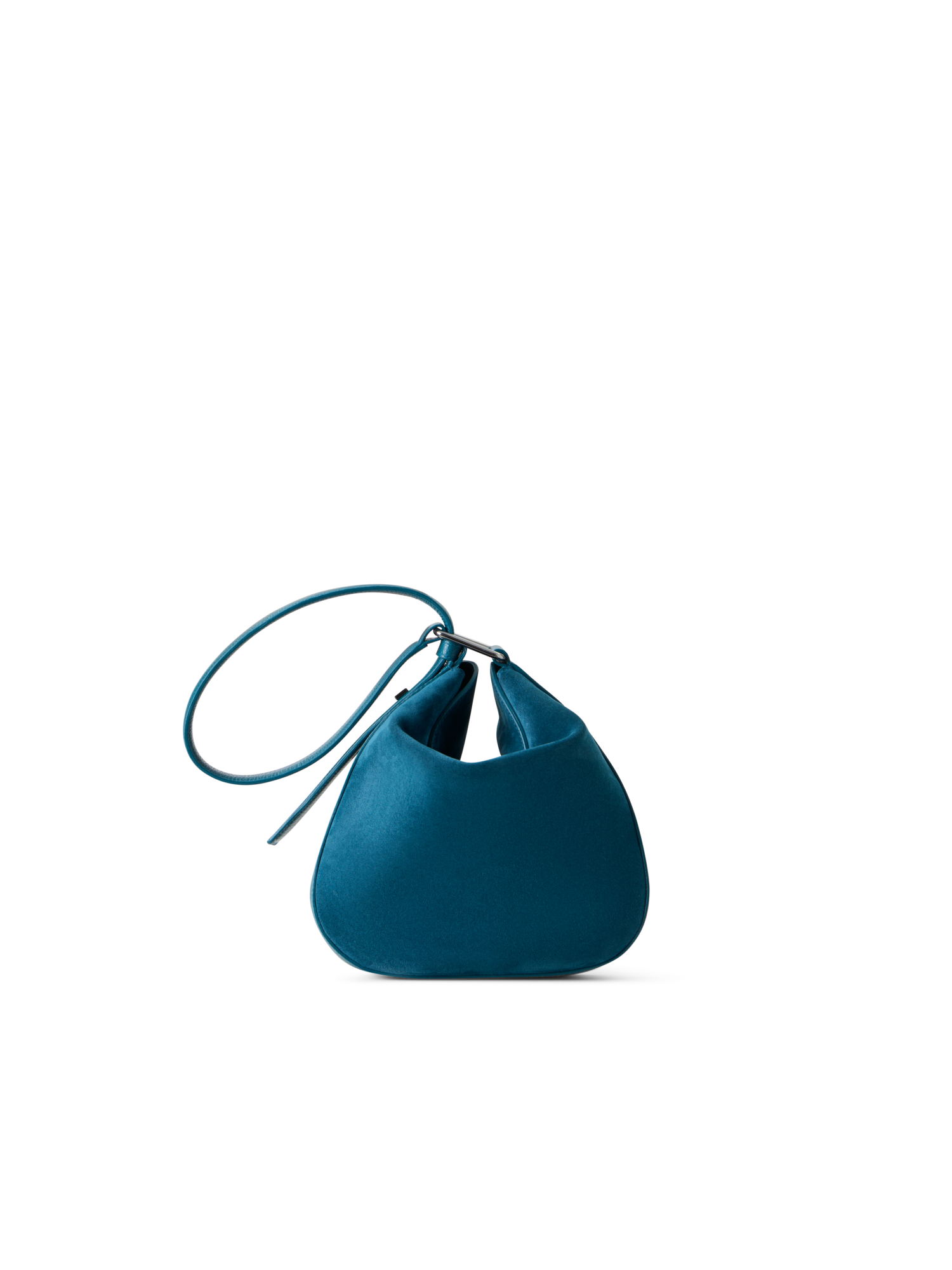
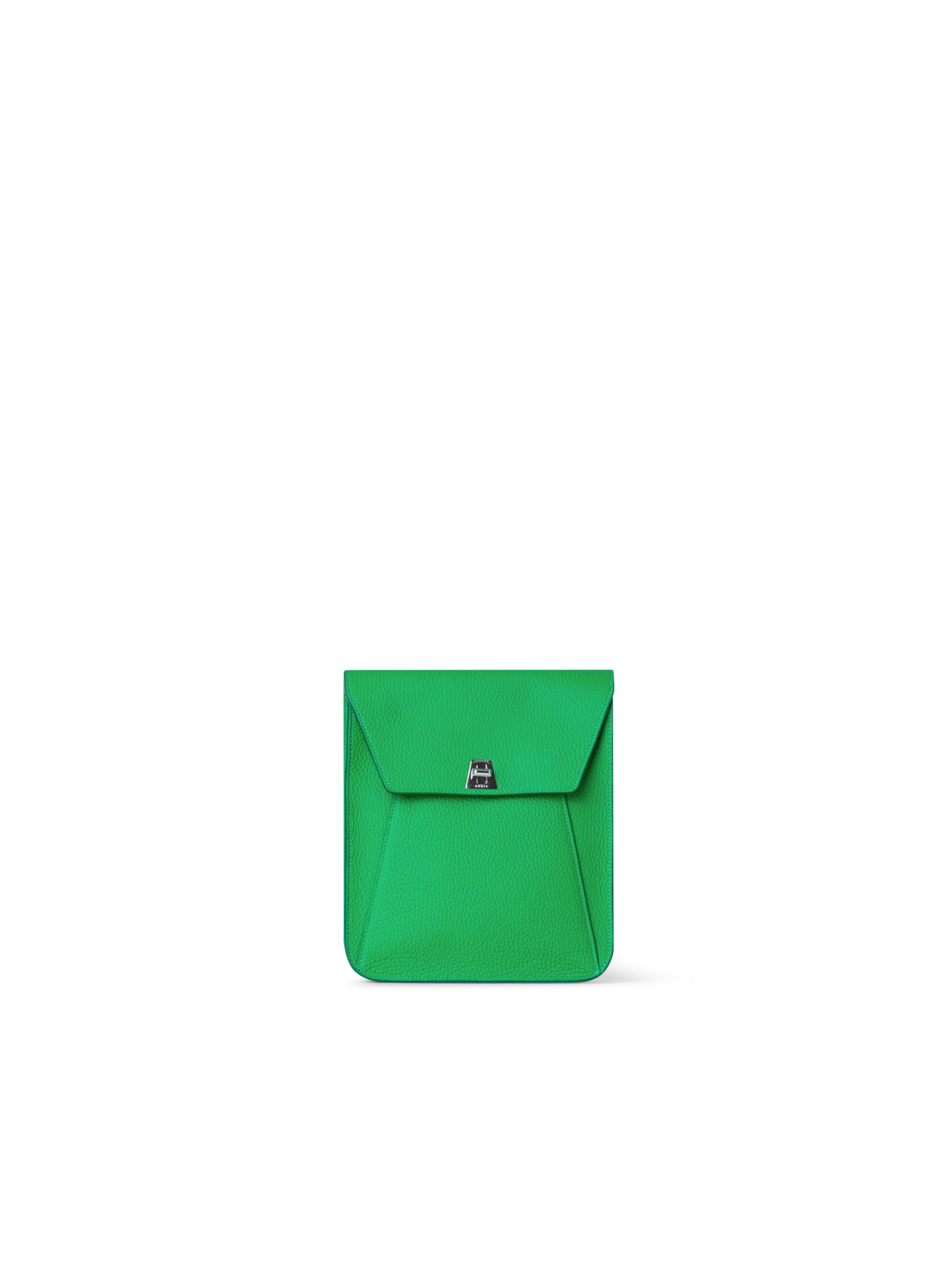
It depends on whether you value design over a recognisable logo. The Ai is Akris's signature handbag, defined by a trapezoidal silhouette that echoes the A in the house name, and it comes in materials like the brand's animal-friendly horsehair textile woven from tail-hair. Akris deliberately doesn't stamp its name across the front, so you're paying for shape, craft and discretion rather than branding. If you want a bag that quietly signals taste to people who know, it earns its keep; if you want instant recognition, look elsewhere.
Why is Akris so expensive?+
Because almost everything is made by hand in Switzerland from fabrics that can take years to develop. Akris clothing is produced in ateliers in St. Gallen, Zurich and Ticino, and around half of its manufacturing staff are highly skilled artisans. The most telling example is the house's double-face cashmere jacket — a seamstress needs two years of training to master the hand-finishing, and each jacket takes two and a half days to complete. You're buying labour, rare materials and Swiss tailoring, not a marketing budget.
What's the difference between Akris and Akris Punto?+
Akris is the upscale main line; Akris Punto is its more relaxed, accessible sister collection. Punto launched in 1996 as a designer sportswear line with an emphasis on relaxed, everyday dressing, while the main house remains focused on couture and refined ready-to-wear. The name nods to heritage too — Akris began by making dotted aprons, and the Swiss dot still appears on the brand's gift boxes, tissue paper and the Akris Punto logo. Punto is the easier entry point into the world; the main line is the investment.
How does Akris compare to The Row or Max Mara for quiet luxury?+
All three are logo-light investment labels, but they come from different places. Akris is the Swiss outlier — the only Swiss house in the French Fédération française de la couture — built around exacting tailoring and custom fabrics for career-minded women. Max Mara leans on Italian outerwear, while The Row is American minimalism. Akris's edge is its artisanal manufacturing and its long history of collaborating with artists and architects, which gives the clothes a quiet intellectual streak you won't find in most peers.
Where is Akris actually made?+
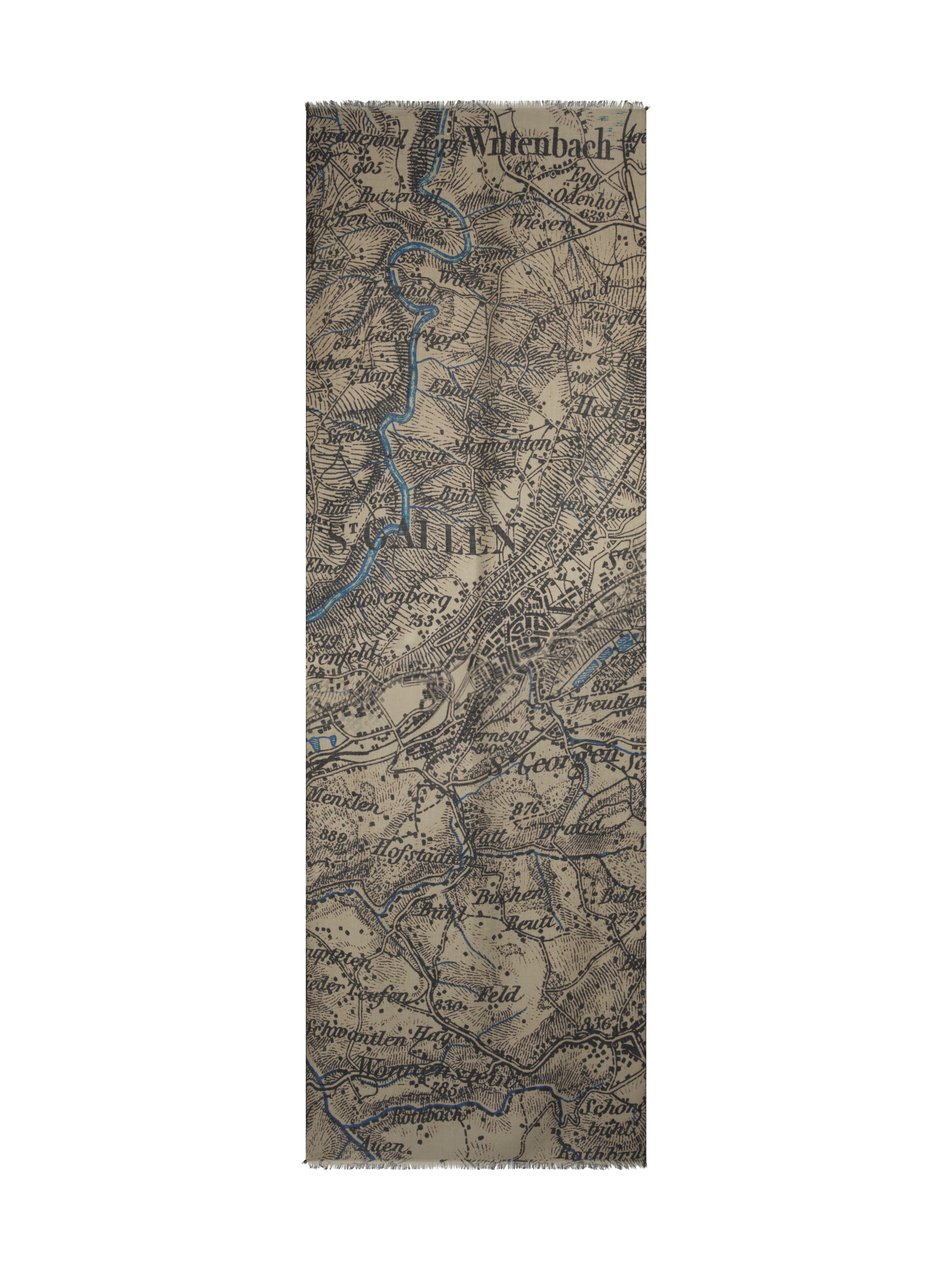
In Switzerland, almost entirely by hand. The company is headquartered in St. Gallen, and its clothing is produced in ateliers in St. Gallen, Zurich and Ticino, where Albert Kriemler has deliberately hired local artisans to continue St. Gallen's long textile heritage. The fabrics themselves are often custom-developed, with most woven in specialised mills in northern Italy. It is the largest Swiss clothing producer, so the made-in-Switzerland label is genuine rather than decorative.
Who owns and designs Akris today?+
It's still family-run, now in its third generation. Akris is owned and led by the Kriemler family: Albert Kriemler is the creative director, responsible for design and the visual identity, while his brother Peter Kriemler serves as global CEO, overseeing management and manufacturing. The two brothers officially took over together in 1987. That family control is a large part of why the house has stayed so consistent and resisted licensing its name out.
Who founded Akris and where does the name come from?+
Akris was founded in 1922 by Alice Kriemler-Schoch in St. Gallen, Switzerland, and the name is drawn from the letters of her own name. She started with simple dotted aprons crafted on a single sewing machine. In 1944 her son Max Kriemler took over and transformed the company into a ready-to-wear brand — at one point even producing clothes for French designers Givenchy and Ted Lapidus — laying the groundwork for the luxury house it is today.
What is the Ai bag inspired by, and why the trapezoid shape?+
The Ai's distinctive trapezoidal form is a deliberate echo of the A in Akris, in keeping with Albert Kriemler's habit of drawing on architecture and art for his designs. Kriemler is well known for collaborating directly with artists and architects — from photographer Thomas Ruff to architect Sou Fujimoto — and that architectural sensibility carries straight into the bag's clean, structural geometry. The shape is the whole point: it's how the bag signals the house without a single visible logo.
Does Akris make perfume, and does it license its name out?+
No on both counts, and that's a point of pride. Unlike most fashion houses of its size, Akris does not produce fragrances and does not license its name to outside manufacturers. Much of its success has come instead through trunk shows and word of mouth, with very little conventional advertising. That restraint keeps the brand tightly controlled and is part of why it reads as a connoisseur's label rather than a mass one.
Why do so many high-profile women wear Akris?+
Because Albert Kriemler designs for accomplished, career-oriented women, and the polished tailoring suits a public role well. Akris has been worn by figures including Amal Clooney, Charlene, Princess of Monaco, Tina Fey, Angelina Jolie, Nicole Kidman and former US Secretary of State Condoleezza Rice. The appeal is consistent: pieces that look authoritative and refined without shouting, which is exactly what a woman in the spotlight tends to want.
How should I care for an Akris double-face cashmere coat?+
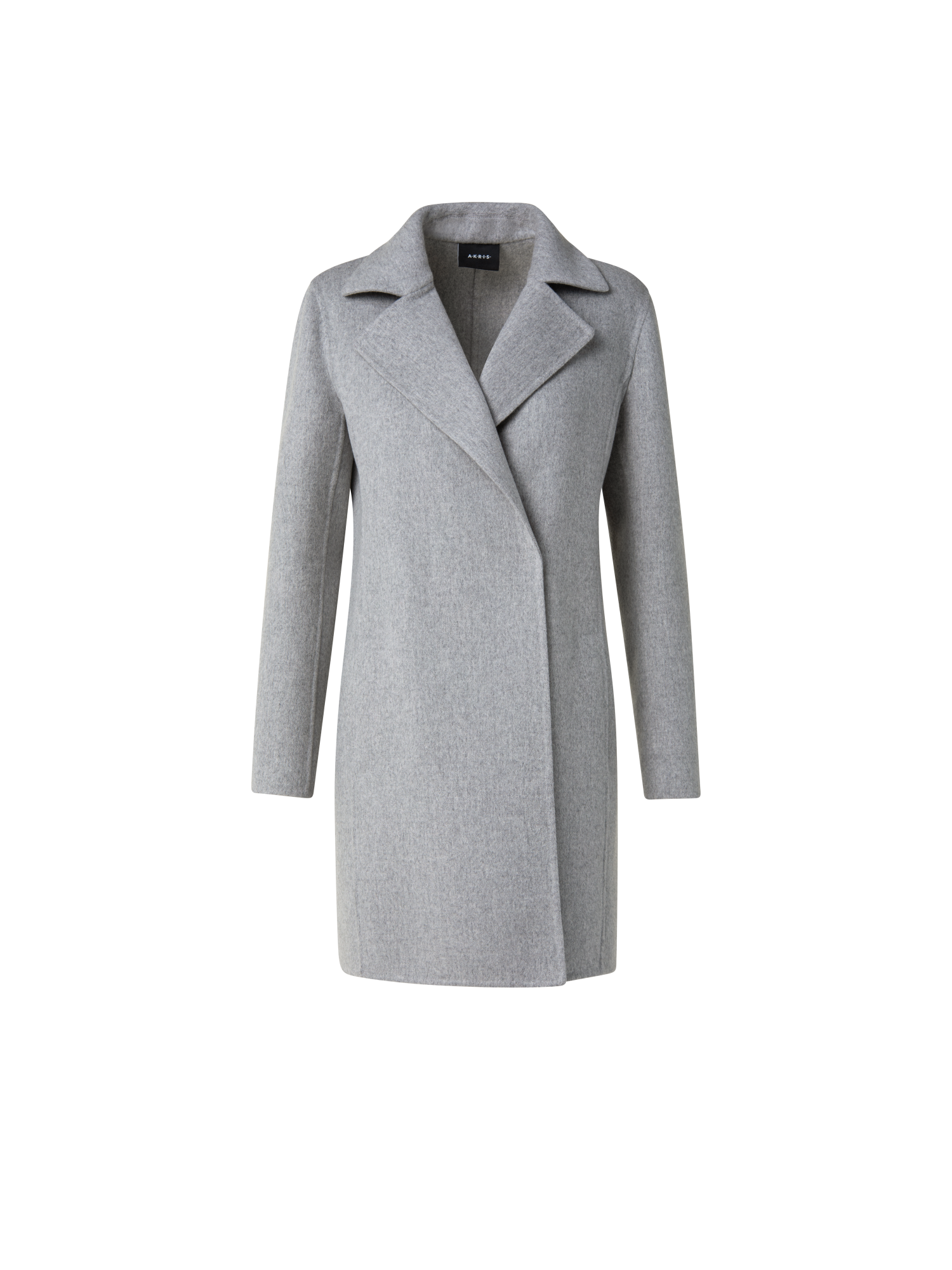
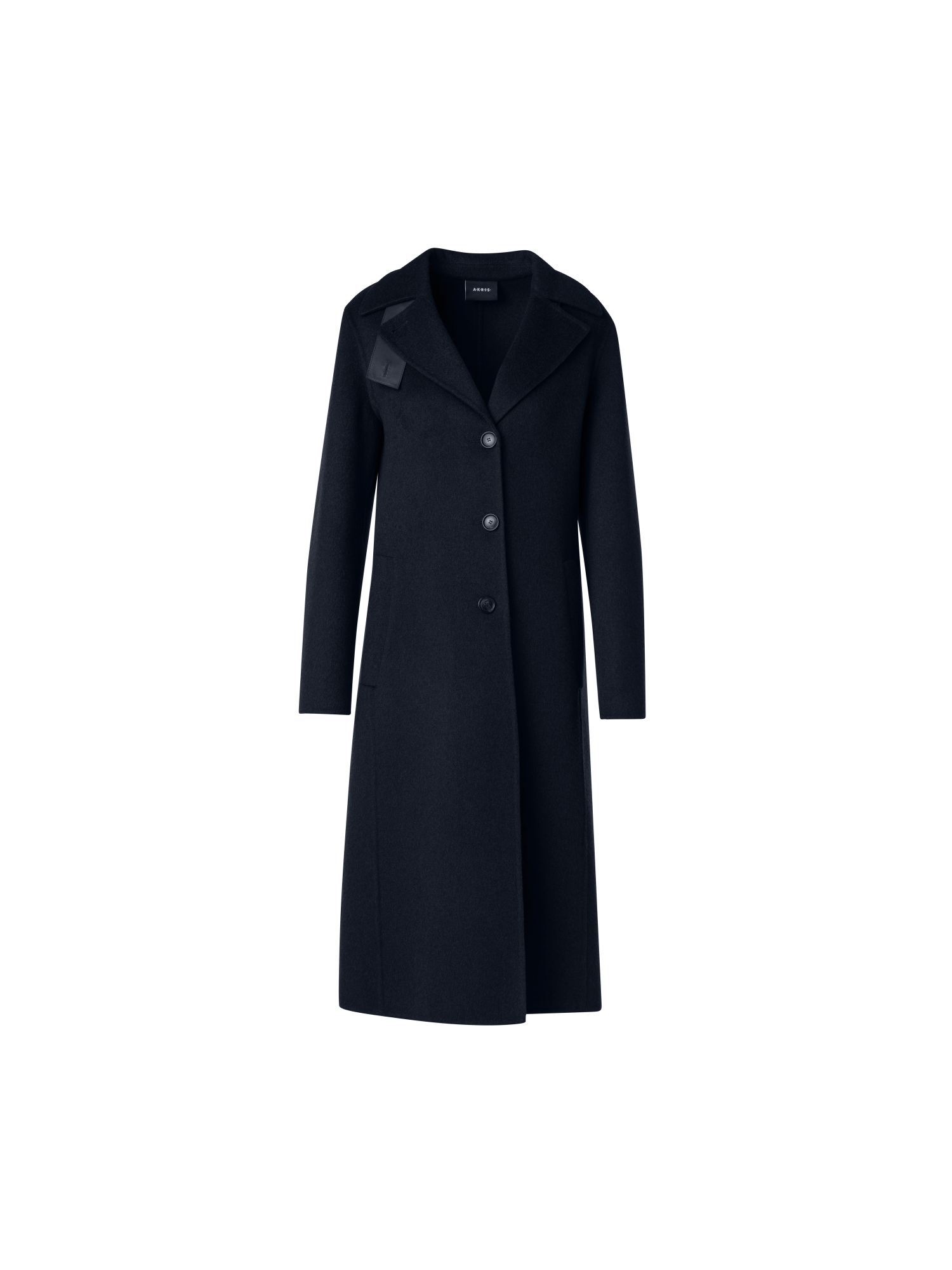
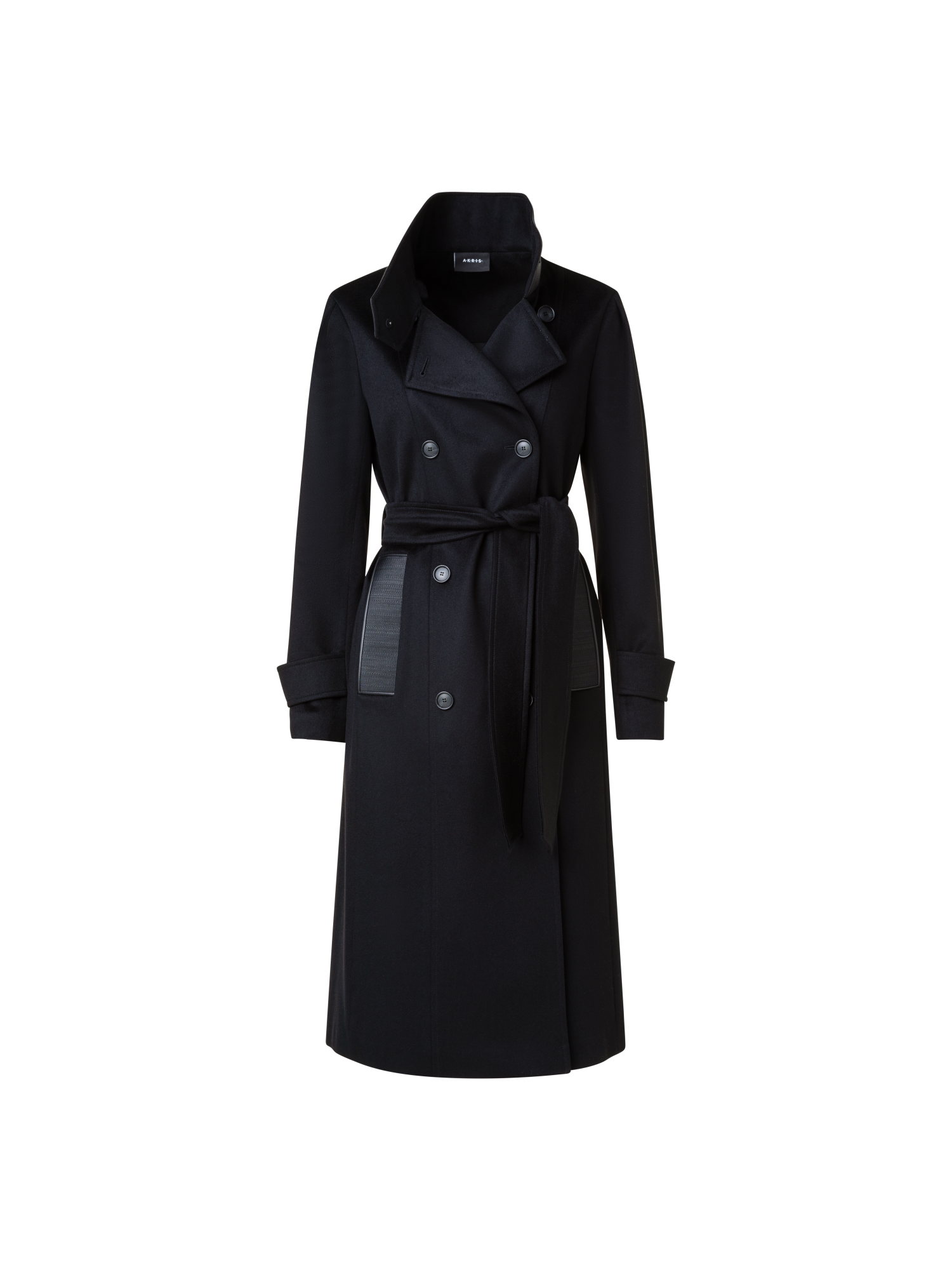
Treat it as the heirloom-grade piece it is. Double-face cashmere is constructed without traditional lining, so the inside is finished as carefully as the outside — which is why each jacket takes a trained artisan two and a half days to hand-finish. Keep it professionally cleaned by a specialist who understands unlined cashmere, store it on a sturdy shaped hanger or folded with care, and let it rest between wears. Looked after, this is a coat built to last for many seasons rather than one.
Is Akris a good label to buy on resale?+
It can be a smart way in, with a caveat. Because Akris designs are understated and built to last, well-kept pieces age slowly and can look close to new years later, which makes pre-owned an appealing entry point into a famously expensive house. The trade-off is that the brand is discreet rather than hyped, so resale values are steady rather than soaring. Buy through reputable platforms, inspect the tailoring and fabric closely, and treat resale as a sensible way to access the quality, not as an investment play.