Brand · French luxury house est. 1837

Hermès

Saddle-stitch leather since 1837 — still family-run, still made by hand, the house the horse built.

Hermès
Re-checked daily
Founded in Paris in 1837 by Thierry Hermès as a saddlery and harness workshop, Hermès still serves, in Jean-Louis Dumas's words, 'the horse first, the rider second' — and remains controlled by the founder's descendants nearly two centuries on.

From harness-making, Hermès branched into leather goods — now its core business — then silk, ready-to-wear, watchmaking, jewellery and perfume. Its first leather handbags arrived in 1922; the Kelly took its name after Grace Kelly was photographed with the bag, and the Birkin was sketched in 1984 after Jean-Louis Dumas sat beside Jane Birkin on a flight. Orange became the house colour during the Second World War, born of wartime shortages.

Hermès employs around 25,000 people, including 7,000 craftsmen, across some 60 production sites mostly in France, where each leather bag is handcrafted by a single artisan. The family's H51 holding company has long protected the house from takeover — including a years-long stake battle with LVMH that ended in a 2014 settlement. In 2024 the company generated €15.2 billion in sales, and in 2025 surpassed LVMH to become the world's most valuable luxury group.
The Hermès pieces worth knowing

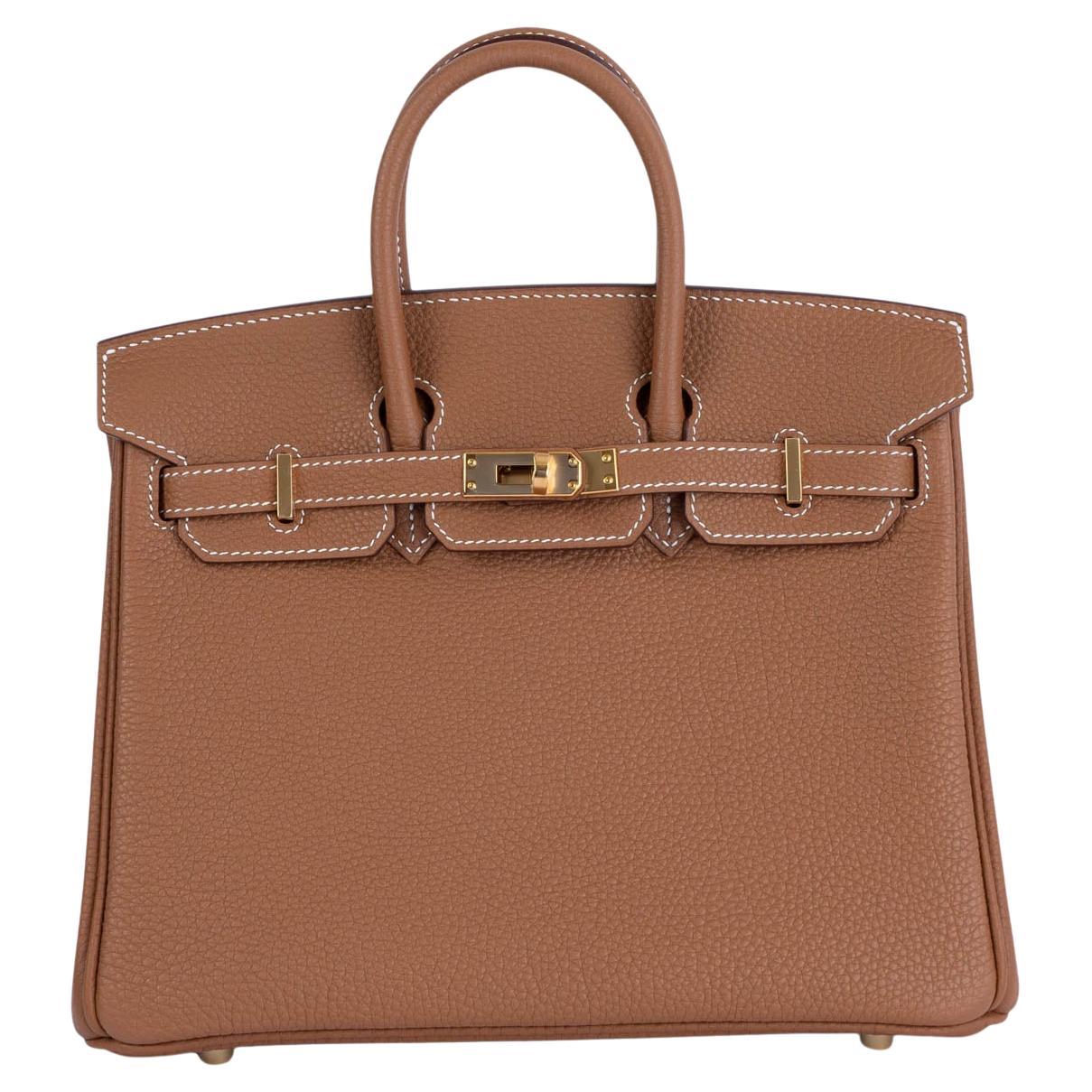
Birkin
The Birkin
Birkin
The most coveted bag in the world, sketched mid-flight for an actress who wanted pockets.
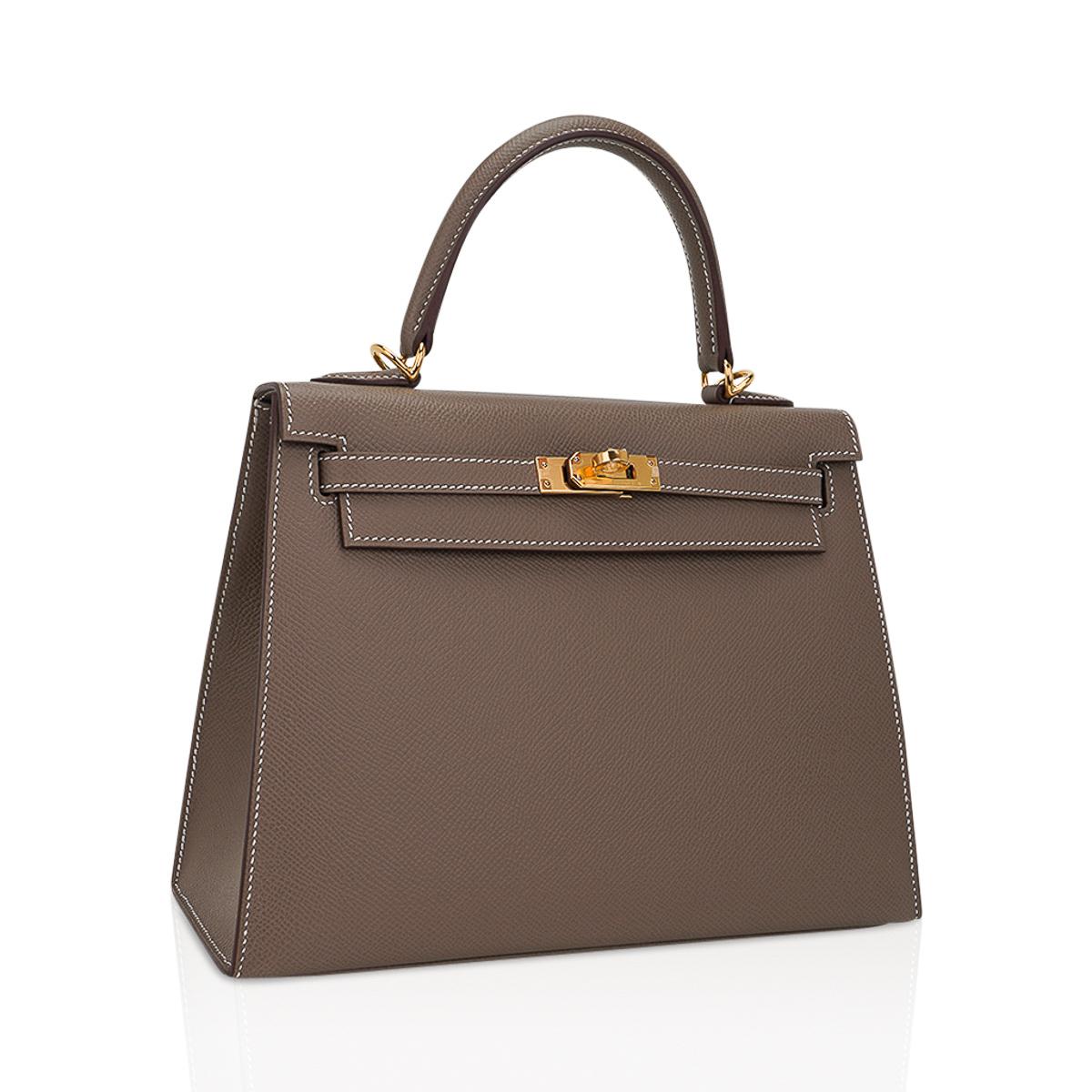
Kelly
The Kelly
Kelly
A 1930s saddle bag that a princess turned into a legend with a single photograph.
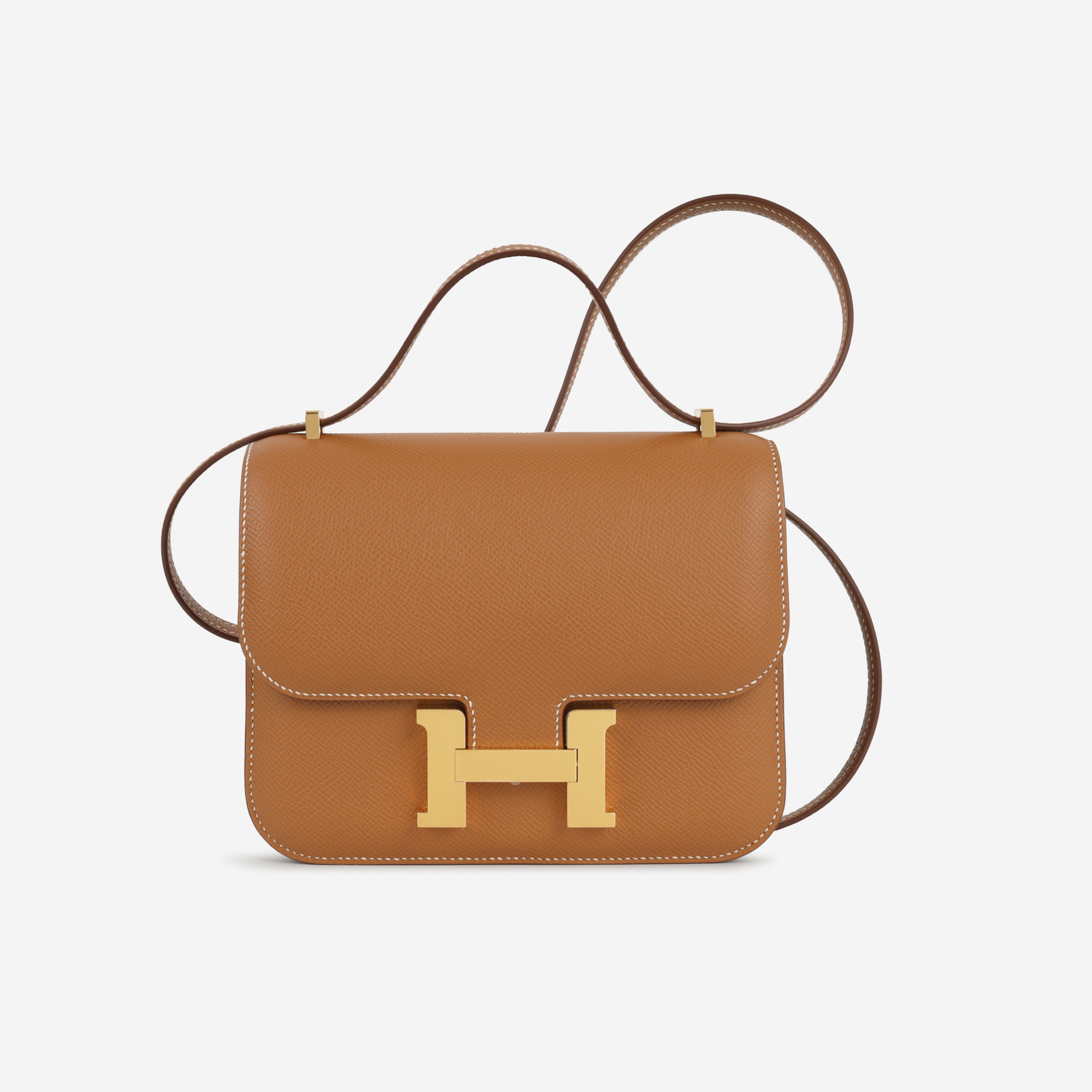
Constance
The Constance
Constance
The shoulder bag defined by a single oversized H — quiet, graphic, and instantly Hermès.
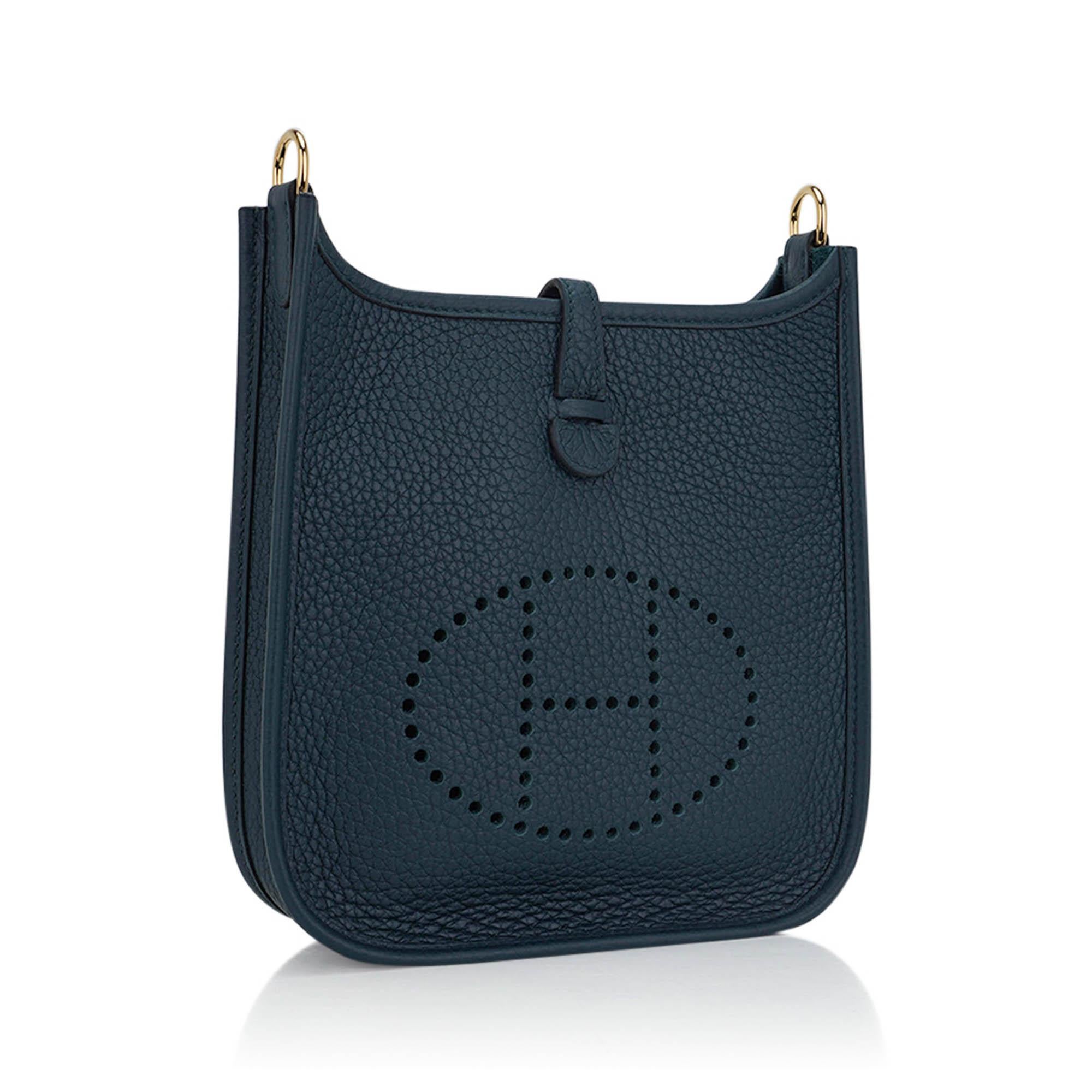
Evelyne
The Evelyne
Evelyne
The perforated-H crossbody born in the stables — the house's most wearable everyday bag.
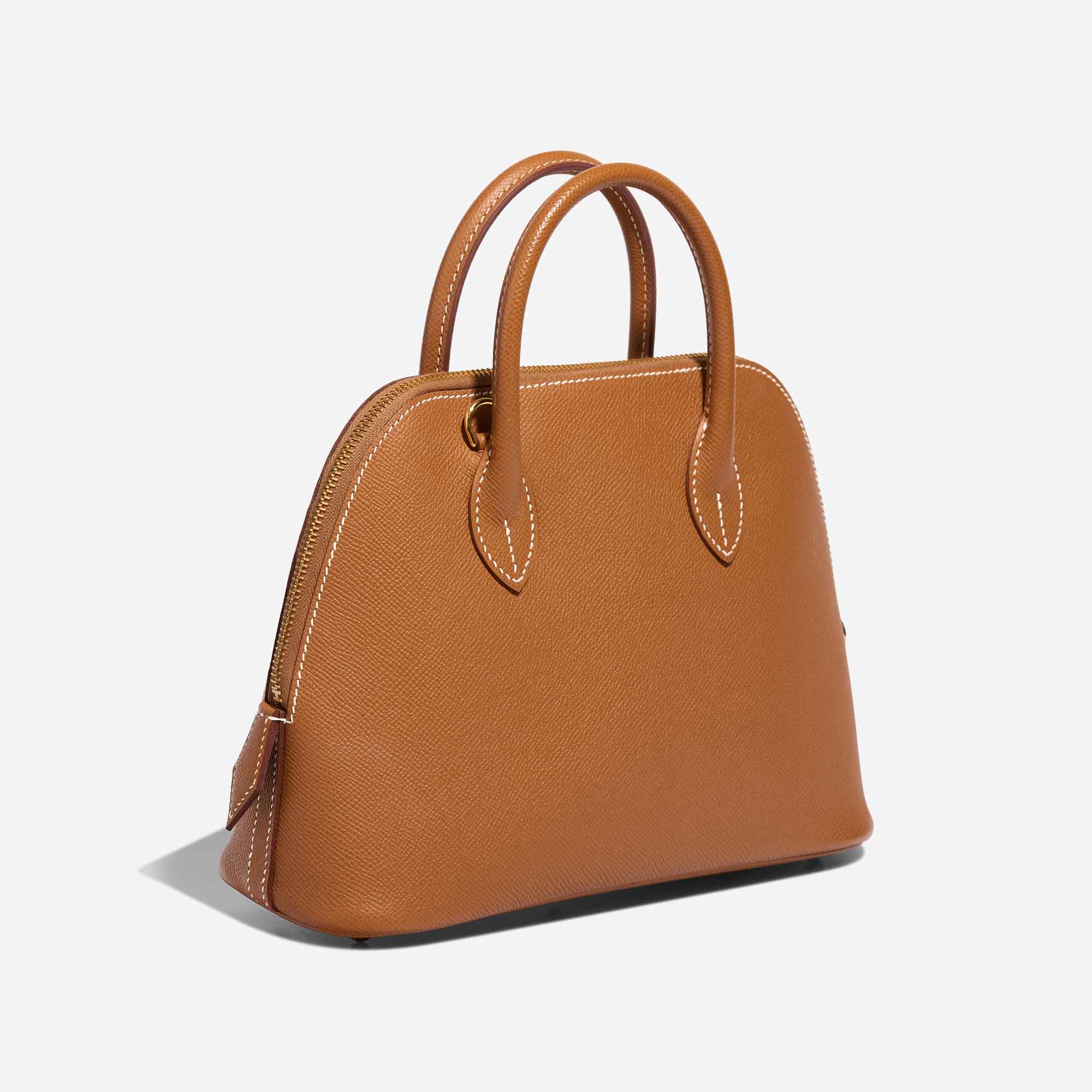
Bolide
The Bolide
Bolide
The first handbag ever made with a zipper — a dome-shaped carry-all from the dawn of the closure.
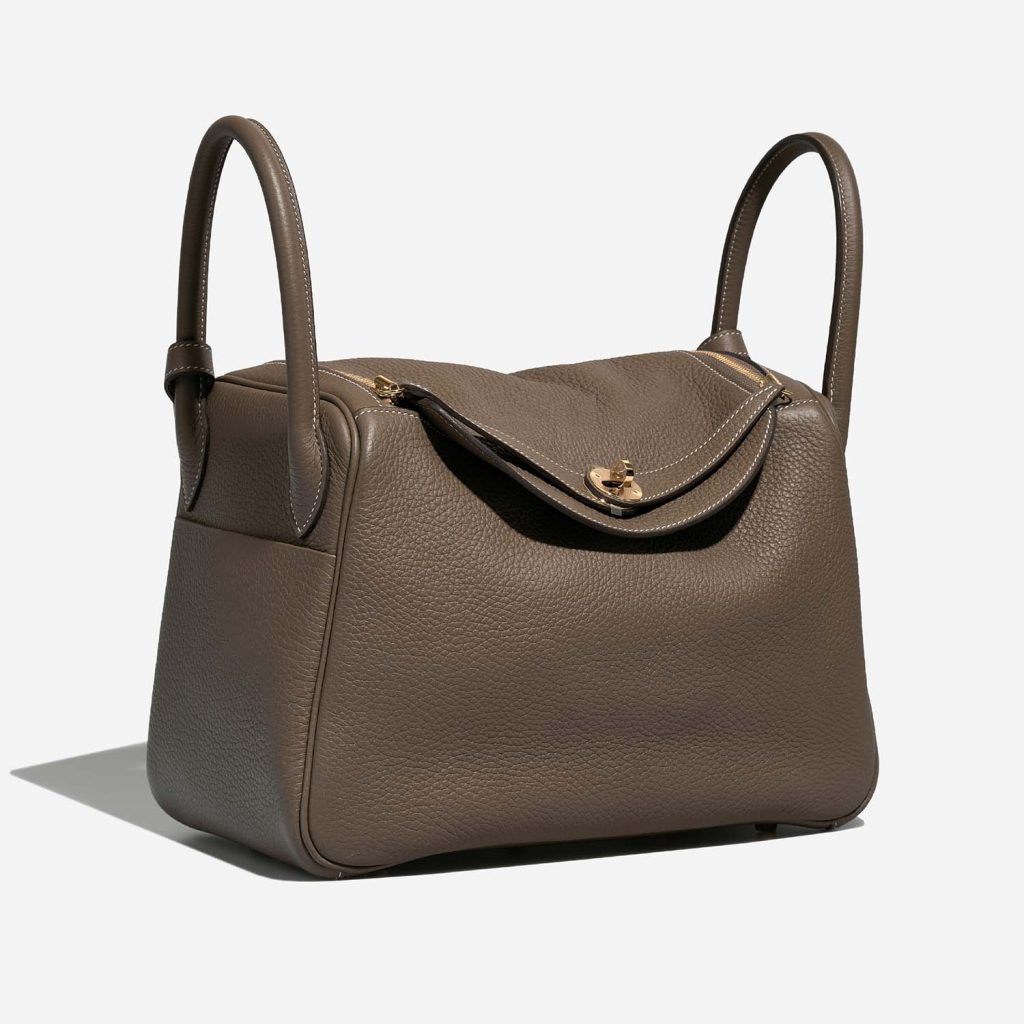
Lindy
The Lindy
Lindy
A slouchy, double-zip doctor's bag named for a 1920s dance — the softest of the icons.
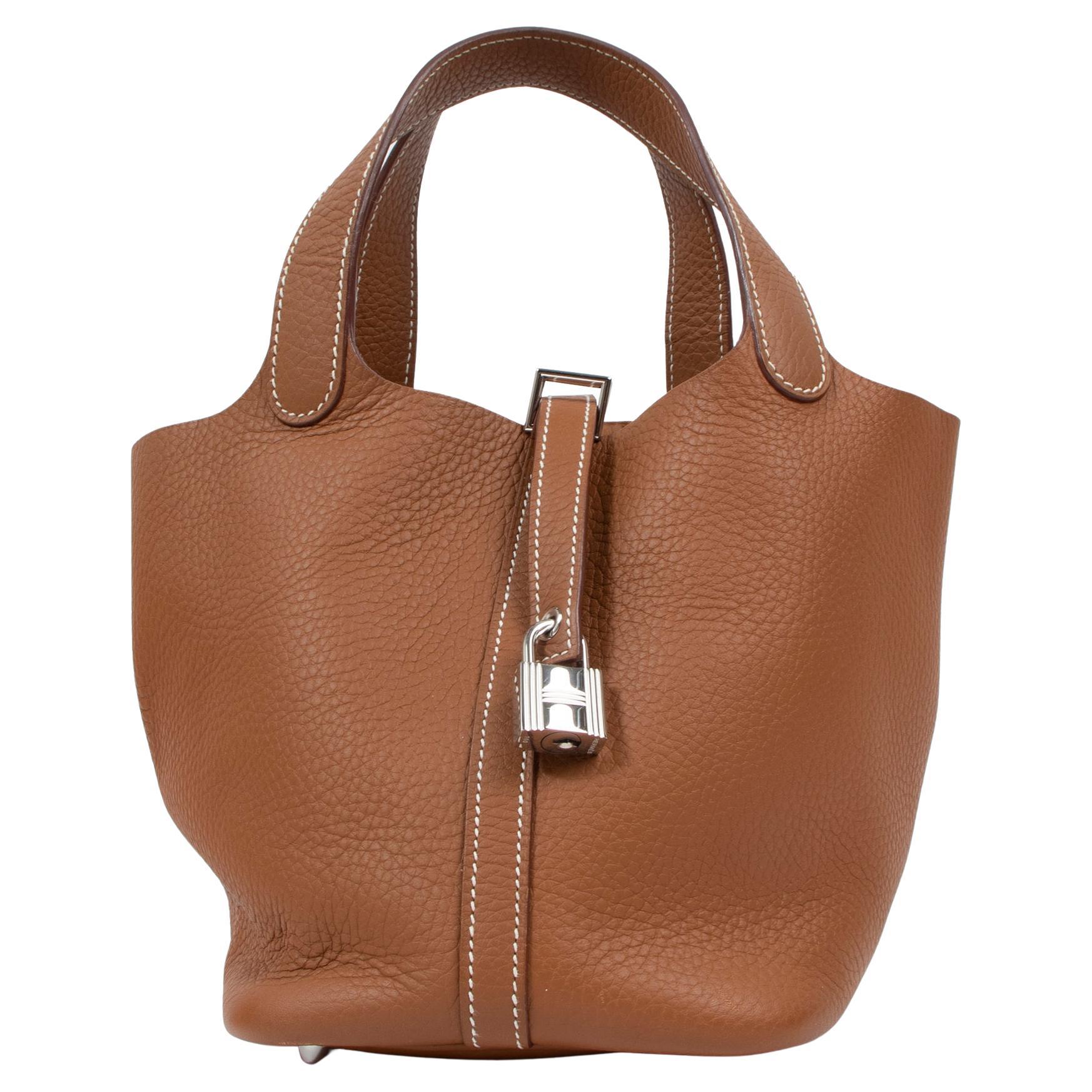
Picotin Lock
The Picotin
Picotin Lock
An open leather bucket closed by a padlock — named after a measure of horse feed.
Garden Party
The Garden Party
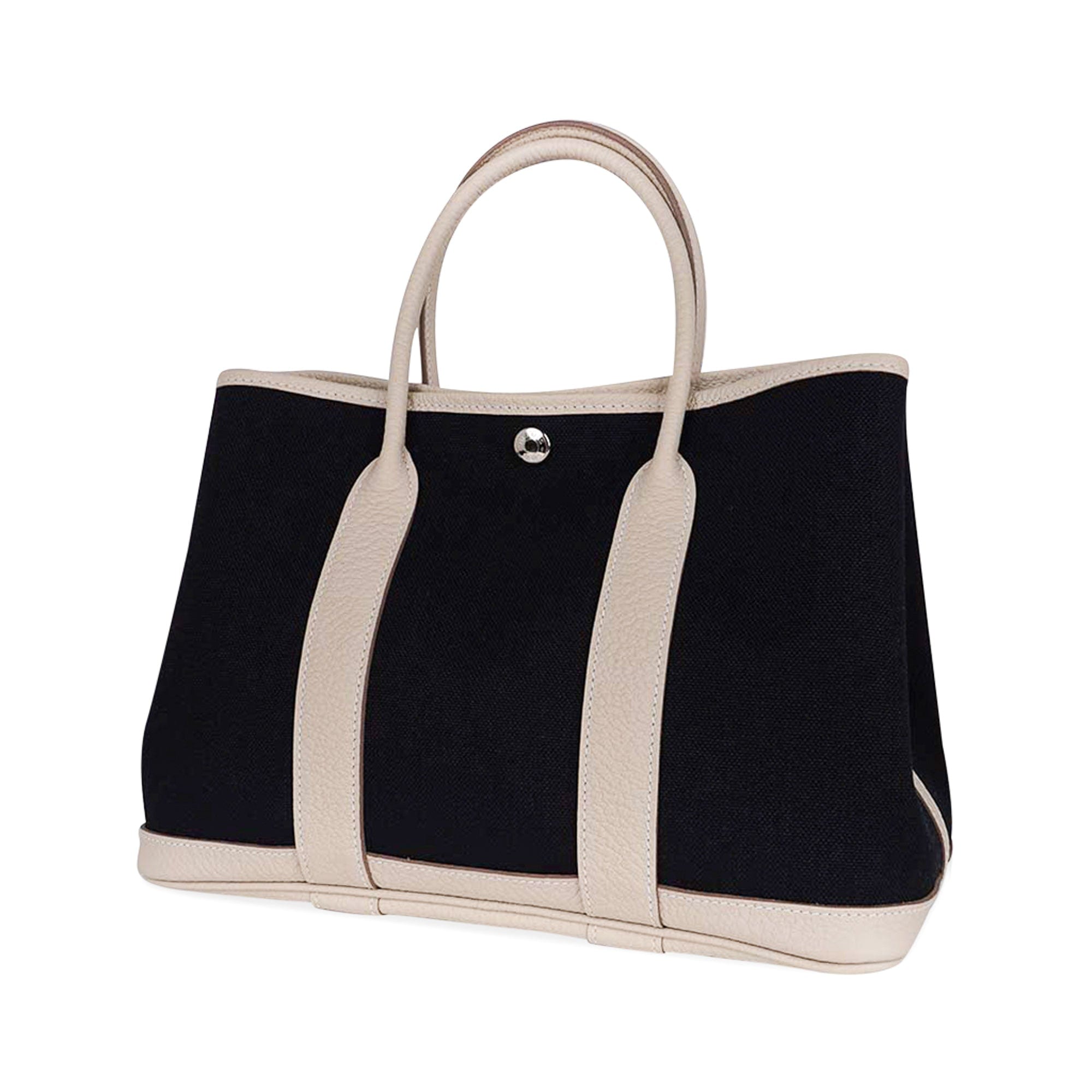
Garden Party
The house's everyday tote — canvas and leather, built to be filled and forgotten.
Béarn Wallet
The Béarn
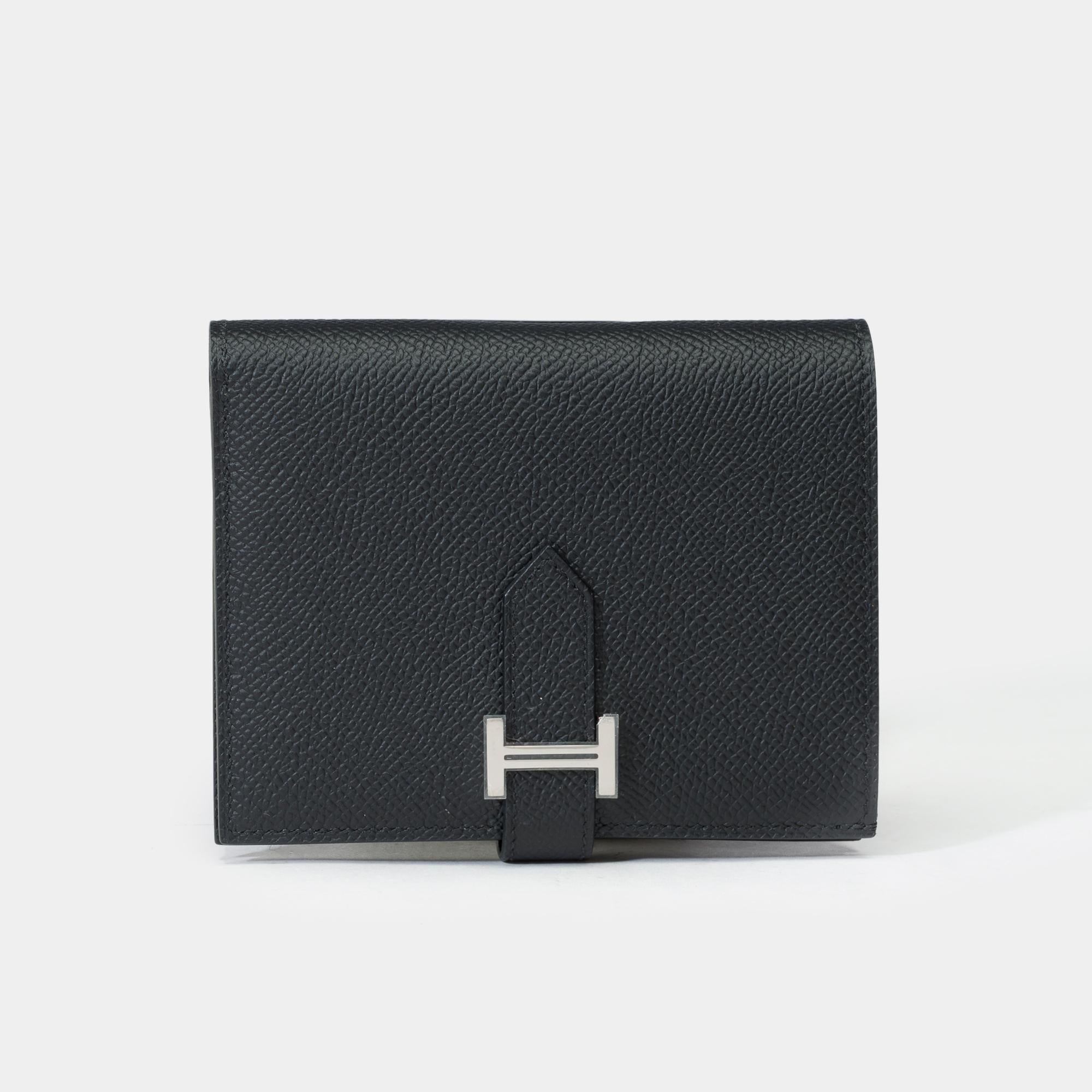
Béarn Wallet
The house's signature wallet, closed by a leather tab that slides under a sculpted H.
$3,925 at HERMÈS
Calvi Card Holder
The Calvi
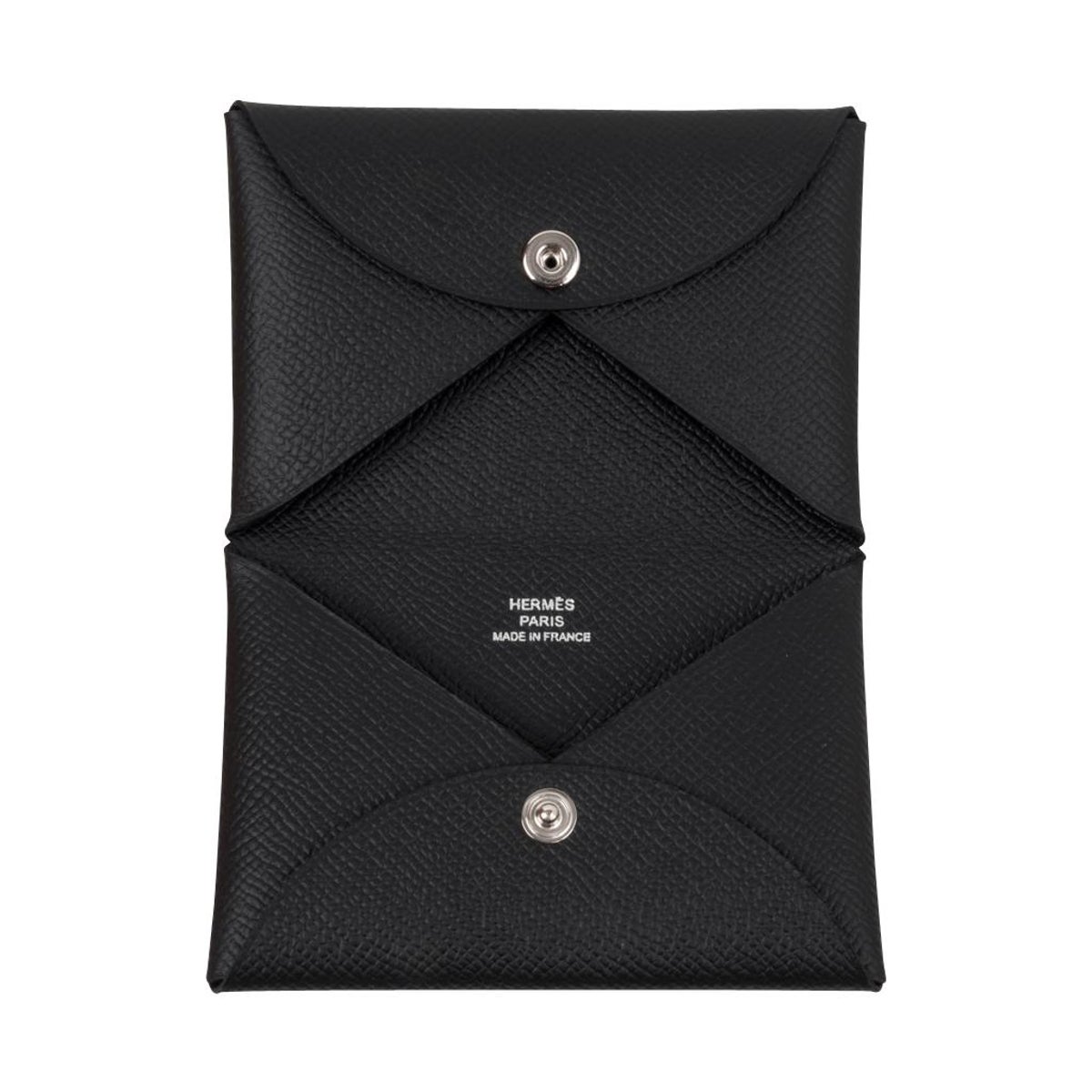
Calvi Card Holder
Two folds of leather that snap into an envelope — the house's most giftable object.
$520 at HERMÈS
Oran Sandal
The Oran
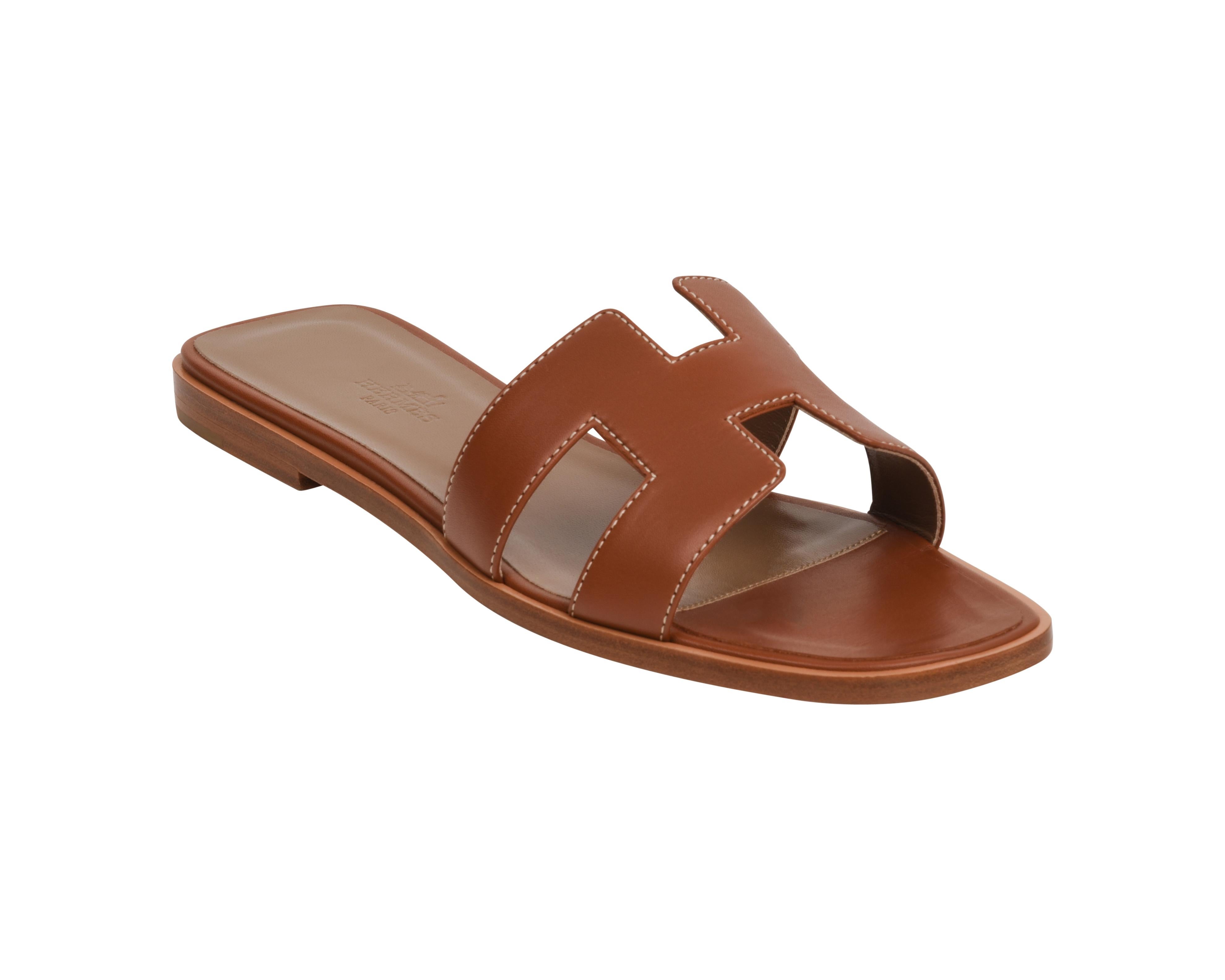
Oran Sandal
A flat leather slide cut with a single H — the house's most-copied summer shoe.
$900 at HERMÈS
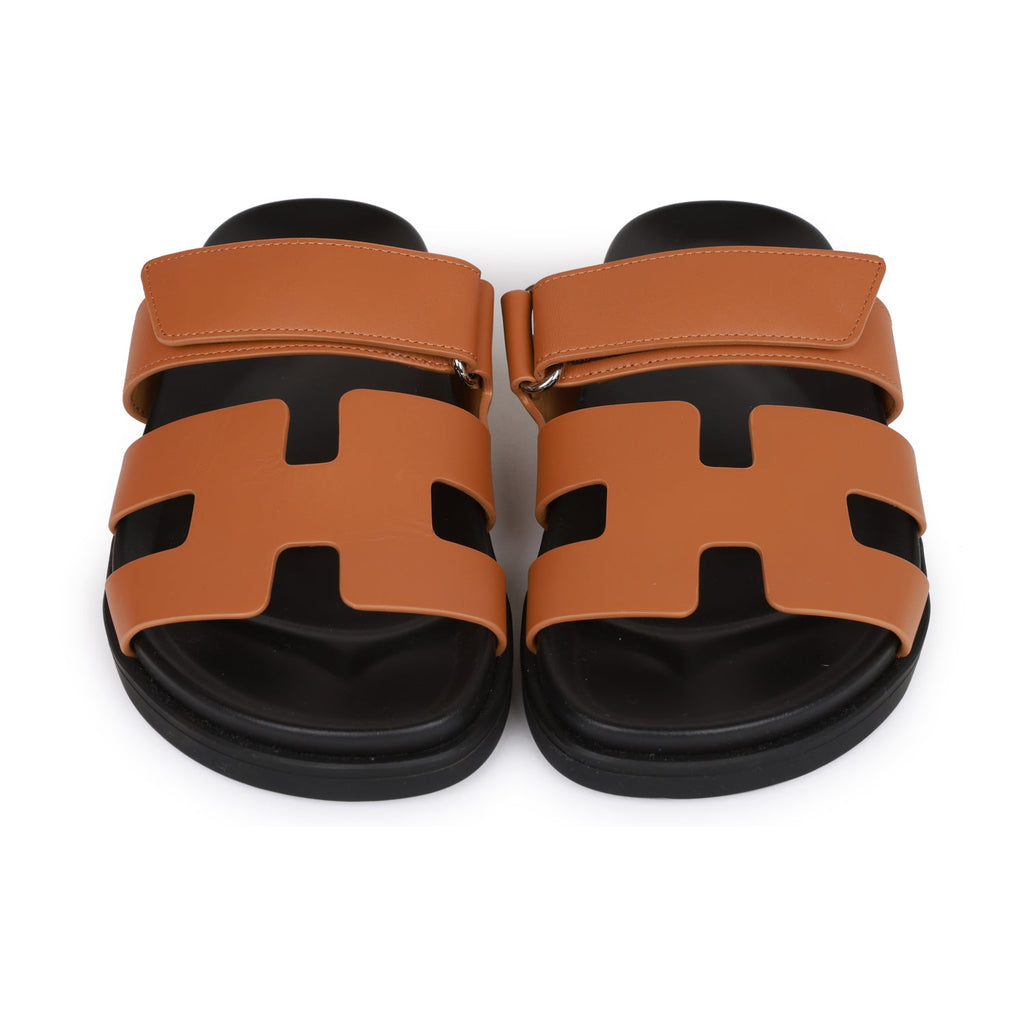
Chypre Sandal
The Chypre
Chypre Sandal
The Oran's grown-up sibling — an H-strap sandal on a cushioned, anatomic sole.
$1,400 at HERMÈS
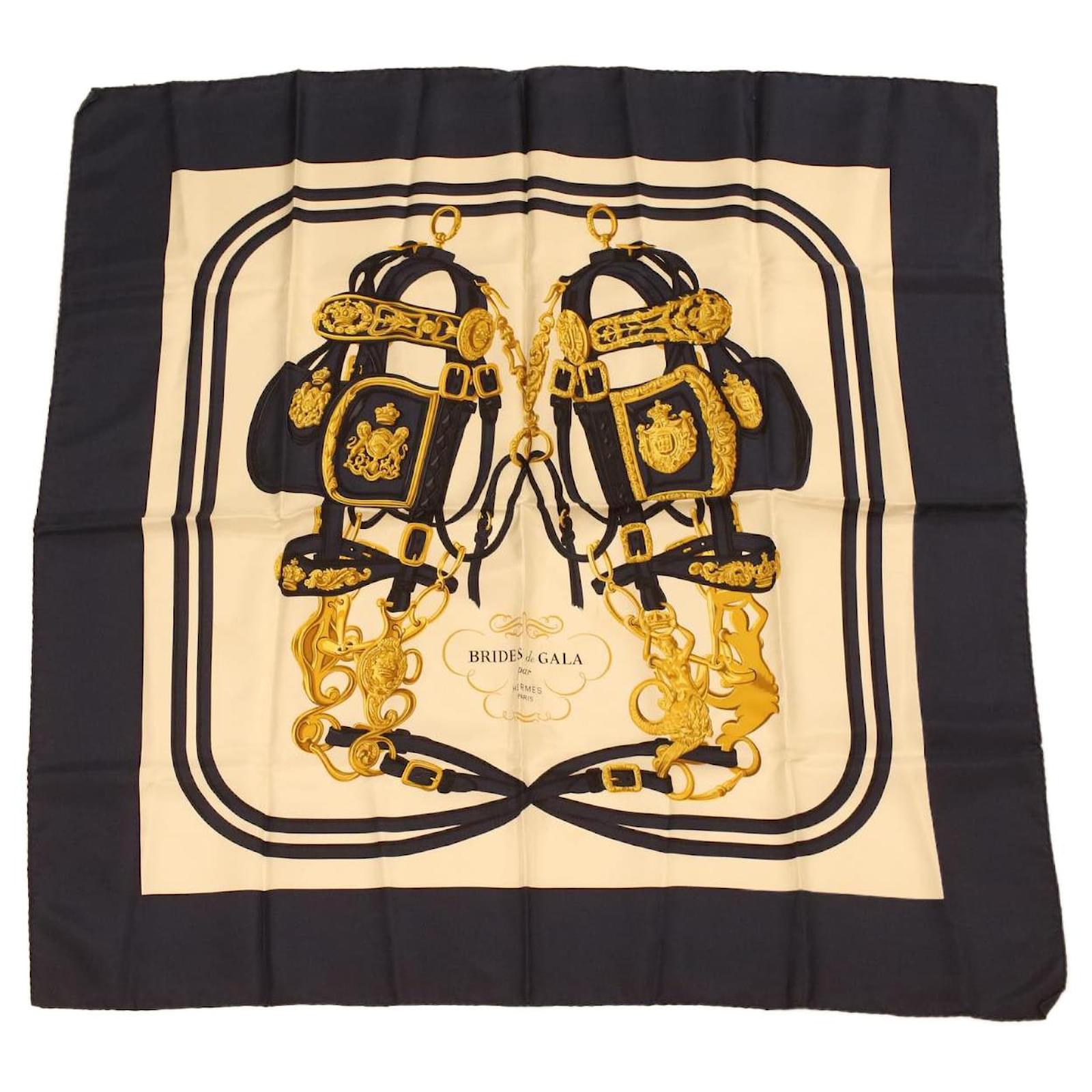
Carré 90 Silk Scarf
The Carré
Carré 90 Silk Scarf
The 90cm silk square that has been Hermès' signature since 1937 — sold somewhere every few seconds.
$660 at HERMÈS
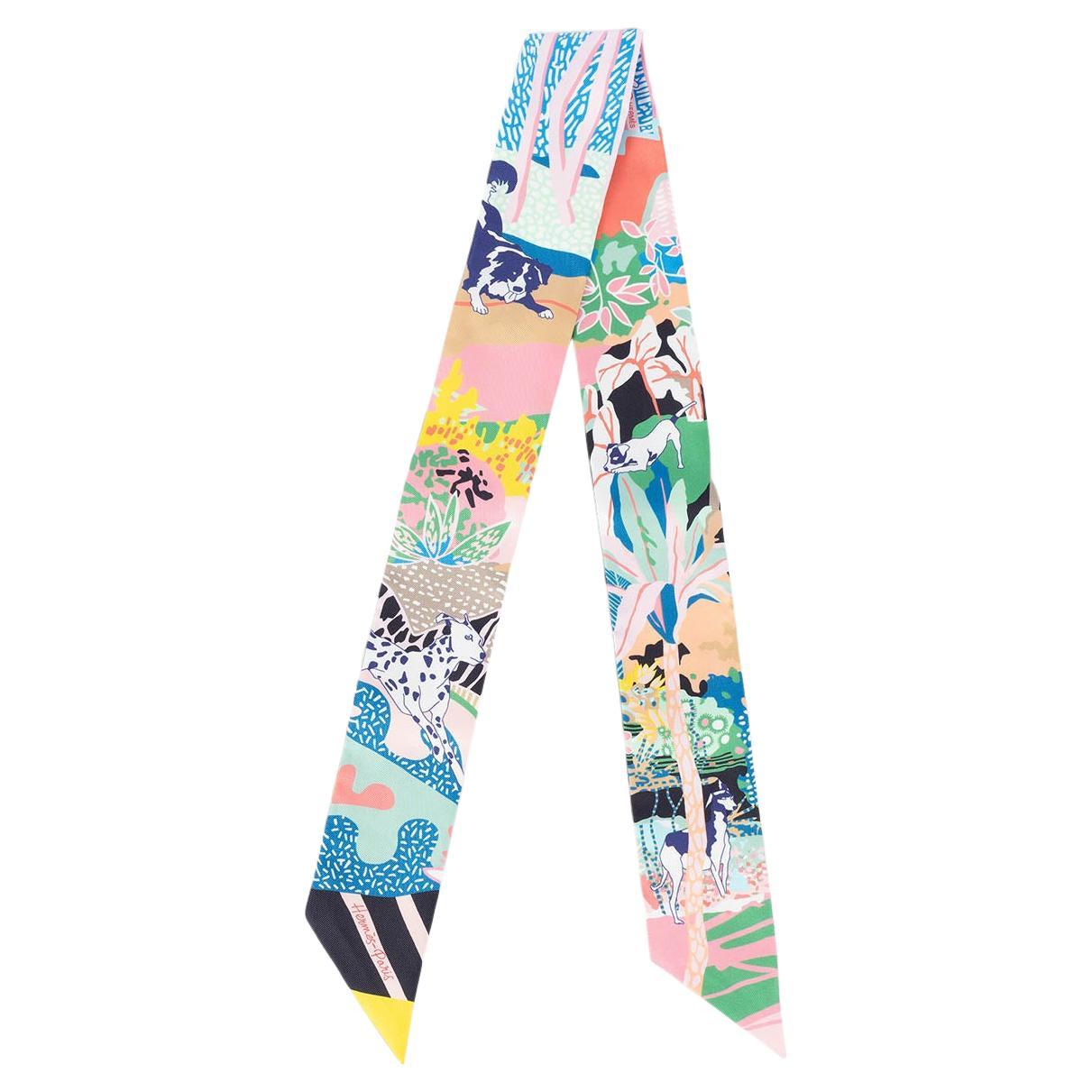
Twilly
The Twilly
Twilly
The carré reborn as a narrow silk band — knotted at the neck, the wrist, or a bag handle.
$260 at HERMÈS
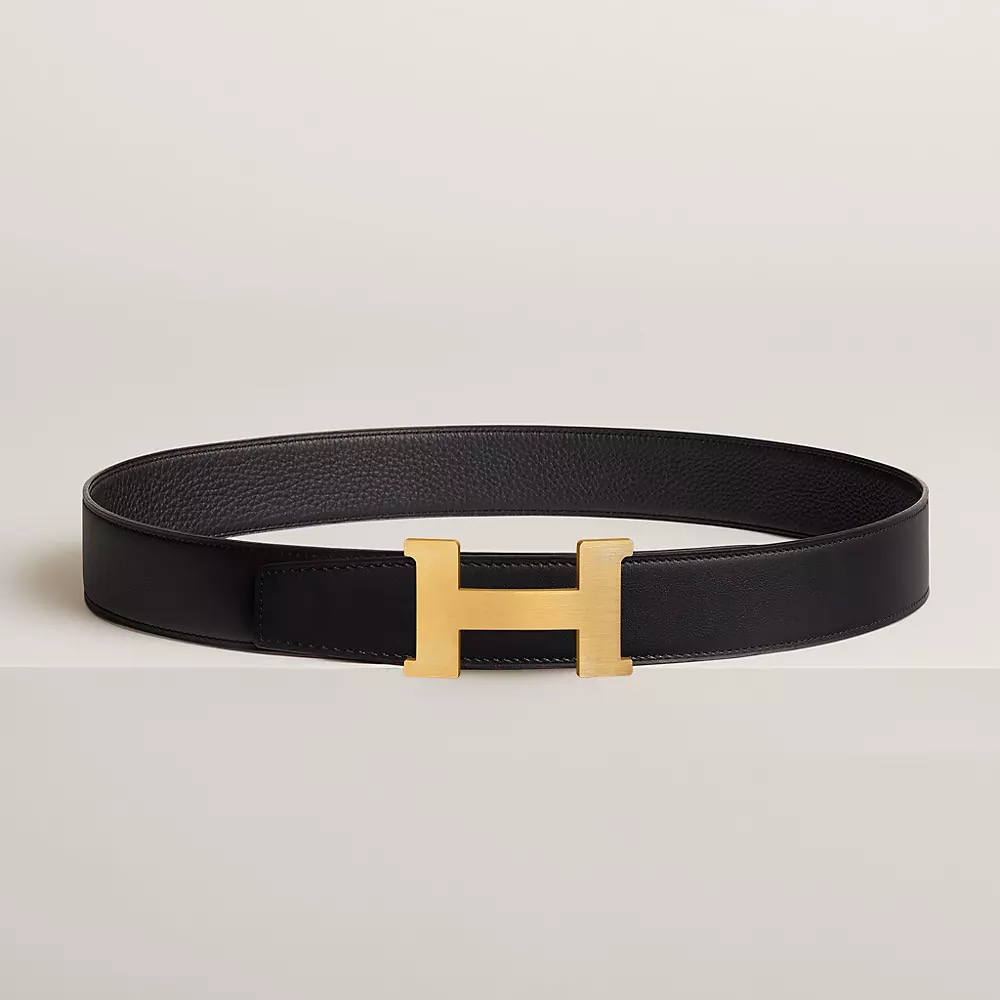
Constance H Belt
The H Belt
Constance H Belt
A reversible leather strap fastened by the Constance H — the house initial worn at the waist.
$1,190 at HERMÈS
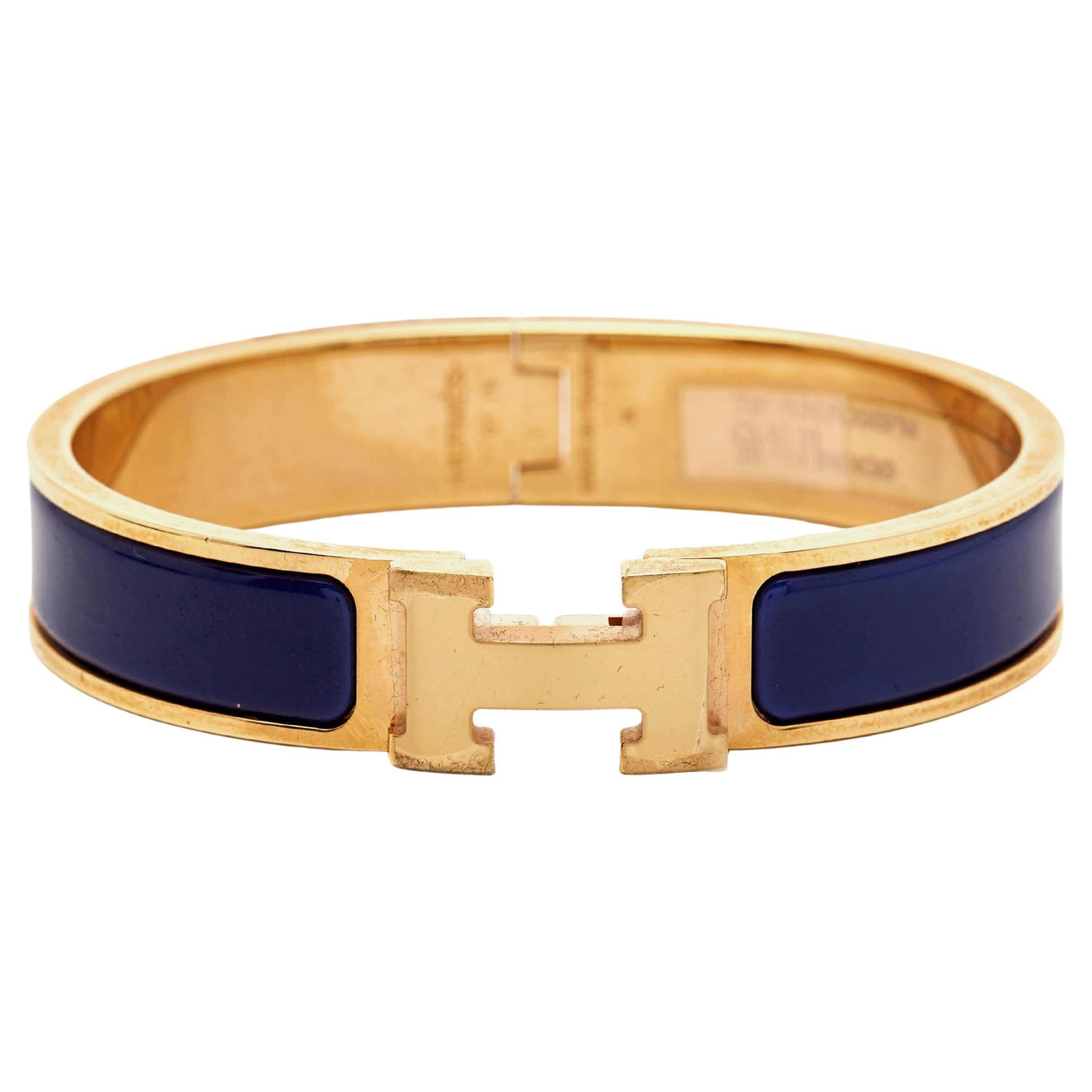
Clic H Bracelet
The Clic H
Clic H Bracelet
An enamel bangle that snaps shut on a lacquered H — the house's most joyful entry point.
$810 at HERMÈS
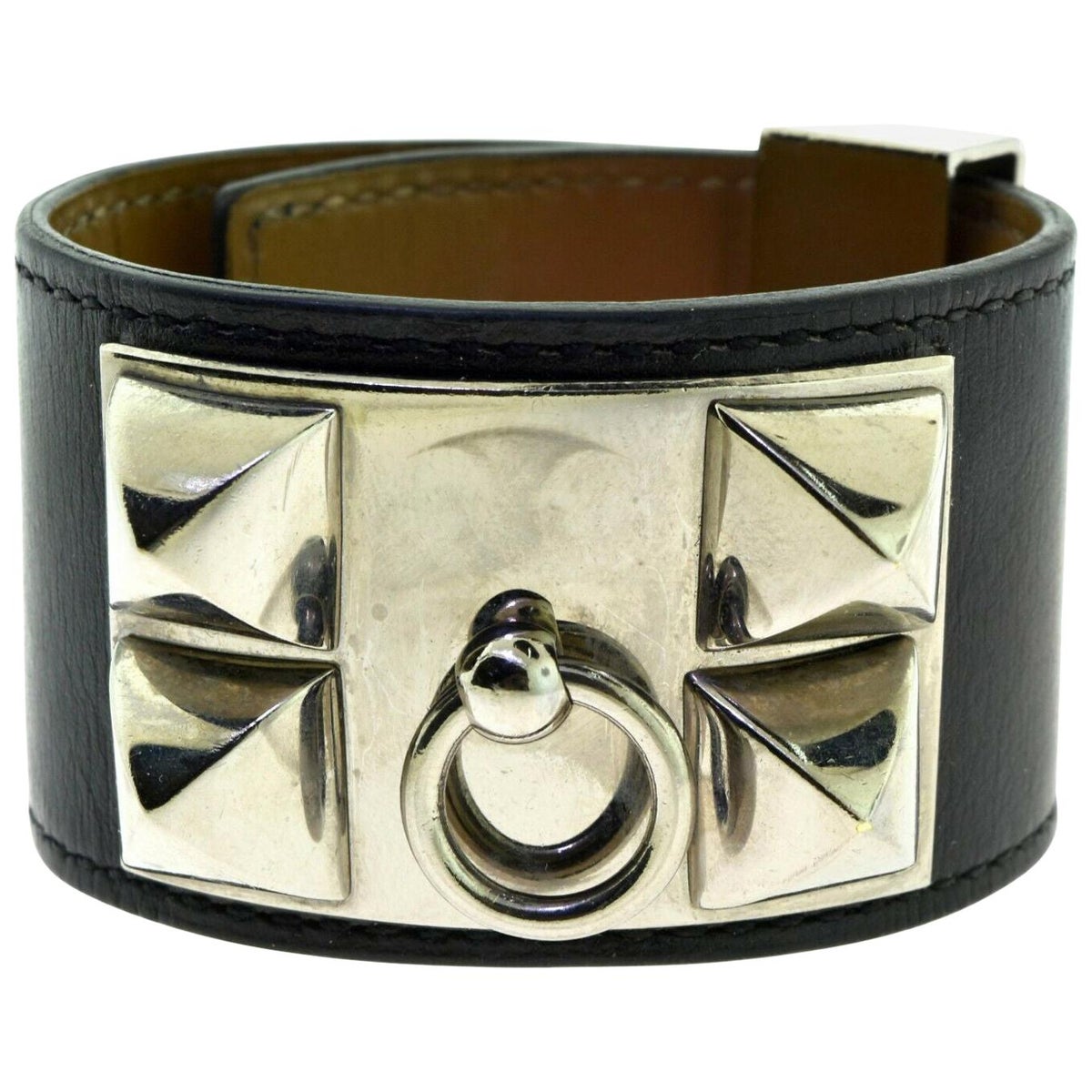
Collier de Chien Bracelet
The CDC
Collier de Chien Bracelet
Pyramid studs and an O-ring on a leather cuff — equestrian hardware turned jewellery.
$1,600 at HERMÈS
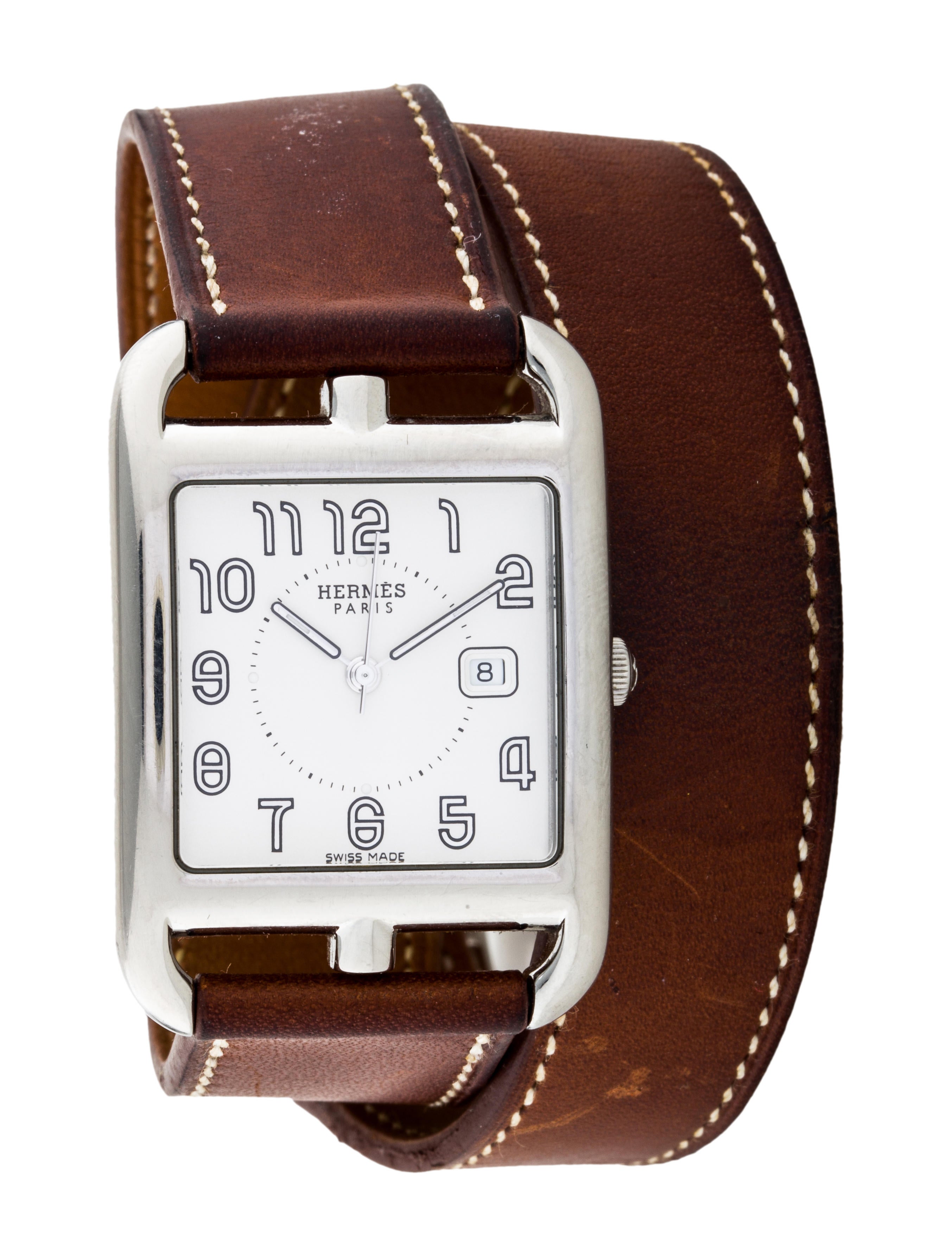
Cape Cod Watch
The Cape Cod
Cape Cod Watch
A square dial set inside a rectangle, wrapped twice by a leather double-tour strap.
$3,800 at HERMÈS
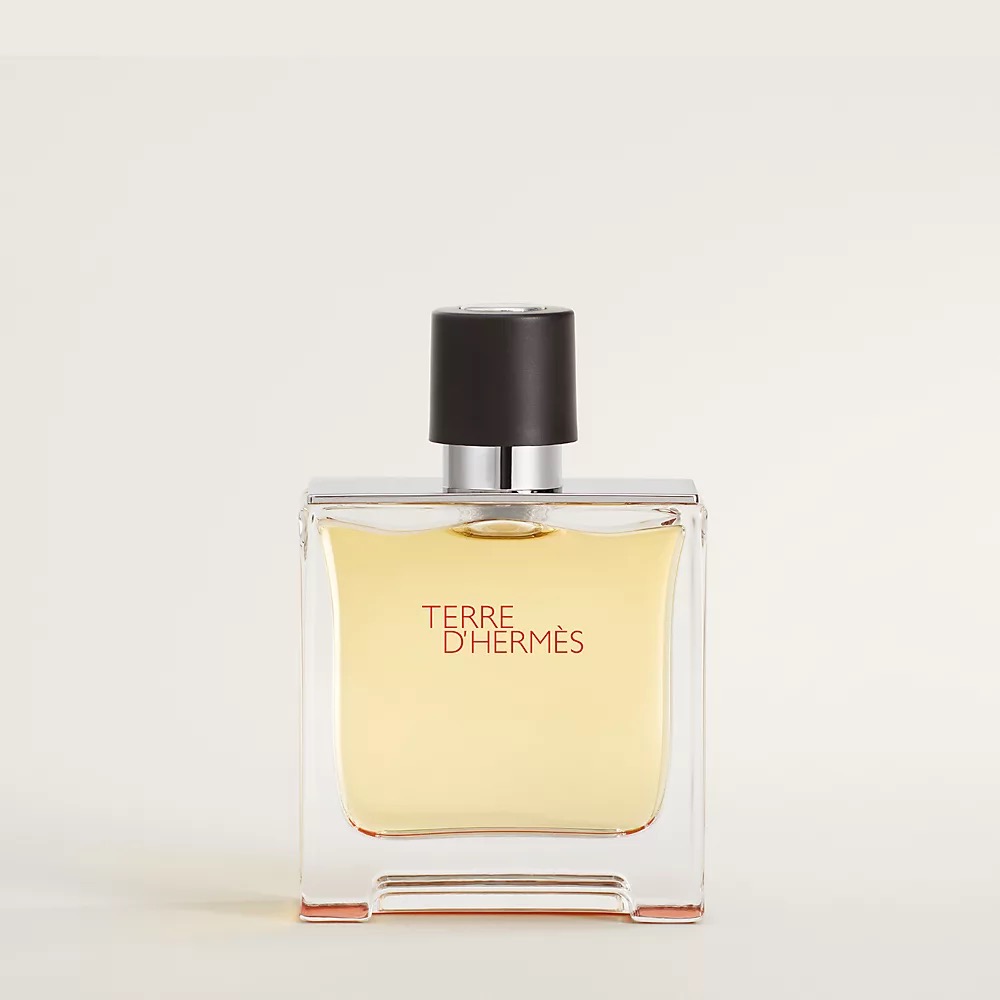
Terre d'Hermès
Terre d'Hermès
Terre d'Hermès
A woody-mineral meditation on man and earth, composed by Jean-Claude Ellena in 2006.
$120 at HERMÈS
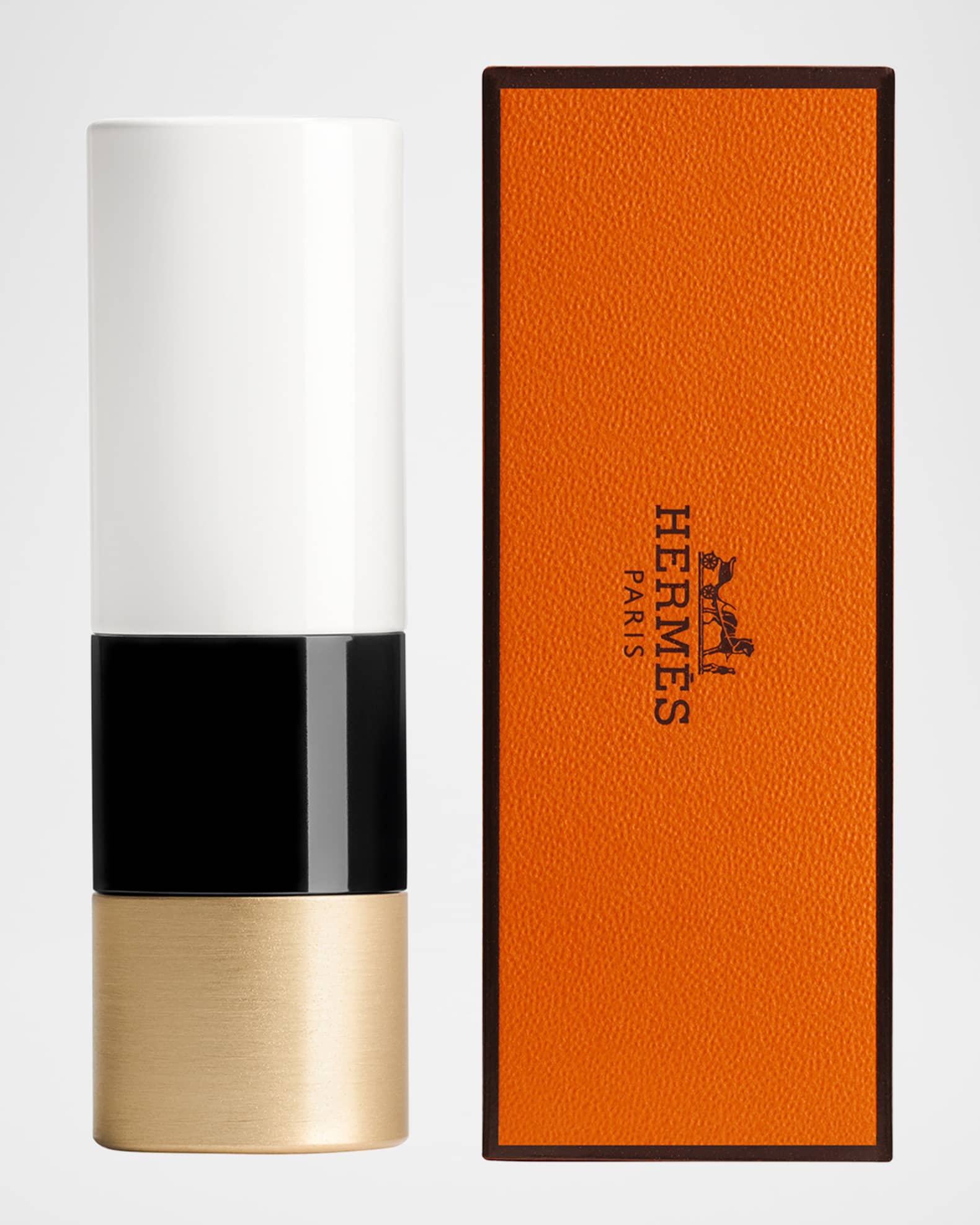
Rouge Hermès Lipstick
Rouge Hermès
Rouge Hermès Lipstick
The house's 2020 beauty debut — a refillable lacquered lipstick designed by Pierre Hardy.
$86 at HERMÈS

Read before you buy

Size and fit guides, honest reviews and comparisons that cover Hermès — from our editors.

Hermès shopping FAQ

Is an Hermès Birkin actually worth it, or are you just paying for the name?+

The Birkin earns its reputation on the bench, not the billboard. A single artisan saddle-stitches each bag from house leathers, the same craft Hermès has refined since its 1837 beginnings in saddlery and harness-making. Whether it suits you comes down to how much you value that hand-finishing and timeless silhouette over sheer practicality, but few bags hold their place in a wardrobe quite so confidently.

Birkin or Kelly — which Hermès bag should be your first?+

Both descend from the house's leather pedigree, but they carry differently. The Kelly took its name in the 1950s after a photograph of Grace Kelly, then Princess of Monaco, was published in Life magazine; it is the structured, single-handle flap bag for a more formal day. The Birkin, designed in 1984 after Jean-Louis Dumas sat beside Jane Birkin on a Paris-to-London flight, is the open, two-handle tote for everyday carry. Choose by how you actually live with a bag.

Why are Hermès bags so much more expensive than other luxury houses?+

Hermès has resisted scaling at the expense of its craft. Pieces are still built largely by hand from natural materials, a principle that once even cost the house ground against rivals using synthetics before tastes swung back. With descendants of founder Thierry Hermès still in control and many of its 60-plus manufactures based in France employing thousands of craftsmen, the price reflects time and provenance rather than marketing spend.

How do you pronounce Hermès, and where does the name come from?+

It is said air-MESS, with the s sounded, not the silent French ending many expect. The name is simply that of the founder, Thierry Hermès, born in Krefeld in 1801, who opened his first Paris workshop near the Madeleine church in 1837. It has been a family name on the door ever since.

What is the story behind the Hermès horse-and-carriage logo and the orange boxes?+

Both come straight from the house's history. The logo is the Duc attelé, groom à l'attente, a drawing by Alfred de Dreux of a carriage and waiting groom, chosen by Émile-Maurice Hermès to nod to the firm's saddlery roots. The signature orange arrived during World War II, when shortages under the German occupation forced a change of packaging colour, and it simply stayed.

Are Hermès silk scarves a good entry point into the house?+

They are arguably the most accessible piece of Hermès craft. The carrés, the square silk scarves, were introduced in 1937 and became woven into French culture, with designs drawing on paintings, books and objets d'art. For anyone who admires the house but isn't ready for a bag, a scarf carries the same eye for detail in a far smaller form.

What did Hermès make before it became famous for handbags?+

Horses, essentially. Thierry Hermès founded the company in 1837 making high-quality harnesses and equipment for riders, work good enough to win a first-class medal at the 1867 Exposition Universelle and clients including Tsar Nicholas II. Leather goods only became the core business later; the first leather handbags appeared in 1922 after Émile-Maurice's wife complained she couldn't find one to her liking.

Is Hermès still family-run, or has it been bought out like other luxury labels?+

It remains controlled by descendants of Thierry Hermès, gathered across the Dumas, Guerrand and Puech branches within the H51 holding company. With the single exception of Patrick Thomas, who served as CEO from 2003 to 2013 and was the first leader from outside the family, the house has always been run by a descendant of its founder.

Why is it so hard to just walk in and buy a Birkin?+

Hermès deliberately keeps production small to protect quality and meaning, so boutiques only ever hold a few bags at a time and the Birkin is not sold online. That scarcity, rather than any single price tag, is why the bag has long been treated as both an object of desire and a remarkably resilient store of value.

Where can I buy Hermès safely, and how do I avoid a fake?+

The surest route is an official Hermès boutique or the brand's own channels, since the house controls its own distribution closely and has steadily bought back franchises to do so. If you shop the resale market, lean on established specialists and scrutinise the saddle-stitching and hardware, the very details a single artisan spends hours perfecting and that counterfeits rarely match.

Beyond bags, what else does Hermès actually make?+

Far more than most realise. Across its business lines Hermès produces silk and ready-to-wear, watches through its Swiss subsidiary La Montre Hermès, jewellery, fashion accessories, perfumery launched with Eau d'Hermès in 1951, and even tableware in porcelain and crystal. A beauty division added a sixteenth line in 2020.