Who was Albertus Swanepoel?+
Albertus Swanepoel (12 April 1959 – 25 July 2024) was a South African milliner based in New York City, widely regarded as one of fashion's leading hat designers. A Fine Arts graduate of the University of Pretoria, he won the Coty Award as South Africa's top designer before moving to the United States in 1989. He died in 2024 at the age of 65, leaving behind a body of work that put serious millinery back on the fashion map.
Are Albertus Swanepoel hats worth it?+
If you care about real millinery rather than a mass-market topper, the answer is yes. Swanepoel's reputation rests on hats made for the runways of designers like Carolina Herrera, Alexander Wang, Narciso Rodriguez and Tommy Hilfiger, which is rarefied company for an accessories label. Because he died in 2024, his namesake pieces have shifted from seasonal collection items toward genuine collector's territory — buy the silhouette you'll actually wear, and treat it as a keeper.
What is Albertus Swanepoel best known for making?+
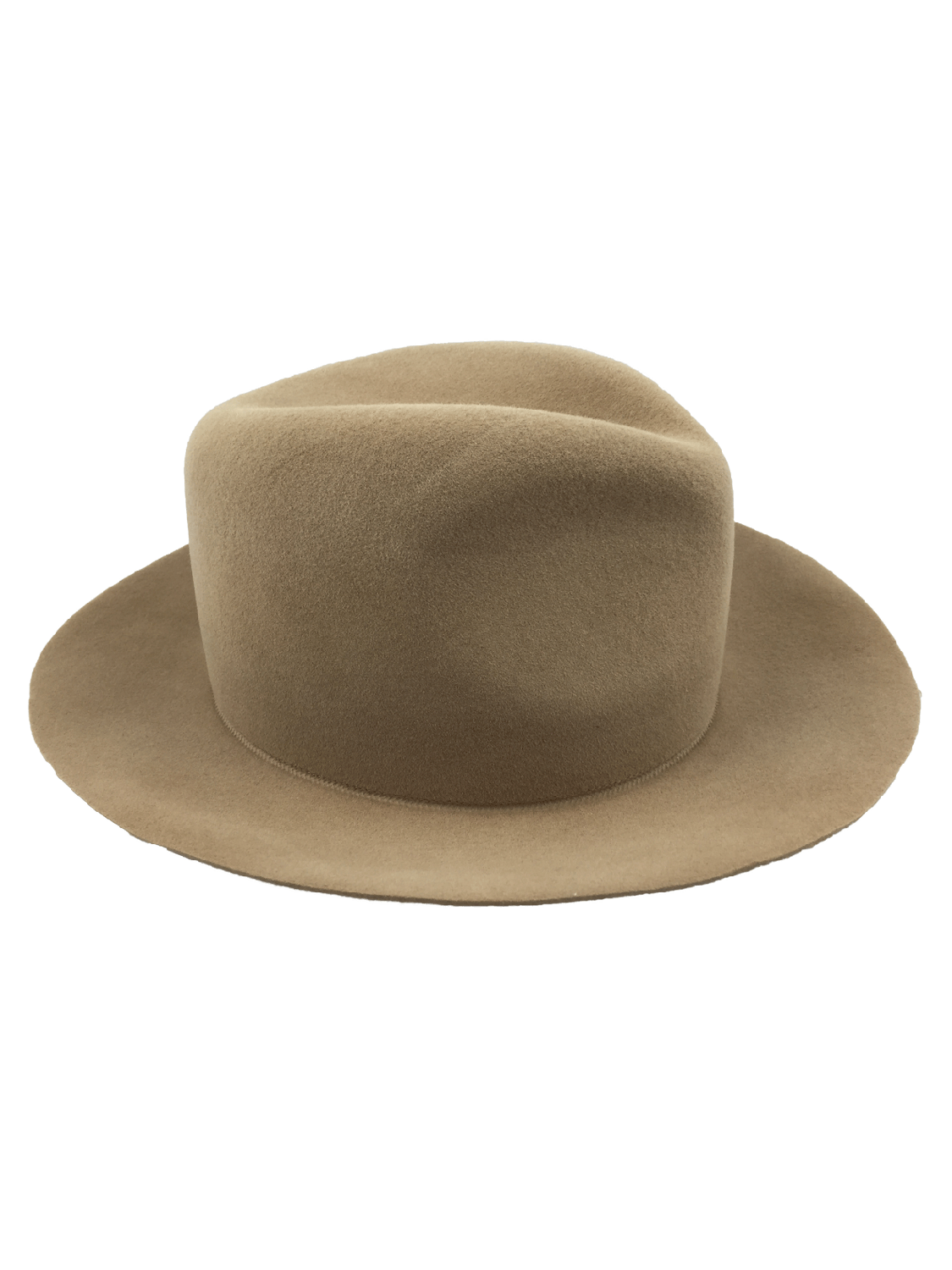
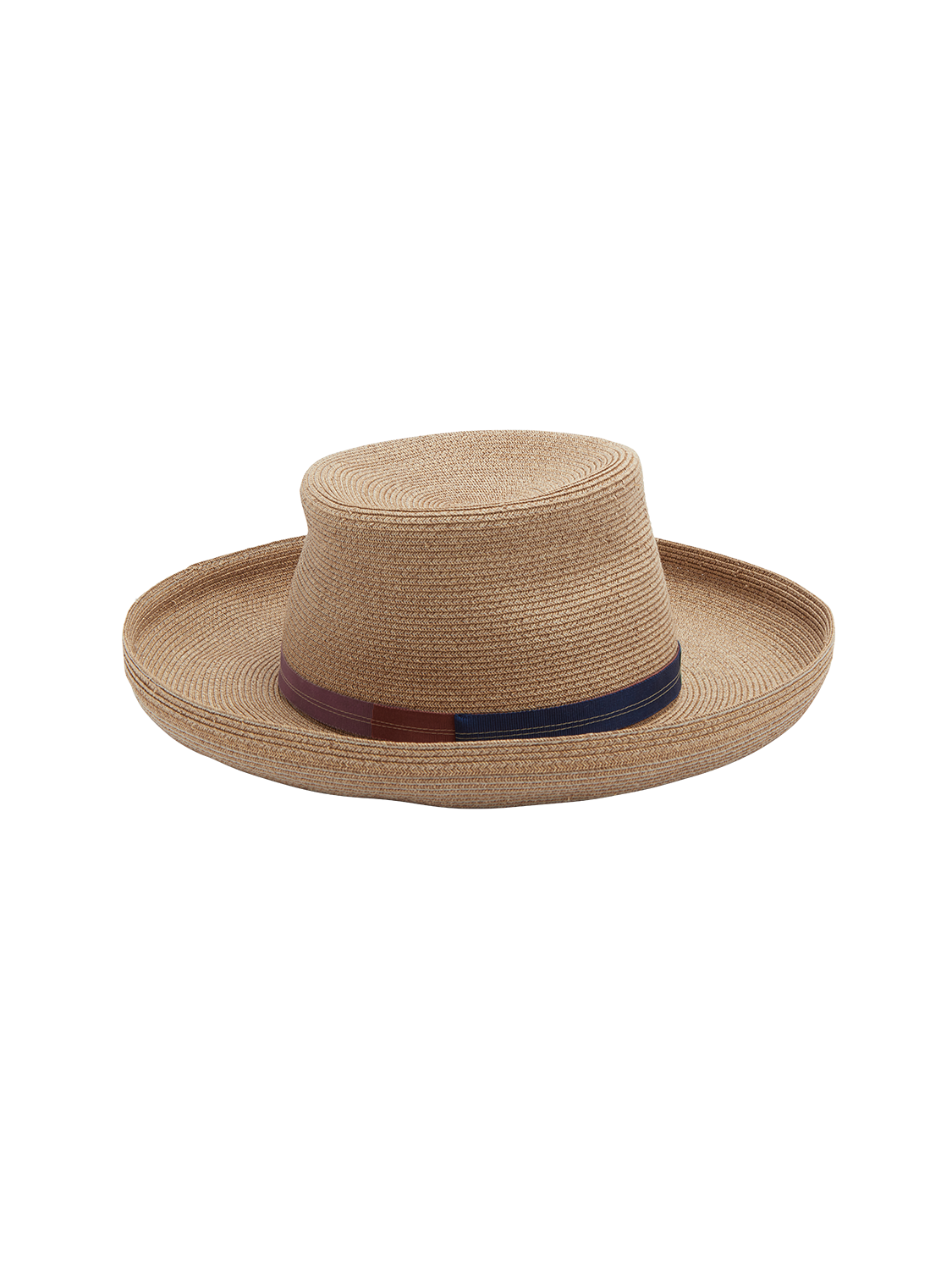
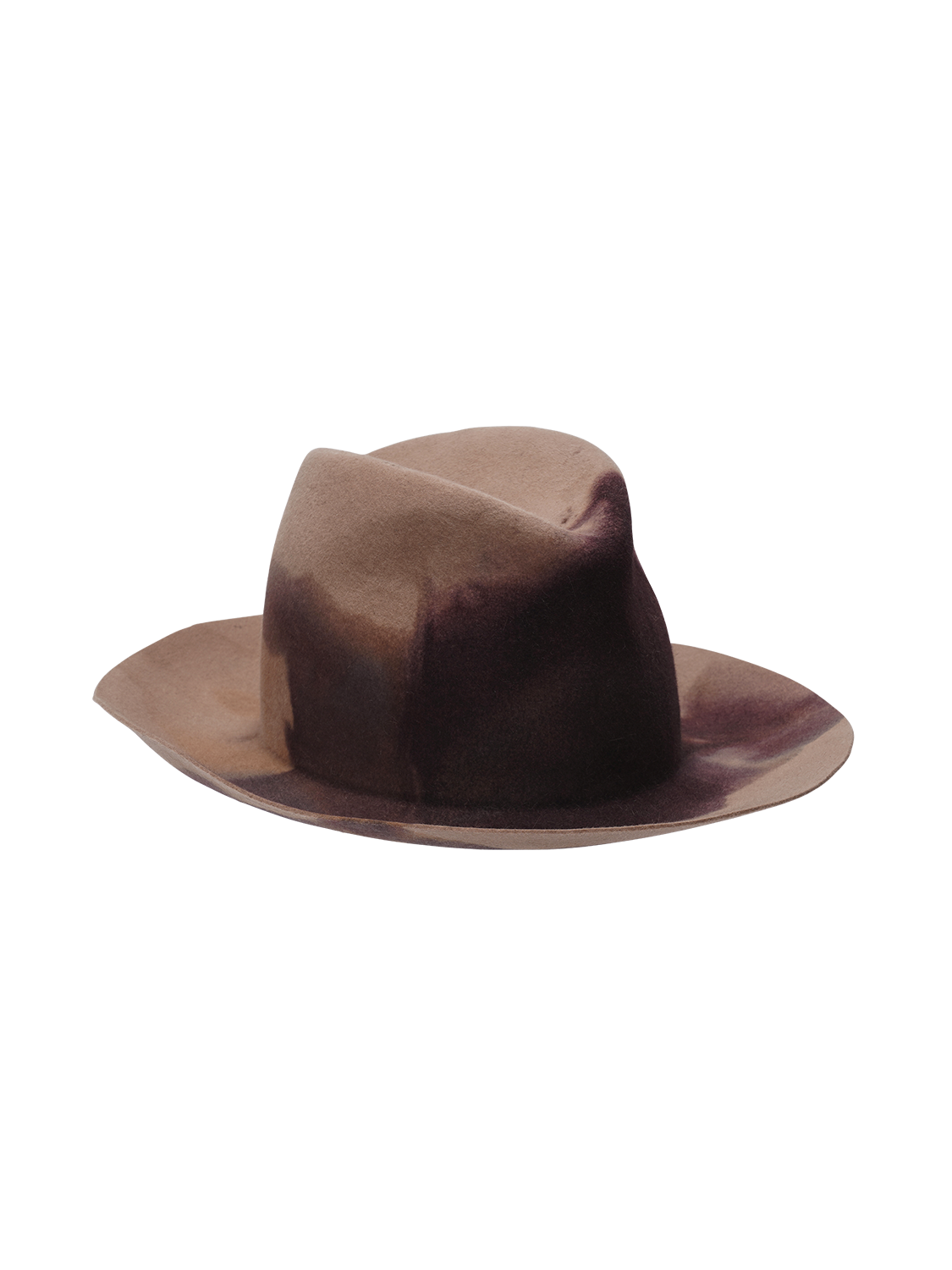
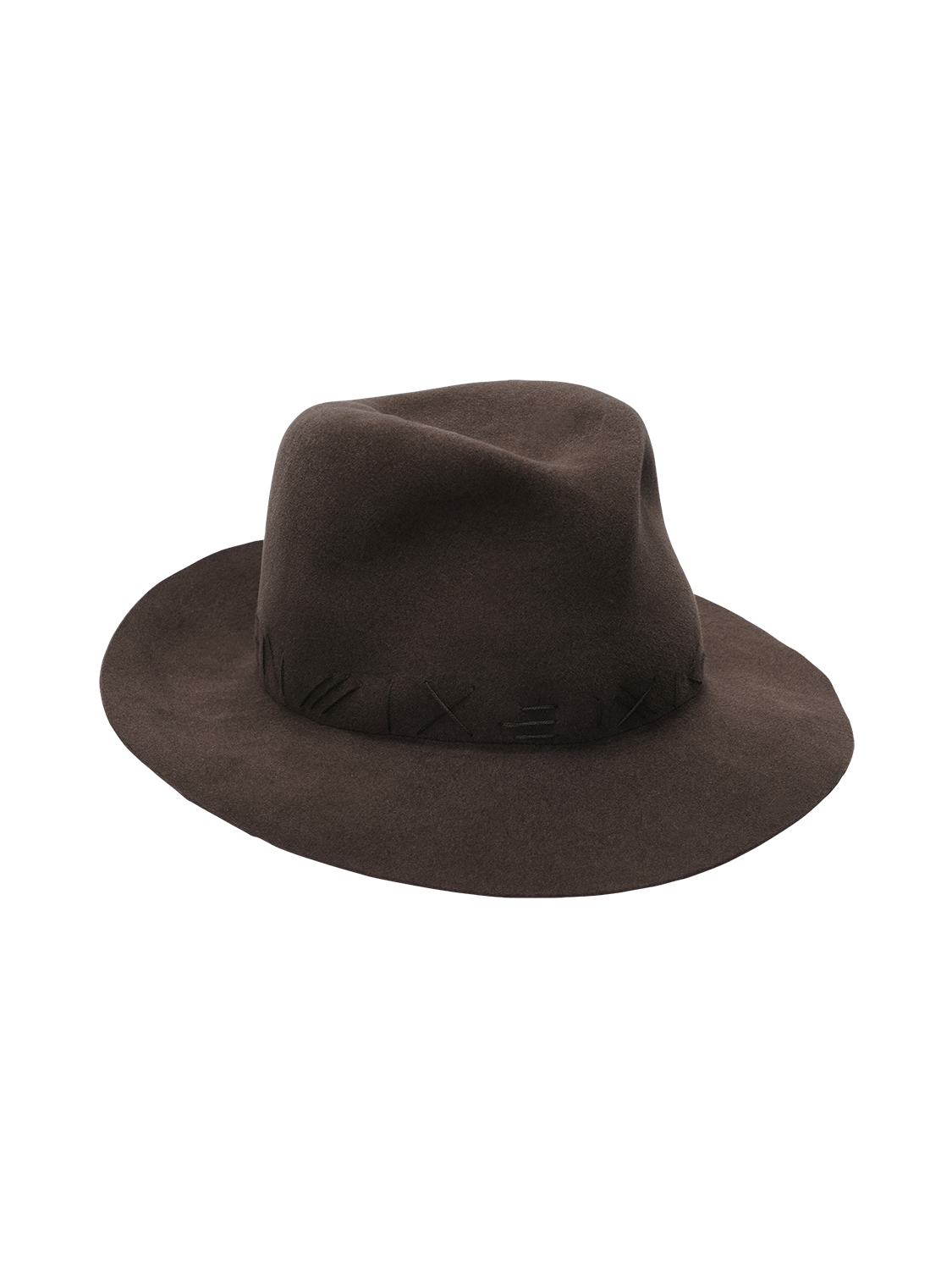
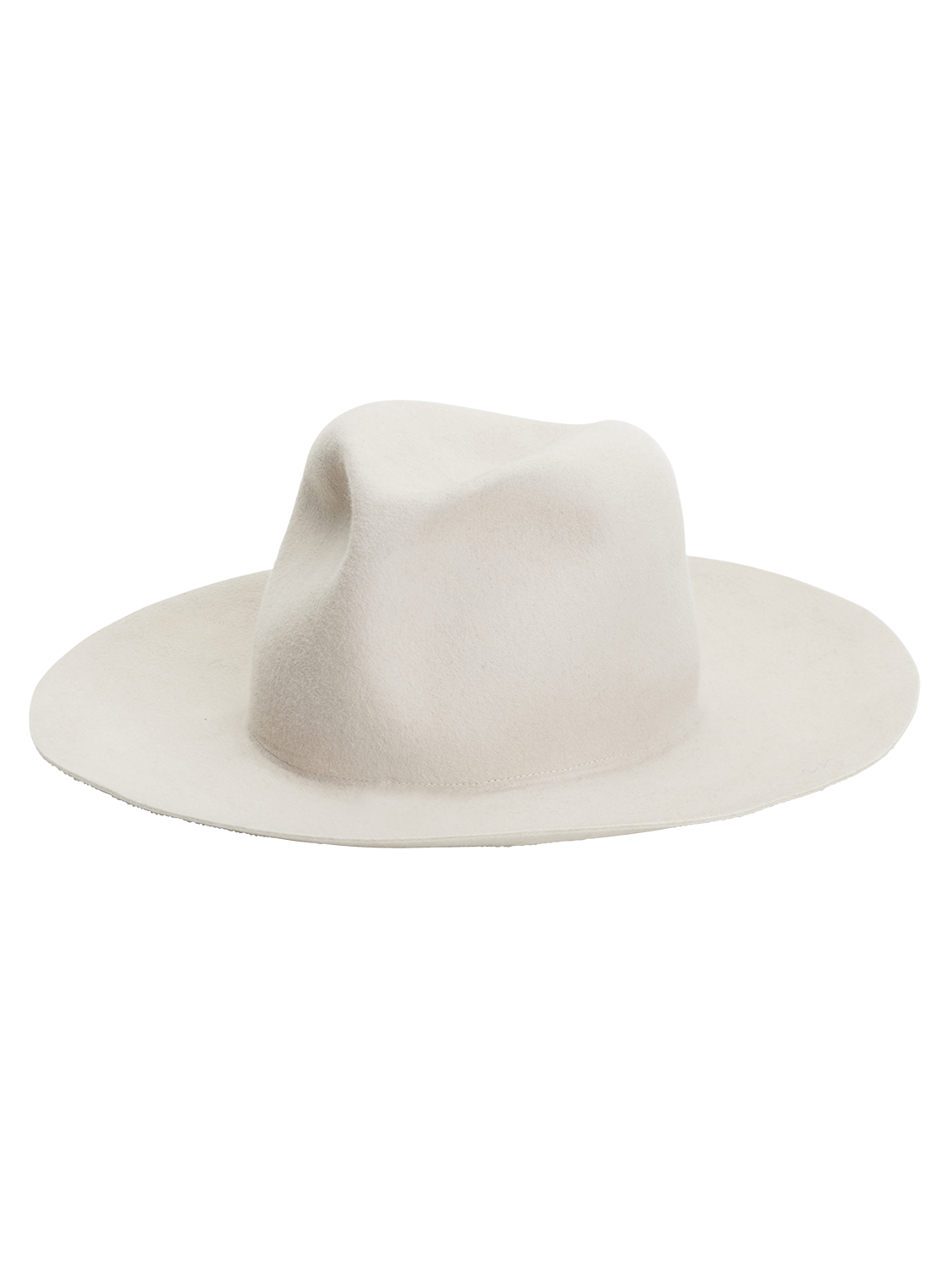
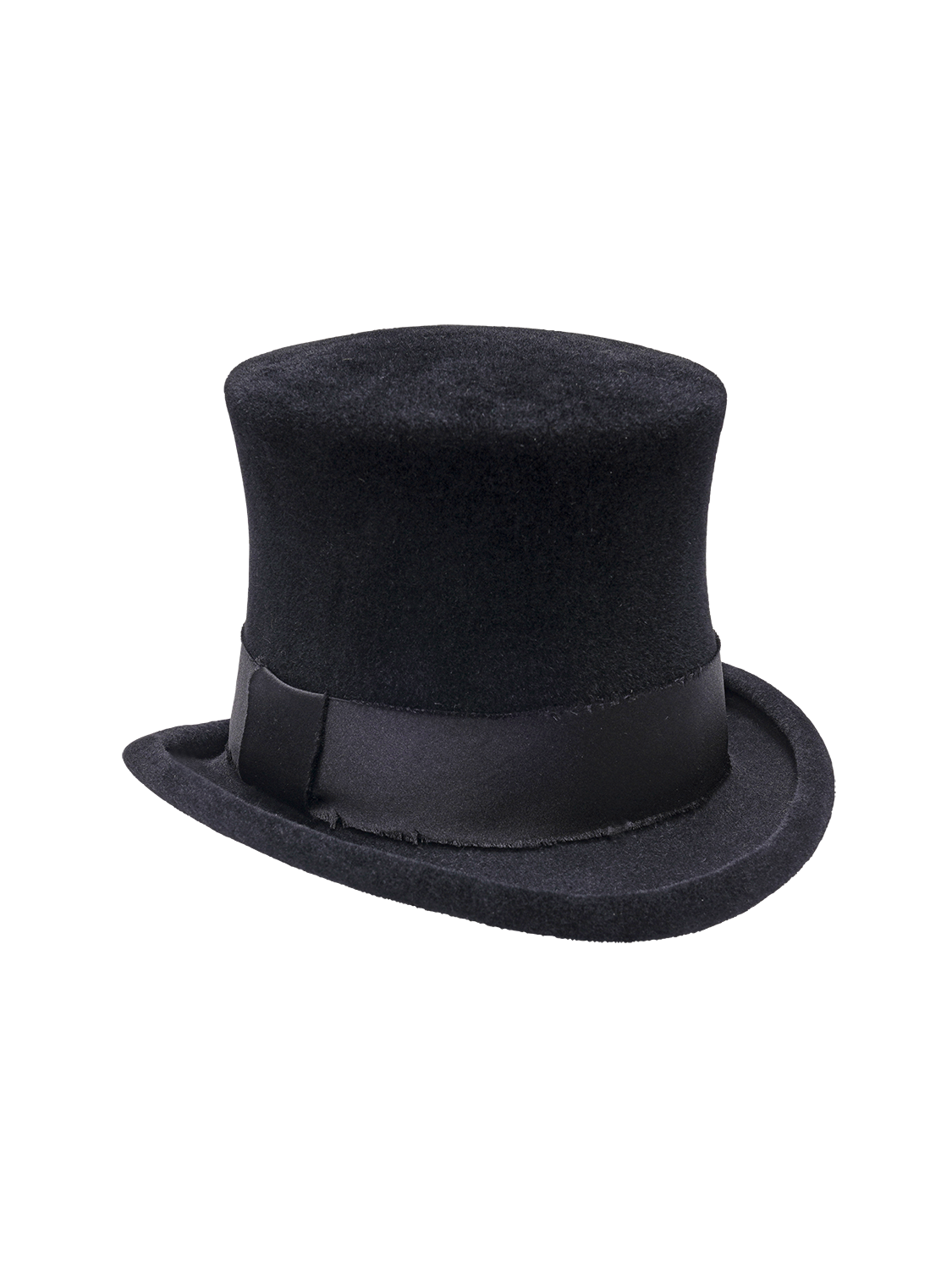
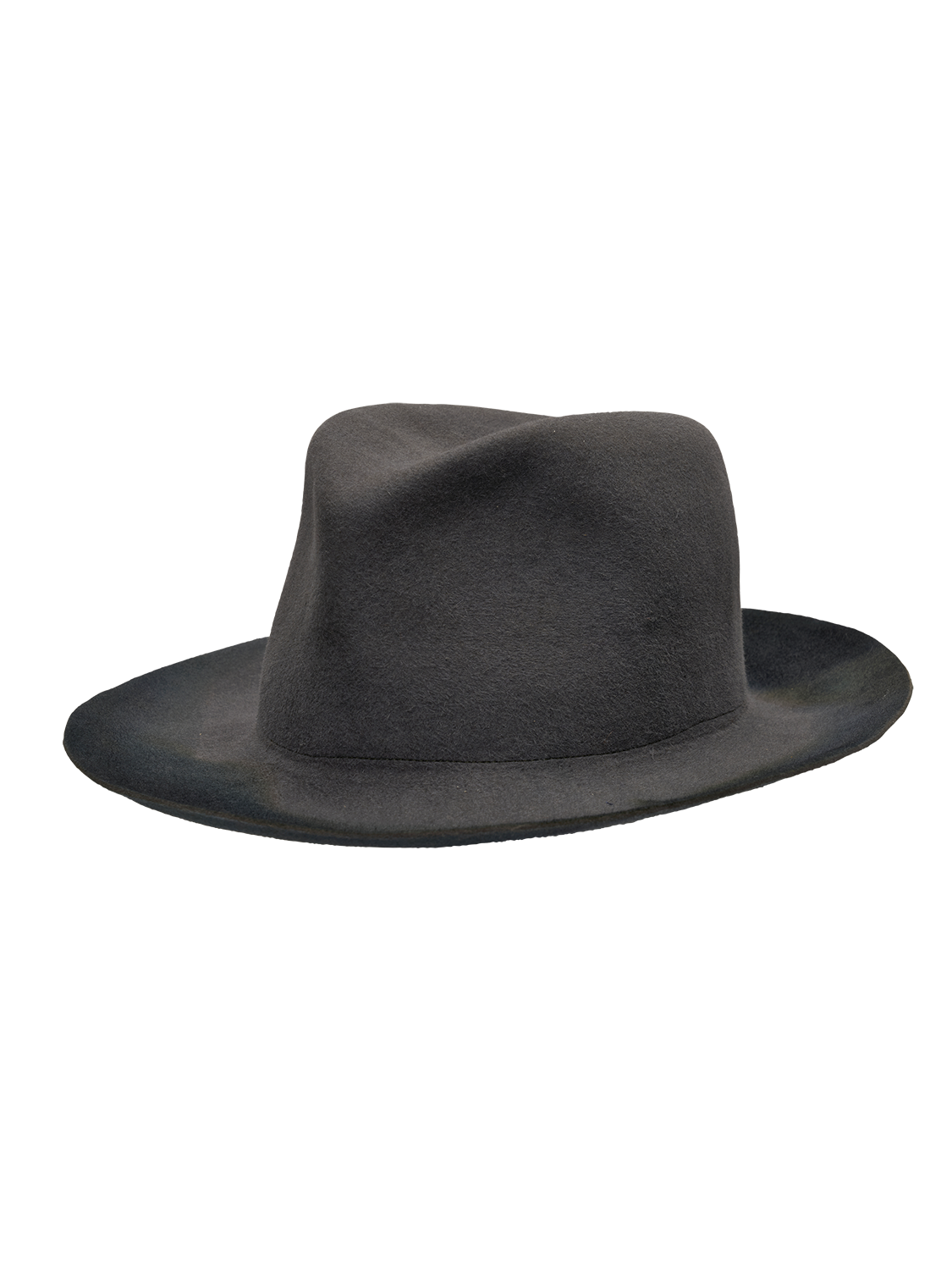
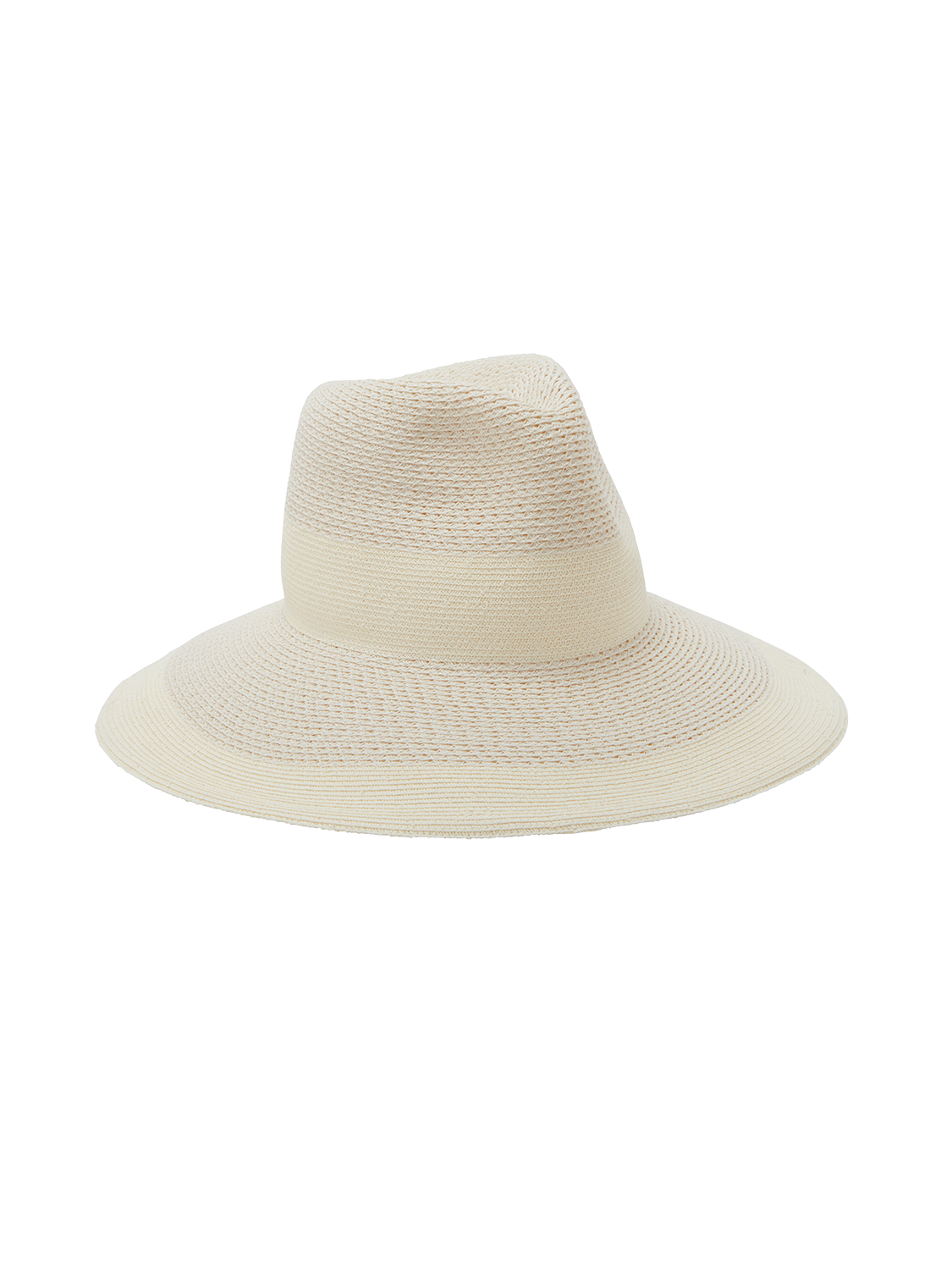
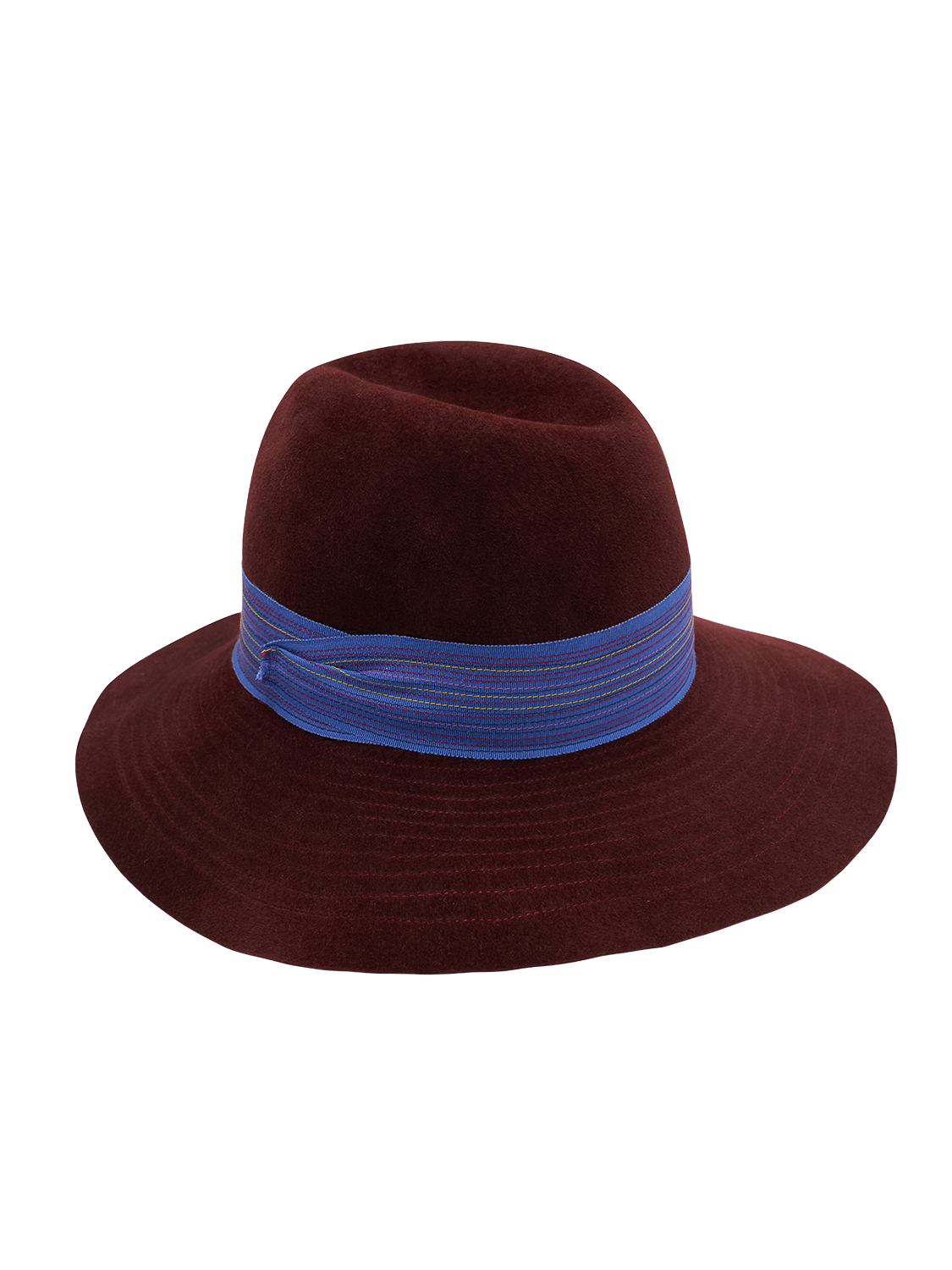
Hats, full stop — he was a milliner, not a clothing or bag designer. His designs were prized enough that fashion houses commissioned them for their runway shows, and his work was featured in Vogue, Harper's Bazaar, Time, Glamour, The Wall Street Journal and The New York Times. For a first purchase, look to the structured felt fedoras and woven straw shapes that anchor his collections.
Where did Albertus Swanepoel learn to make hats?+
He came to millinery sideways, which is part of the charm. After launching his Quartus Manna clothing label in South Africa in 1983 and starting a glove business in New York in 1992, he took evening millinery classes and made his own hats on the side while taking freelance work. That self-driven, hands-on path shaped the craftsmanship his hats are known for.
Which famous designers used Albertus Swanepoel's hats on the runway?+
His hats appeared in the runway shows of Carolina Herrera, Alexander Wang, Narciso Rodriguez and Tommy Hilfiger, among others. That kind of cross-house demand is rare for an independent milliner and is a big reason his name carries weight in fashion circles. It also means his pieces were designed to read well under bright lights and beside high-end clothing, not just on the street.
Did Albertus Swanepoel collaborate with Marc Jacobs or Proenza Schouler?+
Yes to both. In 2004 he created a Fall hat collection with Marc by Marc Jacobs, and the following year he worked with Proenza Schouler on hats for a Spring collection. These early collaborations, before he even launched his own company, helped establish him as the go-to milliner for New York's design set.
When did Albertus Swanepoel start his own hat label?+
He founded Albertus Swanepoel LLC in 2006, after years of freelance and collaborative work. The company sells his namesake collections to selected retail stores in the USA and to several international markets, so availability has always been curated rather than everywhere — expect to find him at fashion-forward boutiques and specialty retailers.
Did Albertus Swanepoel really make hats for Broadway shows?+
He did. Working alongside theatrical milliner Lynne Mackey, Swanepoel constructed hats for several Broadway productions, including Kiss Me, Kate and Mamma Mia!. Stage millinery demands hats that hold their shape under heat and movement, and that discipline carried into the durability of his ready-to-wear work.
What awards did Albertus Swanepoel win?+
He was a runner-up in the 2008 Vogue/CFDA Fashion Fund Awards and was nominated as Accessory Designer in the 2009 CFDA/Swarovski Awards. He later took the Accessory Designer Award at African Fashion Week International in 2010 and received the University of Pretoria Alumni Laureate Award in 2014 — recognition that spanned both his adopted New York and his native South Africa.
Was Albertus Swanepoel originally from South Africa?+
Yes — he was South African, a Fine Arts graduate of the University of Pretoria, and he won the Coty Award as the country's top designer before emigrating. He moved to the United States in 1989 and built his entire millinery career from New York City, which is why his work blends a Continental sense of polish with American practicality.
How do I care for a structured felt or straw hat like his?+
Treat a quality milliner's hat as the handcrafted object it is. Handle it by the brim rather than the crown to preserve the shape, store it upside down on its crown or on a stand so the brim doesn't flatten, and keep it out of damp and direct heat. Spot-clean gently and let any moisture air-dry naturally — a well-made felt or straw hat rewards careful handling with years of wear.