Are Blundstone boots worth it?+
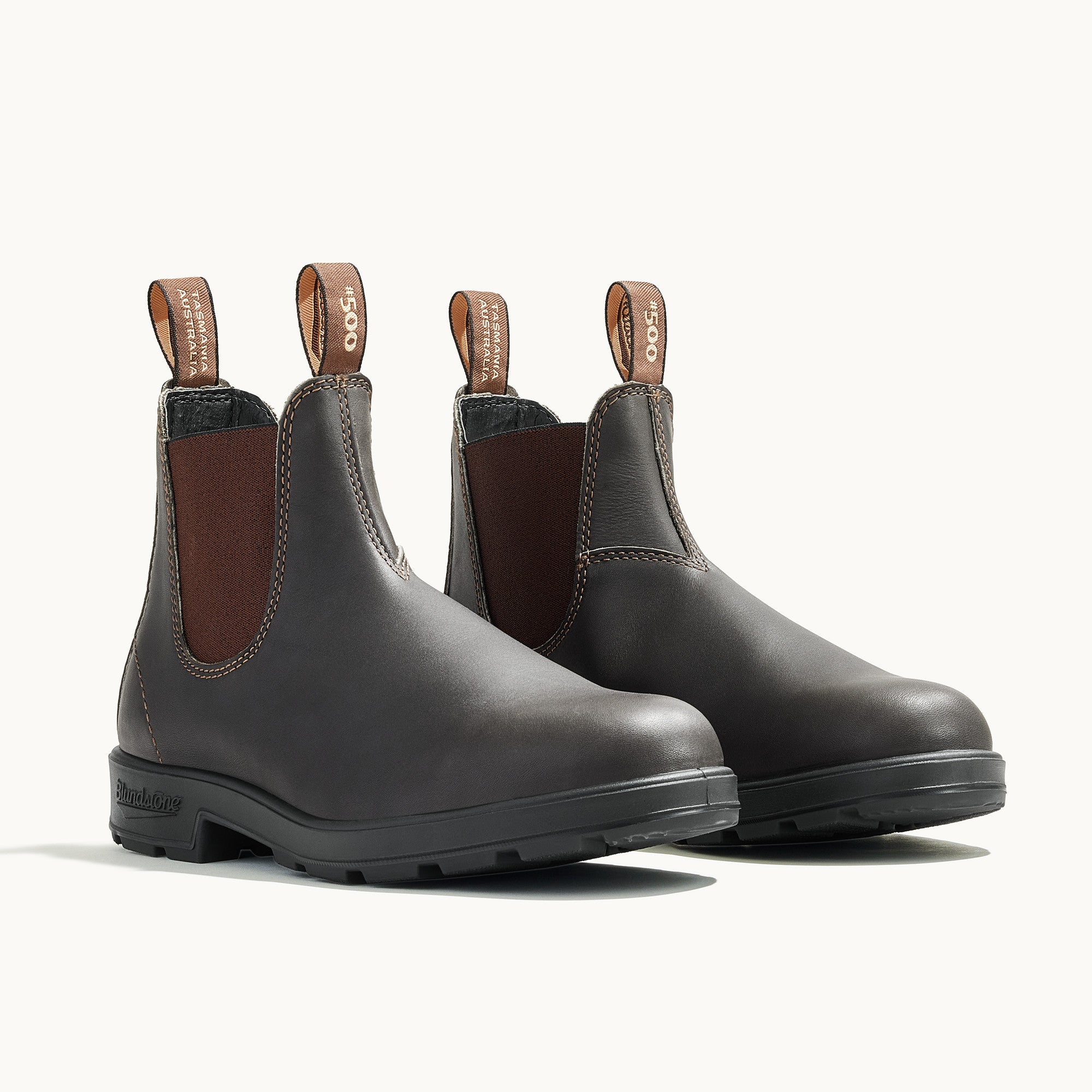
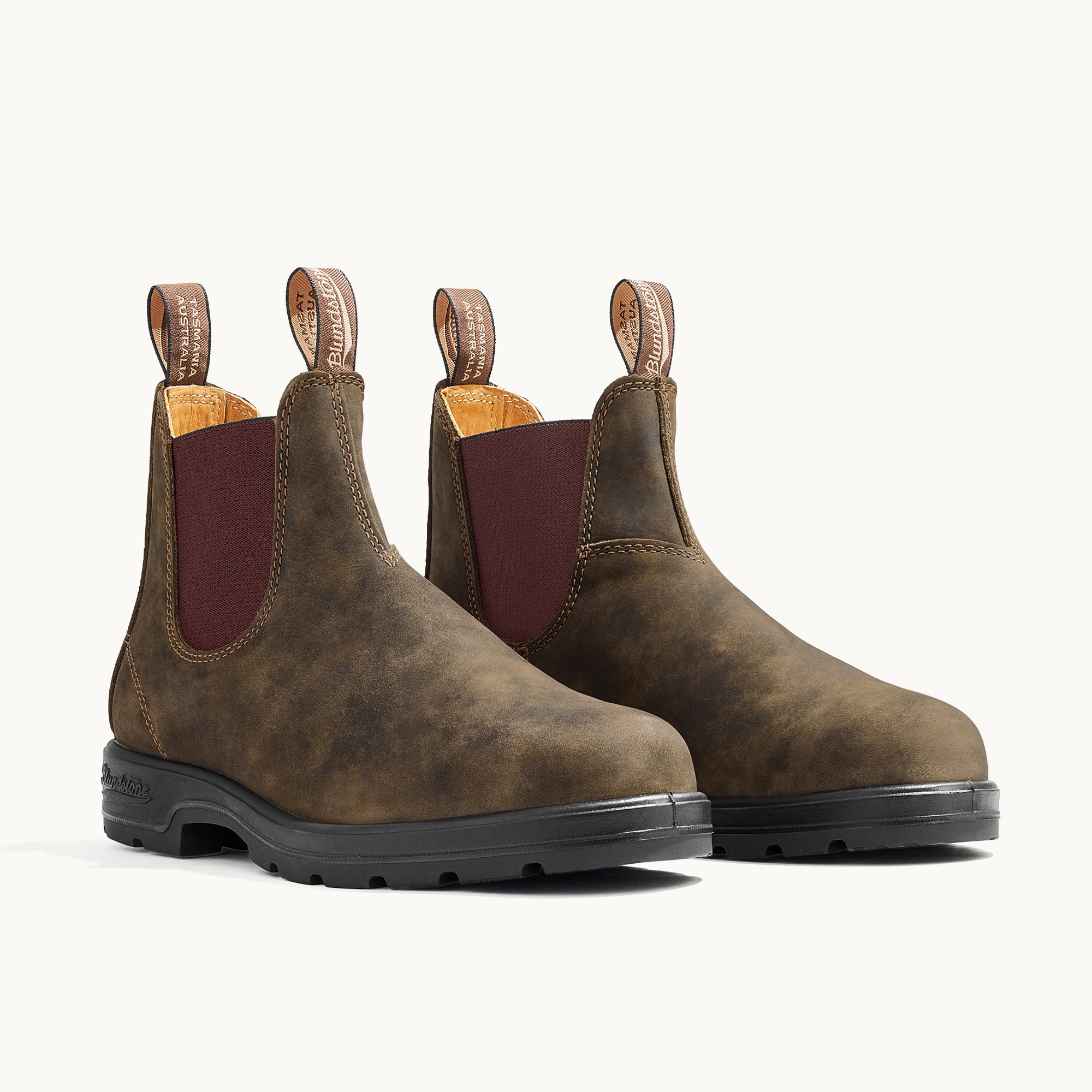
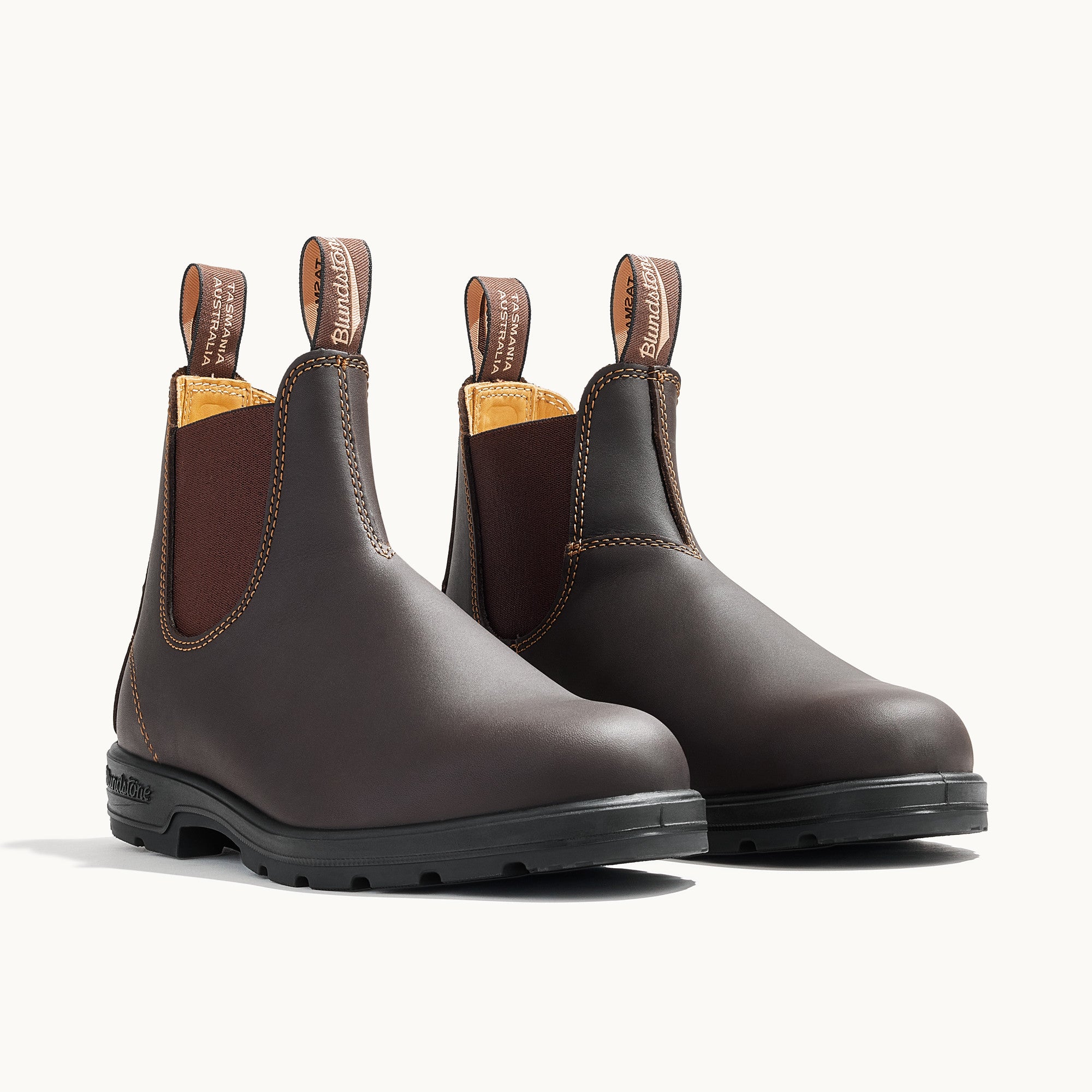
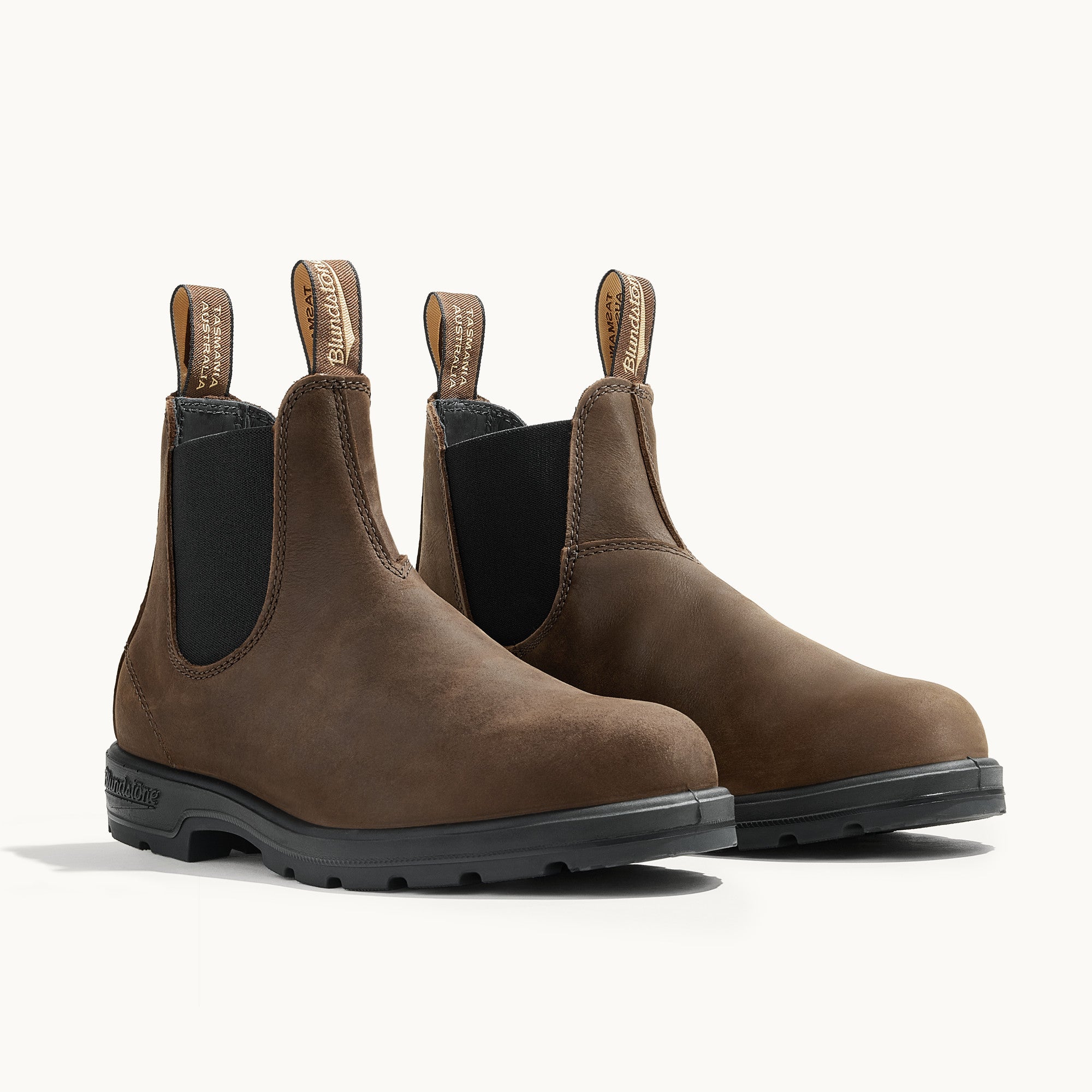
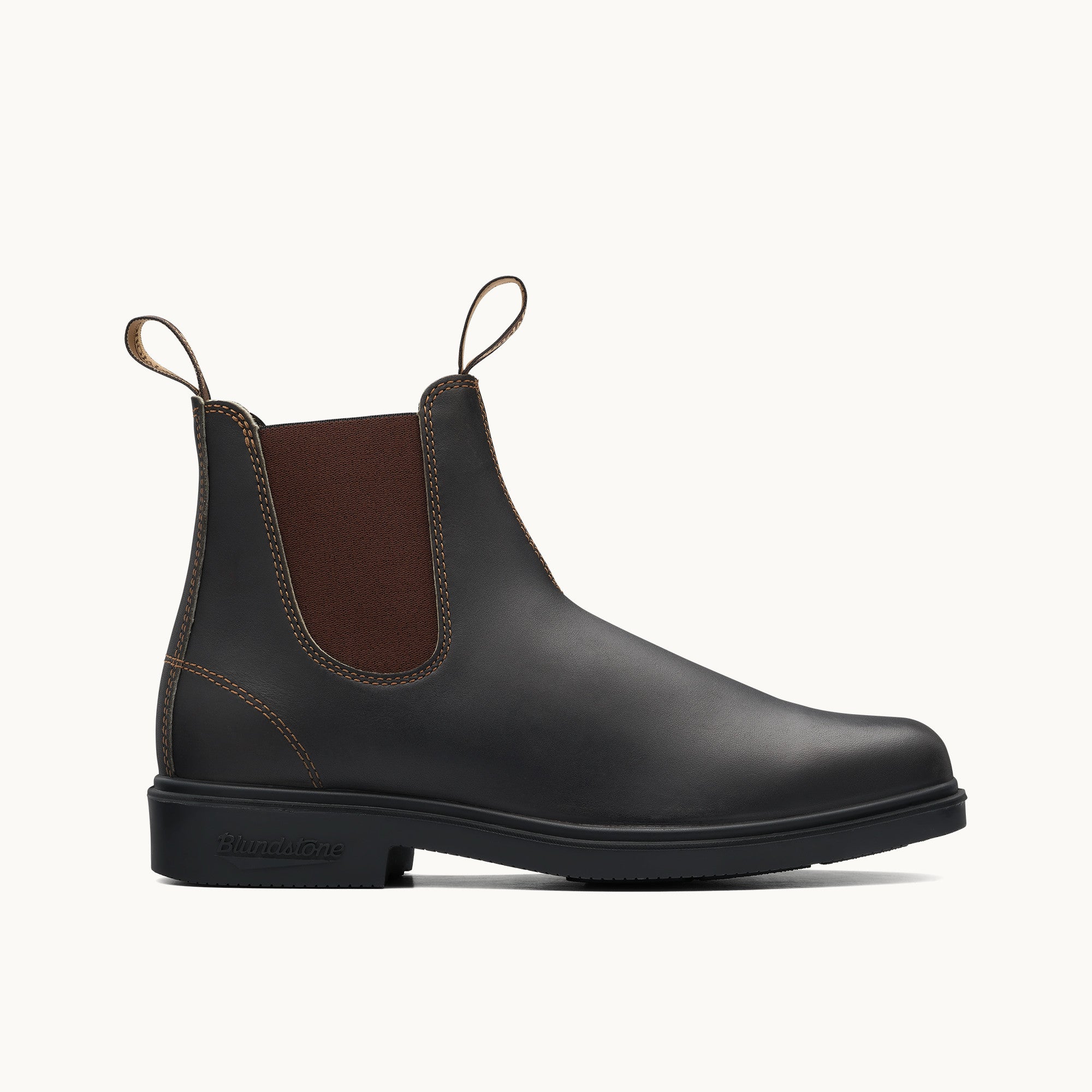
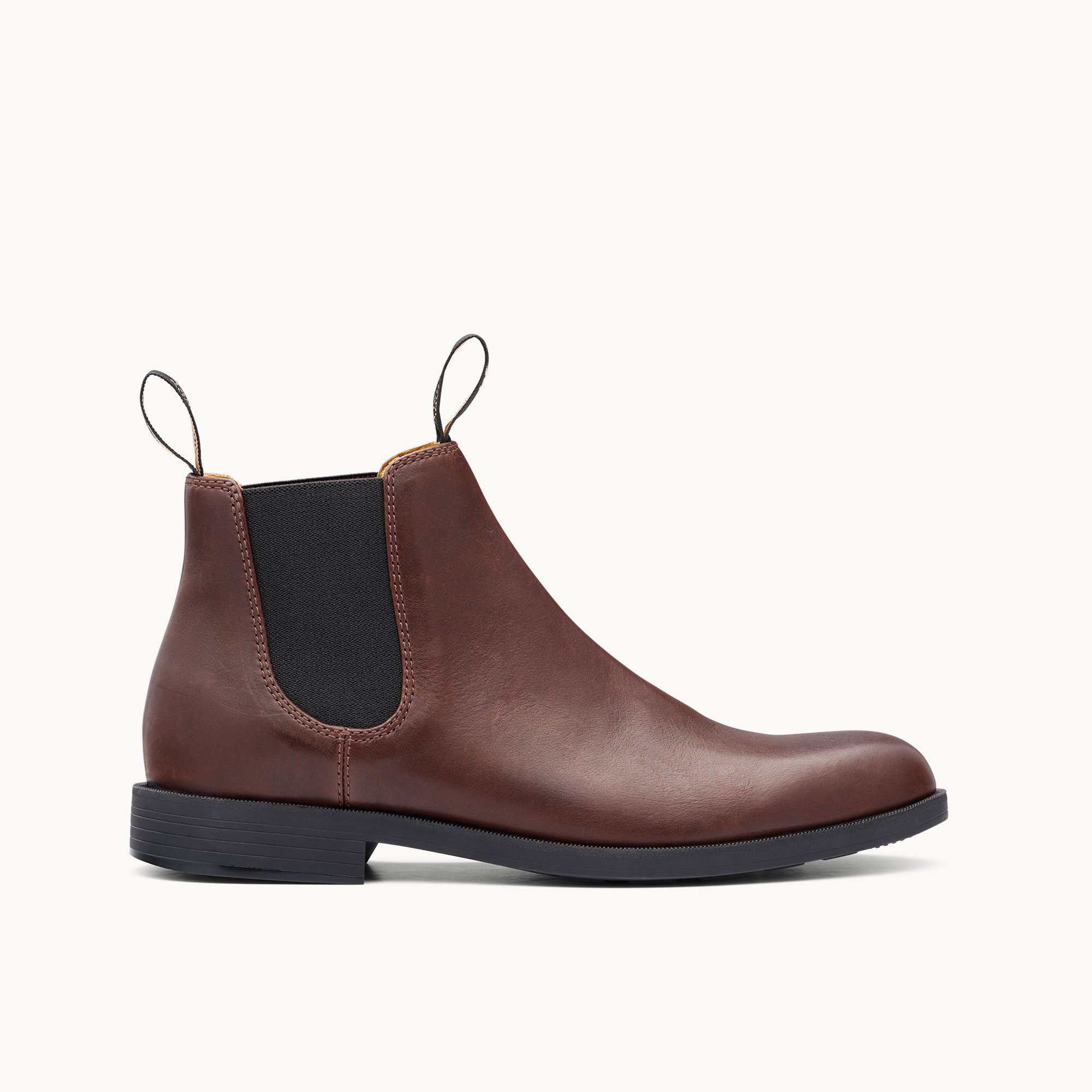
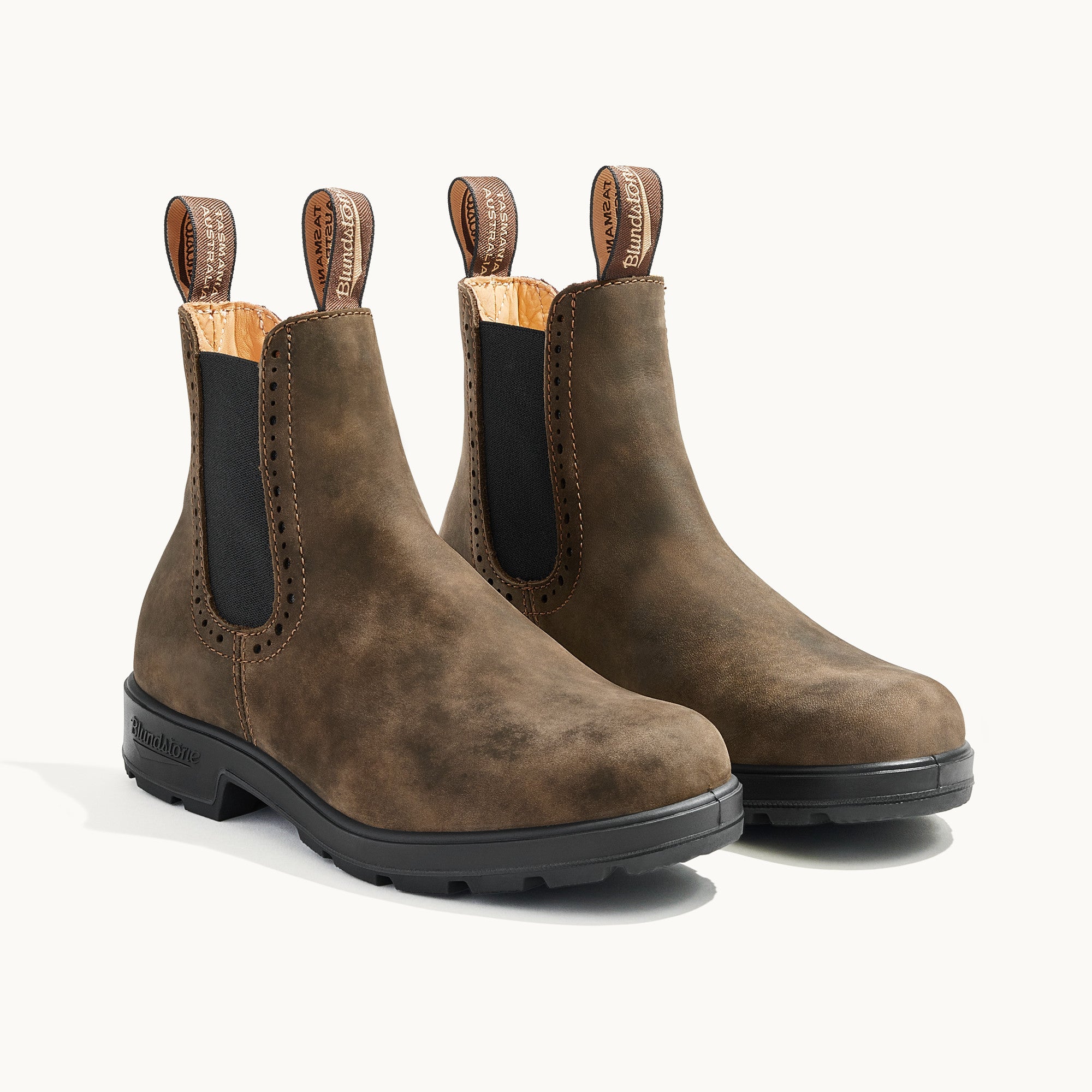
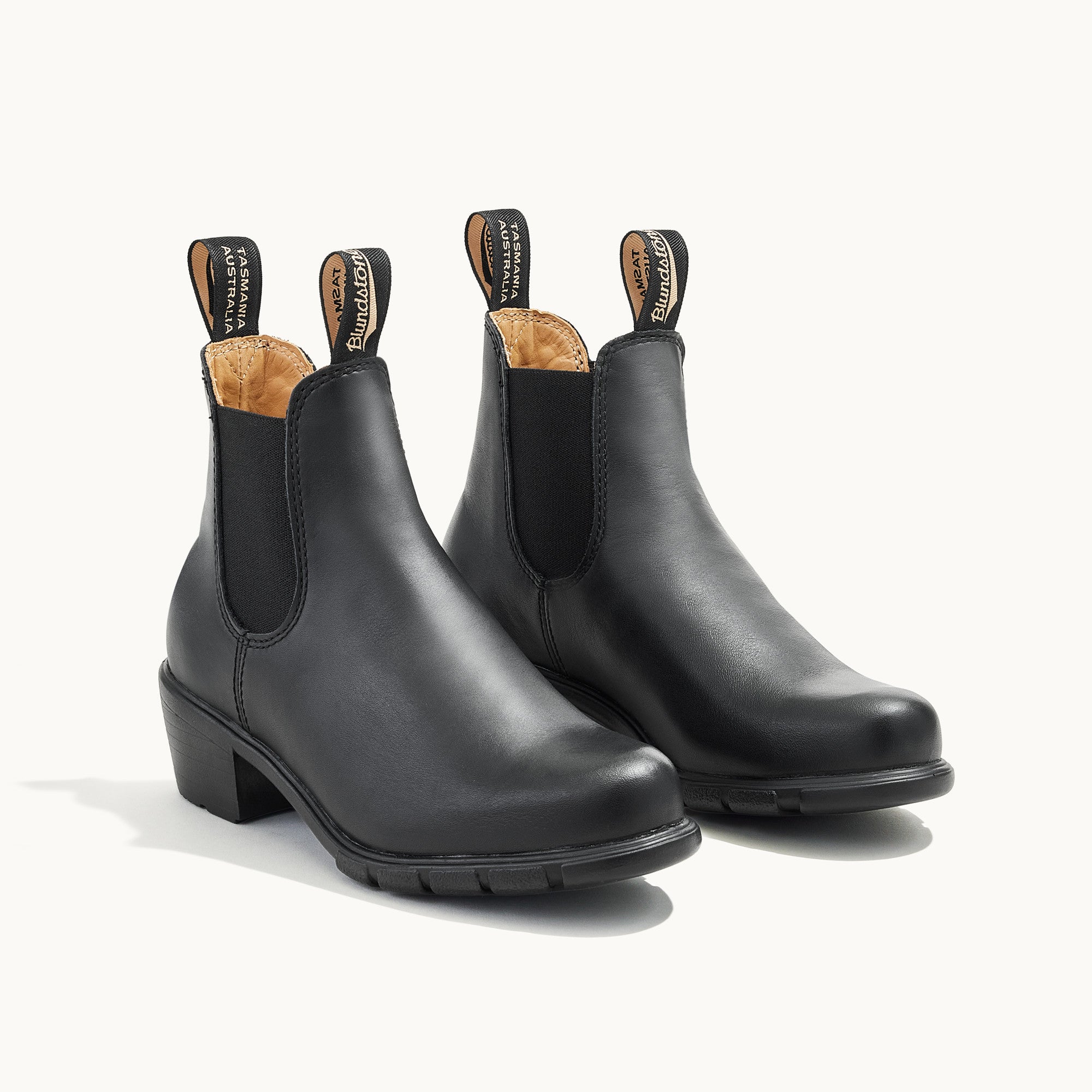
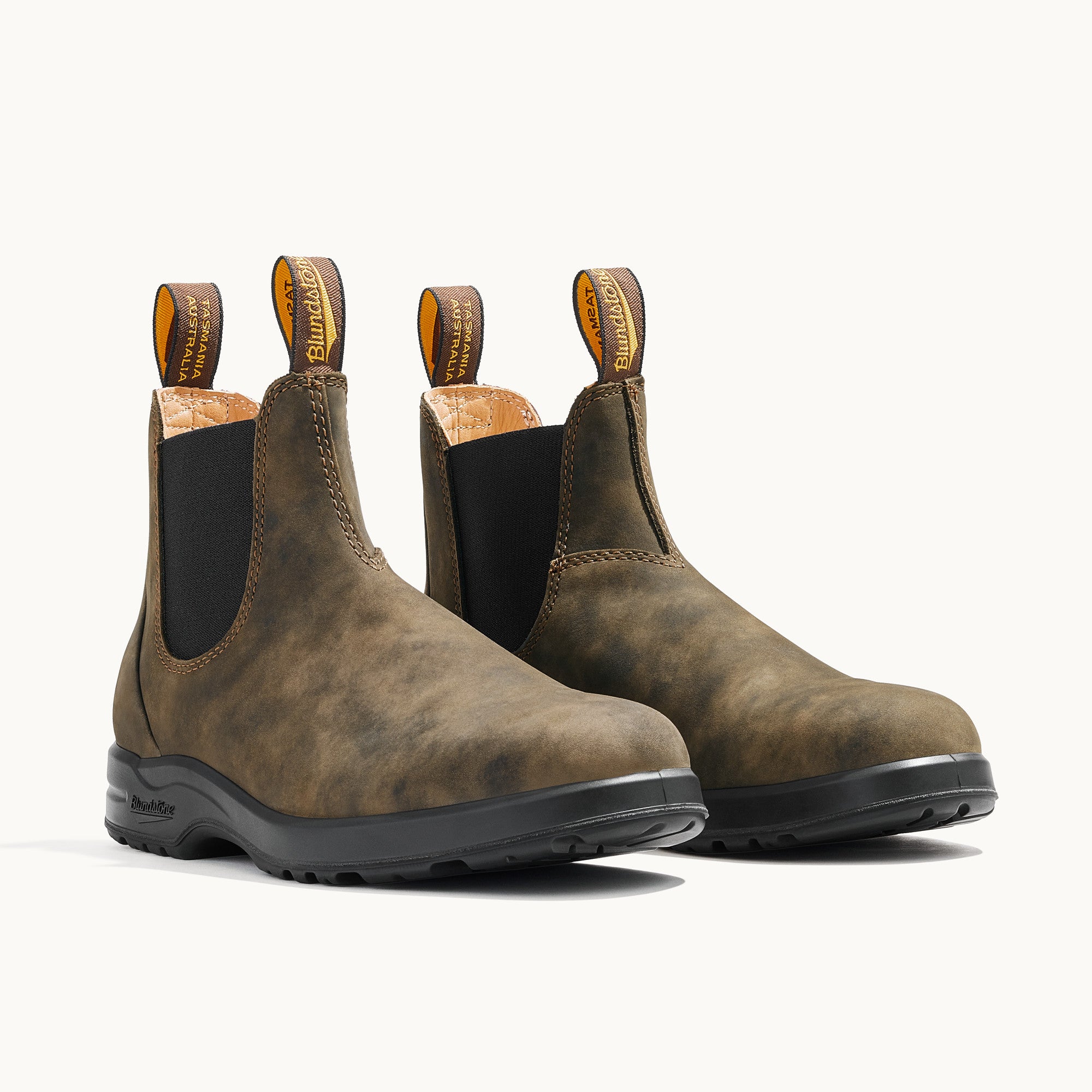
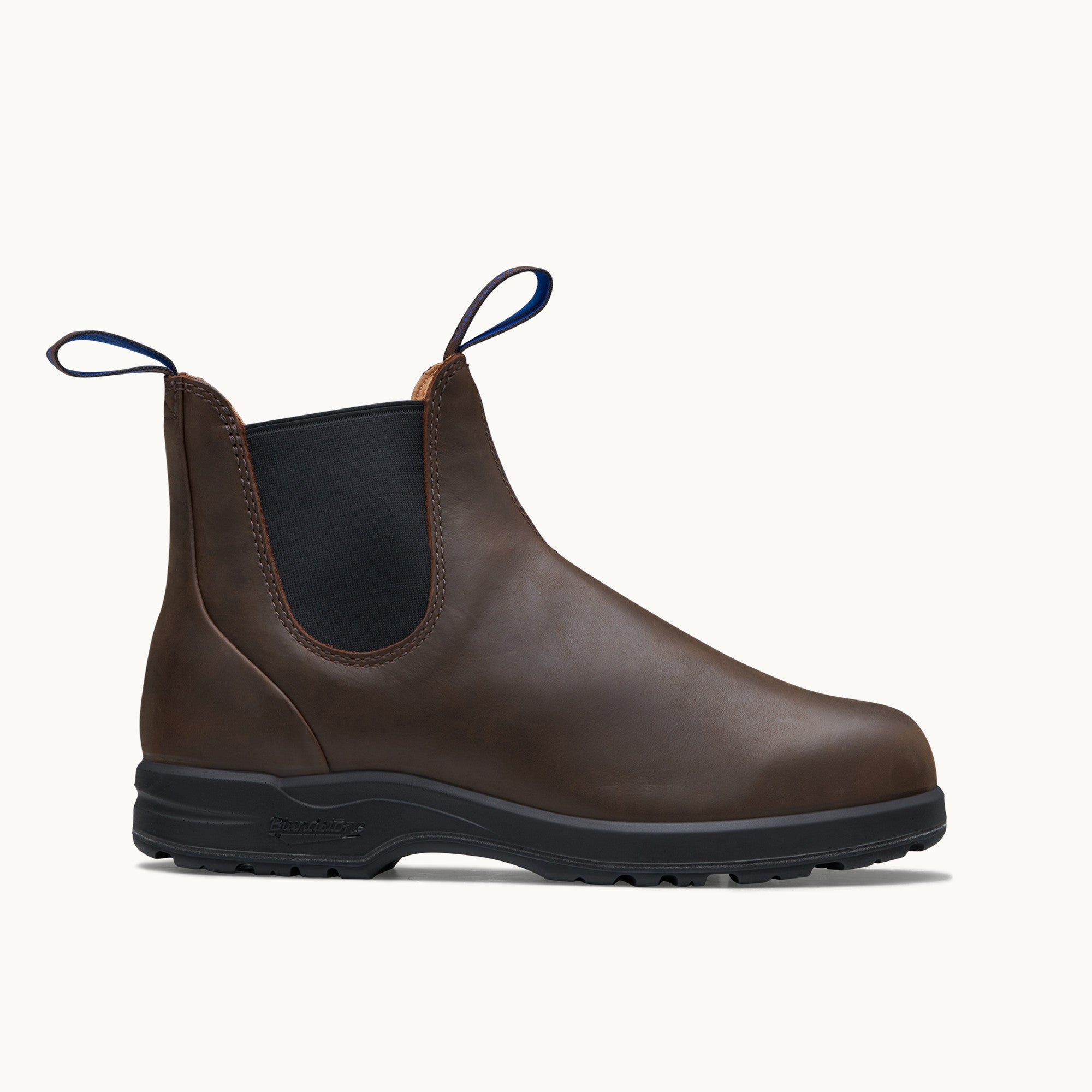
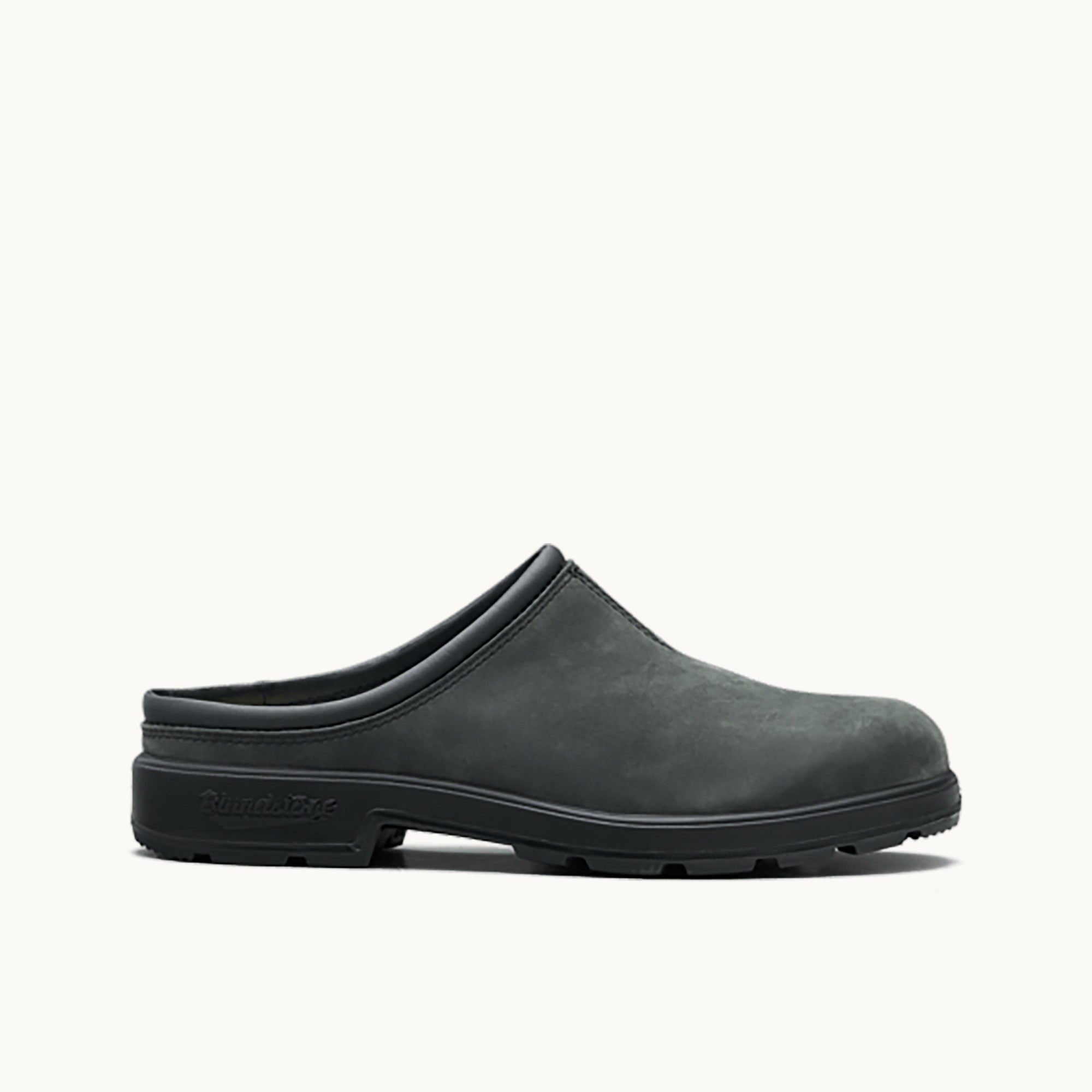
Blundstones earn their following on durability and that throw-them-on-with-anything ease. The brand's best-known product is its laceless, elastic-sided ankle boots, and people tend to keep them for years rather than seasons. Whether they are worth it for you comes down to how much you value that rugged, no-fuss Chelsea silhouette over flashier alternatives.
How do Blundstone boots compare to Dr. Martens?+
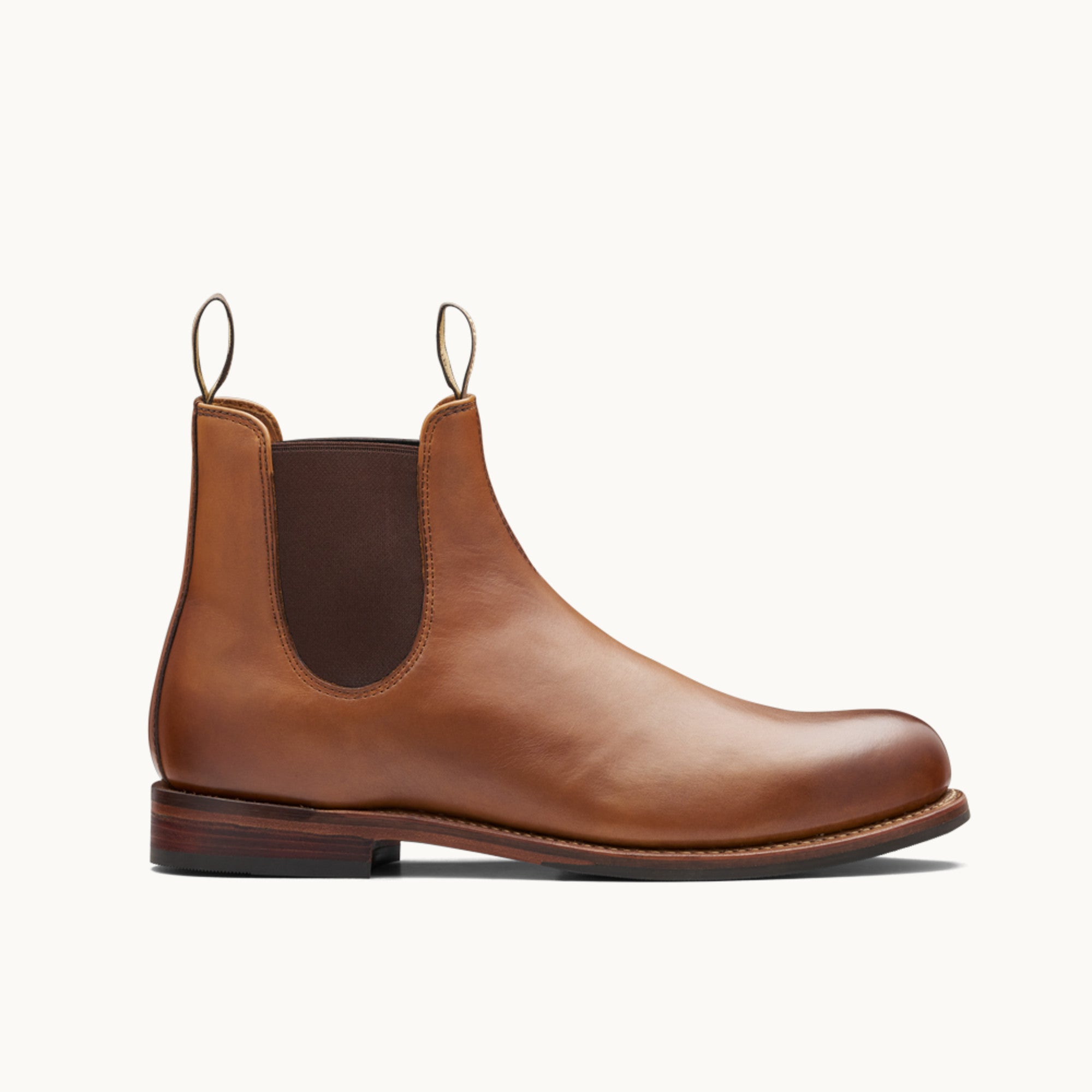
They scratch different itches. Blundstone's signature is the laceless, elastic-sided, ankle-length Chelsea boot, which slips on and reads as casual-rugged, while Dr. Martens carries more lace-up, subcultural styling. If you want something to pull on without fuss day after day, the Blundstone shape is hard to beat; if you want a bolder, more statement boot, Dr. Martens leans that way.
What is Blundstone's most iconic boot?+
The laceless, elastic-sided, ankle-length Chelsea boot is the company's best-known product, full stop. It is the shape that made an Australian work-boot maker into a global name. The 803 is part of that lineage too, with the last two Australian-made pairs preserved unworn as a small piece of the brand's history.
Where are Blundstone boots made now?+
Mostly overseas, which is a real shift from the brand's roots. Blundstone is based in Hobart, Tasmania, but most manufacturing has been done overseas since 2007, when the company announced it would move production to Thailand and India to manage rising costs. For a time it still planned to make some footwear, most likely gumboots, at the Tasmanian factory.
Who founded Blundstone and how old is the company?+
Blundstone traces back to free settlers from England: John and Eliza Blundstone arrived in Hobart from Derbyshire on 14 October 1855. John worked as a coachbuilder before importing and then manufacturing boots in Hobart, and by 1892 his son Sylvanus had joined to form J. Blundstone & Son. That makes it one of the oldest companies in Australia.
Who owns Blundstone today?+
It remains a family-held business. The company was owned by Sir Harold Cuthbertson until his death and passed to his heirs and daughters, Anne Routley and Helen Dickinson, who run it to this day. The Cuthbertson brothers had bought the business back in 1932, consolidating it under the Blundstone name.
What is Blundstone's heritage as an Australian brand?+
It is genuinely woven into Tasmanian history. After several changes of hands, the Cuthbertson brothers amalgamated their manufacturing in 1932, keeping the Blundstone name for the tannery in South Hobart and the factory and headquarters in Moonah. That long local lineage is a big part of why the boots carry such an authentic Aussie identity.
Why did Blundstone move production out of Australia?+
Cost, plainly. In January 2007 Blundstone Australia announced it would shift production from Hobart and New Zealand to Thailand and India within the year, citing increased costs, a move that meant 360 job losses in Australia. The decision was contentious enough that the construction union said it would boycott the company over it.
When did Blundstone's Tasmanian tannery close?+
The tannery closed in 2009, a couple of years after the broader move offshore. The original South Hobart tannery had been one of the operations the Cuthbertson brothers kept under the Blundstone name when they consolidated in 1932, so its closing marked the end of a long chapter in the company's local manufacturing story.
Are Blundstones a good everyday boot?+
That is precisely the niche they fill. The laceless, elastic-sided design is built for pulling on and getting on with your day, which is why so many wearers treat them as a year-round staple rather than an occasion boot. If you want one durable pair that works with most of your wardrobe, the Blundstone Chelsea is a sensible default.