Is a Christian Lacroix piece worth buying today?+
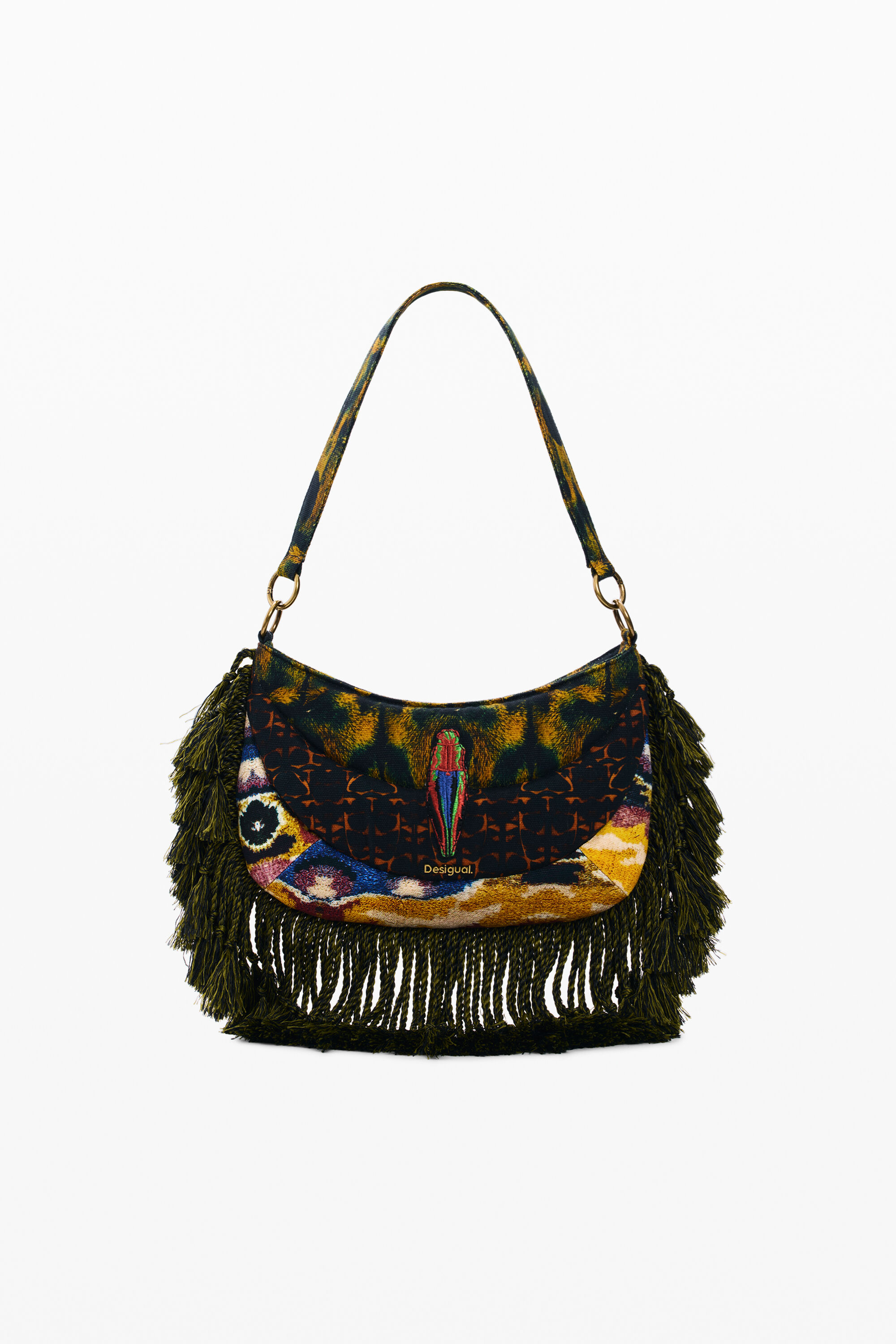
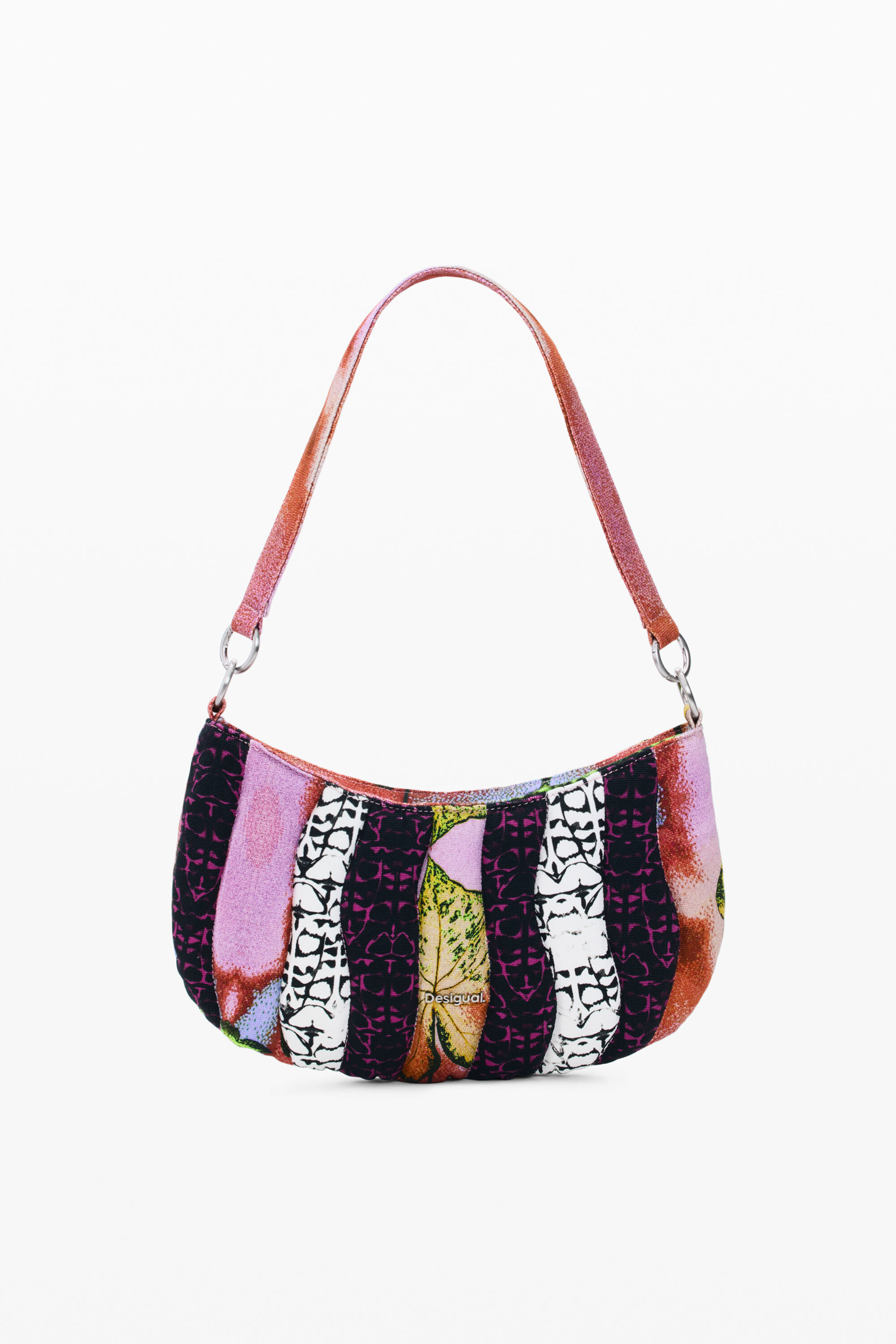
If you love maximalism, yes. Lacroix is celebrated for combining luxury with insouciance, leaning on artisanal trades, fringe, bead and embroidery, so even a single jacket carries a density of handwork rarely seen now. The house closed its haute couture and ready-to-wear in 2009, which means much of what is in circulation is collectible rather than current, and that scarcity is part of the appeal.
Why is Christian Lacroix so closely tied to baroque, theatrical haute couture?+
Lacroix trained as an art historian, studying dress in 18th-century French painting at the Sorbonne and museum studies at the École du Louvre, before working at the couture house of Jean Patou. That scholarly eye for historical costume fed directly into his designs, which referenced the corset, the crinoline and folklore from around the world, all mixed together in a deliberately topsy-turvy way.
What is the famous Christian Lacroix "le pouf"?+
"Le pouf" is the short puffball skirt Lacroix made headlines with after opening his house, and it became shorthand for his opulent, fantasy aesthetic. Alongside the pouf he favored rose prints, low décolleté necklines and the hot colors of the Mediterranean. It is the single silhouette most associated with his name.
Which Christian Lacroix item should a first-time collector look for?+
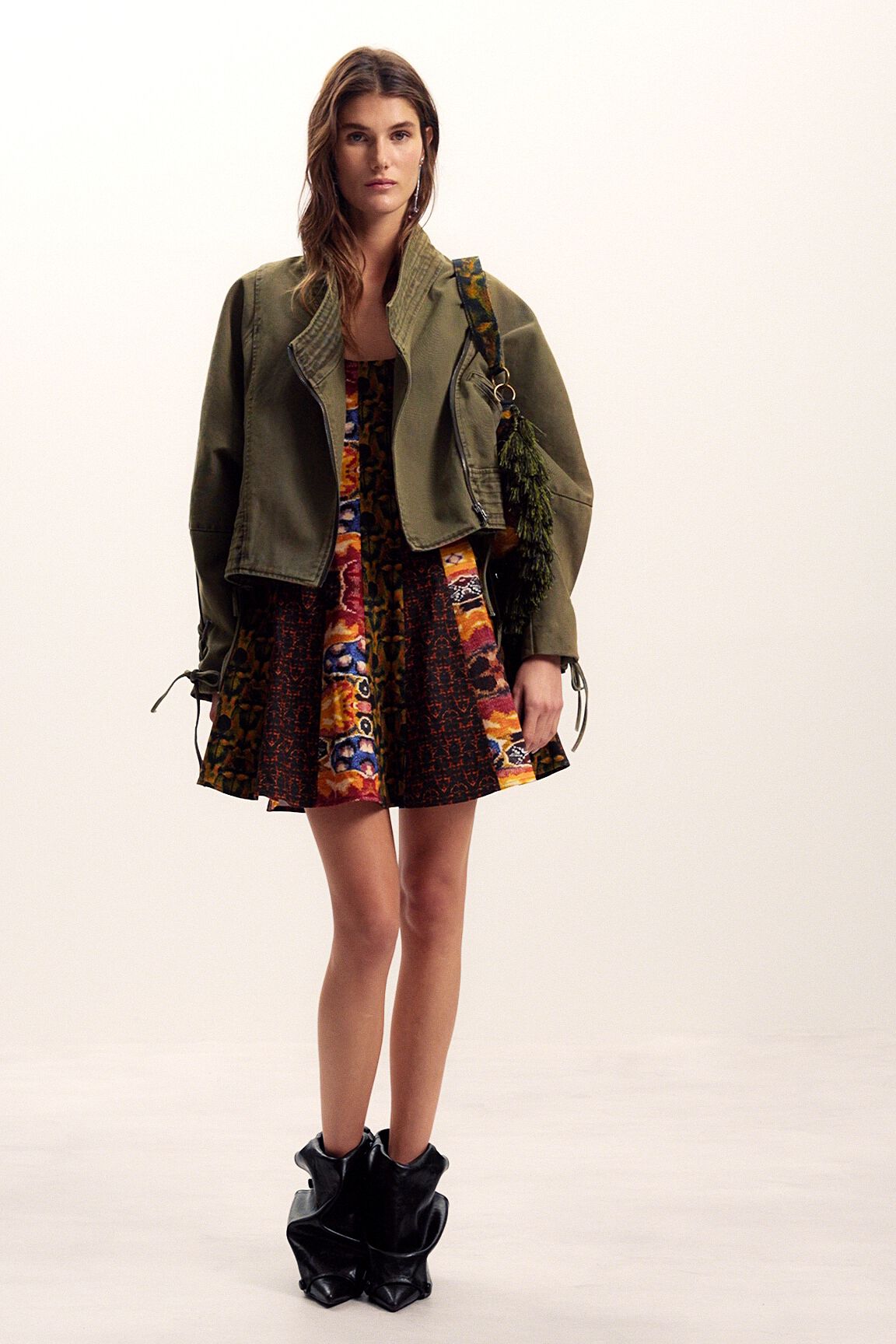
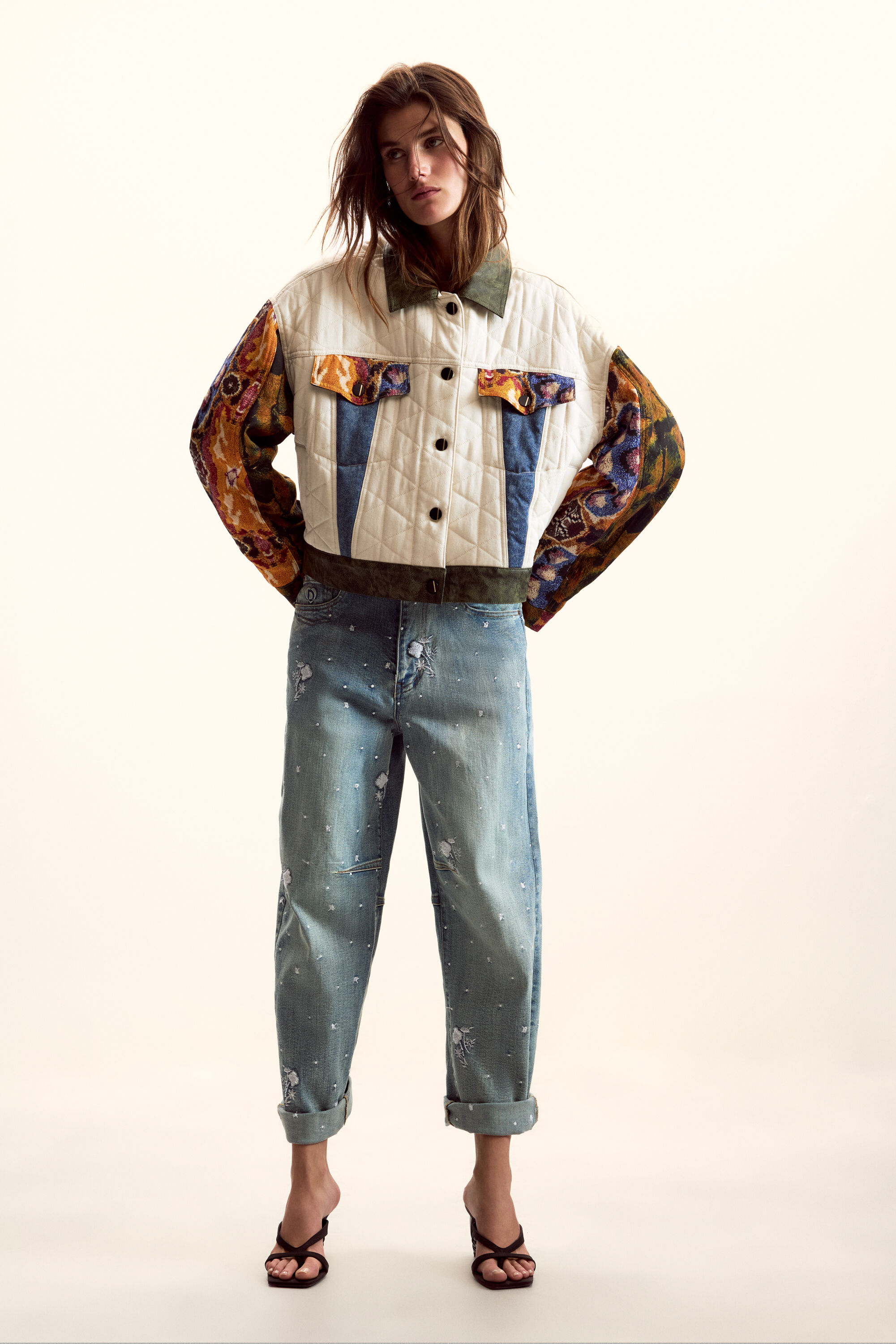
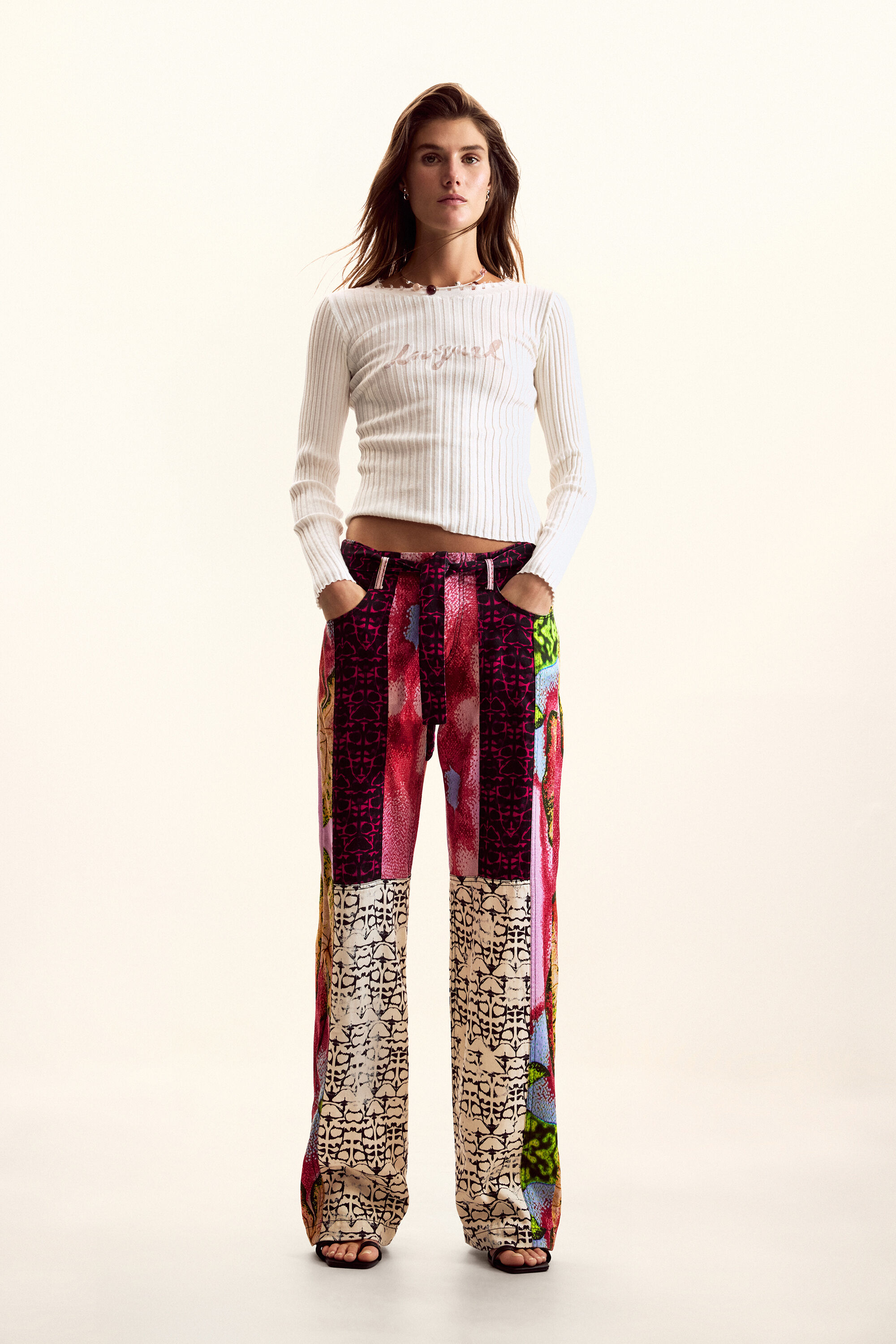
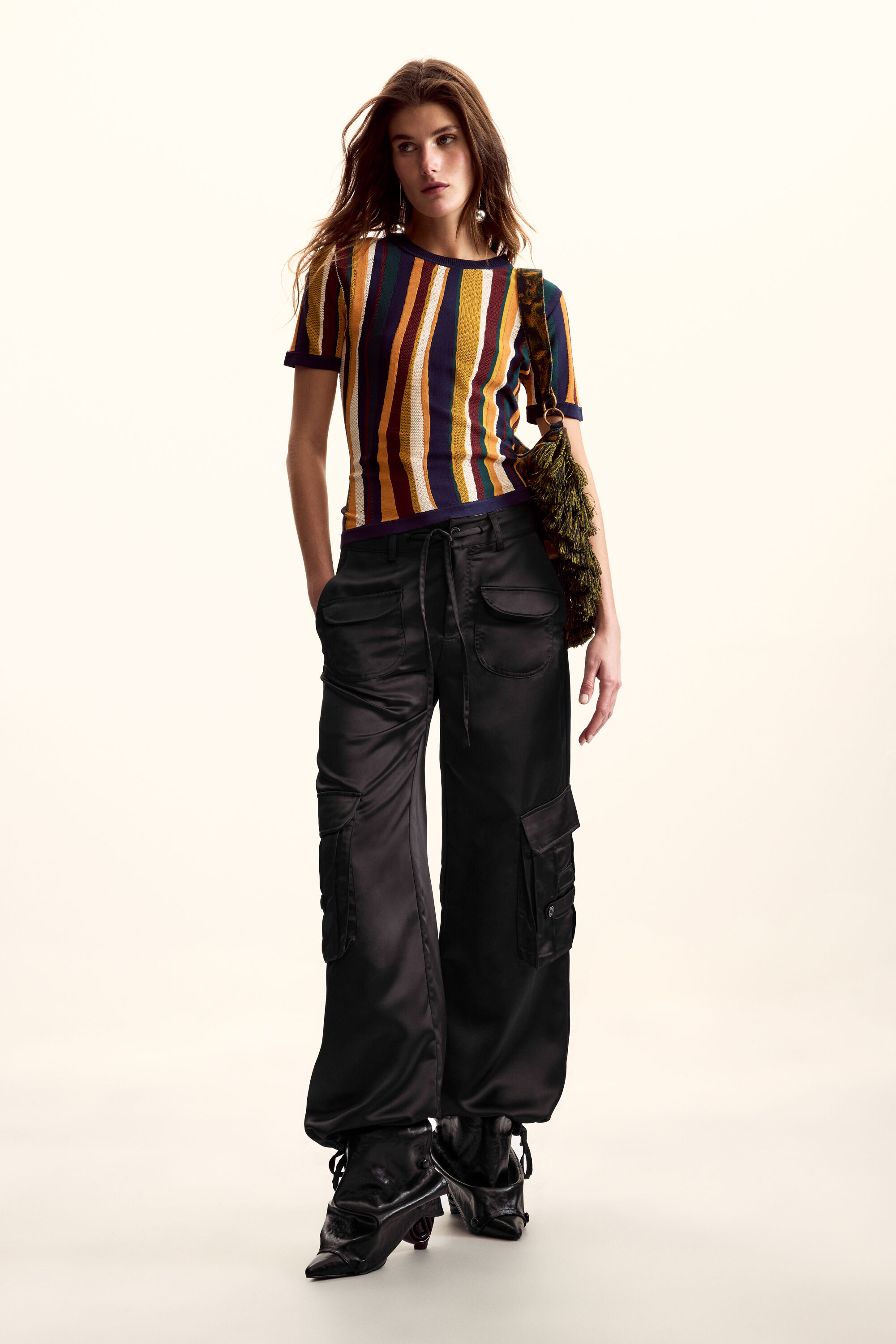
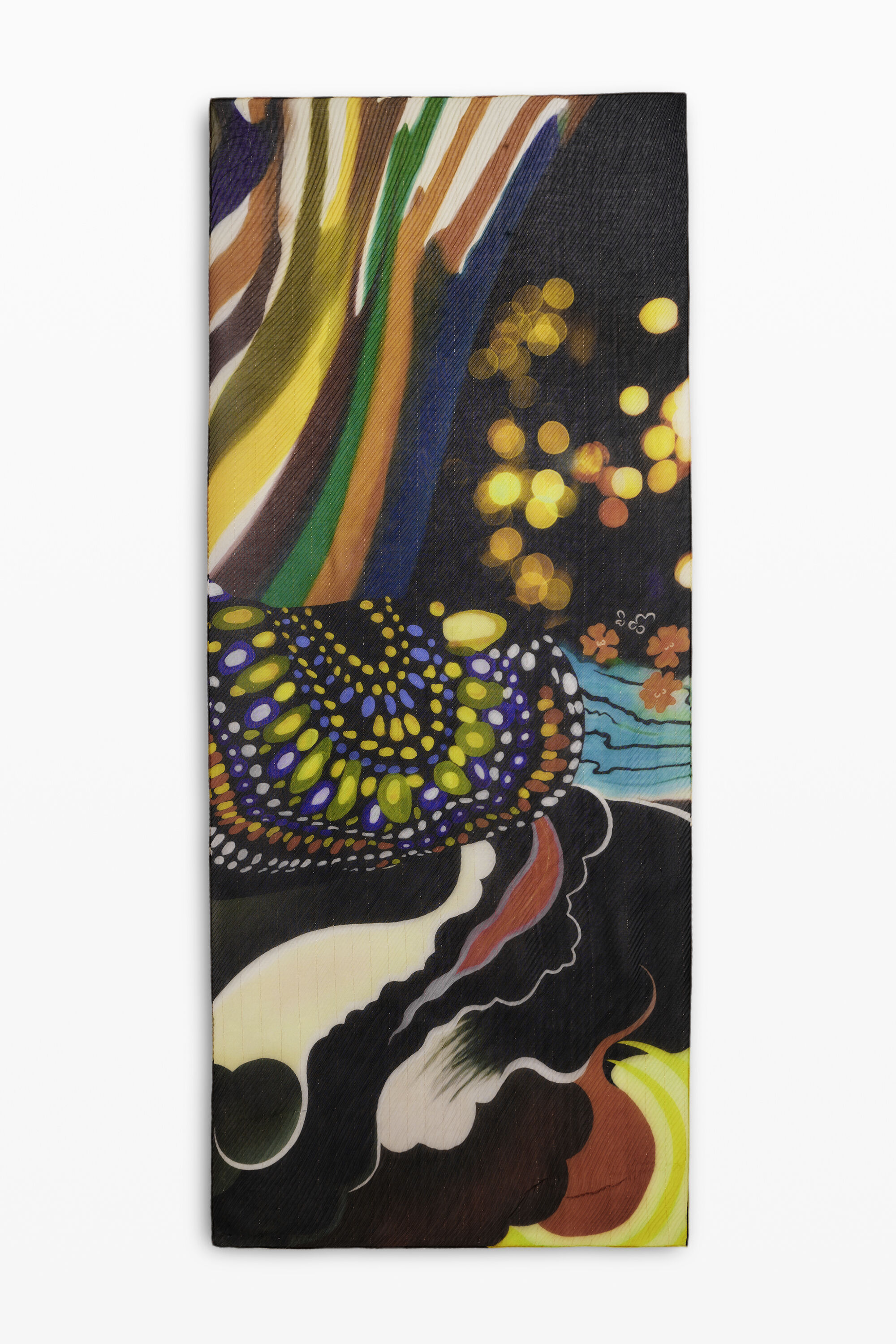
Start with whatever best shows his hand: a richly embroidered or beaded jacket, or a piece built on his signature clash of pattern and color. Lacroix's gift was a strong sense of color and a deliberate mix of patterns, so look for something where that bravado is unmistakable rather than a quieter accessory.
When and where was the Christian Lacroix house founded?+
Christian Lacroix opened his own eponymous haute couture house in Paris in 1987, backed by $8 million from Financière Agache. He launched ready-to-wear the following year in 1988, and added jewelry, handbags, shoes, glasses, scarves and ties in 1989, the same year the brand opened boutiques across cities including Paris, Arles, London and Geneva.
Who is Christian Lacroix the designer?+
Christian Lacroix is a French fashion designer born on 16 May 1951 in Arles, in southern France. He began sketching historical costumes and fashions at a young age, and is associated with the resurgence of extravagant haute couture in the late 1980s, in contrast to the minimalism that dominated much of that decade.
Where do Lacroix's flamboyant colors and motifs come from?+
His palette draws on the south of France and the wider Mediterranean. Lacroix favored hot Mediterranean colors and a hodgepodge of patterns, sometimes using experimental fabrics handwoven in local workshops. His theatrical sense of color also traces back to his work in the theatre, which carried over into the collections he designed.
Did the Christian Lacroix house ever turn a profit?+
No. From its founding in 1987 to its purchase from LVMH by the Falic Fashion Group in 2005, the house accumulated losses of more than €44 million, and it reported a €10 million loss in 2008. Throughout its history it never turned a profit, and in 2009 Falic put the couture and ready-to-wear business into administration.
What happened to the brand after 2009?+
In 2009 the turnaround plan closed down the haute couture and prêt-à-porter activities while keeping licensing contracts for accessories and perfume. Lacroix privately financed his autumn/winter 2009 haute couture collection, where each model was paid €50, saying he wanted to continue, perhaps in a different way with a small atelier. That makes pre-2009 garments a finite, closed chapter.
How does Christian Lacroix differ from the minimalist designers of his era?+
He was the deliberate opposite. While much of the 1980s leaned minimalist, Lacroix is linked to a revival of extravagant, fantasy-driven couture: opulent volumes, the pouf, rose prints and a riot of pattern and color. Where peers stripped back, Lacroix piled on references from fashion history, folklore and far-flung cultures.
Are Christian Lacroix garments dressy or wearable day-to-day?+
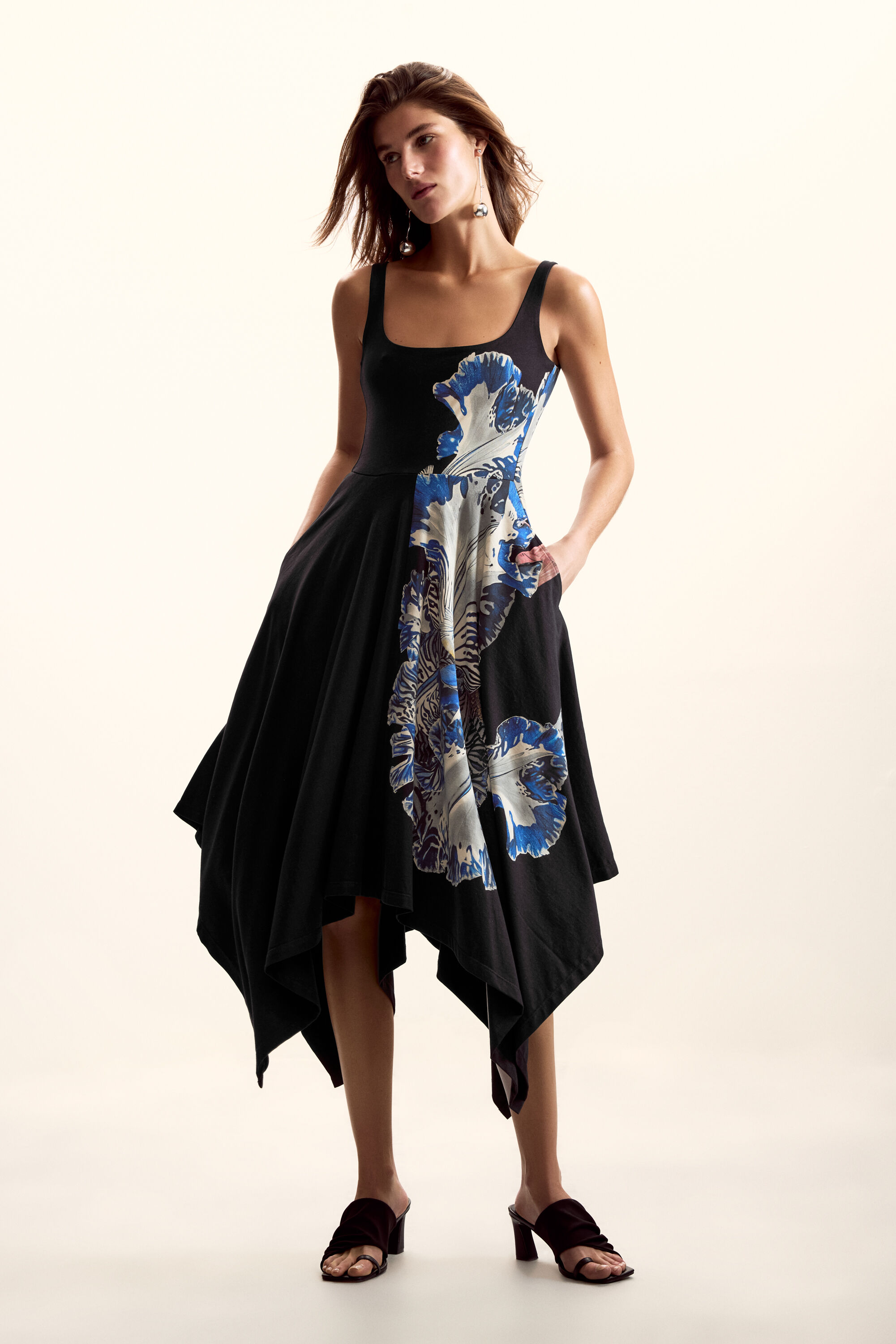
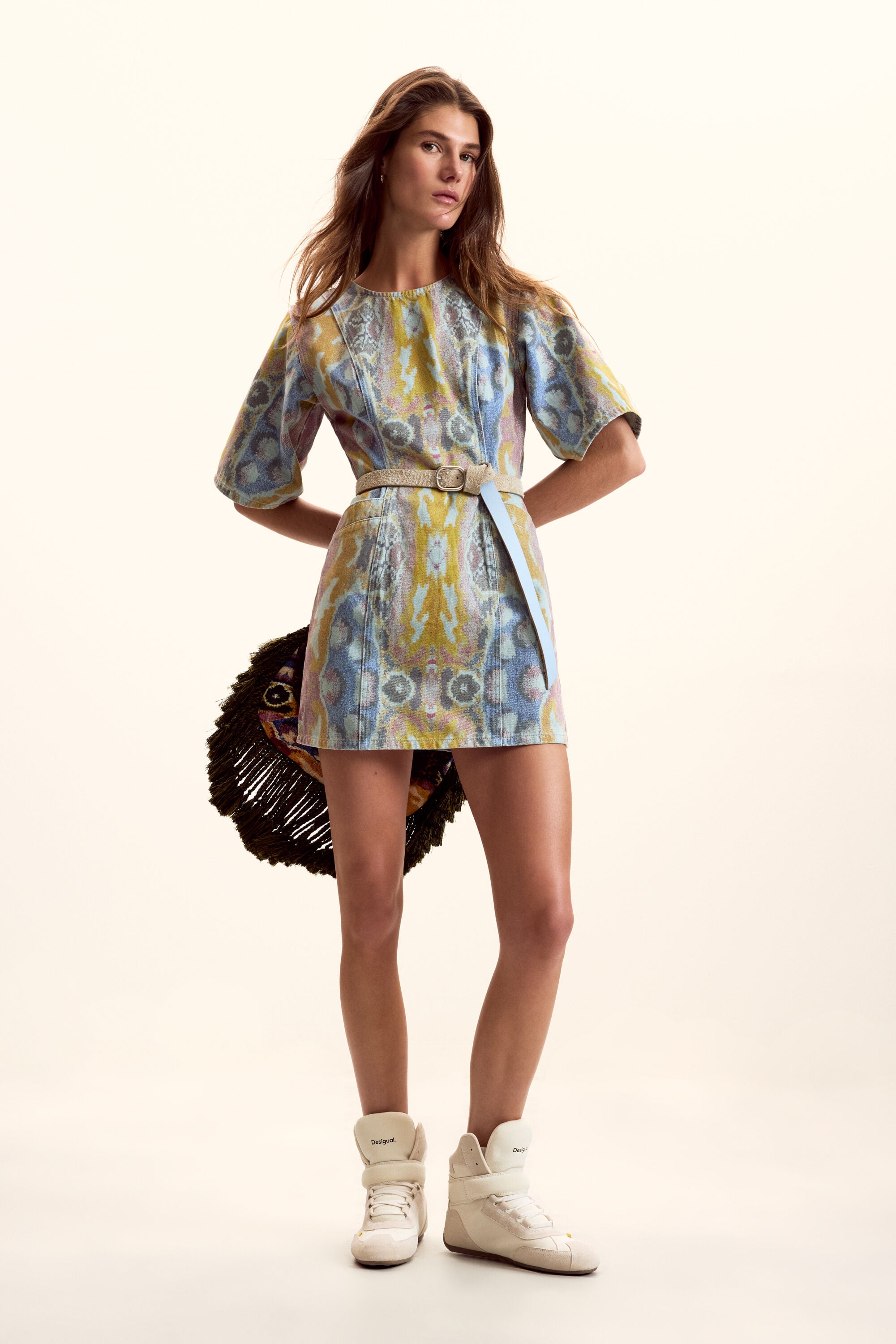
They lean firmly toward statement dressing. Early critics felt he did not always design for what the working woman needed, and his strength was opulent, theatrical pieces rather than quiet basics. Treat a Lacroix piece as the centerpiece of an outfit and keep everything around it simple so the embroidery, color and silhouette can carry the look.
How should I care for a vintage Christian Lacroix piece?+
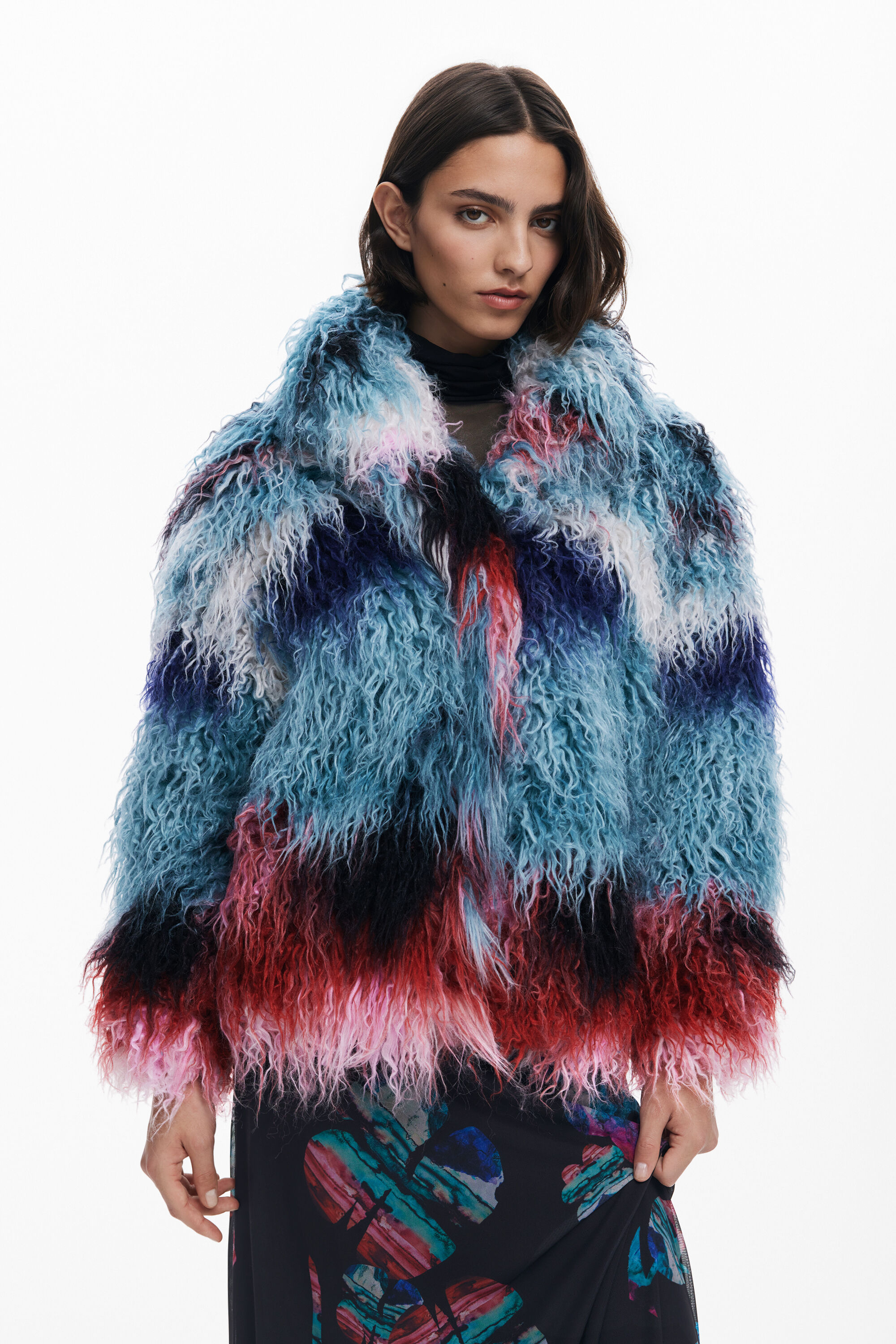
Handle it like the couture object it is. Because his work leans so heavily on fringe, beading and embroidery, avoid machine washing and harsh handling that can pull threads or shed beads; favor specialist dry cleaning and store pieces flat or padded so embellishment is not crushed. The handwork is the value, so protecting it protects the investment.