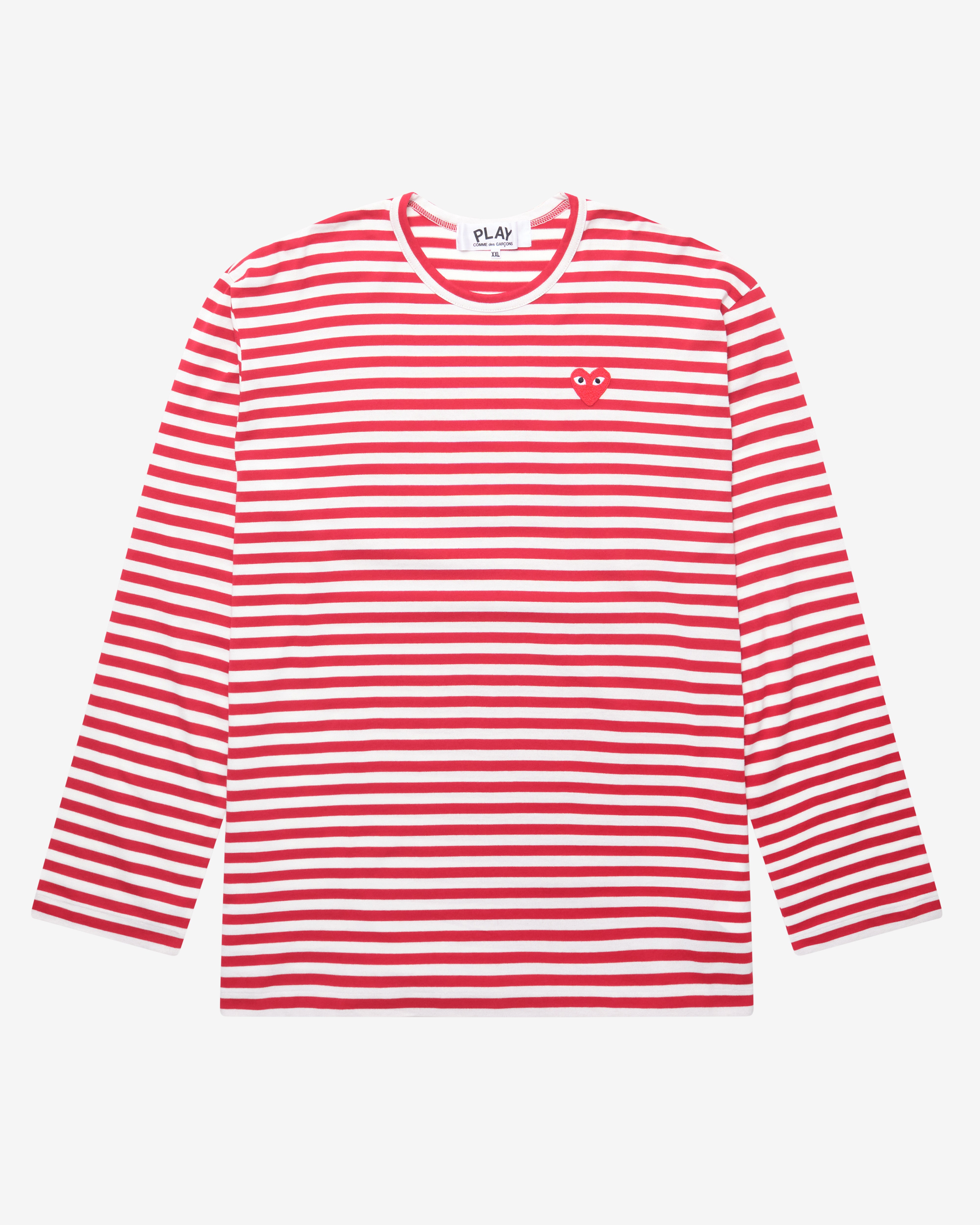
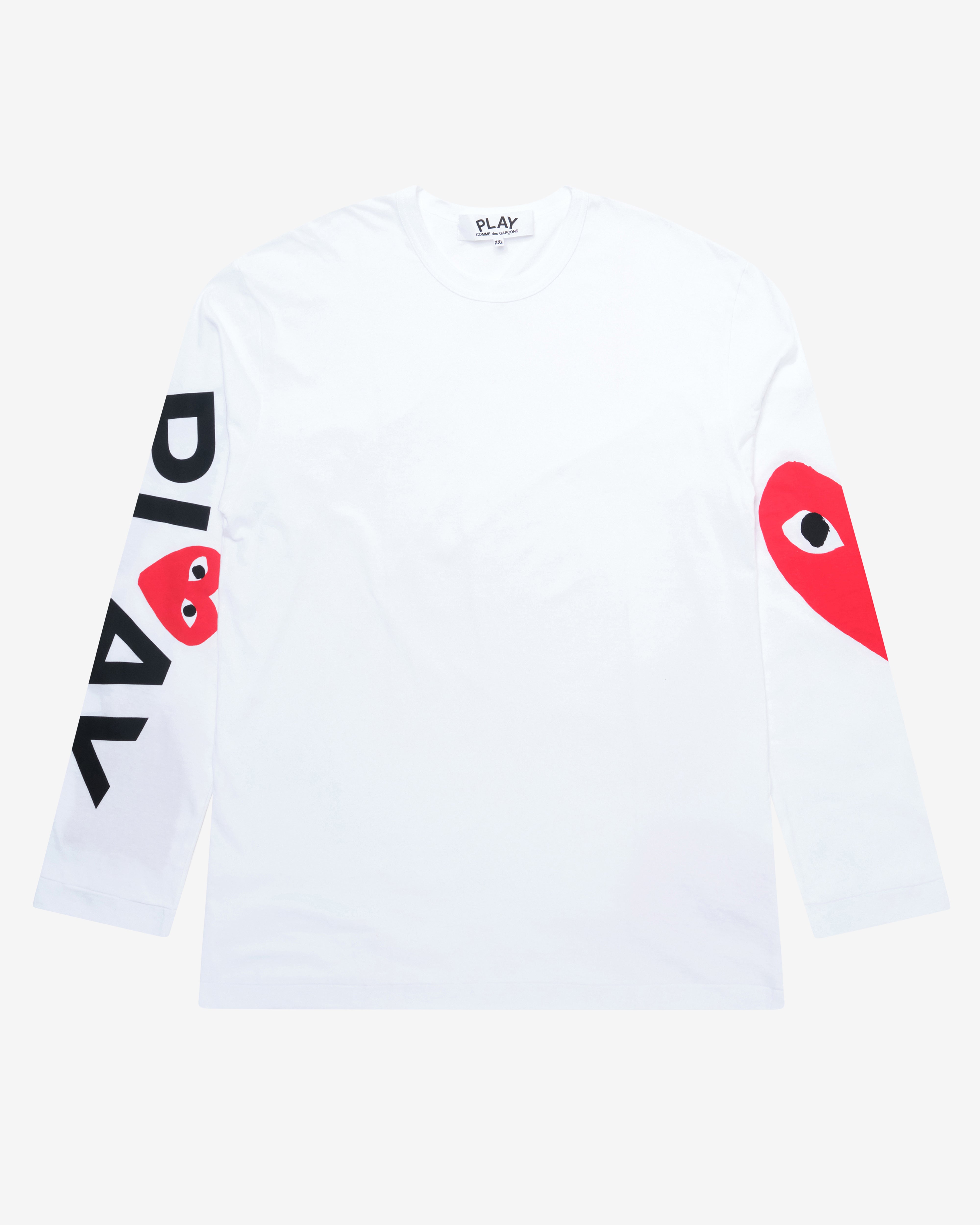
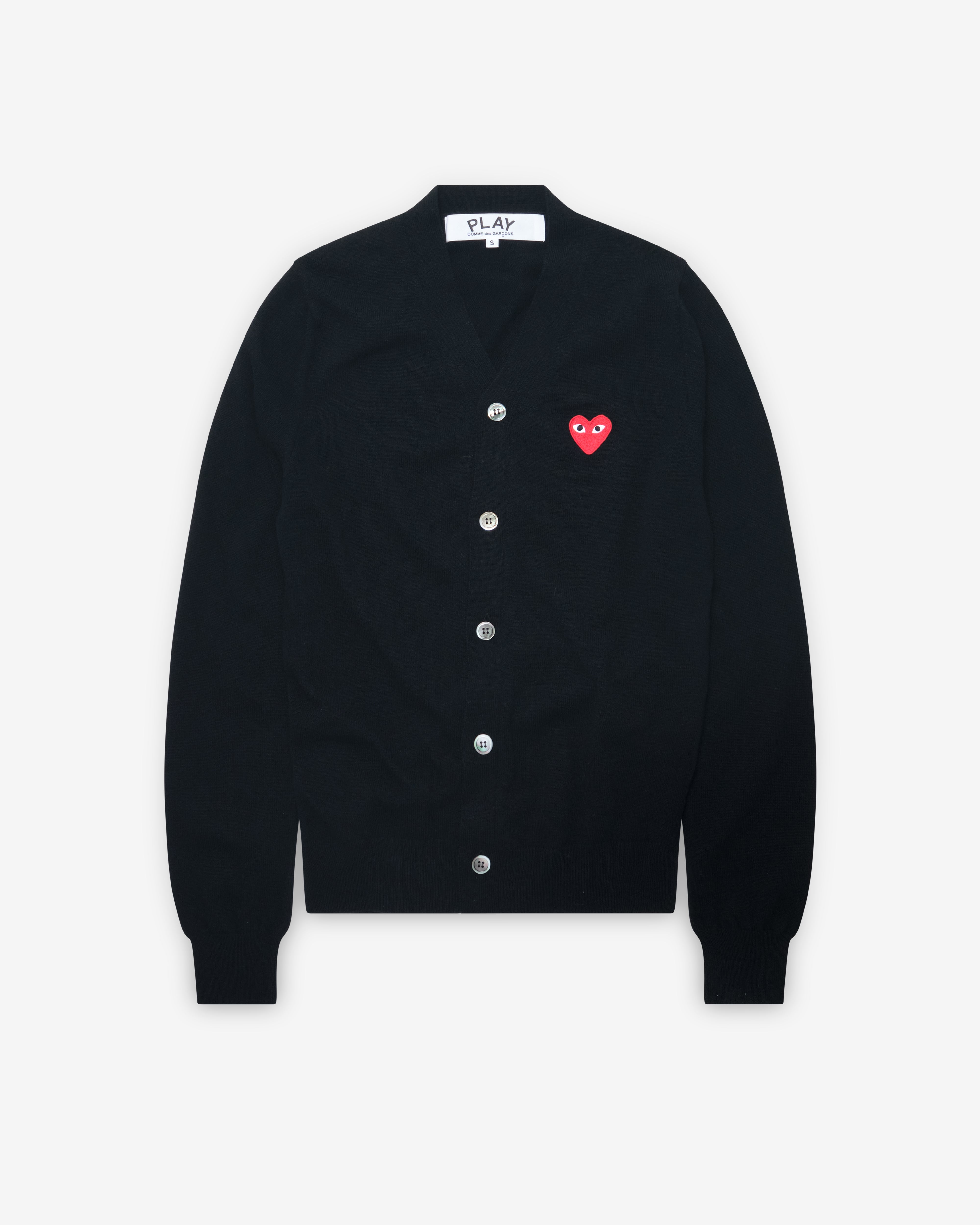
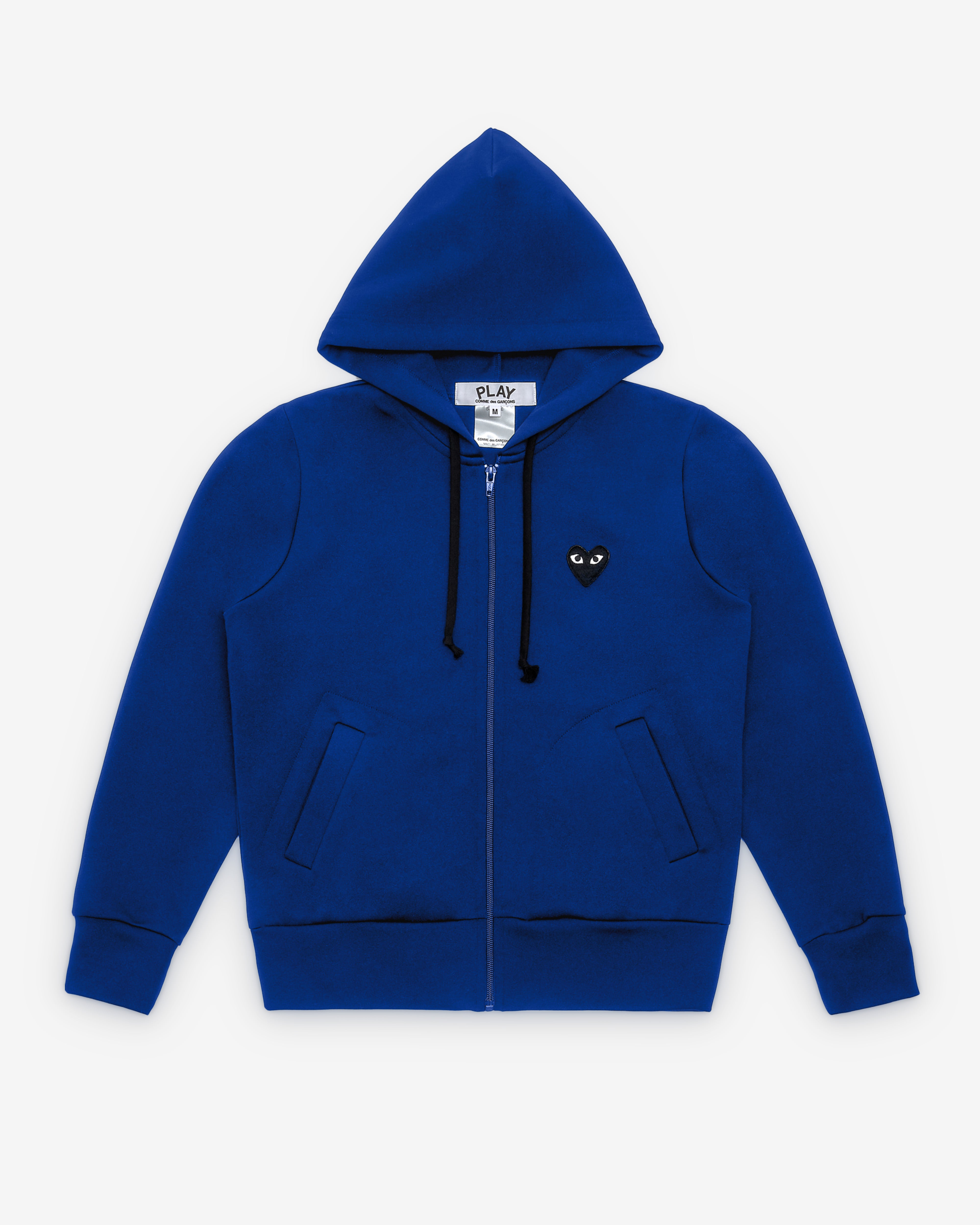
Why is Comme des Garçons PLAY with the heart logo so popular?+
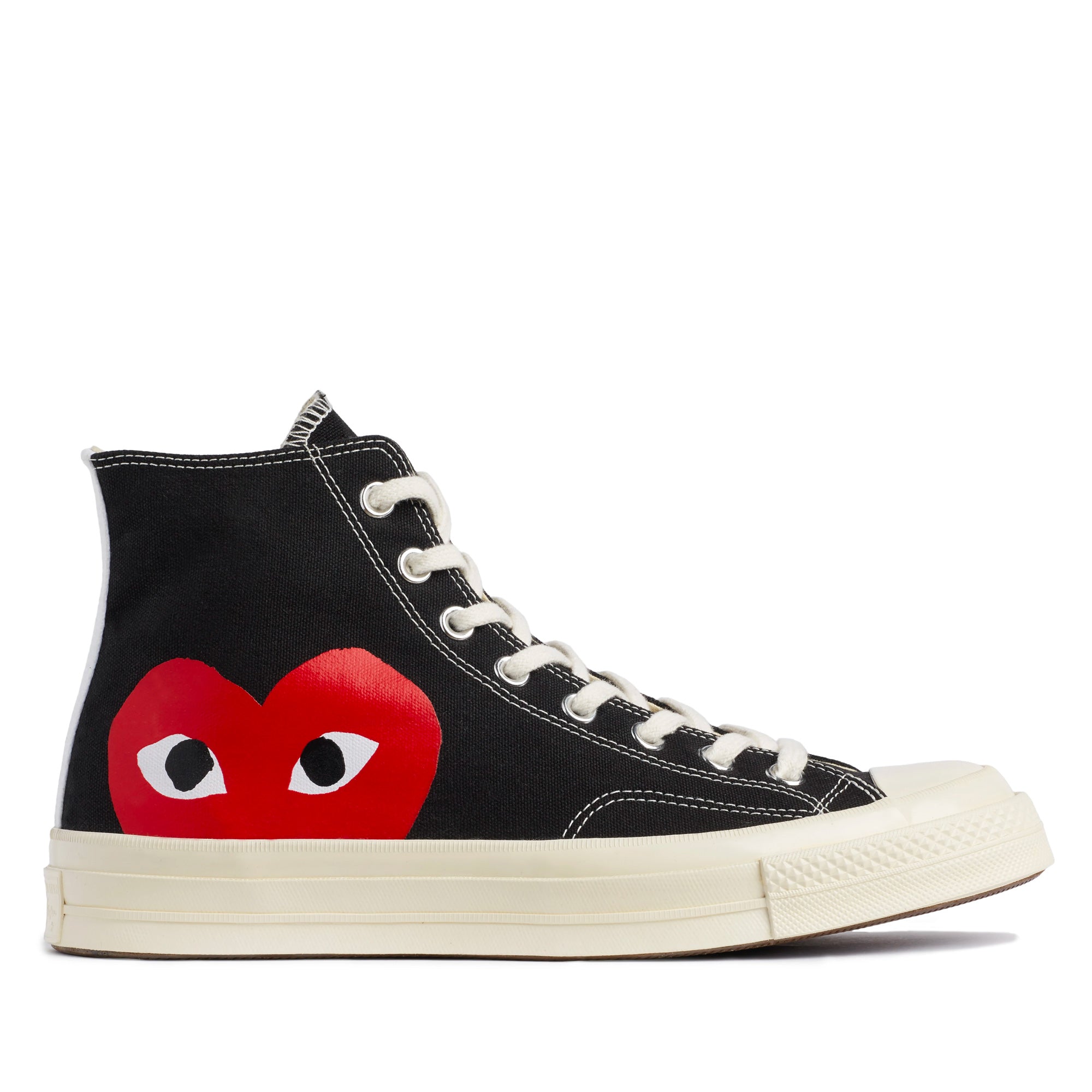
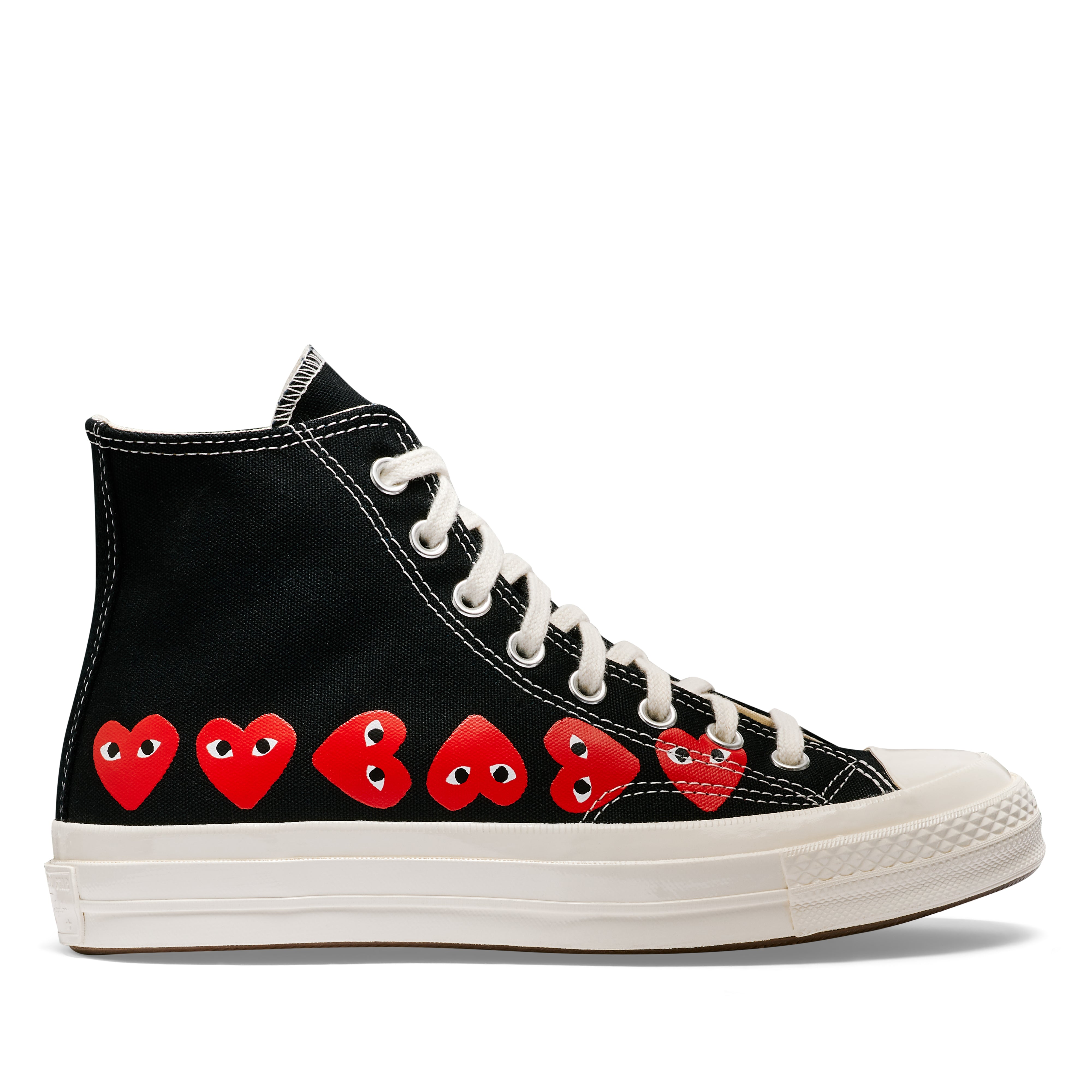
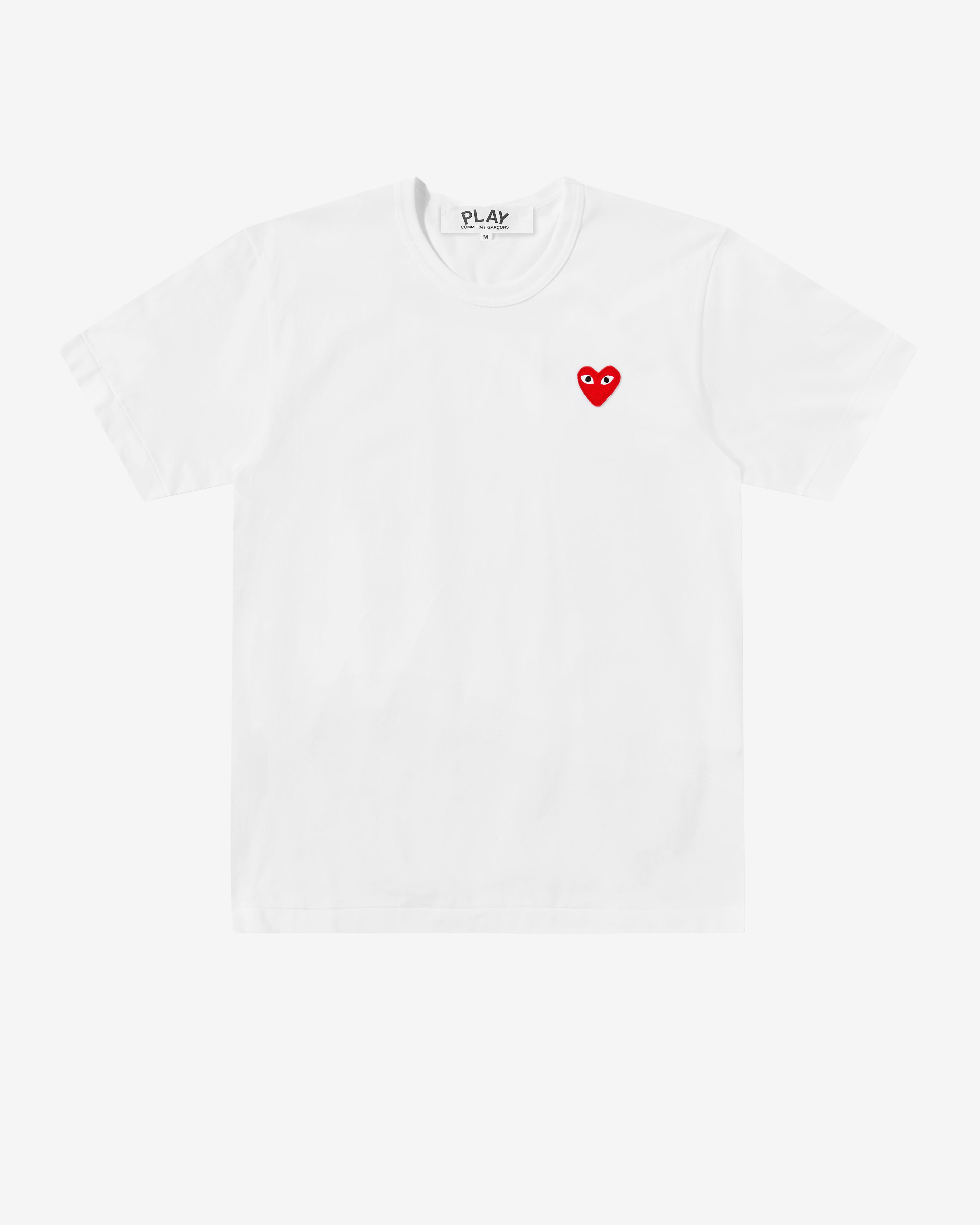
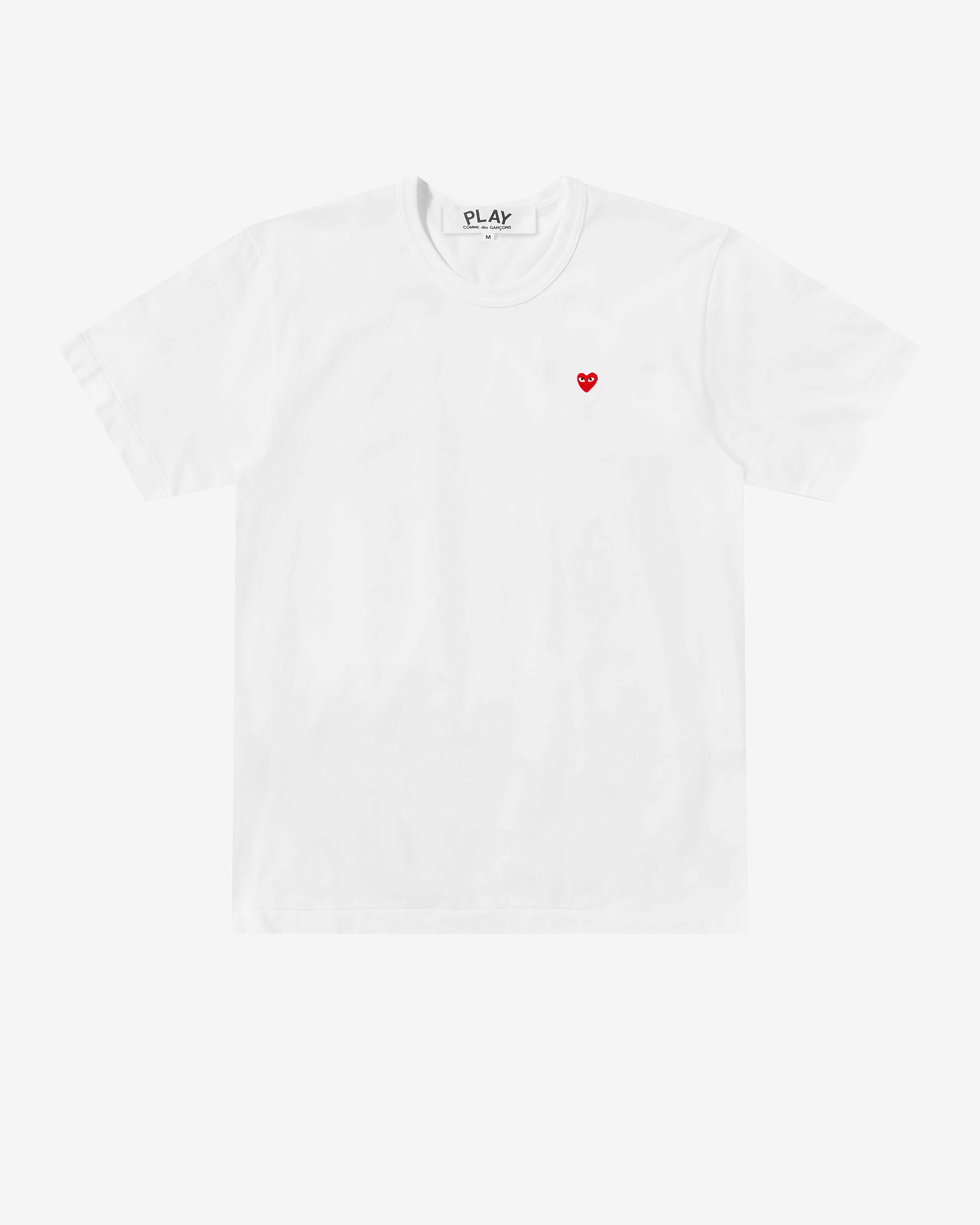
Play is the most recognisable and mainstream of Comme des Garçons' lines, the casual-luxury tier that puts the famous peeping-heart motif on tees, cardigans and sneakers. Its appeal is exactly that it is the easiest way into a notoriously avant-garde house: you get the name and the instantly readable graphic without committing to a conceptual runway piece. If you want recognisable CdG you will actually wear every day, Play is where most people start.
Is Comme des Garçons actually a luxury brand?+
Yes. Comme des Garçons is a Japanese fashion label founded by Rei Kawakubo, based in Paris, that shows its collections at Paris Fashion Week and Paris Men's Fashion Week. As of a 2017 report, the company and its affiliates generated revenue of over $280 million a year. It sits firmly in the designer tier, but it earns its status through avant-garde, concept-driven design rather than conventional logo-luxury, which is part of why it is so revered.
Are the Comme des Garçons Play sneakers worth it over plain canvas shoes?+
It depends on what you are buying them for. The Play line is the brand's accessible, casual tier, so a heart-logo sneaker is really paying for the CdG name and that recognisable graphic rather than a radically different shoe. If you love the motif and want a low-key way to wear the house, they make sense; if you only want a plain canvas trainer, you are paying a premium for the badge. As with everything Play, the value is in the look and the label more than the raw materials.
What does the name Comme des Garçons mean and where did it come from?+
It is French for "like the boys." Rei Kawakubo took the name from Françoise Hardy's 1962 song "Tous les garçons et les filles," specifically the line "Comme les garçons et les filles de mon âge" ("like the boys and girls my age"). So a label celebrated for upending gendered ideas of dress is, fittingly, named after a French pop lyric about boys and girls.
Who founded Comme des Garçons, and who runs it now?+
Rei Kawakubo started the label in Tokyo in 1969 and established it as a company in 1973, and she remains its defining creative force. The business is run alongside her husband Adrian Joffe, the company's CEO, who also established the Comme des Garçons Parfums companies. It is a rare major house still led by its founder rather than a rotating cast of appointed designers.
When and how did Comme des Garçons make its name internationally?+
The brand became successful in Japan through the 1970s, added a menswear line in 1978, and made its debut Paris show in 1981. Kawakubo's heavy use of black, distressed fabrics and unfinished seams was viewed negatively by French critics at first, and her 1982 "Destroy" collection was heavily criticised. That early shock was precisely what set CdG apart and ultimately cemented its reputation as a house that rewrites the rules.
Why is Comme des Garçons clothing so expensive and unusual-looking?+
Because the design itself is the point. From the start Kawakubo worked with distressed fabrics, unfinished seams and silhouettes that ignored conventional flattery — the 1997 spring-summer "lumps and bumps" collection literally padded the body with balls and bulk. You are paying for genuinely original, concept-led design from one of fashion's most influential thinkers, not for a familiar luxury silhouette. That is also why the Metropolitan Museum of Art devoted its 2017 Costume Institute exhibition, "Rei Kawakubo/Comme des Garçons: Art of the In-Between," to her work.
Has Comme des Garçons had any major controversies?+
It has had a few that drew international attention. The 1995 "Sleep" collection used striped pyjamas printed with identification numbers, and contemporaneous coverage juxtaposed it with images from Auschwitz; the World Jewish Congress condemned it, and Kawakubo said the collection had been "completely misunderstood." Later, the Spring/Summer 2015 menswear "guarachero" boots and a 2020 menswear show that put cornrowed wigs on a predominantly white cast both raised cultural-appropriation concerns. These episodes are part of why the house is seen as provocative, for better and worse.
What is Comme des Garçons Parfums and how is it different from other fragrance lines?+
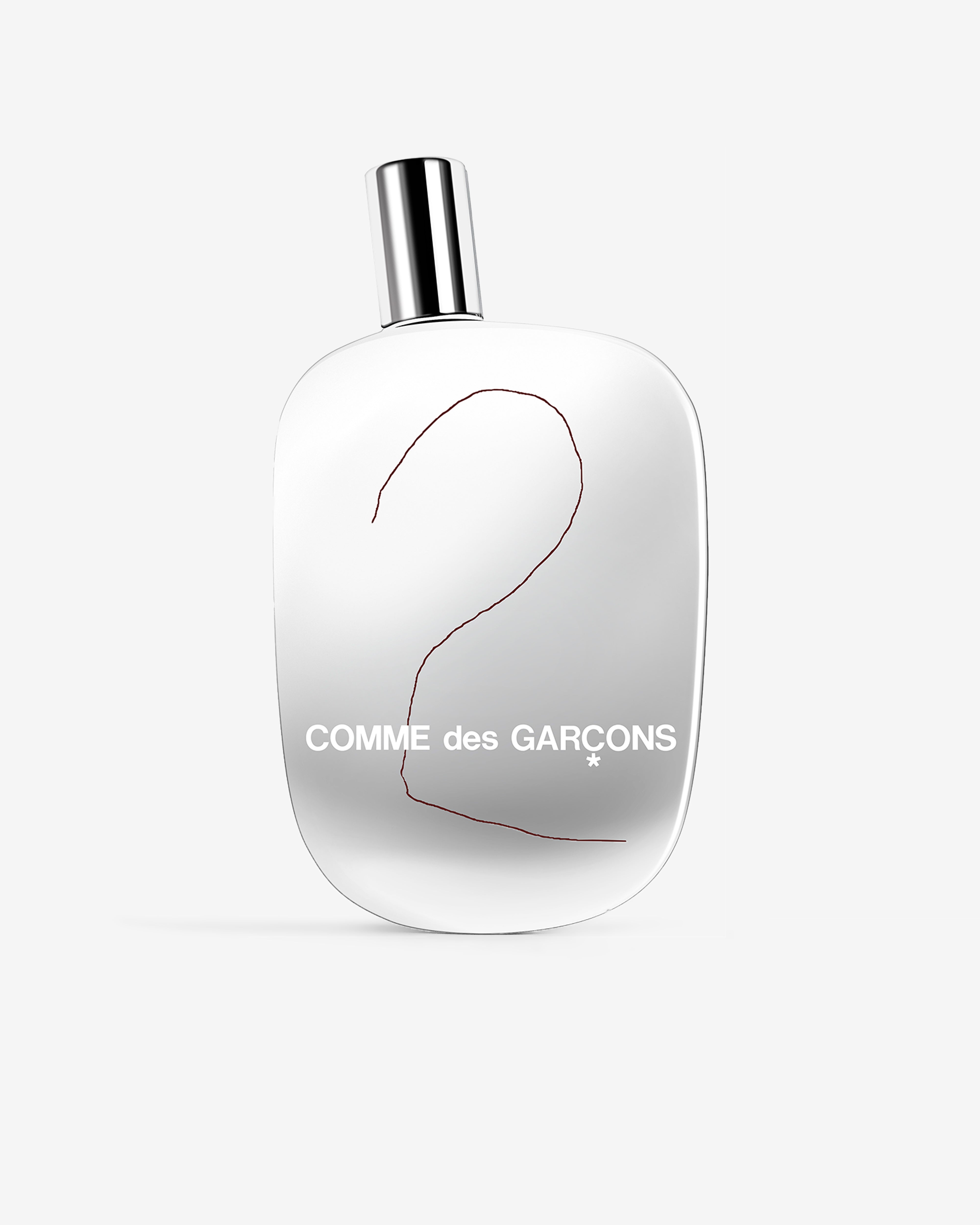
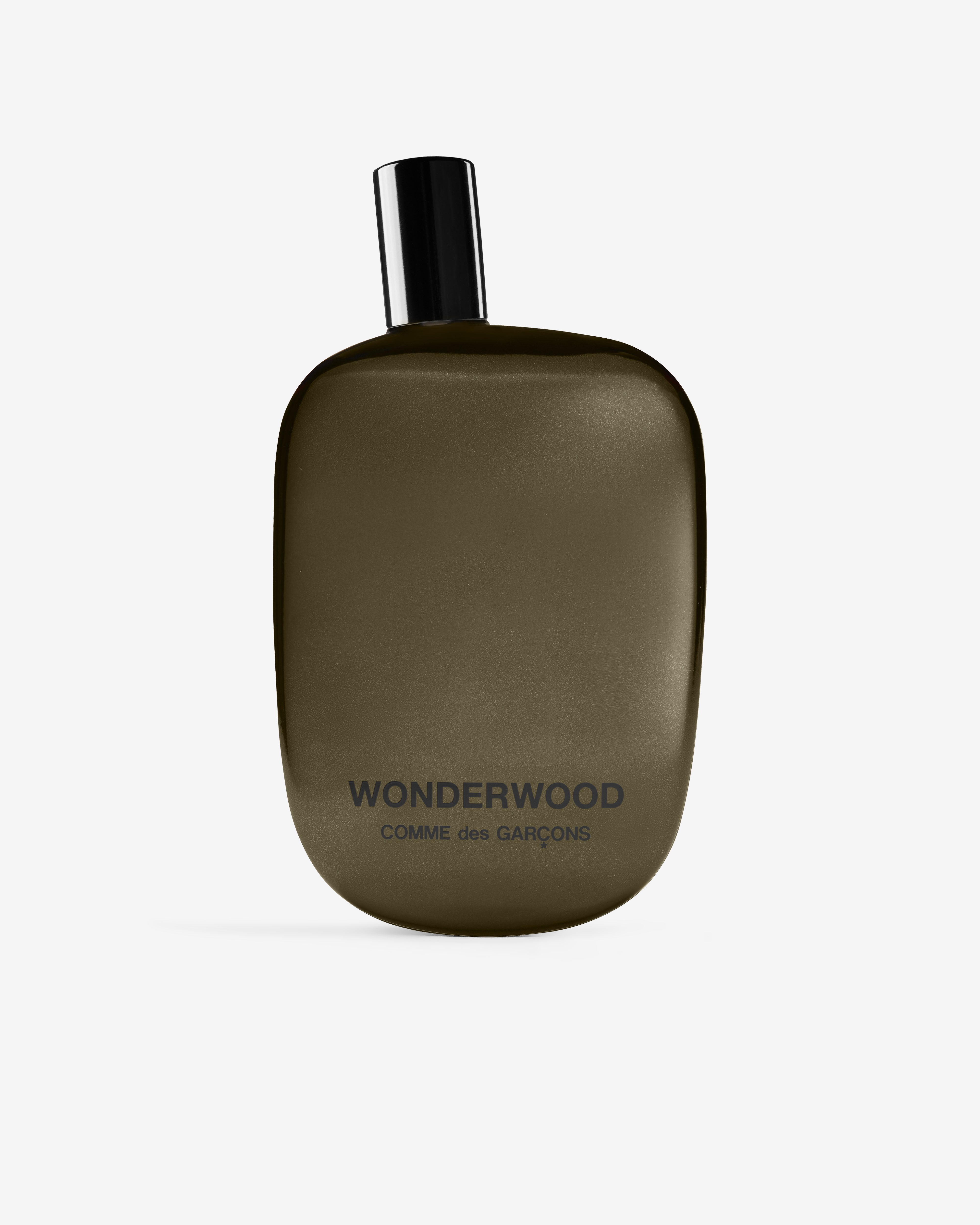
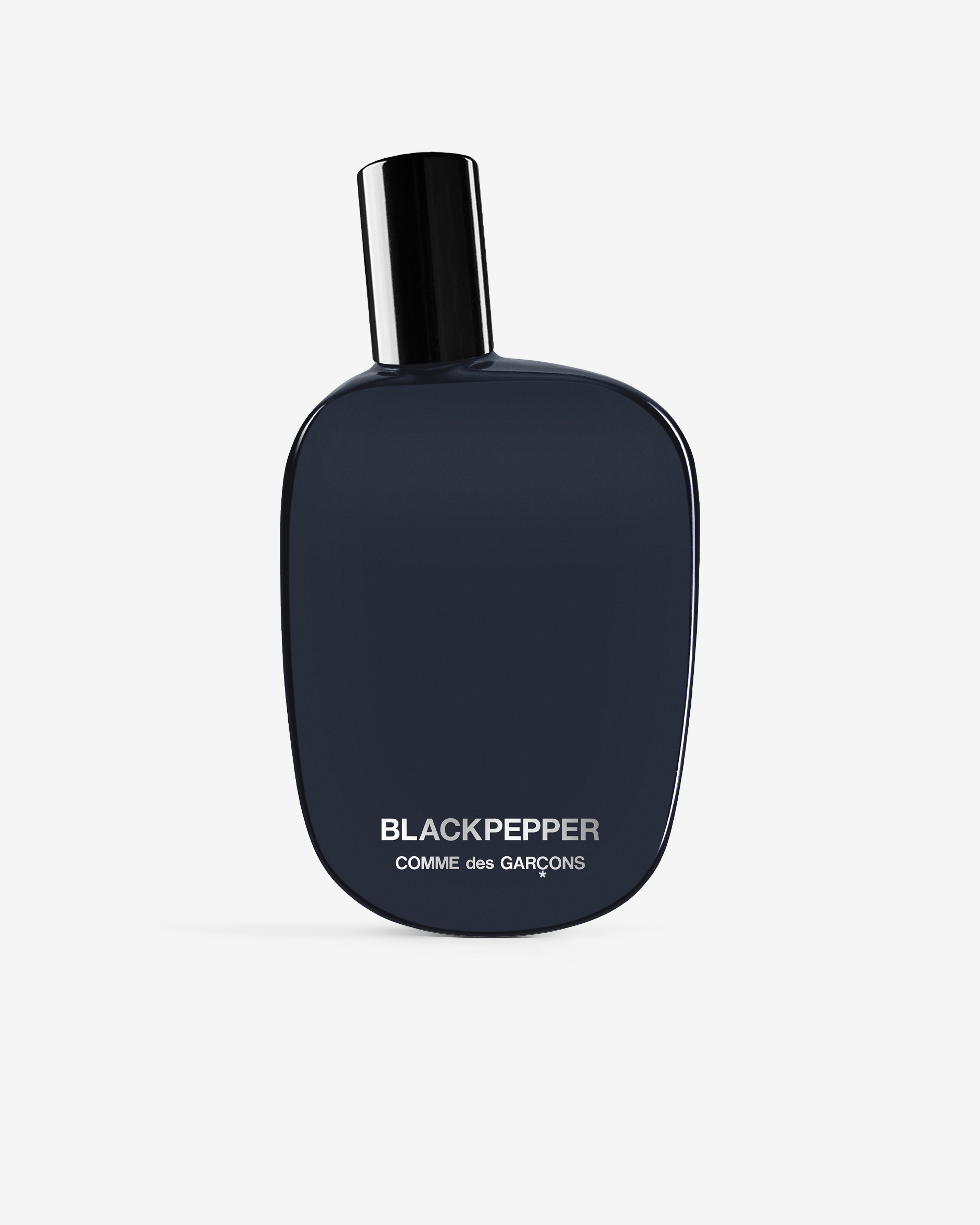
It is the brand's perfume arm, created in 1993, and it is as unconventional as the clothes. CdG released its first fragrance in 1994 and an "anti-perfume," Odeur 53, in 1998, blending 53 non-traditional scents rarely used in mainstream perfumery, and most of its fragrances are agendered. The 2014 unisex scent GIRL even had its bottle designed by the artist KAWS. If you find mainstream perfume too safe, this is the line that treats scent as an art project.
What are the different Comme des Garçons lines and sub-labels?+
CdG is really an empire of lines rather than one label. Play is the mainstream casual-luxury tier, and several designers have run their own sub-labels under the house, including Junya Watanabe and Tao Kurihara, both of whom also worked on the casual women's knitwear line Tricot. Chitose Abe, who later founded Sacai, once worked as a pattern-maker there. Knowing which line a piece comes from tells you a lot about where it sits between everyday wear and pure runway concept.
Where can I buy Comme des Garçons, and what is Dover Street Market?+
Beyond its own signature boutiques in cities like London, Paris, New York and Tokyo, the brand sells through Dover Street Market, its influential multi-brand concept store, with locations including London, Ginza in Tokyo and New York. CdG also pioneered the temporary "Guerrilla" store, first opened in Berlin in 2004 and designed to run for only about a year in deliberately out-of-the-way locations — effectively the pop-up shop a decade before the term caught on. Buying from these official channels is also the surest way to know a piece is authentic.