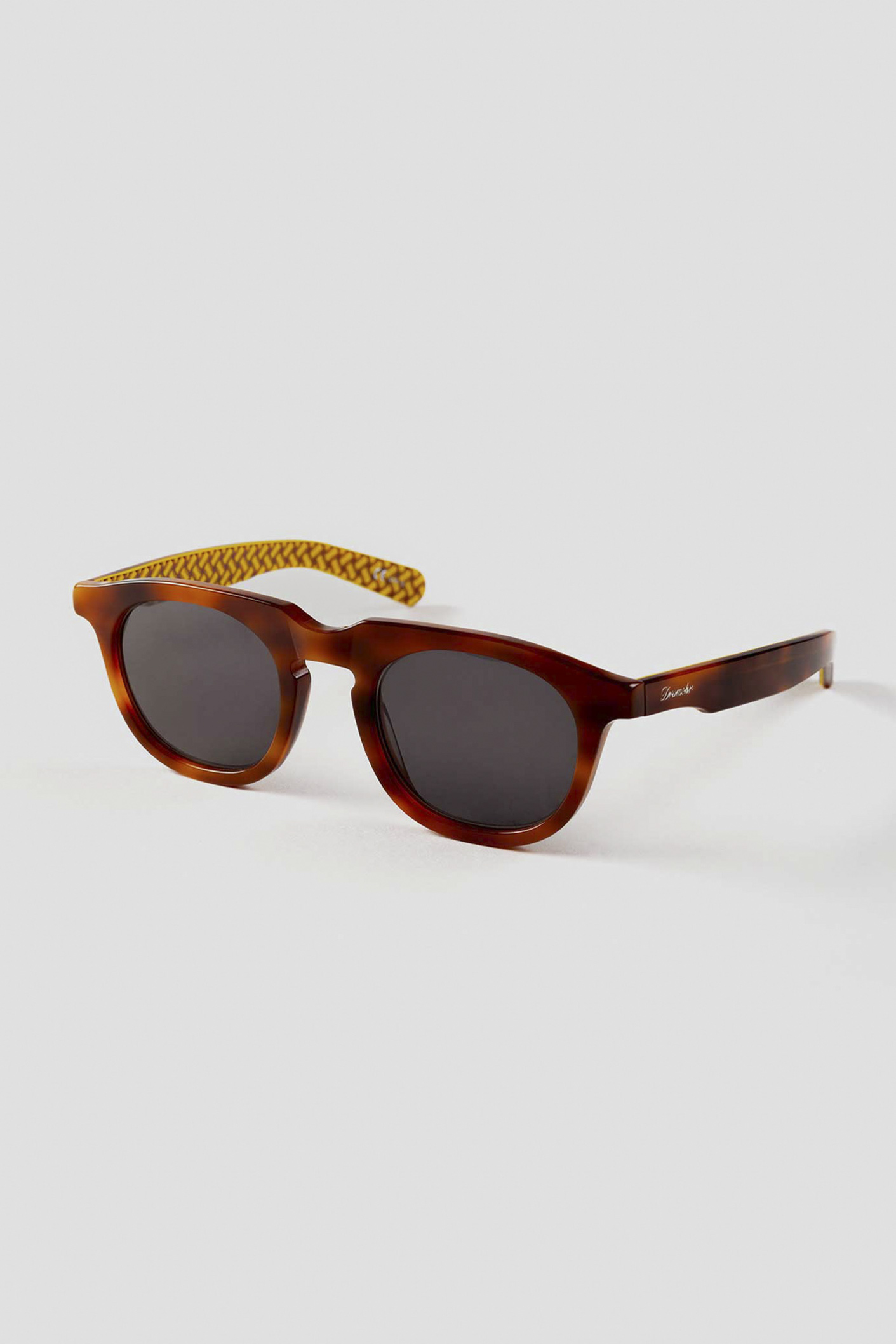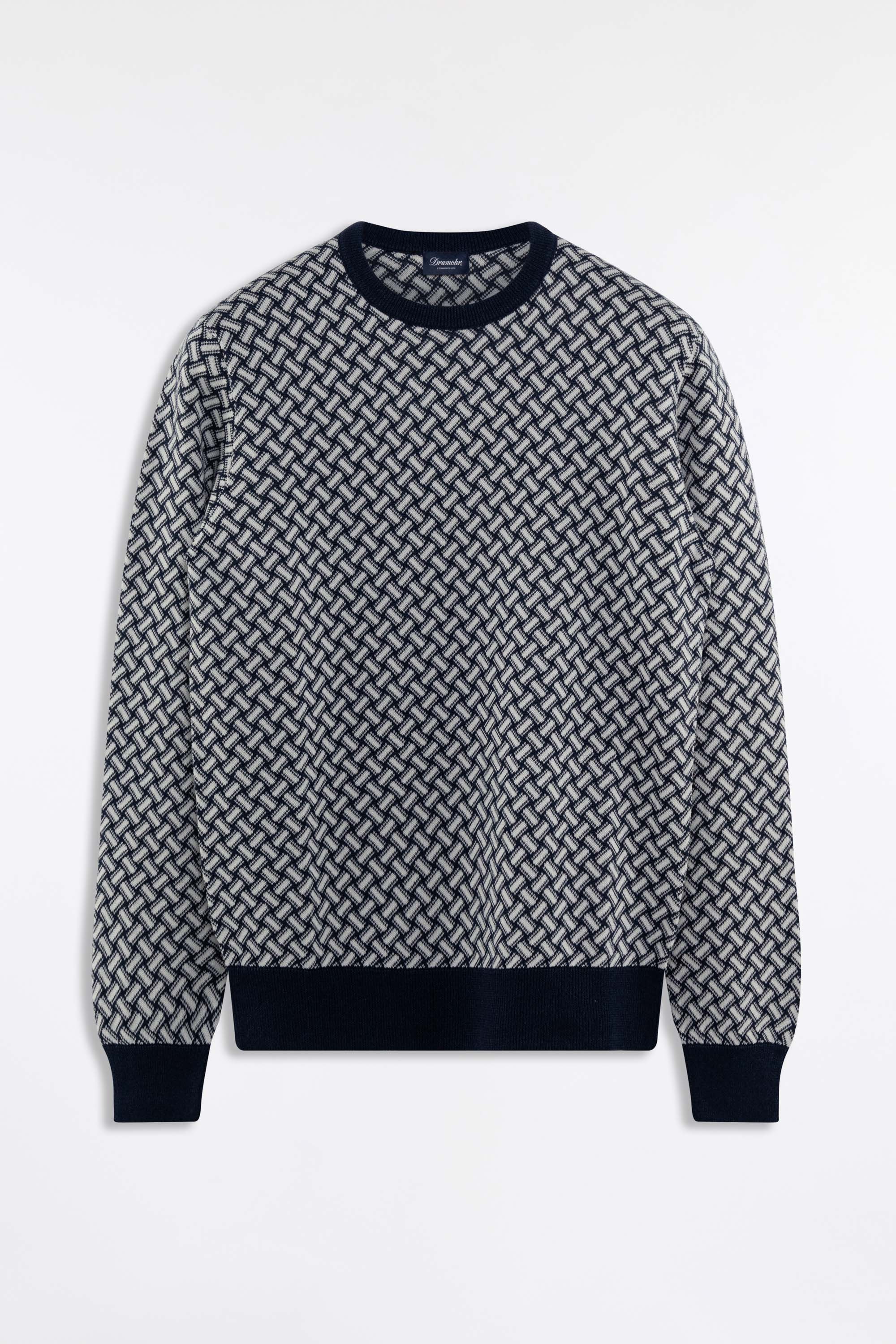
Brand · Knitwear house est. 1773

Drumohr

Scottish-born, Italian-made knitwear — two and a half centuries of cashmere and wool.

Drumohr
Re-checked daily
Drumohr is a luxury Italian fashion brand specialising in knitwear that originated in Scotland in 1773.

The company was founded by James Paterson in Dumfries, Scotland, as J.A. Robertson & Sons, a hosiery maker of stockings and gloves. It exhibited hand-framed hosiery at the 1851 London Great Exhibition, opened a new Dumfries factory at the end of the 19th century, and added fully-fashioned wool and cashmere outerwear. Royal patronage followed: jacquard stockings reached George V and Queen Mary, and in 1927 the Prince of Wales was photographed on the golf course in a Drumohr sweater and socks.

Facing overseas competition and several changes of ownership, the Dumfries factory closed in 2003. In 2006 the brand was bought by the Italian Ciocca Group, and clothing has been produced in Italy under the Drumohr name ever since.
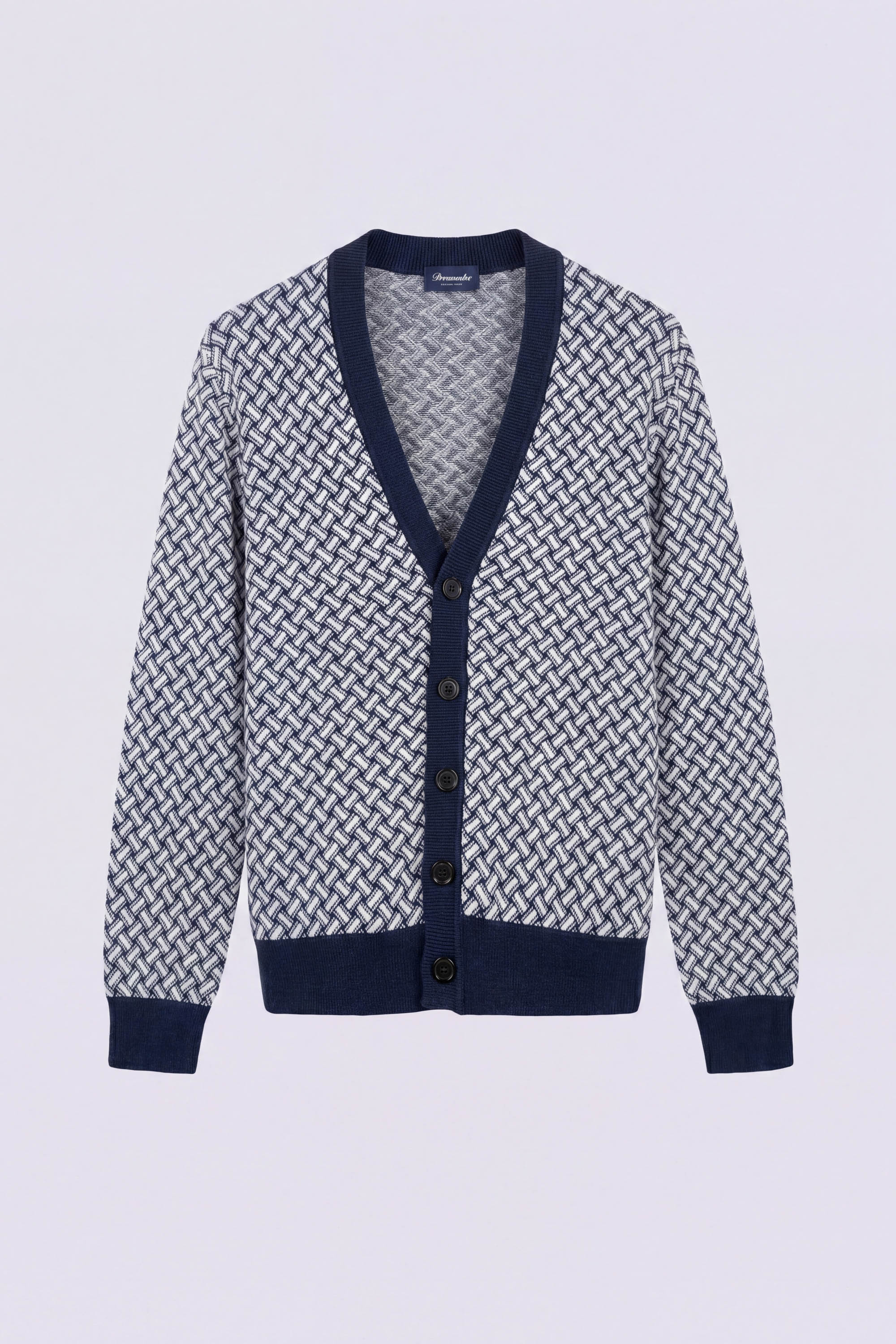
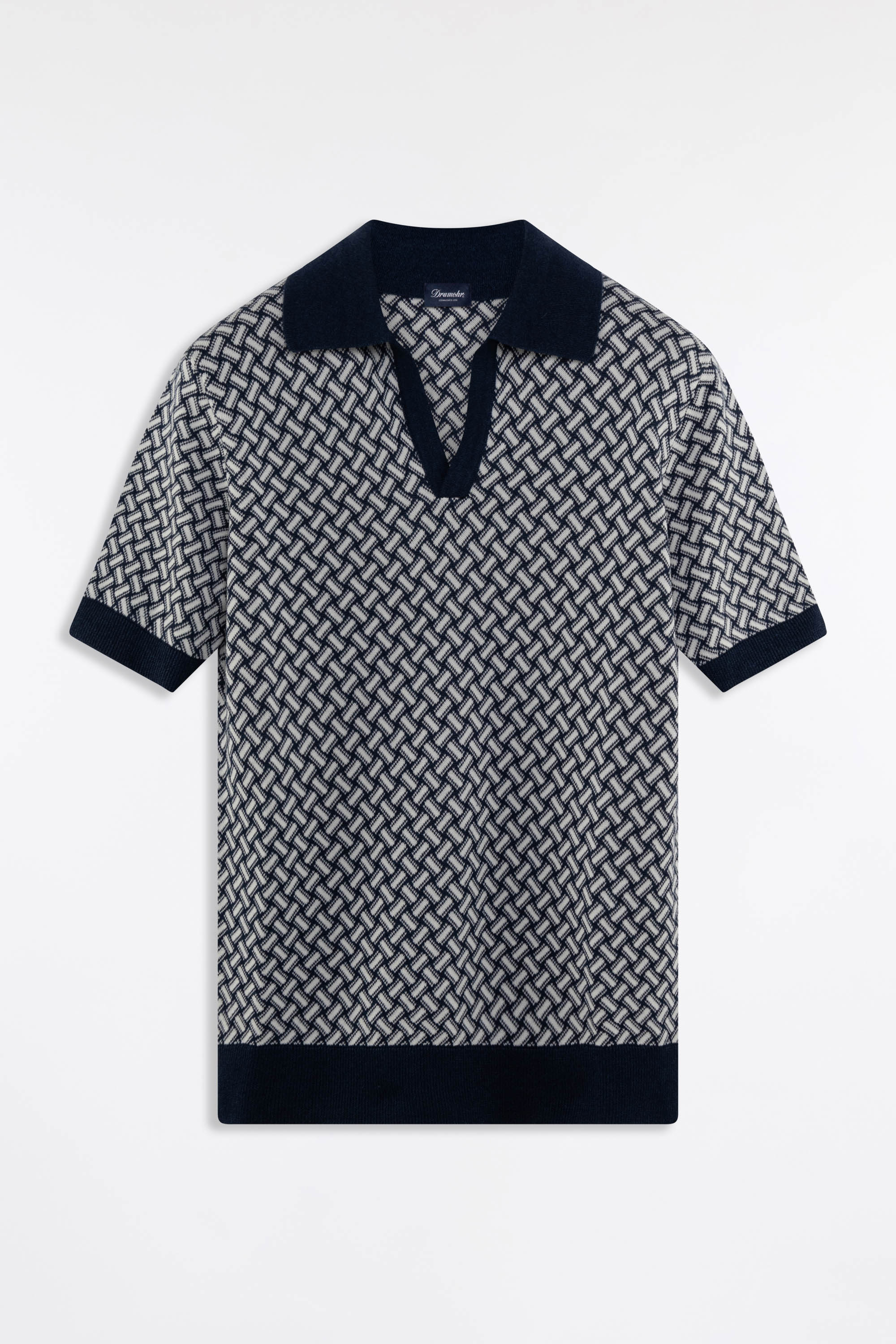
Drumohr shopping FAQ

Is a Drumohr cashmere sweater worth it?+

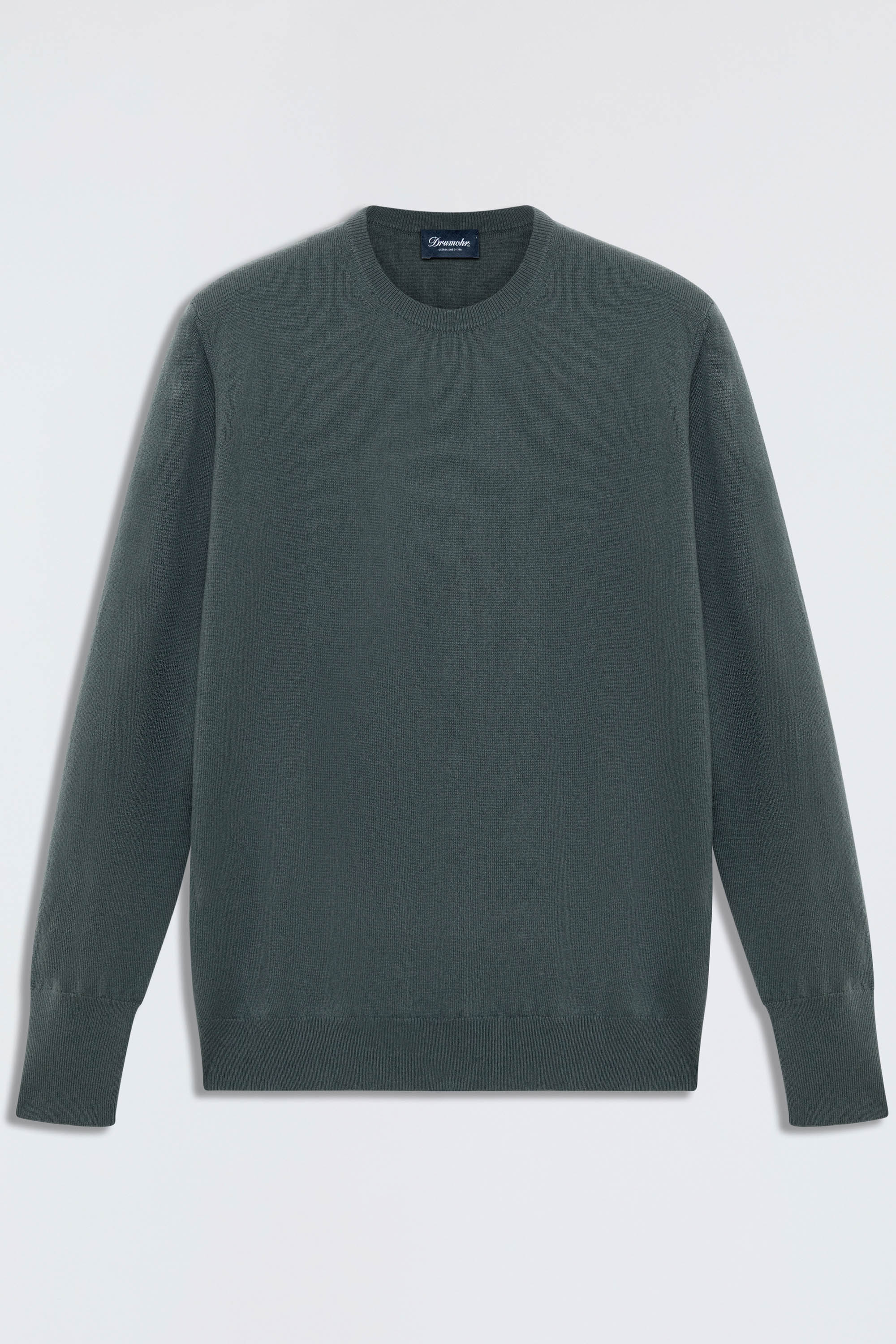
For lovers of quiet, classic knitwear, Drumohr is an easy yes. The house traces its craft back to 1773 and built its name on fully-fashioned wool and cashmere, so the appeal is heritage and finish rather than logos or fashion. Expect understated, solid-colour staples meant to live in a wardrobe for years, not a single season.

Is Drumohr good quality knitwear?+

Yes, quality is the brand's whole reason for being. Drumohr earned its reputation as a maker of fully-fashioned wool and cashmere knitwear, and that focus on premium yarns and clean construction still defines the line. If you value a refined, traditional hand over trend-driven design, it holds up well.

Why does Drumohr feel both Scottish and Italian?+

Because it genuinely is both. The company was founded in Dumfries, Scotland in 1773 and spent more than two centuries as a Scottish knitwear maker. After the Dumfries factory closed in 2003, the brand was bought by the Italian Ciocca Group in 2006, and clothing has been produced in Italy under the Drumohr name ever since.
Where is Drumohr made today?+

In Italy. Following the 2006 acquisition by the Ciocca Group, production moved from Scotland, and Drumohr-branded clothing has been made in Italy since then. The Scottish origins remain part of the story, but the modern garments are Italian-made.

Which Drumohr piece should I buy first?+

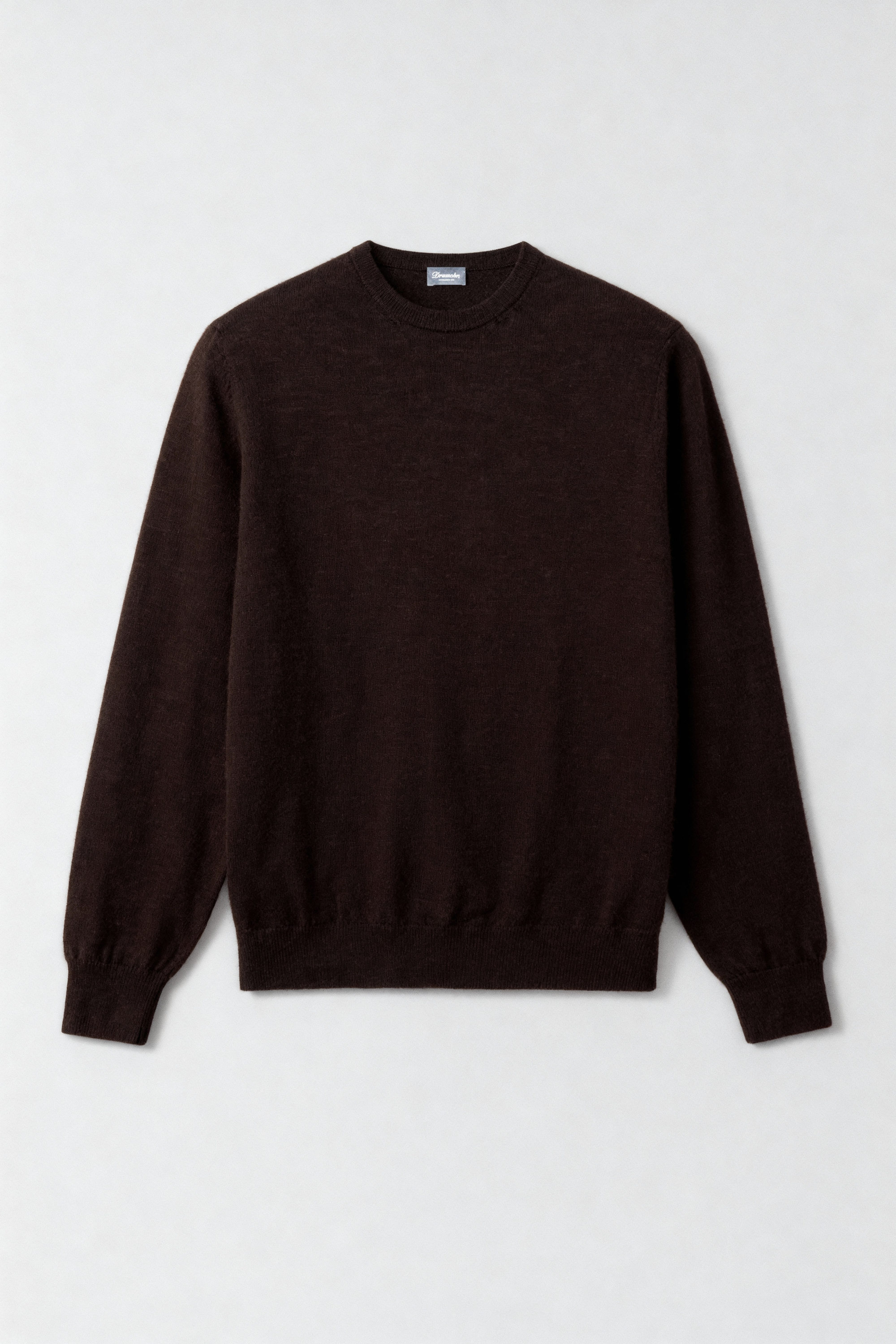
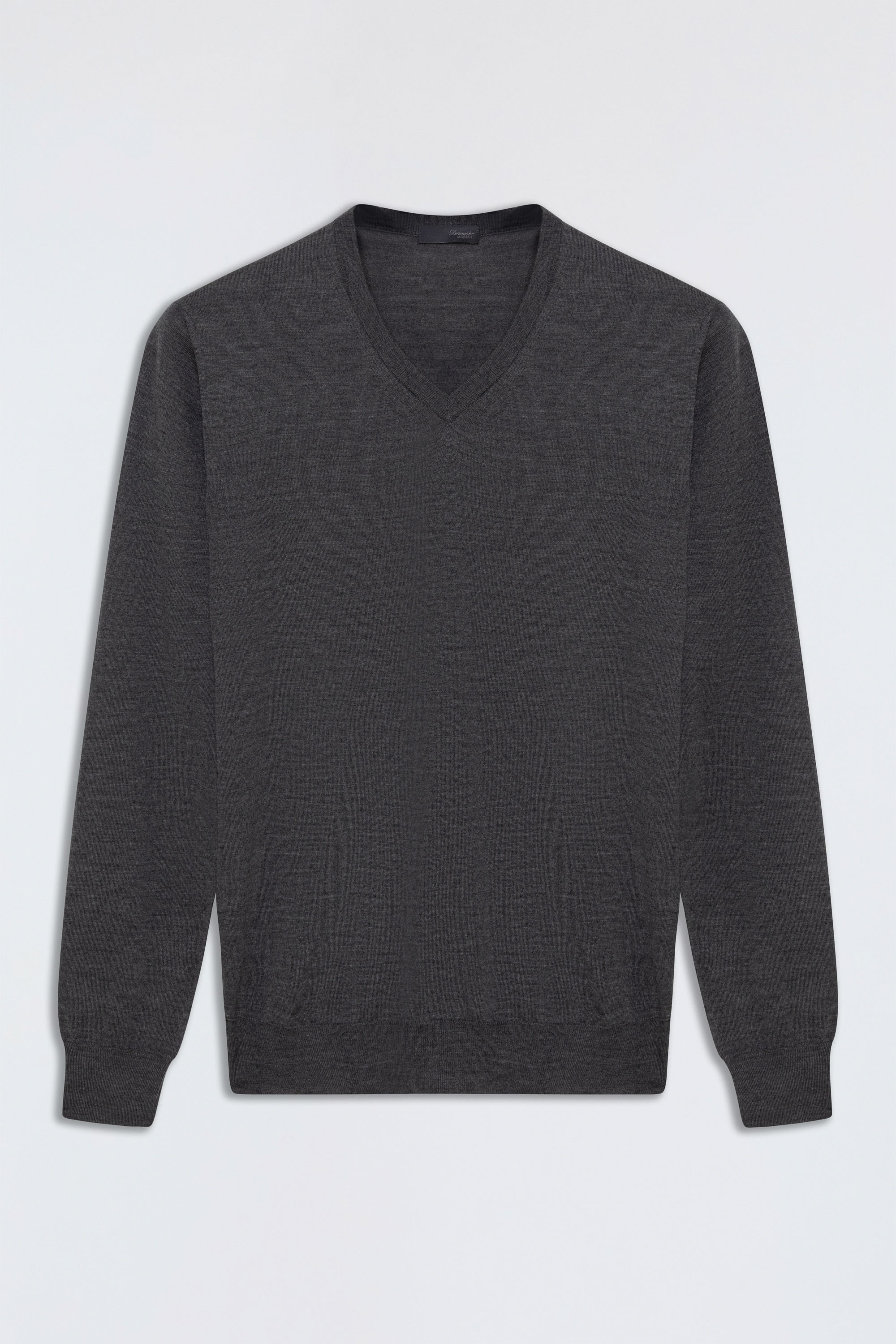
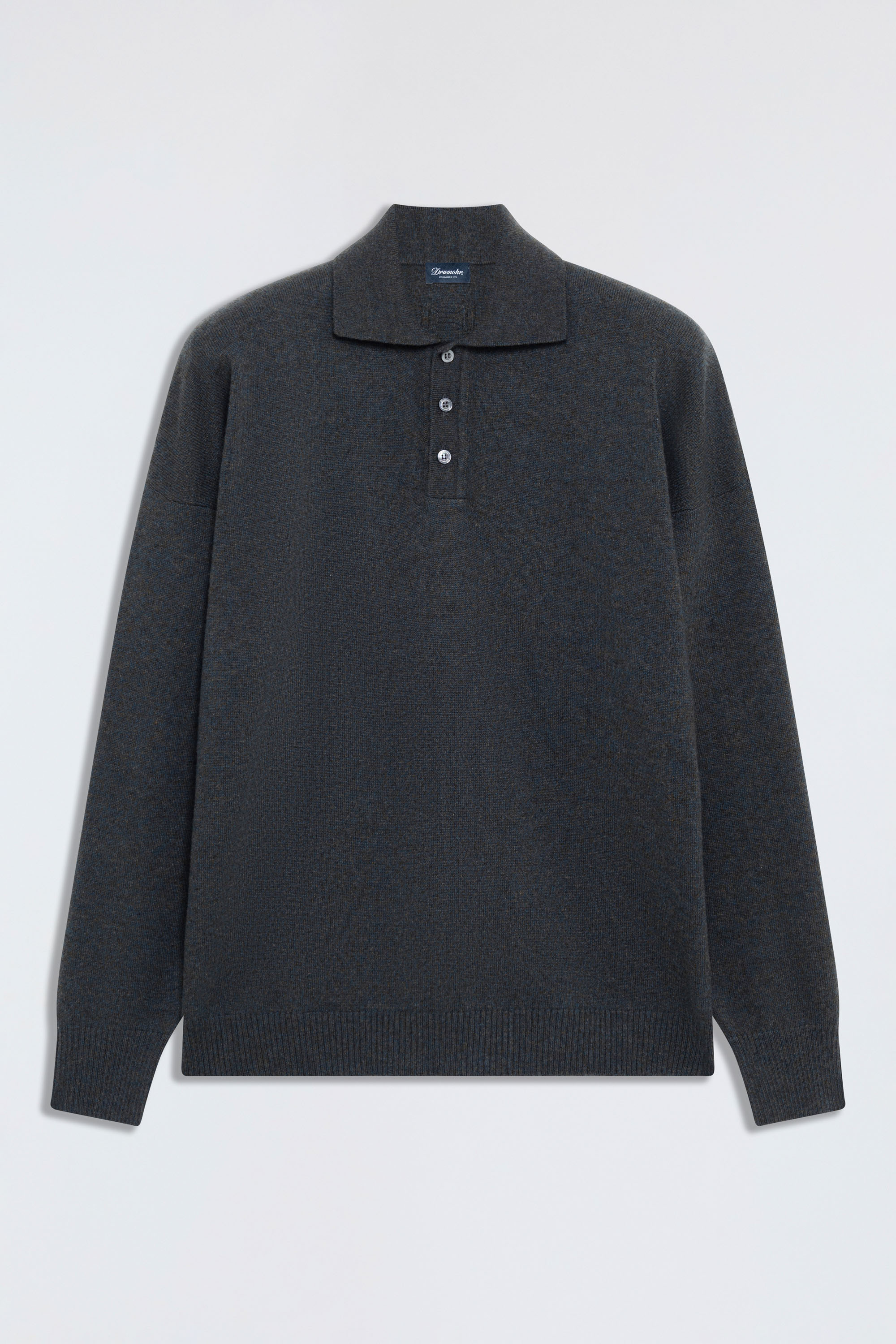
Start with a classic cashmere or fine-wool crewneck or polo in a solid colour. These are the pieces that carry the house's fully-fashioned knitwear heritage, and a single neutral sweater slots into almost any wardrobe. Once you know the fit, the rest of the knitwear line follows naturally.

Who founded Drumohr and when?+

It was founded by James Paterson in Dumfries, Scotland in 1773, originally as a hosiery manufacturer called J.A. Robertson & Sons making stockings and gloves. Over the 19th century it expanded into fully-fashioned wool and cashmere knitwear, the category it is known for today.

Is Drumohr really one of the oldest knitwear brands?+

Its roots run remarkably deep. Drumohr originated in Scotland in 1773, which places it among the longest-lived names in knitwear. That longevity is a real part of the brand's identity rather than marketing shorthand.

Did royalty actually wear Drumohr?+

Yes, and it is well documented. Drumohr stockings in jacquard colour patterns were sold to members of the Royal Family including George V and Queen Mary. In 1927 the Prince of Wales, later Edward VIII, was photographed wearing a Drumohr sweater and socks on the golf course, which gave the brand wide publicity.

What is a notable moment in Drumohr's history?+

During World War II the Dumfries factory was requisitioned, and the Robertson brothers were required to teach rivals McGeorge and Pringle how to manufacture Drumohr's knitwear. It's a striking sign of how respected the house's methods were within the Scottish knitwear trade.

How should I care for Drumohr cashmere and wool?+

Treat it like the long-term piece it is meant to be: fold rather than hang knitwear, let it rest a day between wears, and gently de-pill by hand when needed. Cool hand-washing or a careful wool cycle, then drying flat, keeps fine cashmere and merino soft for years. Always defer to the garment's own care label.