Are Edward Green shoes worth it?+
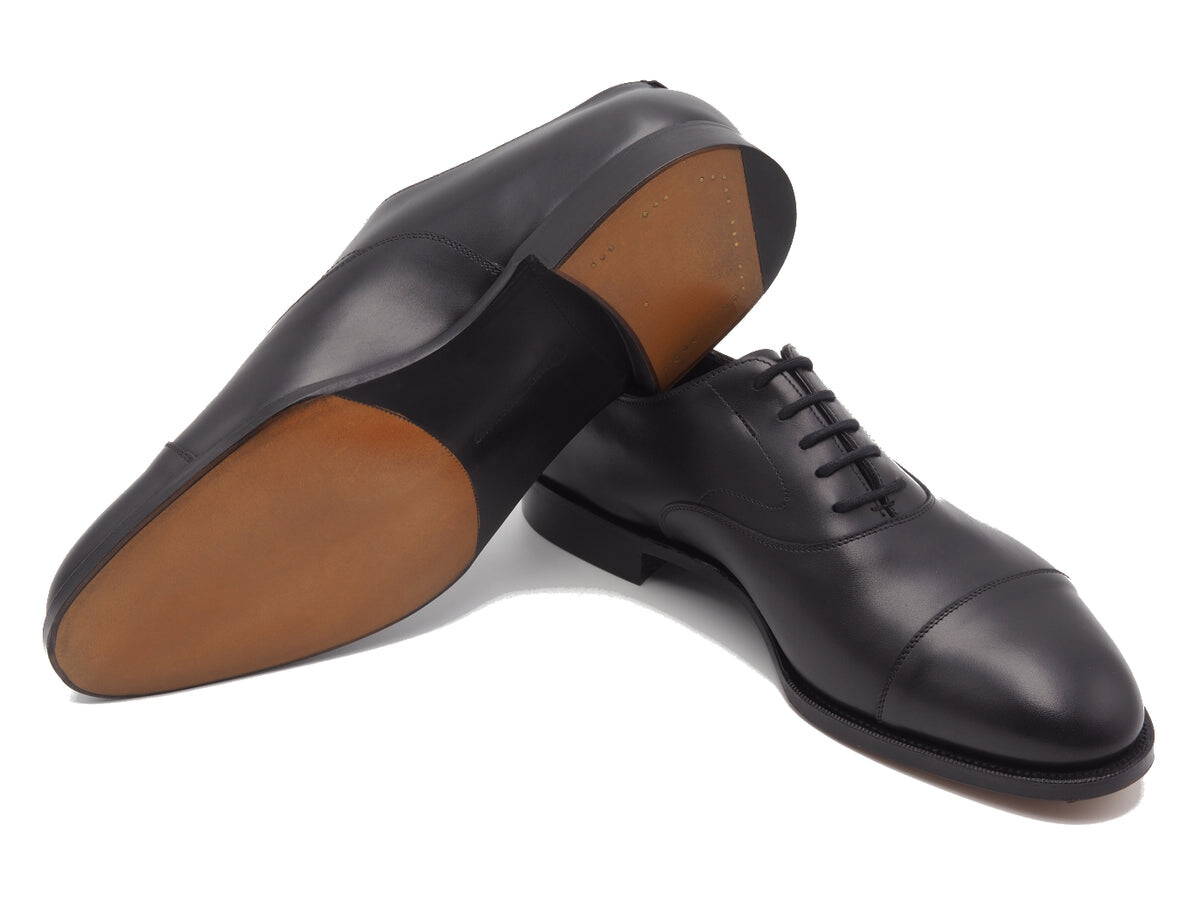
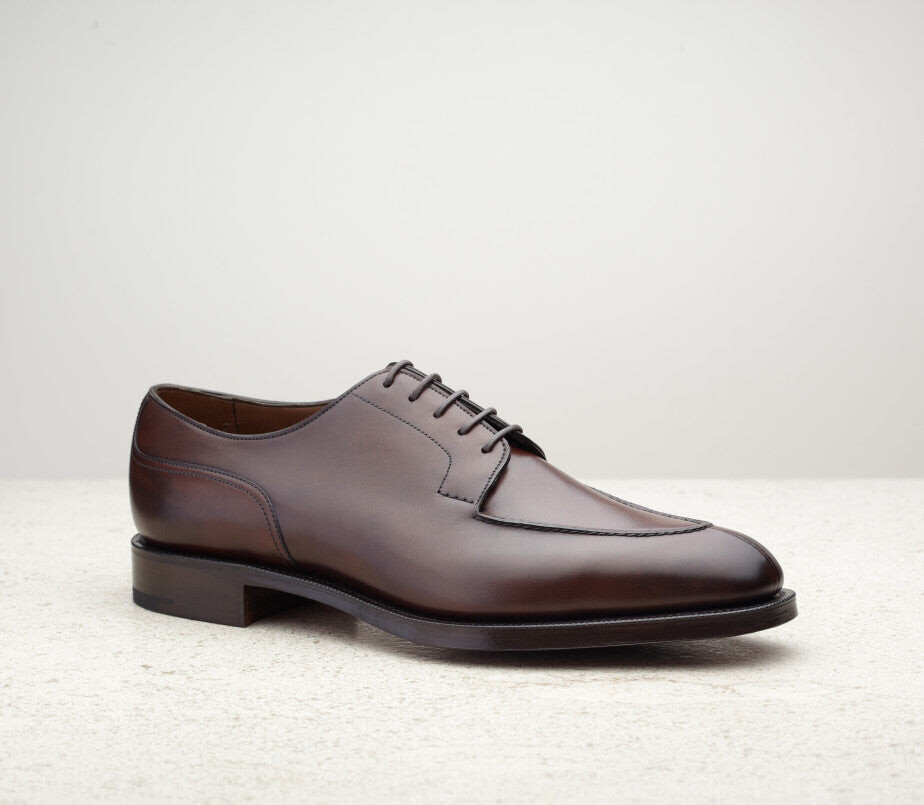
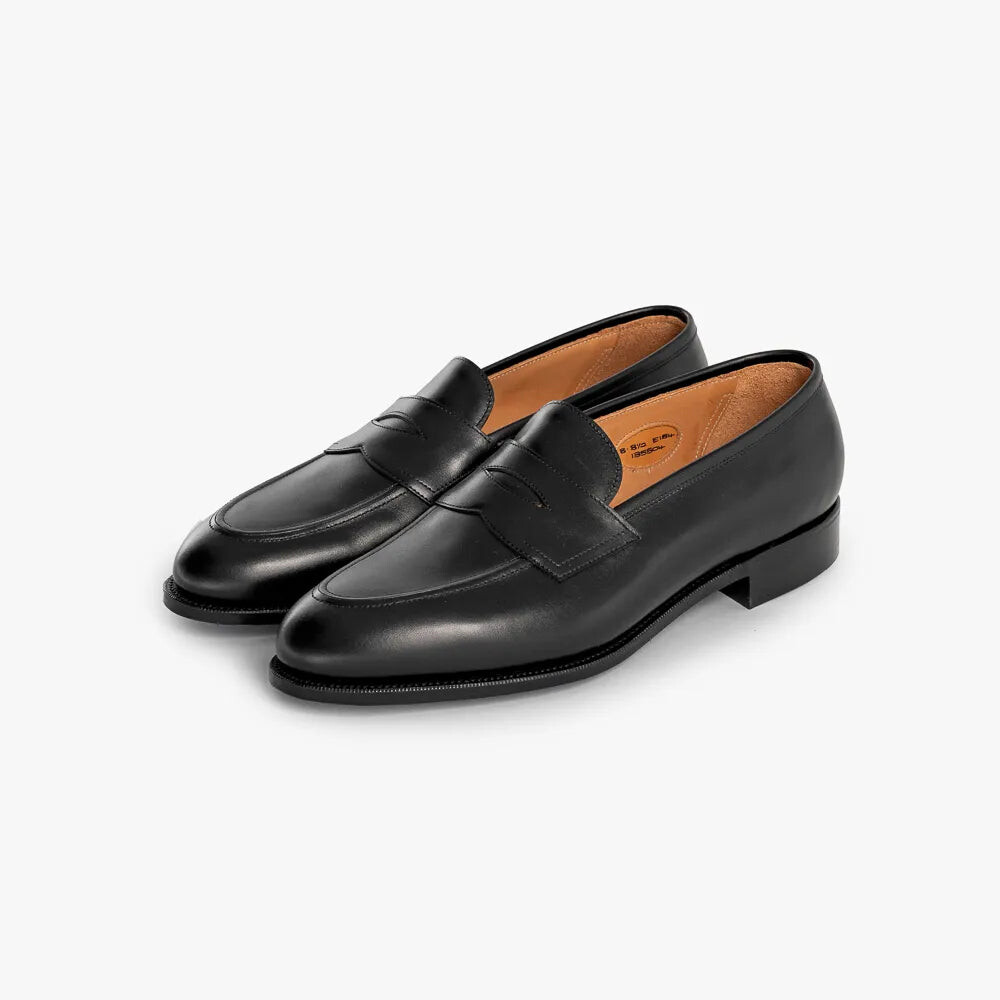
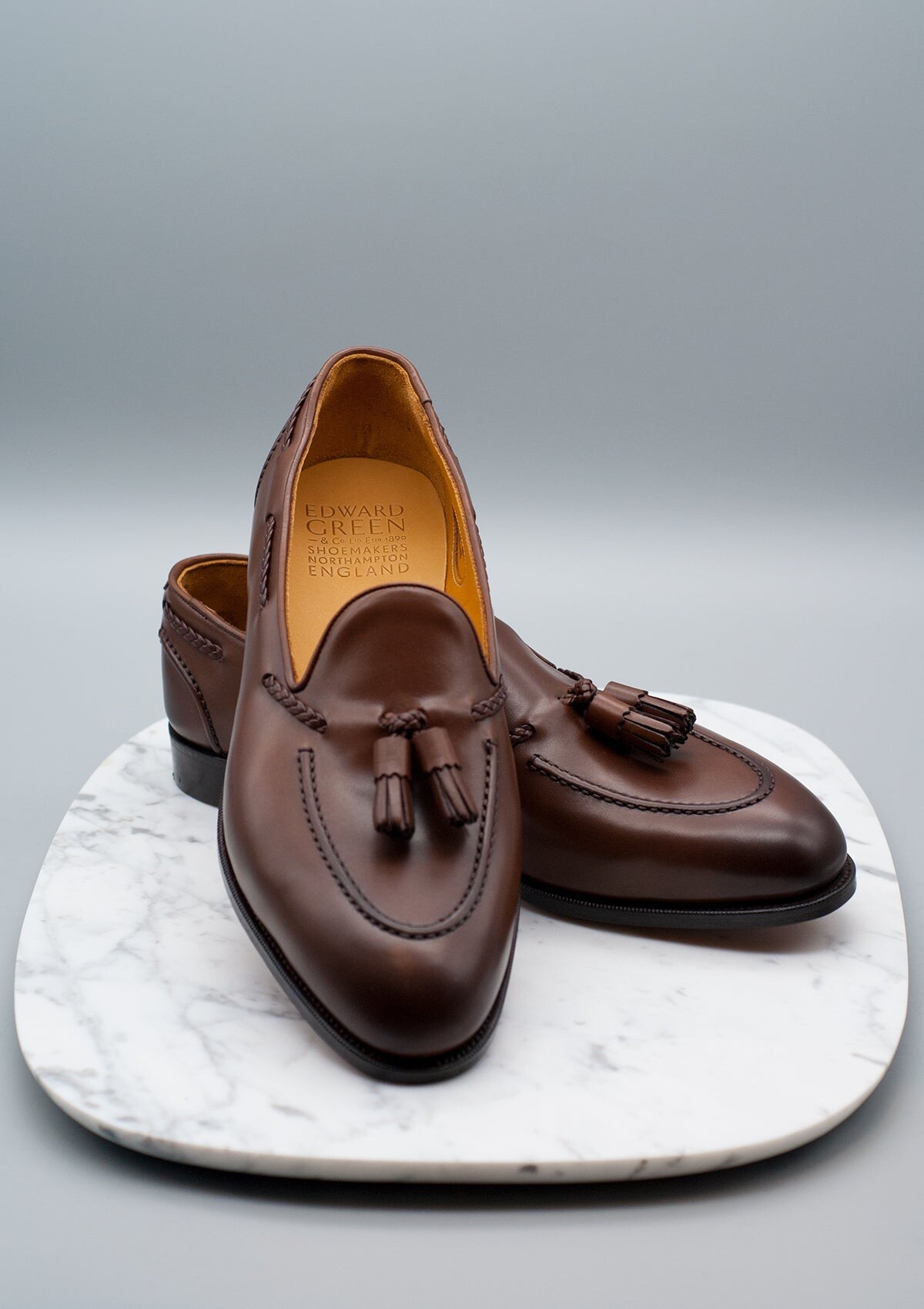
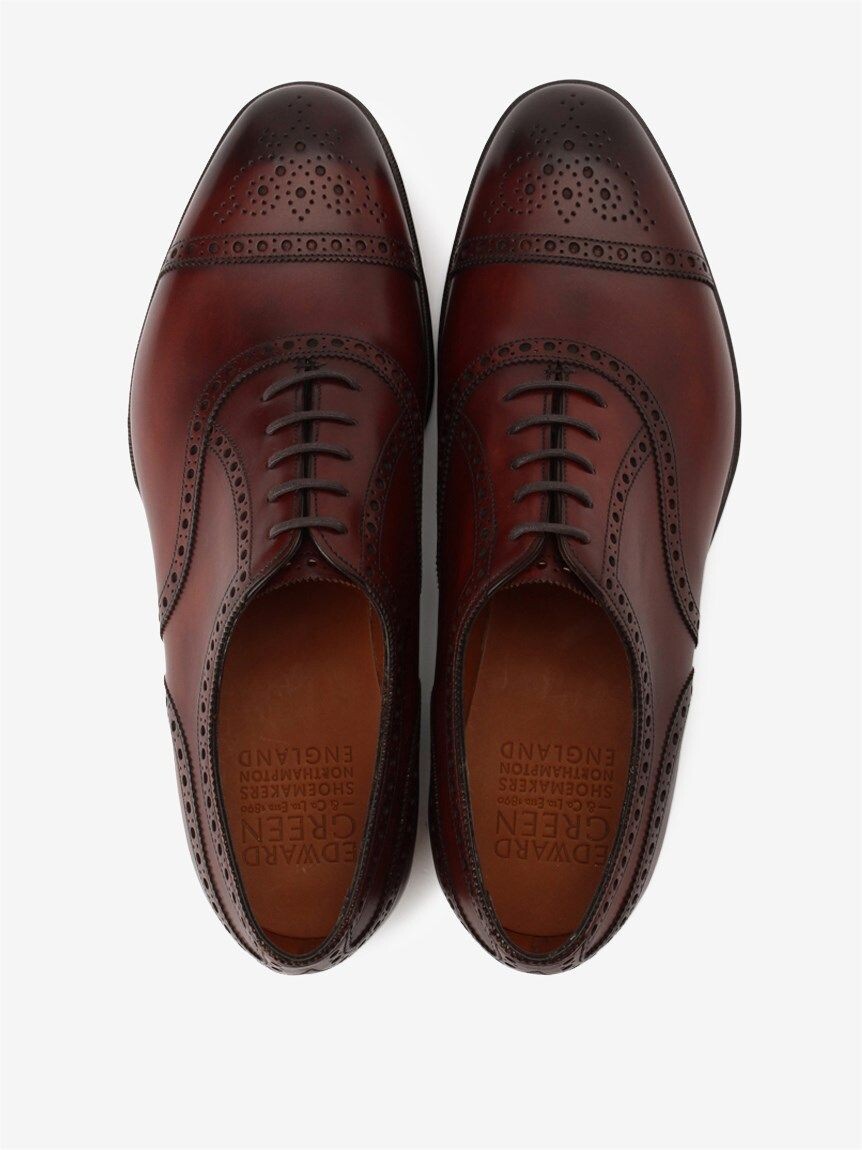
If you care about the way a shoe is finished and the leather it is cut from, Edward Green sits near the top of ready-to-wear shoemaking. The brand completes only around 250 pairs a week in Northampton, and that scarcity of handwork is what you are really paying for. Think of a pair as a long-term wardrobe anchor rather than an impulse buy, and resole them rather than replace them.
Why are Edward Green shoes so expensive?+
Almost everything comes down to handwork and volume: production is highly hand-finished and the workshop turns out only about 250 pairs a week, which keeps the brand small and exclusive. The leathers are among the best used in ready-to-wear, and the price reflects both the materials and the labour of making each pair in England since 1890. You are buying refinement and finish, not mass-produced efficiency.
How does Edward Green compare to John Lobb or Crockett & Jones?+
All three are English makers, but they sit at different points. Edward Green's reputation rests on understated elegance and hand-finishing, with that tiny weekly output of roughly 250 pairs lending real exclusivity. It is often mentioned in the same breath as John Lobb, Tricker's and Church's as a benchmark for fine British footwear, and the choice usually comes down to which house's last shape and aesthetic suits your foot and taste.
Which Edward Green shoe should I buy first?+
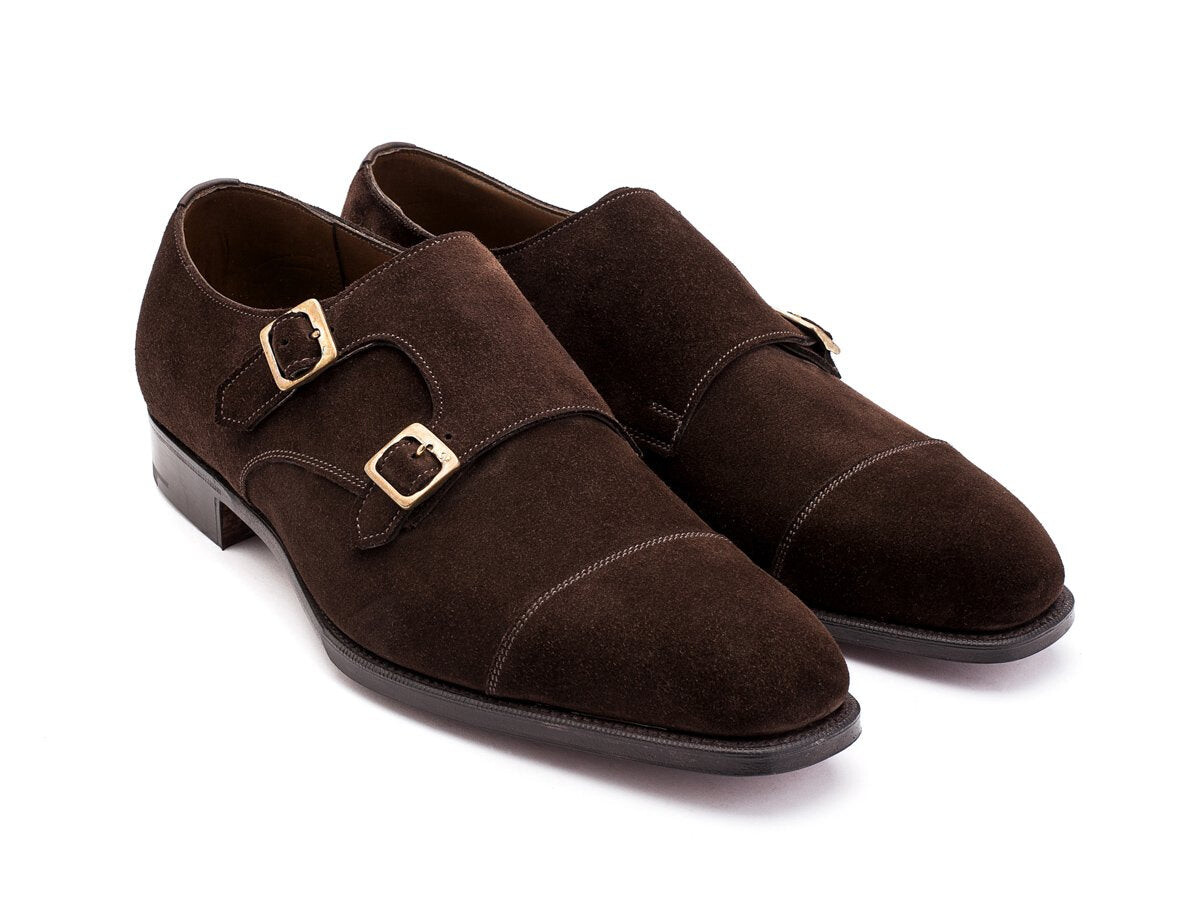
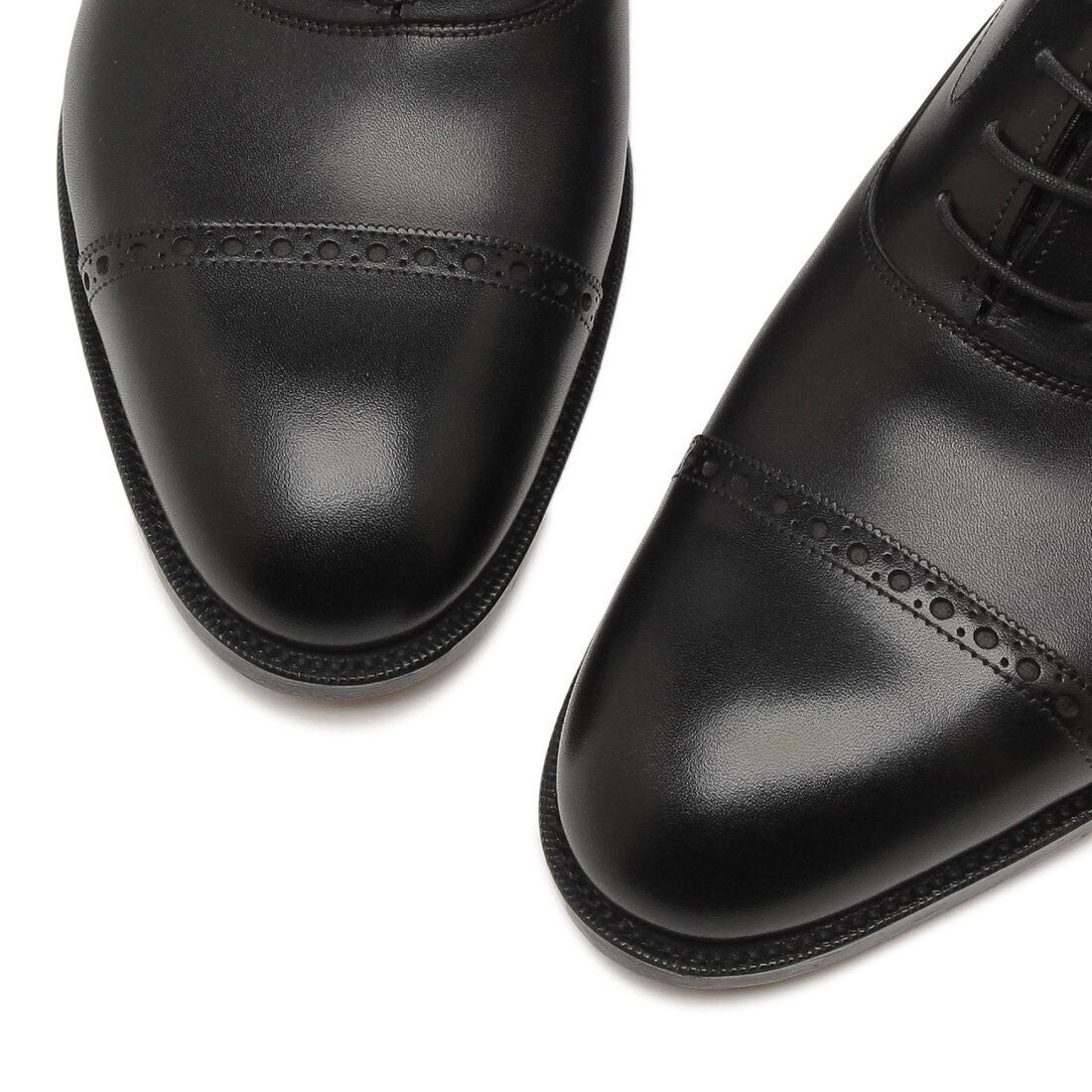
For a first pair, lean toward a versatile dark calf style you can wear with tailoring as well as smart trousers, since Edward Green's whole character is quiet refinement rather than flash. Visit one of their own shops if you can, on Jermyn Street in London or the Boulevard St Germain in Paris, where the staff can guide you on fit. A classic, restrained model will earn its keep far more than something showy.
Where can I buy genuine Edward Green shoes?+
The safest route is the brand's own shops on Jermyn Street in London and the Boulevard St Germain in Paris, plus a small circle of trusted stockists worldwide. Those have included Double Monk in Melbourne, Isetan in Japan, Leffot in New York City, Tassels in Hong Kong and Unipair in Seoul. Buying through these channels is the surest way to know a pair is authentic.
Where are Edward Green shoes made?+
Every pair is made in Northampton, England, the traditional heart of British shoemaking, where the company has been based since 1890. The town's name is a hallmark of welted, resoleable construction, and Edward Green has been part of that tradition for well over a century. Production stays deliberately small to protect the level of handwork.
When was Edward Green founded and by whom?+
Edward Green founded the firm in 1890, beginning to make hand-crafted shoes for men in a small factory in Northampton. The ambition from the outset was simply to make some of the finest shoes in England. More than a century on, that focus on craft over scale still defines the house.
Who owns Edward Green now?+
The ownership story is unusually colourful. Green's nephew Michael Green sold the company in 1977, and after financial troubles it famously changed hands for a single British pound to bespoke shoemaker John Hlustik, a finishing expert often credited with making brown shoes acceptable to British gentlemen. On Hlustik's death in 2000, the company passed to his partner, Hilary Freeman.
Did Edward Green really make boots for the British Army?+
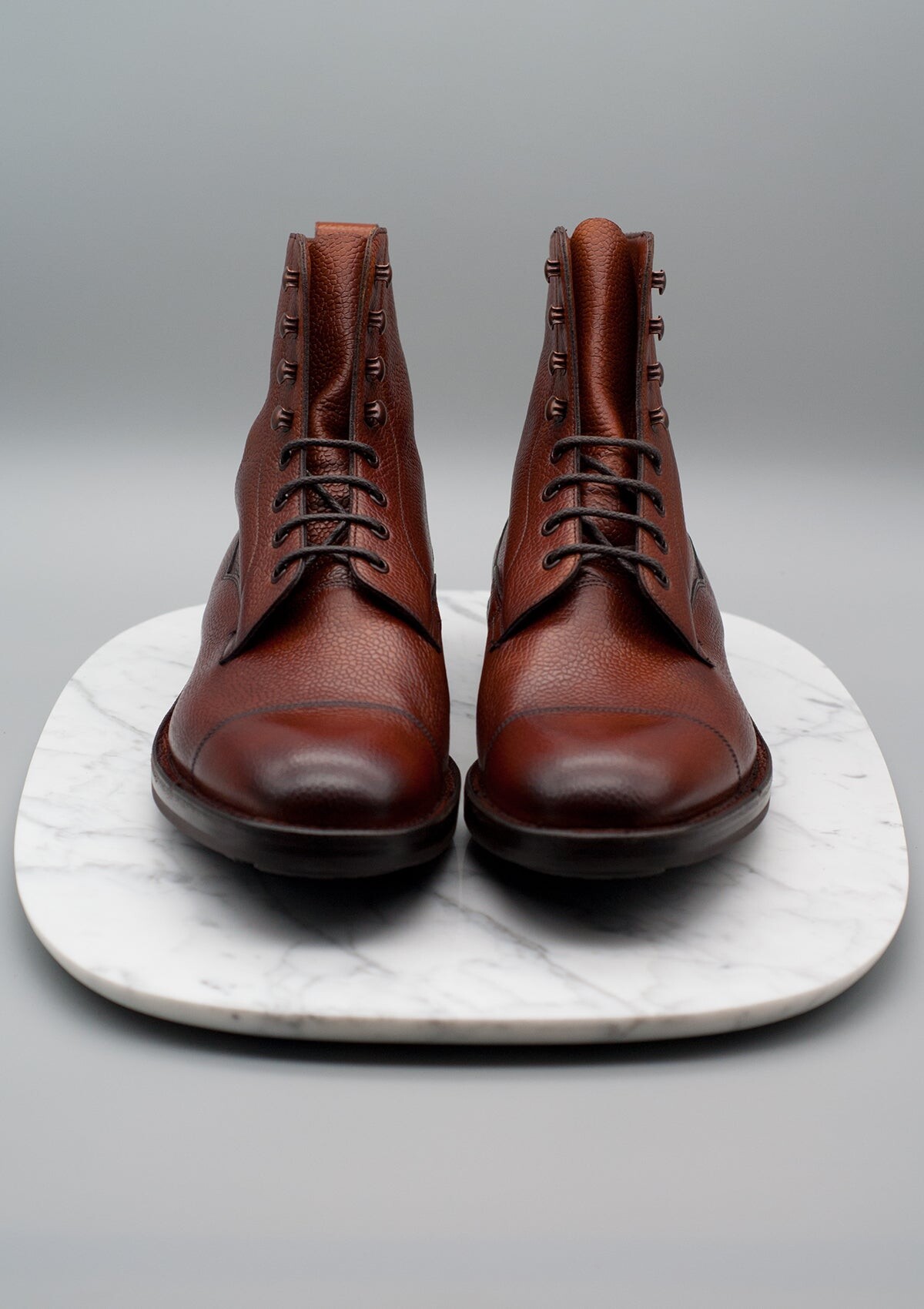
Yes. During the 1930s, Edward Green was one of the largest manufacturers of officers' boots for the British Army. That military pedigree is part of why the name carries such authority in classic footwear, and it speaks to the durability the workshop built its reputation on.
Which famous people have worn Edward Green?+
The house has dressed some notably stylish feet over the decades. Its shoes have been chosen by the Duke of Windsor, Ernest Hemingway and Cole Porter, among others. That kind of clientele helped cement Edward Green's standing as a maker for people who treat shoes as a considered, lasting purchase.
How should I care for my Edward Green shoes?+
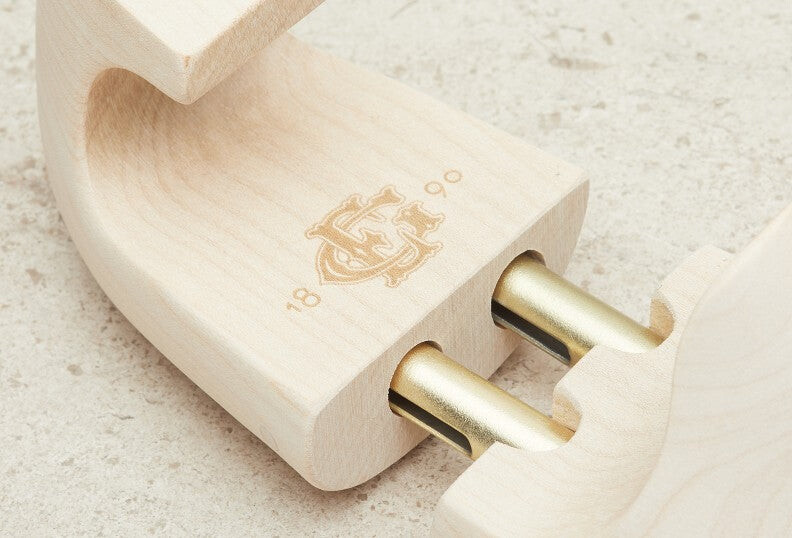
Treat them as objects meant to last for years rather than seasons. Rotate pairs so the leather can rest and dry between wears, use shoe trees to hold their shape, and condition and polish the calf regularly to keep it supple. Because they are welted in the Northampton tradition, they can be resoled rather than discarded, which is central to the value of buying at this level.