Brand · American footwear est. 1876

G.H. Bass & Co.

The house that made the Weejun — penny loafers, mocs and a century and a half of American shoemaking.

G.H. Bass & Co.
Re-checked daily
Founded by George Henry Bass in 1876, G.H. Bass & Co. is an American footwear brand whose moccasins and loafers became a national wardrobe staple.

Bass, born in Wilton, Maine in 1843, joined the shoemaking firm E.P. Packard & Co. and by 1879 owned it outright, renaming it G.H. Bass & Co. The first Bass moccasin — the 'Bass Moccasin Cruiser' — arrived in 1906, and in 1936 the company introduced the 'Weejuns,' the penny loafer it remains best known for.

Its shoes have an adventurer's résumé: Admiral Richard E. Byrd wore Bass ski boots on his Antarctic expeditions through the 1930s, the firm developed a cold-weather boot for the US Army's 10th Mountain Division in WWII, and it outfitted the American Olympic team in 1948. Ownership has passed through Chesebrough-Ponds, PVH and, since 2013, the G-III Apparel Group.
The G.H. Bass & Co. pieces worth knowing

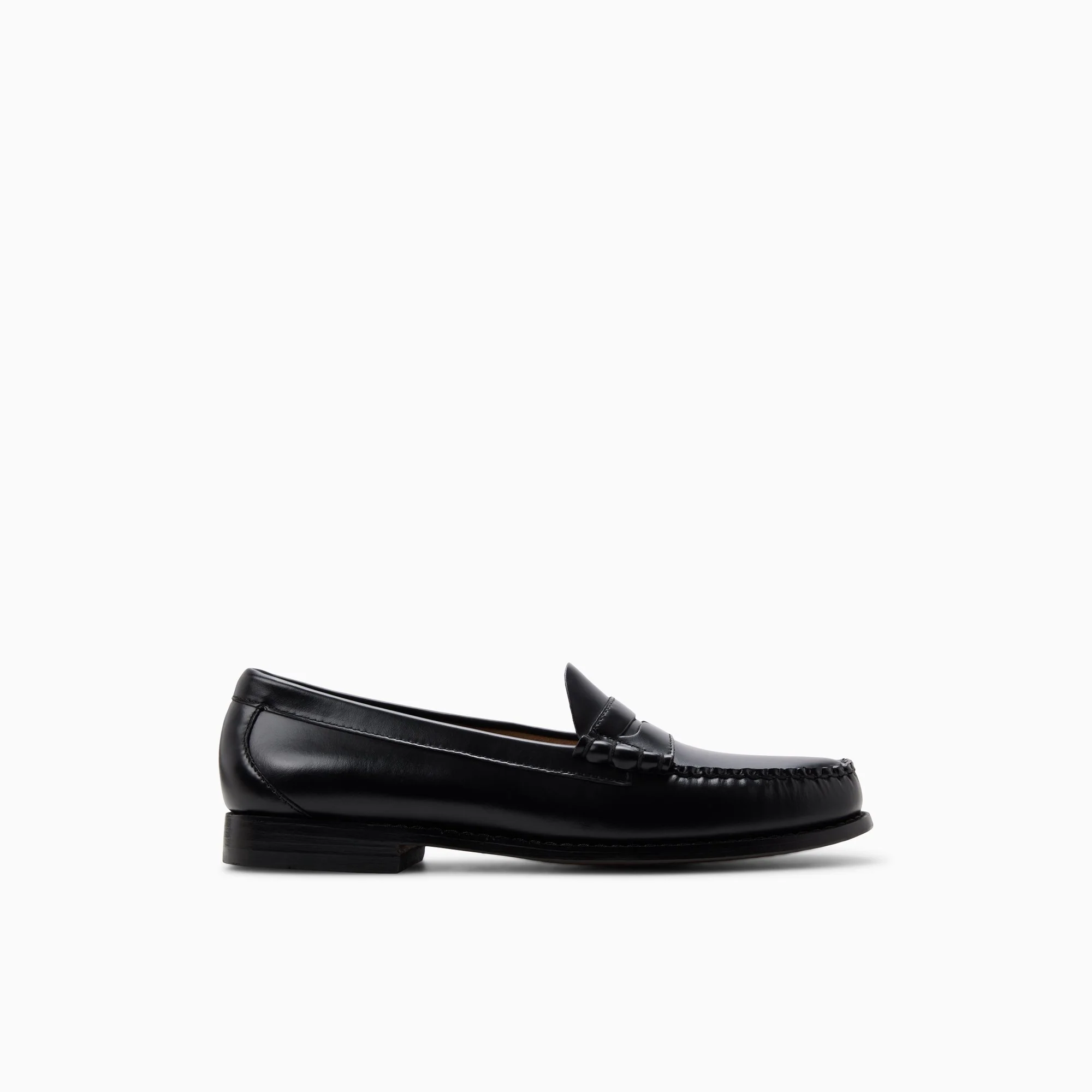
Mens Larson Weejuns® Penny Loafer
1936 penny icon
Mens Larson Weejuns® Penny Loafer
The Larson keeps Bass Weejuns® in its most recognizable Ivy-League penny-loafer form.
$195 at G.H.BASS
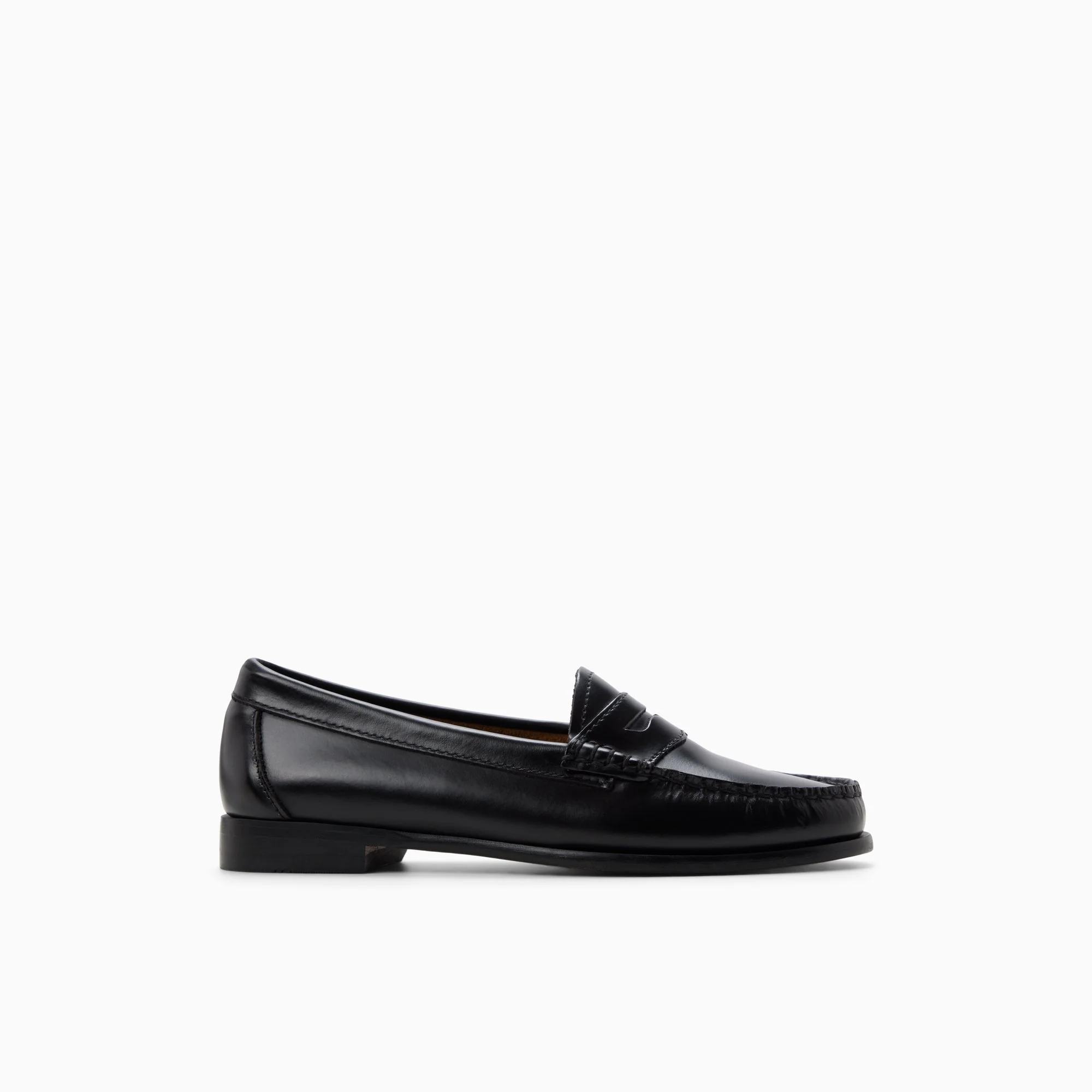
Womens Whitney Weejuns® Penny Loafer
Original women’s penny
Womens Whitney Weejuns® Penny Loafer
The Whitney translates the original Bass penny loafer into a polished women’s wardrobe staple.
$195 at G.H.BASS
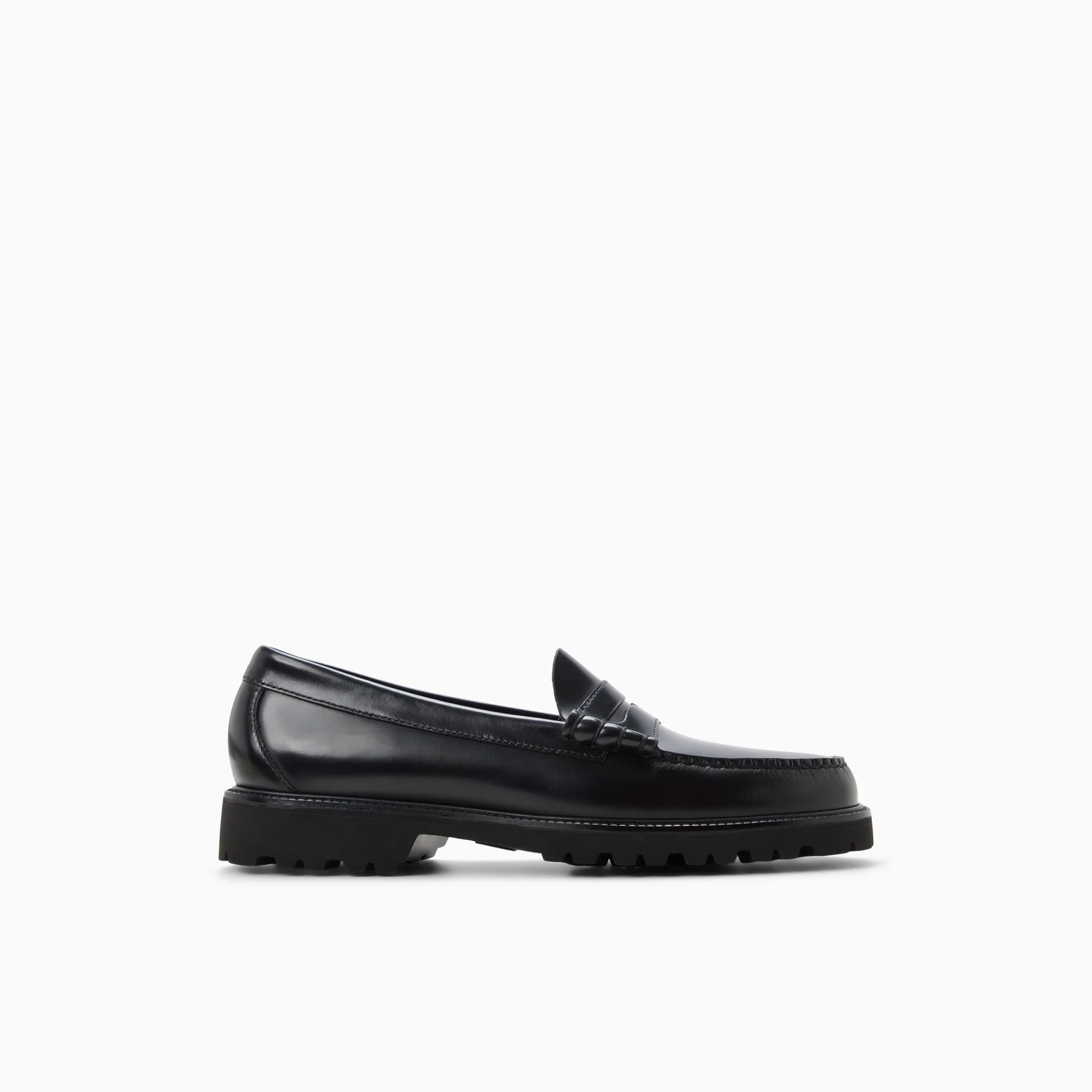
Mens Larson Lug Weejuns® Penny Loafer
Lug-sole Larson
Mens Larson Lug Weejuns® Penny Loafer
The Larson Lug keeps the penny-loafer face and gives it a tougher, street-ready sole.
$210 at G.H.BASS
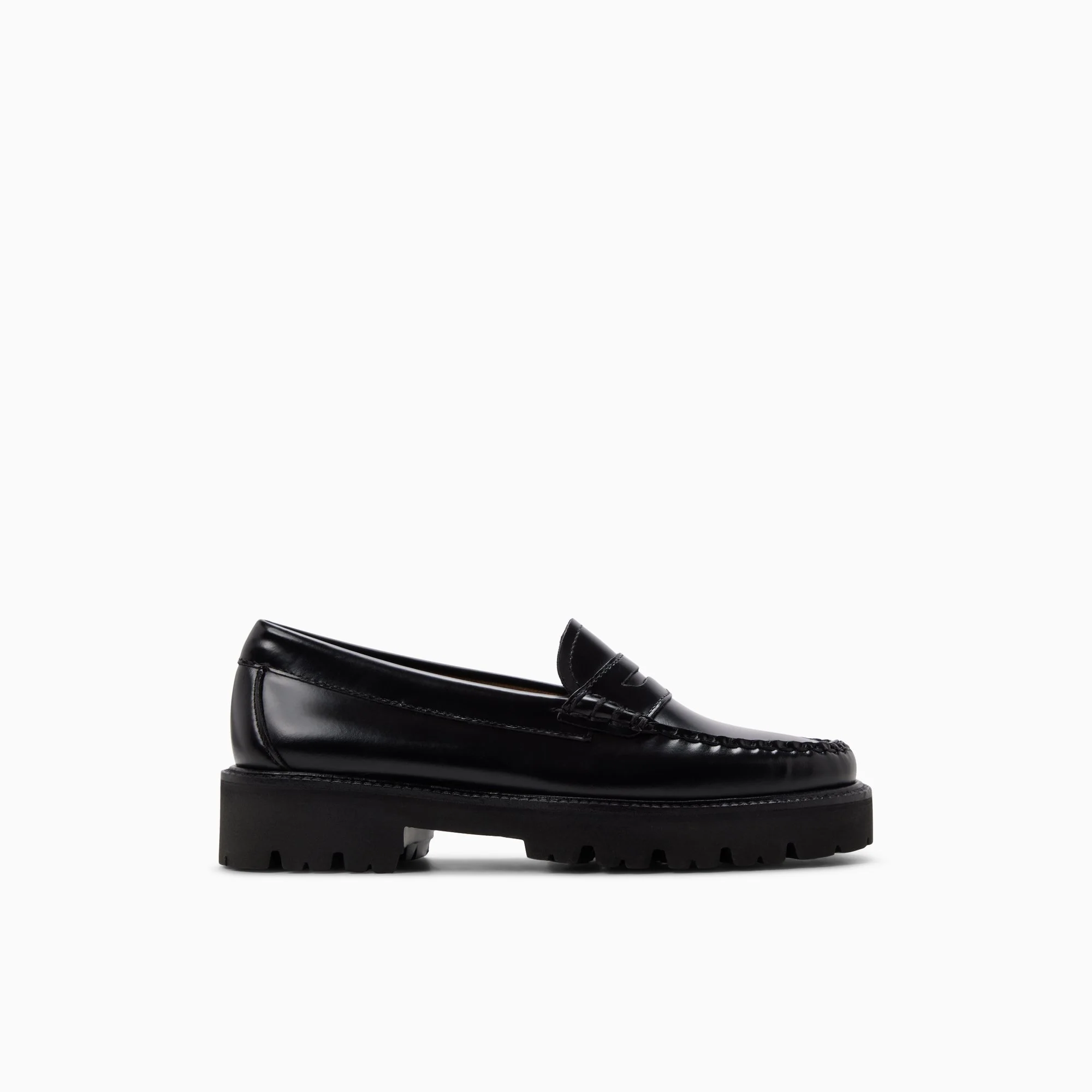
Womens Whitney Super Lug Weejuns®
Chunky Whitney
Womens Whitney Super Lug Weejuns®
Whitney Super Lug pushes the classic penny loafer toward a chunkier, modern platform mood.
$210 at G.H.BASS
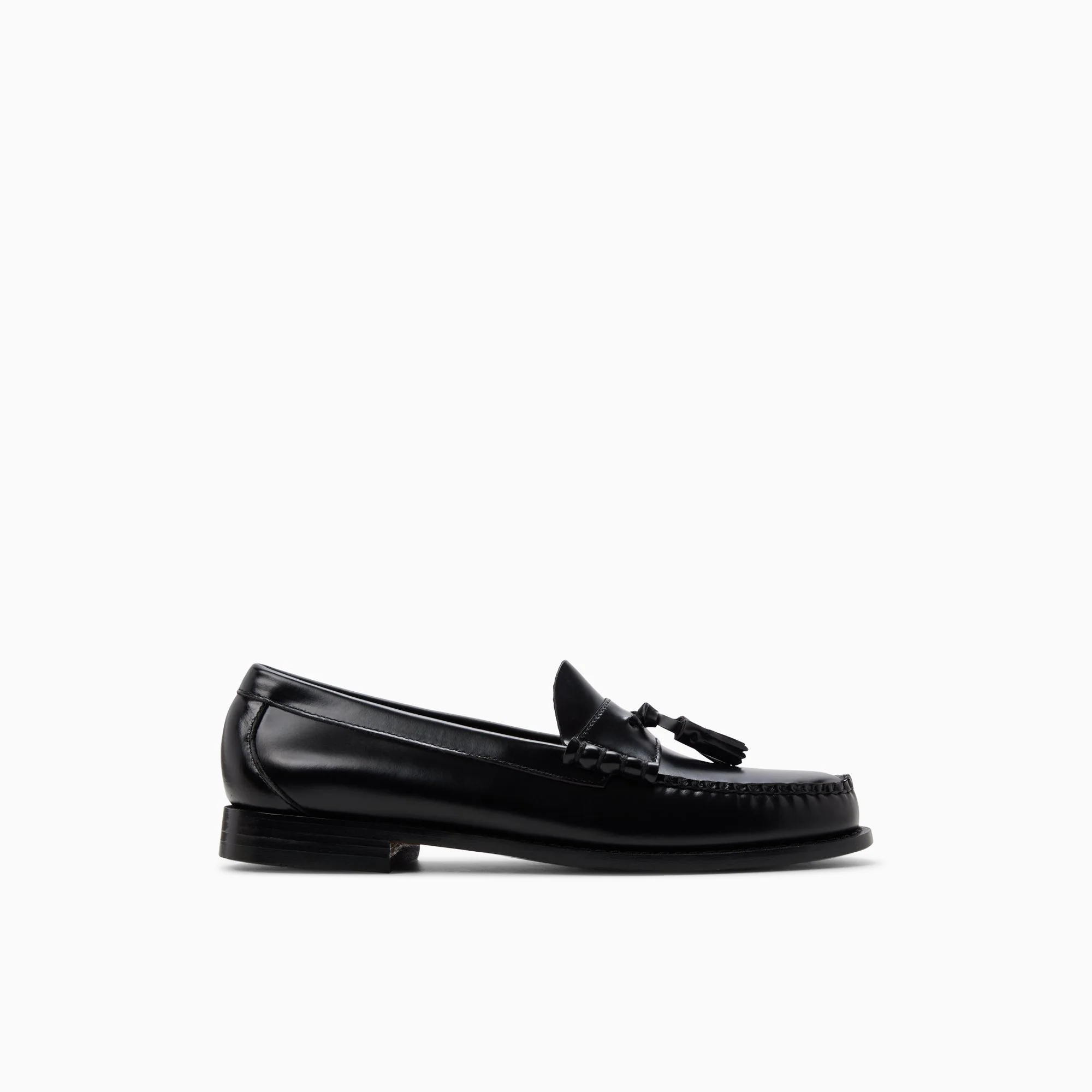
Mens Lennox Weejuns® Tassel Loafer
Tassel classic
Mens Lennox Weejuns® Tassel Loafer
Lennox brings tassel-loafer polish into the Bass Weejuns® universe.
$210 at G.H.BASS
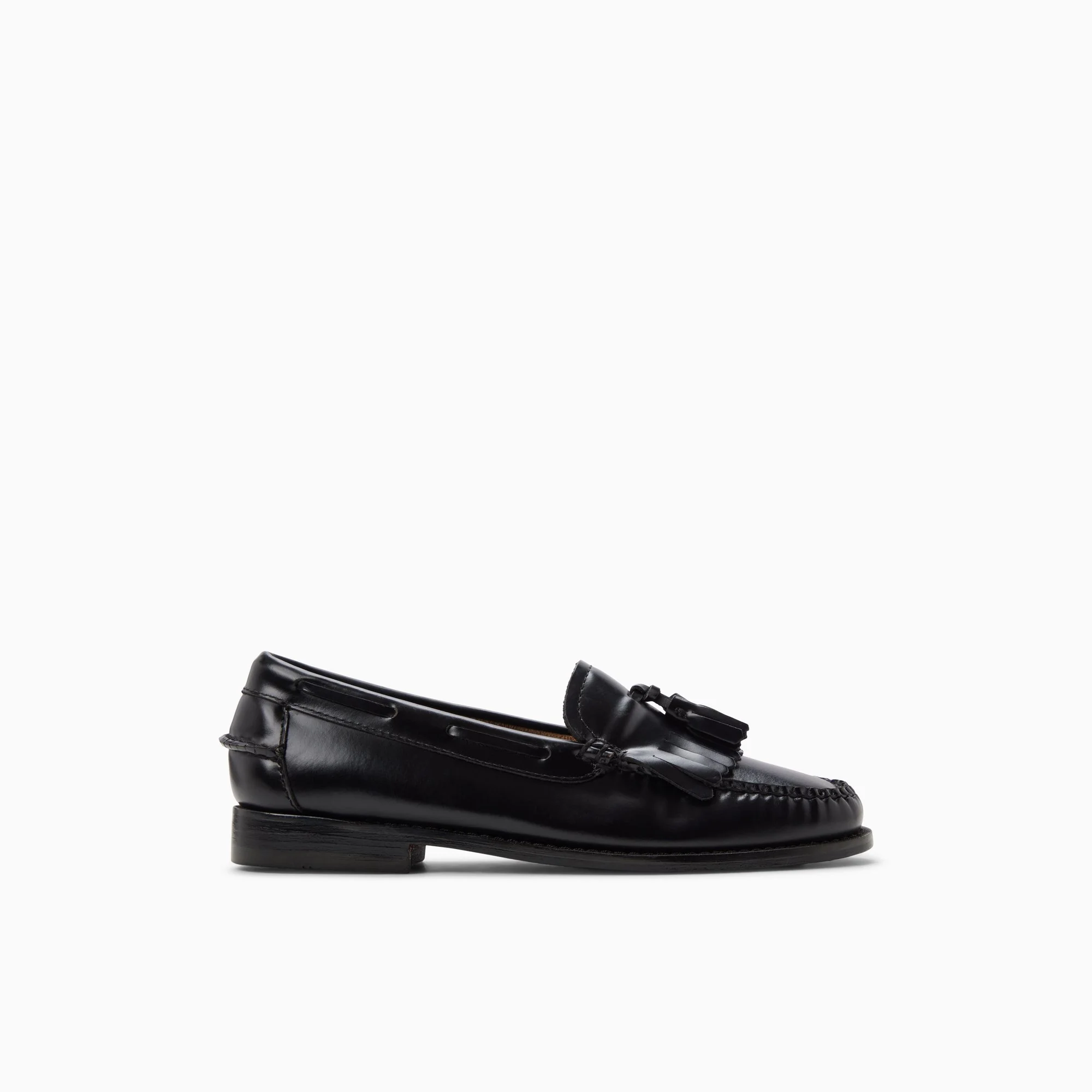
Womens Esther Weejuns® Tassel Loafer
Kiltie tassel
Womens Esther Weejuns® Tassel Loafer
Esther adds kiltie-and-tassel detail to the women’s Weejuns® lineup.
$210 at G.H.BASS
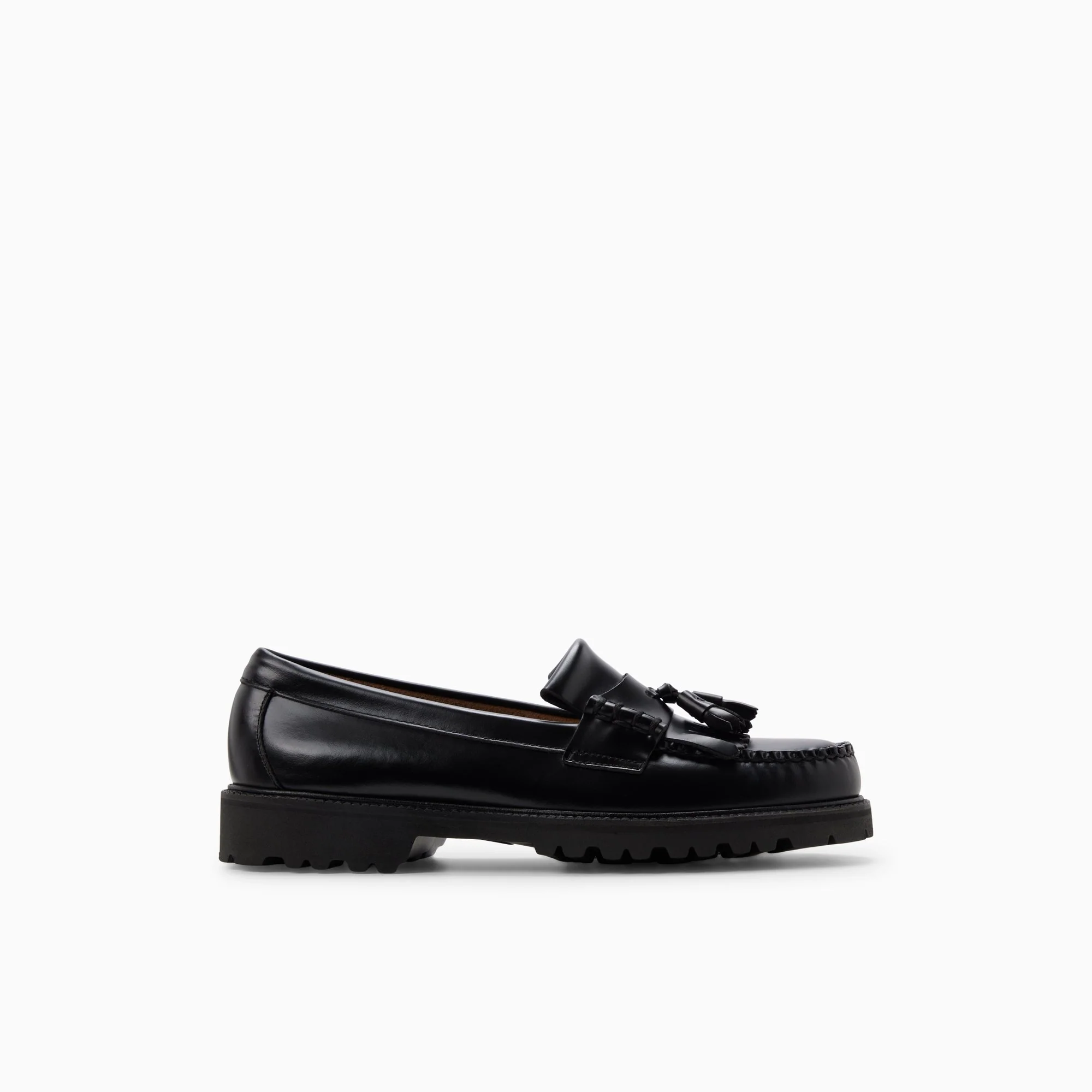
Mens Layton Lug Weejuns® Tassel Loafer
Lug tassel
Mens Layton Lug Weejuns® Tassel Loafer
Layton mixes tassel-loafer formality with the grip and presence of a lug sole.
$225 at G.H.BASS
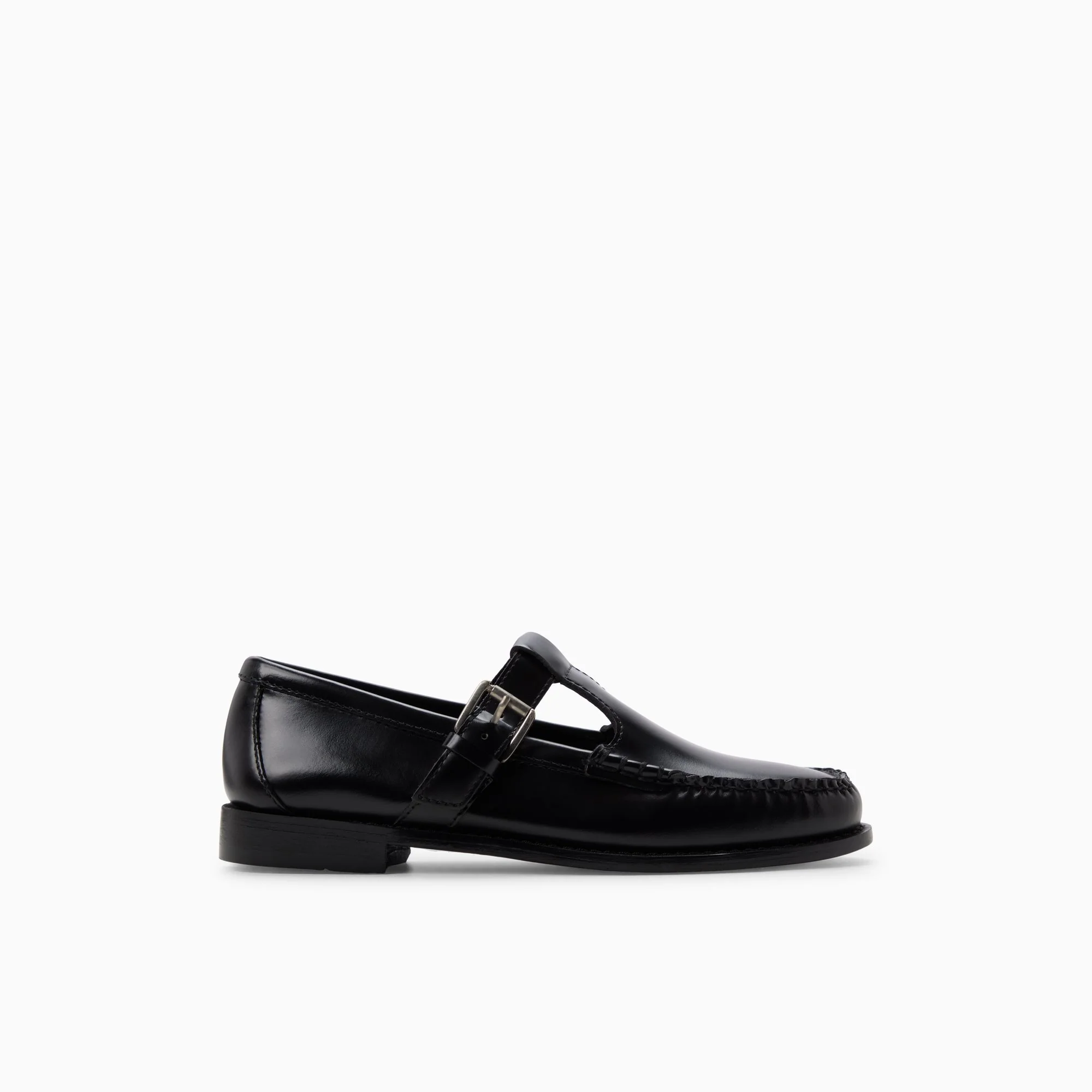
Womens Mary Jane Weejuns®
Buckled T-strap
Womens Mary Jane Weejuns®
Mary Jane Weejuns® turns the loafer into a buckled T-strap with Bass’s moccasin details intact.
$215 at G.H.BASS
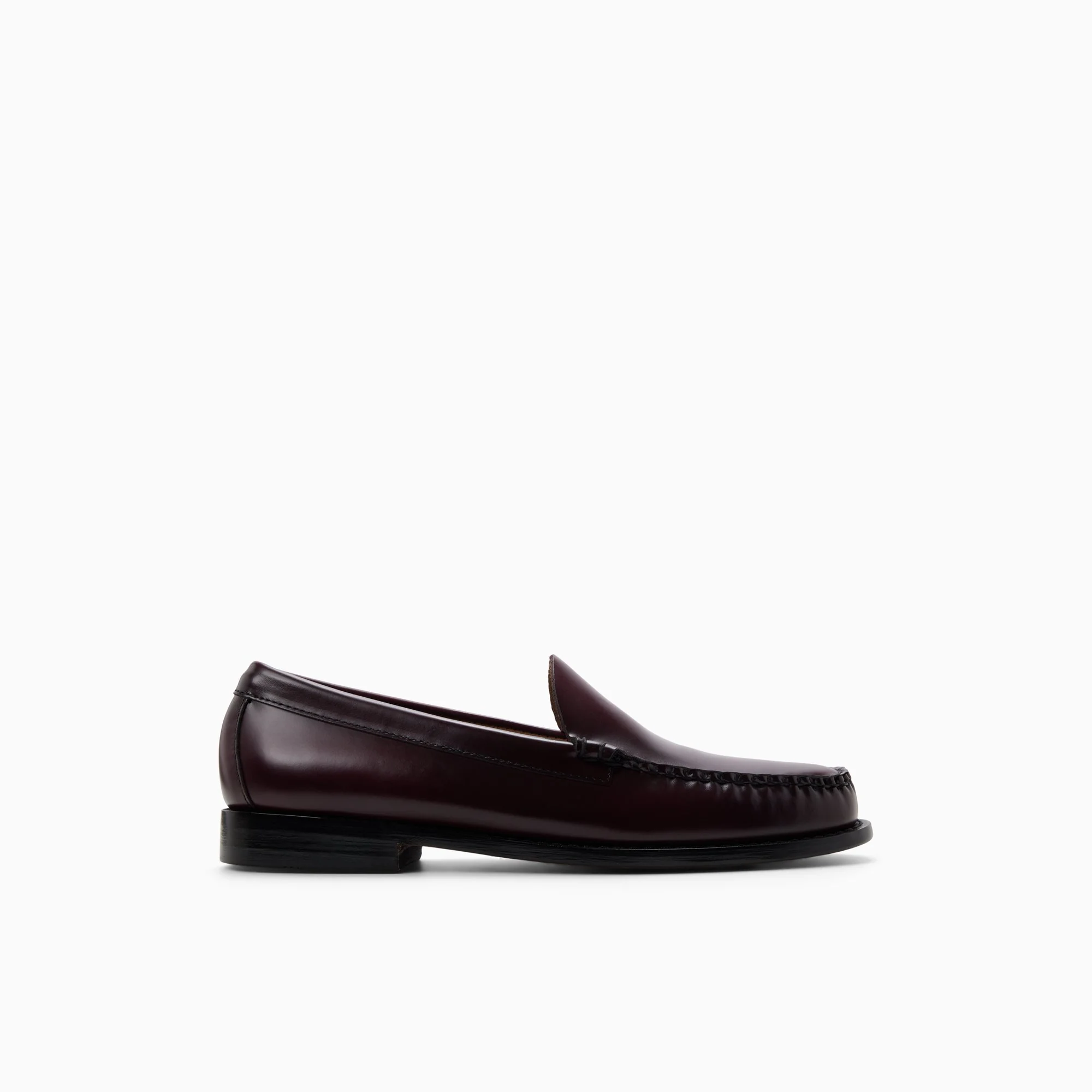
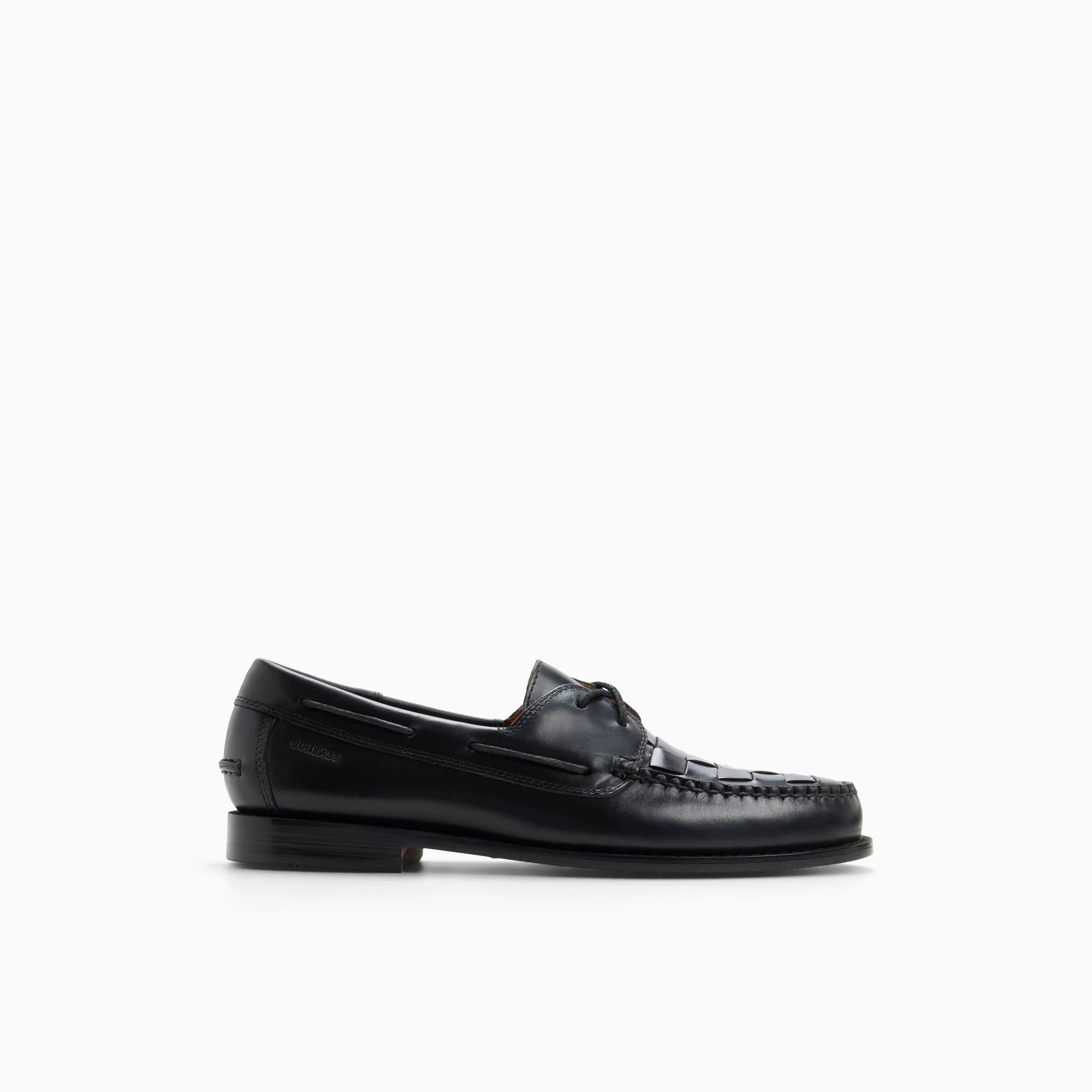
Mens Larson Weejuns® Venetian Loafer
Woven vamp
Mens Larson Weejuns® Venetian Loafer
The Larson Venetian softens the penny-loafer outline with a woven, warm-weather vamp.
$200 at G.H.BASS
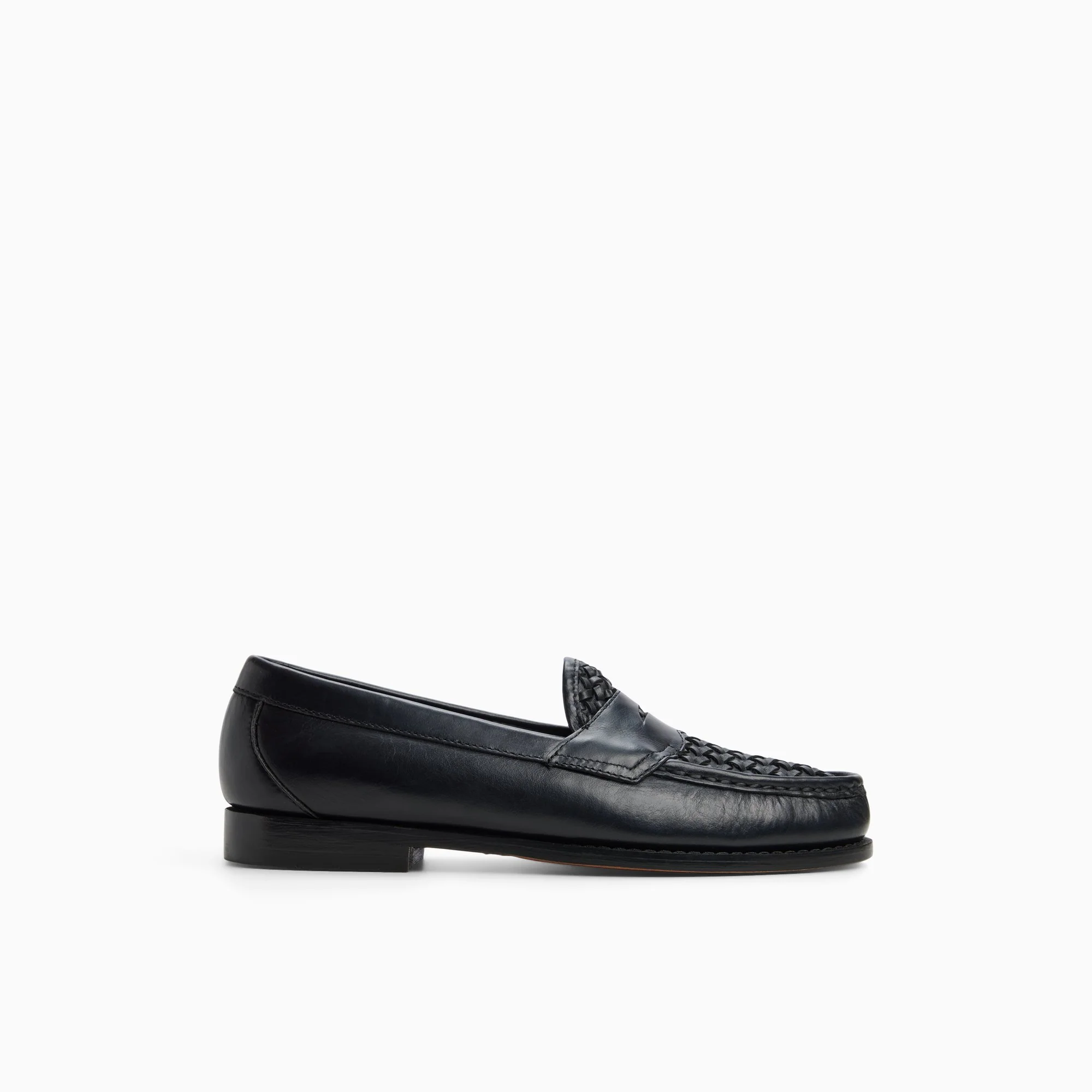
Mens Logan Weejuns® Penny Loafer
Open-weave Logan
Mens Logan Weejuns® Penny Loafer
Logan keeps the penny-loafer strap but opens the vamp into a graphic woven surface.
$250 at G.H.BASS
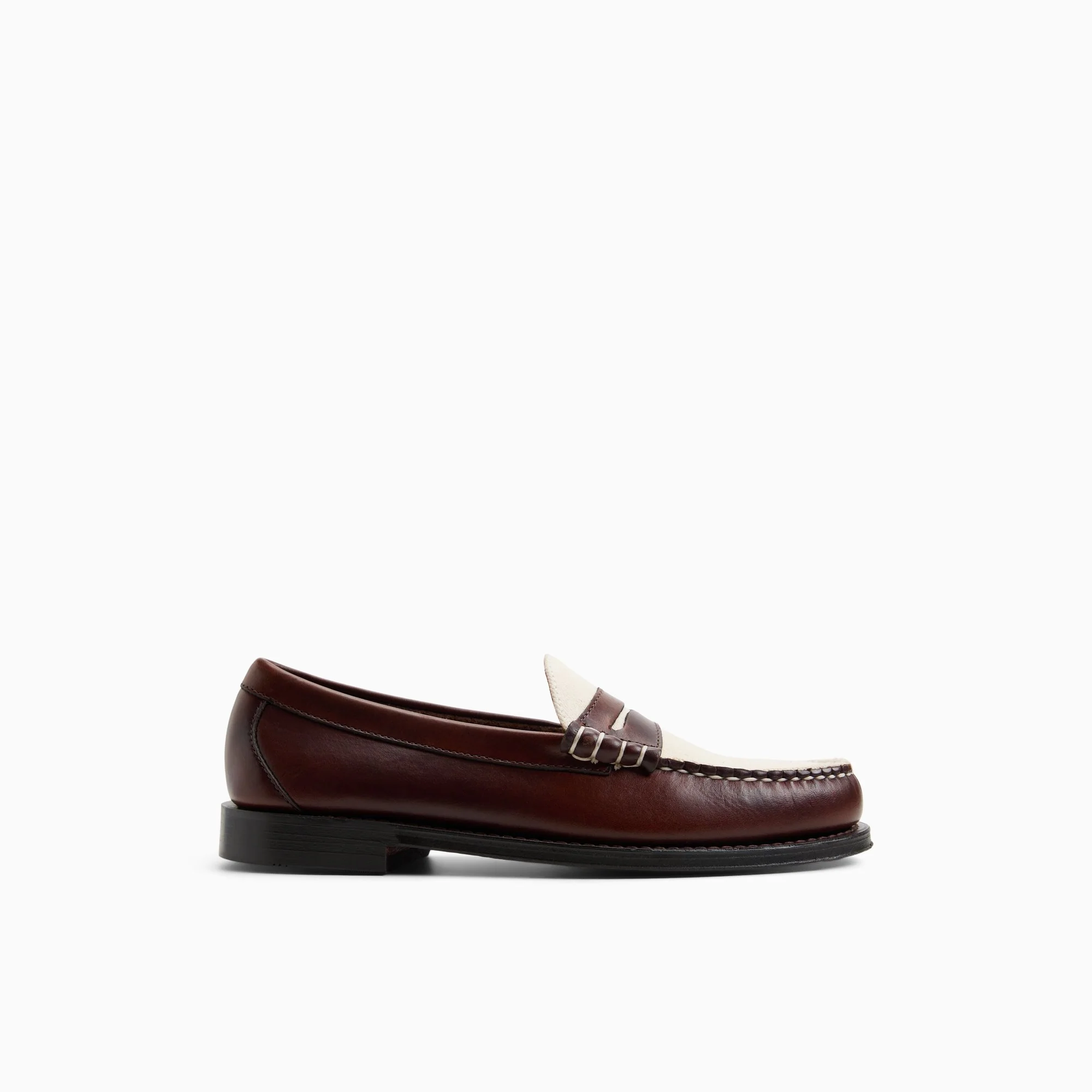
Mens Larson Heritage Weejuns® Penny Loafer
Heritage canvas
Mens Larson Heritage Weejuns® Penny Loafer
Larson Heritage gives the penny loafer a canvas-and-leather archival feeling.
$225 at G.H.BASS
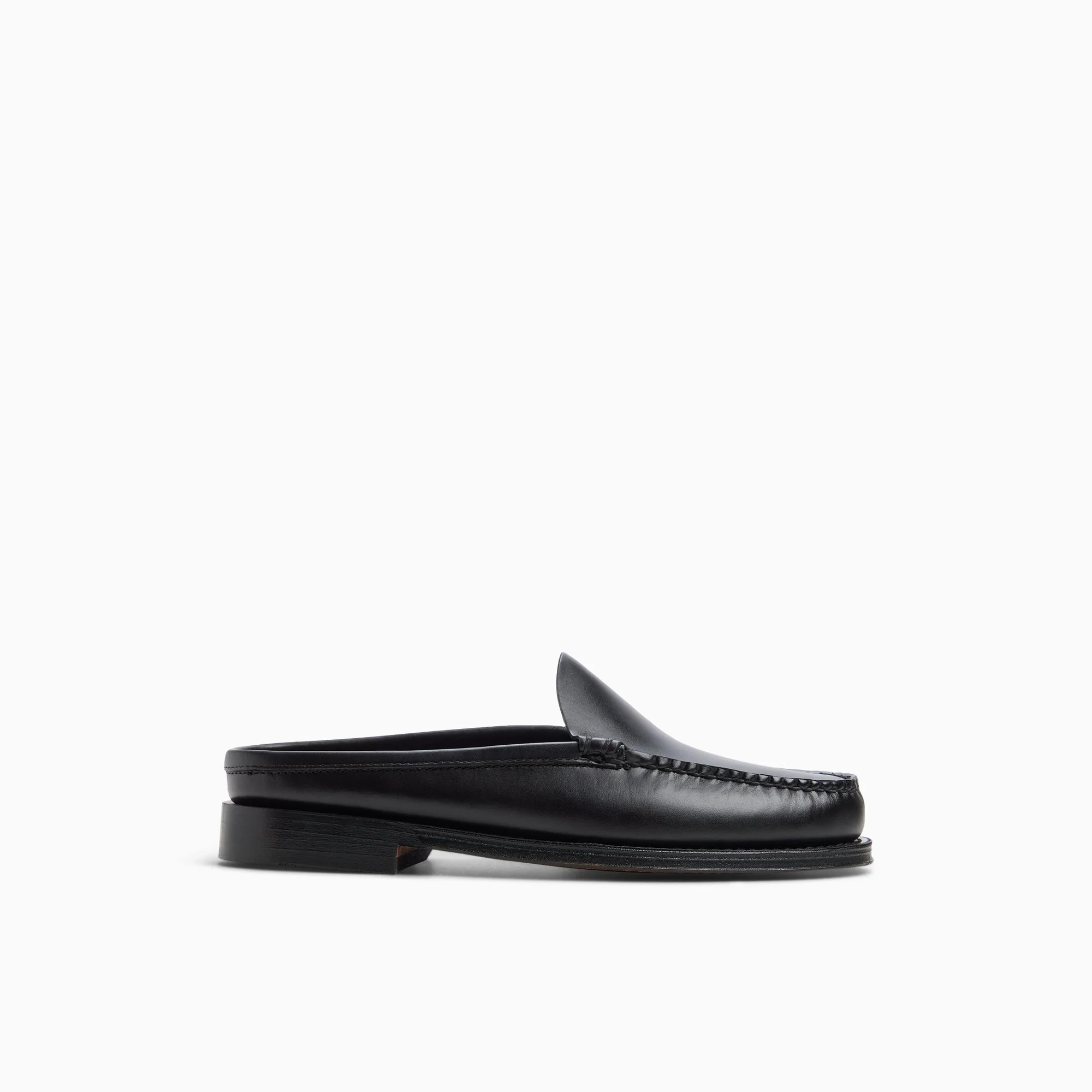
Mens Beaumont Heritage Weejuns® Venetian Mule Loafer
Heritage mule
Mens Beaumont Heritage Weejuns® Venetian Mule Loafer
Beaumont opens the back of the Weejuns® loafer for an easy mule silhouette.
$225 at G.H.BASS
Mens Greenwich Weejuns® Boat Shoe
Nautical Weejuns®
Mens Greenwich Weejuns® Boat Shoe
Greenwich ties Weejuns® loafer heritage to a nautical boat-shoe shape.
$119.99 at G.H.BASS
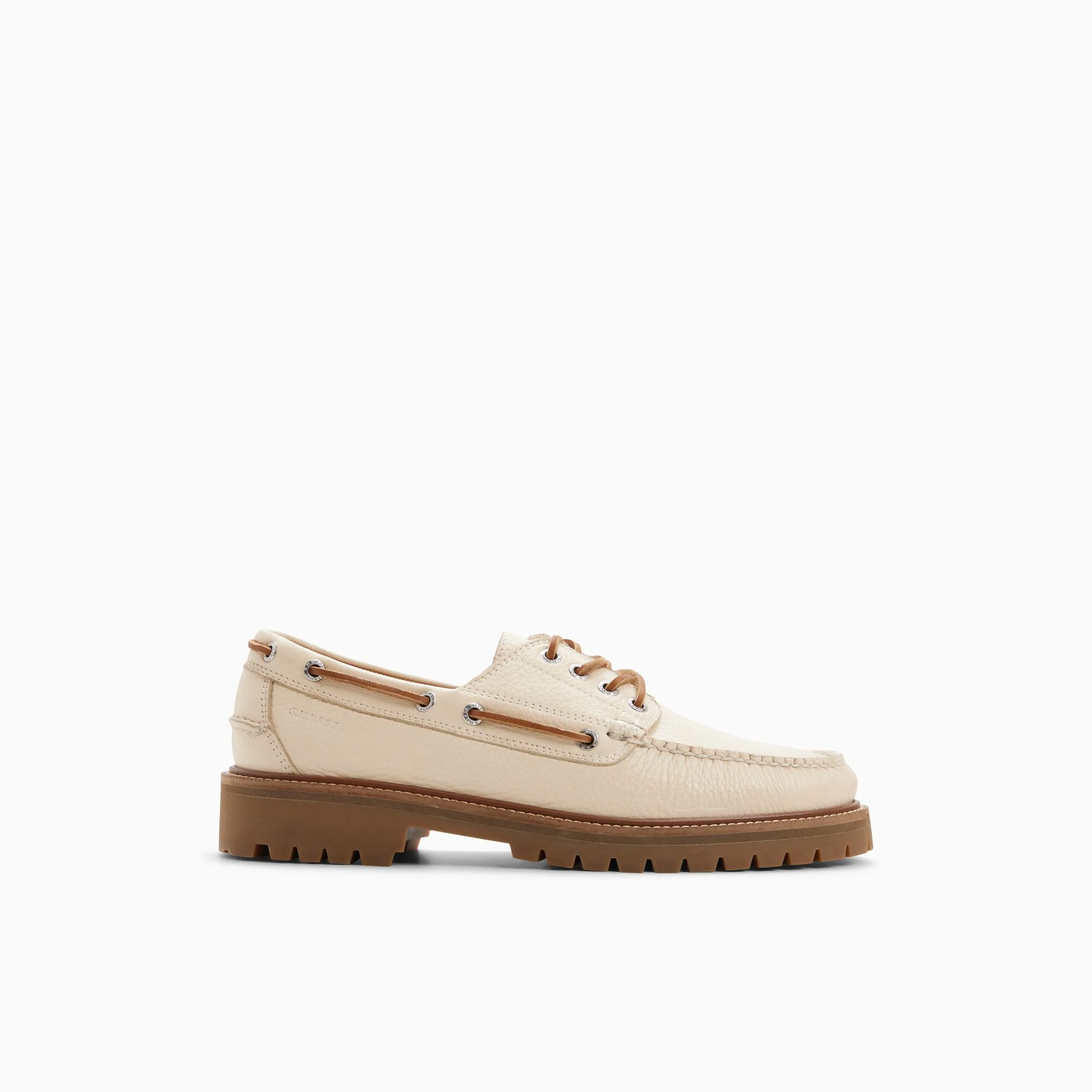
Mens Ranger Camp Moc Boat Shoe
Camp moc
Mens Ranger Camp Moc Boat Shoe
Ranger brings Bass’s early moccasin/outdoor lineage into a modern camp-moc boat shoe.
$235 at G.H.BASS
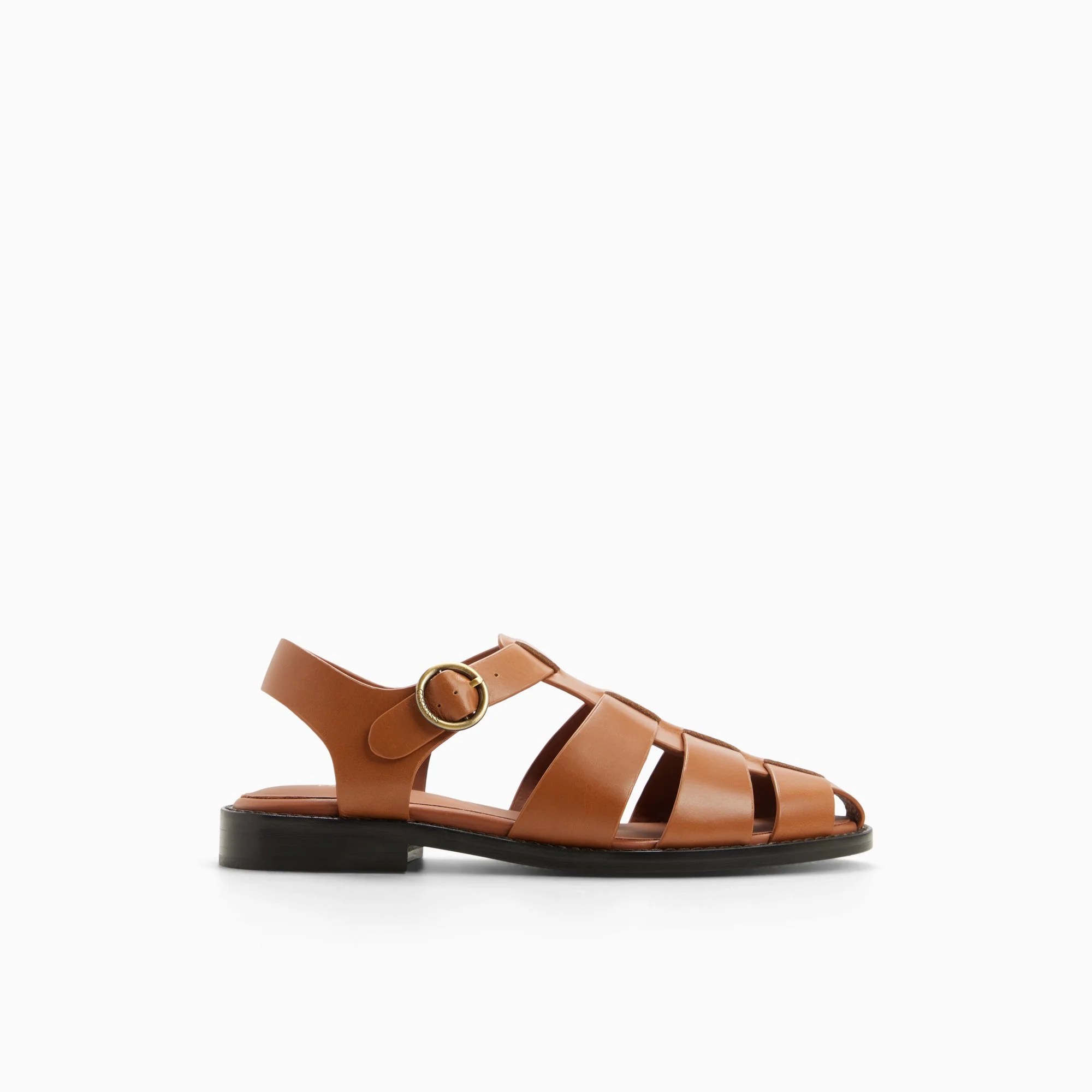
Womens Fisherman Sandal
Fisherman edit
Womens Fisherman Sandal
The Fisherman Sandal gives Bass’s leather-craft language a warm-weather open weave.
$195 at G.H.BASS

G.H. Bass & Co. shopping FAQ

Are G.H. Bass Weejuns penny loafers worth it?+

For an easy, classic loafer they are a popular entry point. The Weejuns name dates to 1936, and the silhouette is the original American penny loafer, which is much of its appeal. As a first proper pair they look good with little to no breaking-in, though buyers chasing the suppleness of full-grain leather sometimes step up to a pricier shoe over time.

How does the G.H. Bass Weejun compare with a Sebago loafer?+

It is the classic loafer debate. Both trace back to the original American penny loafer and pair with everything from jeans to tailoring; many shoppers find the Weejun gives that quintessential trad look, while Sebago is sometimes called softer from day one. If you want the shoe that started the penny-loafer story, the Weejun is the one with that 1936 lineage.

What is the most iconic G.H. Bass shoe?+

The Weejuns penny loafer, first made in 1936. It is the style that defined the brand and the broader penny-loafer category, and Bass leaned into that heritage in 1988 with a Signature Collection of three styles, the Buc, the Rangeley and the Weejuns. When people picture a Bass shoe, they almost always picture a Weejun.

What is the Bass "Buc" and how is it different from a Weejun?+

The original suede "Buc" was created in 1940, a few years after the Weejun. Where the Weejun is the slip-on penny loafer, the Buc is a suede style, and the two sit side by side as Bass classics; both were featured in the 1988 Signature Collection alongside the Rangeley. Choose the Weejun for the loafer look and the Buc when you want suede.

Who founded G.H. Bass and when?+

G.H. Bass is an American footwear brand founded by George Henry Bass in 1876. He was born in Wilton, Maine in 1843 and started in shoemaking as a junior partner in E.P. Packard & Co. in Wilton; by 1879 he was sole owner and renamed the company G.H. Bass & Co. In 1887 the factory moved to Wilson Stream to use water-powered machinery.

Does G.H. Bass really have a history of making shoes for explorers and the military?+

Yes, and it runs deep. In 1918 Bass made the official Aviation Boot for the U.S. government, designed for high altitudes and extreme cold; Admiral Richard E. Byrd wore Bass ski boots on his Antarctic expeditions between 1928 and 1938; and during World War II the firm developed a cold-weather boot for the U.S. Army's 10th Mountain Division. The brand also outfitted the American Olympic team in 1948.

Where did the Bass moccasin heritage begin?+

Bass built its name on moccasins long before the Weejun. The first Bass moccasin, the "Bass Moccasin Cruiser," was made in 1906 as a light, flexible shoe for woodsmen, followed by the "Rangeley" style in 1910 and a Ski Moccasin in 1917. That moccasin-making craft is the foundation the later loafers were built on.

Who owns G.H. Bass now?+

Ownership has changed hands several times. Chesebrough-Ponds bought G.H. Bass & Co. in 1978 and sold it to PVH Corp in 1987, and in November 2013 G-III Apparel Group acquired the brand from PVH for $50 million. So the company that ran for over a century as a family and then corporate footwear maker is today part of G-III.

Has G.H. Bass done notable collaborations?+

Yes. In 2011 Tommy Hilfiger launched a limited-edition footwear collection in collaboration with G.H. Bass & Co., centered on the Weejuns penny loafer. It is a good example of how the brand's heritage styles, especially the Weejun, remain a draw for other designers.

What is the difference between the Weejuns and the Larson?+

The Weejun is the broad family name for Bass's penny loafer line, while the Larson is one of the named styles within that world of slip-ons. If you are choosing between them, think of the Weejun as the heritage penny-loafer silhouette and pick the specific style, such as the Larson or the Logan, by the leather finish and detailing you prefer.

Are penny loafers like the Weejun versatile enough for everyday wear?+

Very. The penny loafer is one of the most adaptable shoes there is, sliding from jeans to chinos to tailoring without looking out of place, which is exactly why the Weejun has endured since 1936. Treat it as a year-round staple and a leather-soled pair will smarten a casual outfit while relaxing a more formal one.