Brand · Japanese streetwear est. 1984

Hysteric Glamour

Tokyo's original anti-fashion provocateur — neon pop, 60s rock, and a cult that never quit.

Hysteric Glamour
Re-checked daily
Hysteric Glamour is a Japanese designer label created by artist Nobuhiko Kitamura in 1984, drawing on 1960s mass media — Marc Bolan and the Sex Pistols on its T-shirts, Andy Warhol on its walls.

When anti-fashion was still unthinkable in Japanese streetwear, Hysteric Glamour was among the first to embrace it, building a global reputation on disruptive slogans, colourful prints and nods to comic books and hippie culture — neon pop tees and leather jackets for anyone ready to stand out. There are some 51 stores across Japan, in Harajuku, Aoyama, Shibuya and Shinjuku, with outposts in Hong Kong, London and Paris.

The brand stays current in the Tokyo scene through frequent collaborations — twice with Supreme, plus partnerships with Playboy, Madhappy and GDC — and has long been woven into pop culture, name-checked by Gwen Stefani in 'Harajuku Girls'.
Hysteric Glamour shopping FAQ

Is Hysteric Glamour worth it?+

For the right buyer, yes. The appeal is its place in Japanese streetwear history and its unmistakable graphic identity, not season-chasing trend pieces. If you want a logo tee or denim jacket with real cultural weight behind it and you like loud, provocative design, it earns its keep. If you prefer quiet basics, the brand's whole point will pass you by.

Why is Hysteric Glamour hard to find and pricey outside Japan?+

Distribution is the short answer. The brand runs around 51 stores across Japan and a handful abroad in Hong Kong, London and Paris, but it has no stores in the United States. That scarcity, combined with its collector following, is why authentic pieces can be harder to track down and command a premium in markets where it isn't sold directly.

What is Hysteric Glamour known for?+

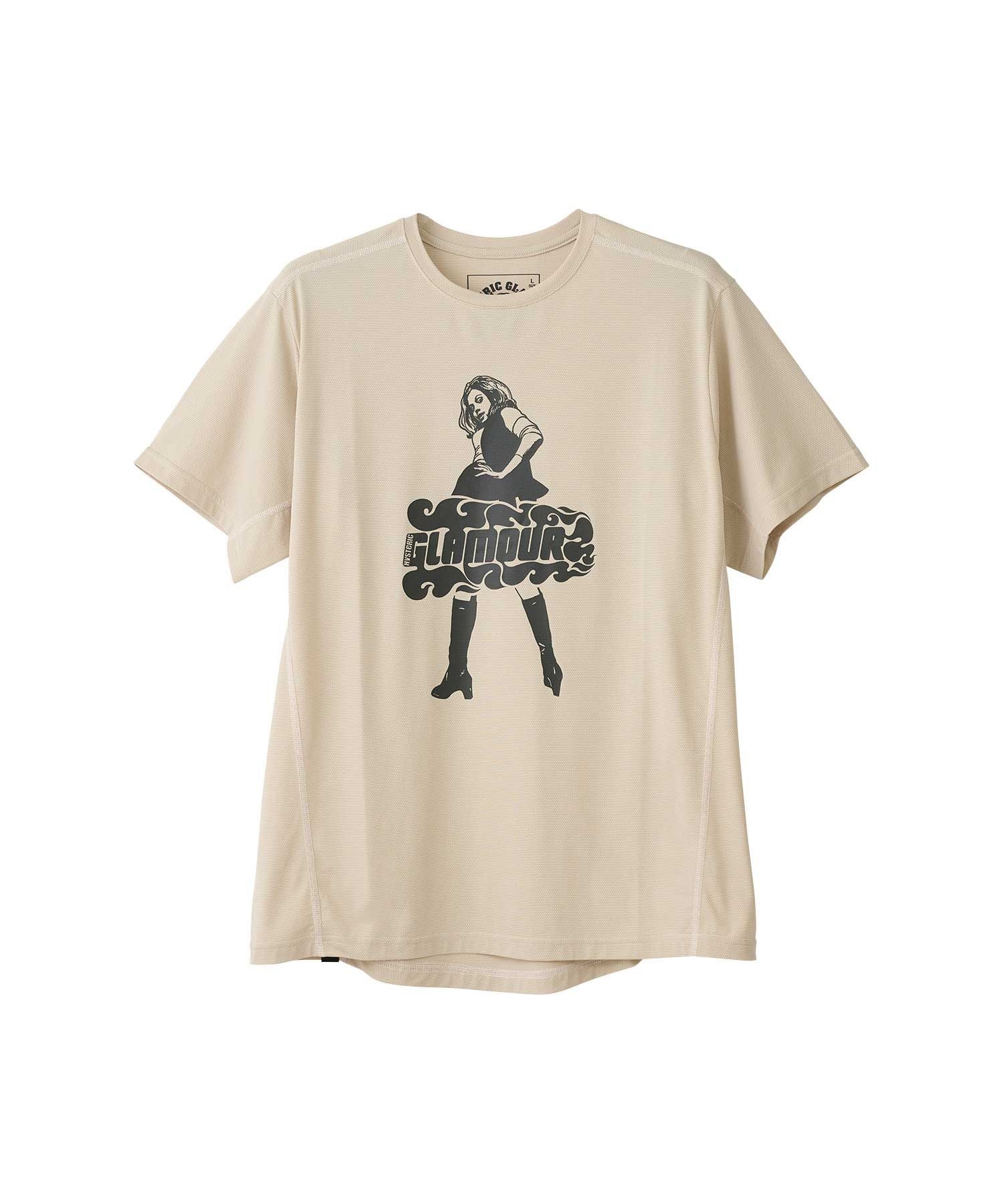
Disruptive slogans, colourful pop graphics, and a recurring fascination with 1960s mass media. You will find tees referencing musicians like Marc Bolan and the Sex Pistols, artwork nodding to Andy Warhol, and plenty of comic-book and hippie-culture imagery. It was among the first labels to push an anti-fashion, rebellious streetwear concept in Japan.

Who created Hysteric Glamour, and when?+

The label was founded in 1984 by the Japanese artist Nobuhiko Kitamura. That artist's eye is a big part of why the brand reads more like wearable pop art than conventional fashion, with its graphics drawing openly on music, comics and 1960s American culture.

Is Hysteric Glamour a Japanese brand?+

Yes, thoroughly. It is a Japanese designer label, and its home turf is Tokyo's style districts, with stores in Harajuku, Aoyama, Shibuya and Shinjuku among others. It became one of the driving counter-cultural forces behind the Harajuku look.

What can I actually buy from Hysteric Glamour?+

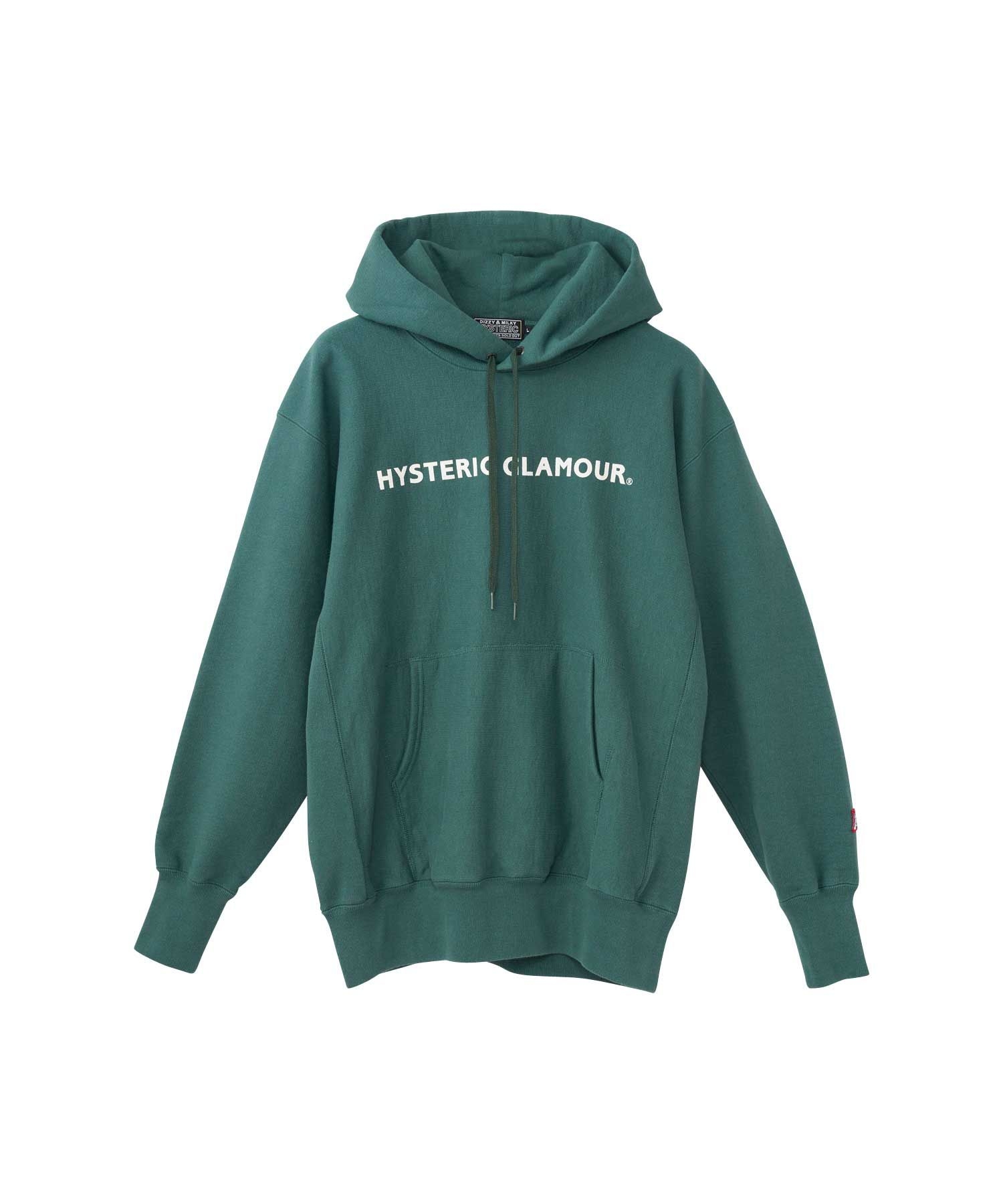
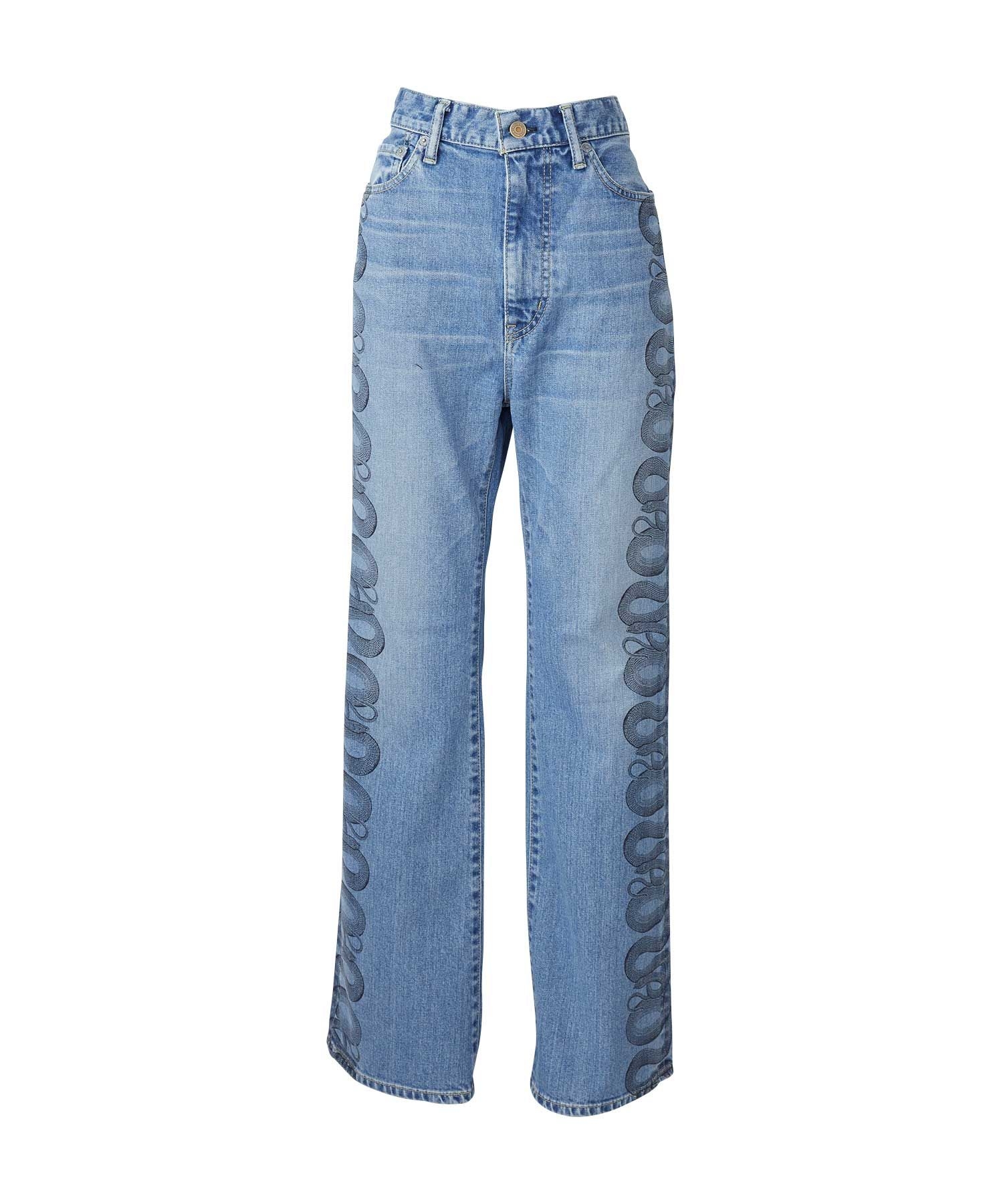
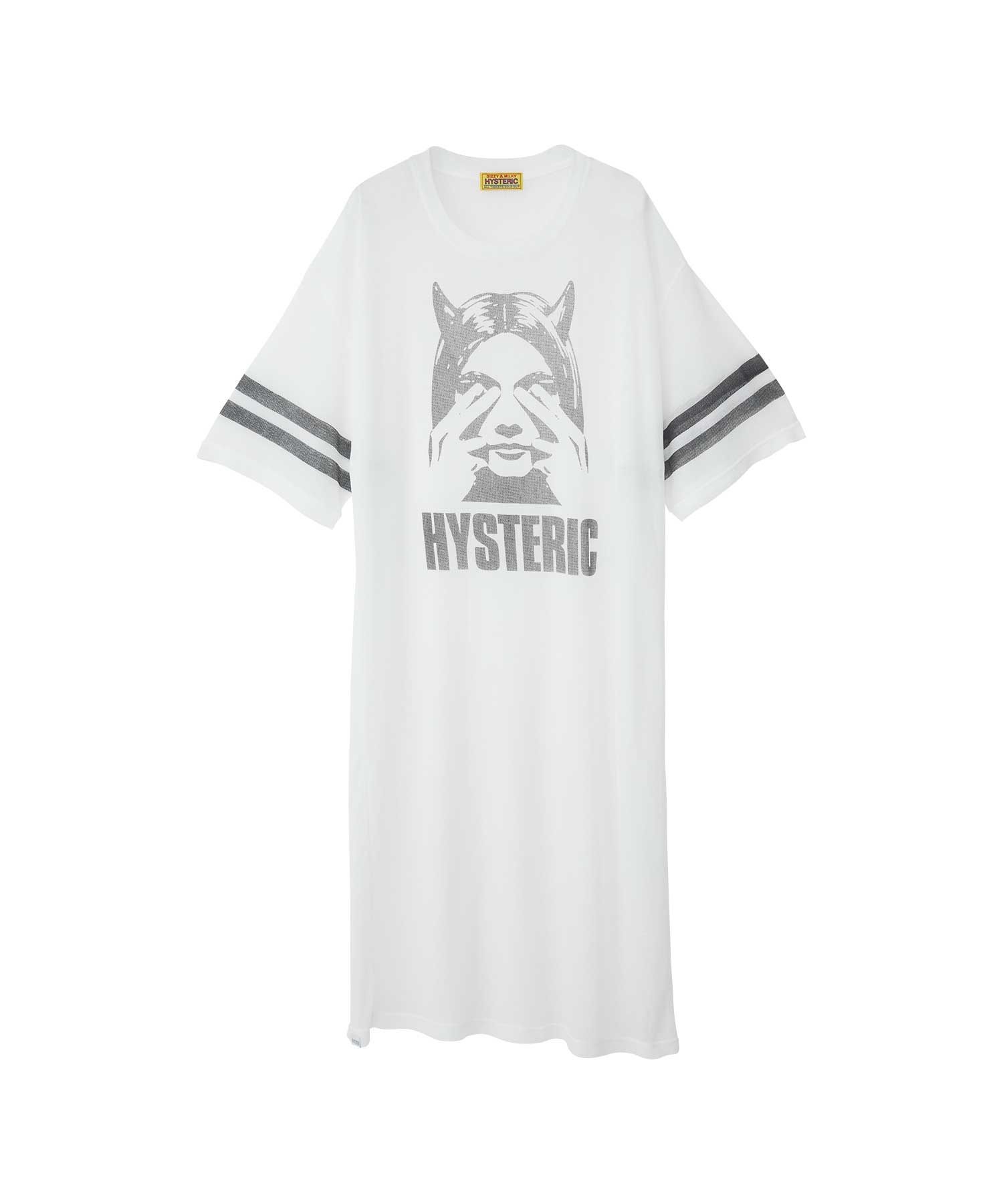
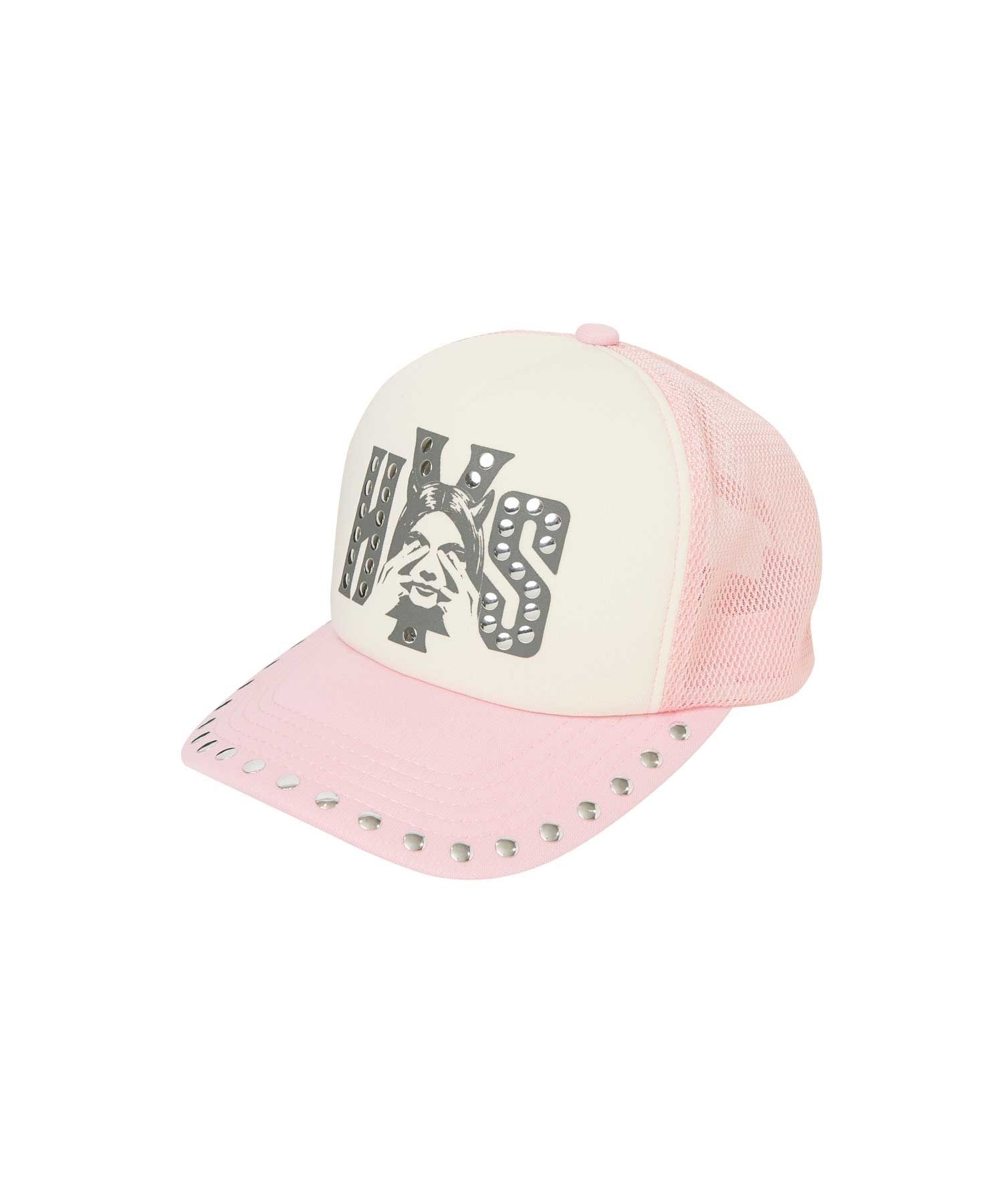
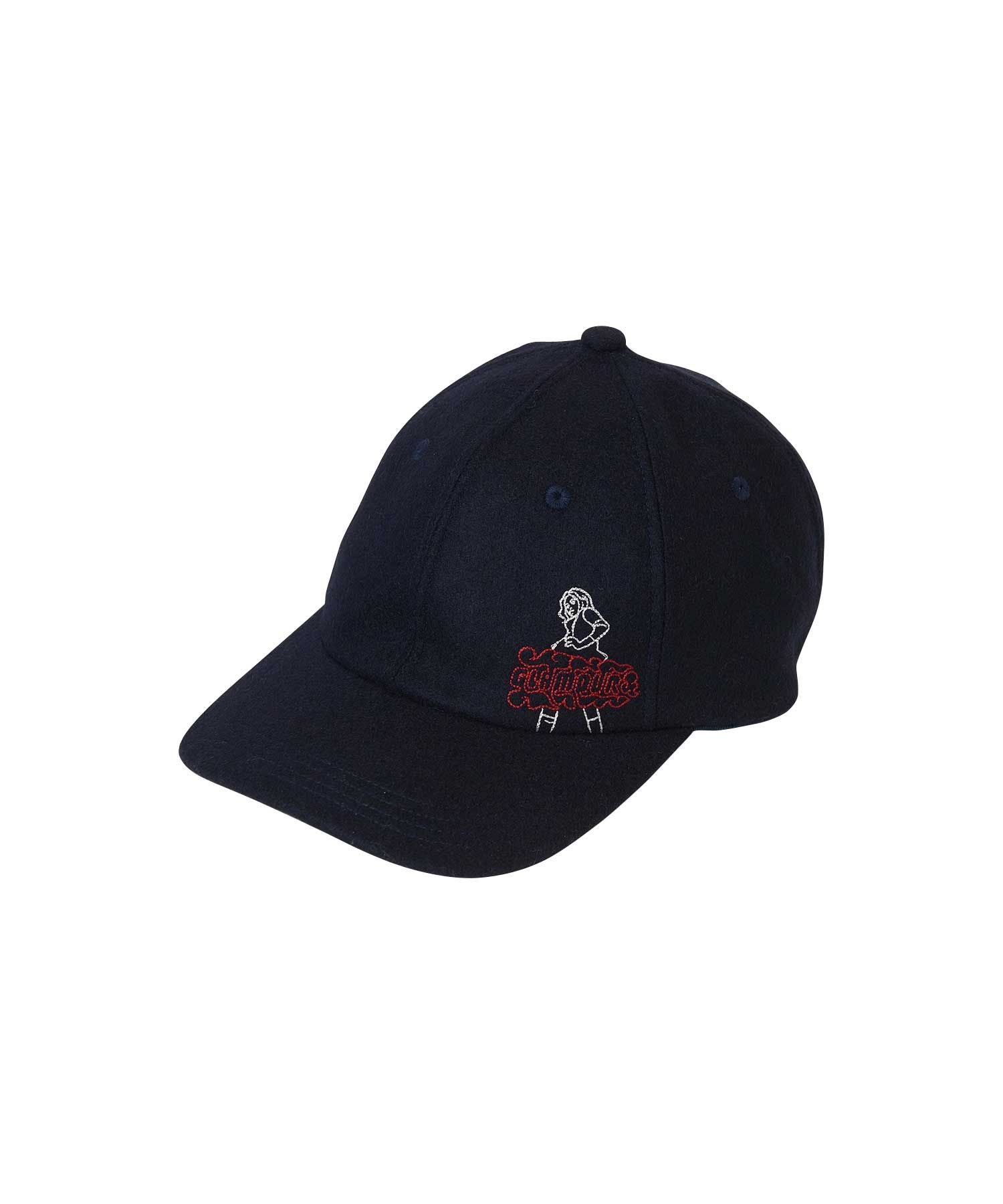
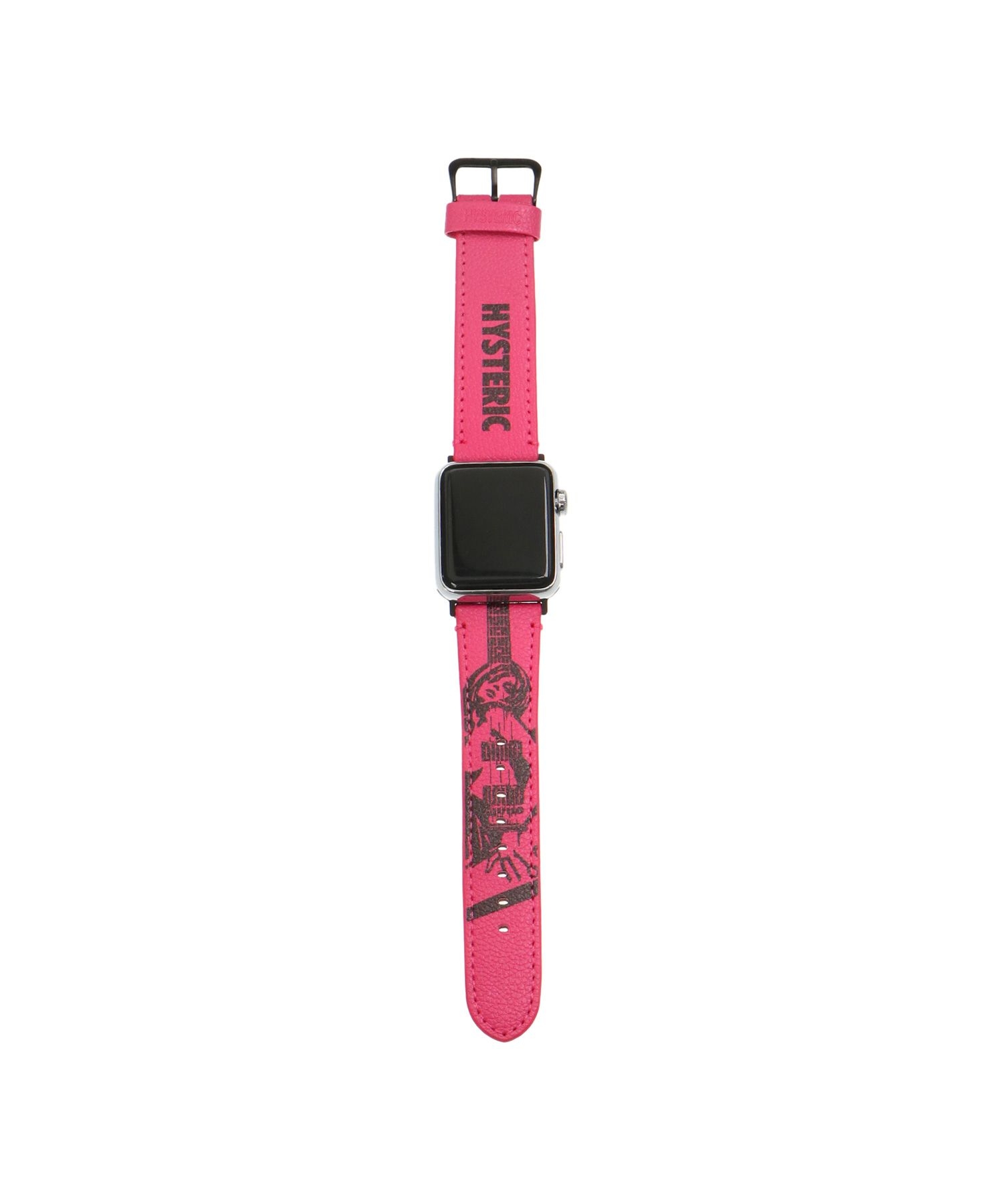
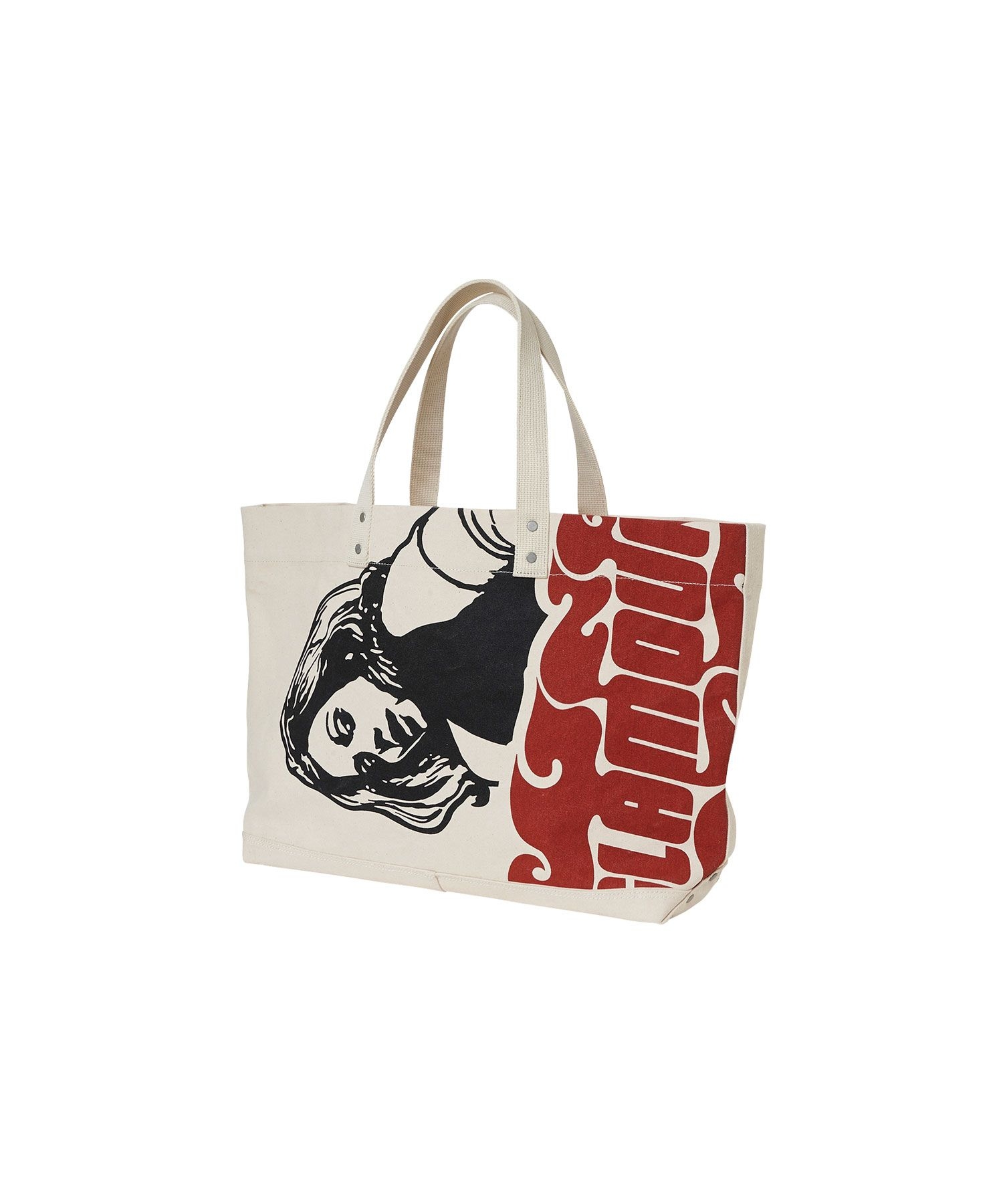
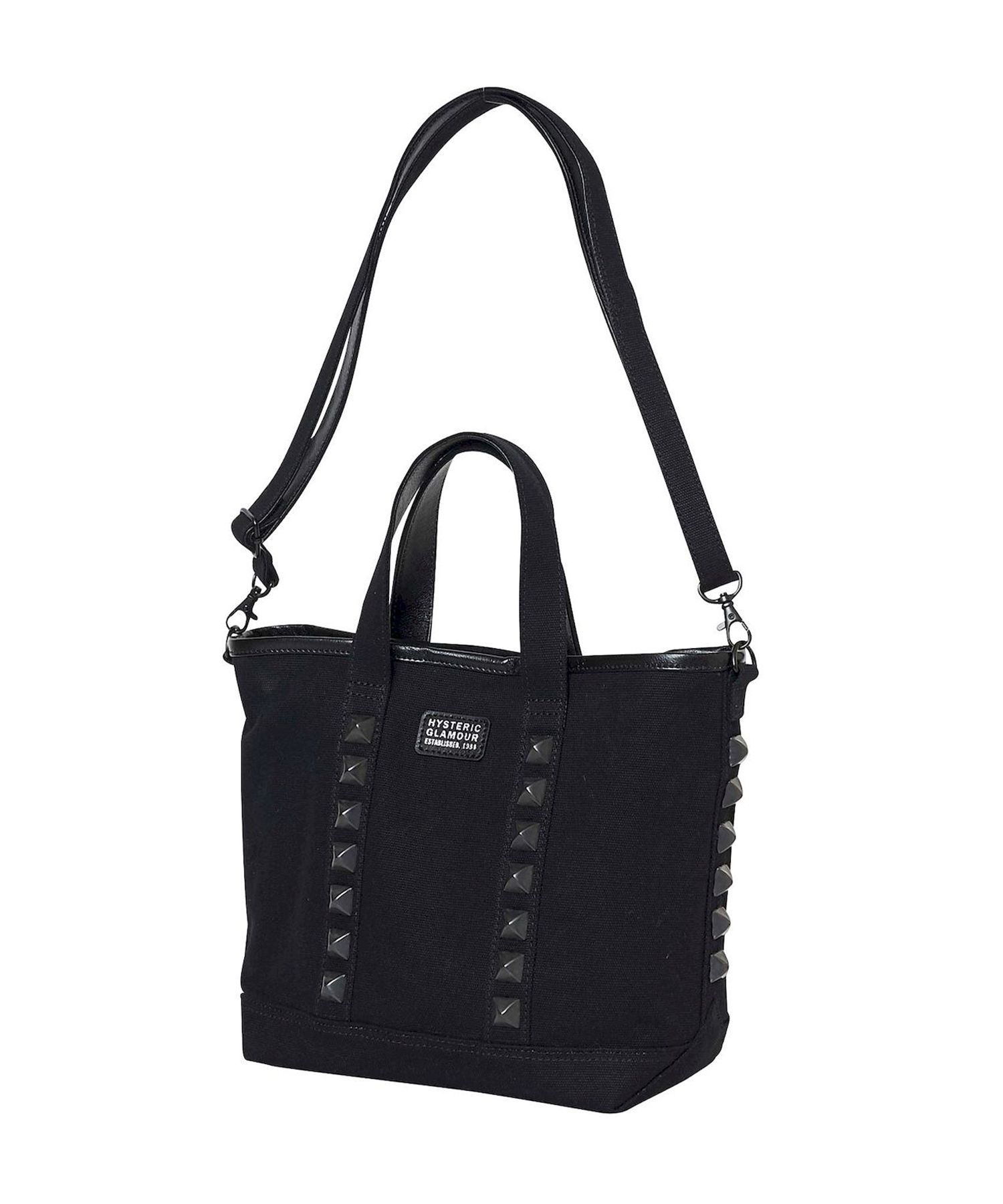
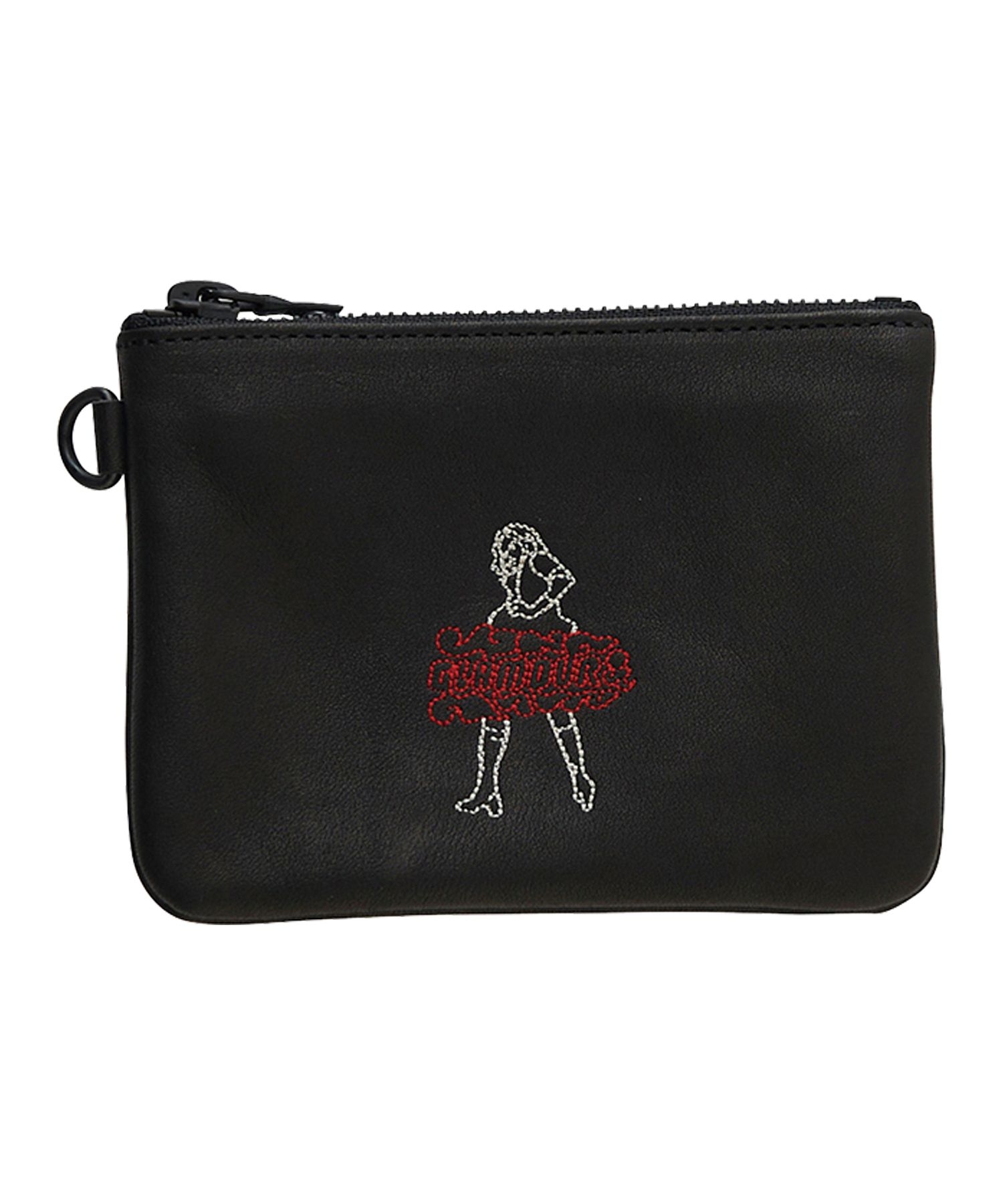
The range is broad. Beyond its signature graphic T-shirts you'll find jeans, cardigans, frilly tank tops, mini dresses, leather jackets and accessories. The neon-blended pop tees and leather pieces are the heart of the line, aimed squarely at people who want to stand out.

Which Hysteric Glamour piece should I buy first?+

Start with a graphic T-shirt. It's the most direct expression of the brand's pop-art, slogan-driven identity and the easiest entry point. From there, the denim and a leather jacket are natural next steps if you want to lean further into the rock-and-roll side of the label.

What are Hysteric Glamour's most notable collaborations?+

Collaborations are central to keeping the brand in the conversation. It has partnered with Playboy, and twice with Supreme, on the F/W 17 collection and again in November 2024, spanning work jackets, beanies, belts and more. More recently it has worked with Madhappy and with GDC, so a collab piece is often the most hyped thing in any given drop.

Has Hysteric Glamour shown up in pop culture?+

It has. The brand was name-checked by Gwen Stefani in her song "Harajuku Girls," a neat reflection of how tied it is to that Tokyo street scene. That kind of organic shout-out is part of why the label has held onto its cult status well beyond Japan.