−55%
From one waterproof boot to an outdoor institution — Freeport, Maine, 24/7/365.
Real verified markdowns across Timberland — filter by category, retailer & price. Heart anything to track its price.
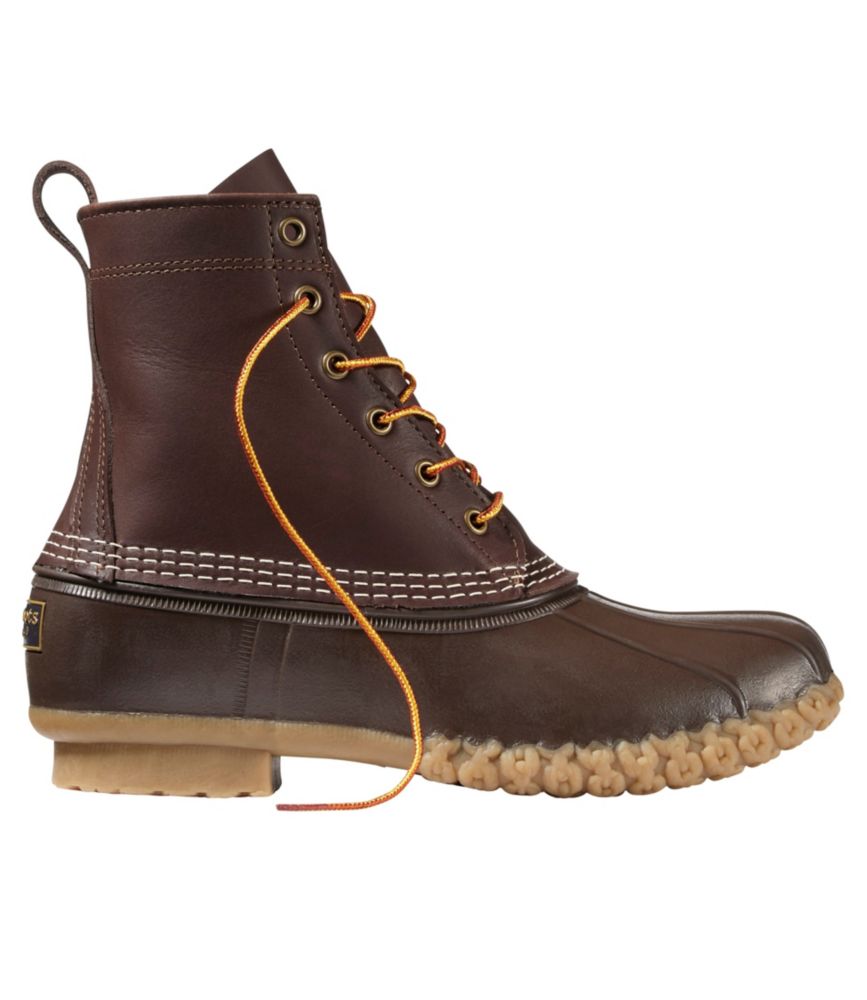
Bean built a waterproof boot pairing leather uppers with rubber bottoms, mailed a four-page circular to nonresident Maine hunting-license holders, and started a nationwide mail-order business from his brother's basement. When 90 percent of the first run came back defective, he honored his money-back guarantee, fixed the design and kept selling — and the Bean Boot remains a staple to this day.
The company stayed in the family for generations, passing from Bean to his grandson Leon Gorman and on to great-grandson Shawn Gorman as chairman. Its 220,000-square-foot Freeport campus is open 24 hours a day, 365 days a year, and a partnership with Subaru made L.L.Bean the automaker's official outfitter from 2000.
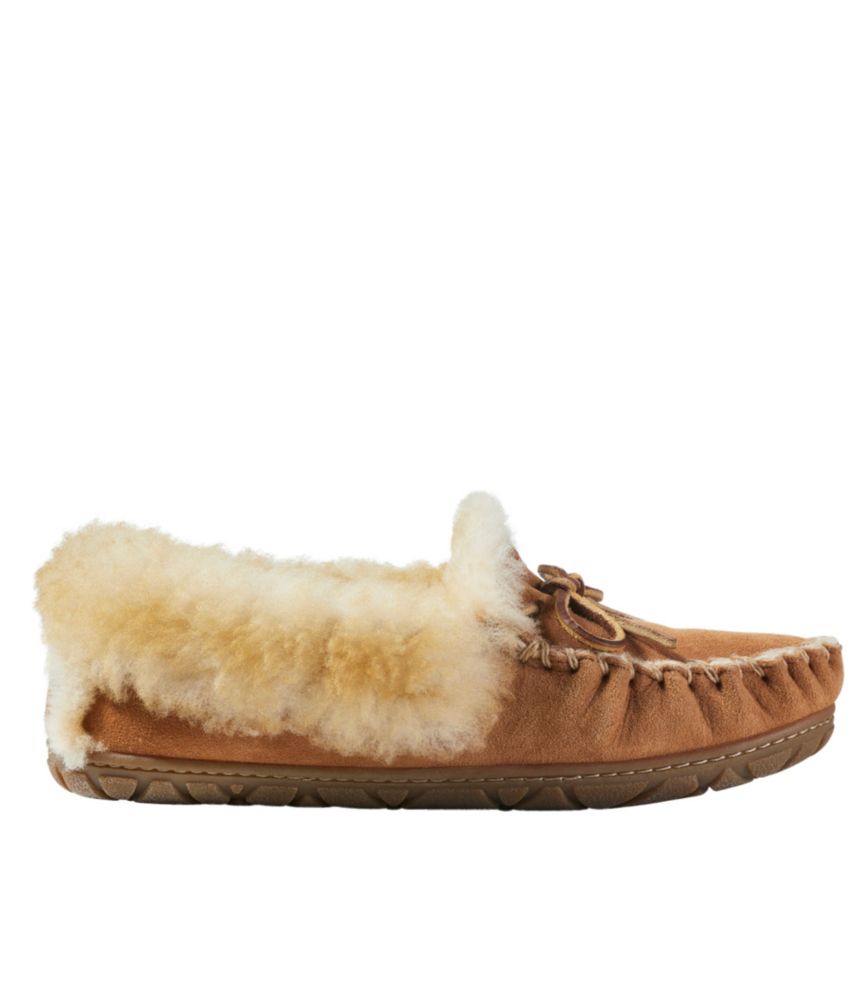
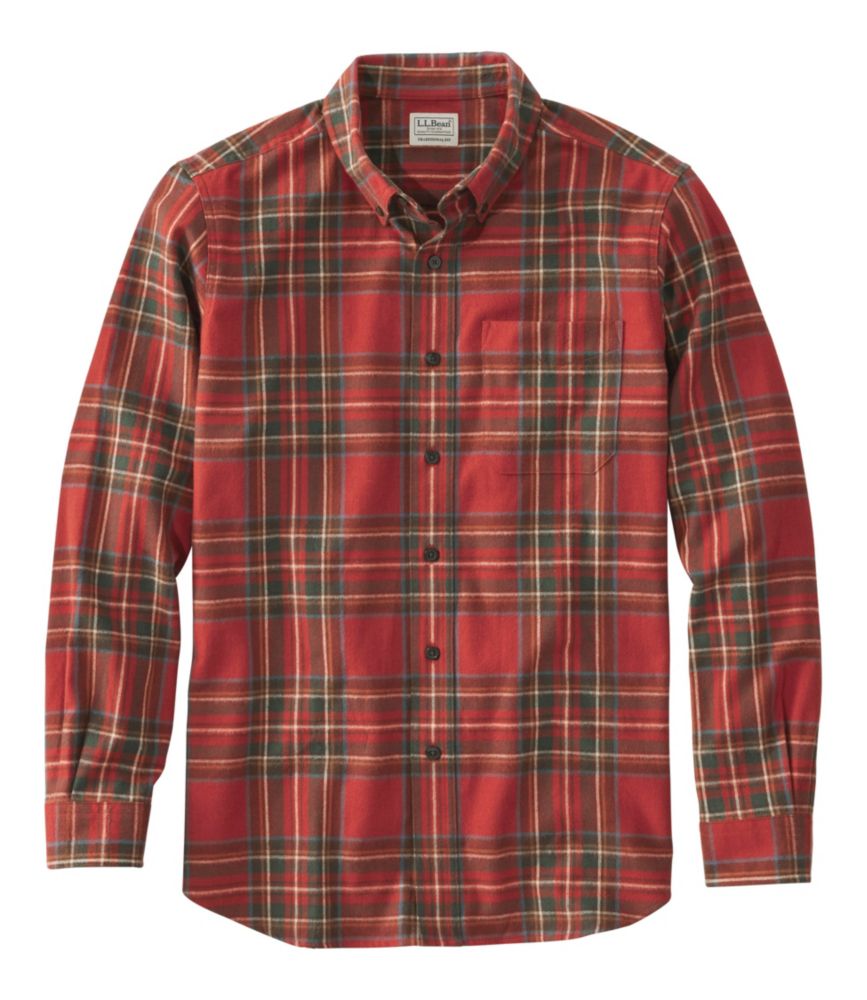
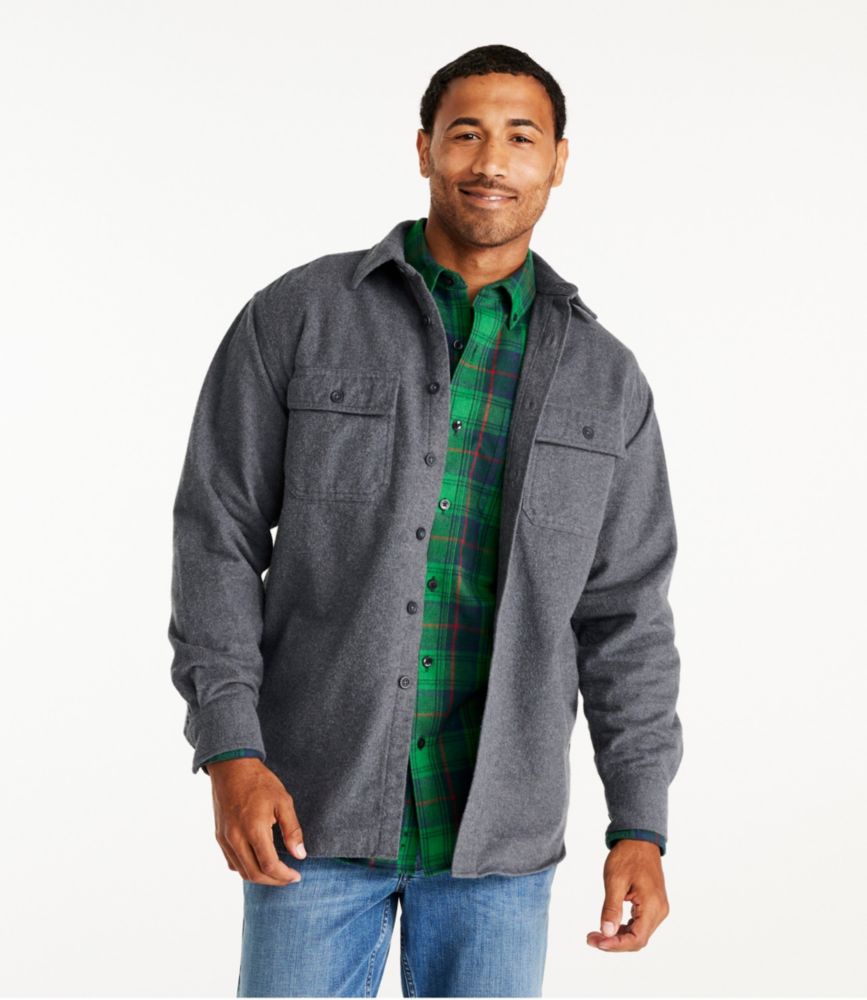
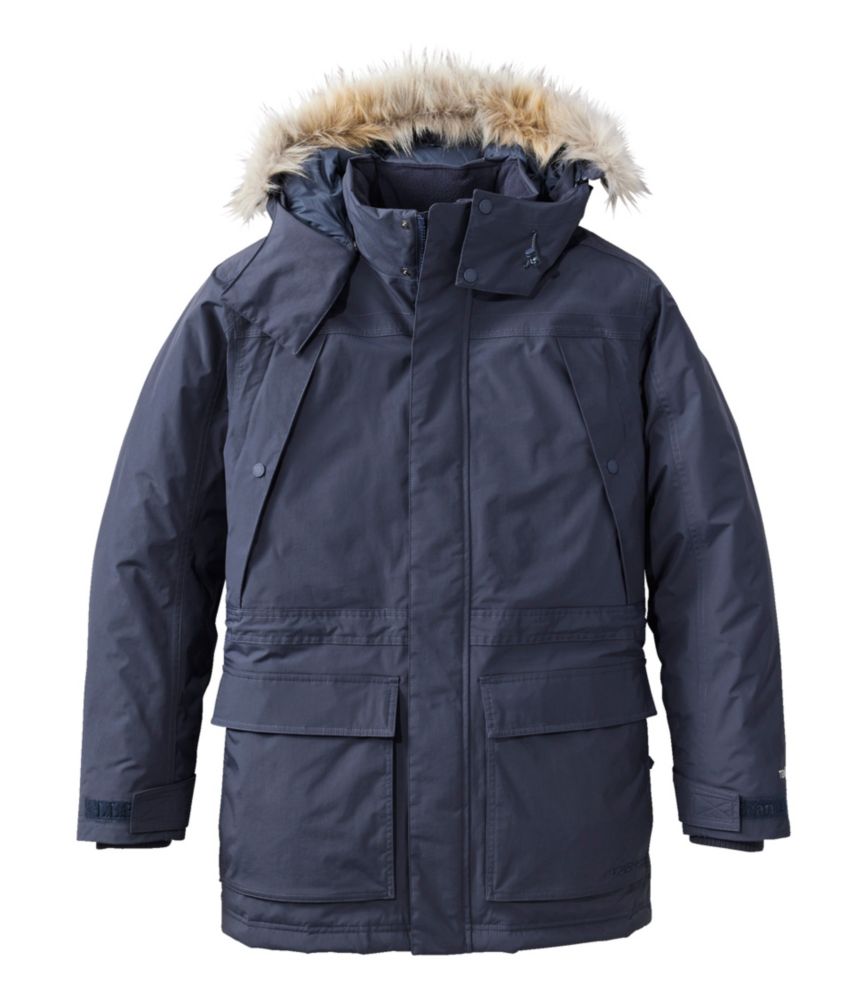
Same authentic LL Bean, different prices & codes. We watch all of them so you don't have to tab-hop.
Store codes that stack on LL Bean orders — re-tested in the last few hours. Tap to reveal, copy without leaving the page.
Same quiet-luxury, craft-first sensibility — follow any to widen your alerts.



For most people, yes. The Bean Boot pairs a leather upper with a rubber bottom and is built to shrug off wet weather and last for years, which is why owners keep theirs going for a decade or more. Think of it less as a deep-wilderness hunting boot and more as a dependable companion for snowy driveways, rainy commutes and around-town wear, where it genuinely earns its keep.
Part of it is function and part is heritage. The boot has been a staple of the brand's outdoor image since 1912, and it became an icon of classic American prep style after being singled out in The Official Preppy Handbook, which called L.L.Bean "nothing less than Prep mecca." That mix of genuine durability and cultural cachet keeps it on feet across New England campuses and far beyond.
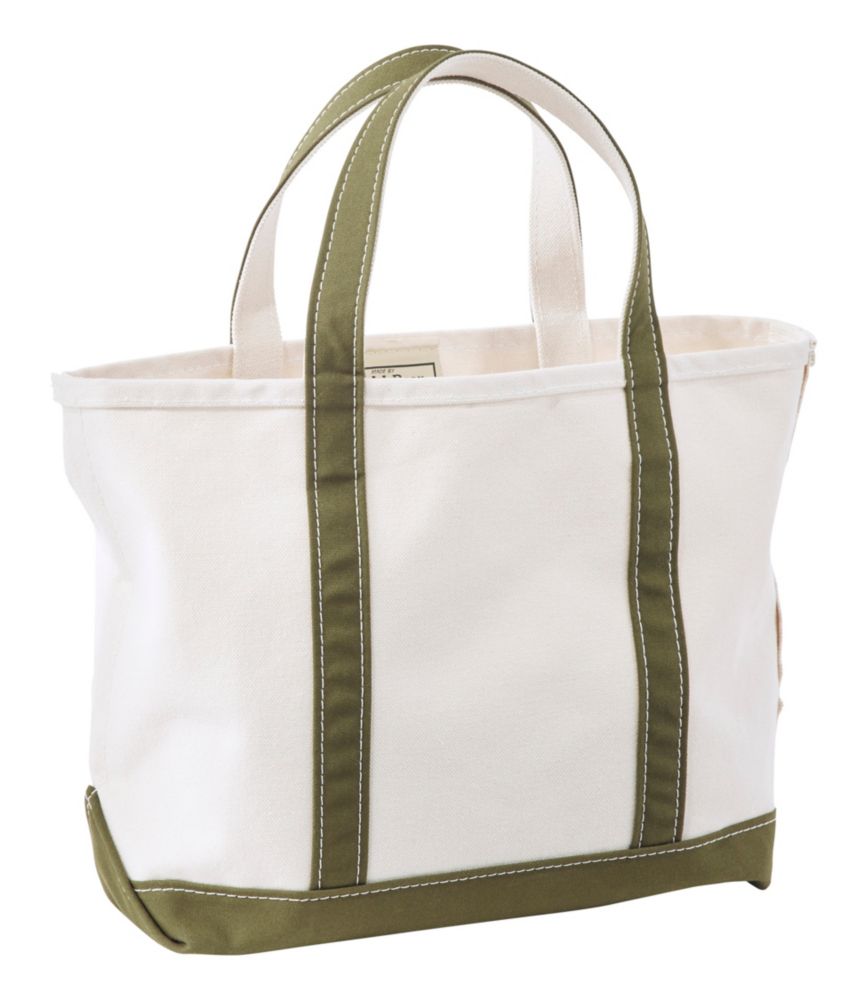
Start with the Bean Boot, also known as the Maine Hunting Shoe or duck boot. It was the company's very first product when Leon Leonwood Bean founded the firm in 1912, and it remains the piece most associated with the brand. After that, the Boat and Tote bag is the other quintessential L.L.Bean buy and a natural second purchase.
The signature Bean Boots and Boat and Totes are still made by hand in the United States. As of 2016 the company's factory in Brunswick, Maine, employed more than 450 people producing items like the Maine Hunting Shoe, the L.L.Bean Boot, Boat and Totes, dog beds and leather goods. That said, about 75 percent of L.L.Bean's broader product range is made overseas, including in China and Cambodia.
Both are well-regarded American outdoor names, but they lean different ways. L.L.Bean is known for classic, heritage-inspired gear built around timeless durability, while Eddie Bauer tends toward more modern, technical pieces for everyday urban wear. If you want heirloom-style staples, L.L.Bean is the more traditional pick.
L.L.Bean was founded in 1912 by Leon Leonwood Bean, a hunter and fisherman, in Freeport, Maine, where the company is still headquartered. He started with a single product, the waterproof Maine Hunting Shoe, building a nationwide mail-order business from a shop set up in his brother's basement.
L.L.Bean built its reputation on a famously generous guarantee. For most of its history the company offered an unlimited return policy, accepting items at any time even without a receipt. As of February 2018, returns are limited to within one year of purchase and require proof of purchase, after the company found the old policy was being widely abused.
It dates right back to the start. Defects in the first run of Bean Boots led to about 90 percent of them being returned, and rather than walk away, Leon Leonwood Bean honored his money-back guarantee, corrected the design and kept selling. That early act of standing behind the product set the tone for the brand's customer-first reputation.
If you are near Freeport, Maine, it is a genuine destination. The 220,000-square-foot retail campus is open 24 hours a day, 365 days a year, and the flagship has only ever closed for a handful of solemn occasions in its history. The company also runs Outdoor Discovery Schools, Christmas light displays and a summer concert series around it.
L.L.Bean Signature is a contemporary sub-brand the company launched in 2010. It reinterprets L.L.Bean's classic products with more modern fits, aimed at shoppers who want the heritage look in a slimmer, updated silhouette. The core catalog, meanwhile, keeps the traditional roomier cuts the brand is known for.
Yes. From 2000 to 2008, L.L.Bean was the official outfitter of Subaru, which produced L.L.Bean edition versions of the Outback and Forester for the US market. These were top-spec trims that bundled in most options as standard, tying the outdoorsy brand to an outdoorsy carmaker. The partnership ended in June 2008.