−28%
Osaka craft since 1906 — from hand-made baseball gloves to forged golf irons.
Real verified markdowns across Nordstrom Rack & Zappos — filter by category, retailer & price. Heart anything to track its price.
The shop began manufacturing baseballs and gloves in 1913, and in 1933 presented Star Line, the first Japanese-made golf clubs; by 1935 its golf showroom was the world's largest. The first American factory opened in Los Angeles in 1961, and the company went on to sponsor figures from Carl Lewis to Ivan Lendl, Joe Montana and the All Blacks.
Today Mizuno makes equipment and sportswear across baseball, running, golf, volleyball and more. In golf, its forged Mizuno Pro and JPX irons are prized by purists — Tiger Woods won his first Masters in 1997 using Mizuno clubs — while its M.CRAFT putters are milled from mild carbon steel.
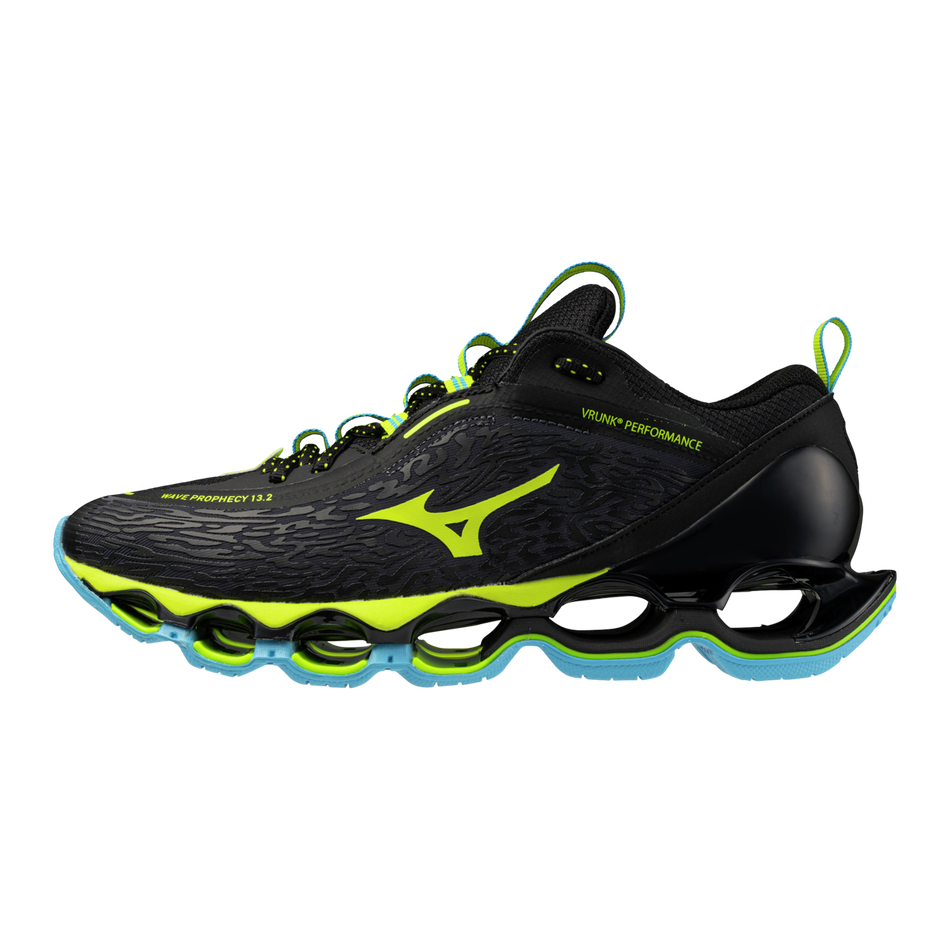
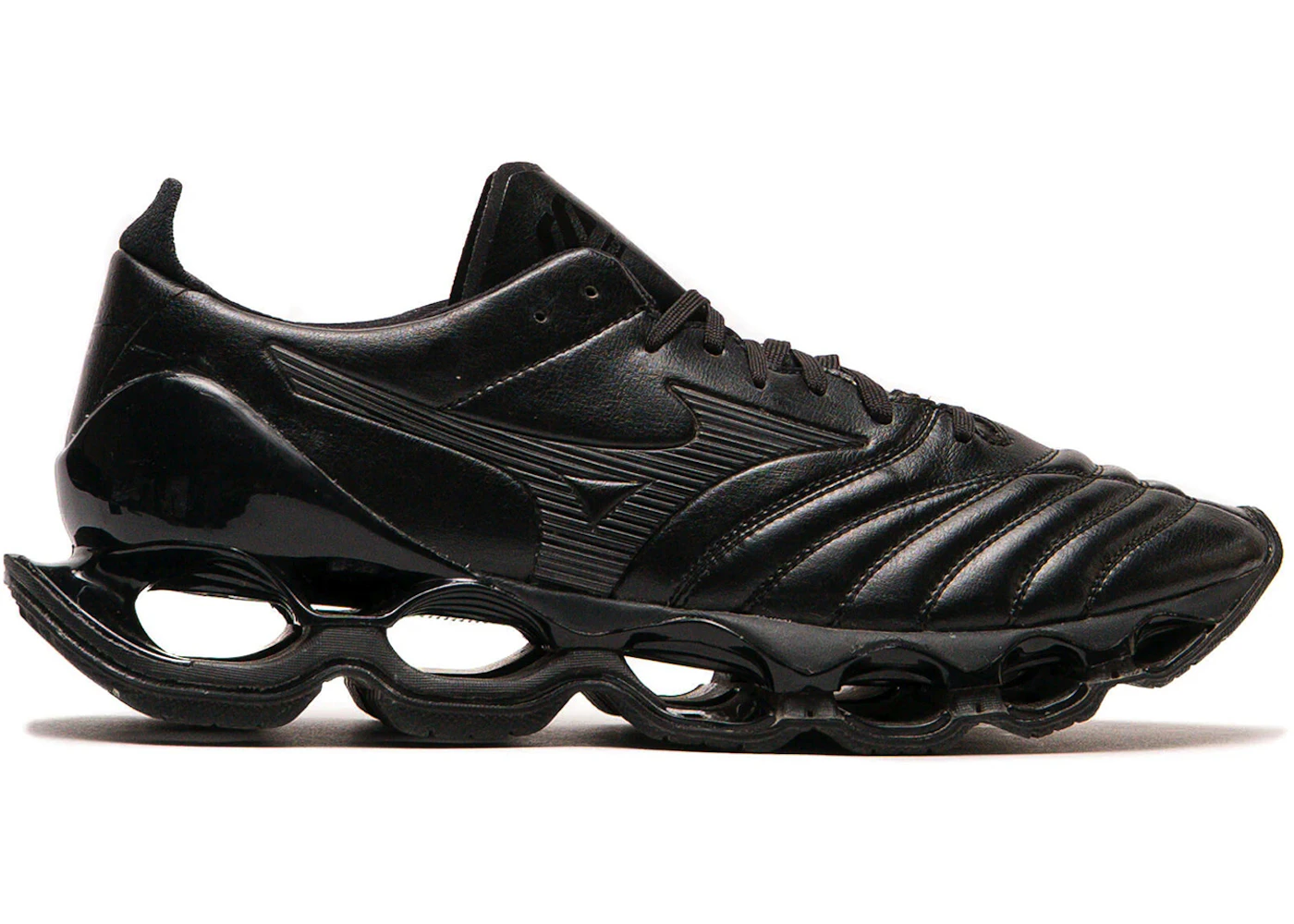
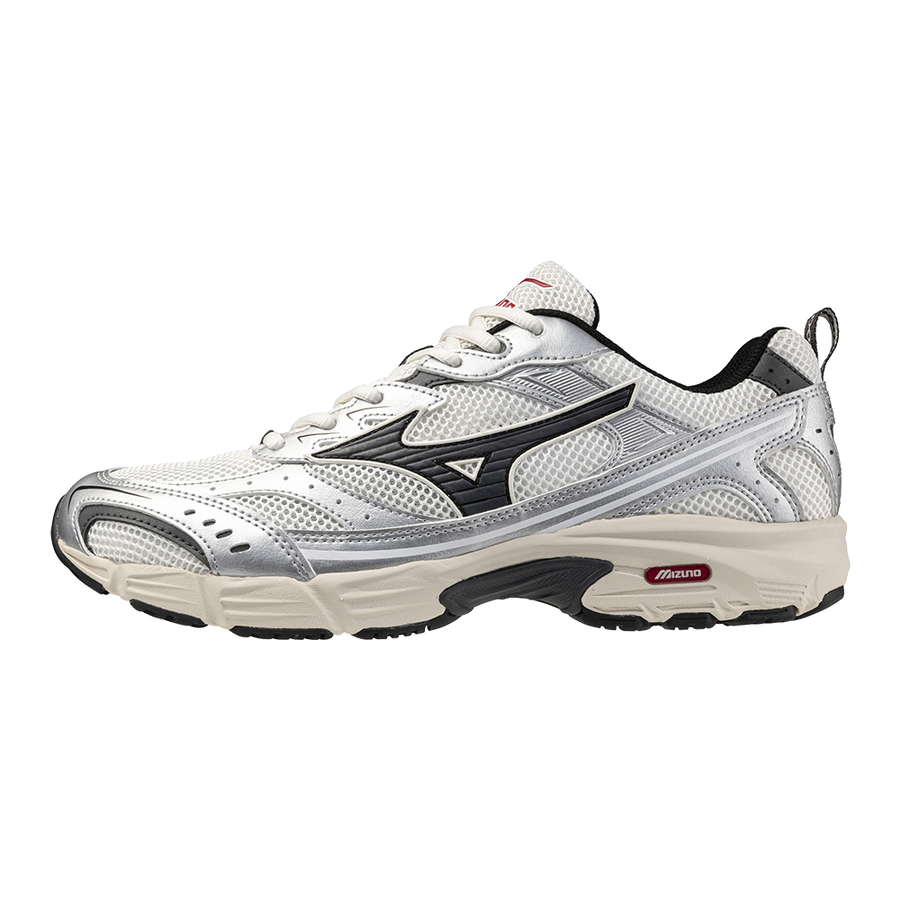
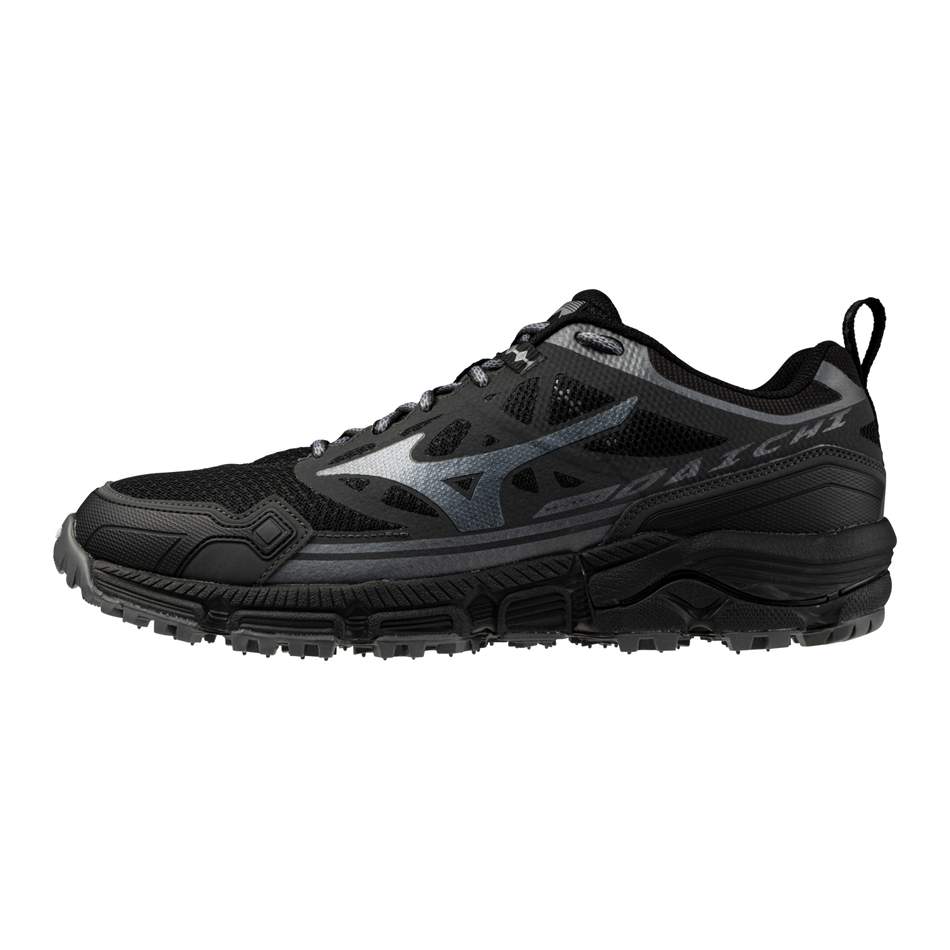
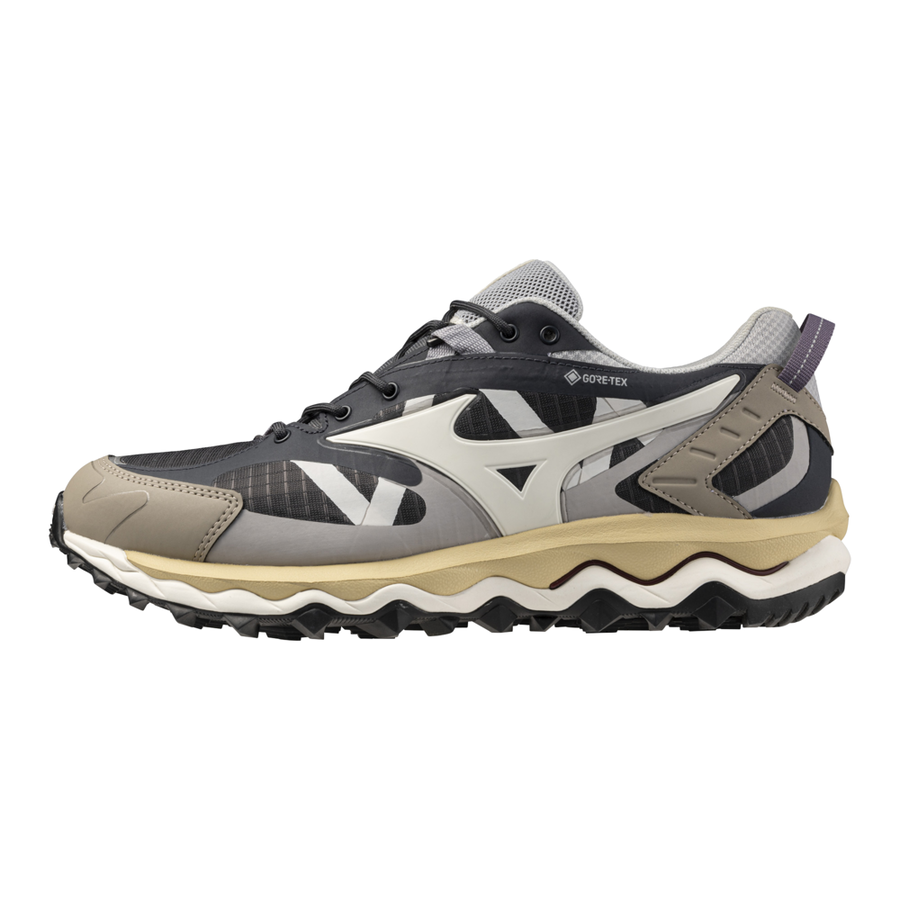
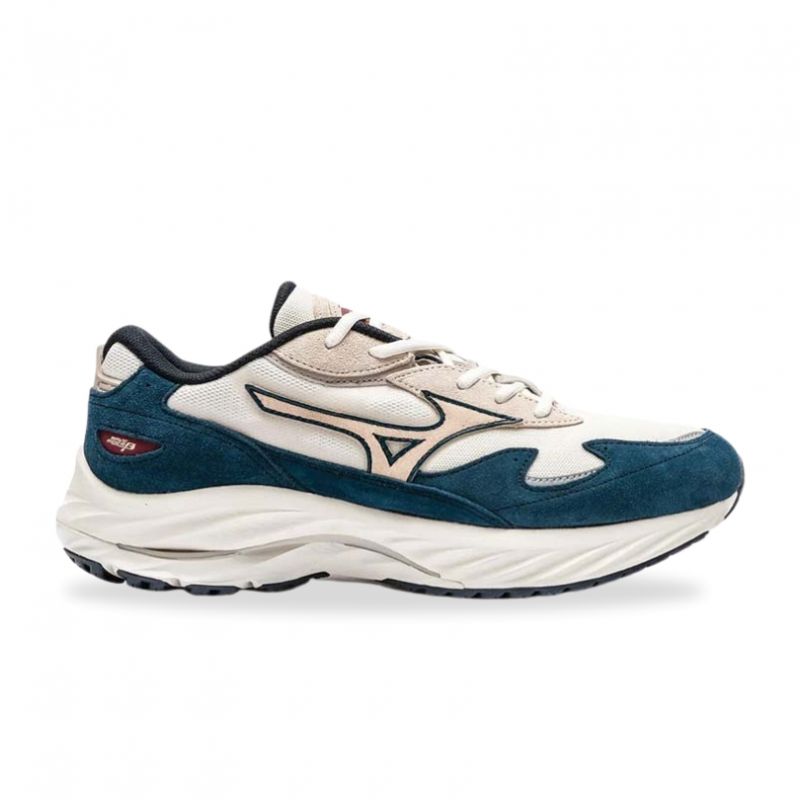
Same authentic Mizuno, different prices & codes. We watch all of them so you don't have to tab-hop.
Store codes that stack on Mizuno orders — re-tested in the last few hours. Tap to reveal, copy without leaving the page.
Same quiet-luxury, craft-first sensibility — follow any to widen your alerts.

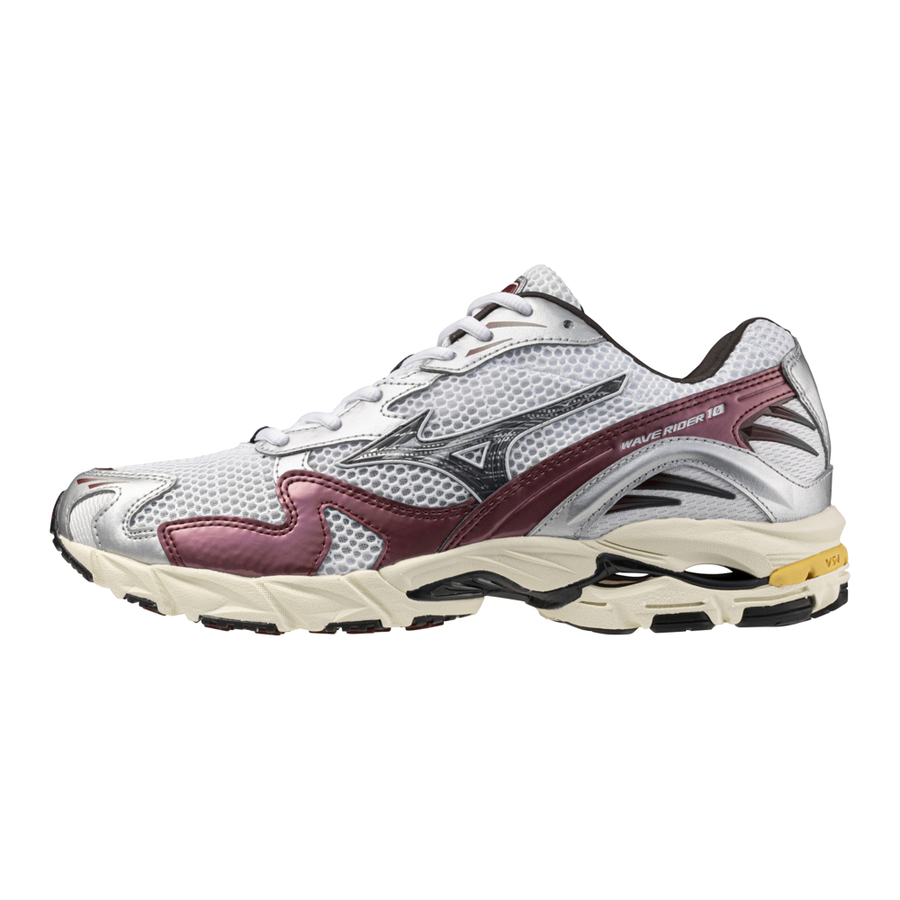
The Wave Rider is widely regarded as a durable, reliable daily trainer with excellent build quality, and reviewers single out its top-notch finish and outstanding outsole grip in wet and dry conditions. Mizuno's Wave technology gives a firmer, more responsive ride, which runners who want efficient toe-off tend to love. If you prioritize longevity and a stable feel over plush softness, it offers strong value.
Both are high-quality Japanese brands with different personalities, so the right choice depends on your stride. Mizuno's Wave plates deliver firmer, more responsive cushioning suited to efficient, faster-paced running, while Asics generally offers softer, plusher cushioning for shock absorption. Match the feel to how you run rather than assuming one is universally better.
Mizuno built its reputation on forging — its forged irons are made by shaping the clubhead from steel for a denser, more consistent feel that better players prize. The brand uses 1025 mild carbon steel in lines like the Mizuno Pro and JPX series, and its M.CRAFT putters are milled from 1025 mild carbon steel too. That craft-driven feel is why so many top players have gamed Mizuno over the years.
Mizuno makes a remarkably wide range of sports gear — running, baseball, golf, volleyball, tennis, swimming, rugby, judo and much more. It's especially renowned for its Wave running shoes, forged golf clubs, and baseball gloves. Few sporting brands span this many disciplines with credibility in each.
Mizuno was founded in 1906 in Osaka as Mizuno Brothers, Ltd. by Rihachi Mizuno and his younger brother Rizo. The shop first sold Western-world sundries including baseballs, then began selling order-made athletic wear in 1907. That deep heritage stretches back well over a century.
Mizuno is a Japanese sports equipment and sportswear company, founded and rooted in Osaka. Over the decades it grew into a global corporation with factories opening in places like Germany, France, China, Scotland and Hong Kong, and an American operation established in Los Angeles in 1961. But its identity and craft tradition remain distinctly Japanese.
Mizuno's roots in baseball run deep — it began manufacturing baseballs and gloves back in 1913. To win over the U.S. market, in the late 1970s Mizuno introduced a mobile "Baseball Workshop," a forty-foot van staffed by skilled Japanese craft workers who could produce made-to-order gloves and repairs for major league clubs during spring training. Founder Rihachi Mizuno was even inducted into the Japanese Baseball Hall of Fame in 1971.
Yes — in 1933 Mizuno presented Star Line, the first Japanese-made golf clubs, and by 1935 its golf club showroom was the world's largest. That early commitment to golf laid the foundation for its modern forged-iron reputation. Golf has been central to the brand for nearly a century.
Mizuno has signed some of sport's biggest names, including track-and-field legend Carl Lewis, the All Blacks rugby team, NFL quarterback Joe Montana, tennis player Ivan Lendl, and golfer Nick Faldo. Notably, Tiger Woods won his first Masters in 1997 using Mizuno irons. That roster speaks to the brand's credibility across disciplines.
Mizuno's iron range centers on two families — the JPX series and the Mizuno Pro series. JPX models like the JPX925 balance ball speed, forgiveness, and distance for a wide range of players, while the Mizuno Pro irons (such as the 241, 243, and 245) are traditional blade-style clubs favored by some professionals. Mizuno's Shaft Optimizer 3D fitting can help match a configuration to your swing.