Is Nasty Gal worth it?+
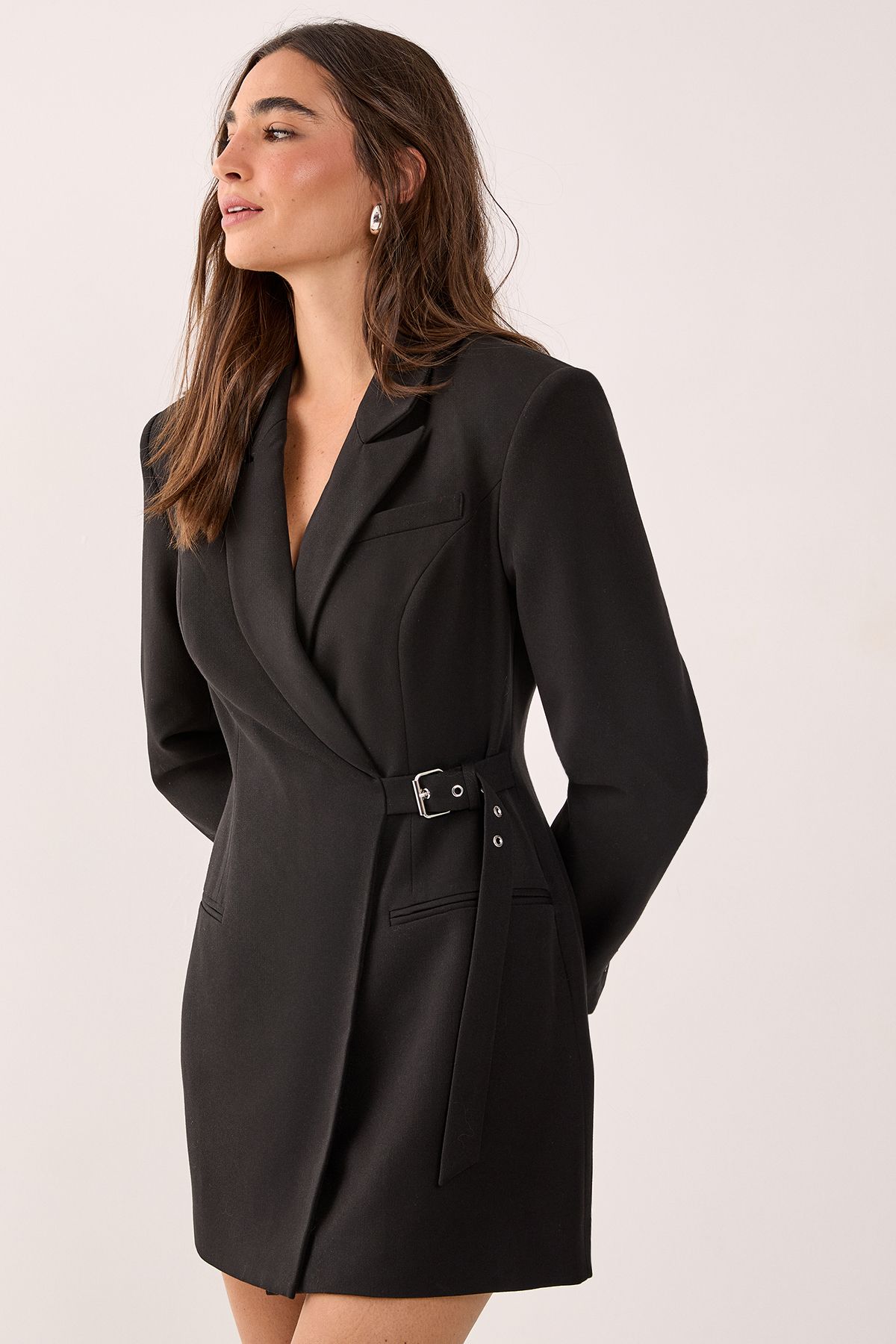
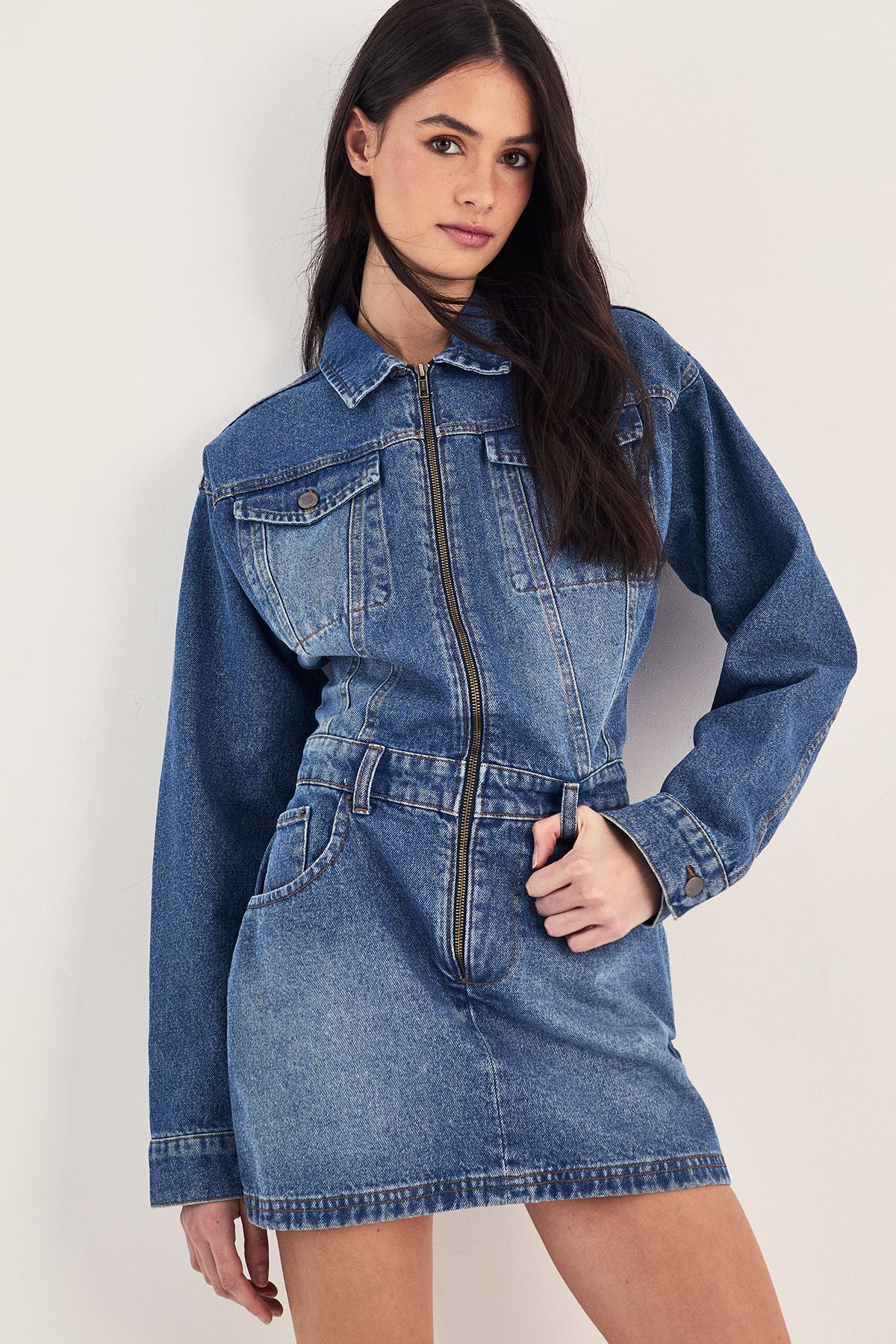
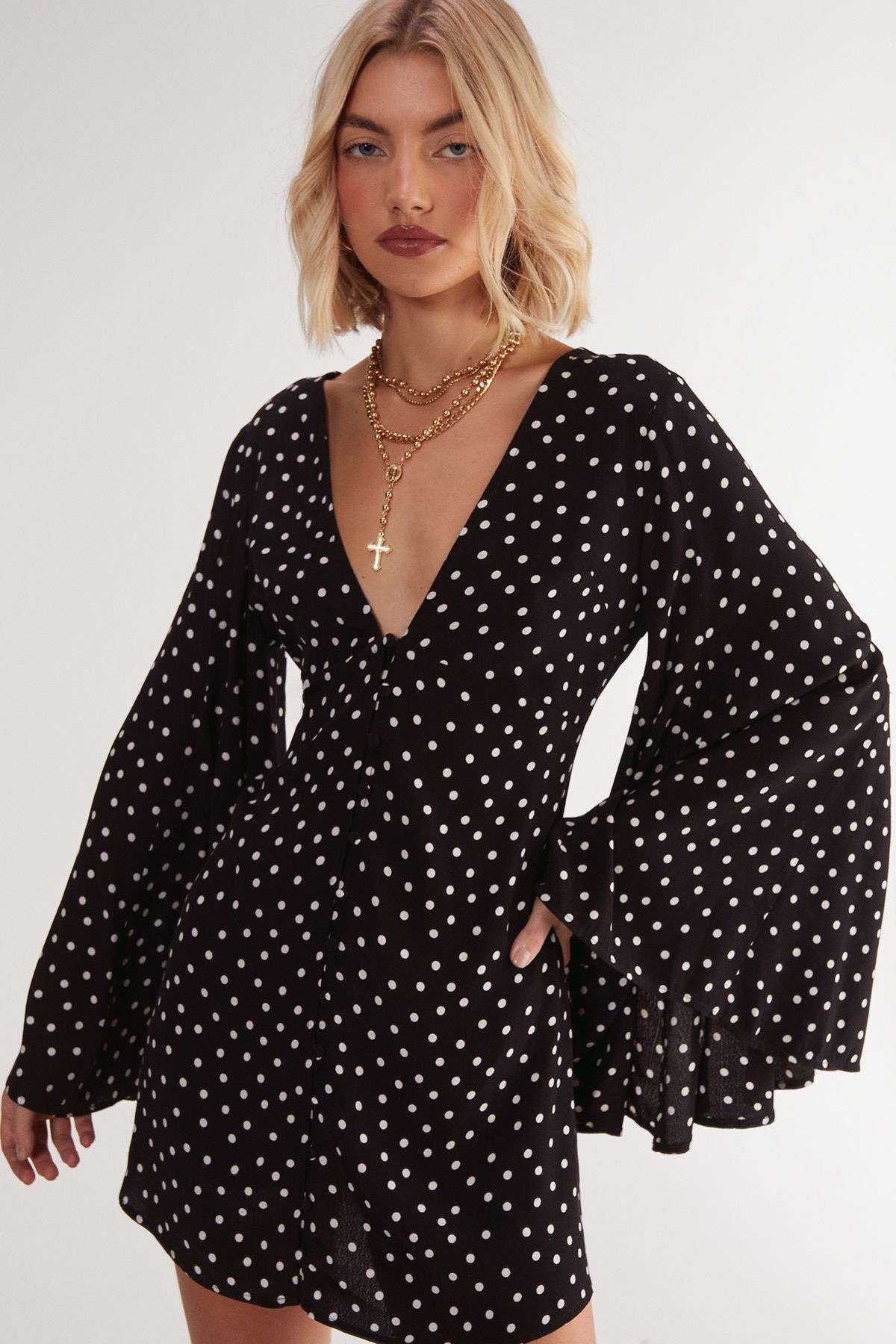
Set your expectations to what the brand actually is: an American fast-fashion retailer for young women, built on trend-led, limited-edition styles rather than heirloom quality. It's worth it if you want of-the-moment, edgy pieces at accessible prices and treat them as fast fashion. If you're after longevity and consistent construction, a fast-fashion label is the wrong place to look.
Is Nasty Gal legit?+
Yes, Nasty Gal is a real, established retailer, not a scam: it was founded in 2006, has customers in over 60 countries, and is now owned by the British Boohoo Group. As with any online fast-fashion brand, the smart move is to read the sizing notes and return terms before ordering, since fit and turnaround can vary. The company itself is genuine.
Is Nasty Gal good quality?+
Judge it as fast fashion, because that's what it is, limited-edition styles produced quickly and at low cost. The trade-off for trendiness and price is that quality can be inconsistent piece to piece. Lean toward simpler, well-reviewed staples rather than the most elaborate items if durability matters to you.
How does Nasty Gal compare to Boohoo?+
They're related: Boohoo Group acquired Nasty Gal in 2017, so it sits within the same family. Nasty Gal keeps its own identity, the edgier, more vintage-inflected, Los Angeles attitude it was built on, distinct from Boohoo's core line. If you want that specific look rather than generic fast fashion, the Nasty Gal label is the draw.
Who founded Nasty Gal?+
Sophia Amoruso founded it in 2006 while working as a campus safety host, launching an eBay store that sold vintage clothing she sourced from secondhand stores. She later wrote the 2014 book #GIRLBOSS about that rise and launched the GIRLBOSS Foundation. Her story is inseparable from the brand's identity.
How did Nasty Gal start?+
It began as an eBay store, Nasty Gal Vintage, in San Francisco in 2006, selling secondhand pieces, with MySpace as its main early channel. Amoruso moved it onto its own site in 2008, then into warehouses in Berkeley and Emeryville, before relocating headquarters to Los Angeles in 2010. The vintage-resale roots still color the brand's aesthetic.
Where does the name Nasty Gal come from?+
The store was named Nasty Gal Vintage after the 1975 album by Betty Davis, the funk musician. That musical, slightly rebellious reference set the tone for the brand's edgy positioning from day one. It's a fitting origin for a label that has always leaned into attitude.
Why did Nasty Gal go bankrupt and get sold?+
After explosive early growth, Nasty Gal filed for bankruptcy in 2016, and in 2017 the British-owned Boohoo Group purchased it for $40 million following the Chapter 11 filing. The brand had grown fast, named "Fastest Growing Retailer" by Inc. in 2012, but couldn't sustain it independently. Boohoo's ownership relaunched it.
Has Nasty Gal faced any controversies?+
Yes. In 2015 a lawsuit accused Nasty Gal of firing four employees because of pregnancy, in alleged violation of California law, and the company has faced criticism over a reportedly "toxic" work environment and negative employee reviews. These are part of the brand's record alongside its growth story, and worth knowing for context.
What is the #GIRLBOSS connection?+
Founder Sophia Amoruso published #GIRLBOSS in 2014, a book about building Nasty Gal, and afterward launched the GIRLBOSS Foundation, which awards grants to women with creative projects. In 2017 Netflix released a show, Girlboss, loosely based on the book, though it was cancelled after one season. The brand and the cultural moment grew up together.
Does Nasty Gal have its own in-house collections?+
It does. Nasty Gal's original label launched in 2012 with limited-edition styles, debuting the Weird Science collection at New York Fashion Week, and added the Shoe Cult footwear line in 2013 plus denim, swimwear and lingerie collections in 2014. So beyond stocking trends, it designs its own pieces too.