Brand · London denim since 1973

Pepe Jeans

From a Portobello Road stall to a global denim name — British casualwear with a market-day spirit.

Pepe Jeans
Re-checked daily
Pepe Jeans London began on a weekend stall at Portobello Road Market in 1973 before growing into an international denim and casualwear brand.

Founded in 1973 by three brothers running a Portobello Road stall, Pepe Jeans expanded to Carnaby Street and then across Europe in the 1980s. Now based in Sant Feliu de Llobregat, Spain, and owned by Beirut's M1 Group, the brand counts CEO Carlos Ortega among its major shareholders.

In 2019 Dua Lipa became a global ambassador, and in 2023 the brand marked fifty years with a campaign exhibition and a new ambassador, Lila Moss. Pepe Jeans has sponsored Red Bull Racing in Formula One since 2010, signing a title deal in 2024 to form the Red Bull Racing Pepe Jeans Academy programme.
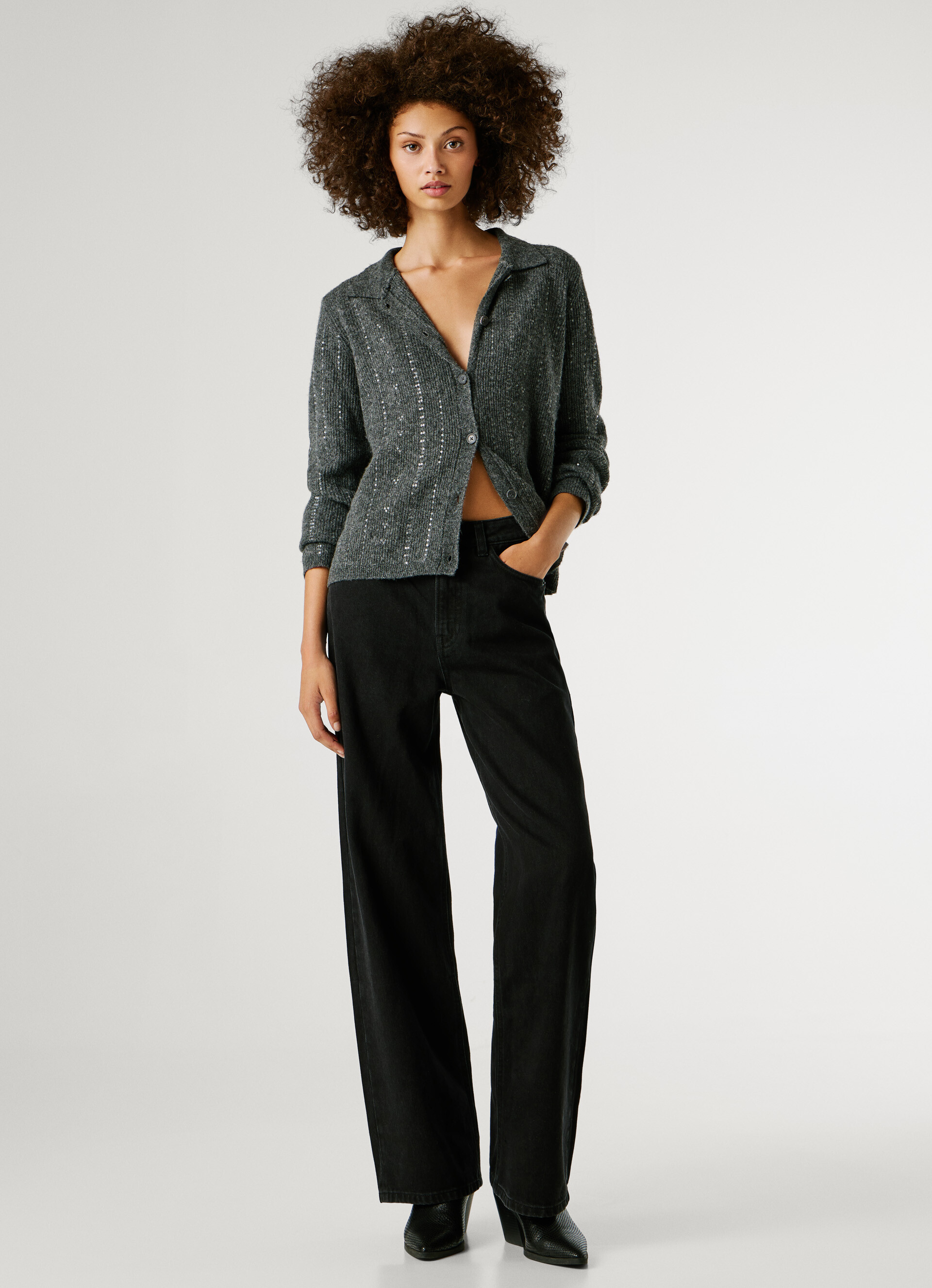
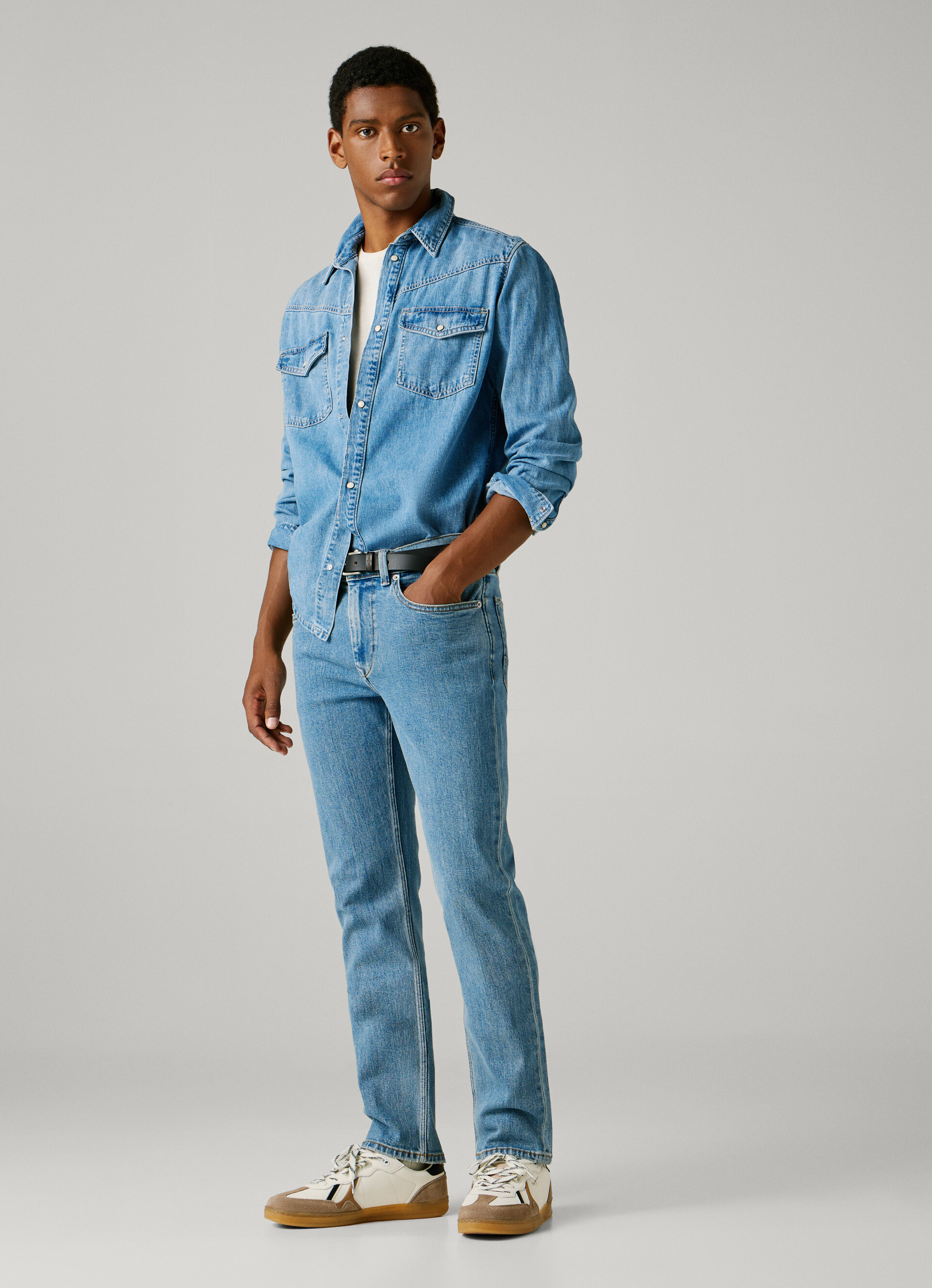
Pepe Jeans shopping FAQ

Are Pepe Jeans good quality?+

Pepe Jeans sits squarely in the mid-range denim market, and shoppers generally rate it well for the price — reliable construction, comfortable fabrics and contemporary washes. It is built for everyday wear rather than collector-grade selvedge, so think dependable daily denim rather than heirloom. For most buyers the value-to-quality balance is the brand's main draw.

Are Pepe Jeans worth it?+

If you want fashion-forward denim without paying premium-brand prices, most people find Pepe Jeans worth it. The brand leans into modern fits and current washes while keeping pricing accessible, which is why it has stayed popular for decades. Just check the size guide first, as fits can vary between styles.

How do Pepe Jeans compare to Levi's?+

They come from very different starting points. Levi's is the older, more classic brand with rigid, timeless cuts, while Pepe Jeans — established in 1973 in London — tends toward a more contemporary, fashion-forward fit. If you prefer a traditional structured jean, Levi's leans that way; if you want a more modern silhouette, Pepe is the trendier pick.

Where did Pepe Jeans start?+

Pepe Jeans was founded in 1973 by three brothers who ran a weekend stall at Portobello Road Market in London, before expanding to a store on Carnaby Street and then into Europe in the 1980s. That London street-market origin is still part of the brand's identity, which trades as Pepe Jeans London.

Is Pepe Jeans a British brand?+

Its roots are firmly British — it was established in London's Portobello Road area in 1973 — but the company is now based in Sant Feliu de Llobregat, Spain. So it is London-born in heritage while being run from Spain today, which is why you will see it styled as Pepe Jeans London.

Who owns Pepe Jeans now?+

Pepe Jeans is currently owned by M1 Group, a holding company based in Beirut, Lebanon. The brand and Hackett London were bought by M1 Group, together with LVMH subsidiary L Capital Asia, in February 2015. Carlos Ortega has served as CEO and owns more than 20% of the company.

Which celebrities are ambassadors for Pepe Jeans?+

The brand has leaned on high-profile ambassadors in recent years. Dua Lipa became a global ambassador in 2019, and in 2023 — as Pepe Jeans marked its fiftieth year — Lila Moss was announced as a new ambassador. Both reflect the brand's contemporary, fashion-led positioning.

What other brands are part of the Pepe Jeans group?+

Pepe Jeans heads a small stable of labels. Hackett London is part of the group, and in 2015 the group added Norton Clothing as a tribute to the British motorcycle brand. In 2016 it also acquired the French fashion brand Façonnable, broadening its reach beyond denim.

Does Pepe Jeans have any sports connections?+

Yes — motorsport, in particular. Pepe Jeans has sponsored Red Bull Racing in Formula One since 2010, and in 2024 it signed a title partnership to form the Red Bull Racing Pepe Jeans Academy Programme, aimed at supporting entrants in the female-only F1 Academy championship.

How should I pick my size in Pepe Jeans?+

Fit is the one thing to watch, because cuts differ across the range and some styles run small. Check the measurements on each specific style's size guide rather than assuming your usual number carries over, and if you are between sizes on a slim or tailored cut, sizing up is the safer bet.