Is Petit Bateau worth the price for a plain cotton T-shirt?+
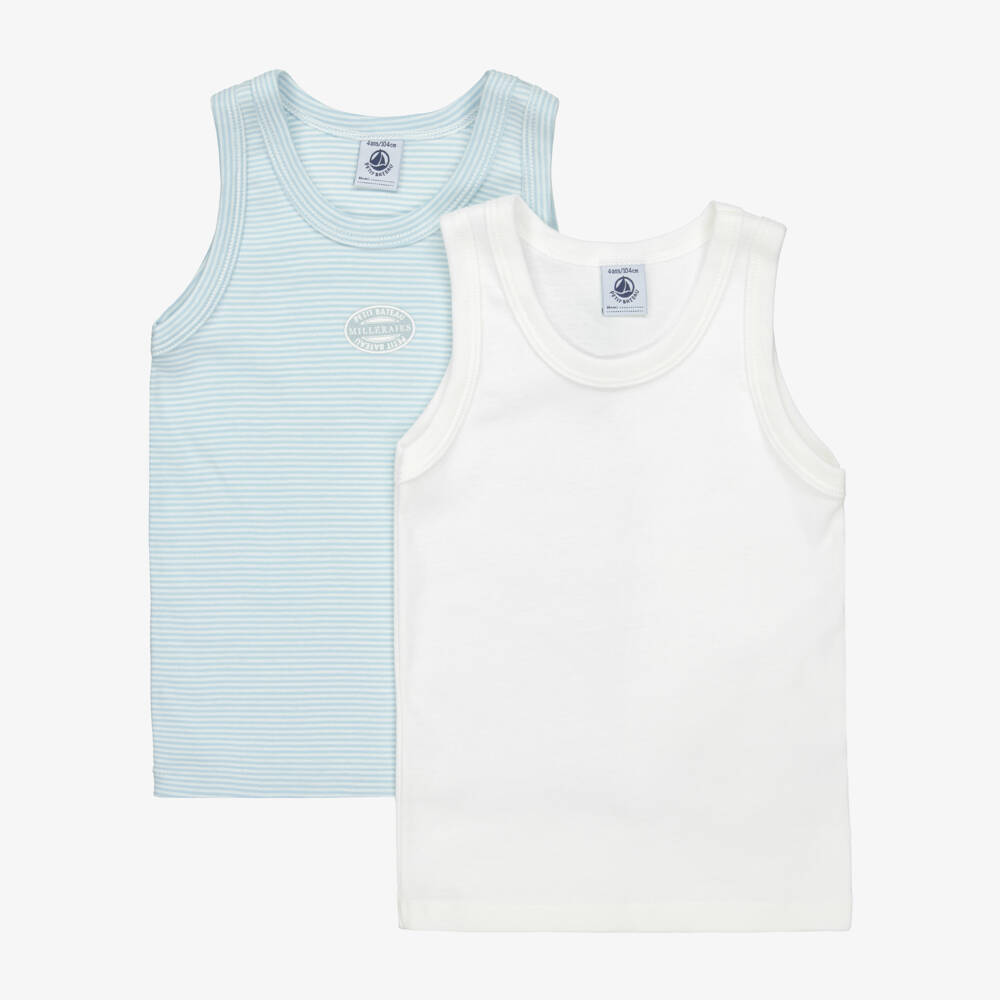
Shoppers tend to split on this: a Petit Bateau tee can cost several times what a basics-store version does, and not everyone feels a plain crew neck justifies it. The case for it rests on the cotton itself, the fit, and the brand's reputation that pieces survive wash after wash. If you want one shirt you'll reach for repeatedly rather than several you replace, most owners feel it earns its keep.
Why is Petit Bateau so much more expensive than Uniqlo or supermarket basics?+
Petit Bateau positions itself as a heritage premium brand rather than a mass-market label, and the price reflects its focus on cotton quality, fit, and durability over decades. The house traces its origins to an 1893 Troyes hosiery workshop and has built a long-standing reputation for garments that last. You are paying for that pedigree and longevity rather than the lowest possible cost per wear.
What is the story behind the Petit Bateau name and the little knickers it invented?+
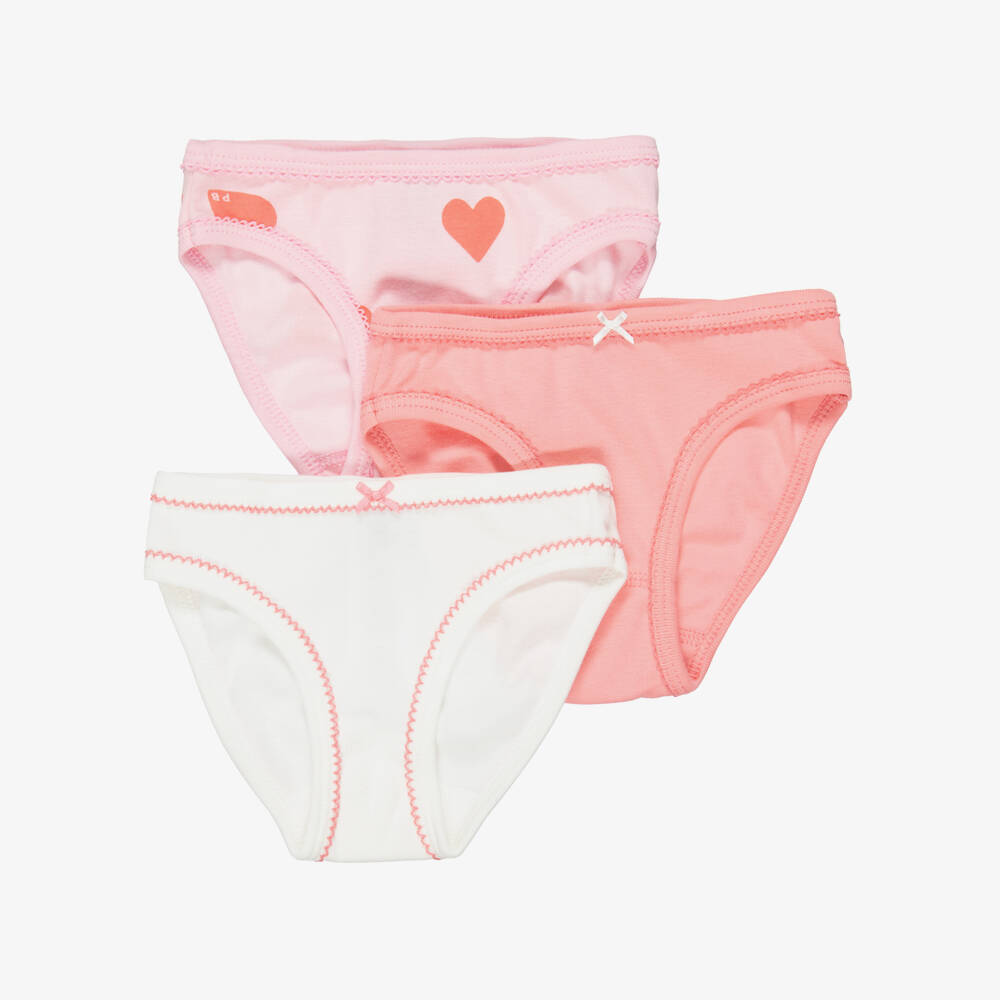
The name comes from the French nursery rhyme Maman les p'tits bateaux ('Mummy, the little boats'), which inspired Étienne Valton when he registered the trademark in 1920. He had already had the idea, while listening to that same rhyme, of cutting the legs off the long woollen underpants of the day to create soft, washable cotton knickers held with an elastic band. Those little panties became the brand's founding invention and won a Grand Prix at the 1937 Paris Universal Exhibition.
When and where was Petit Bateau founded?+
The Petit Bateau brand was registered in 1920 by the Valton-Quinquarlet company in Troyes, in the Aube region of France, though its origins date back to an 1893 hosiery workshop opened by Pierre Valton. Troyes was the capital of the French textile industry in the nineteenth century, which is why the brand is so rooted there. It has been part of the Rocher Group since 1988.
Which Petit Bateau piece should I buy first?+
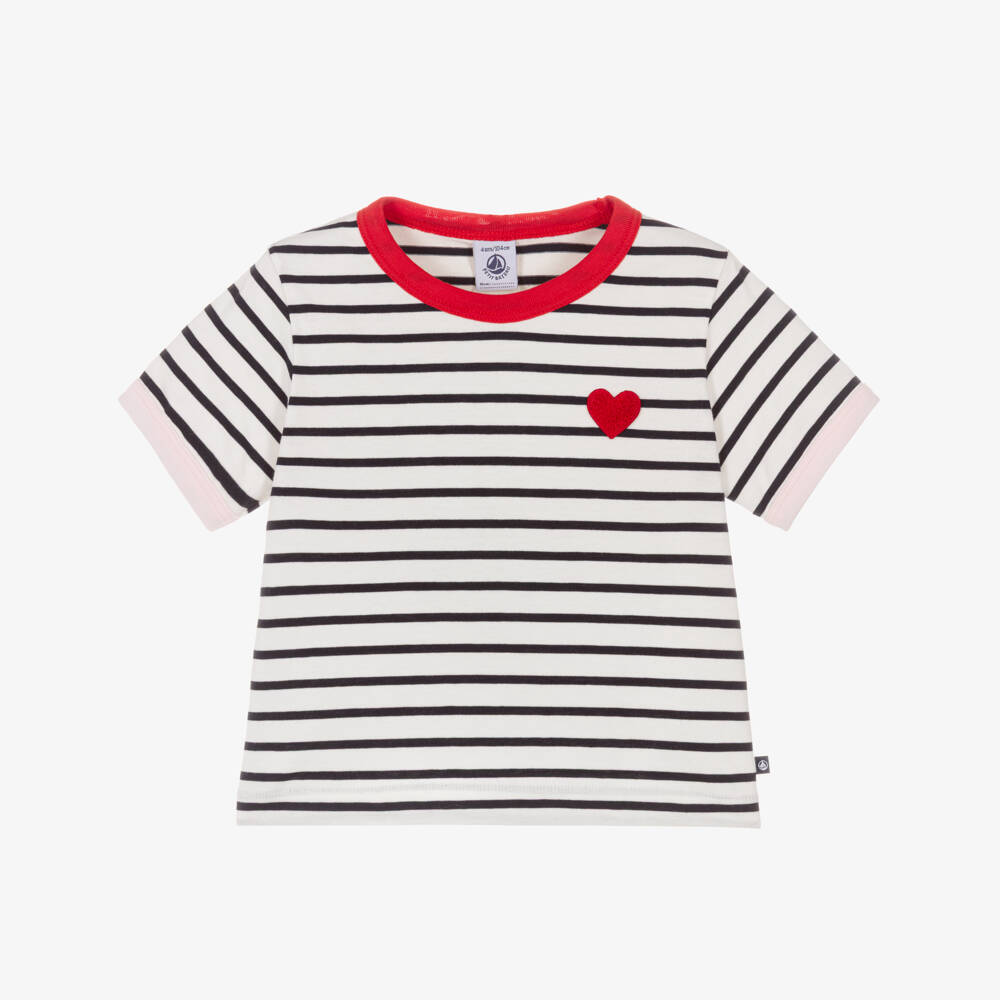
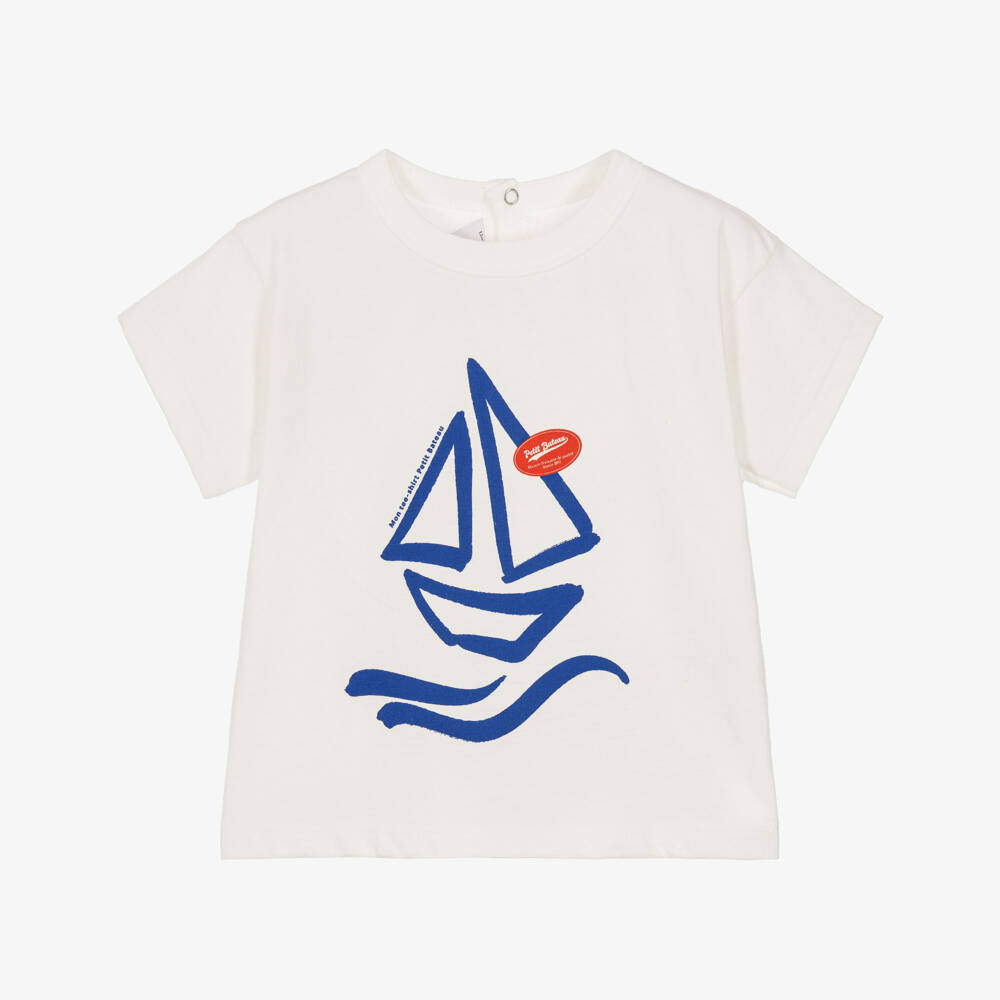
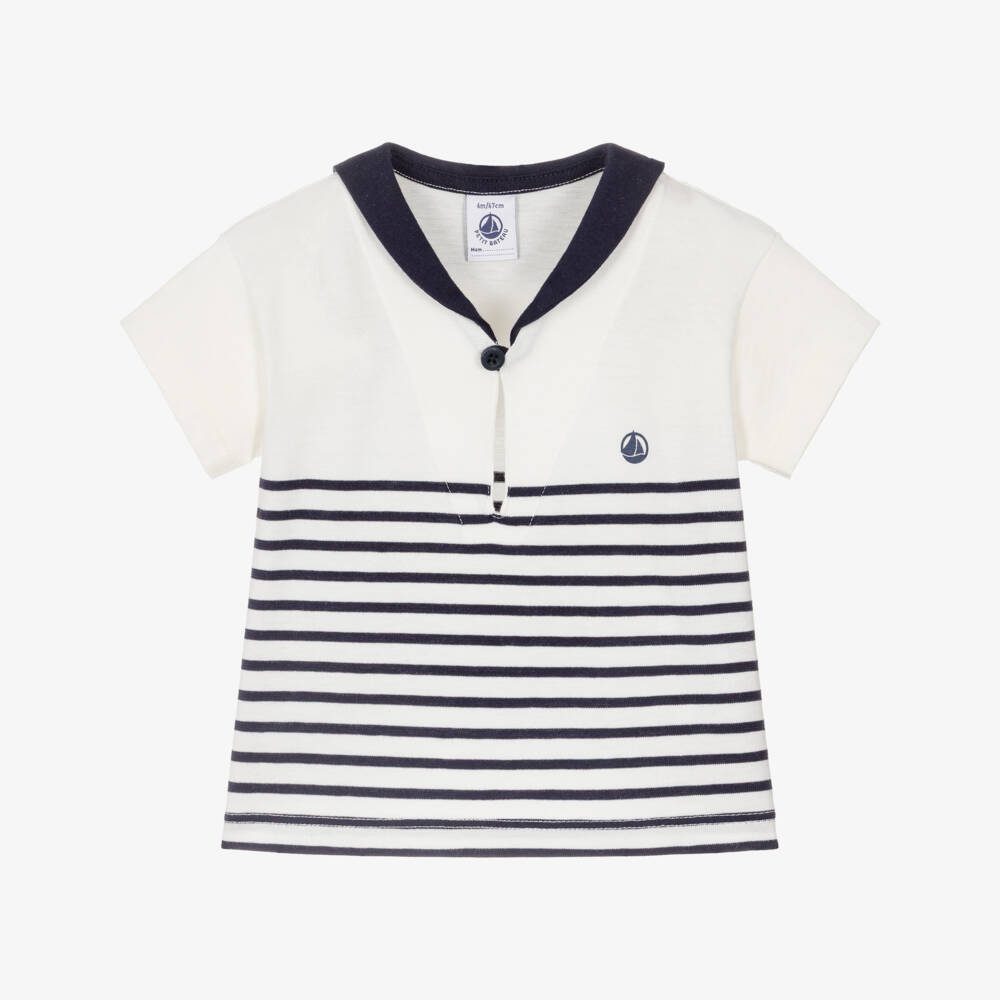
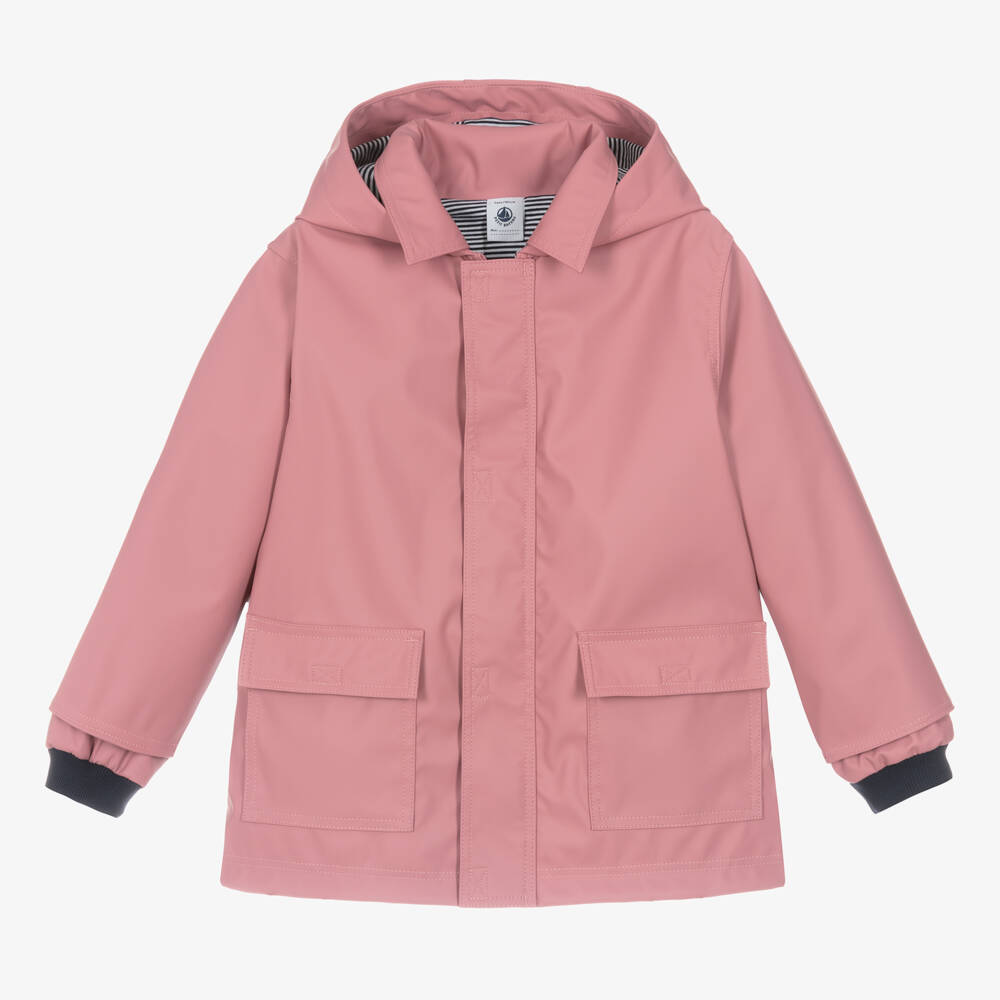
If you want the most representative piece, start with the iconic cotton T-shirt or the Breton marinière striped top, both cornerstones of the collection. The little cotton knickers and the baby bodysuit are the brand's own inventions and beloved for everyday wear. For a more distinctive choice, the yellow waxed raincoat, created in 1996 and lined in the brand's pinstripe cotton, is a charming nautical signature.
What is Petit Bateau's signature pinstripe cotton?+
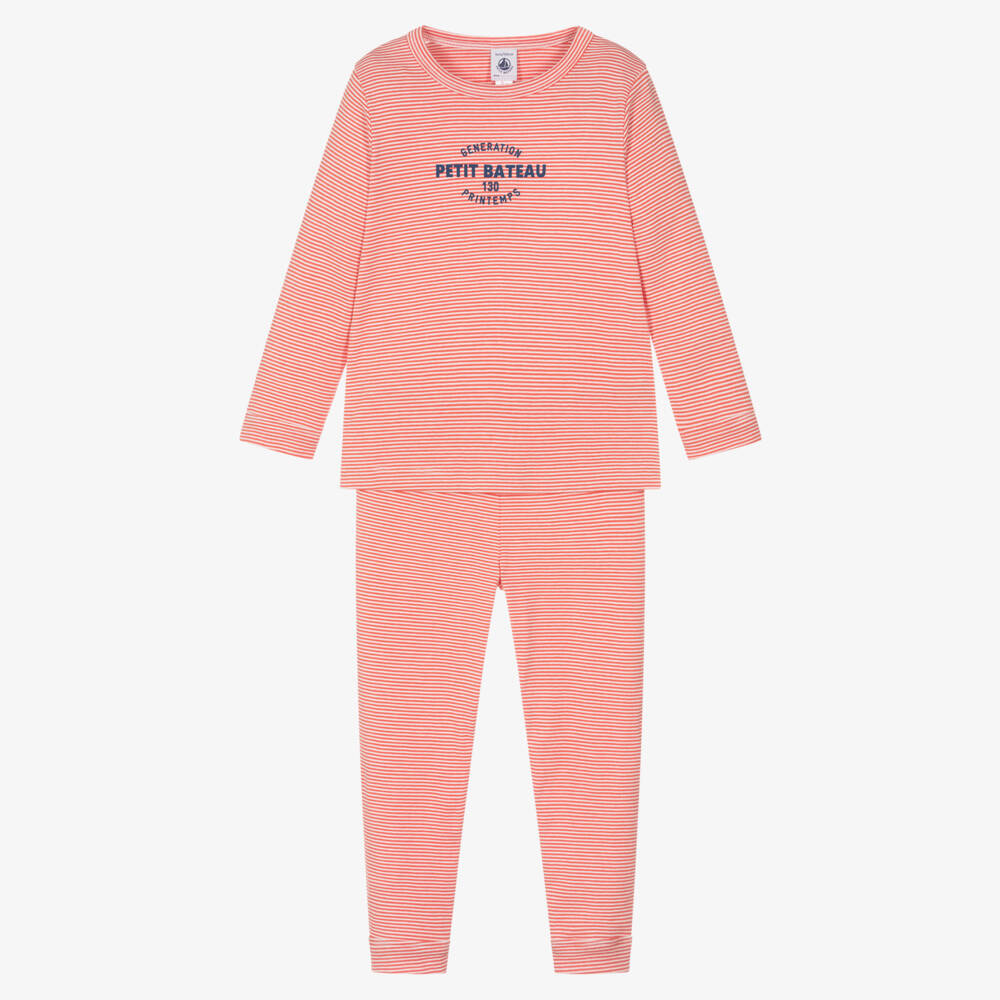
The emblematic pinstripe cotton appeared in 1970 and is recognisable by the delicacy of its pattern, long associated with the world of childhood. It uses a completely new two-thread knitting technique that demands special machines to produce about a thousand metres per kilogram. You'll find it used throughout the range, including as the lining of the signature yellow waxed raincoat.
How did a children's brand like Petit Bateau become fashionable for adults?+
In the mid-1990s, in the midst of a minimalist trend, Karl Lagerfeld had Claudia Schiffer walk the catwalk in a Petit Bateau T-shirt under her Chanel suit, and the success was immediate. The white children's tee was then made available in adult sizes, and T-shirt sales increased tenfold over the next three years. Petit Bateau put on its own fashion show in 1994 and entered the adult ready-to-wear market, becoming trans-generational in the 2000s.
Are Petit Bateau clothes actually made in France?+
Only partly, and this has drawn scrutiny. The consumer group UFC-Que Choisir accused the brand of leading customers to believe its products are made in France when much of the manufacturing is not. By the brand's own account, about 45% of knitting and dyeing is done at the St Joseph factory in Troyes, with the bulk of garment assembly taking place at Petit Bateau's own factory in Morocco and partner plants in Morocco and Tunisia.
Who owns Petit Bateau today?+
Petit Bateau has been part of the Rocher Group, formerly the Yves Rocher Group, since 1988, when it was acquired after the company had come close to bankruptcy. The Rocher Group also includes Yves Rocher, Stanhome, Pierre Ricaud, Daniel Jouvance and Sabon, among others. The brand's style teams remain based in Paris, where all the collections are devised.
What is the Petit Bateau bodysuit and why is it so popular for babies?+
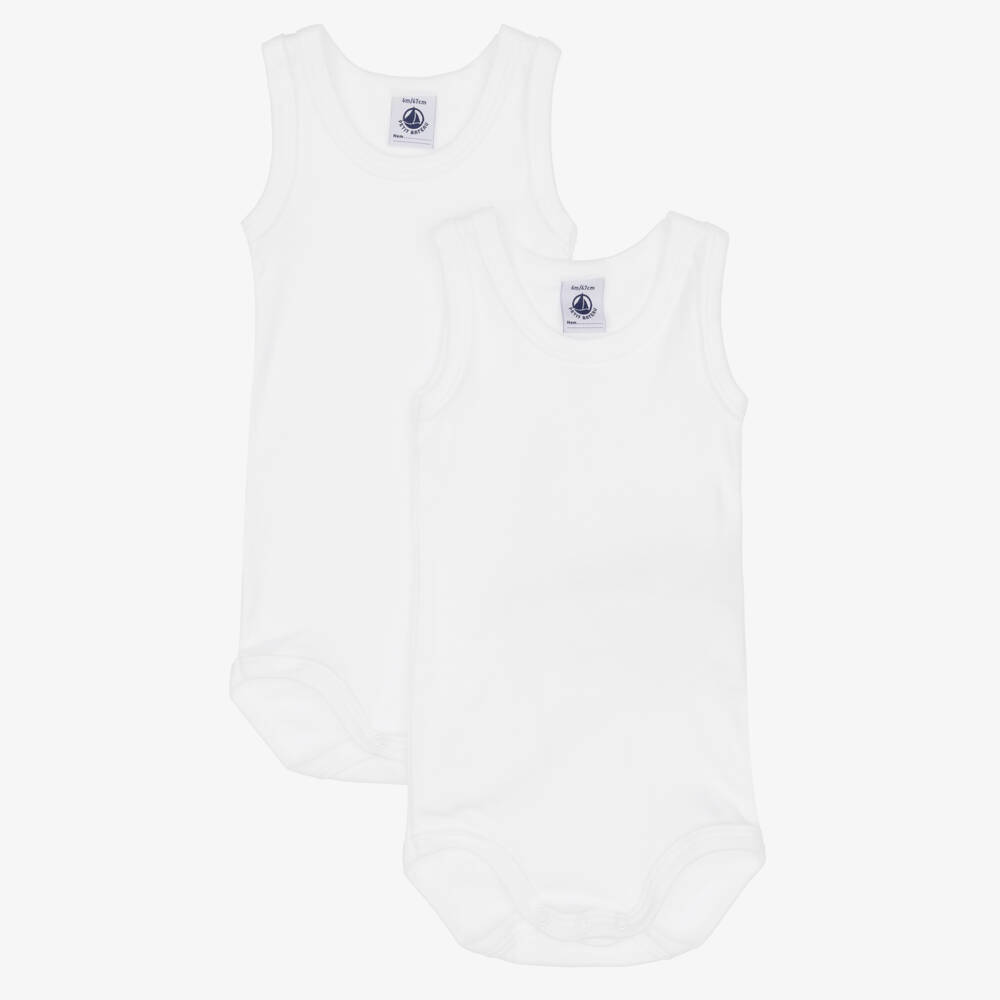
Petit Bateau invented its first baby bodysuits in 1950, inspired by the armholes of T-shirts worn by American soldiers who could dress without removing their helmets. The Valton family designed a garment that goes on over the head thanks to a more oval neckline, prioritising ease and practicality. In 1980 they added the press-stud closure between the legs to make dressing and movement even simpler for toddlers.
How should I care for Petit Bateau cotton so it lasts?+
The brand's reputation rests on cotton that is famously durable, with its pieces often described as almost indestructible and handed down between generations. Washing on gentler cycles and avoiding harsh heat will help the soft cotton and elasticated waistbands keep their shape and feel. Because the garments are made to survive many washes, buying well and caring for them simply tends to reward you over years rather than seasons.
Does Petit Bateau do anything around sustainability and reuse?+
Yes. As part of a sustainable approach the brand banned plastic from its sales packaging and, in 2017, launched a circular-economy initiative encouraging people to pass clothes on. The webspace 'Faites passer les Petit Bateau' connects sellers and buyers of the brand's used clothing free of charge, leaning on the fact that the garments are deemed almost indestructible and worth a second life.