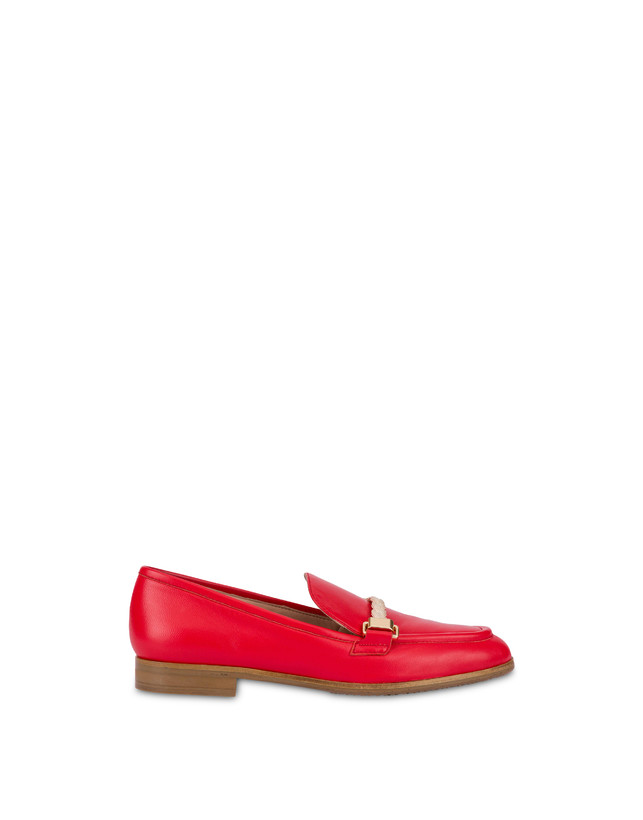
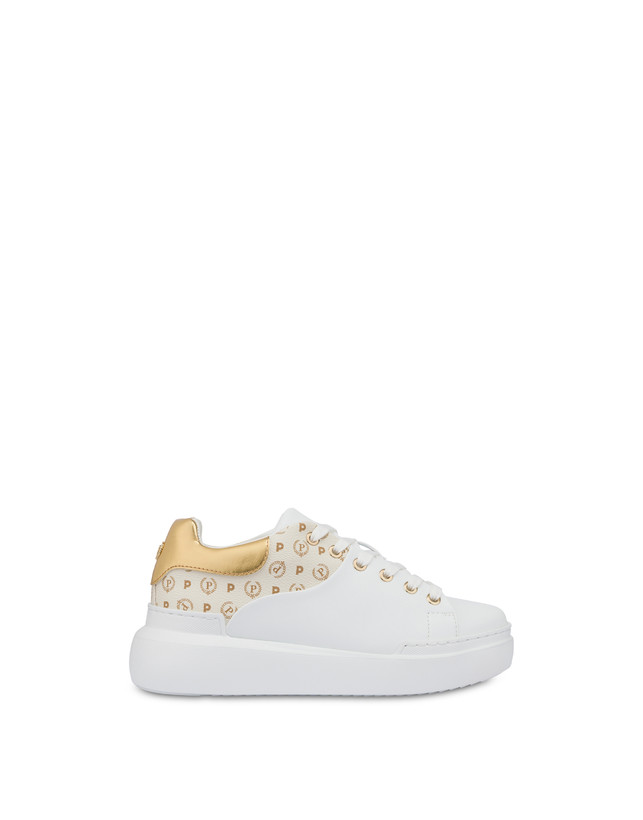
Are Pollini shoes worth it?+
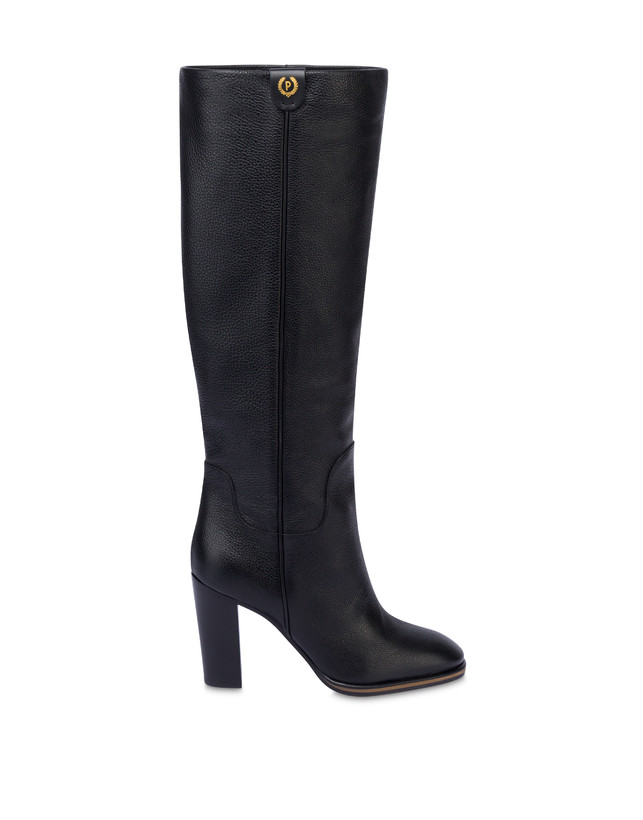
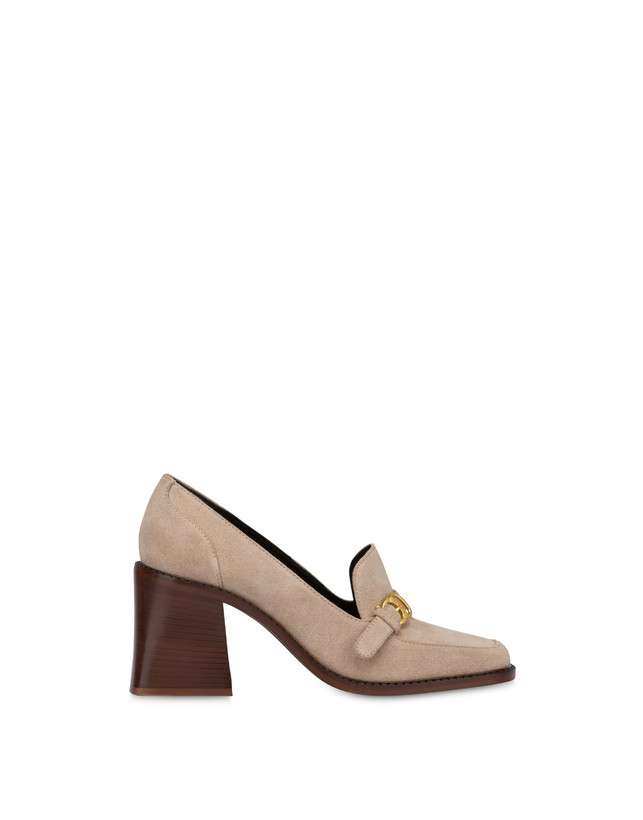
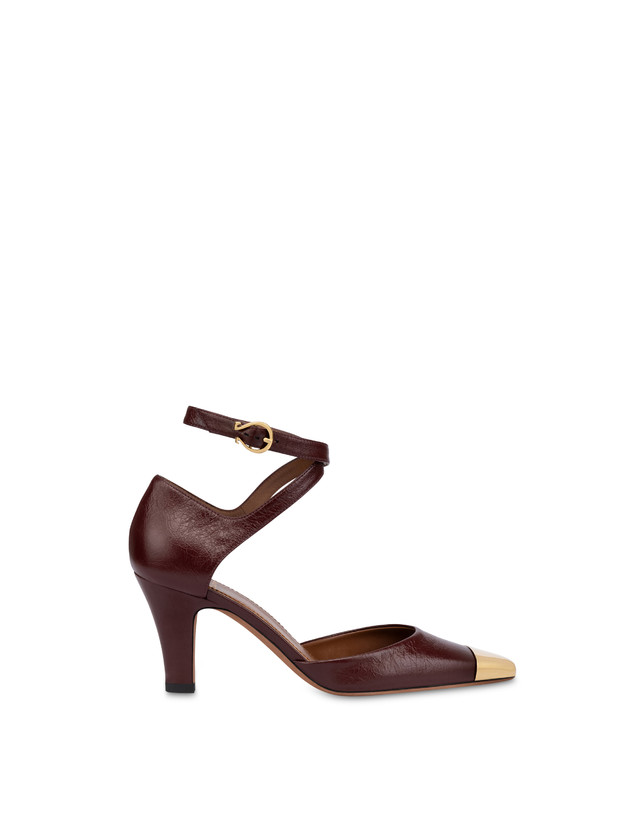
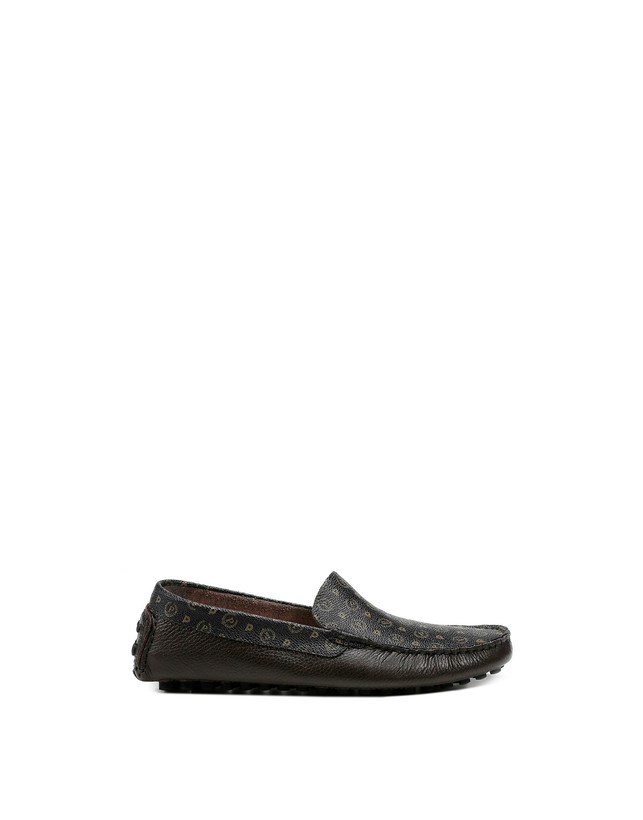
If you value Italian-made leather footwear, Pollini is widely seen as good value within the luxury tier. Owners often describe the leather as exceptionally soft and the construction as comfortable from day one, with pairs lasting close to a decade. Whether it is right for you comes down to budget and whether the design speaks to you versus other high-end shoe makers.
Why are Pollini shoes considered high quality?+
Pollini leans on traditional Italian artisanship, with skilled craftspeople executing many of the steps required to build a shoe by hand. That hands-on process, paired with quality leathers, is what gives the shoes their soft feel and durable finish. It is the same know-how that built the brand's reputation since 1953.
What is the Pollini Daytona bag?+
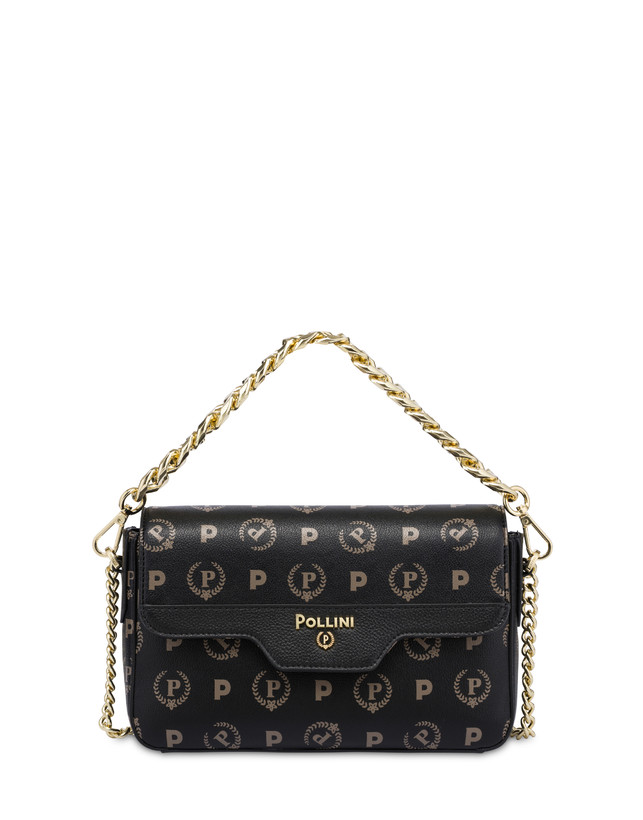
The Daytona is Pollini's renowned handbag, a standout from the brand's expansion beyond footwear into leather bags. It earned enough recognition to be exhibited at the Fashion Institute of Technology Museum in New York. If you want a piece with real provenance from the house, the Daytona is the name to know.
Who founded Pollini and when?+
Pollini was founded in 1953 by four siblings, Alberto, Lidia, Lucia and Vittorio Pollini, the children of shoemaker Ettore Pollini. They started in the northern Romagna hinterland, building on their father's shoemaking trade. That family footwear lineage is the foundation of the brand's craft story.
Where is Pollini made?+
Pollini is an Italian fashion house founded in San Mauro Pascoli, in the Forlì-Cesena Province, a region long associated with Italian shoemaking. That Made-in-Italy footwear heritage is central to the brand's identity and to how its shoes are constructed.
Is Pollini a footwear brand or does it make bags too?+
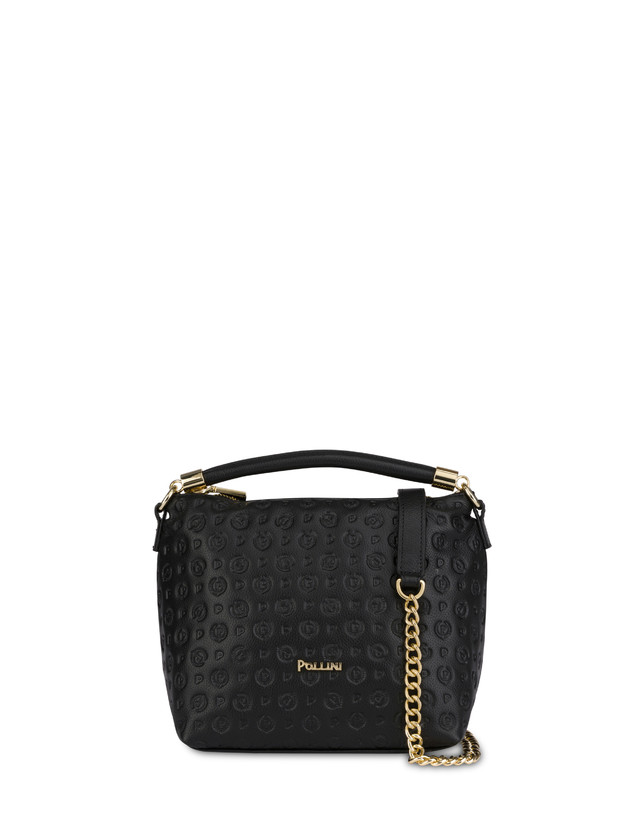
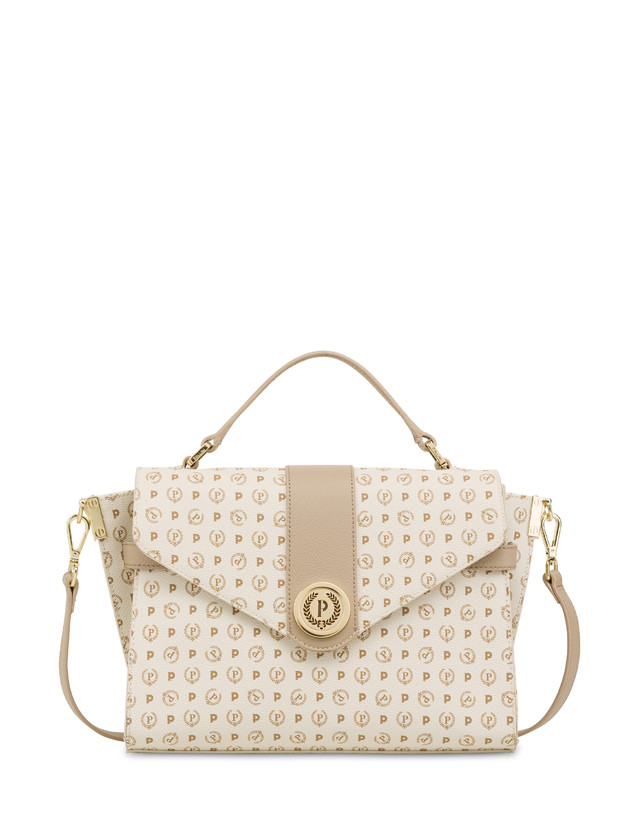
Both. Pollini began with footwear as its predominant output, then gradually expanded into leather handbags, including the celebrated Daytona. Today the company specialises in leather footwear and handbags, so you can build a coordinated leather wardrobe from a single house.
Who owns Pollini now?+
Since 2000, Pollini has been part of the Italian luxury holding company Aeffe, the group founded by designer Alberta Ferretti. Marco Piazzi serves as the brand's current general manager. Being inside Aeffe also means Pollini's workshops help produce accessories for other group brands.
Does Pollini make products for other brands?+
Yes. After joining Aeffe in 2000, Pollini began manufacturing a large share of the accessory collections for the group's other labels, including Moschino, alongside its own production. That dual role is a quiet sign of the manufacturing expertise behind the Pollini name.
Where can I buy Pollini in person?+
Pollini operates its own boutiques across Italy, including in Milan, Rome and Venice, plus several other Italian cities, with additional stores abroad. That direct retail presence makes it possible to try the leather and fit before committing, which matters most with footwear.
How should I think about fit when buying Pollini shoes?+
Because Pollini works in soft Italian leathers, many owners find the shoes comfortable quickly, but leather still relaxes with wear, so a snug-but-not-tight fit at purchase is usually the safe bet. Trying a pair in one of the boutiques is the most reliable way to gauge it, especially across different lasts and styles.
How do I care for Pollini leather shoes and bags?+
Treat them as you would any fine Italian leather: keep them away from prolonged damp, condition the leather periodically so it stays supple, and store shoes with trees and bags stuffed to hold their shape. Given the hand construction and quality hides, a little routine care goes a long way toward the decade-plus lifespans owners report.