Are Red Kap work shirts worth it?+
For people who actually wear them on the job, the consensus is yes. Red Kap built its name from 1947 onward on clothing engineered to survive industrial laundering, which is exactly why owners report the shirts holding their color and seams through years of heavy use. They tend to be priced below comparable workwear, so the value comes from longevity rather than fashion. If you want something that looks the same after fifty washes as it did new, this is the brand's whole reason for existing.
How does Red Kap compare to Dickies?+
Both are pillars of American workwear, but they grew from different roots. Red Kap was built around the industrial uniform-rental world, supplying shirts and pants designed to be washed commercially and returned looking sharp, which gives it a strong reputation for color retention and a clean, uniform look. Dickies leans more toward rugged general-purpose workwear. For service and shop-floor roles where a consistent, polished appearance matters, Red Kap is the more natural pick.
What is Red Kap best known for?+
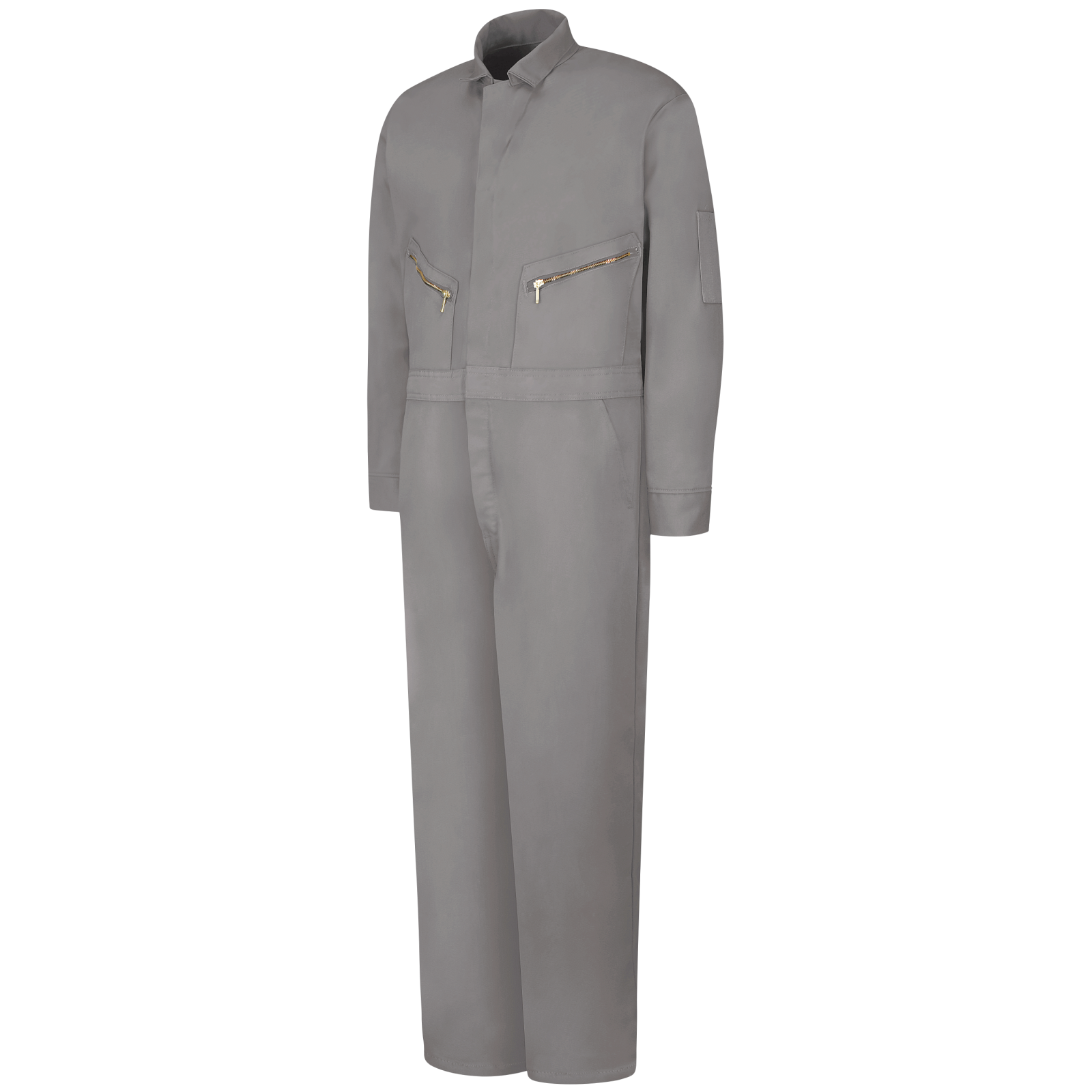
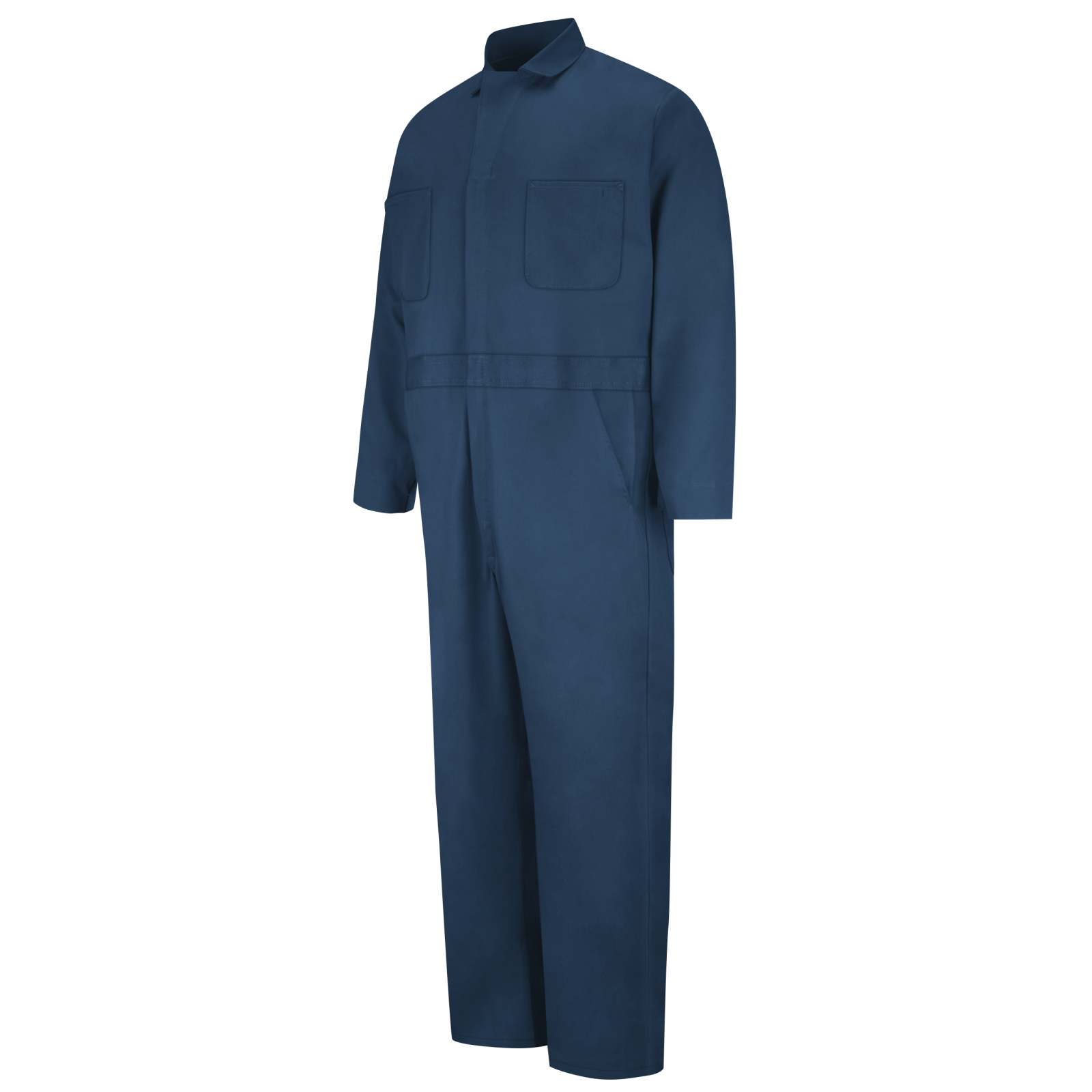
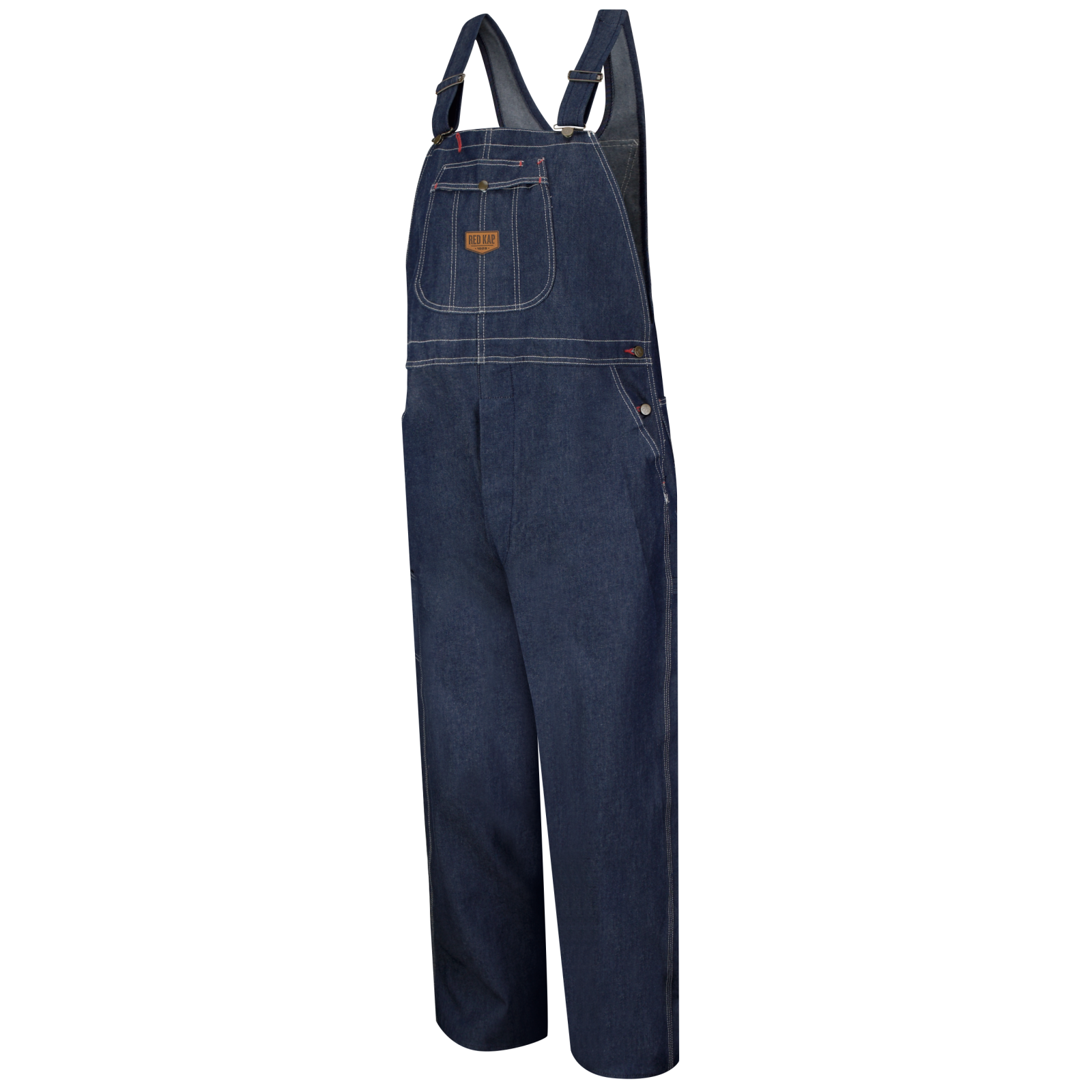
Industrial and uniform work clothing: shirts, pants, jackets and overalls built for trades, shops and service businesses. The company began in 1923 as Central Overall Manufacturing, specializing in bib overalls for men and boys, and over decades turned into one of America's defining suppliers of durable, launder-tough workwear. The signature is gear that can take daily wear and frequent washing without falling apart.
When and where was Red Kap founded?+
It was founded in 1923 as Central Overall Manufacturing by Claude H. Williams, J.G. Hayes, William Wirt Harlin, Sr. and Alexander F. Harlin, starting out making bib overalls. The company is headquartered in Nashville, Tennessee. That hundred-year arc, from overalls to a full industrial-uniform line, is the backbone of the brand's heritage.
Where does the name Red Kap come from?+
The company started life in 1923 as Central Overall Manufacturing, and the name was changed to Red Kap in 1939, taken from Red Cap Smoking Tobacco. So the name is a piece of early-twentieth-century Americana rather than a description of the clothing. It has stuck for the better part of a century.
What made Red Kap different from other workwear makers?+
A real turning point came in 1947, when Red Kap shifted from retail and mail-order toward clothing that could withstand industrial washing, teaming up with a network of laundries to pick up, deliver and supply fresh uniforms. Then in the 1960s it opened the industry's first apparel research and development laboratory. That early focus on engineering and rental-grade durability is what set the brand apart.
Who owns Red Kap now?+
Ownership has changed hands several times. Red Kap became part of Blue Bell, Inc. in the 1960s, was acquired by VF Corporation in 1986, and in 2021 was sold to Redwood Capital Investments, LLC, later becoming part of the standalone company Workwear Outfitters. Through all of it, the brand has stayed focused on industrial and uniform apparel.
Did Red Kap really supply uniforms for car companies?+
Yes. In the 1990s and 2000s the brand provided apparel programs for major car companies including Ford, Honda and GM. That kind of large-scale automotive uniform work is a good illustration of where Red Kap lives: dressing whole workforces in durable, consistent, easy-to-launder gear rather than chasing the fashion crowd.
How should I size Red Kap work shirts?+
Because these are built as work and uniform garments, they tend to favor a functional, room-to-move cut rather than a slim fashion fit. Many wearers find them generous, so if you want a trimmer look you may size down, while layering or heavy daily movement is an argument for keeping your usual size. Trying a single shirt before committing to a set is the safest approach.
How do I care for Red Kap workwear so it lasts?+
The good news is these were designed for exactly this: Red Kap's whole modern identity grew out of clothing made to survive industrial laundering from 1947 onward. Routine machine washing and drying suit them well, and owners often report the color and construction holding up over many years. They are made to be worked in and washed hard, not babied.