−38%
BAPE — Nigo's Ura-Harajuku label that made camo, the ape head and the collab an art form.
Real verified markdowns across FARFETCH — filter by category, retailer & price. Heart anything to track its price.
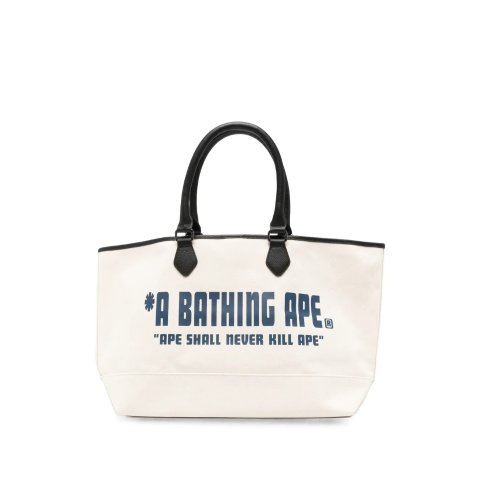
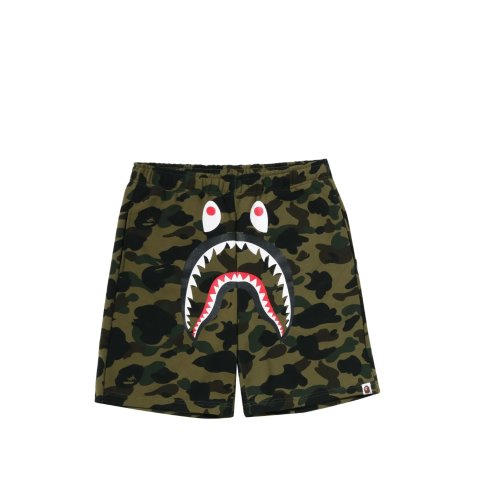
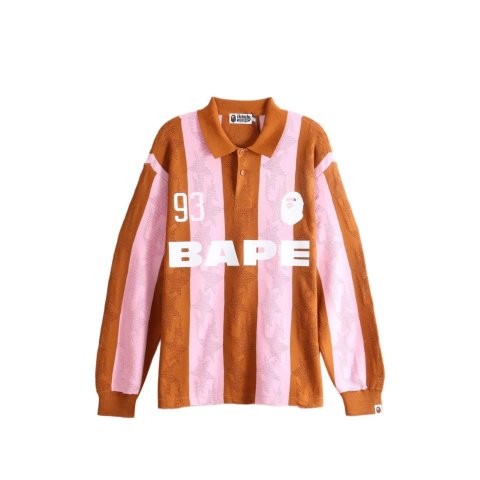
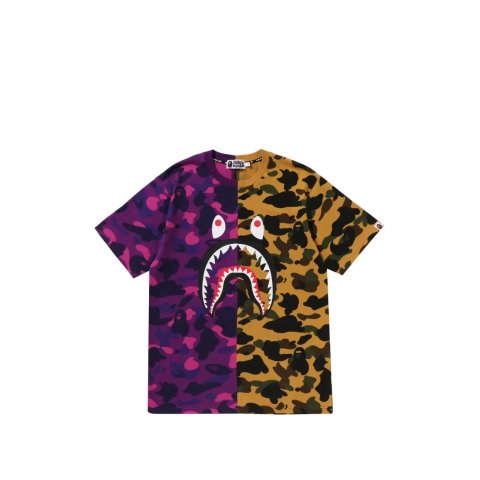
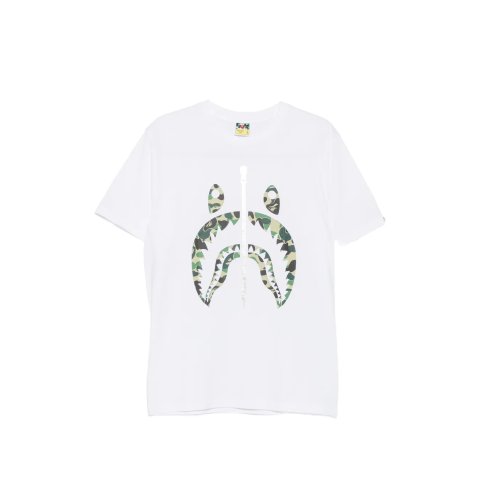
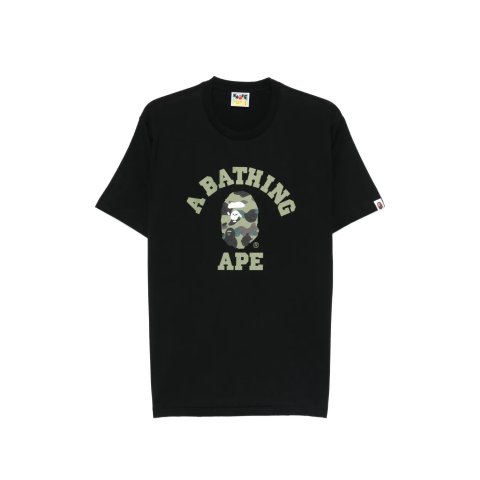
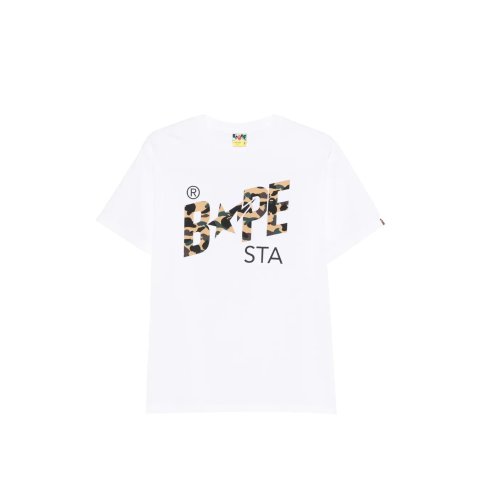
Nigo opened his first store, Nowhere, on 1 April 1993 with Jun Takahashi of Undercover, and named the brand after the 1968 film Planet of the Apes — the full name an ironic nod to "a bathing ape in lukewarm water," his jab at lazy opulence. For two years he produced 30 to 50 shirts a week, seeding the brand by giving tees to musicians like Cornelius and Scha Dara Parr.
Now spanning men's, women's and kids' streetwear with stores across Japan and Asia, BAPE is built on relentless collaboration — from SpongeBob, Marvel and Hello Kitty to Pepsi and Rimowa. In 2011 the company was sold to Hong Kong's I.T Group for about $2.8 million; Nigo stayed on as creative director until 2013.
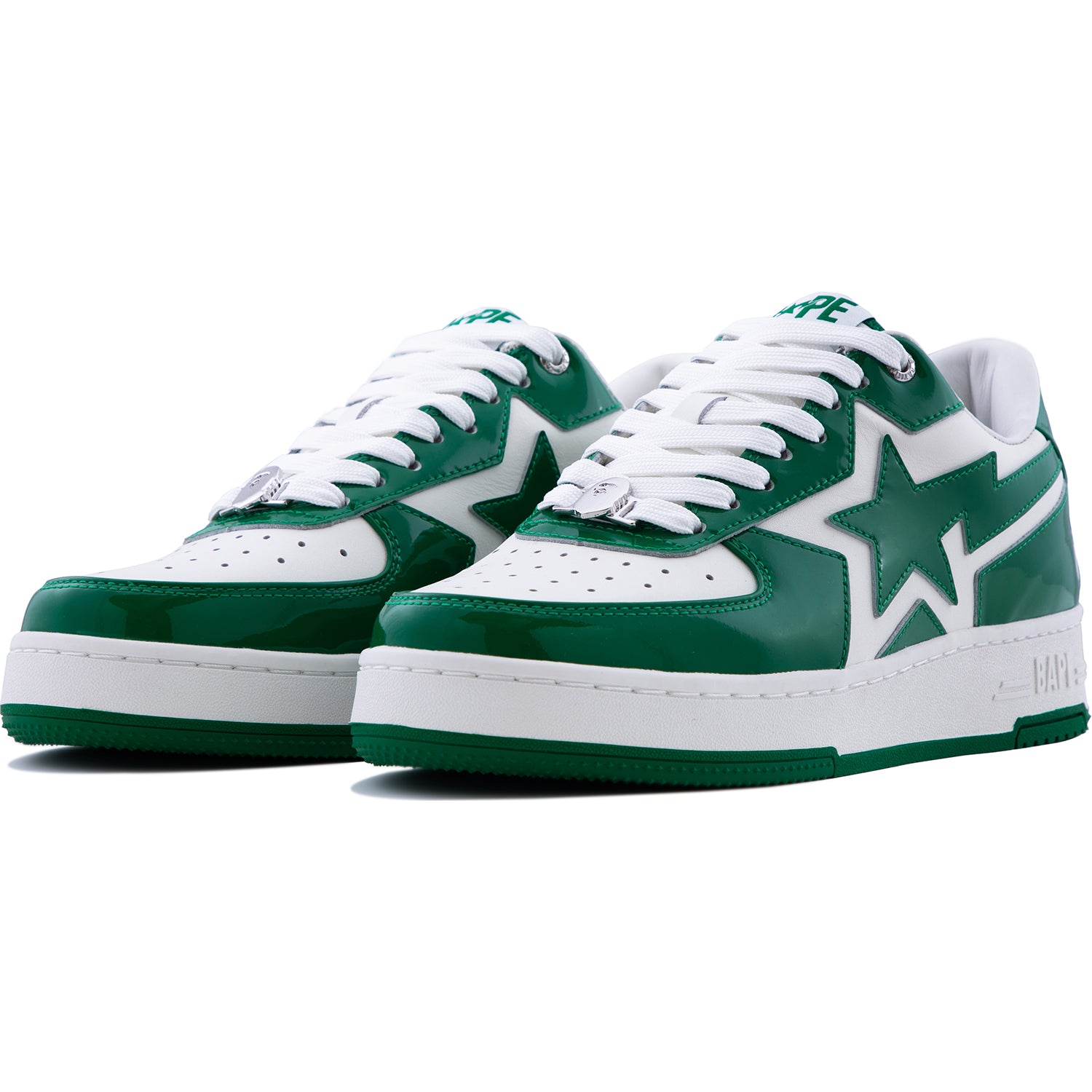
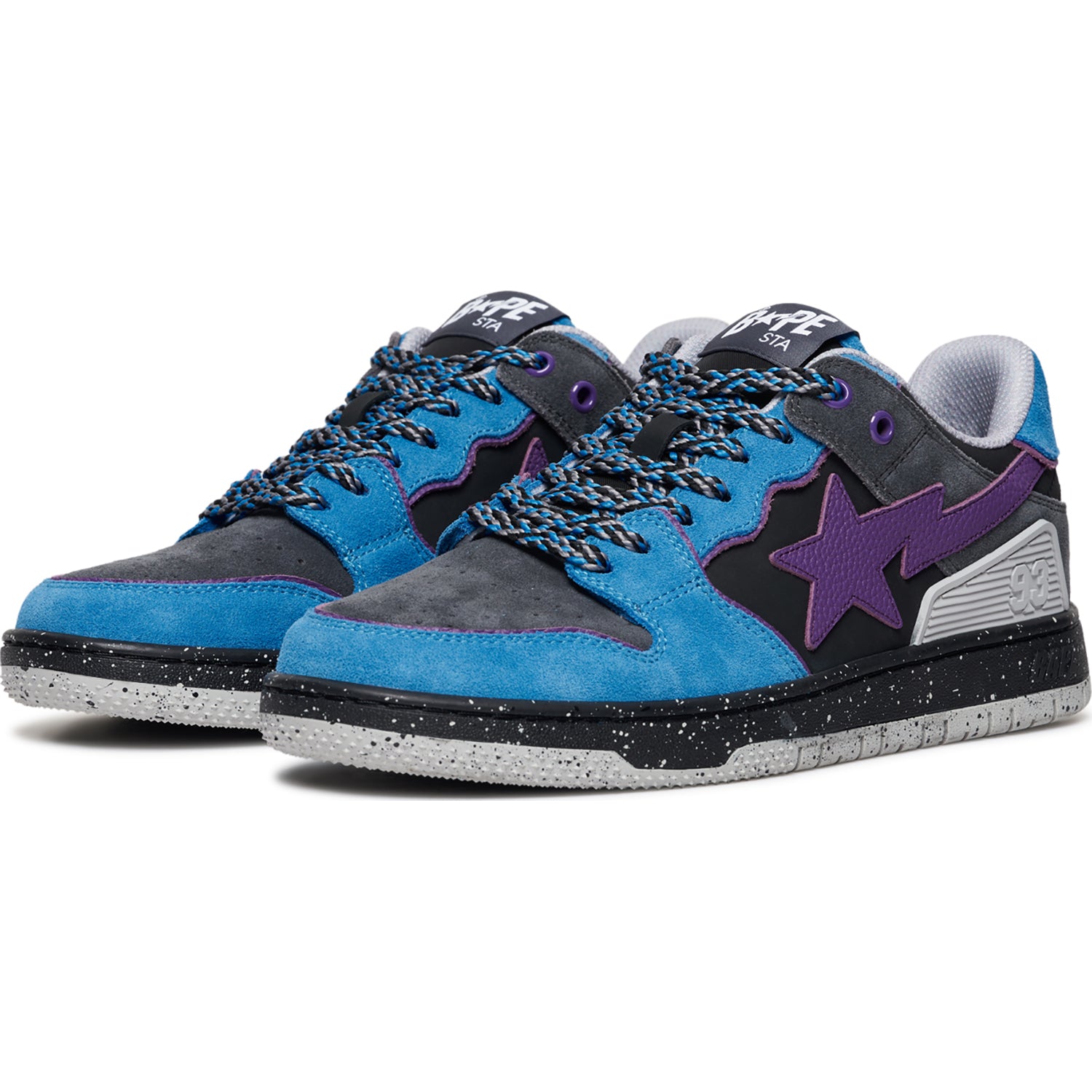
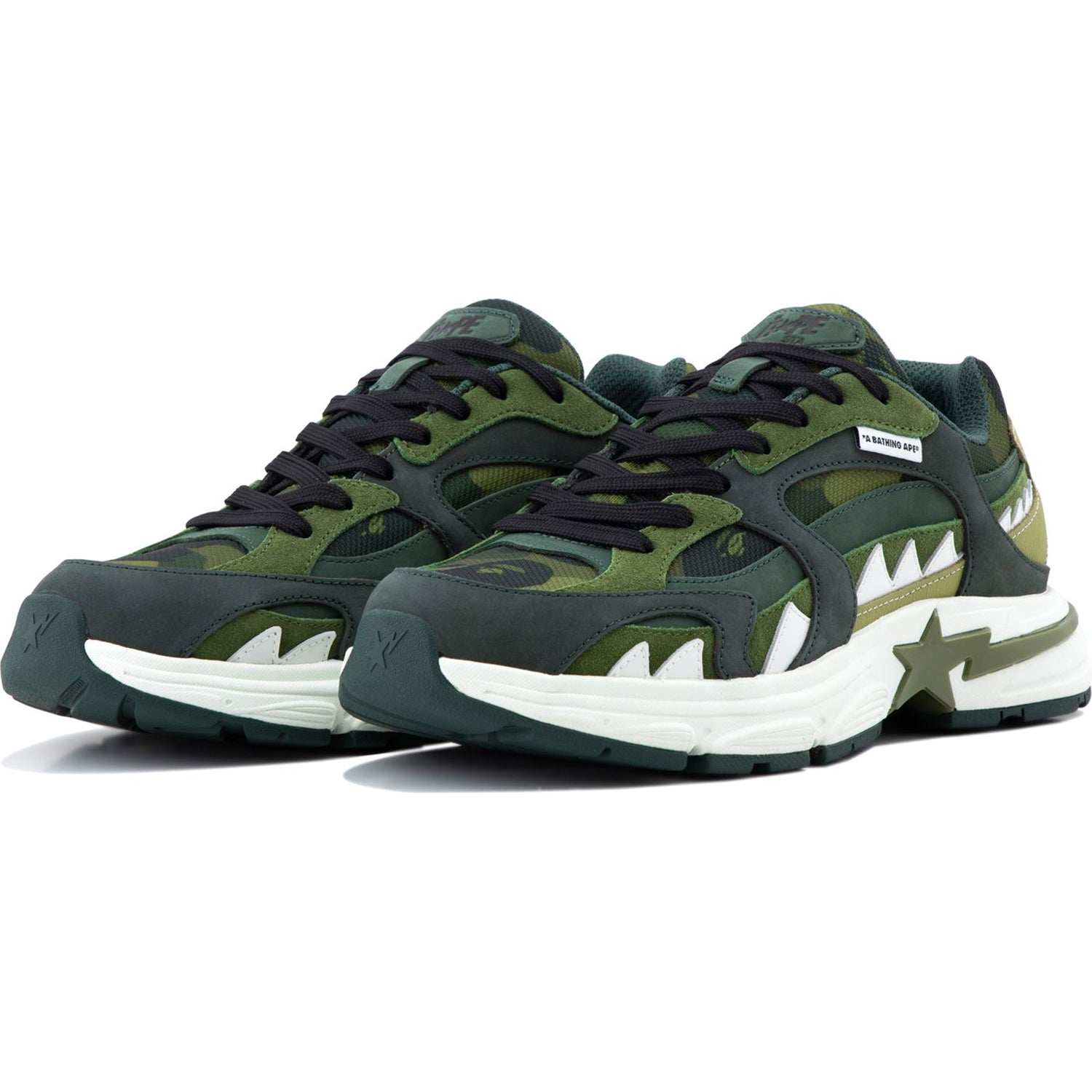
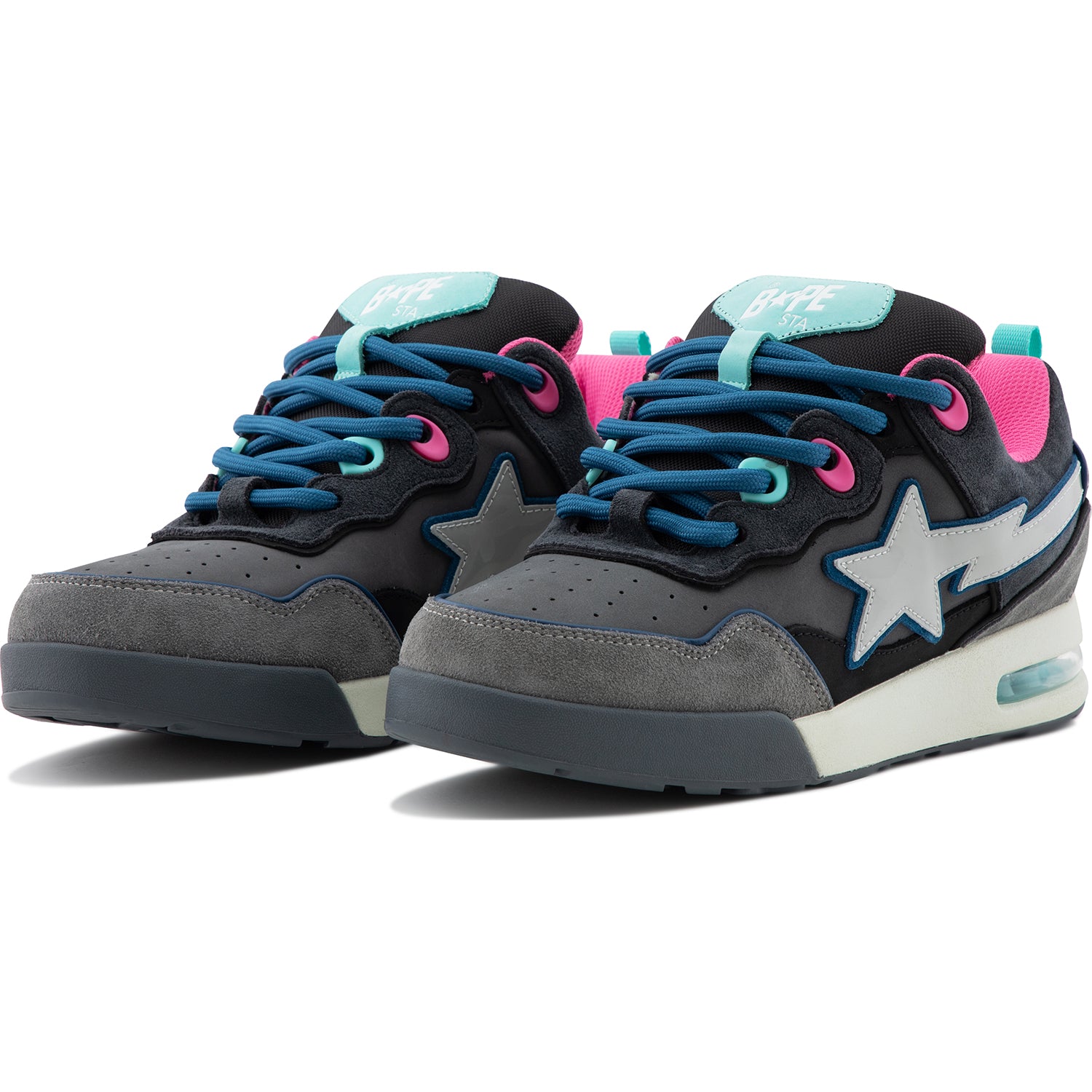
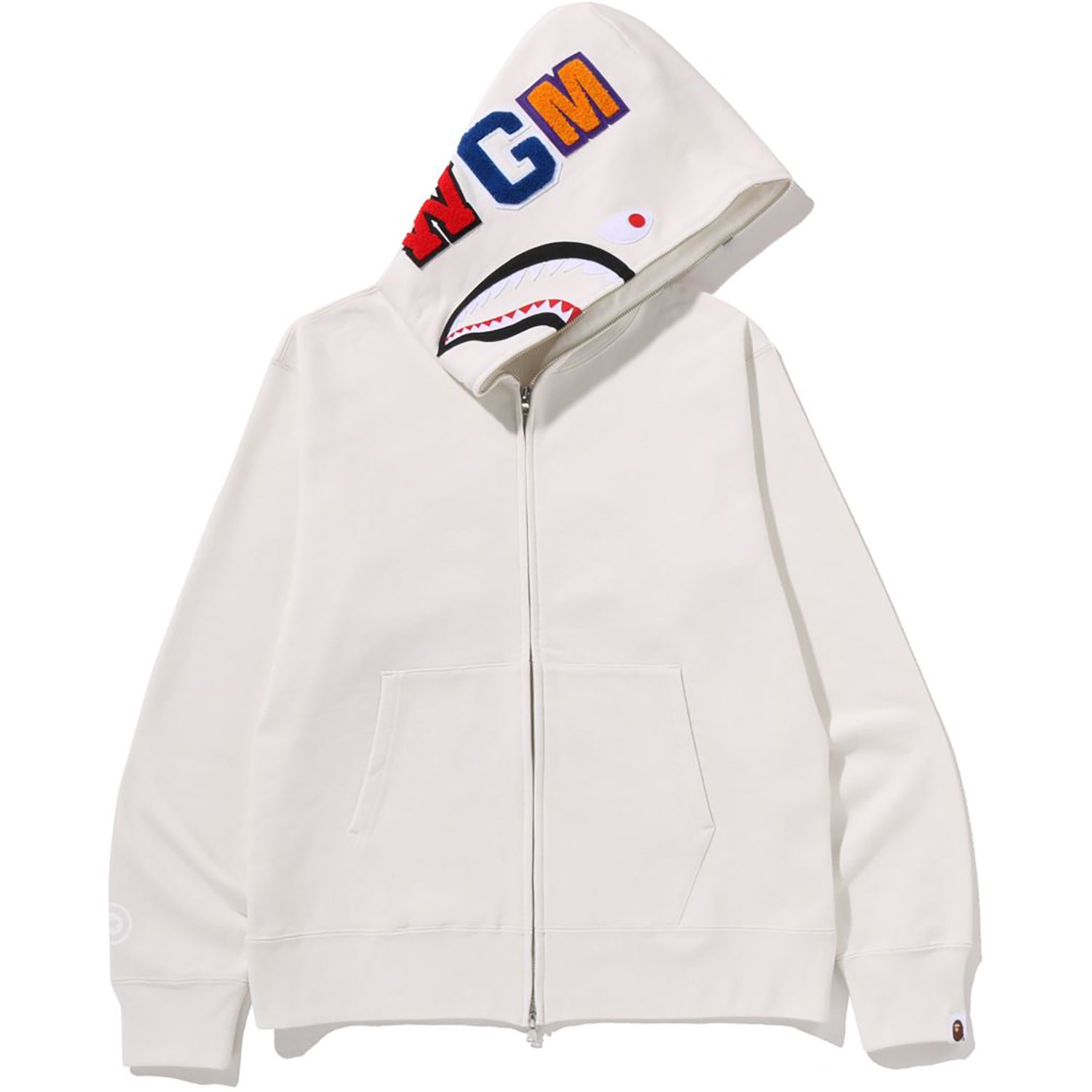
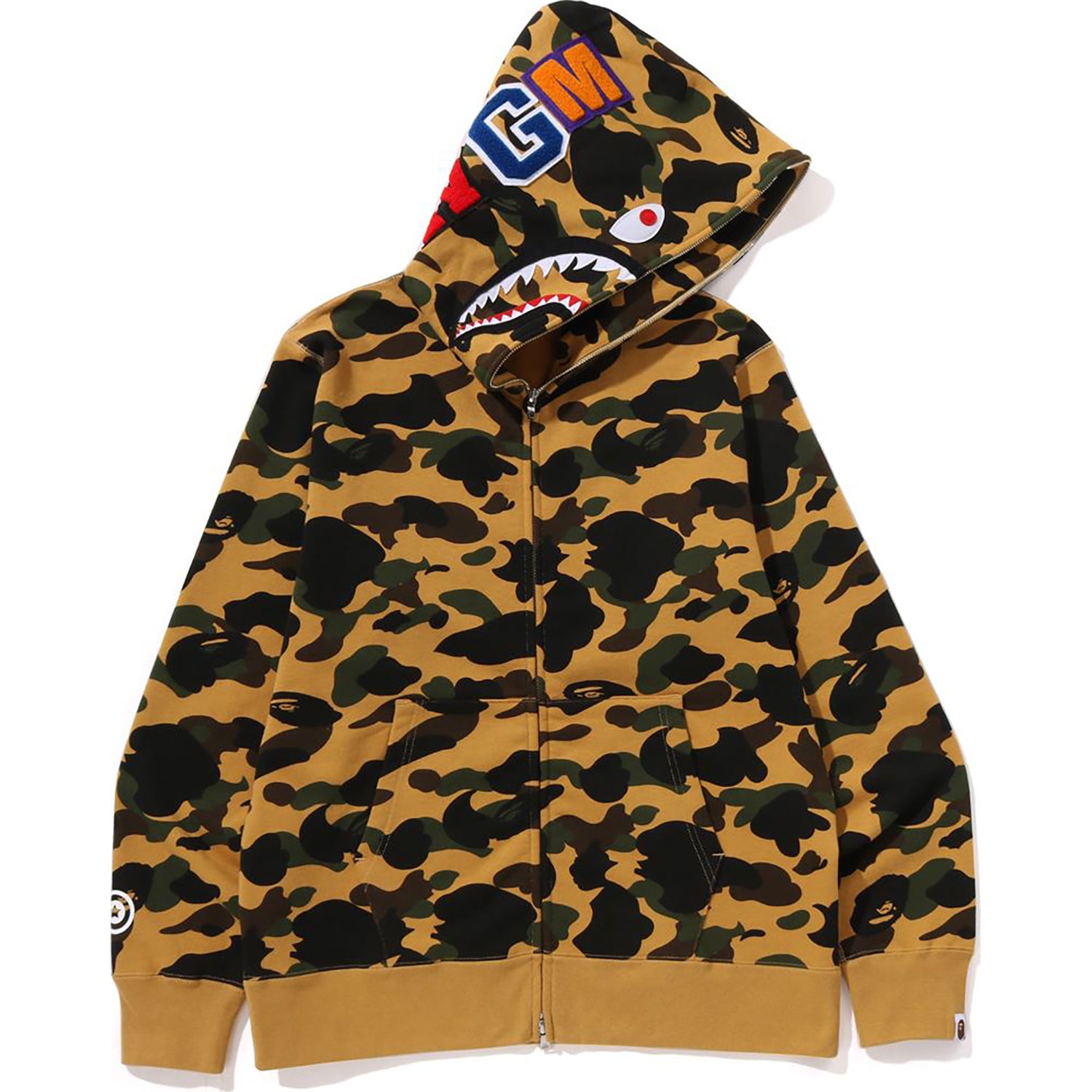
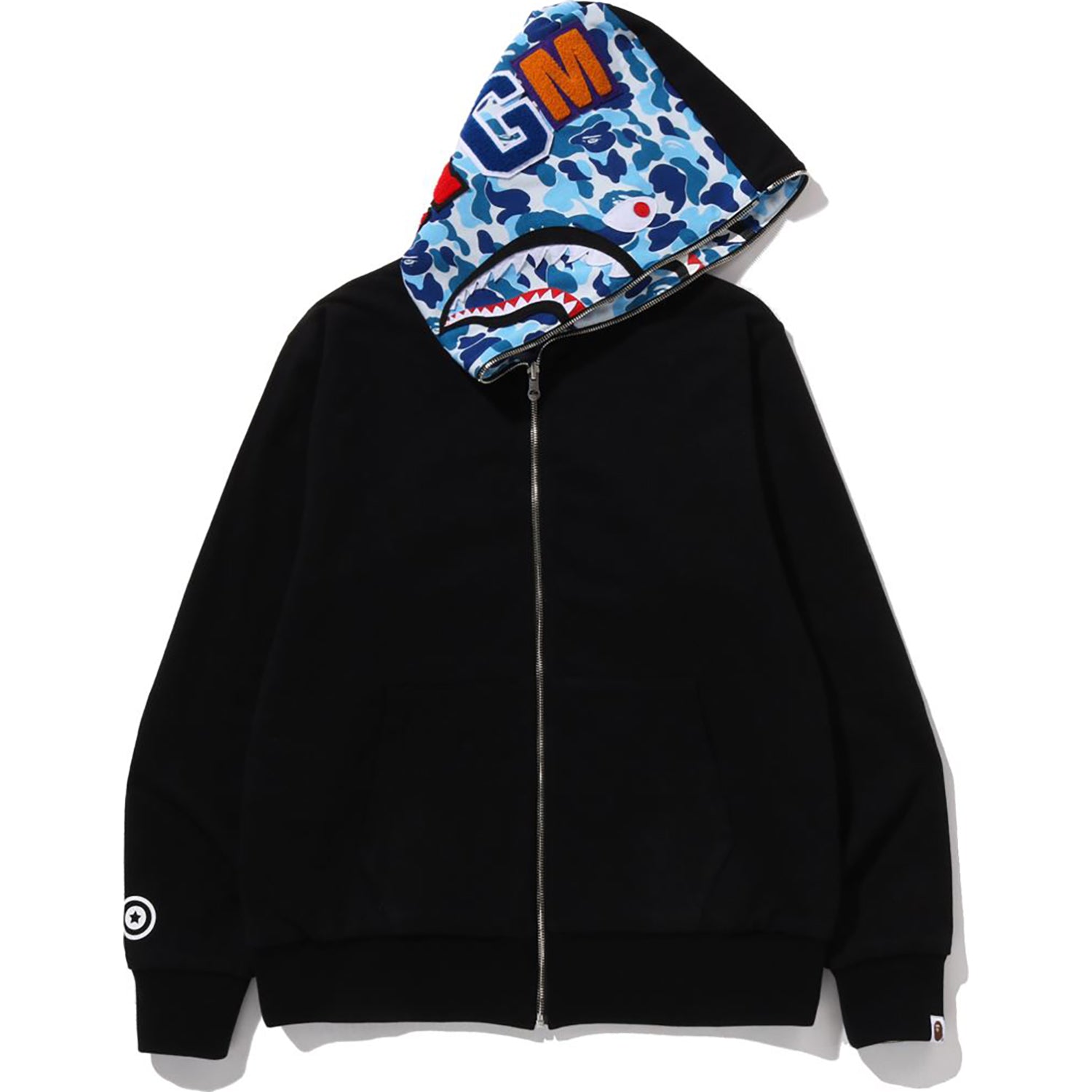
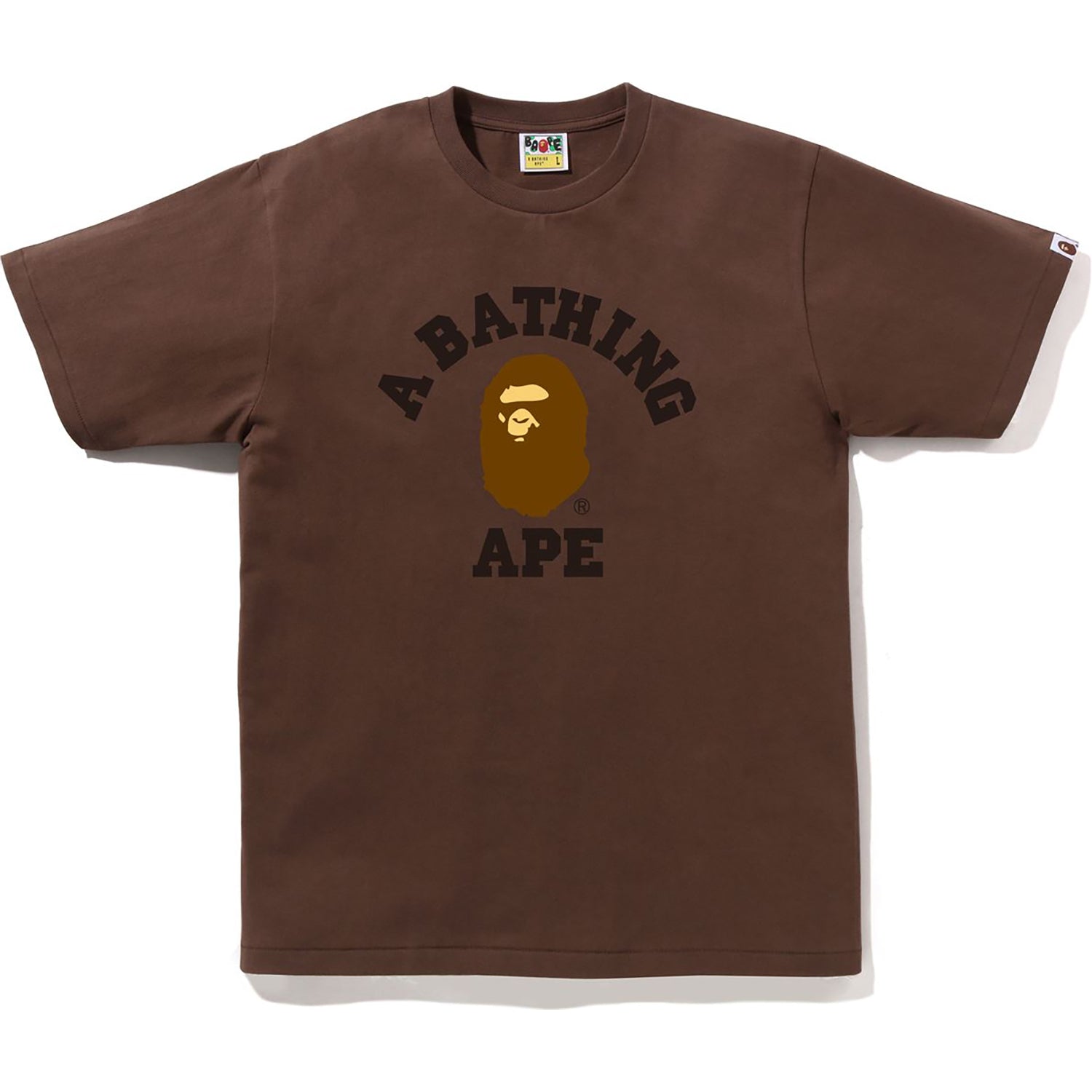
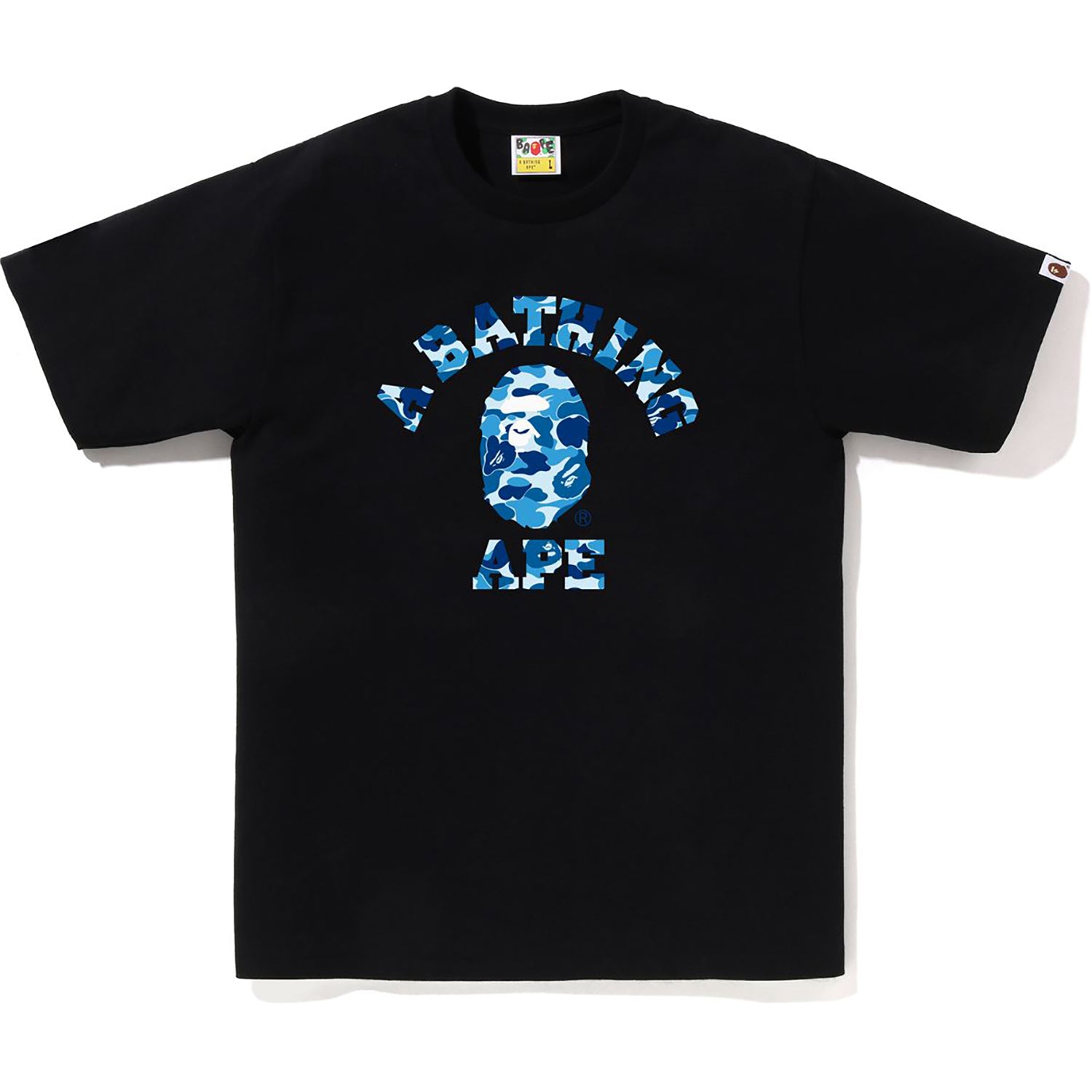
Tap any category to shop every A Bathing Ape deal in it.
Same authentic A Bathing Ape, different prices & codes. We watch all of them so you don't have to tab-hop.
Store codes that stack on A Bathing Ape orders — re-tested in the last few hours. Tap to reveal, copy without leaving the page.
Same quiet-luxury, craft-first sensibility — follow any to widen your alerts.

It depends what you're buying it for. BAPE's appeal has always been built on tightly controlled drops, bold graphics and a deep collaboration history rather than on quiet craftsmanship, so the price carries a lot of brand equity and scarcity. If you love the ape-head camo aesthetic and want a recognisable piece of Japanese streetwear, the marquee items justify themselves; if you only want a warm hoodie, plenty of brands cost far less.
The short answer is scarcity and name. Nigo deliberately produced tiny runs in the early days, making 30 to 50 shirts a week and giving half to friends, and that limited-drop model still drives demand and resale today. You're paying for exclusivity, the brand's hip-hop and Harajuku heritage, and its long line of high-profile collaborations as much as for the fabric itself.
They share a vintage (Supreme opened in New York in 1994, BAPE in Tokyo in 1993) but pull from different cultures: BAPE grew out of hip-hop and Japanese street style, while Supreme is rooted in skateboarding. Reach for BAPE if you want loud, playful graphics like the camo and shark motifs; choose Supreme for minimalist box-logo pieces and skate heritage. Both lean heavily on hype and collaborations.
Nigo named the brand after the 1968 film Planet of the Apes, and 'BAPE' is short for 'A Bathing Ape in Lukewarm Water.' In Japan people typically bathe in water above 40°C, so soaking in lukewarm water means lingering until it goes cold — an ironic dig at the lazy, overindulgent younger generation that made up the brand's own customers.
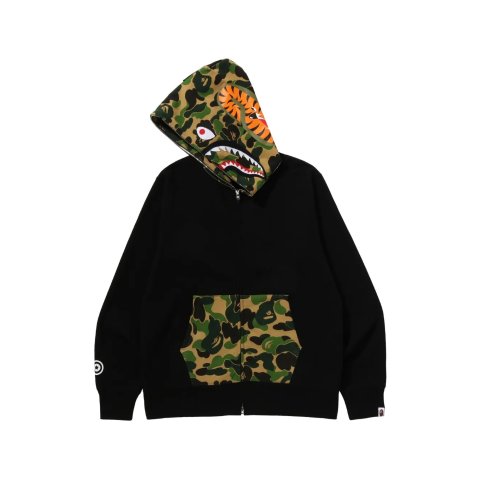
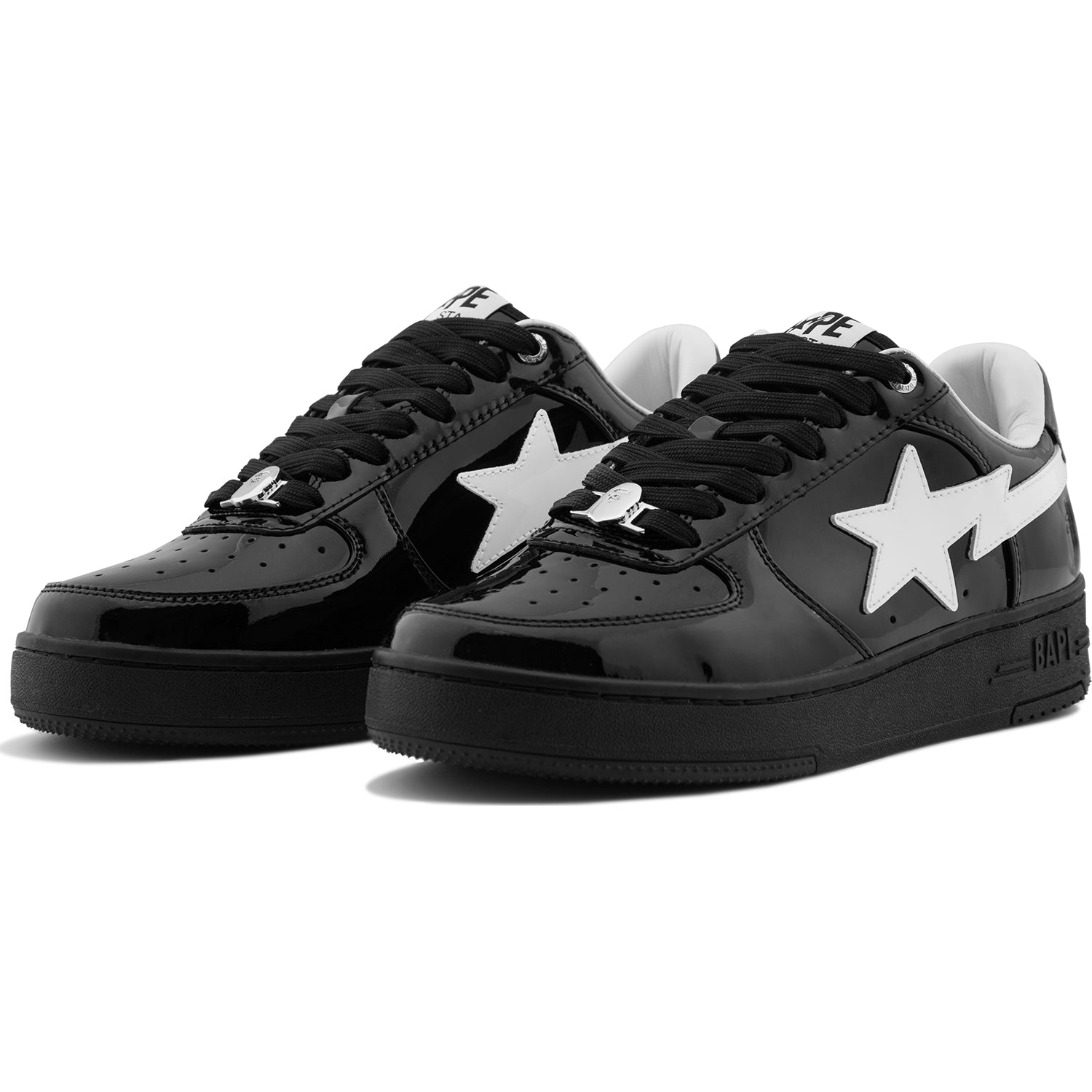
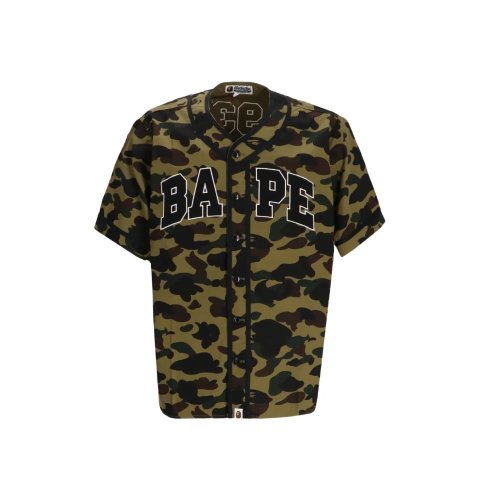
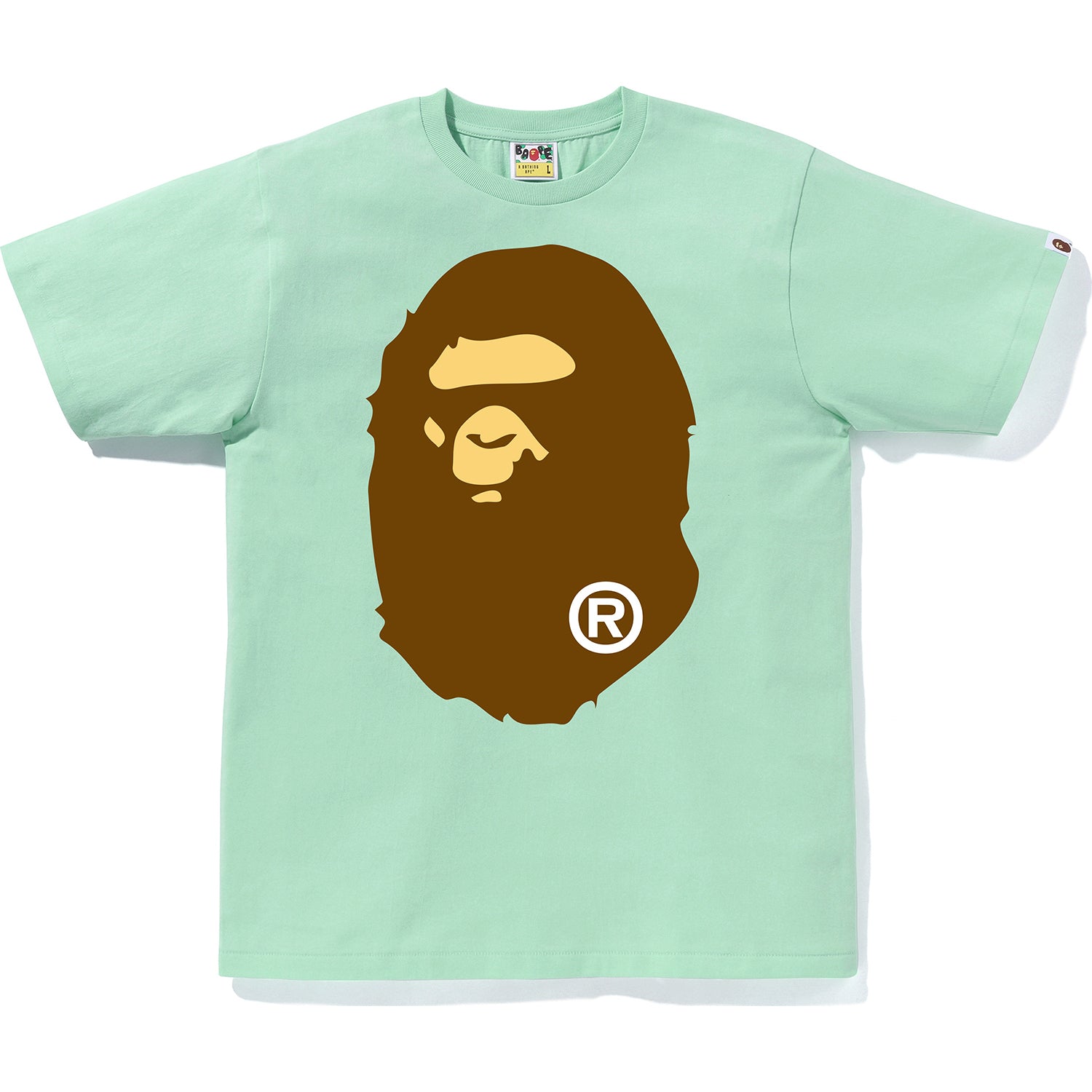
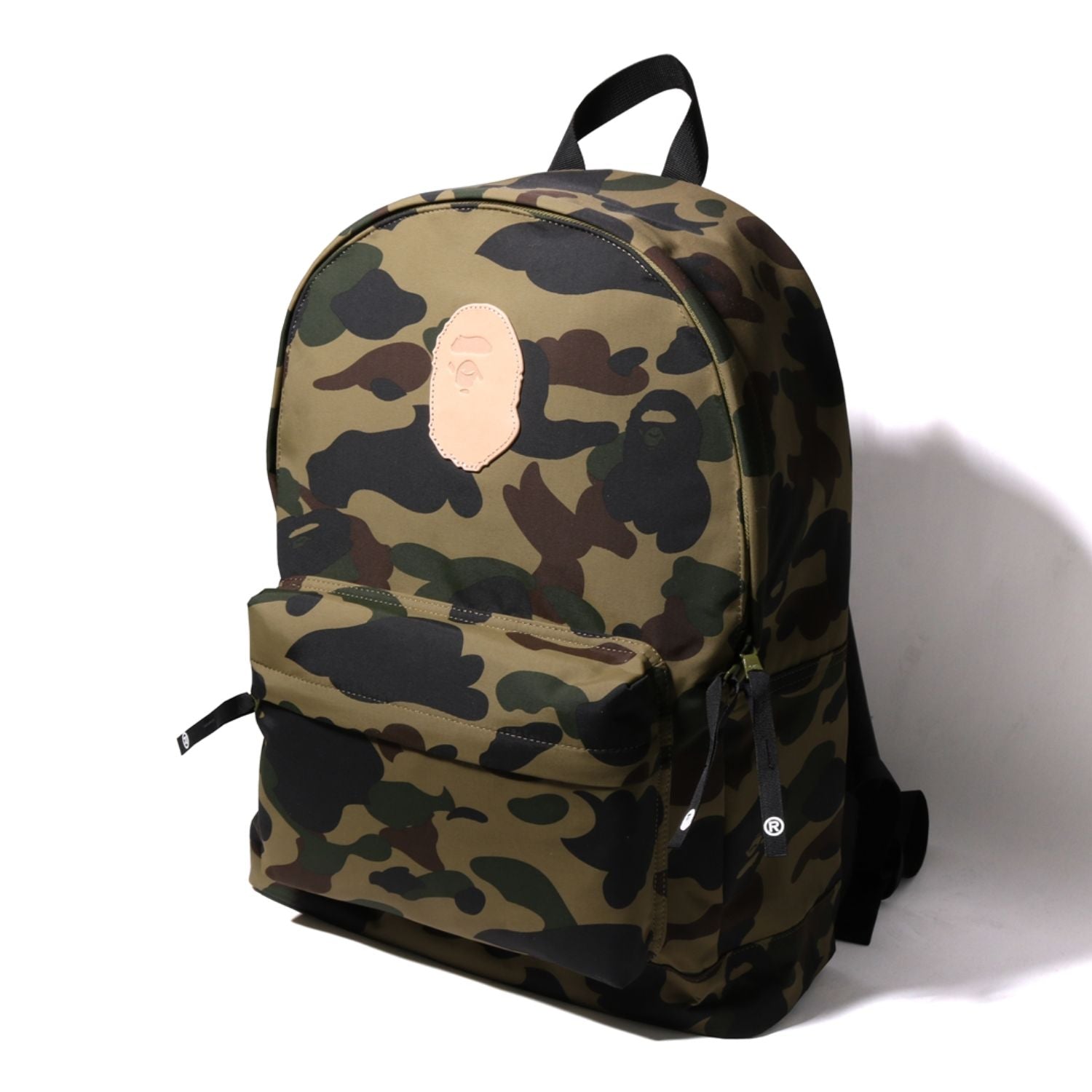
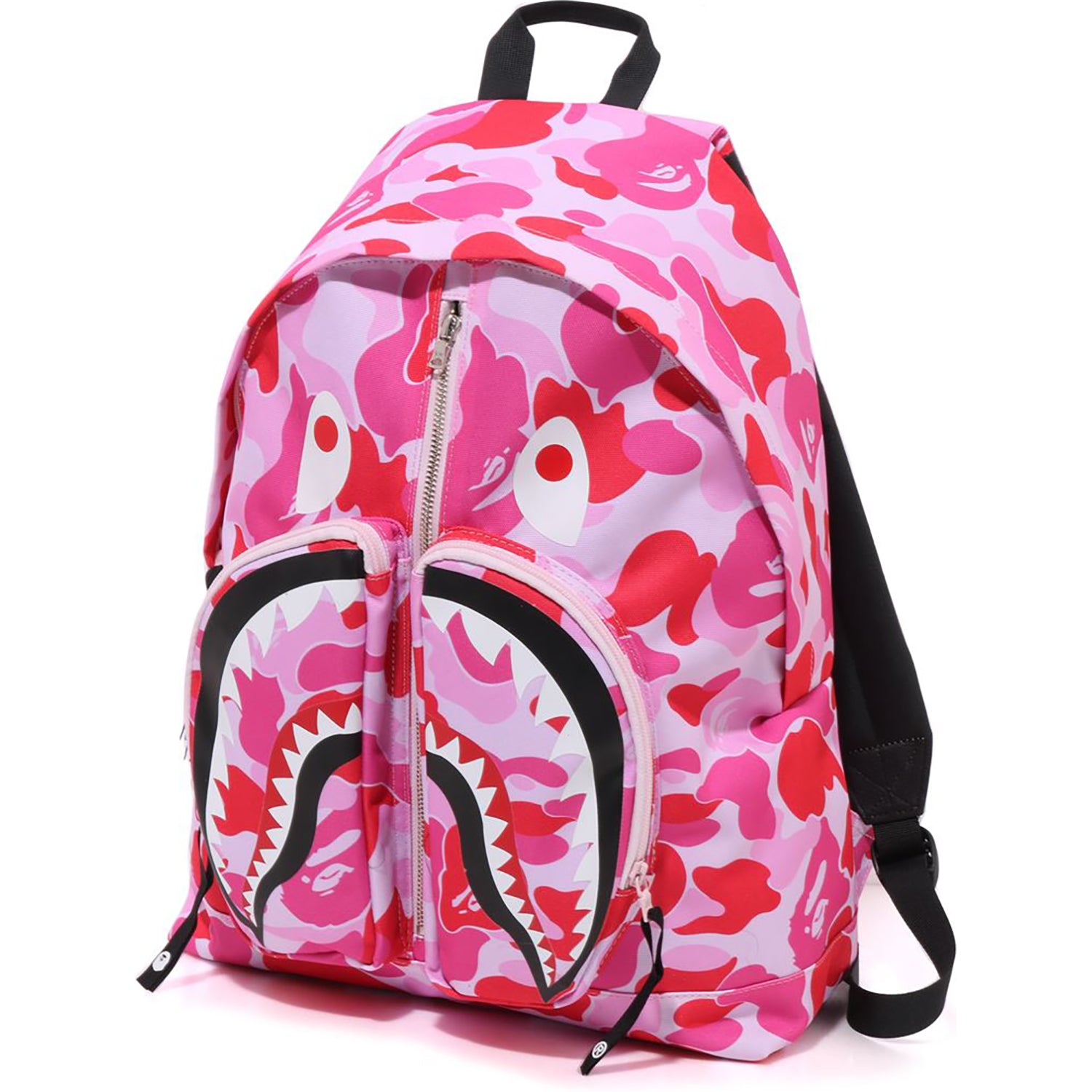
Both are signatures. The ape-head logo and the brand's distinctive camouflage print run across hoodies, jackets, tees and the Bapesta sneaker, and they're the visual shorthand that made BAPE a cornerstone of Japanese urban fashion. The graphics are deliberately bold and playful, which is what set the label apart when Nigo launched it in Ura-Harajuku.
They all trace back to Nigo. A Bathing Ape (BAPE) is the original 1993 line; Nigo later founded the secondary lines AAPE (by A Bathing Ape) and BAPY (Busy Working Lady). AAPE is the more accessible, broadly distributed diffusion line, while BAPY was conceived as a women's-focused offshoot.
BAPE was founded in 1993 by Nigo (Tomoaki Nagao) in Ura-Harajuku, Tokyo. He had studied at Bunka Fashion College and worked as an editor and stylist for Popeye magazine; after borrowing four million yen, he opened his first store, 'Nowhere,' on 1 April 1993 alongside Jun Takahashi of Undercover before splitting off his own brand.
No. In February 2011 A Bathing Ape was sold to the Hong Kong fashion conglomerate I.T Group, which bought a 90.27% stake for about US$2.8 million. Nigo stayed on as creative director for two more years and then left the brand in 2013.
Very much so. BAPE has built its reputation on partnerships, working with everyone from Pepsi, Coca-Cola and Rimowa to Marvel, Nintendo, DC Comics and Hello Kitty, plus artists like the Beastie Boys and Wiz Khalifa. It also launched BAPE Black Label with Chris Brown as its face. Those limited tie-ins are often the most sought-after pieces, so collabs are central to the brand's value rather than a side note.
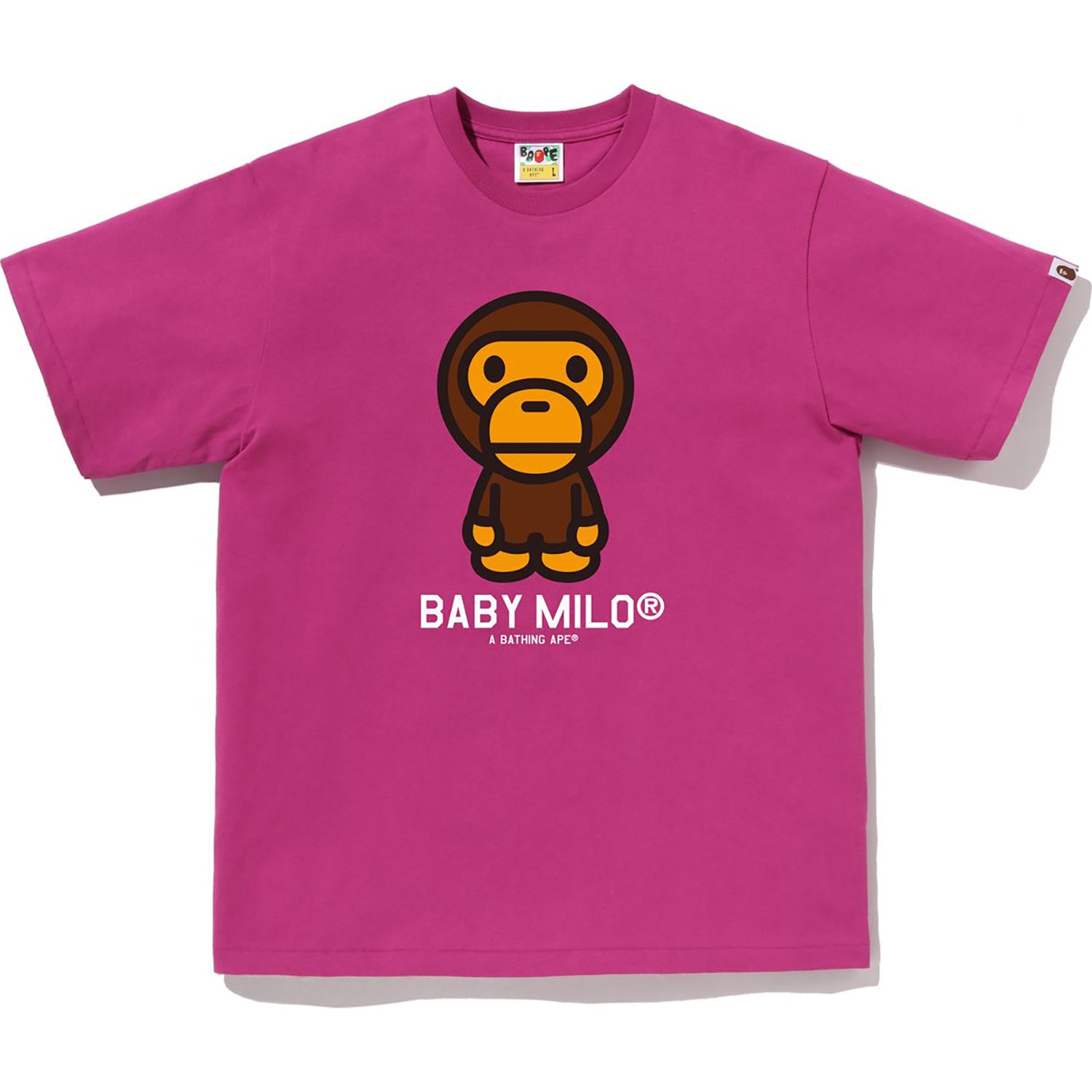
BABY MILO is BAPE's cartoon-ape character and one of the in-house properties Nigo built around the brand, alongside ventures like the Bape Café and Bape Cuts hair salon. The Milo character appears across accessories and apparel and has become a friendly, collectible counterpoint to the harder-edged camo and shark pieces.
BAPE runs 19 stores in Japan, including Bape Stores, Bape Kids Stores and the flagships Bapexclusive Aoyama and Bapexclusive Kyoto, with the Kyoto location also housing Bape Gallery for events and art shows. It also operates shops in Hong Kong, Taipei, Beijing and elsewhere, so the brand's home base is still firmly Japanese even after the I.T acquisition.