Brand · Cashmere knitwear · Scottish roots

Ballantyne

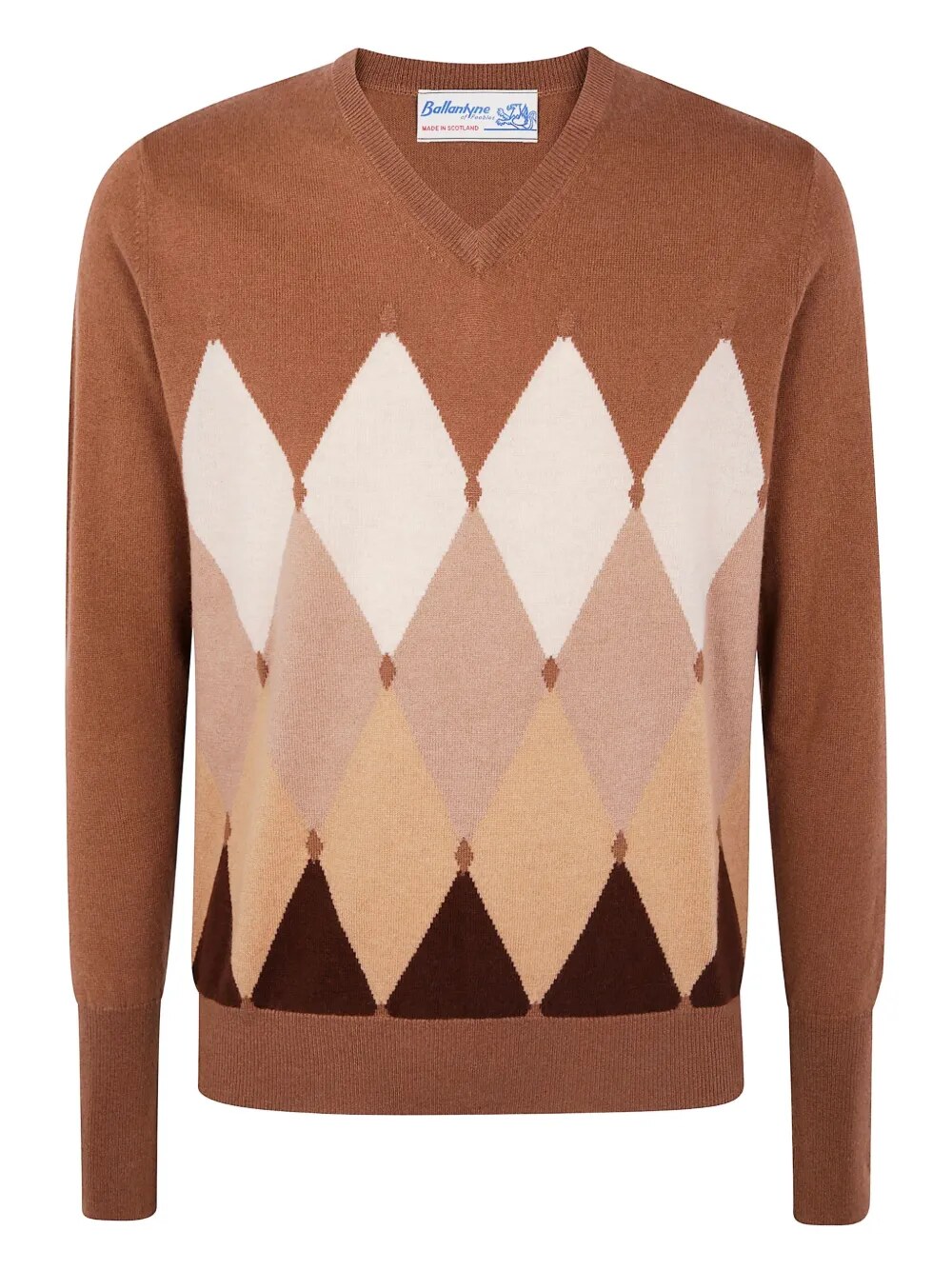
Argyle cashmere with a Scottish Borders heritage — a knitwear name now made in Italy.

Ballantyne
Re-checked daily
Ballantyne is a knitwear and fashion brand with roots in the Scottish Borders textile industry, where the Ballantyne family has worked in textiles since the 17th century — its several woollen enterprises amalgamated into a single company in 1920.

The family's mills ran deep: David Ballantyne rented Caerlee Mills at Innerleithen — the first woollen mill in the Scottish Borders — and his son Henry founded Henry Ballantyne & Sons in 1847. After the 1920 merger, knitting began in 1921 to use up surplus yarn, growing into cashmere knitwear and, through intarsia technique, a lasting association with argyle patterns. By 1963 the firm employed 400 people, famed for the quality of its luxury cashmere.

Facing financial difficulty in the early 21st century, the brand was acquired in 2004 by the Italian fund Charme Investments and has since been operated from Italy; the original Scottish mill, Caerlee, closed in 2013. In 2014 designer Fabio Gatto acquired Ballantyne, refocusing it on knitwear as its core.
Ballantyne shopping FAQ

Is Ballantyne cashmere worth it?+

Ballantyne built its name on luxury cashmere knitwear, and over the 20th century it became famous for the quality of that production, rivalling the great Hawick houses. Whether a sweater justifies its price comes down to how much you value the brand's heritage and the hand of fine cashmere versus a more everyday knit. If you love its history and intarsia tradition, the answer leans yes; if you only want warmth, there are cheaper paths.

Is Ballantyne cashmere good quality?+

Historically, very. From the 1920s onward Ballantyne developed intarsia knitwear and earned international recognition for its luxury cashmere, employing 400 people at its factory by 1963. One thing to keep in mind: the original Scottish mill at Caerlee closed in 2013, and production has since been run from Italy, so a vintage Scottish-made piece and a current Italian-made one are not the same animal.

How does Ballantyne cashmere compare to Loro Piana?+

Both sit at the luxury end of cashmere, but they come from different traditions. Ballantyne's roots are in the Scottish Borders knitwear trade and its signature intarsia and argyle patterning, while Loro Piana is an Italian house better known for fabric and ultra-soft yarns. Many enthusiasts prize Ballantyne specifically for its patterned, knitted-in-Scotland heritage rather than plain luxury basics.

What is Ballantyne's signature pattern?+

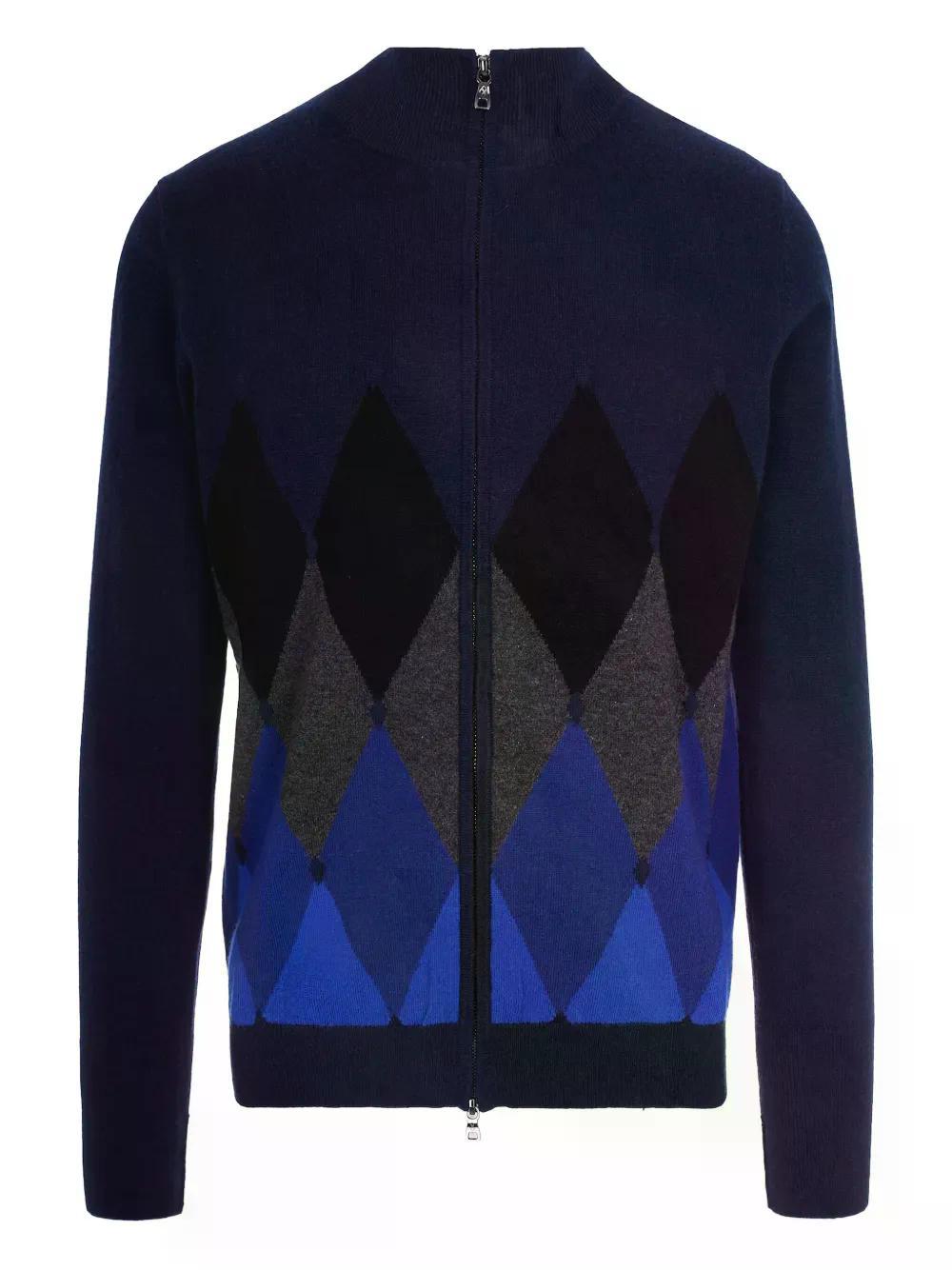
The argyle. During the 1920s and 1930s Ballantyne developed its intarsia knitwear techniques and became particularly associated with argyle patterns, the diamond-and-cross-stitch motif worked directly into the knit. That intarsia diamond is the look most closely tied to the house's name.

Where is Ballantyne cashmere made now?+

In Italy. Although the family's textile roots run deep in the Scottish Borders, the brand was acquired in 2004 by the Italian investment fund Charme and has since been operated from Italy. The original Scottish factory, Caerlee Mills, ceased operations in 2013, so contemporary Ballantyne is an Italian-run brand with a Scottish lineage.

What is the history behind Ballantyne?+

The Ballantyne family has been in Scottish textiles since the 17th century, tracing back to William Ballantyne, a weaver from Galashiels born in 1650. Several family woollen enterprises in the Scottish Borders were amalgamated in 1920 into a single company, which from 1921 added knitting and grew into a cashmere house of international standing.

Why did Ballantyne start making cashmere knitwear?+

Almost by accident. In 1921 the company introduced knitting operations initially just to use up surplus yarn, producing men's golf hose. The experiment proved successful and expanded into cashmere knitwear, including men's pullovers and women's sweaters, which eventually became the heart of the business.

Who owns Ballantyne today?+

Italian designer Fabio Gatto, who acquired the brand in 2014 for roughly 5 to 6 million euros. Gatto took the roles of president and creative director, while his son Umberto Gatto became chief executive. Under their ownership the distribution network was restructured with a renewed focus on knitwear as the brand's core business.

Should I buy vintage or new Ballantyne?+

It depends on what you are after. Pieces from the Scottish era, made before the Caerlee mill closed in 2013, carry the original mill's provenance that many collectors seek out. Current Ballantyne, produced under Italian ownership since the mid-2010s, keeps the intarsia knitwear tradition alive in a modern line. Both have a following; check where and when a piece was made before you commit.

How should I care for a Ballantyne cashmere sweater?+

Treat it gently and it will last for years. Hand-wash or use a dedicated wool cycle in cool water, never wring it, and dry it flat rather than hanging so the knit keeps its shape. Fold it for storage instead of using hangers, and give it rest days between wears so the fibres recover.