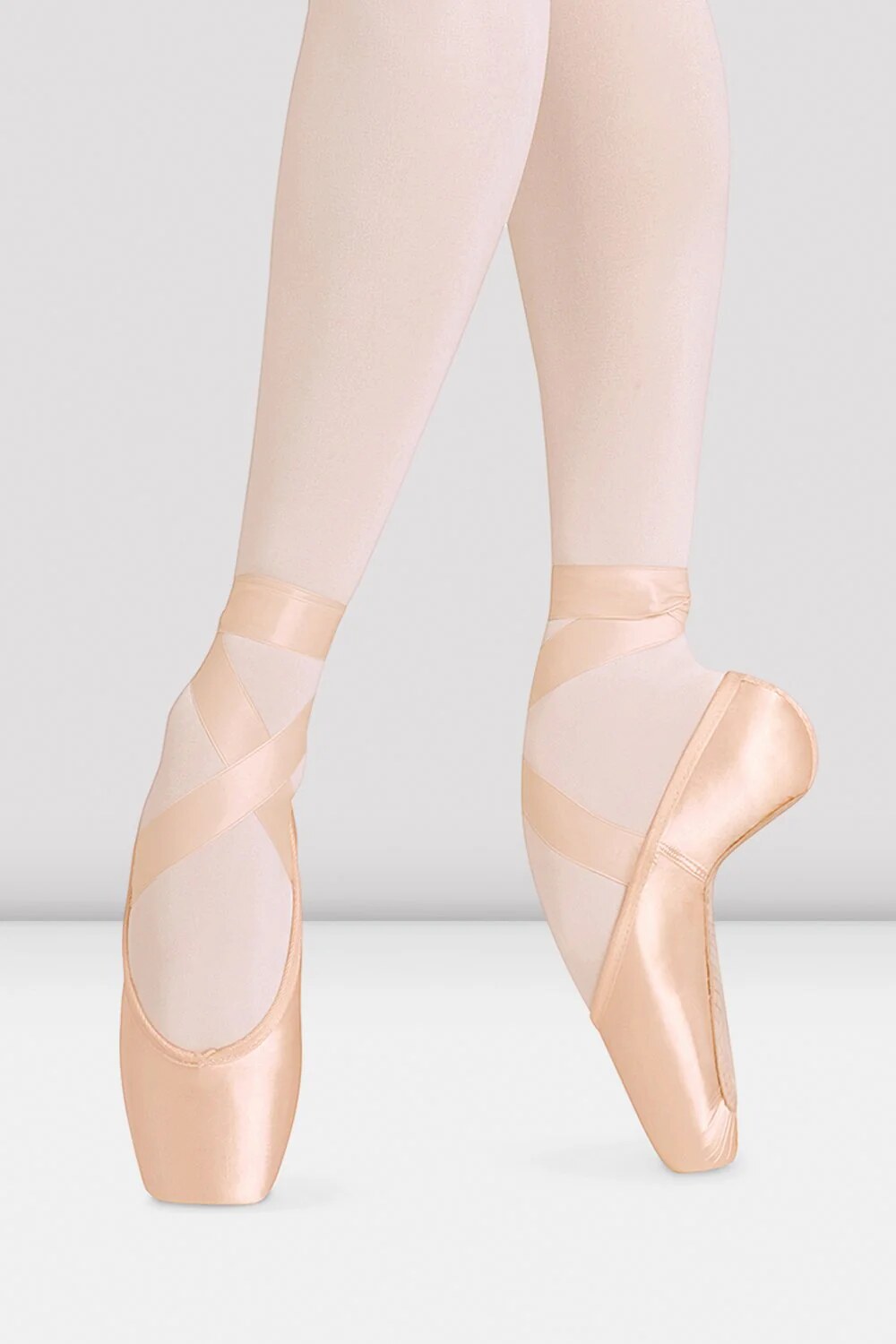
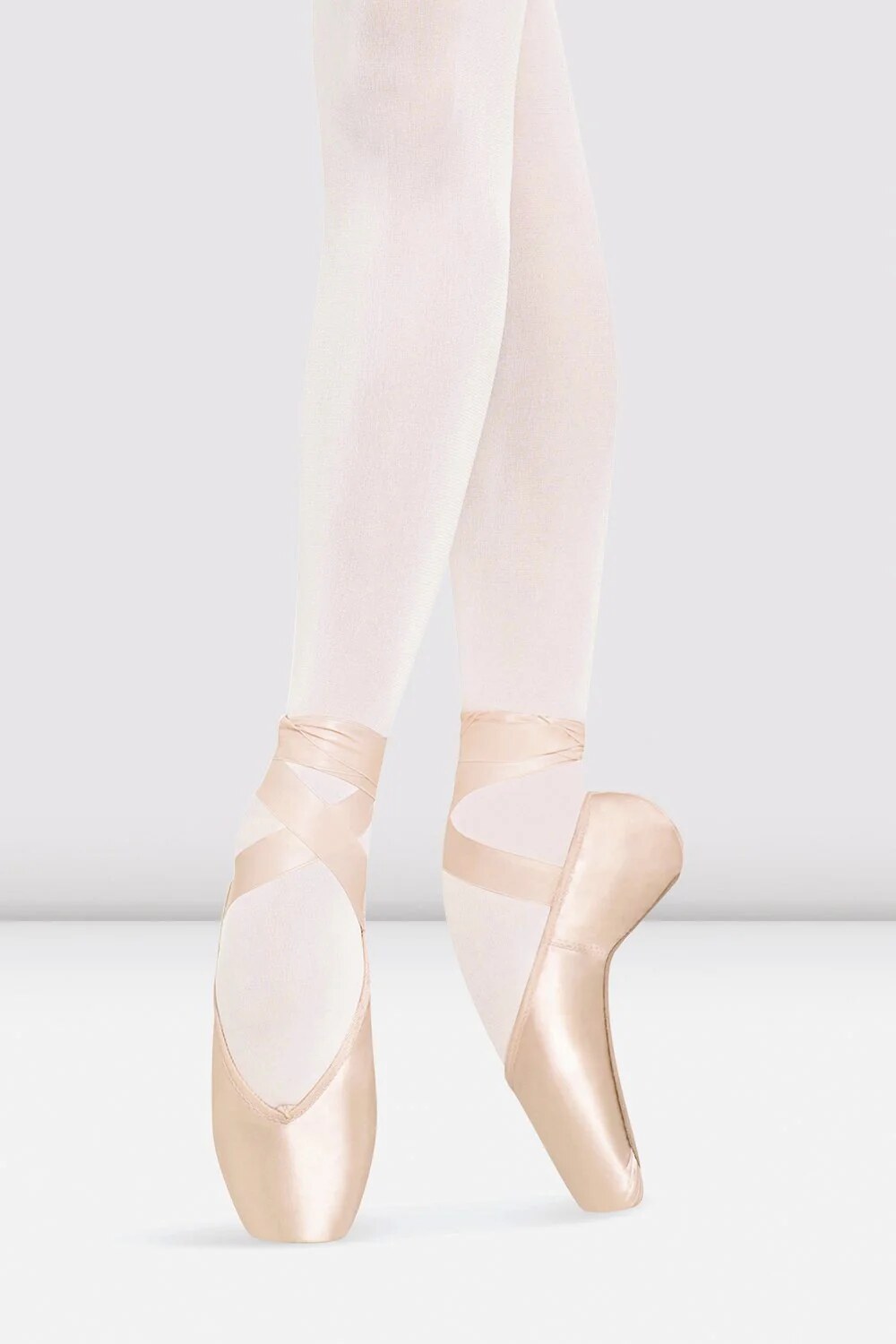
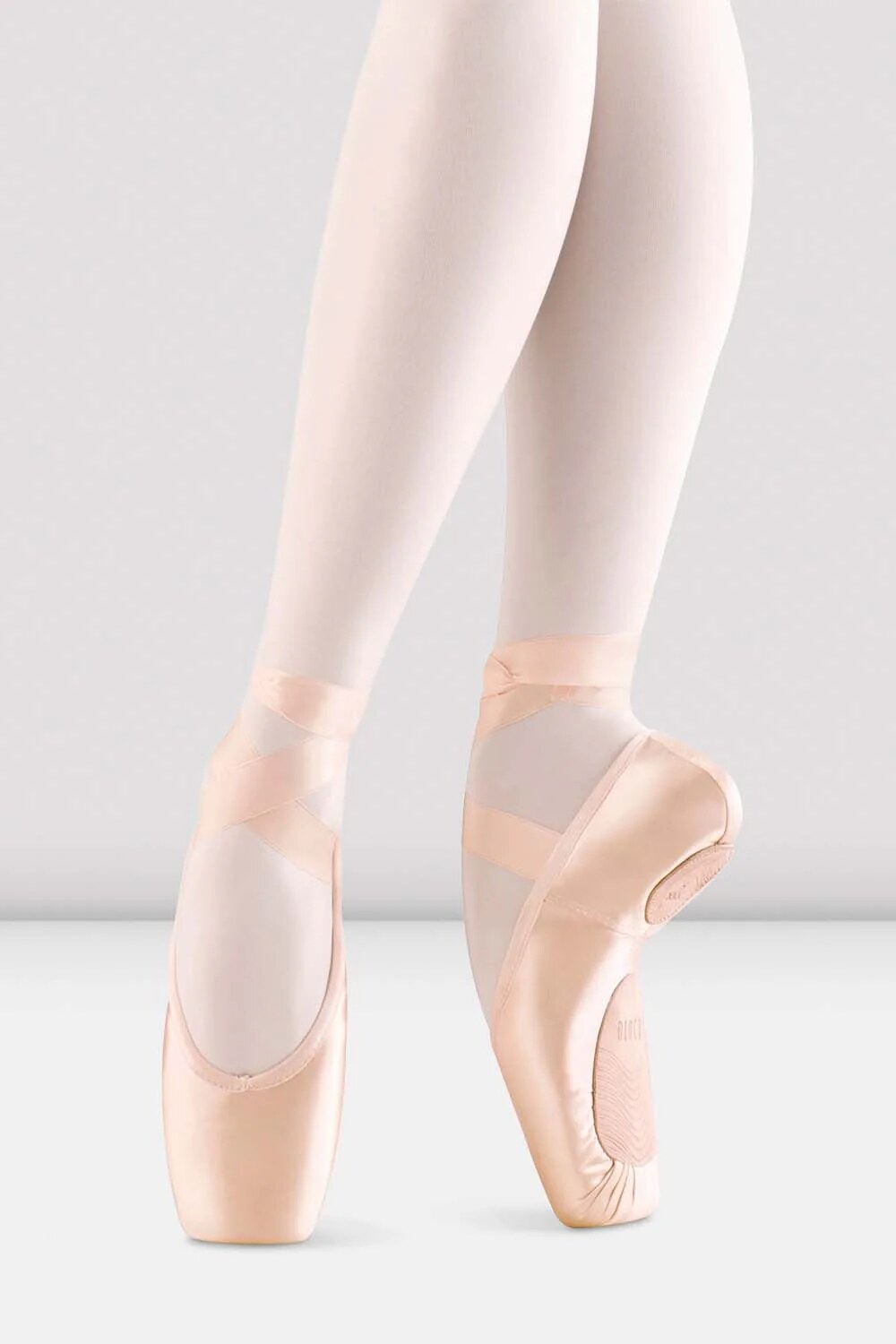
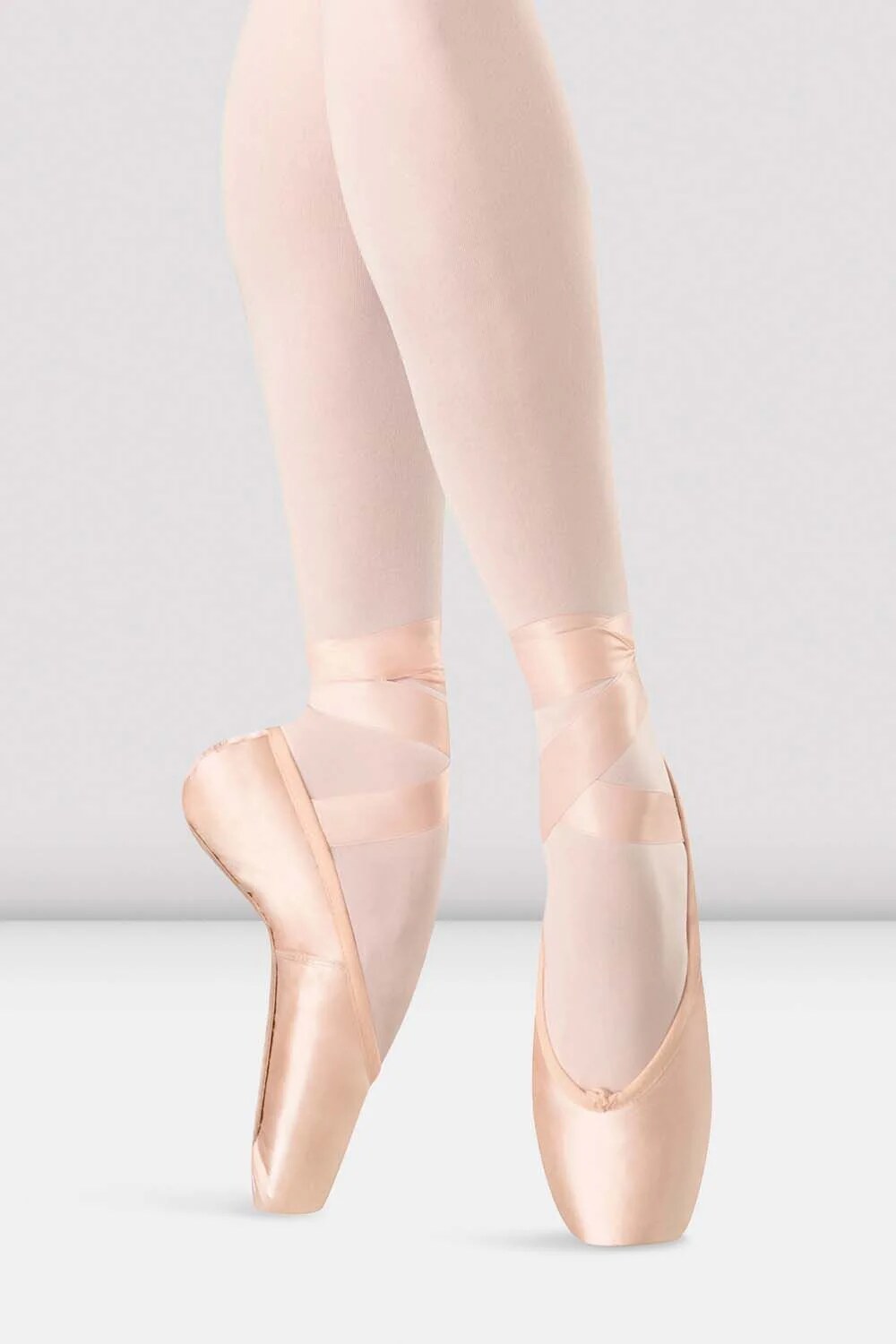
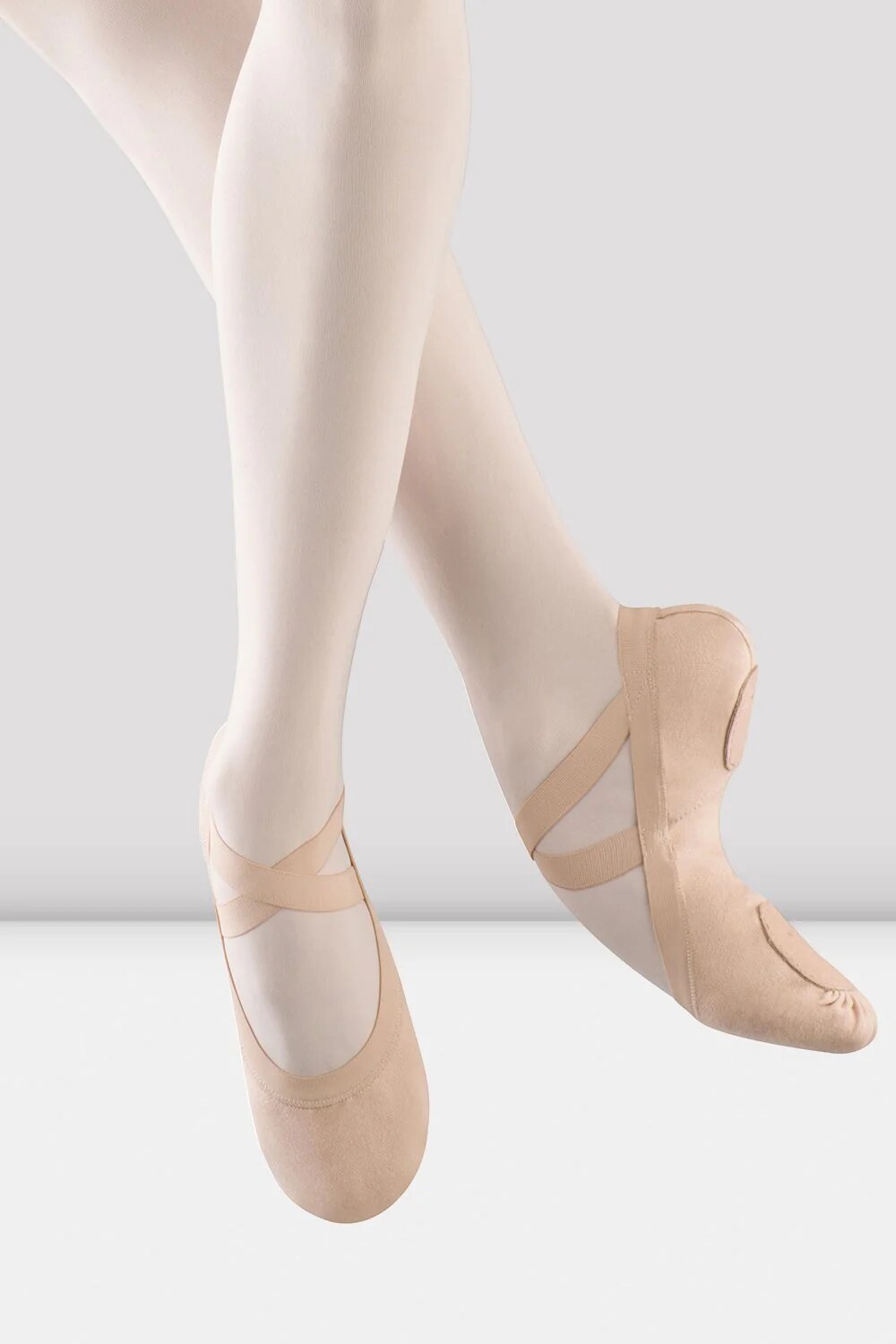
Are Bloch pointe shoes worth it?+
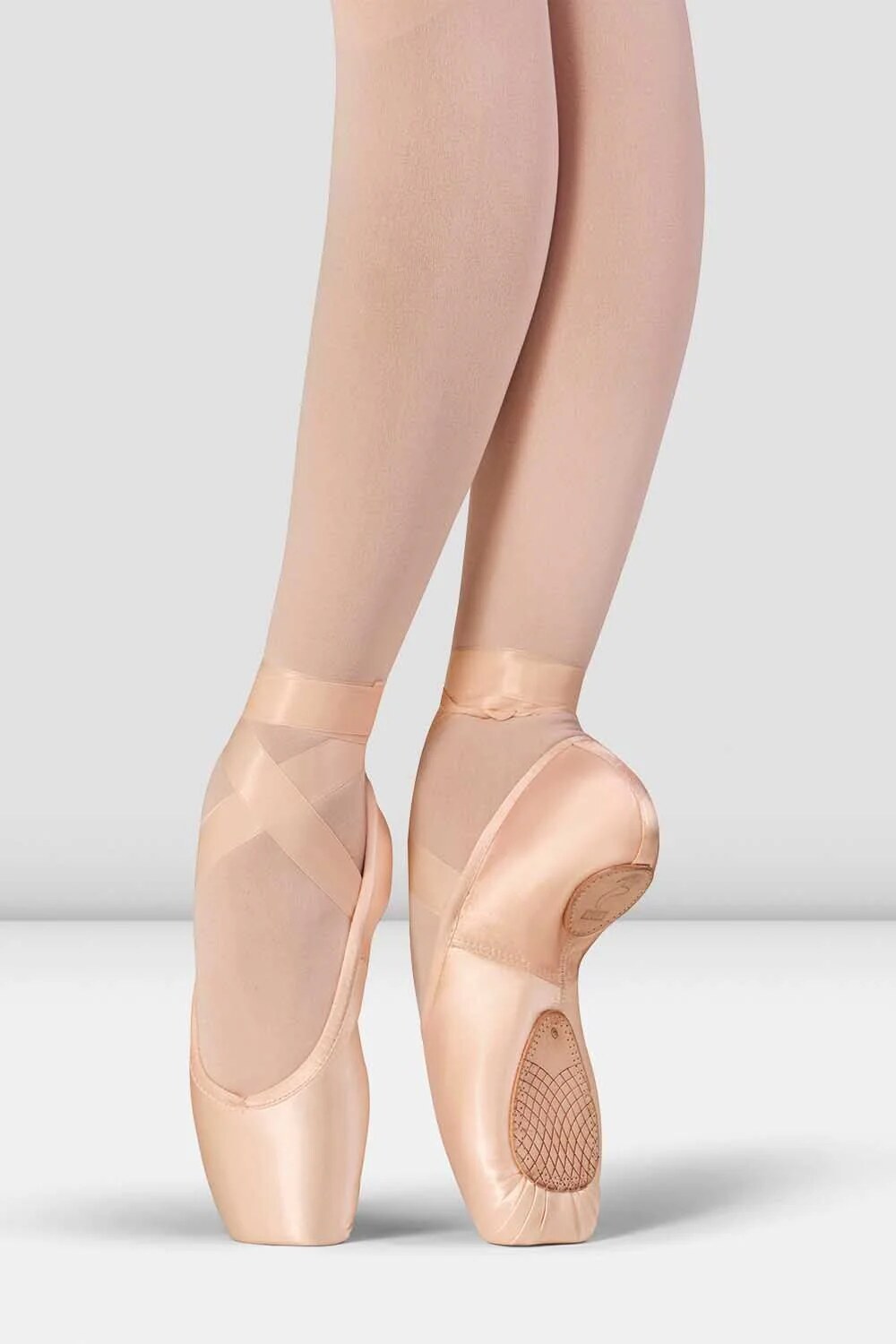
For serious dancers, Bloch is one of the most established names in pointe work, and that pedigree shows in the construction. The brand has been making pointe shoes since the 1930s and supplies dancers across all levels, so you are buying into a long lineage of refinement. Worth always comes down to fit, though, so a proper fitting matters far more than the name on the box.
Which Bloch pointe shoe is best for beginners?+
Beginners are often steered toward Bloch's more forgiving, supportive models, since a secure platform makes the transition to pointe safer and more comfortable. The most important thing is a shoe matched to your foot shape and strength by a trained fitter rather than chosen by reputation alone. A good fitting reduces the risk of blisters and injury as you build the muscles for pointe.
Bloch or Capezio for ballet shoes?+
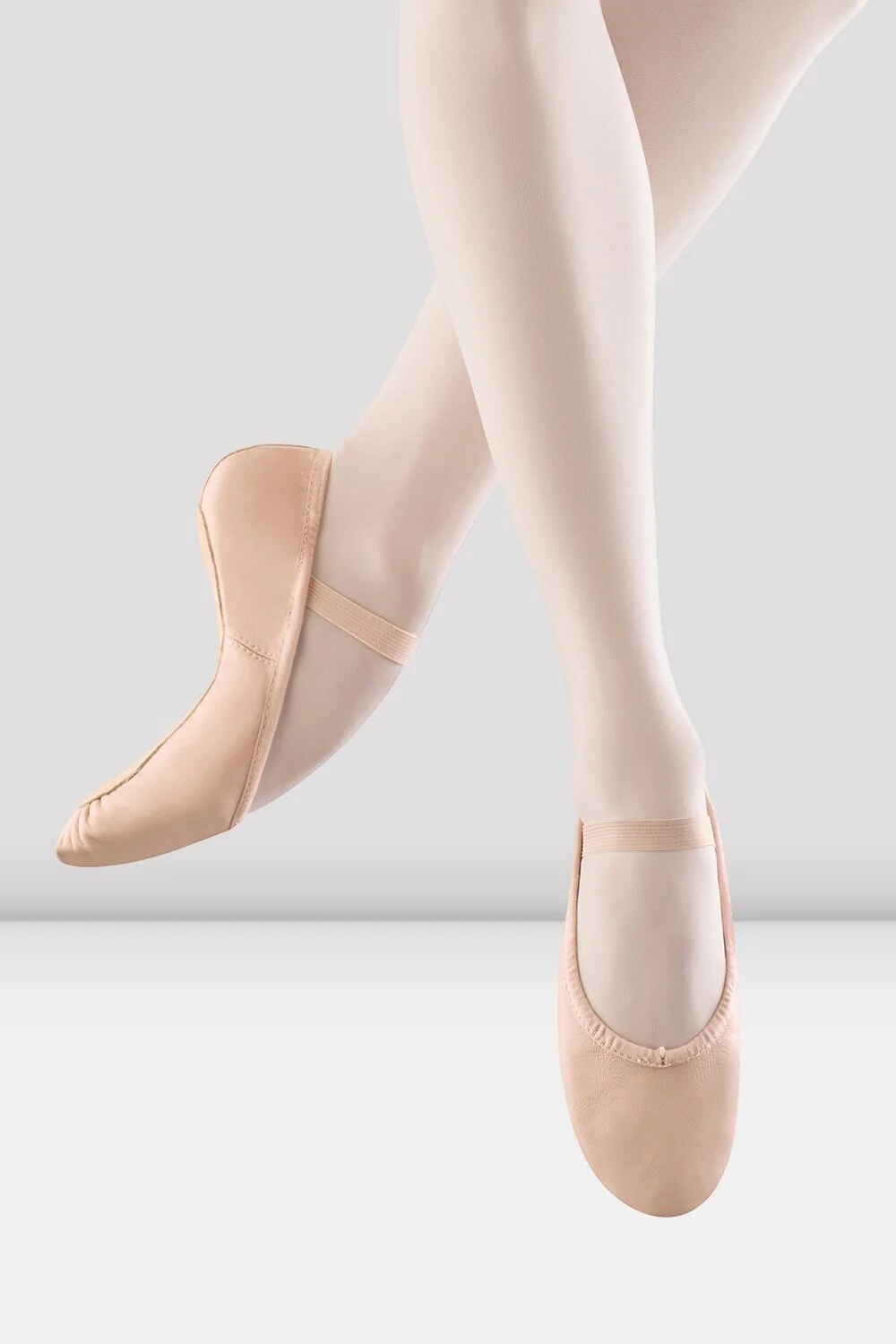
Both are respected dance brands, so it comes down to your foot and your fit. Dancers often find Bloch leather styles hold up well to regular class use, while the brands simply cut and pad their shoes differently. Because fit is the single most important factor in a dance shoe, the right call is whichever brand's last suits your foot, ideally confirmed in person.
What is Bloch best known for?+
Bloch is best known for pointe shoes, the craft the company was built on. Founder Jacob Bloch made his first pair in 1932 after watching a ballet dancer struggle to stay en pointe, and pointe work has remained the heart of the brand ever since. It has since grown into a full dance house spanning ballet flats, jazz, tap, ballroom and more.
How are Bloch pointe shoes made?+
Bloch builds its pointe shoes using a method called turnshoe, and uses three different paste recipes in the box of the shoe. "Paste A" is firm and formulated to withstand heat and humidity, "Paste B" is more malleable so the shoe moulds quickly to the foot but breaks down faster, and the heat-activated TMT (Thermo-Morph Technology) paste lets the shoe be moulded to the foot using hot air from a hair dryer. That range of recipes is part of how Bloch tailors support to different dancers.
Where are Bloch shoes made and where is the company based?+
Bloch is an Australian company, founded in Sydney, with its corporate headquarters still in Sydney today. It also runs a European head office in London. The brand operates a flagship store plus around fourteen other stores across Australia, shops in cities including London, Paris, Amsterdam, Warsaw and New York, with everything else sold through independent dance retailers.
Who founded Bloch and when?+
Bloch was founded by Jacob Bloch, a cobbler who emigrated from Lithuania to Australia in 1931. He began making pointe shoes in a workshop in Paddington, Sydney in 1932 after offering to make an improved pair for a struggling ballet dancer. As word spread, he started selling his pointe shoes throughout Australia.
Did Bloch make shoes for famous ballet dancers?+
Yes. Early in his career Jacob Bloch made custom ballet shoes for visiting Russian ballet dancers, including Tamara Toumanova, David Lichine and Helene Kirsova. Those bespoke commissions helped build the brand's reputation in its formative years. That heritage of dressing professional dancers still underpins the label today.
Does Bloch supply professional ballet companies?+
Yes. Bloch has been the official pointe shoe supplier to The Australian Ballet since 2012, a partnership that speaks to the brand's standing at the professional level. Supplying a national company means the shoes are tested under the most demanding conditions. For everyday dancers, that professional pedigree is part of the appeal.
What products does Bloch make besides pointe shoes?+
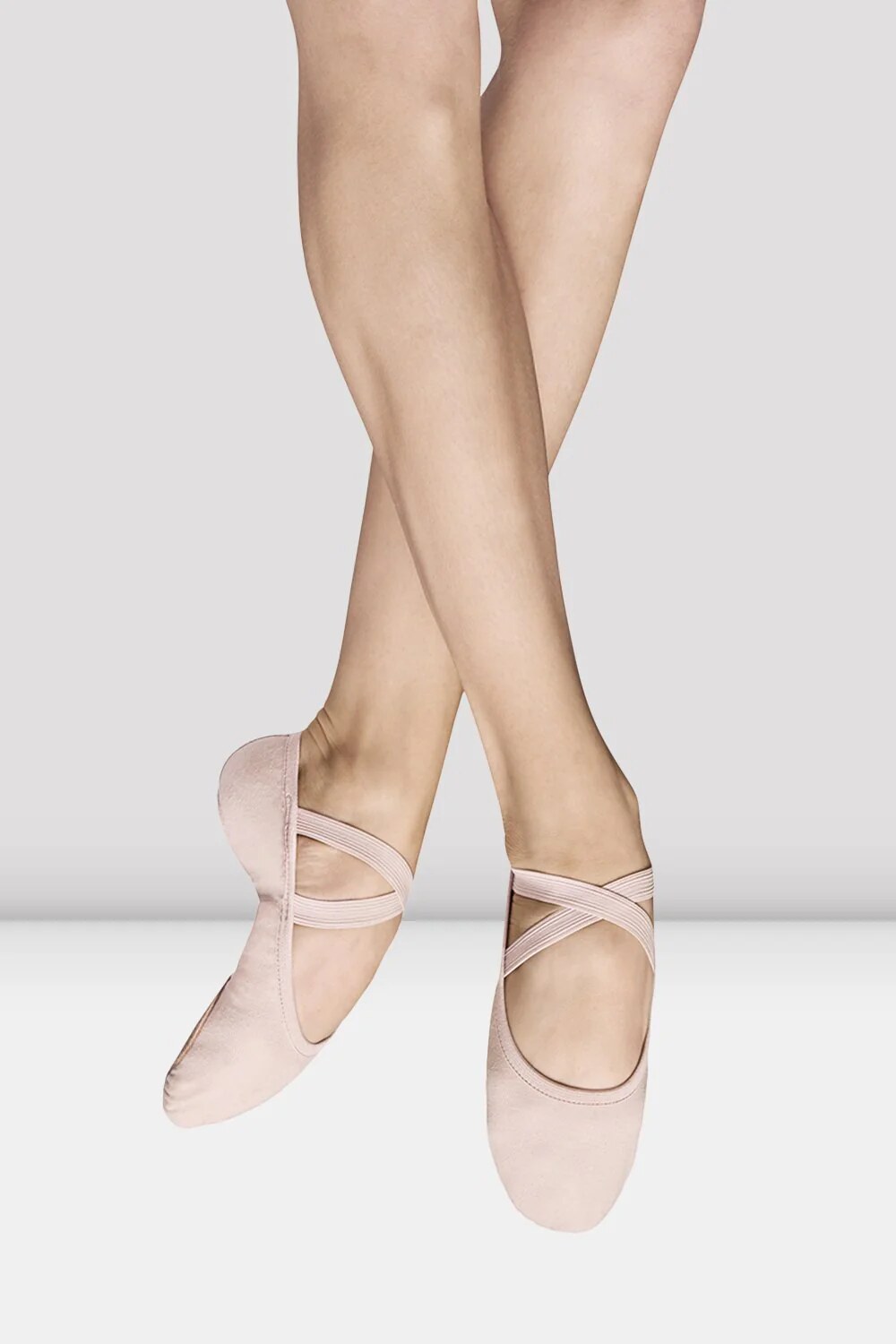
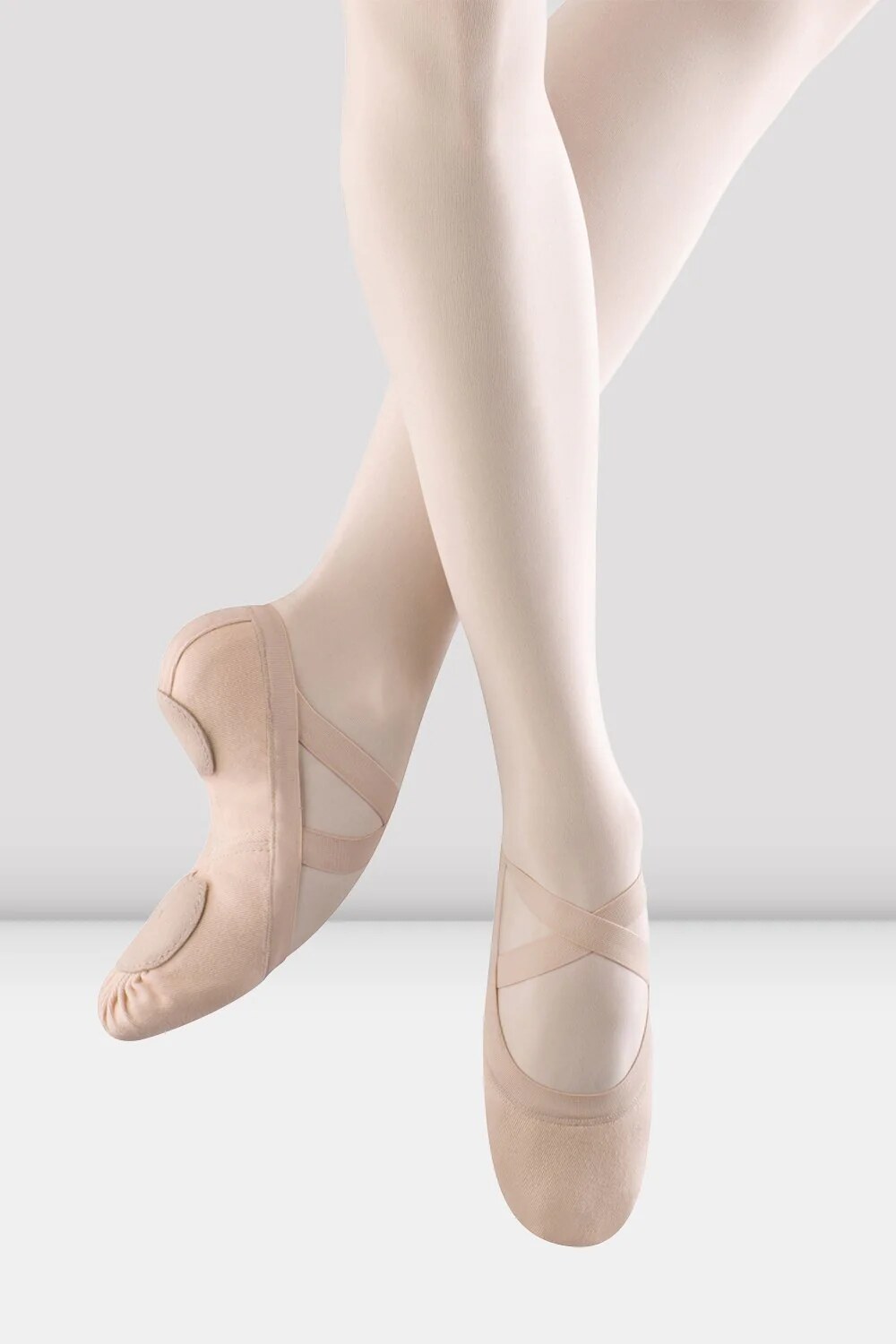
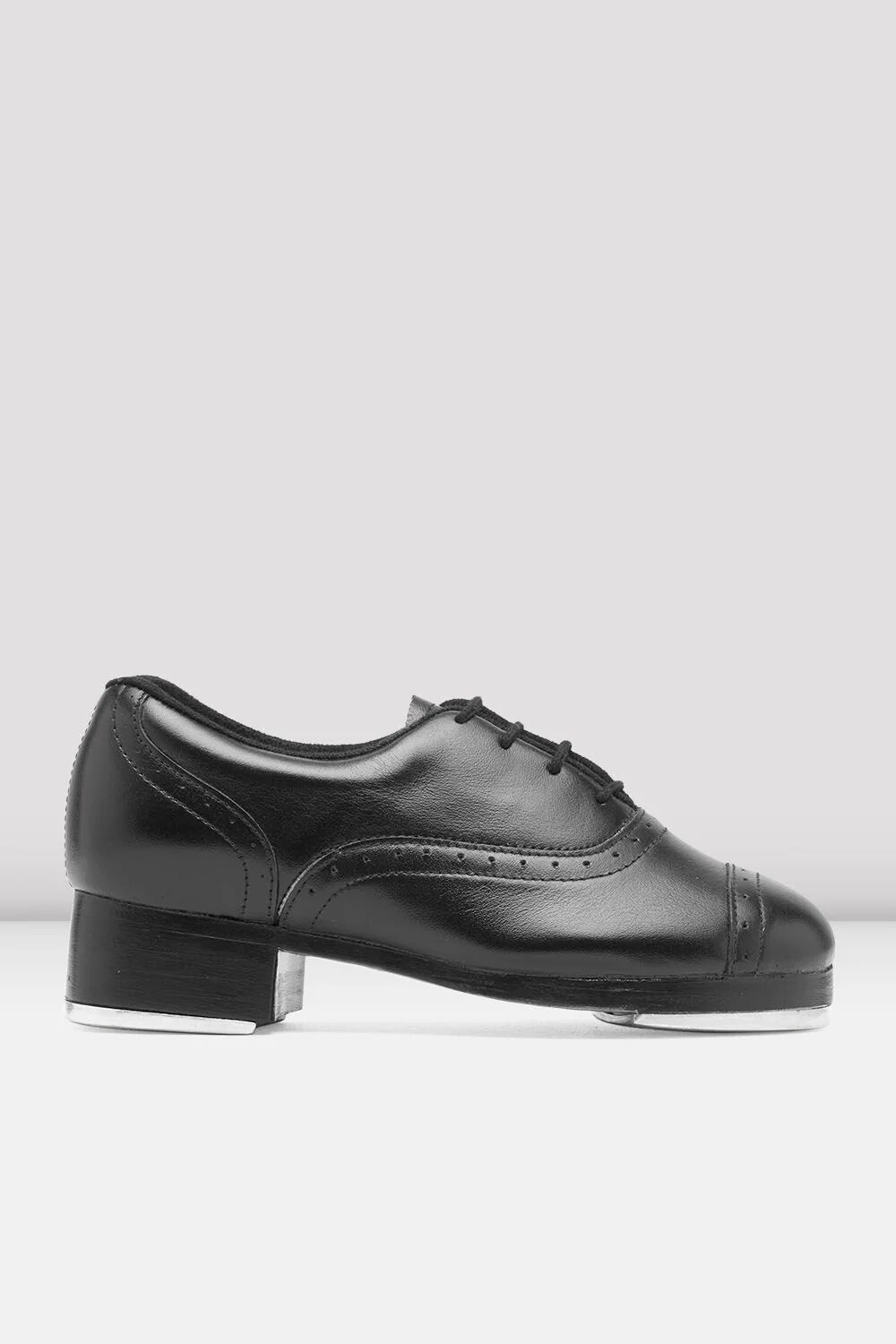
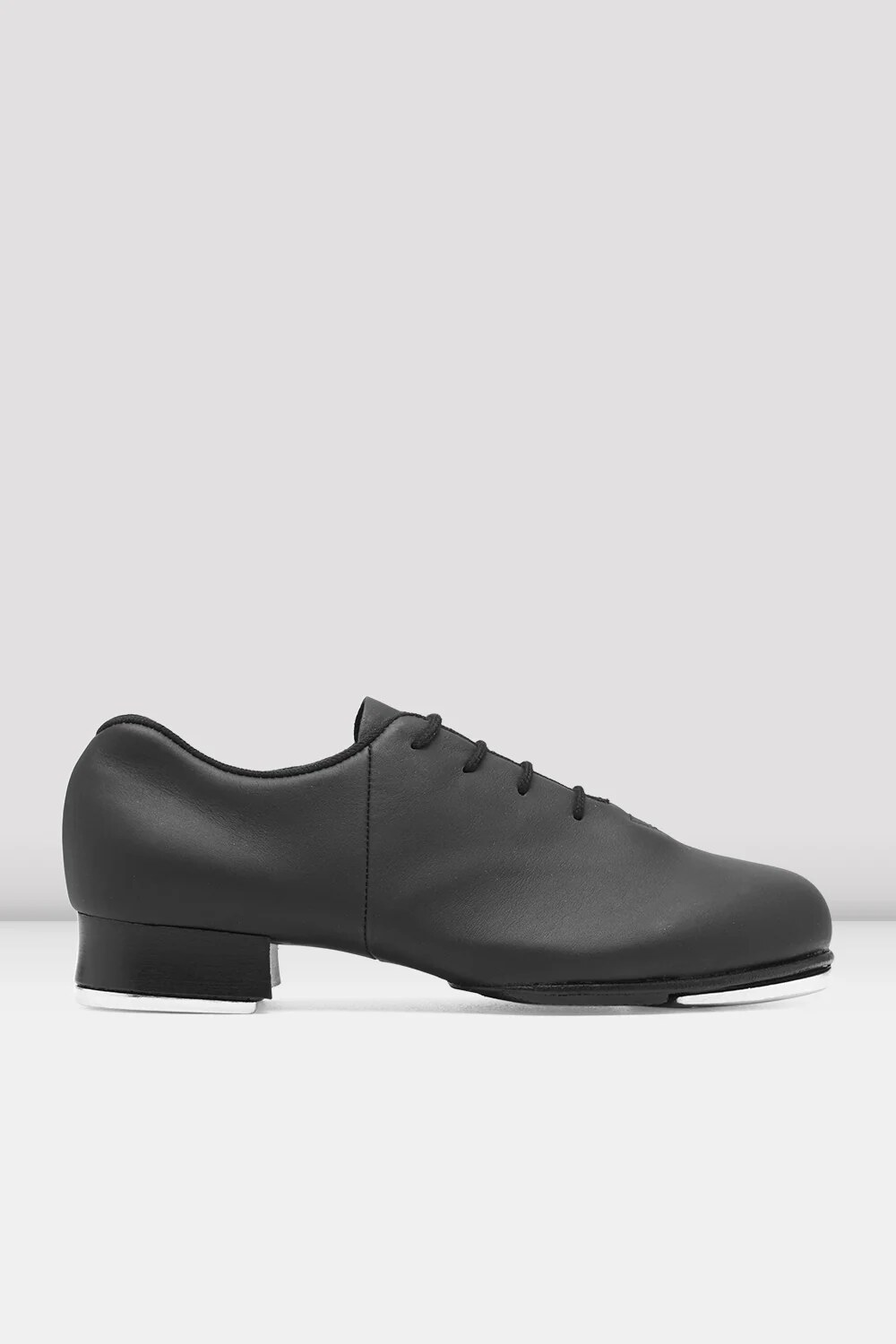
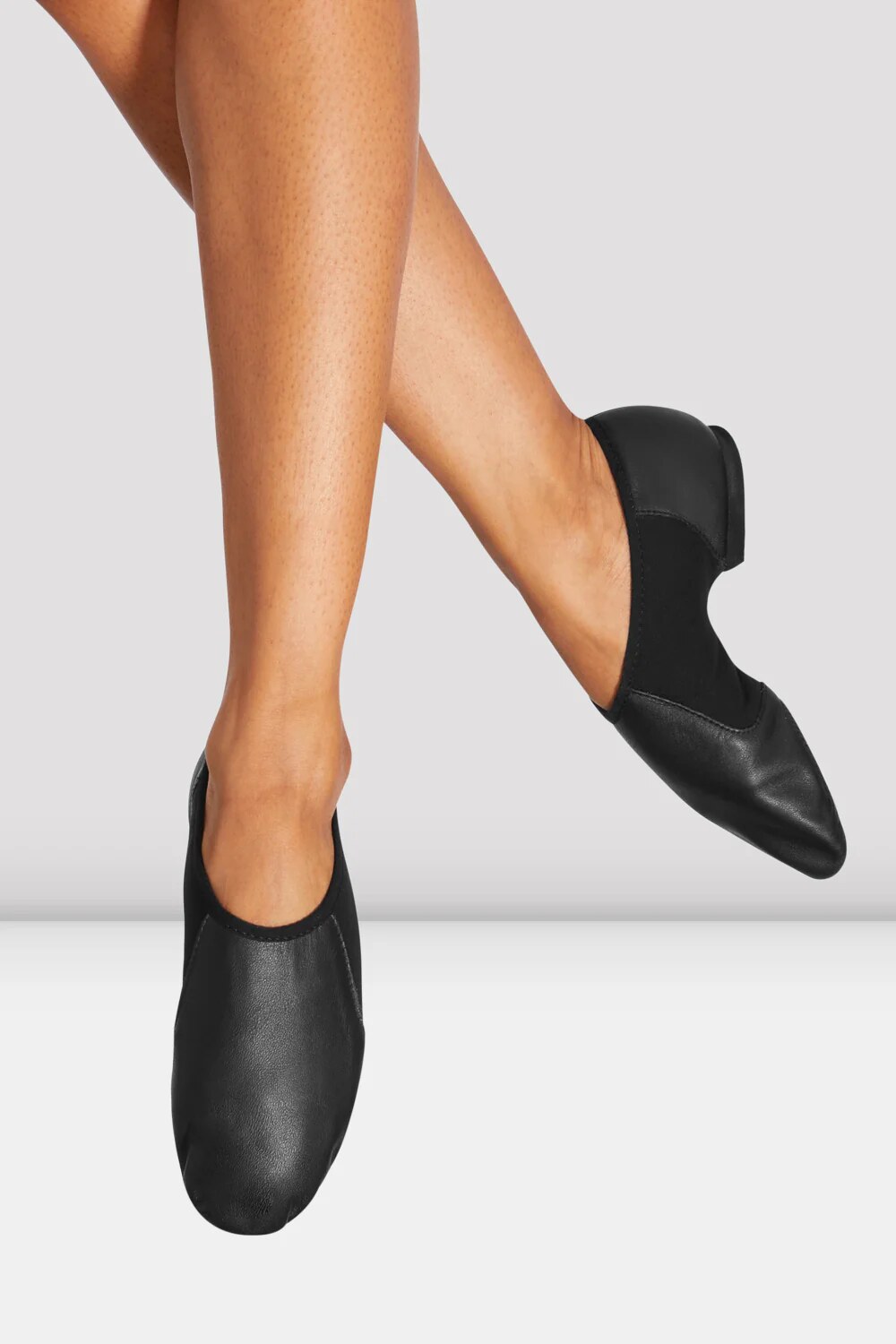
Beyond pointe shoes, Bloch makes ballet flats, jazz shoes, character and tap shoes, ballroom shoes, dance sneakers, barre shoes and fashion flats. It also offers a wide range of dance apparel, gymnastics wear and activewear. So a single brand can outfit a dancer from class to performance.
Did Bloch acquire Russian Pointe?+
Yes. In January 2024 Bloch acquired RP Collection, the label formerly known as Russian Pointe. The move brought another respected pointe-shoe name under the Bloch umbrella. For dancers, it widens the range of fits and styles available within one company.
How should I care for my Bloch dance shoes?+
Treat them as the precision tools they are: air them out after class rather than leaving them in a sealed bag, and let pointe shoes fully dry between wears so the paste in the box keeps its support. Note that Bloch's pastes degrade with use, especially the more malleable recipes, so a shoe that has gone soft is telling you it is time to replace it. Rotating between pairs can help extend their working life.