−83%
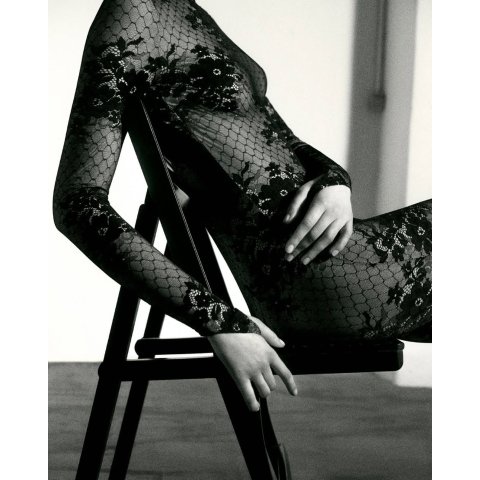
Seamless skin — the Lake Constance house that made hosiery a luxury.
Real verified markdowns across ShopSimon — filter by category, retailer & price. Heart anything to track its price.
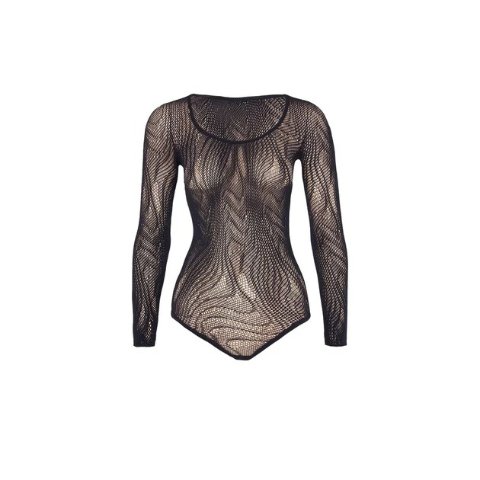
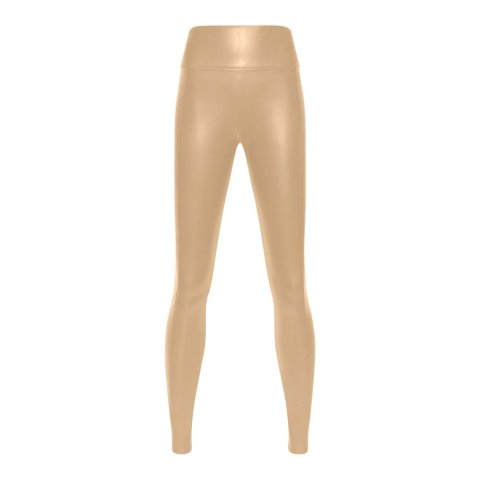
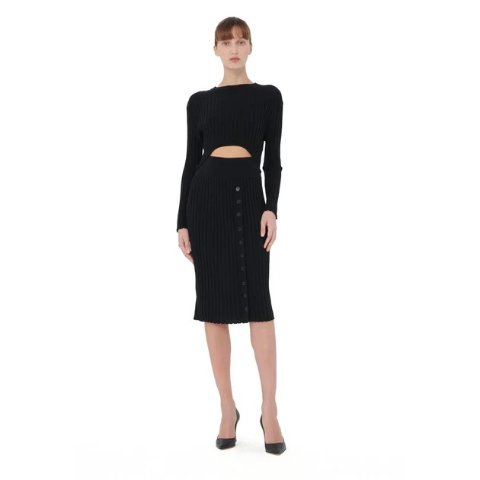
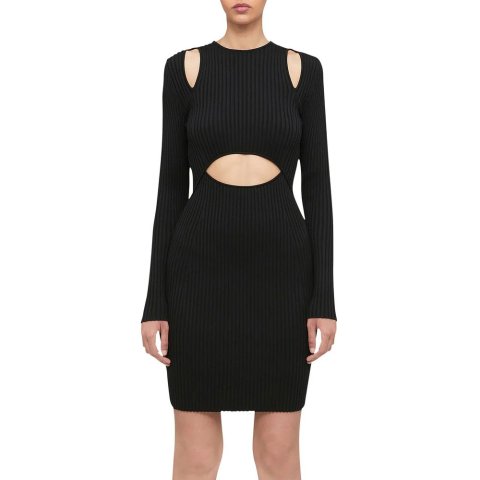
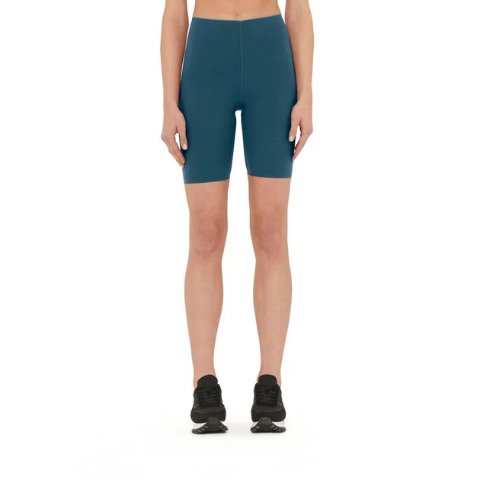
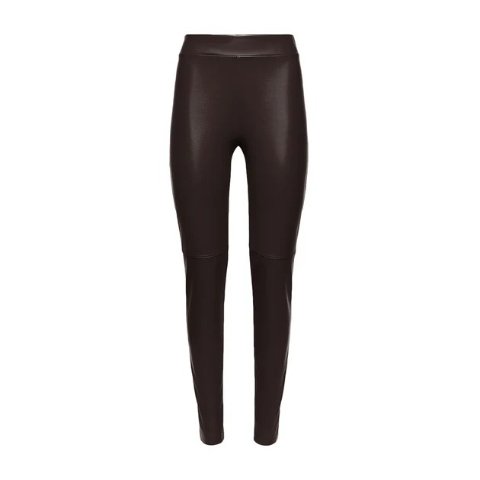
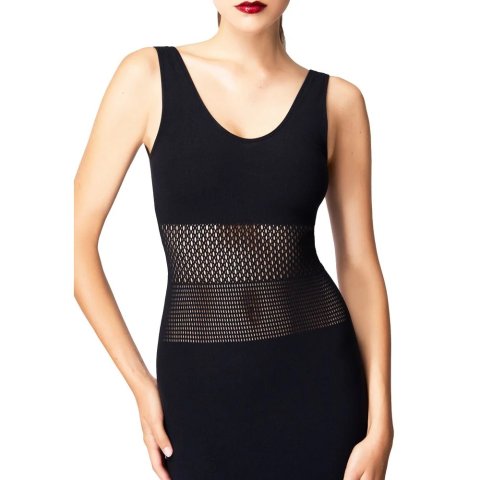
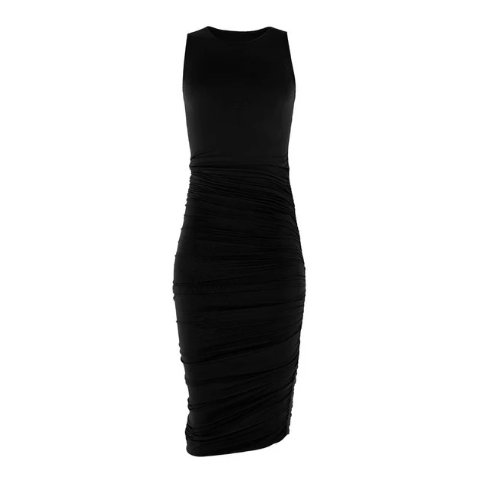
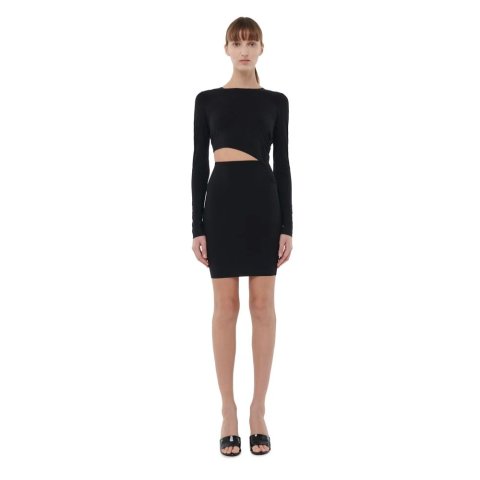
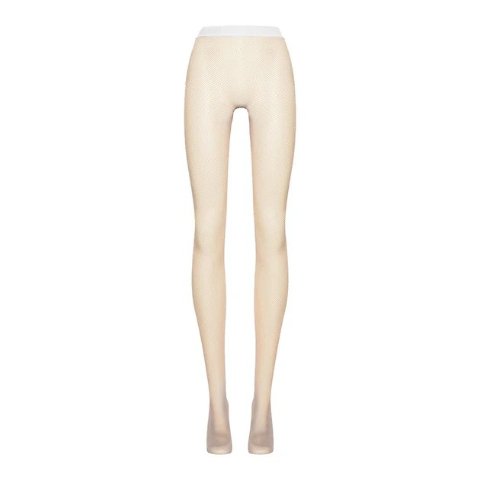
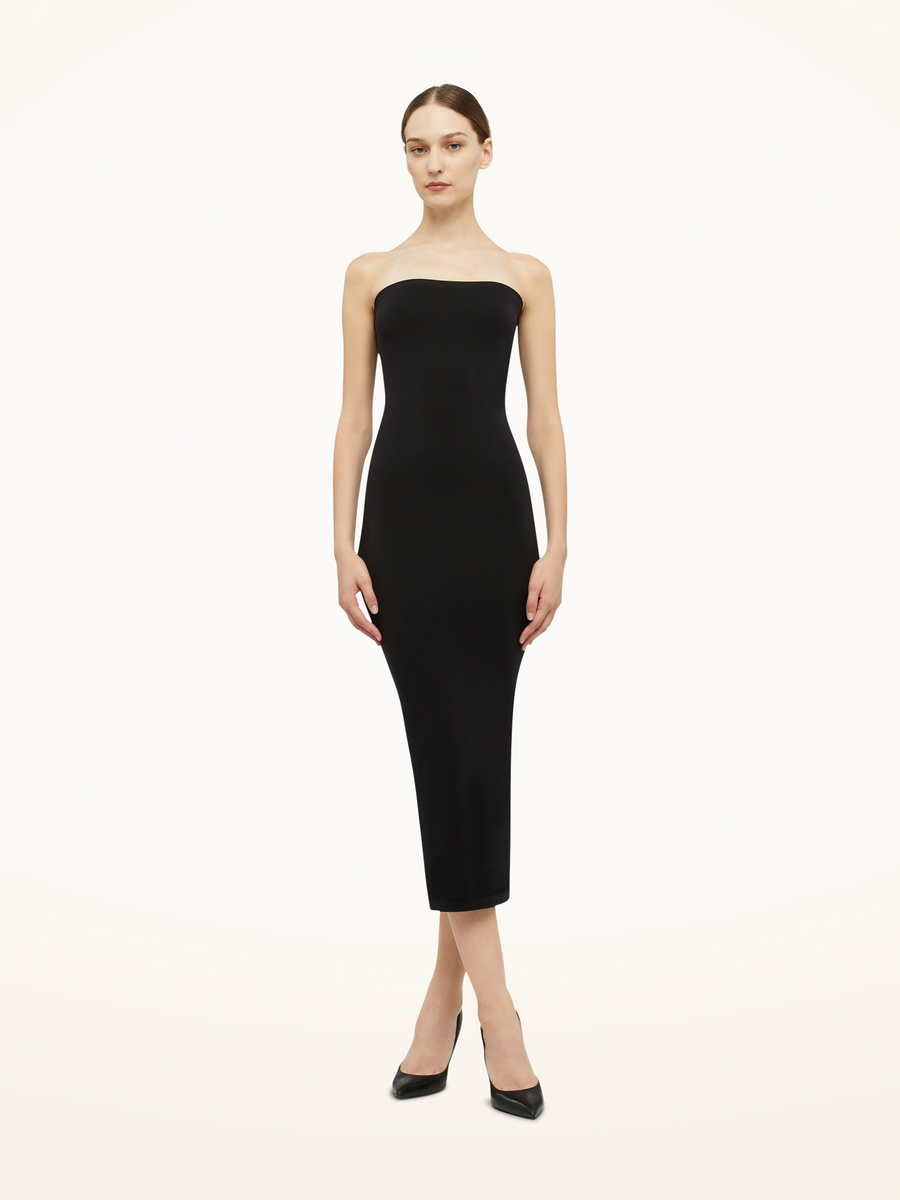
Founded in 1949 by industrialist Reinhold Wolff and Viennese retail entrepreneur Walter Palmers as Wolff & Co. KG, the company first spun real and artificial silk into women's stockings, then pioneered polyamide fibre. The brand was registered the following year, and in 1988 it refocused squarely on the luxury segment.
Wolford is known for seamless tights and bodysuits and for collaborations with designers Karl Lagerfeld, Vivienne Westwood, Emilio Pucci, Zac Posen, Kenzo and Valentino, and photographers Helmut Newton, Ellen von Unwerth and Mario Testino. Listed in Vienna since 1995, it has been majority-owned since 2018 by Fosun International, within its Lanvin Group portfolio.
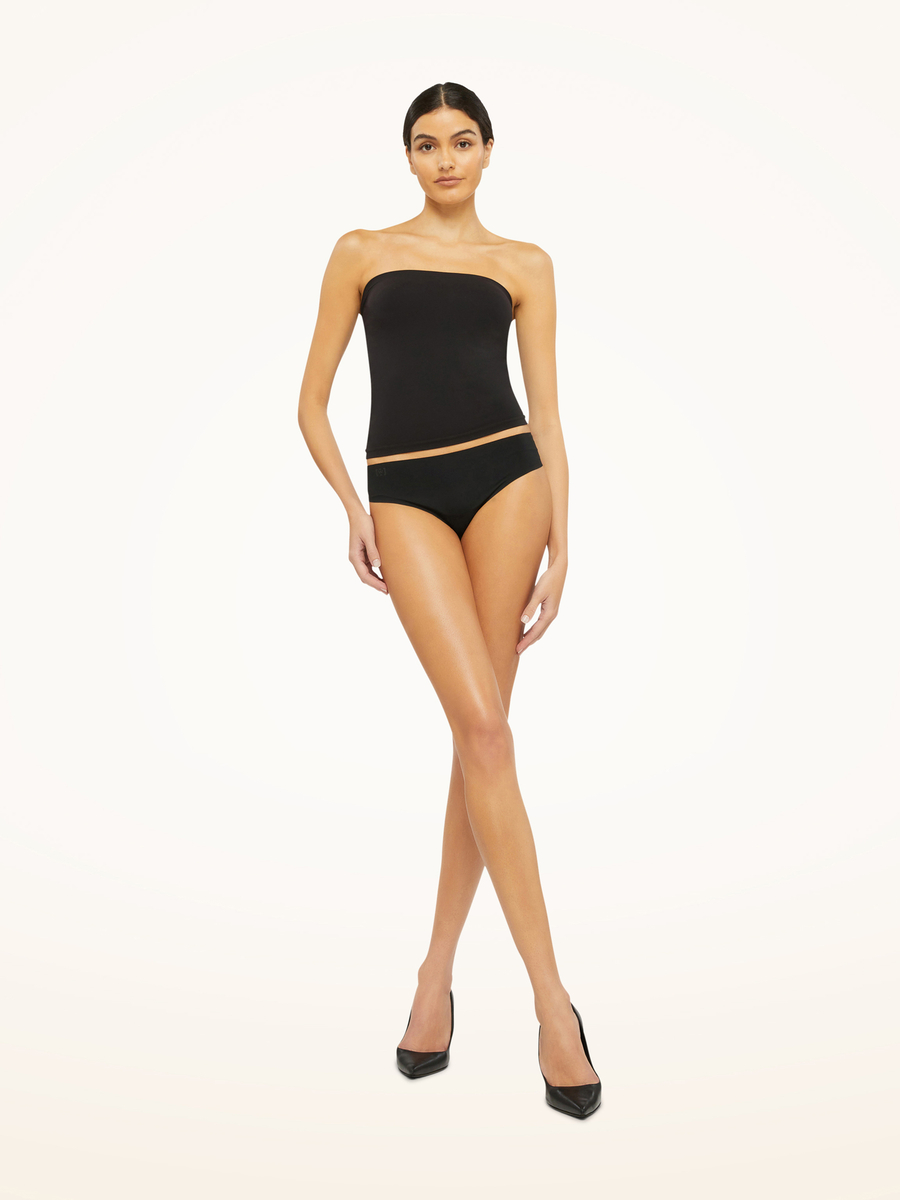
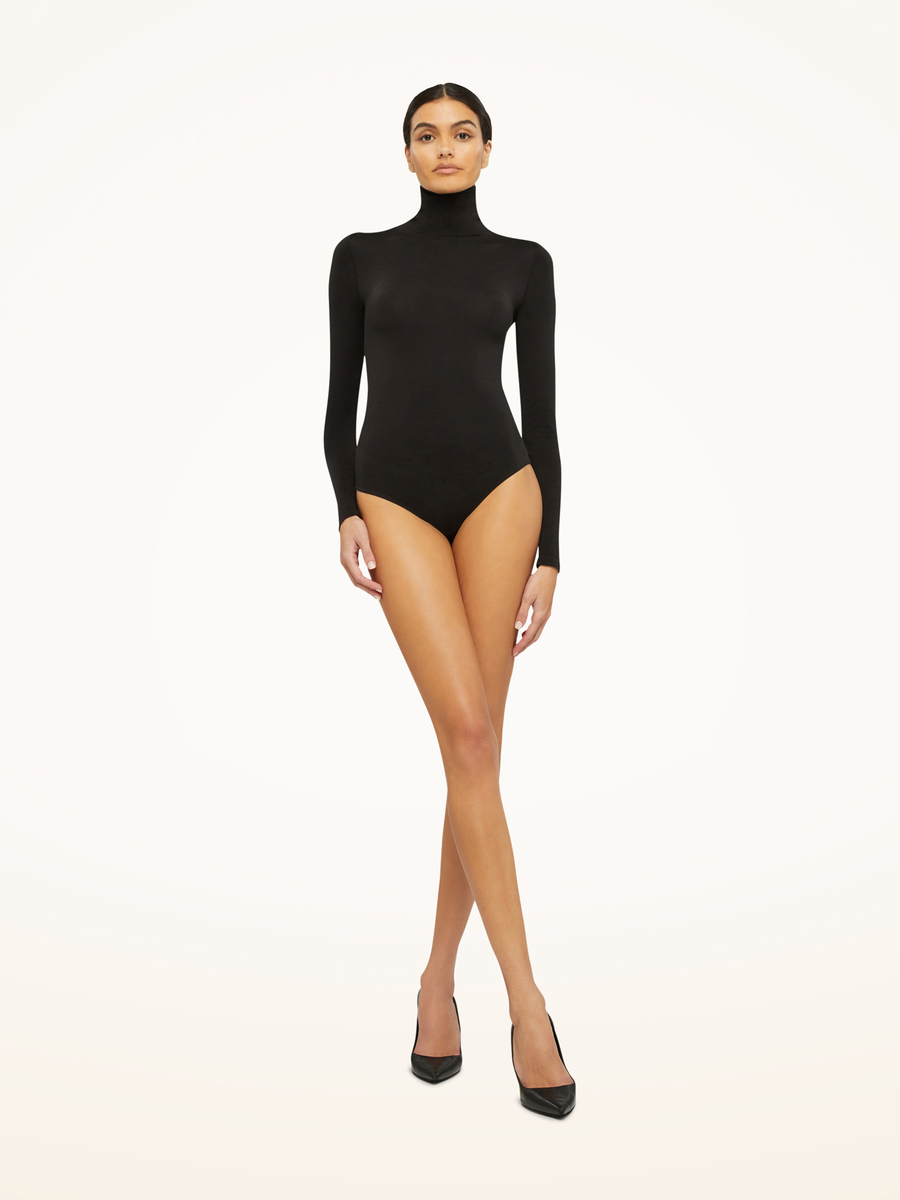
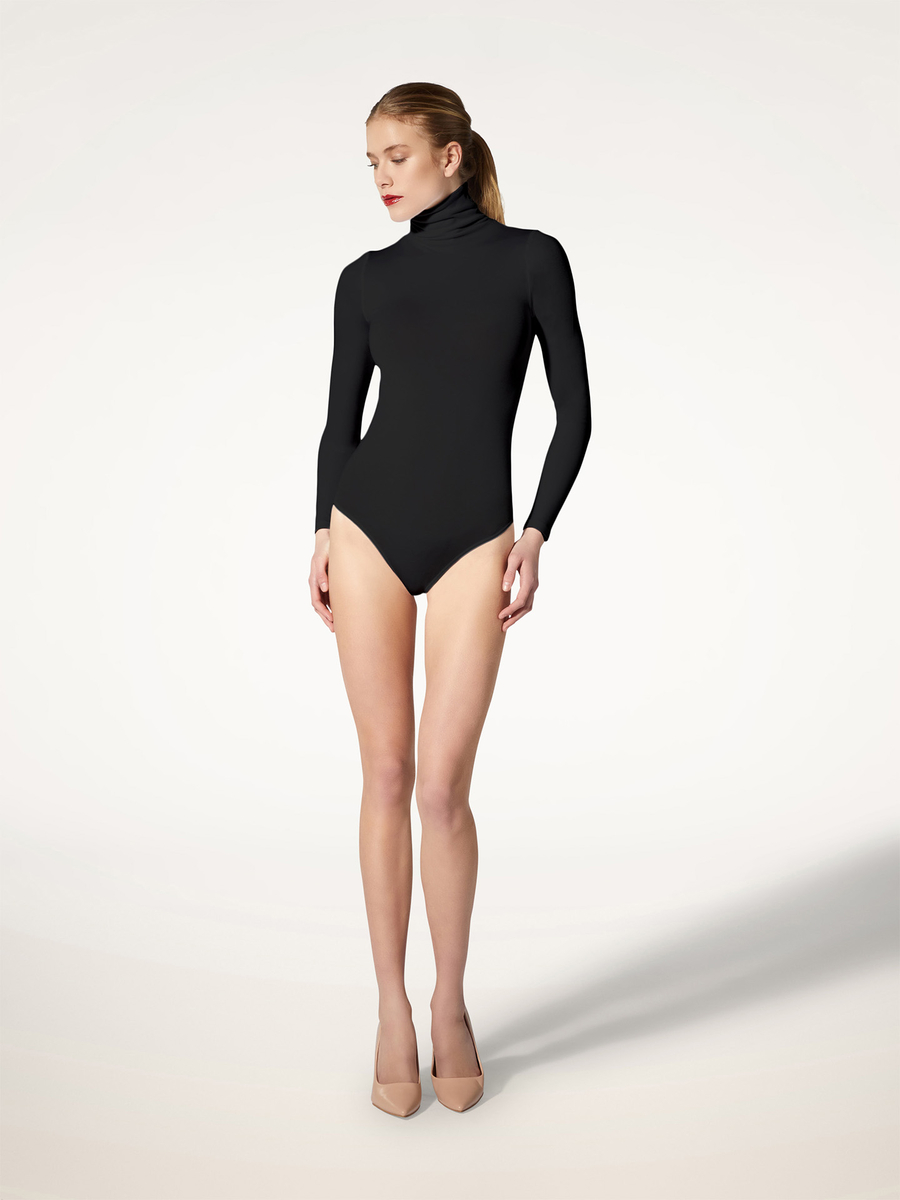
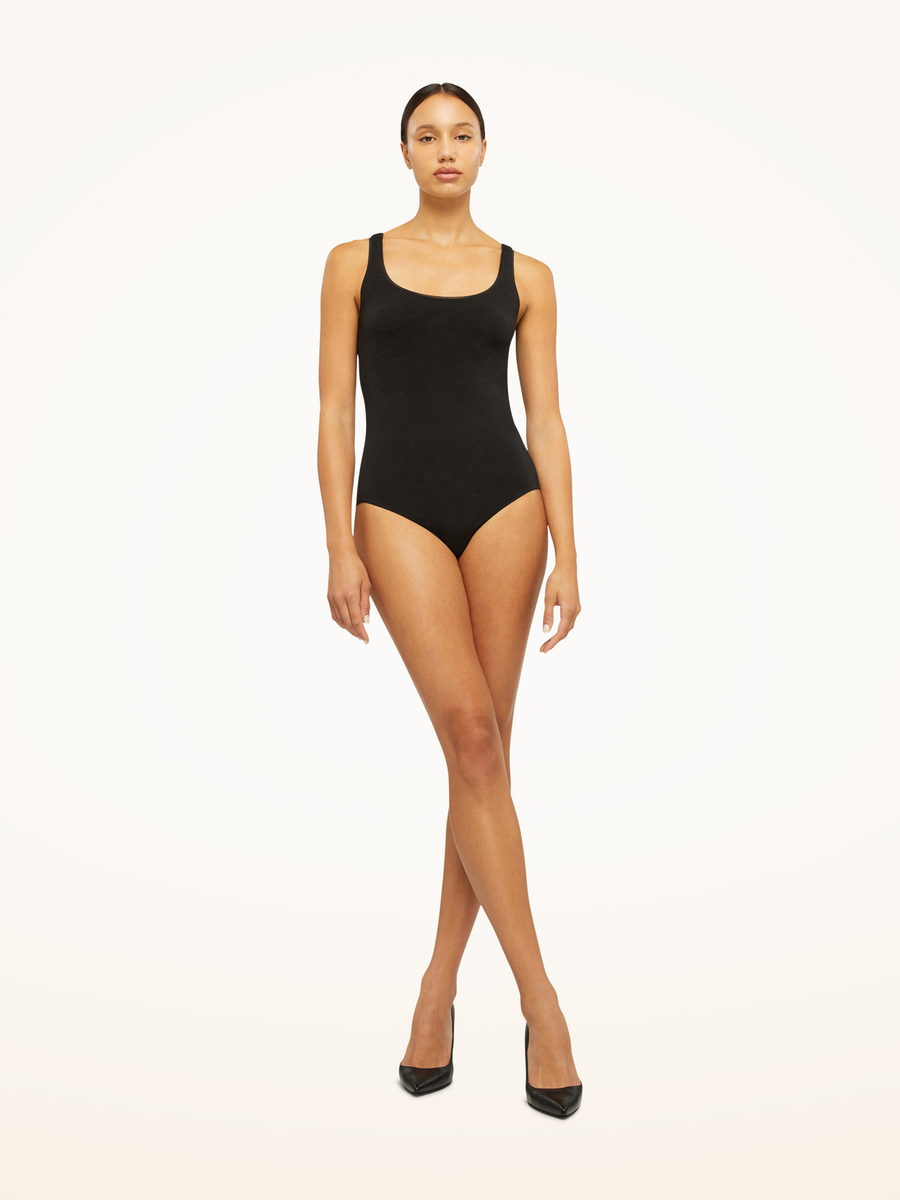
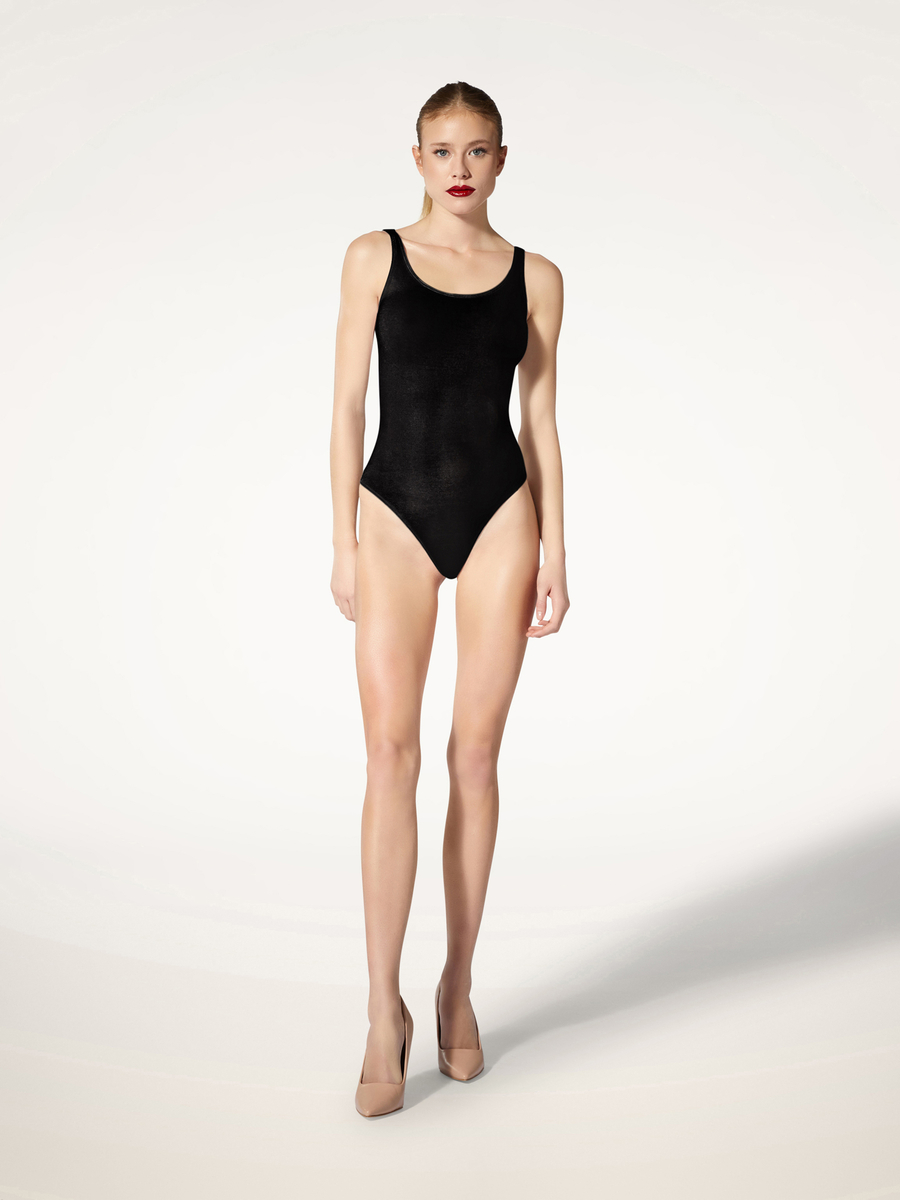
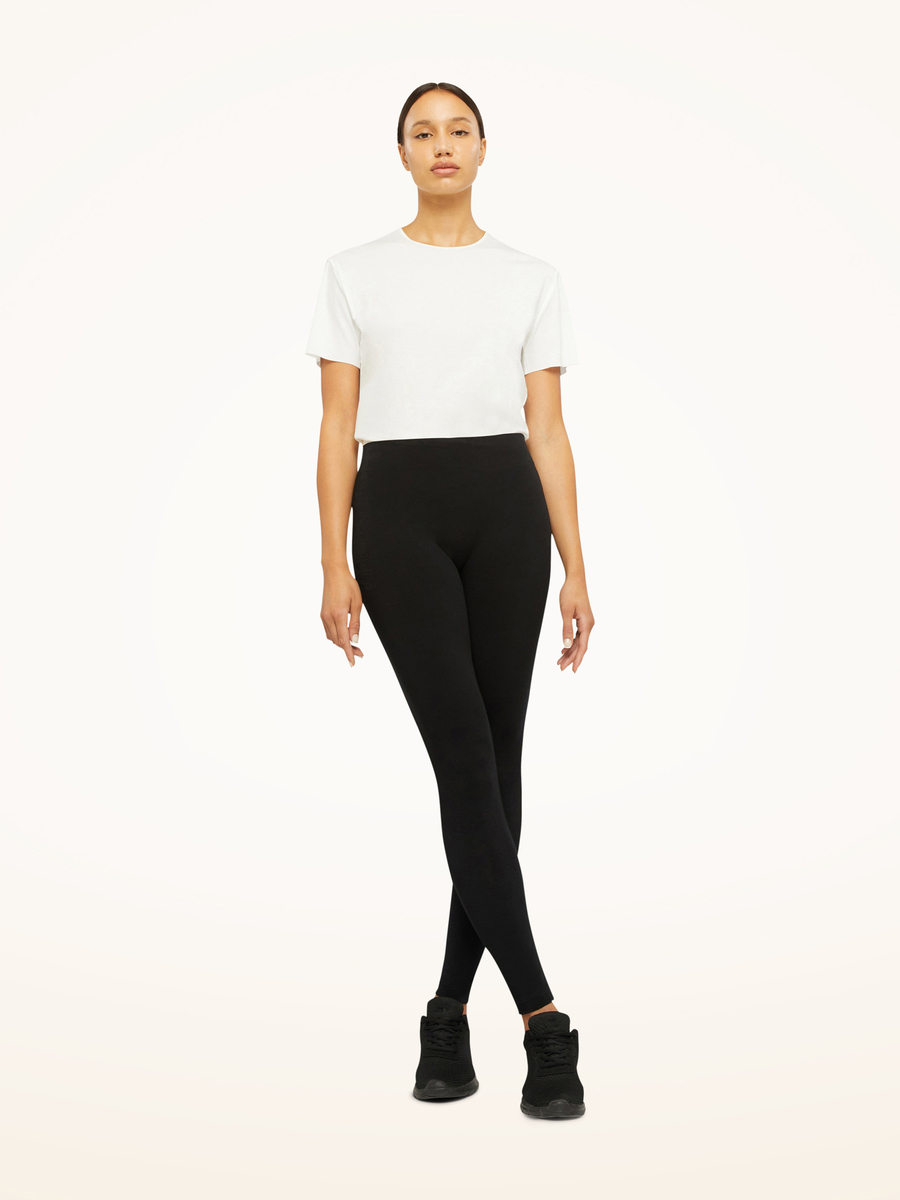
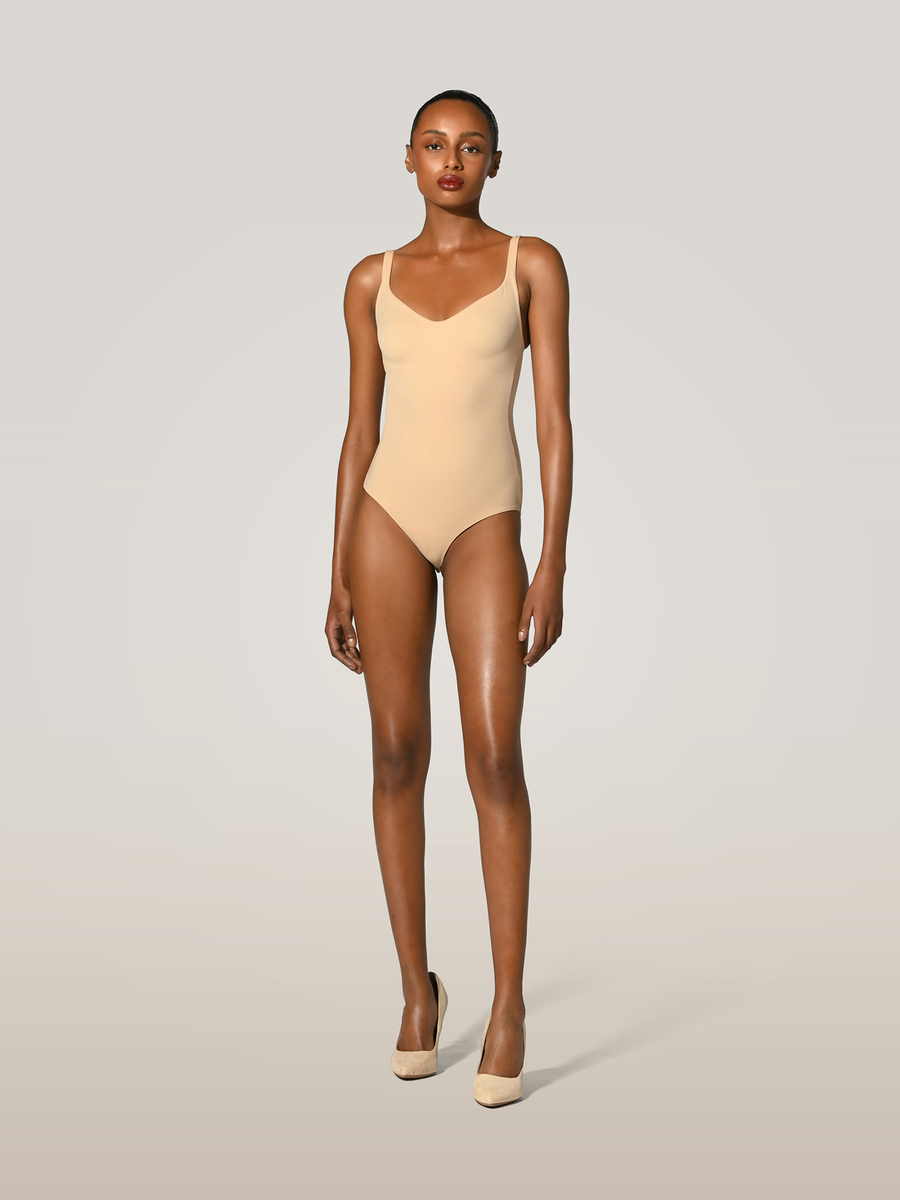
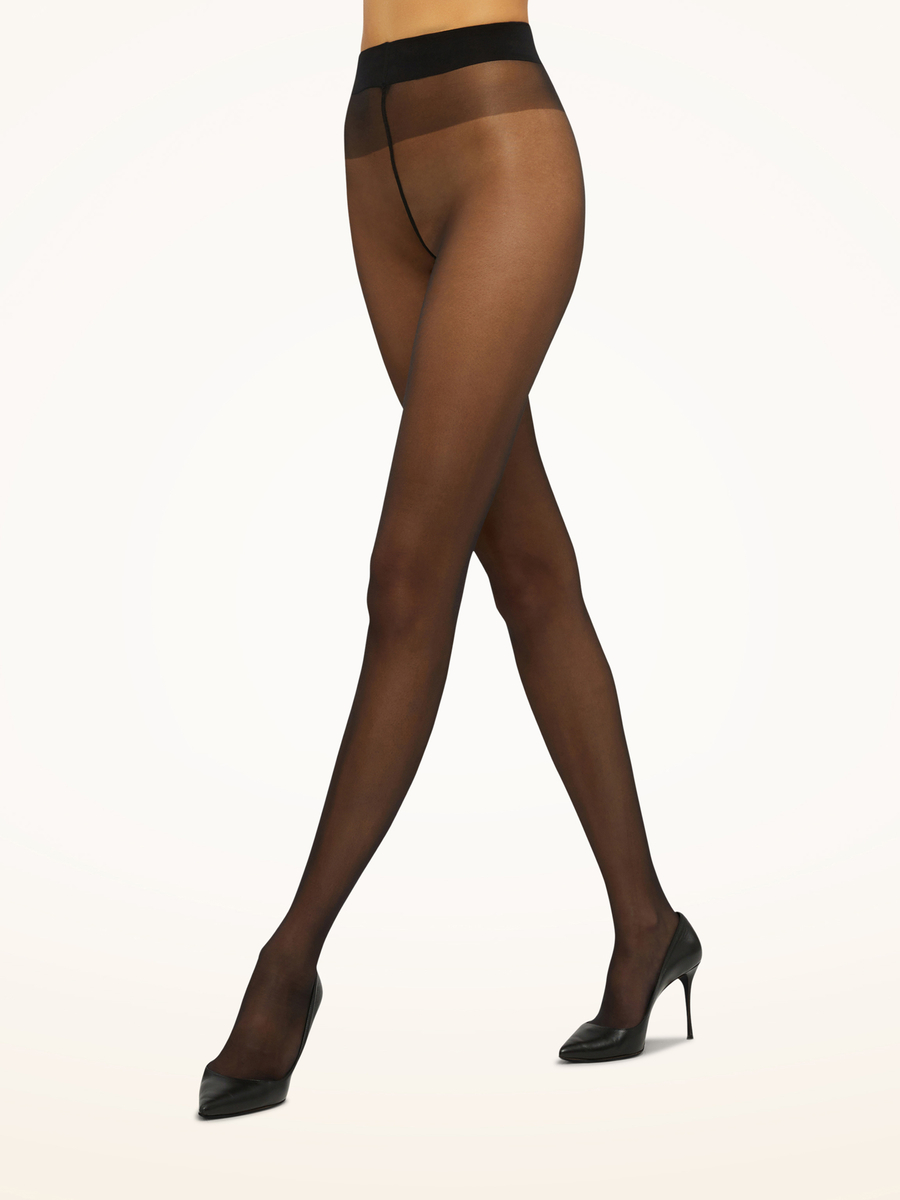
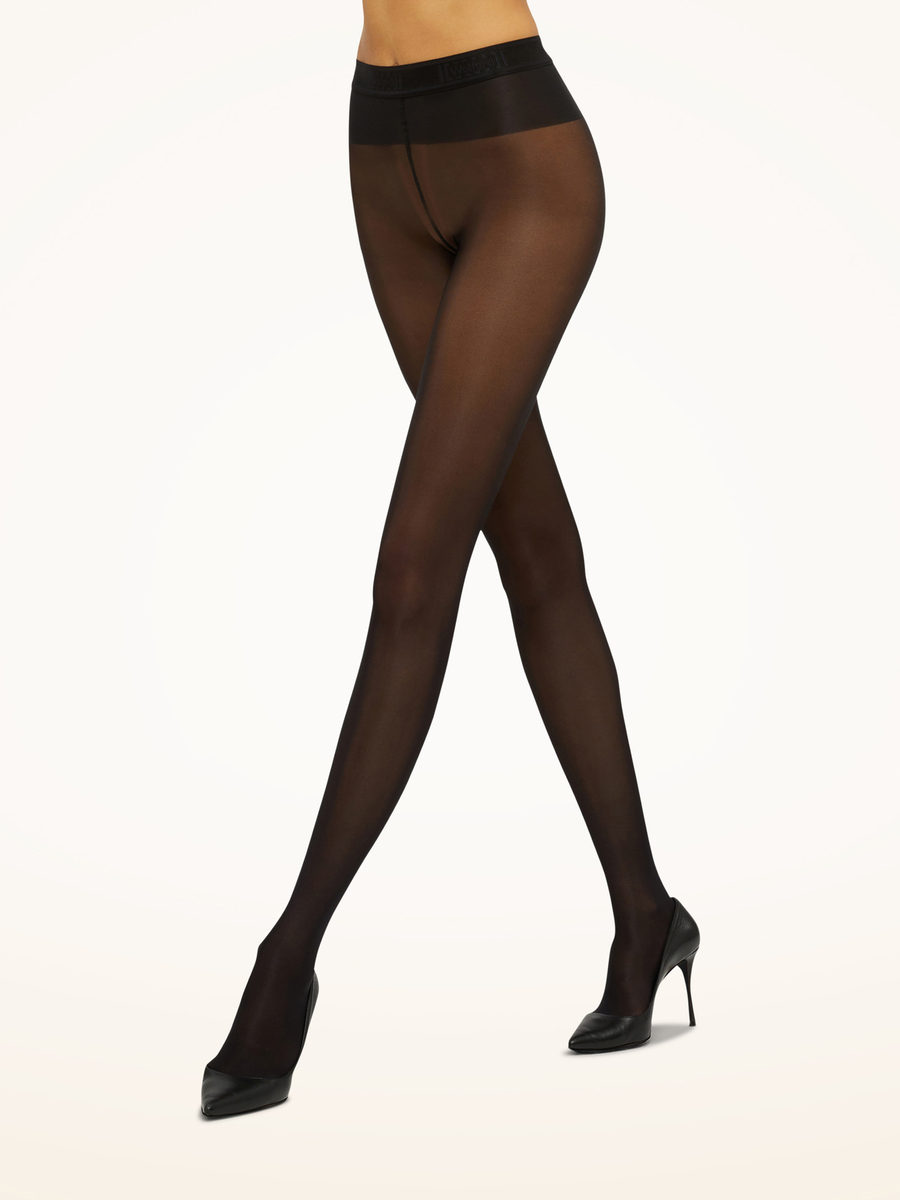
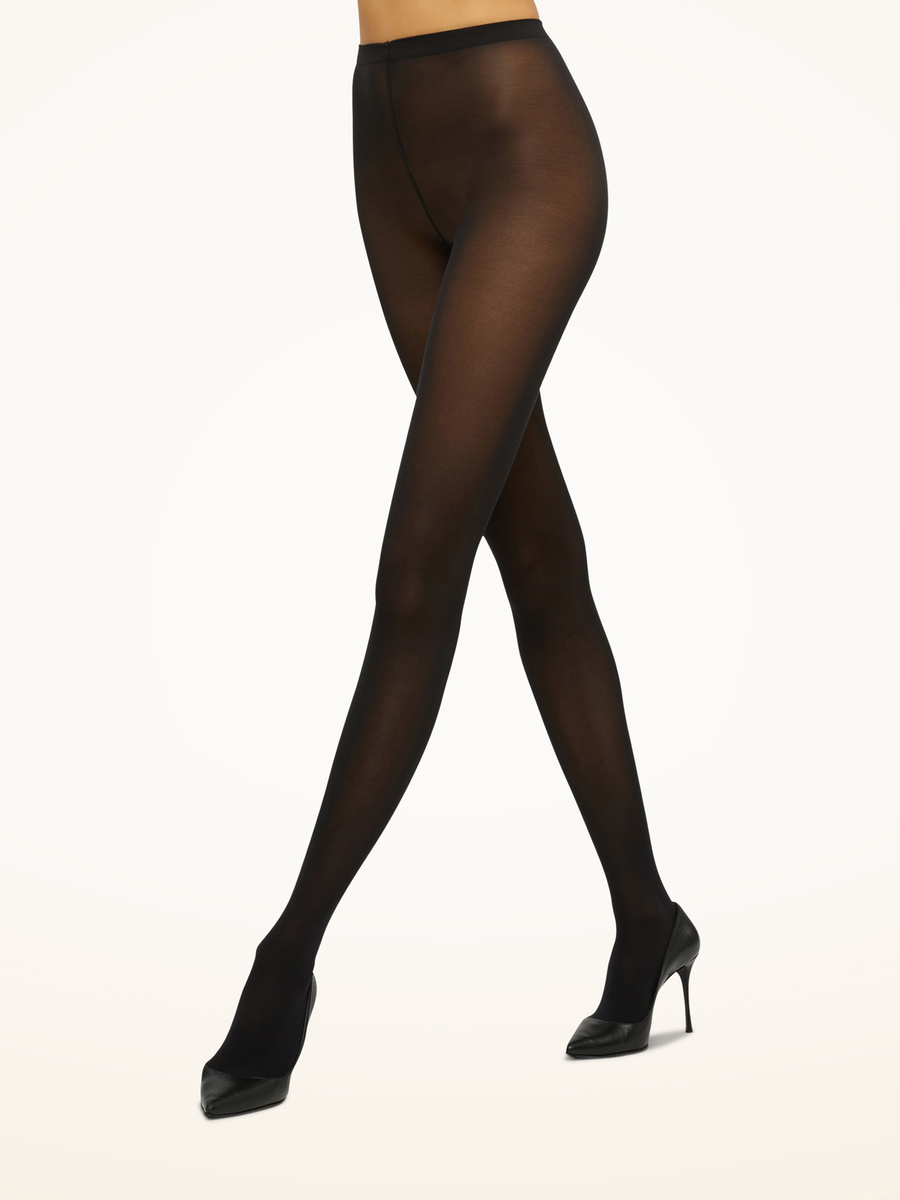
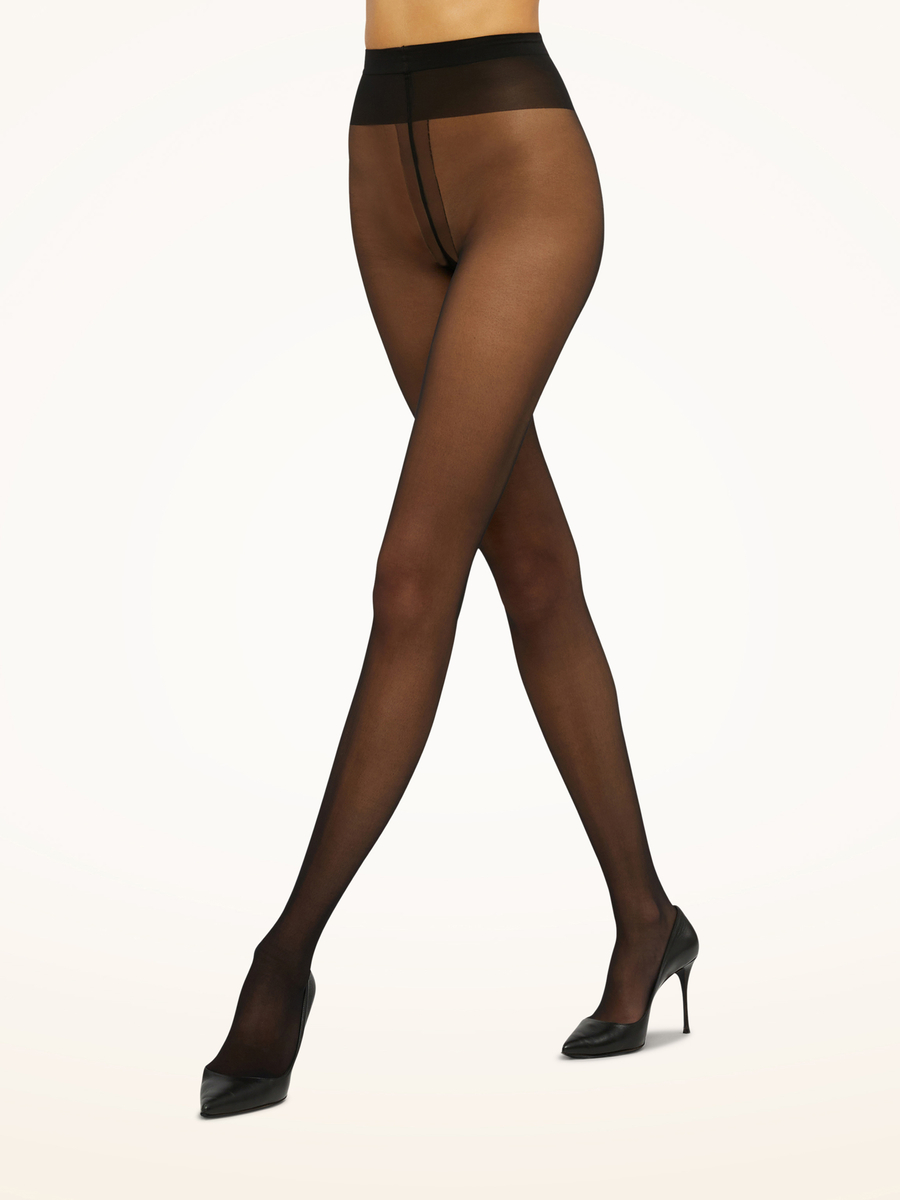
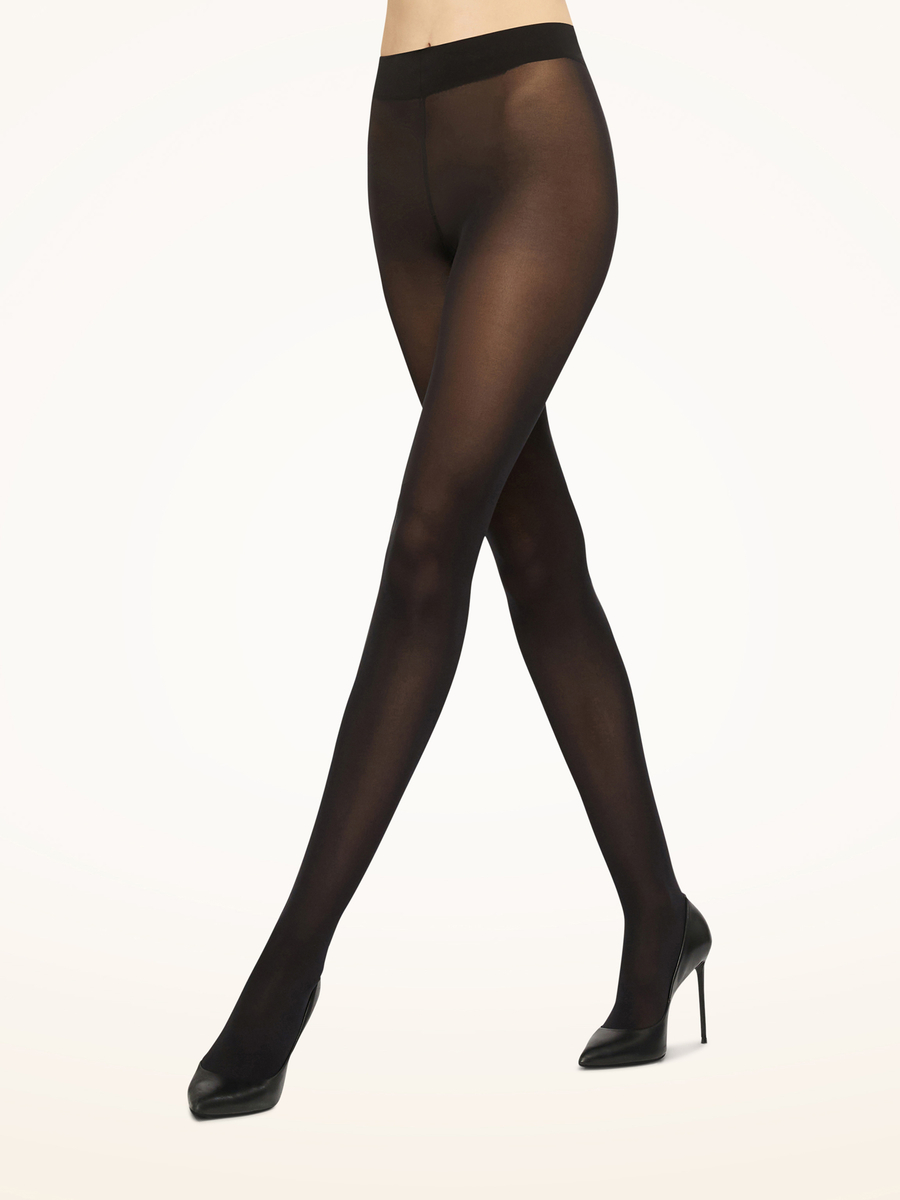
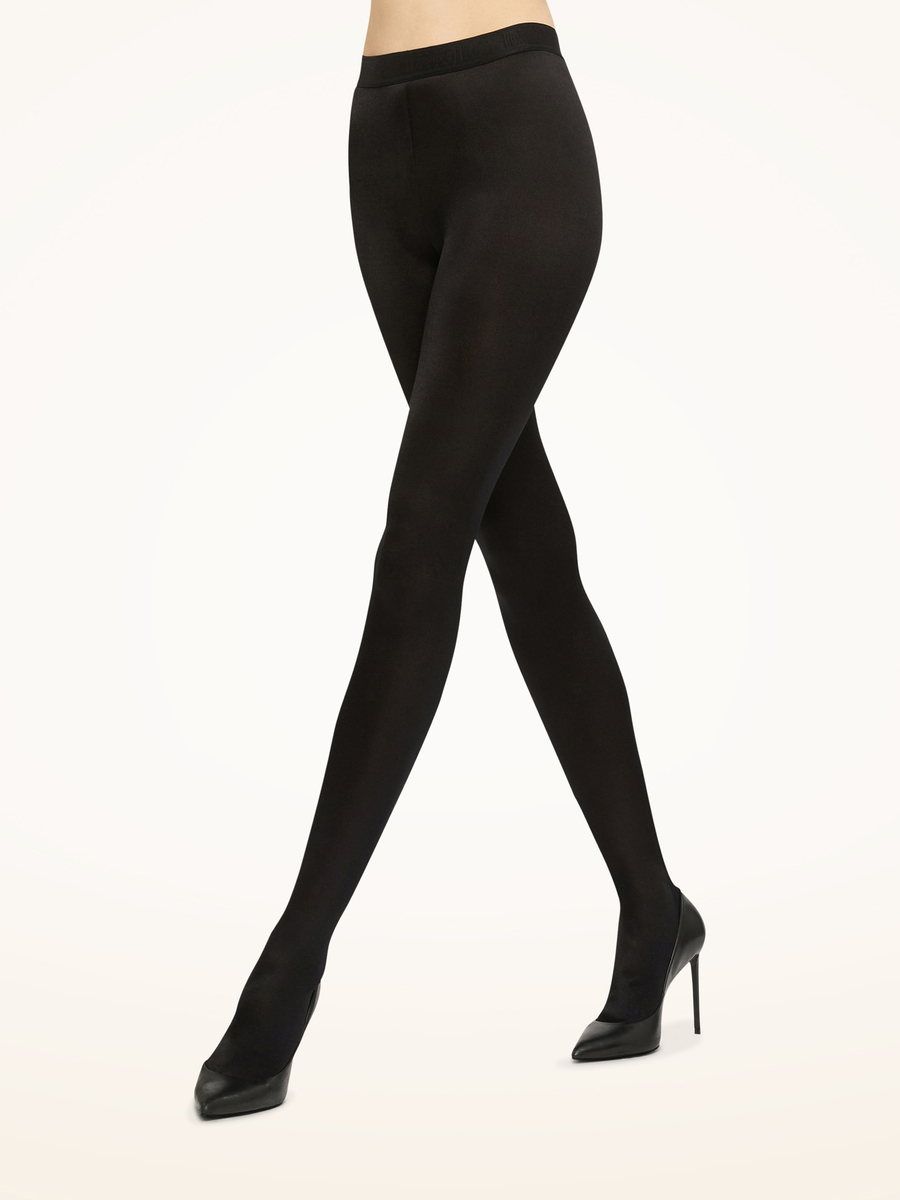
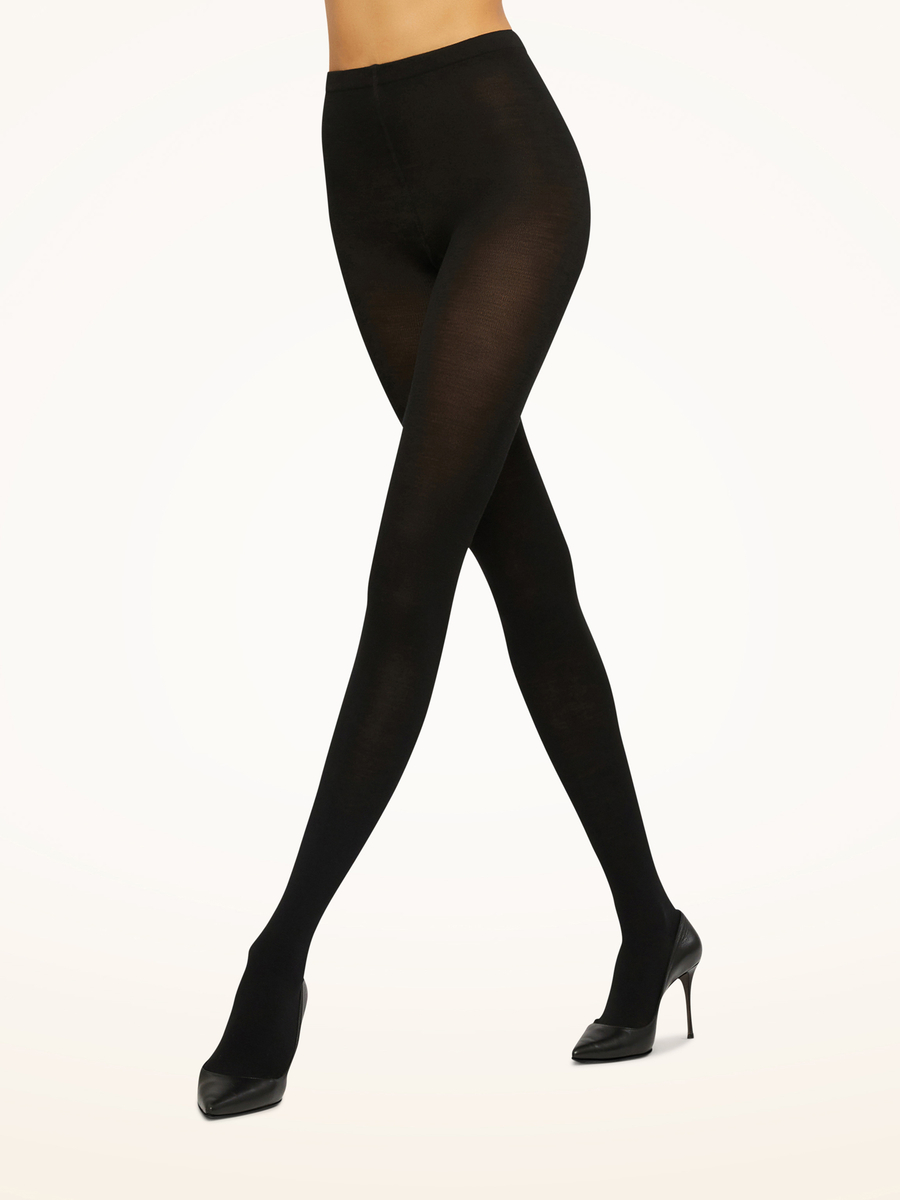
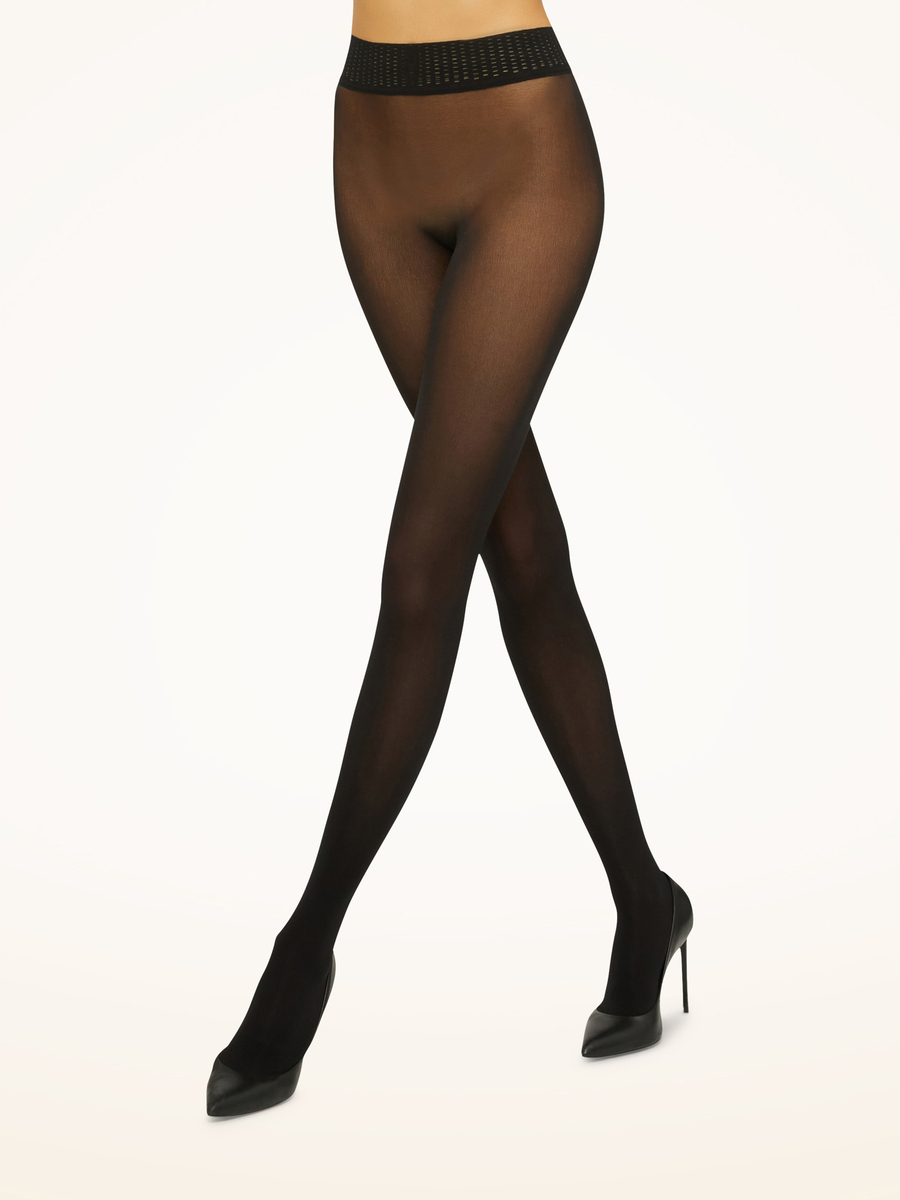
Tap any category to shop every Wolford deal in it.
Same authentic Wolford, different prices & codes. We watch all of them so you don't have to tab-hop.
Store codes that stack on Wolford orders — re-tested in the last few hours. Tap to reveal, copy without leaving the page.
Same quiet-luxury, craft-first sensibility — follow any to widen your alerts.





For many wearers, yes, on one condition: how you treat them. Wolford is a luxury textile house known above all for its seamless tights, and owners often report pairs that wash and keep their shape for years. The caveat is that even the best hosiery is not snag-proof, so if you tend to ladder tights or have pets and small children pulling at your legs, you may want to reserve the splurge for special occasions.
You are paying for a luxury positioning and a manufacturing pedigree. Wolford deliberately repositioned its products into the luxury segment in 1988, and the company is celebrated for the seamless tights and bodysuits it pioneered. Headquartered in Bregenz on Lake Constance in Austria, a region with a genuine textile heritage, the house has built its name on craftsmanship rather than volume, which is reflected in the price.
Start with what made the house famous: its seamless hosiery. Wolford is best known for seamless products such as tights, the category that has defined the brand for decades. Once you know the quality, the seamless bodysuits, the other signature the house pioneered, are the natural next step into its bodywear.
Seamless luxury legwear and bodywear. The Austrian house produces tights, stockings, bodysuits, underwear and women's clothing, but it made its mark over the years mainly through its seamless innovations, especially tights and bodysuits. That seamless construction is the heart of the brand's reputation.
Partly. All Wolford products used to be manufactured in Europe, in Austria and Slovenia, but since a change of ownership in 2018 some products are now manufactured in China. The company remains headquartered in Bregenz on Lake Constance in Austria, where its textile heritage began.
Wolford was founded in 1949 in Bregenz by the industrialist Reinhold Wolff of Vorarlberg and the retail entrepreneur Walter Palmers of Vienna, originally as Wolff & Co. KG, making women's stockings. The Wolford brand was officially registered the following year, in 1950. The name is a portmanteau of the founder's name, Wolff, and the city of Oxford, chosen so it would be internationally applicable.
Since May 2018, the Chinese conglomerate Fosun International has been the majority shareholder in Wolford AG, holding roughly 58% of the company's share capital. Fosun manages Wolford within its Lanvin Group portfolio, alongside other fashion companies it owns.
Often. Over the years Wolford has worked with designers including Karl Lagerfeld, Emilio Pucci, Zac Posen, Kenzo, Valentino and Vivienne Westwood. The house has also collaborated with renowned photographers such as Helmut Newton, Ellen von Unwerth and Mario Testino, all of which contributed to the brand's awareness.
It has invested heavily in that direction. Wolford has been a partner of Bluesign Technologies since March 2015, a network working toward more sustainable production. In September 2018 it launched its first biodegradable, fully compostable pullovers, T-shirts and leggings, and in April 2019 it received Cradle to Cradle Certified Gold, becoming the first company in the apparel and textile industry to earn Gold in both the biodegradable and the technically recyclable categories.
Treat them as the investment piece they are. Owners who get years out of their Wolford hosiery tend to wash gently and handle the fabric carefully, since fine deniers can still ladder despite the brand's durable construction. Keeping nails and rough jewellery clear as you put them on, and storing pairs separately, goes a long way toward protecting them.
Because Wolford sits at the luxury end of hosiery, many regular buyers wait for end-of-season sale periods to soften the price. If you want a specific colour or denier, buy it in season while stock is full; if you are flexible, the natural markdown windows after each season are when value improves. Buying from the brand or an authorized retailer is the safest route either way.