Is Boris Bidjan Saberi worth it for an avant-garde wardrobe?+
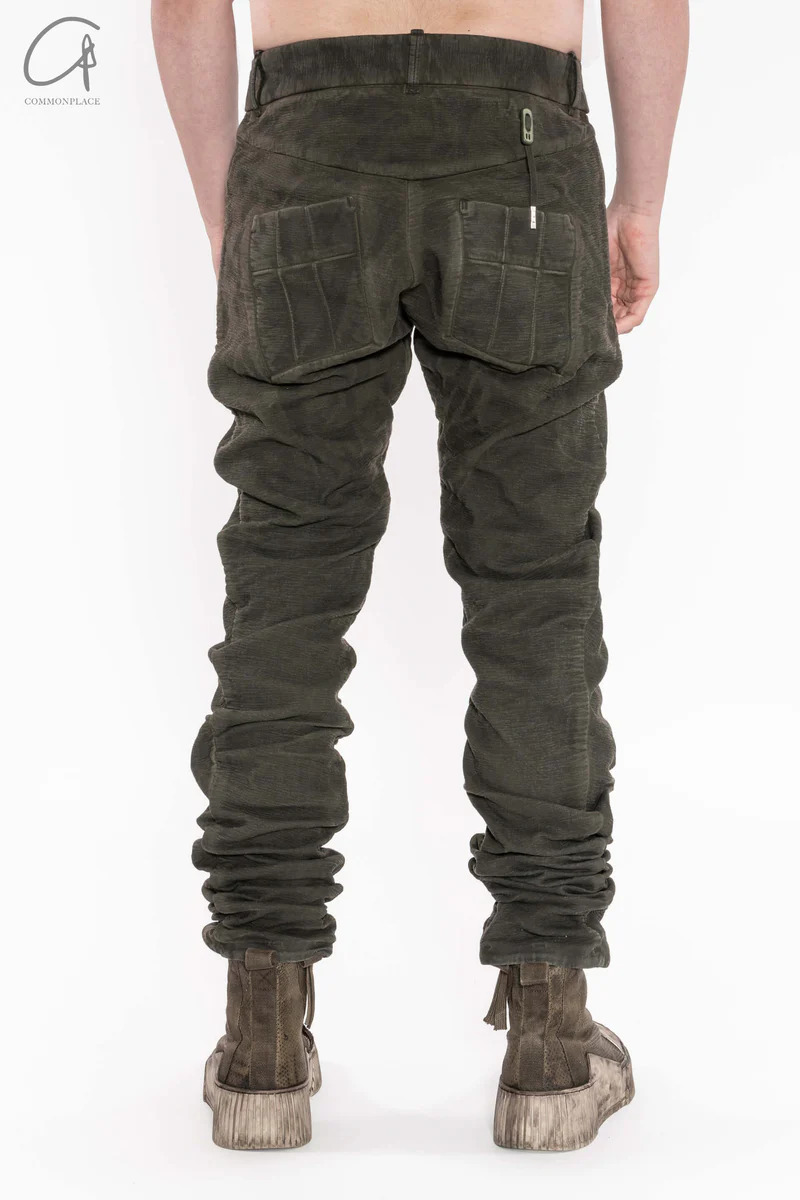
It is worth it if you specifically want object-dyed, hand-finished dark menswear and intend to live in it rather than display it. Saberi's work is prized for its avant-garde sombreness and an elegant sloppiness that has drawn comparisons to Ann Demeulemeester and Rick Owens, so you are buying a clear point of view, not a logo. If you want recognisable status pieces or seasonal trend-chasing, this is not that; if you want a considered, sculptural garment, it earns its place.
Why is Boris Bidjan Saberi so expensive?+
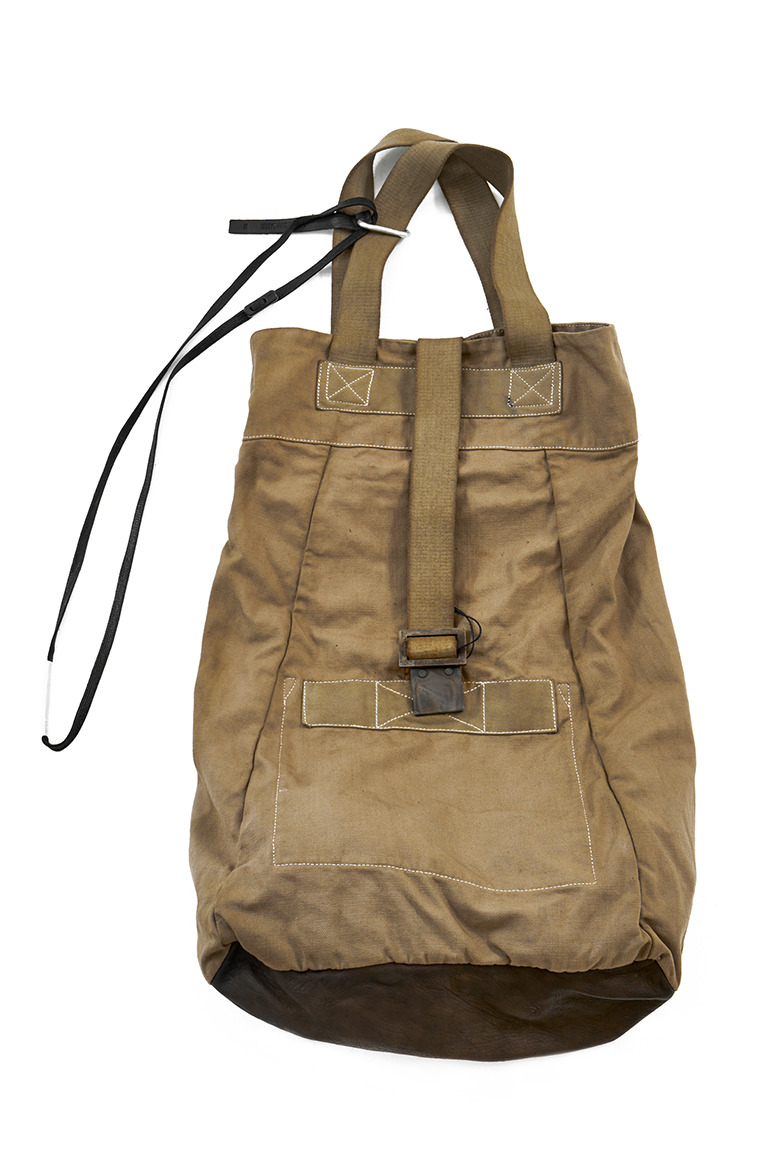
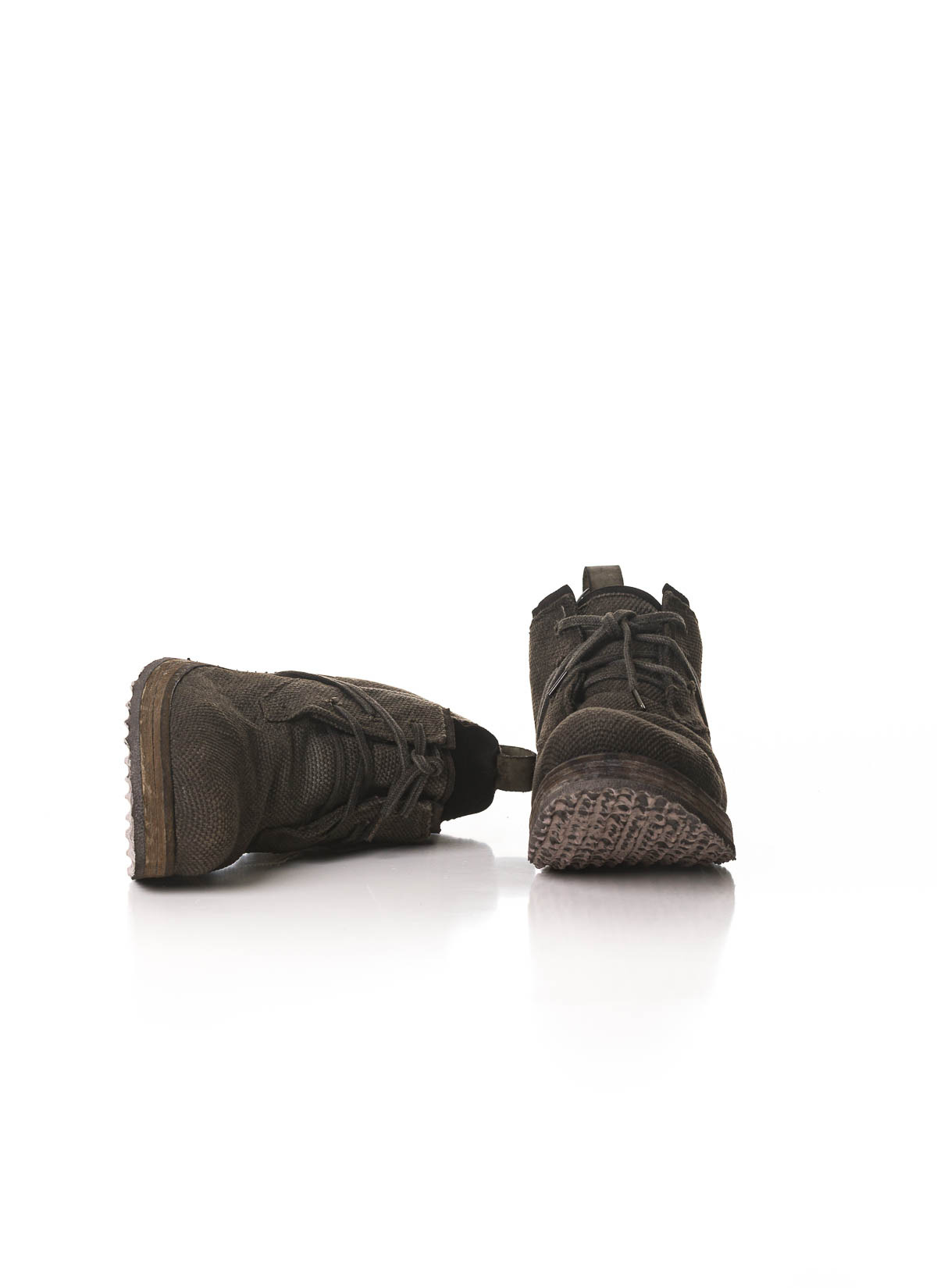
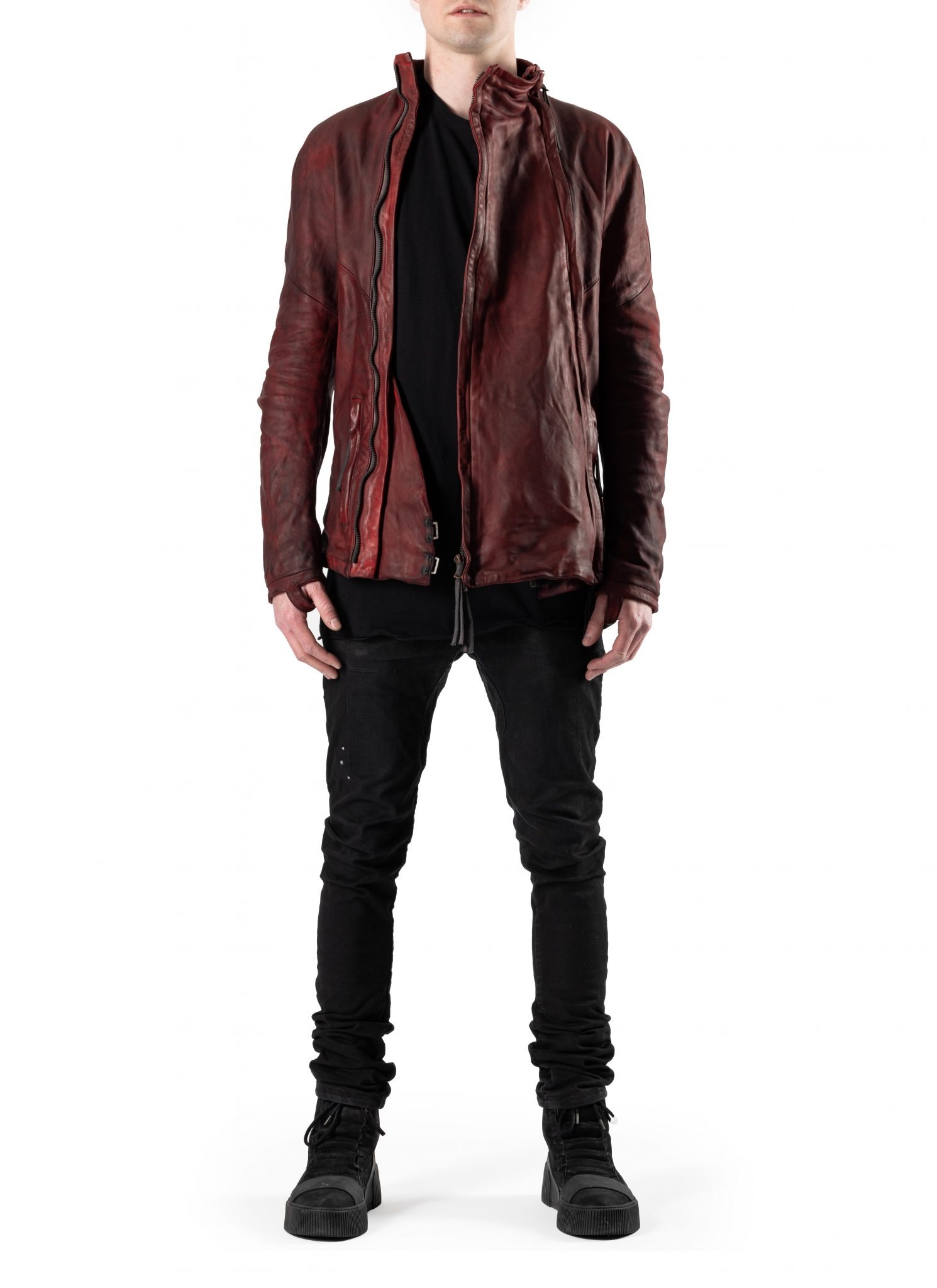
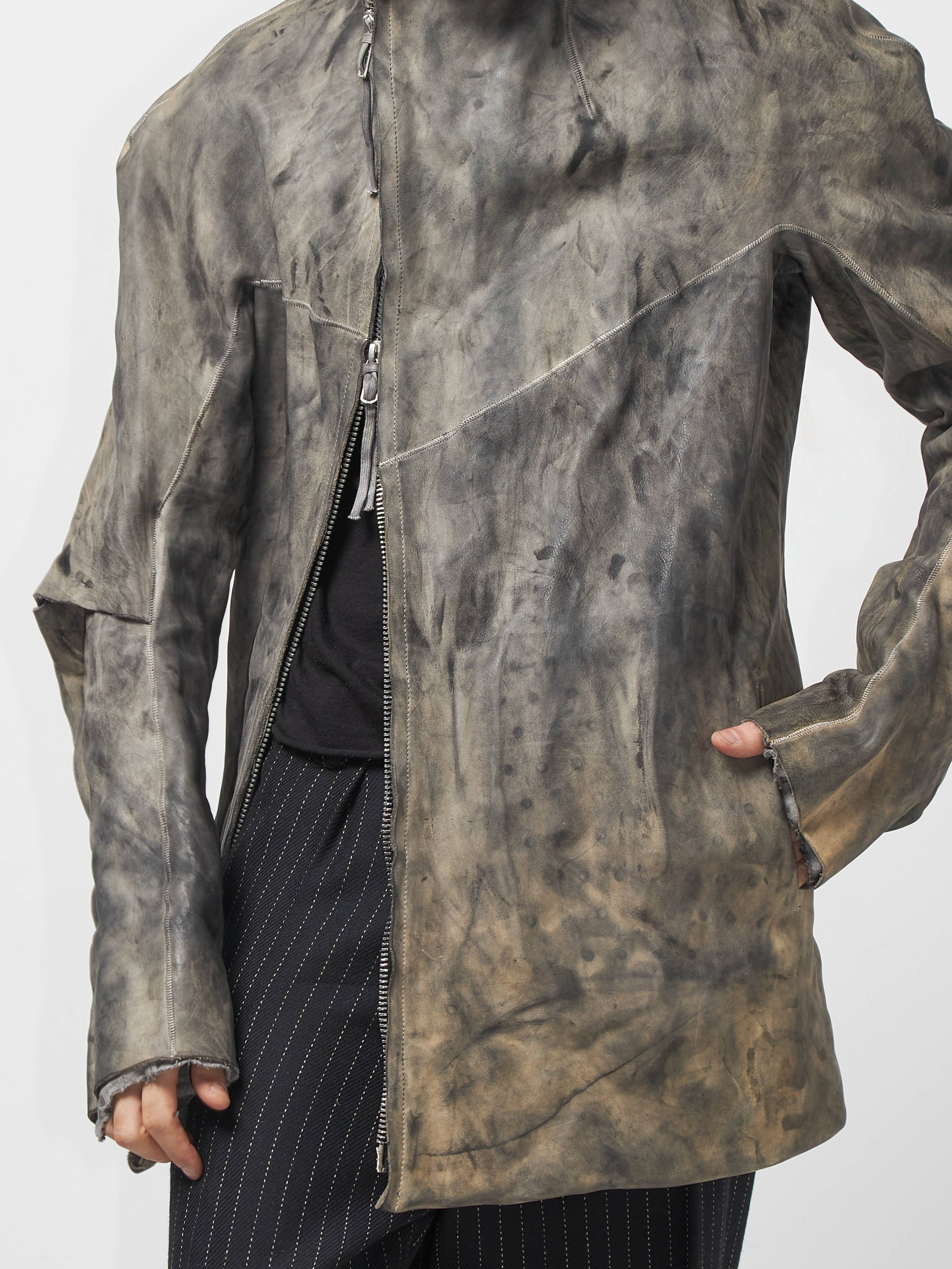
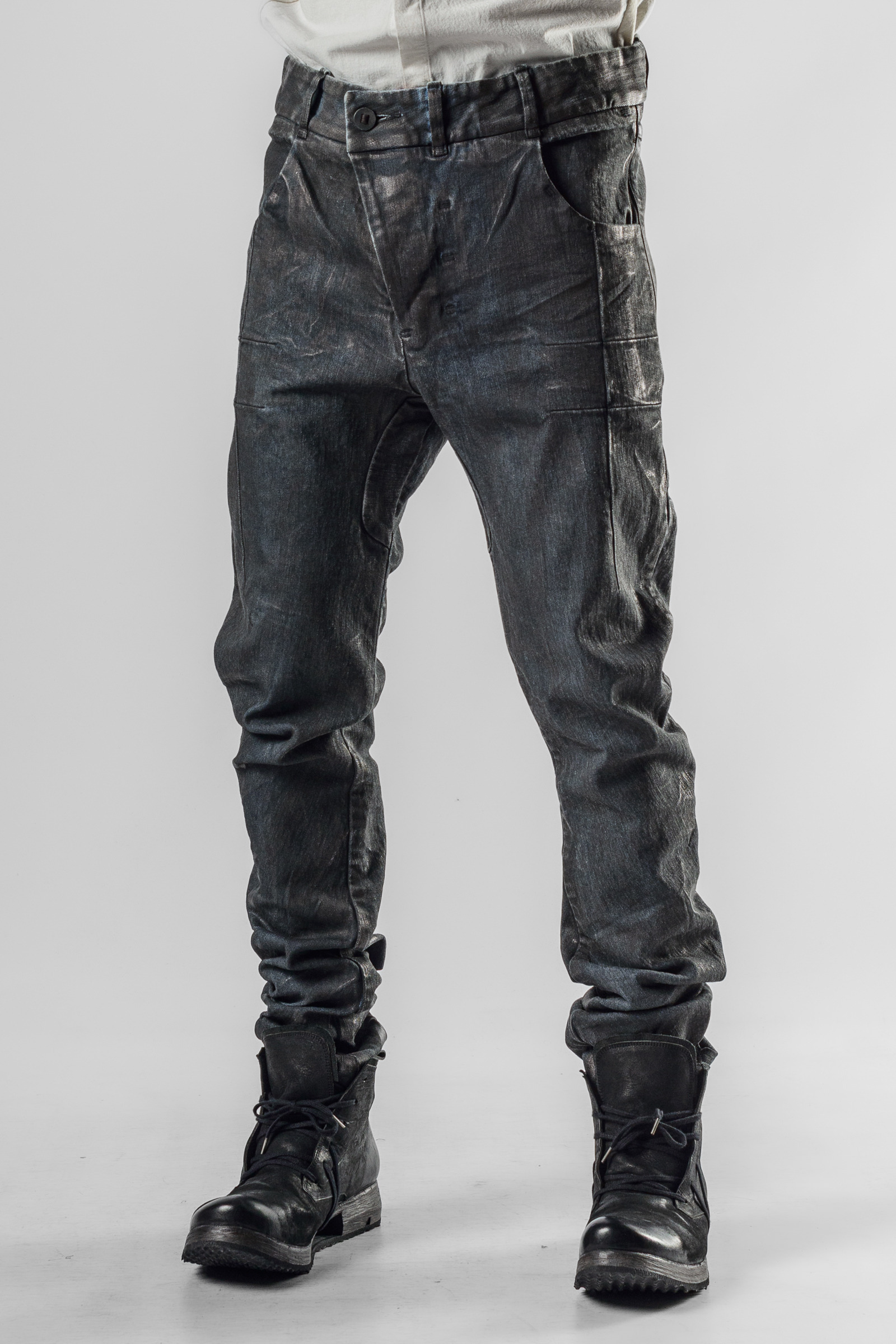
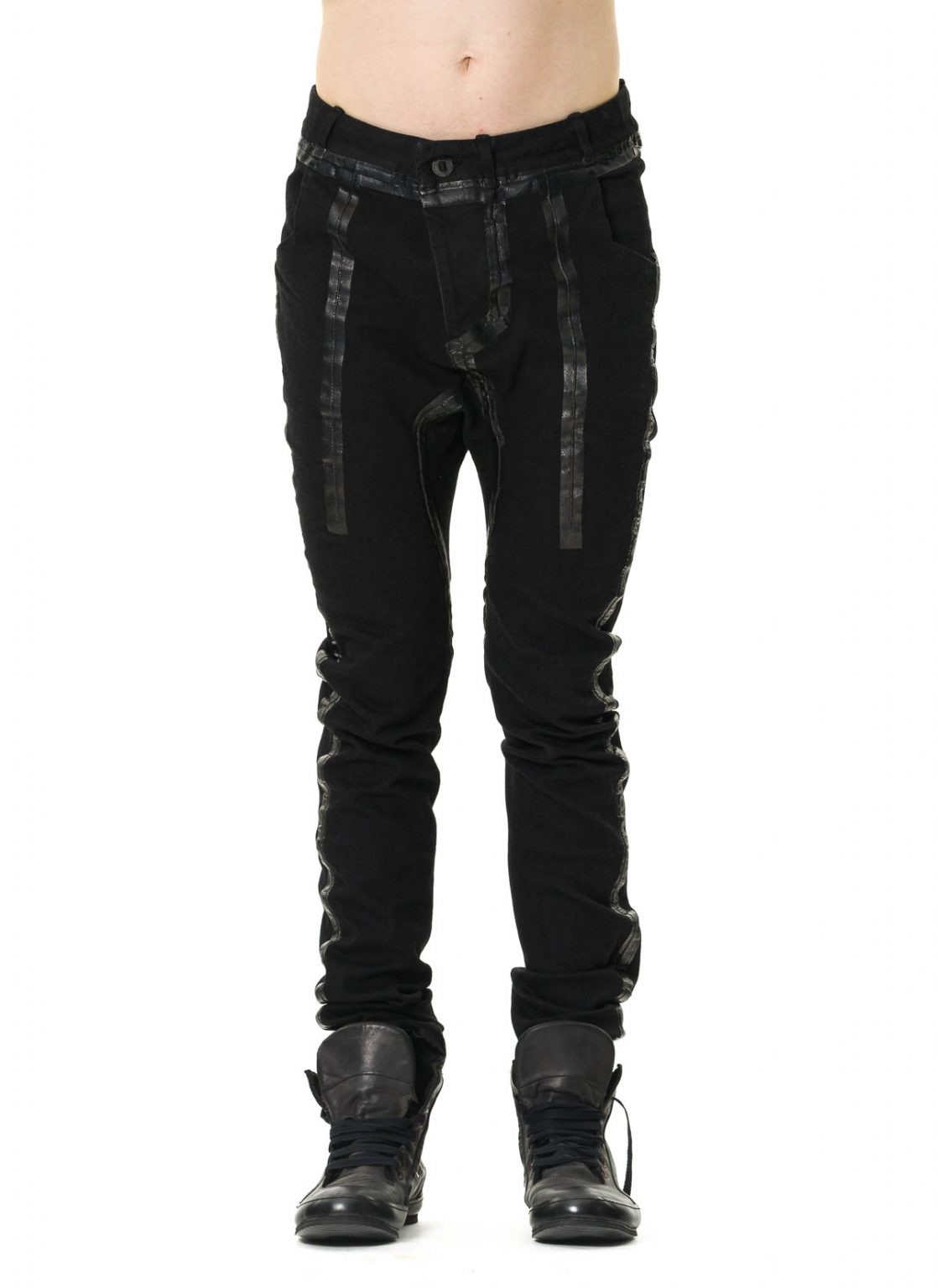
The cost reflects how the pieces are made rather than marketing. Saberi works from his own Barcelona atelier on labour-intensive, limited runs using top-tier fabrics and trimmings, including the vegetable-tanned horse skin the brand is known for. That artisanal, small-scale European production is the opposite of mass manufacturing, and it is precisely what drives the price. You are paying for hand-work and material, so think of a piece as a long-term investment rather than a quick buy.
Who is Boris Bidjan Saberi, the designer behind the label?+
Boris Bidjan Saberi is a German menswear designer based in Barcelona, born in Munich on 11 September 1978 to a German mother and a Persian father, both of whom worked in fashion and ran their own label. He studied fashion design in Barcelona and graduated in 2006, then launched his eponymous label that same year. His personal background and that mixed German-Persian, Barcelona-trained perspective sit right at the centre of the brand's identity.
What is Boris Bidjan Saberi's aesthetic, and where do the references come from?+
The work is dark, avant-garde and wide-ranging in its influences, drawing on skate culture, streetstyle, hip-hop and clothing from the Middle East. Critics have summed it up as a sombre elegance with a deliberate schlampigkeit, or sloppiness, which is part of why it gets mentioned alongside Ann Demeulemeester and Rick Owens. If you are drawn to that uncompromising, lived-in darkness, this is exactly the lane the brand occupies.
What is the difference between Boris Bidjan Saberi and 11 by Boris Bidjan Saberi?+
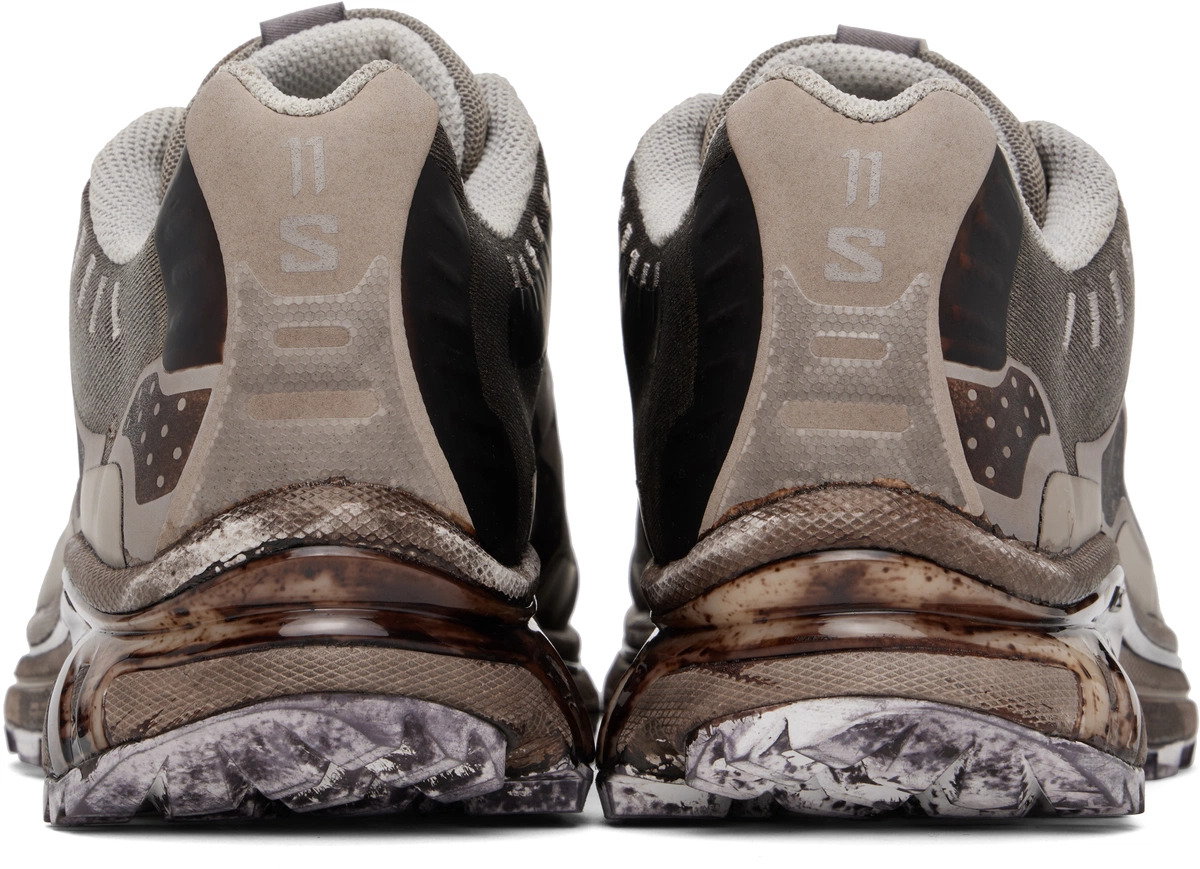
The eponymous line, launched in 2006, is the main collection: the most artisanal, object-dyed, hand-finished work. In 2013 Saberi launched a secondary line, 11 by Boris Bidjan Saberi, which is more streetwear-leaning with a sporty appearance and is generally pitched at a lower price point than the main line. If you want the full craft, start with the main line; if you want the spirit at a more accessible entry, 11 is the diffusion route.
Where are Boris Bidjan Saberi garments made?+
They are made in Spain, where Saberi lives and works and runs his atelier in Barcelona. Although he is based there, he has regularly presented his collections at Paris Fashion Week, having first debuted in Barcelona. That combination of a hands-on Spanish workshop and a Paris runway is a big part of the brand's character.
What material is Boris Bidjan Saberi best known for?+
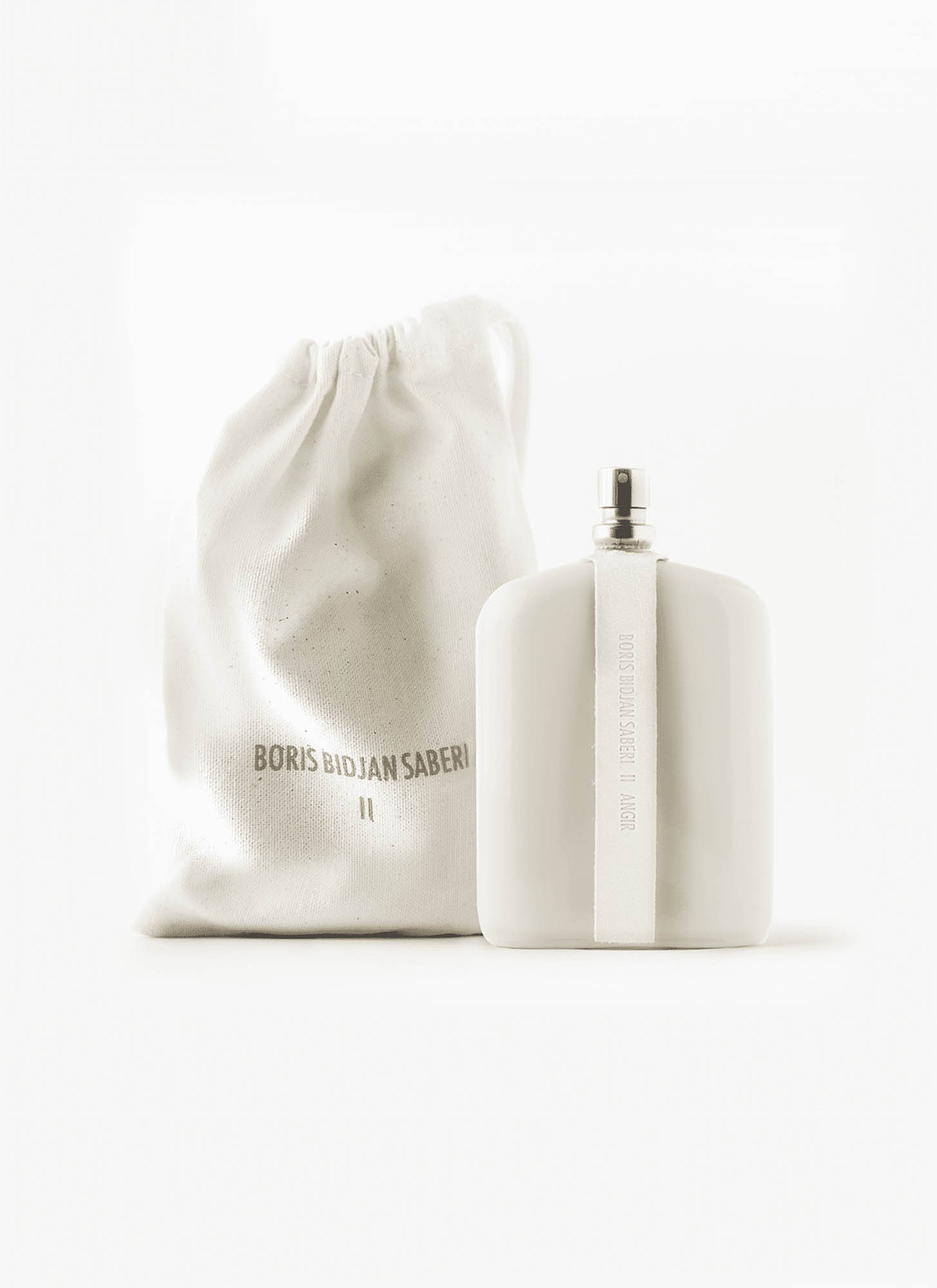
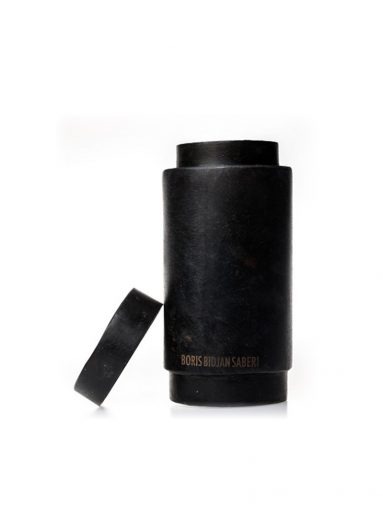
Vegetable-tanned horse skin is the signature. It is distinctive enough that when Saberi collaborated with the perfumer Geza Schoen in 2016 on a fragrance inspired by the scents of his atelier, it carried notes of vegetable-tanned horse skin as a nod to the leather he uses in his garments. If you want the most quintessential piece, look to the leather work.
What collaborations has Boris Bidjan Saberi done?+
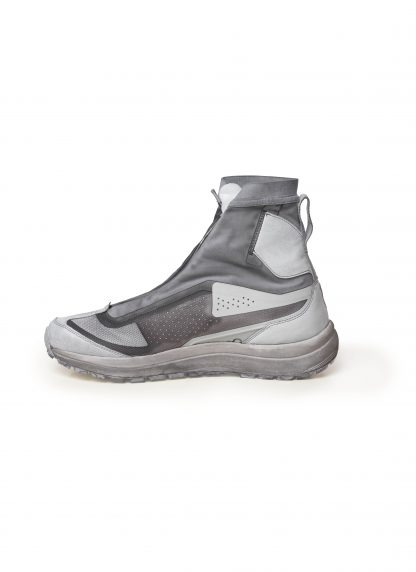
Quite a range, often with technical or artisanal partners. He has worked with the eyewear designer Linda Farrow and the Barcelona artisan Miguel Munoz Wilson, created a Reebok Instapump Fury for the brand's 20th anniversary in 2014, released eyewear with Dita in 2017, and began an ongoing footwear collaboration with Salomon that year for both his main and 11 lines. The Salomon and Reebok projects are the easiest collaborative entry points if the mainline feels like a big first step.
Boris Bidjan Saberi vs Rick Owens — how do they compare?+
They share a register, which is exactly why the comparison gets made: both work in dark, avant-garde menswear with a sculptural, uncompromising sensibility, and Saberi's sombreness and elegant sloppiness draw direct comparisons to Rick Owens and Ann Demeulemeester. The difference is in process and scale. Saberi leans hard into artisanal, limited, object-dyed and hand-finished production from his own Barcelona atelier, so it reads as the more craft-obsessed, workshop-driven take within that shared dark aesthetic.
Has Boris Bidjan Saberi been recognised in the industry?+
Yes. In 2017 he was named to HypeBeast's HB100, the publication's annual list of the most influential creators in the industry. That recognition, alongside the regular Paris Fashion Week presentations, signals that the label is taken seriously well beyond its niche, even though it stays deliberately small in scale.
How should you care for Boris Bidjan Saberi pieces?+
These are hand-finished, object-dyed garments made from natural materials, including the brand's vegetable-tanned horse skin, so treat them like the artisanal objects they are. Expect them to develop character with wear rather than stay pristine, and handle the leather and natural-dyed fabrics gently, leaning on specialist care rather than aggressive washing. Bought and worn this way, a piece is meant to age into you over years, which is the whole point of the brand's hand-made approach.