Are Chaco sandals worth the money?+
For people who actually live outdoors, most owners say yes. The appeal of the adjustable Z-strap design is that it dials into your exact foot shape and then takes years of trail, river and town wear without giving out. You pay more upfront than for a flip-flop, but Chaco offers a repair service that resoles and rebuilds the sandals, so a single pair can stretch over many seasons. If you want a sandal that supports your foot like a hiking boot but still breathes, it tends to earn its place.
Why are Chaco sandals so expensive?+
A lot of the cost is in the engineering of that one continuous strap. Rather than several velcro pieces, a Chaco uses a single strap that loops through the sole and around the foot, which is fiddlier to build but lets you fine-tune the fit anywhere. Add a thick, supportive footbed designed to behave like a hiking boot and a construction made to be resoled rather than thrown away, and the price reflects a sandal meant to last rather than a seasonal buy.
What is the difference between the Chaco Z/1 and Z/2?+
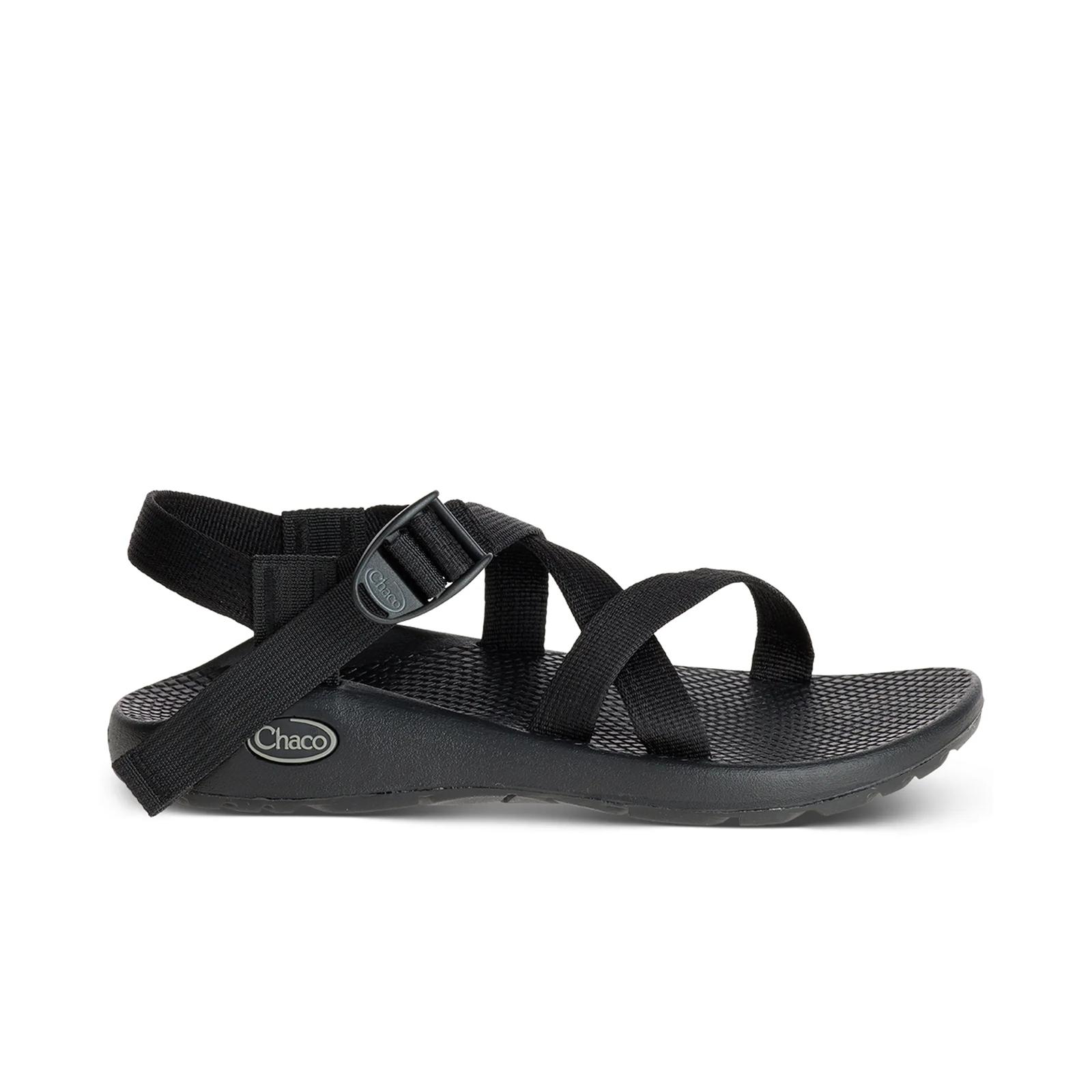
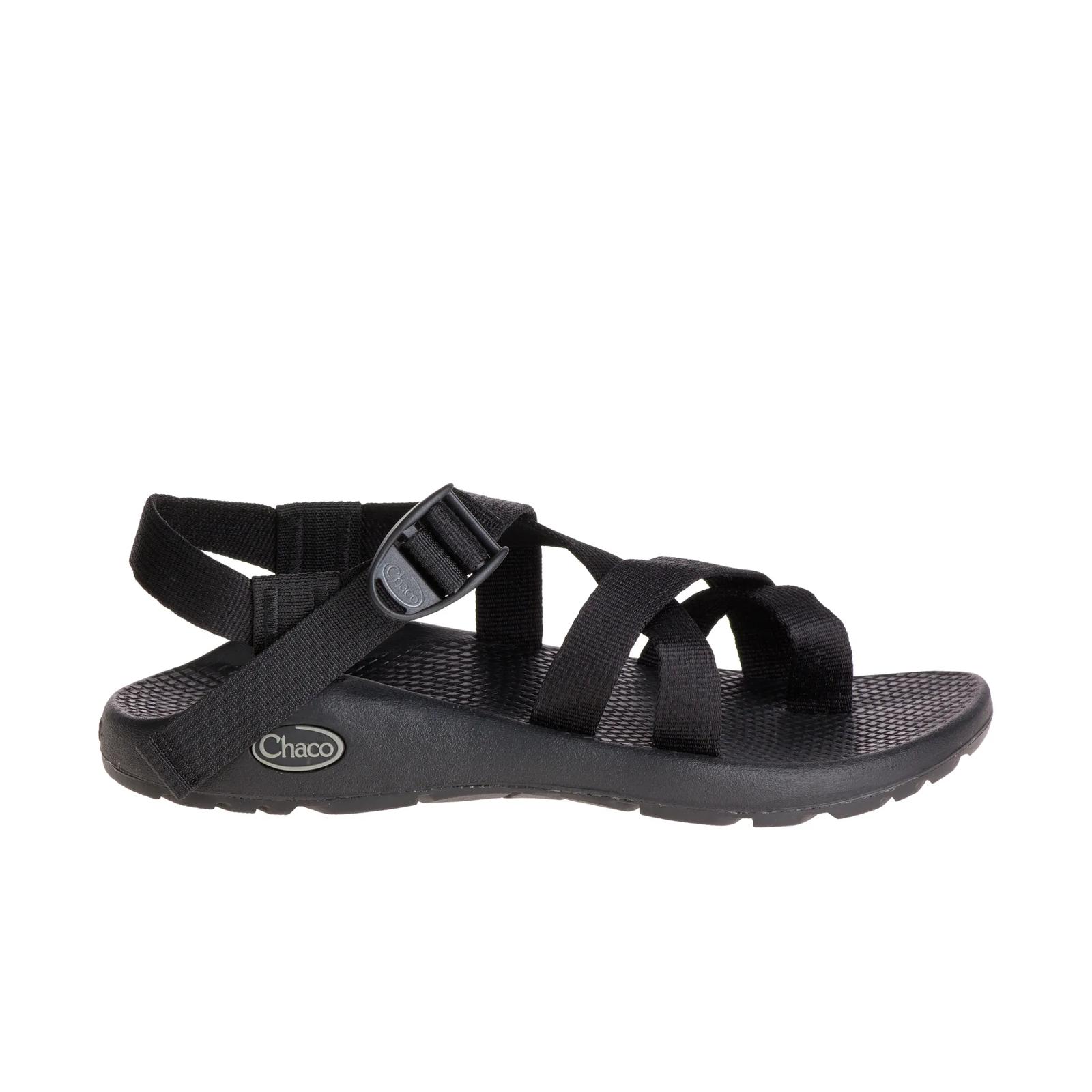
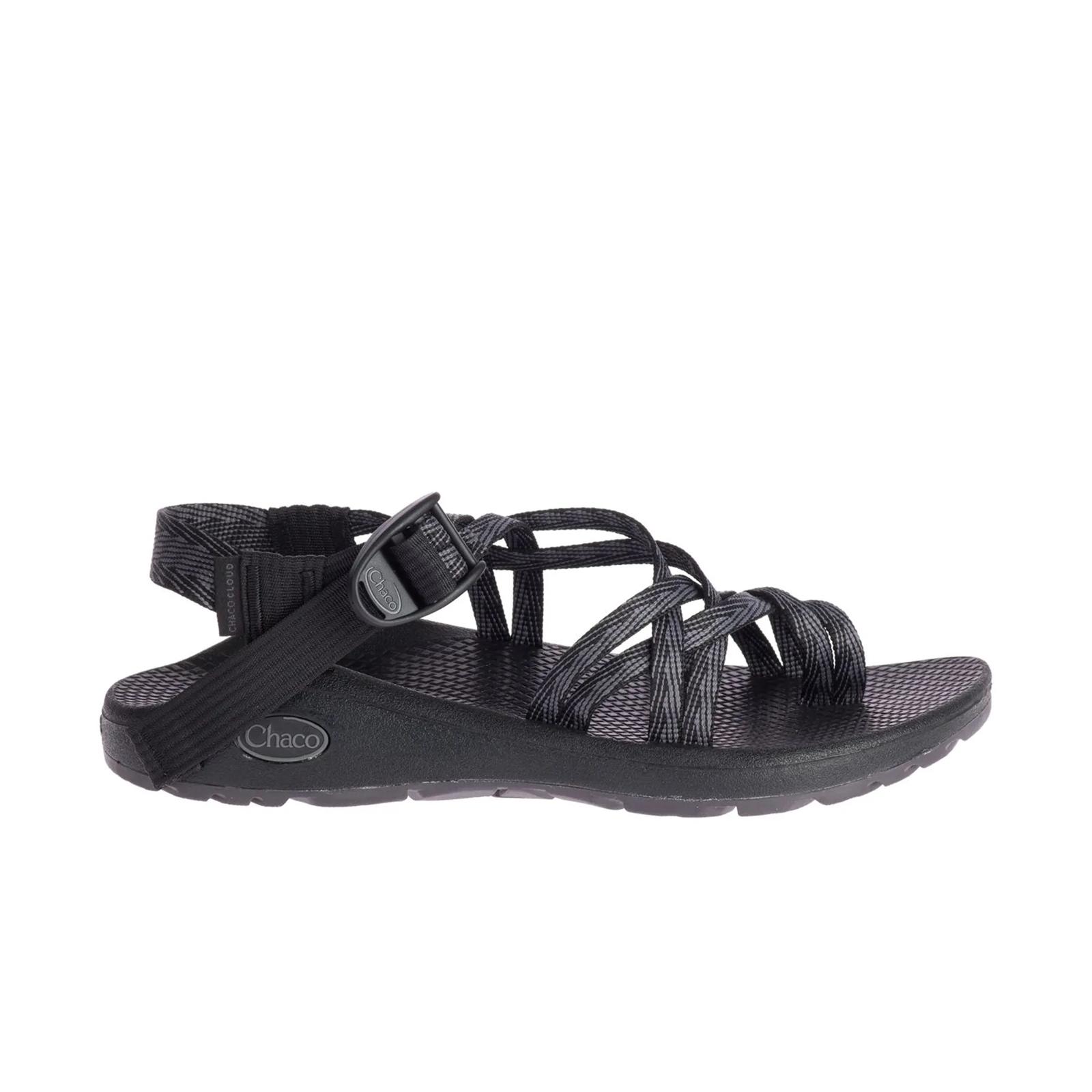
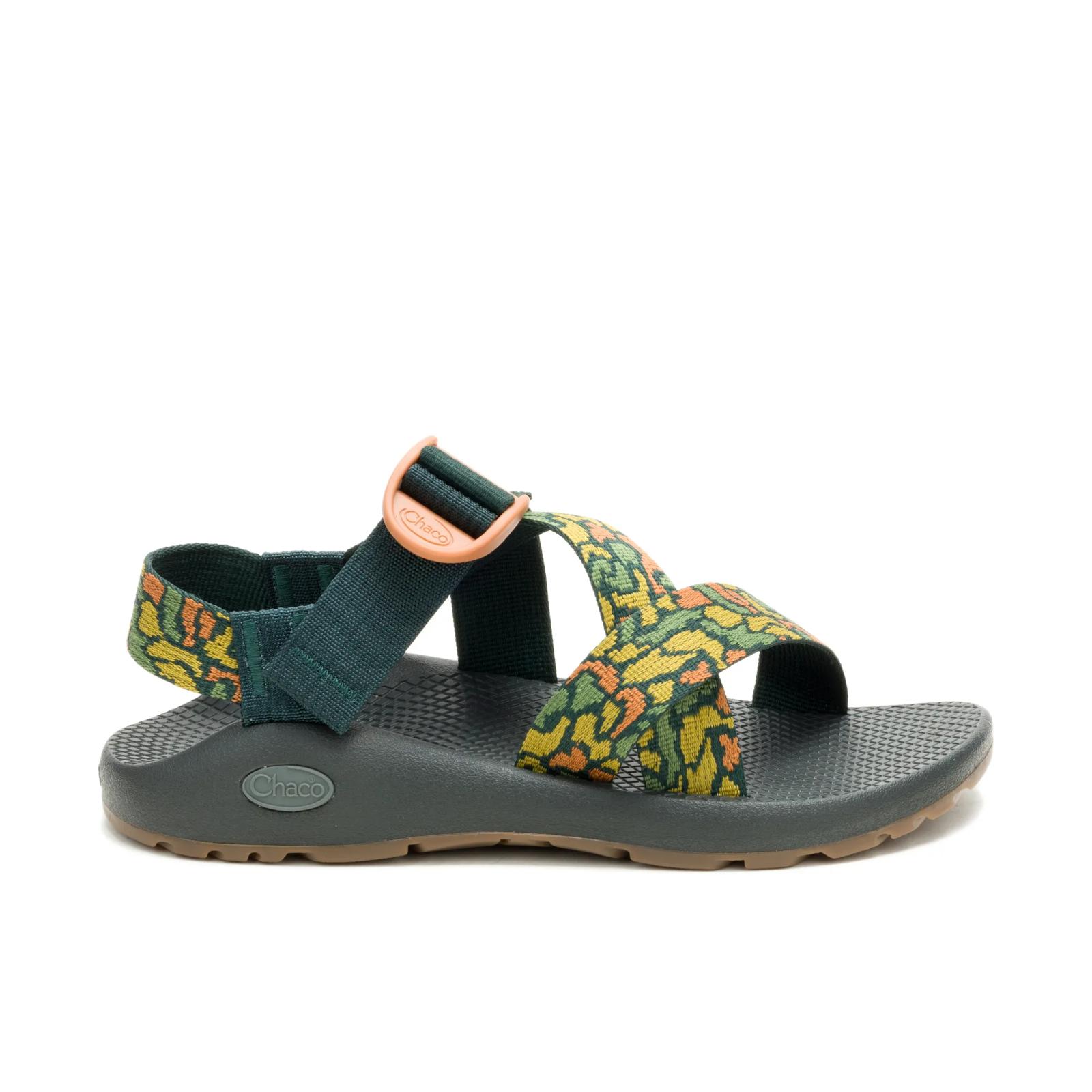
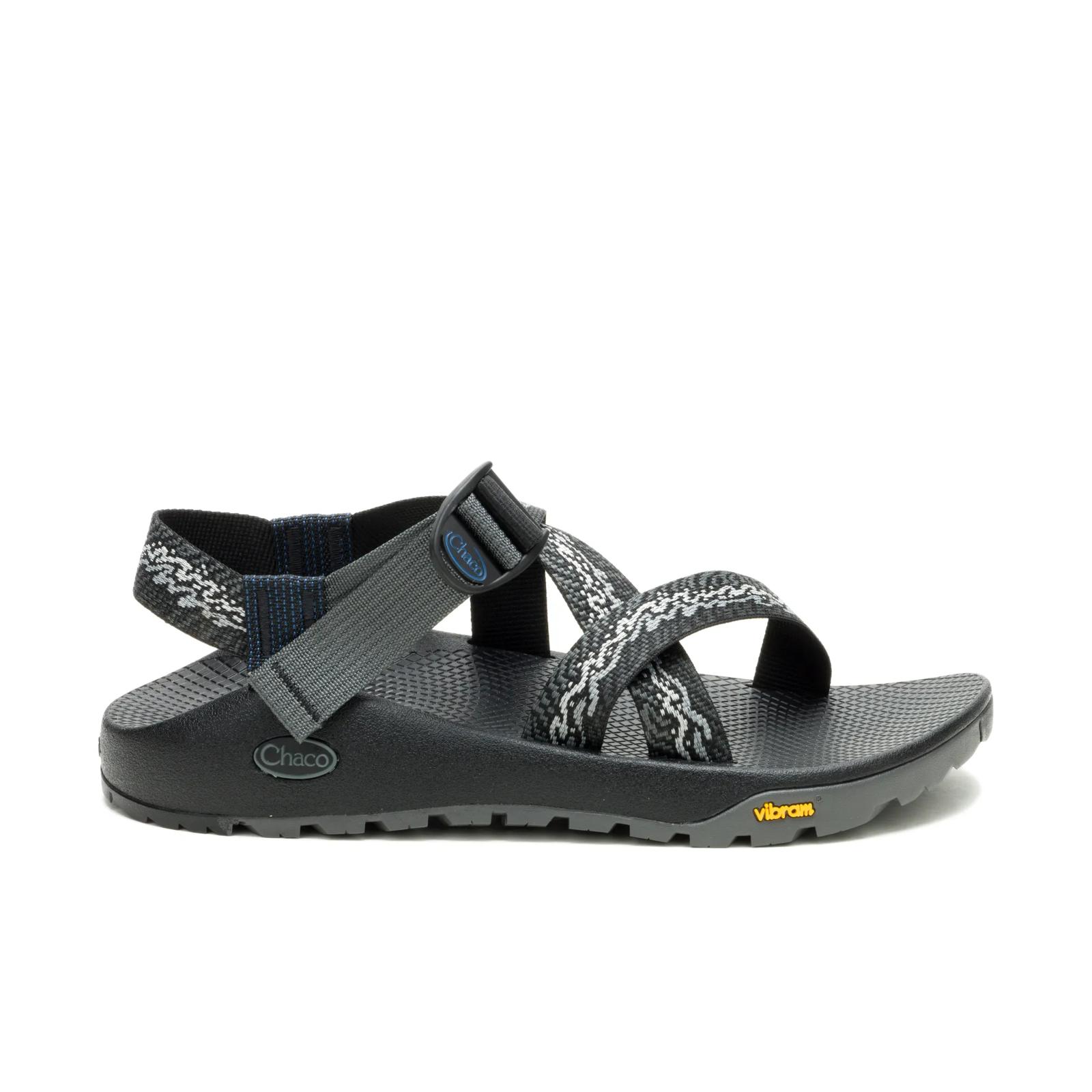
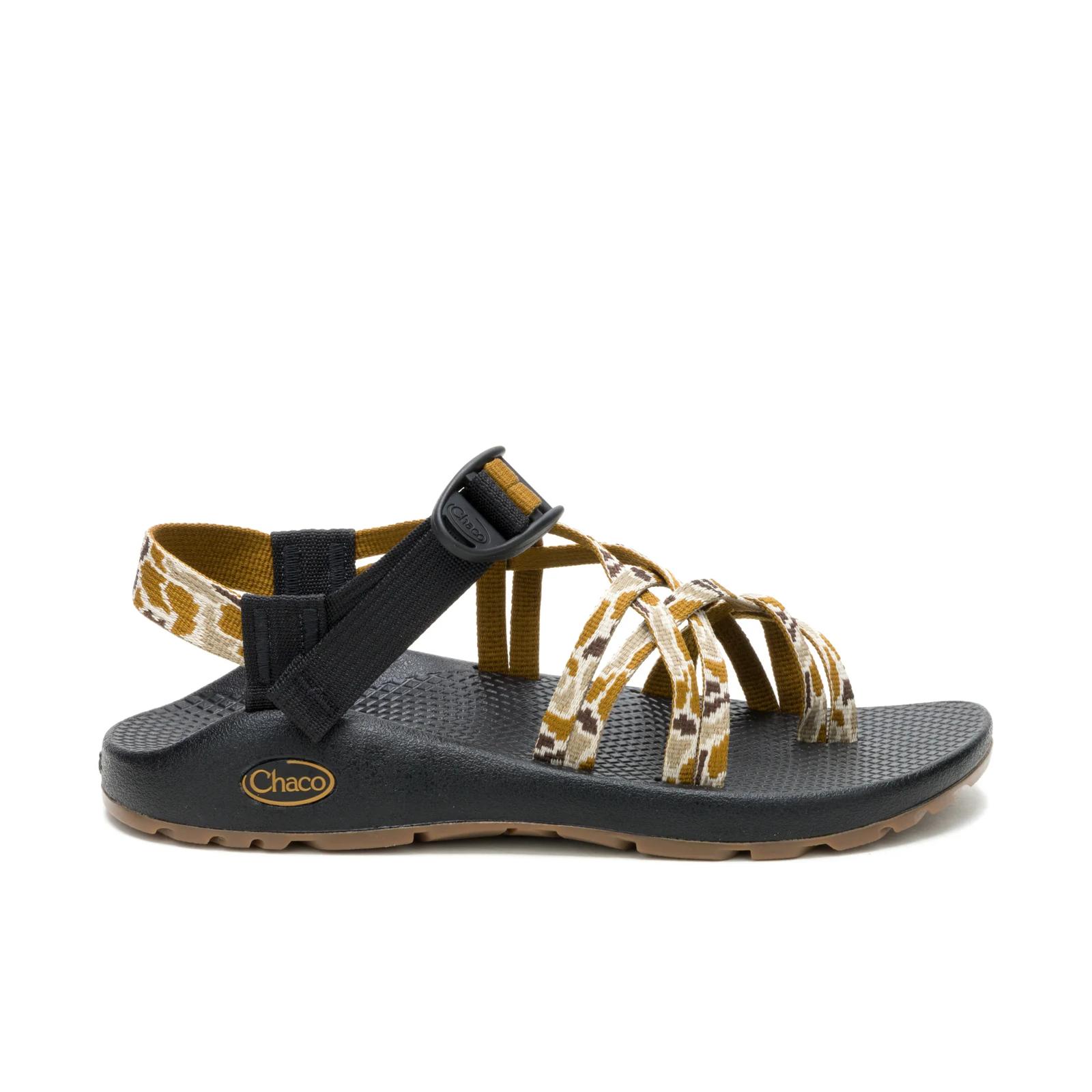
Both share the same adjustable pull-through strap and supportive sole; the difference is a toe loop. The Z/2 adds a strap that wraps around your big toe to lock the foot in place, which many paddlers and rafters prefer for wet, slippery conditions, while the Z/1 leaves the toe free for a more open feel. The Z/1 was Chaco's very first sandal, so it's the purest version of the original idea.
How does the ReChaco repair service work and is it worth using?+
Chaco has offered a repair service from early on, because the sandals are built to be rebuilt rather than replaced. The footbed and outsole wear out long before the rest of the sandal, so resoling or restrapping a beloved pair is usually cheaper than buying new and keeps a broken-in fit you already trust. For anyone who has logged a lot of miles in their Chacos, it's often the smarter move.
How should Chaco sandals fit and how do I adjust the strap?+
The single strap loops continuously through the sole, so you fit them by pulling the slack through from one end to the other until the webbing sits snug across the top of your foot with no gaps. Aim for secure but not pinching; the footbed should cradle your arch and your toes should sit just back from the front edge. It can take a few wears to learn how the strap feeds through, but once set it holds, and you can re-tune it any time.
Should I buy Chaco or Teva?+
Both are well-regarded outdoor sandals, and the honest answer depends on your feet and your use. Chaco's defining traits are a firmer, higher-arch footbed and that single adjustable strap, which many rafters and hikers prefer for a locked-in feel on rough or wet ground. If you want a softer, lighter, more casual sandal you slip on and off, you may lean the other way; if you want firm support and trail-grade hold, Chaco is the one built around that idea.
How did Chaco get started?+
In 1989 a white-water rafting and fly-fishing guide named Mark Paigen wanted a sandal that would let his feet dry in the sun so he wouldn't finish his days with wrinkled feet, while still supporting the foot. He made custom pairs in a spare room, tracing clients' feet onto paper, and by 1991 was selling them from a small shop in Glenwood Springs, Colorado. That guide's-eye, river-first thinking is still baked into the brand.
Where does the name Chaco come from?+
The company was first called Gecko, but the founder renamed it after Chaco Culture National Historical Park. The very first sandal got the name Z/1 almost by accident, when a friend put on a cheesy French accent and called them "Zee One!" That mix of the desert Southwest and a bit of campfire humour suits a brand born on river trips.
Where are Chaco sandals made?+
Originally they were built at a factory in Paonia, Colorado. That factory closed in 2008 and production moved to China. The following year the brand was acquired by Wolverine World Wide, and the Chaco operation relocated to Wolverine's base in Rockford, Michigan.
Who owns Chaco now?+
Since 2009 Chaco has been owned by Wolverine World Wide, the footwear group that also owns Merrell, Saucony and Sweaty Betty, among others. After the acquisition the brand's facilities moved to Wolverine's headquarters in Rockford, Michigan. The river-guide origins remain part of how Chaco presents itself.
Is Chaco an environmentally minded brand?+
Rivers are central to Chaco's identity, since the sandals exist because of them, and the company has put money behind river protection. It has donated to the conservation group American Rivers for its campaign to protect new miles of river, and it released a limited-edition sandal with the net proceeds going to organisations fighting to preserve Bear Ears National Monument, where the founder tested his very first pair. For shoppers who care about the outdoors, that connection is genuine.
Can I wear Chacos for more than just hiking?+
Yes, that versatility is a big part of why people love them. They were built for water and trail, with grippy soles and a foot-locking strap, but the same support makes them comfortable for long days walking around town, beach trips and casual outings. Many owners treat one pair as a do-everything summer sandal rather than buying separate shoes for each activity.