Is DAKS worth it as a British heritage brand?+
DAKS makes a strong case on pedigree. It's a British luxury fashion house founded in 1894, and it's one of only 15 firms out of 820 to have held royal warrants from three members of the Royal Family. If you value classic British tailoring with genuine history behind it rather than logo-driven hype, DAKS delivers exactly that.
What is the DAKS self-supporting trouser, and why does it matter?+
It's the innovation that gave the brand its name and reputation. In 1935, DAKS tailored the first self-supporting trouser, using a patented waistband that held the trousers up without braces or a belt. The design's ease of movement made DAKS popular for sport, and a womenswear line soon followed using the same patented waistband for skirts.
What are the DAKS royal warrants?+
DAKS has held three royal warrants, a rare distinction. The warrant of Prince Philip, Duke of Edinburgh, was granted in 1956, followed by the Queen's in 1962 and Charles, Prince of Wales, in 1982. Being one of only 15 firms to hold warrants from three members of the Royal Family is central to the brand's standing.
Where does the name DAKS come from?+
There are several stories. One account from Ashley Havinden, who worked on the typeface, says the original proposal was "Vacs" (from vacation wear), with the V changed to D and the C to K because the letters looked and sounded stronger. The official 1996 history says it combines the initials of Alexander Simpson and his associate Dudley Beck. The company itself links it to Australian slang "daks" for trousers.
What is the DAKS house check?+
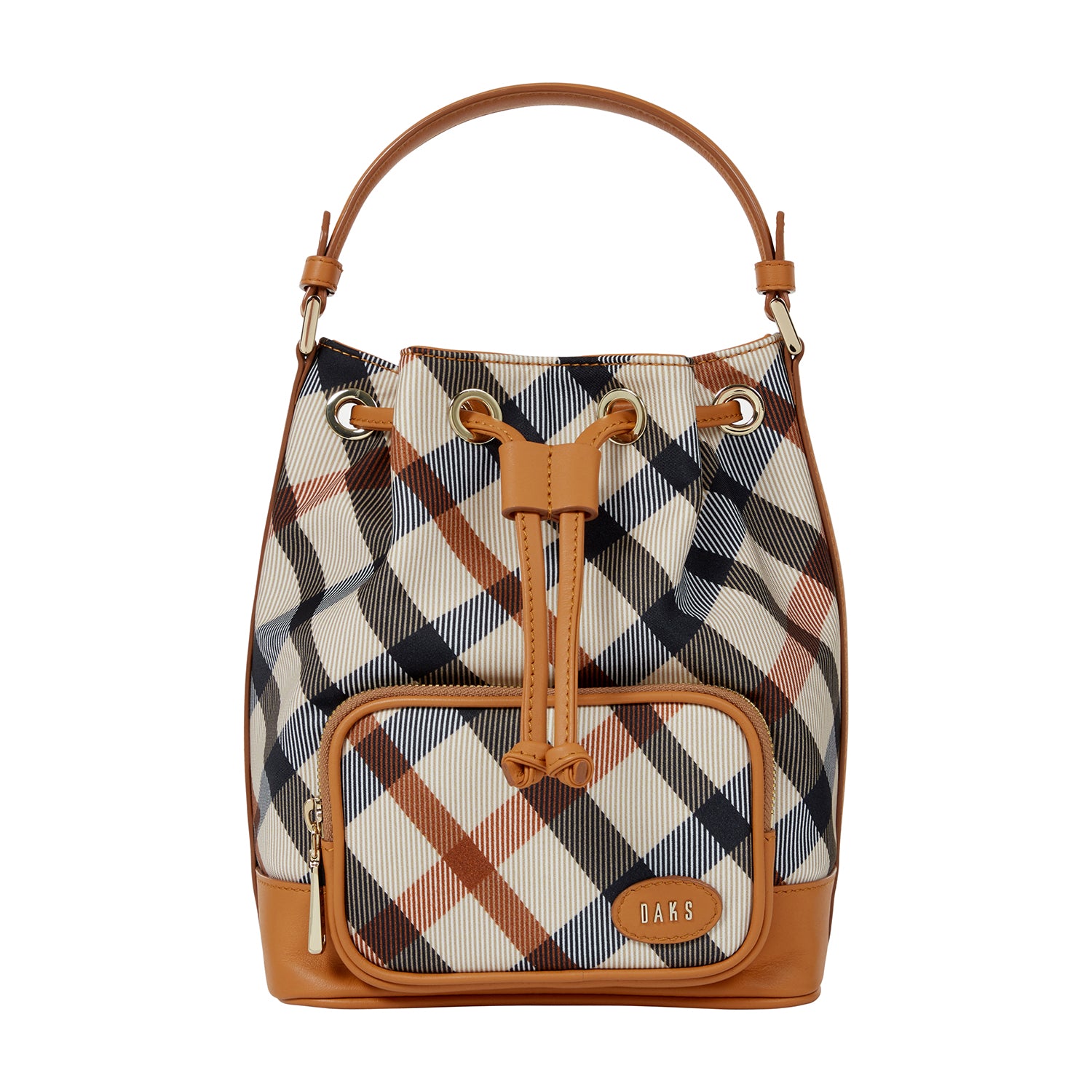
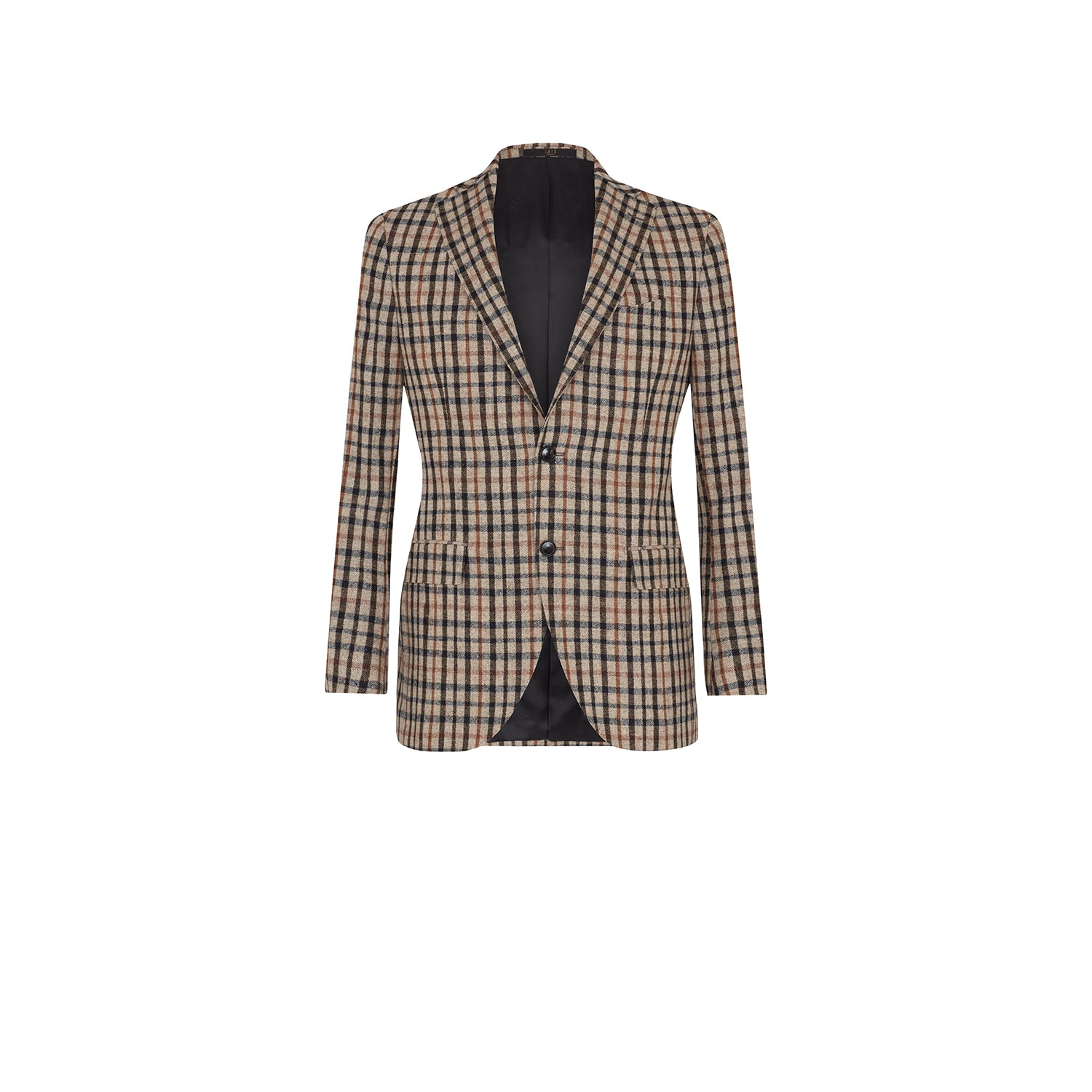
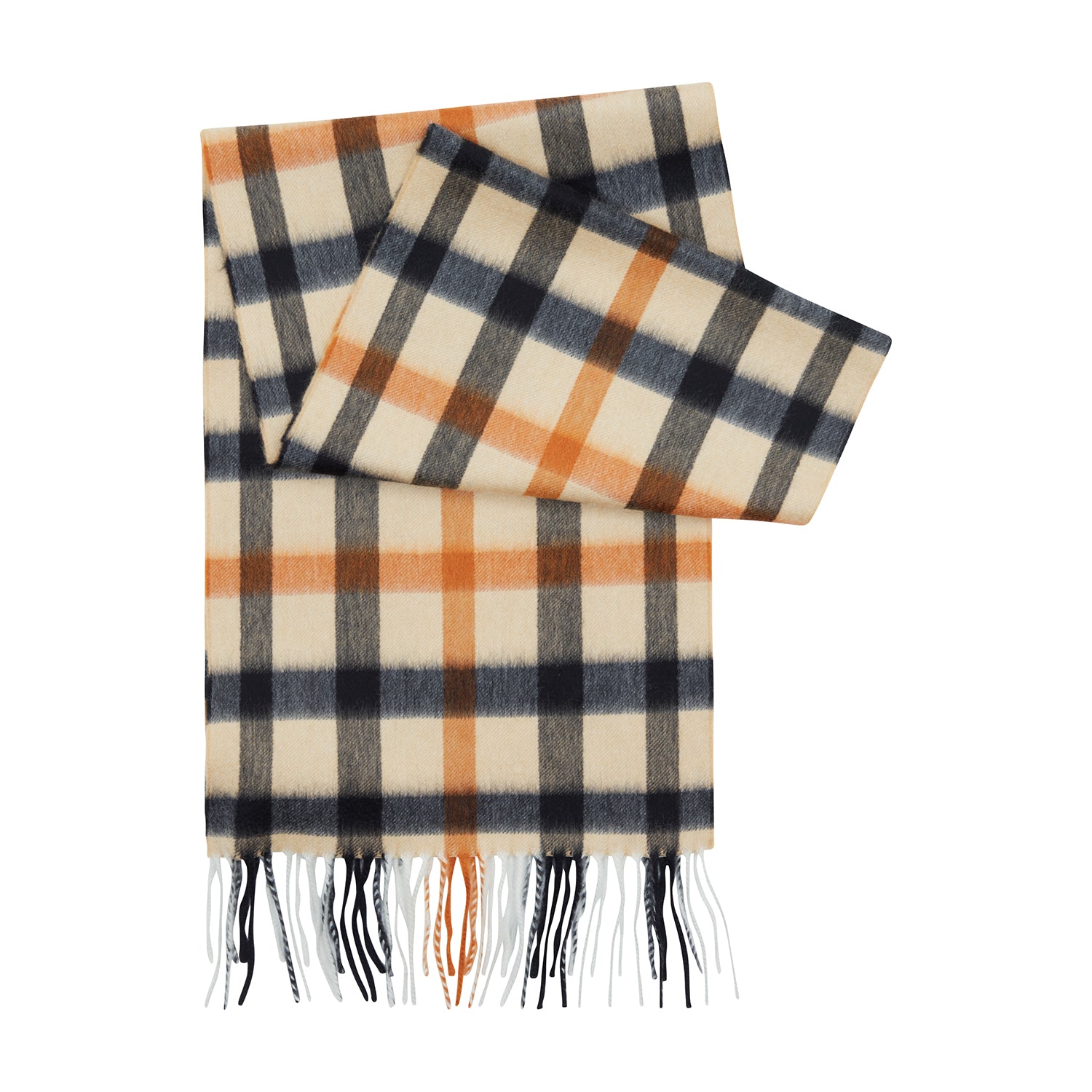
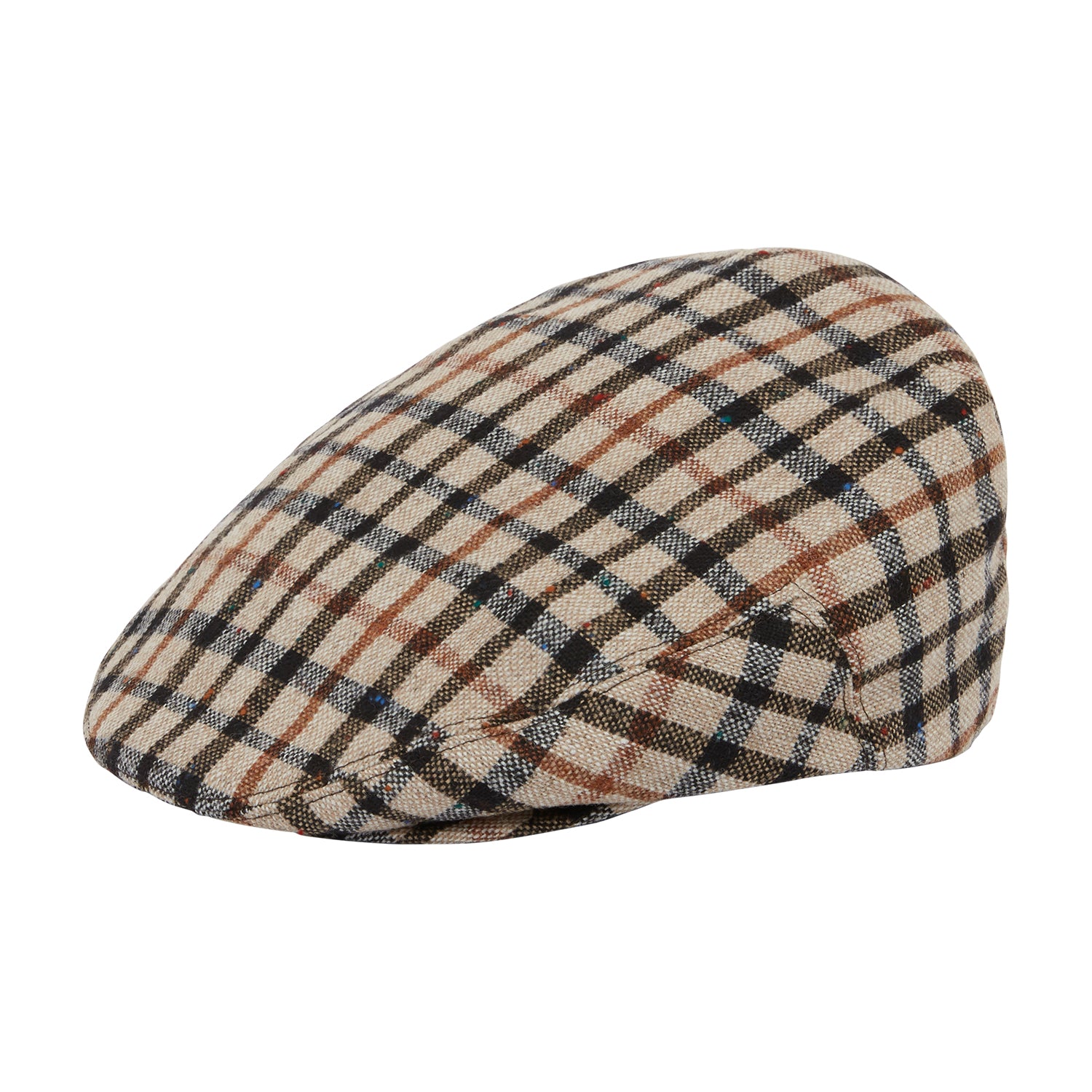
The DAKS check is the brand's signature pattern. It was developed in 1976 by Johnny Mengers, then the Group managing director and the last family chairman. Like other British heritage checks, it became a recognizable house signature woven through the brand's pieces, so spotting it is one way to read a DAKS design.
Who founded DAKS and when?+
DAKS traces to Simeon Simpson, who in 1894, aged just 16, rented a room on Middlesex Street in East London to start a bespoke tailoring business focused on high craftsmanship. He embraced new machinery to raise ready-to-wear standards while keeping quality tailoring. His son Alexander Simpson joined in 1917 and drove the company's growth into the DAKS era.
Who owns DAKS today?+
Since 1991, DAKS has been owned by Sankyo Seiko Co. Limited of Japan. When that acquisition happened, the older "S Simpson" name was dropped and DAKS became the company's brand name. The label is now exported to 30 countries and sold in over 2,000 specialty shops, major stores, and concessions worldwide.
What was Simpsons of Piccadilly?+
It was the brand's landmark London store, founded by Alexander Simpson. Designed by architect Joseph Emberton and opened in April 1936 by motor-racing legend Sir Malcolm Campbell, it featured the first curved-glass shop windows in Britain and famous window displays by Bauhaus figure László Moholy-Nagy. Simpsons stopped trading there in 1999, and the building is now Waterstone's flagship.
How can I tell if a DAKS piece is vintage or authentic?+
Labels are your best clue. The brand always used all caps, DAKS, for its trademark even though others wrote it "Daks," and older garments may carry the "S Simpson" name that was dropped after the 1991 sale. Pieces predating that change point to earlier production, so reading the label wording helps you place an item's era.
Why are DAKS trousers associated with sport?+
It comes back to the self-supporting waistband. Because the trousers stayed up and allowed free movement, exactly as Simpson intended, DAKS became popular kit for tennis, golf, motor racing, and football players, and even outfitted the British Olympic team in 1960. That sporting heritage is woven into the brand's identity.
Did DAKS play a role during the Second World War?+
Yes. The British Government commissioned the company to produce military uniforms for officers in the Army, Navy, Royal Air Force, and Women's Services. Despite bomb damage that semi-destroyed its Stoke Newington factory and a loss of electricity, DAKS made seven million garments for the military, a striking chapter in its history.