Brand · Southern American khaki since 1865

Duck Head

Born from surplus Army tent canvas in Nashville — the khaki that defined Southern prep.

Duck Head
Re-checked daily
The Duck Head name goes back to 1865, when brothers George and Joe O'Bryan began making work pants in Nashville from a heavy Army-surplus canvas known as duck.

The trademark followed in 1892 — the registry rejected plain "Duck" as too common, so the brothers registered Duck Head instead. For decades it meant durable Southern workwear, until 1978, when sales director David Baseheart turned a shipment of cotton khaki into dress pants with a mallard logo on a yellow back tag. He sold his first batch at the University of Mississippi bookstore, and through the 1980s Duck Head khakis became Southern campus uniform — as Forbes later put it, as indispensable as worn Topsiders and a pink Polo.

Ownership passed through many hands — Delta Woodside, Tropical Sportswear, Goody's, then a Richmond group that outbid Perry Ellis at a 2009 auction. Since 2016 the brand has belonged to the Lanier Apparel division of Oxford Industries in Atlanta, relaunched largely online with chinos, sport shirts and tees.
The Duck Head pieces worth knowing

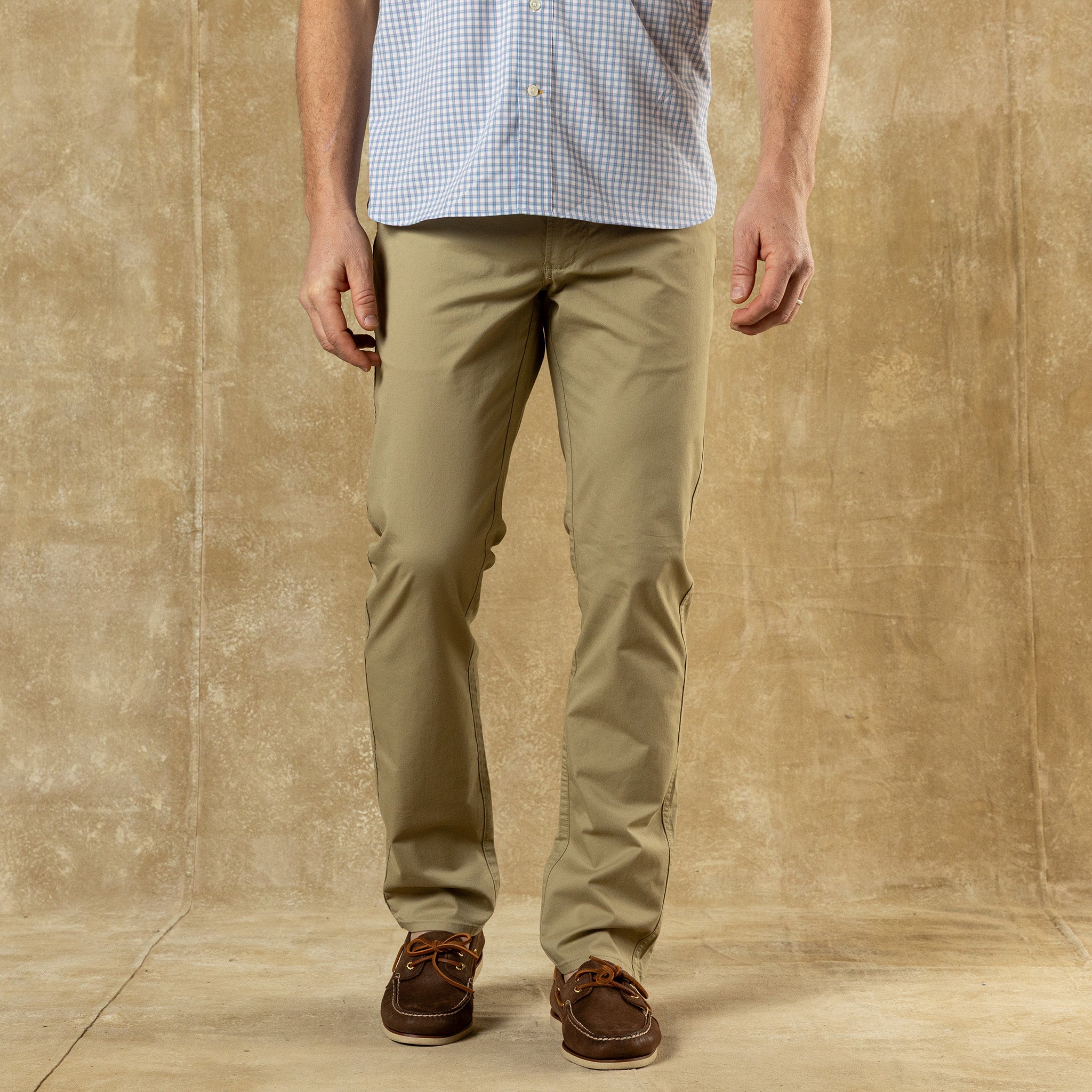
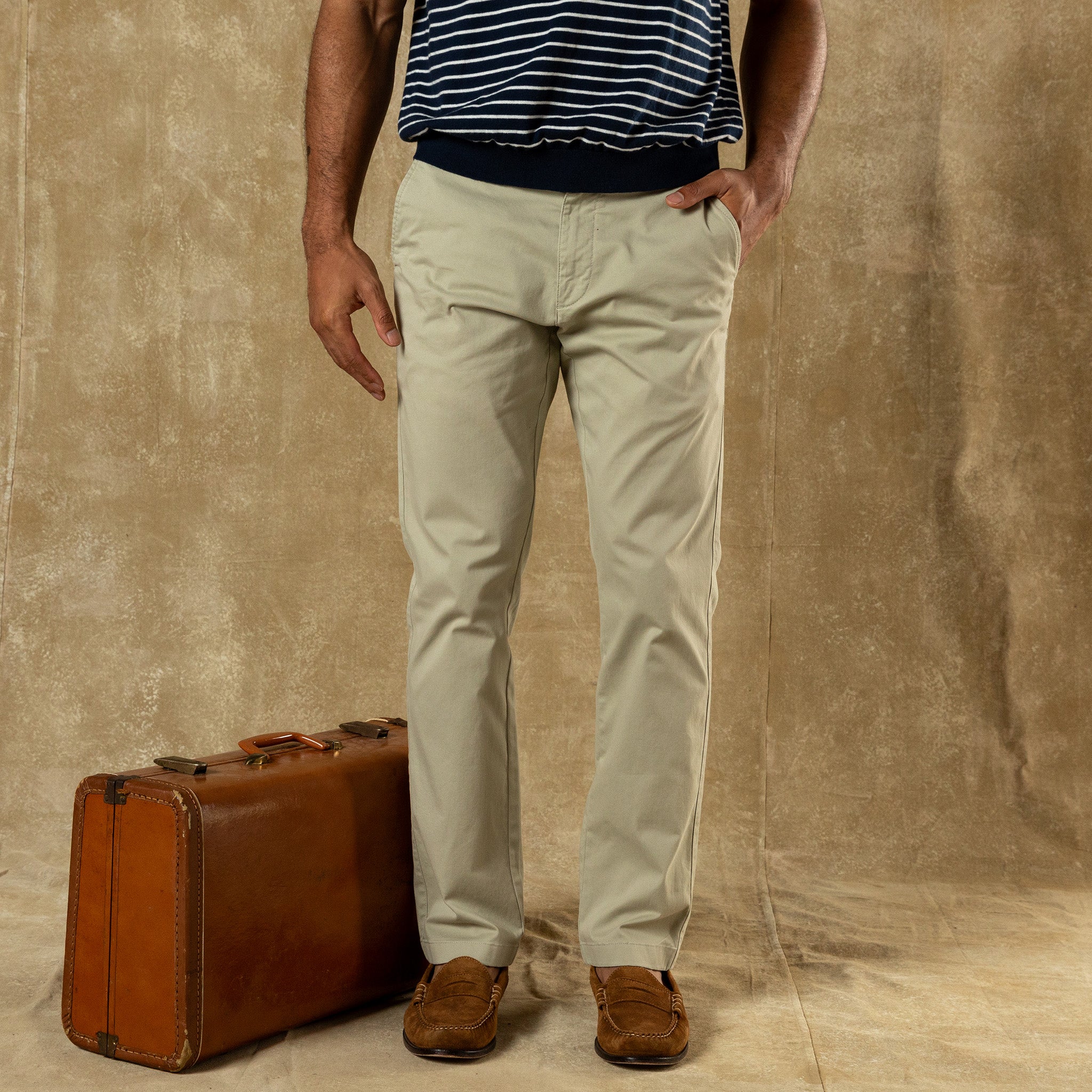
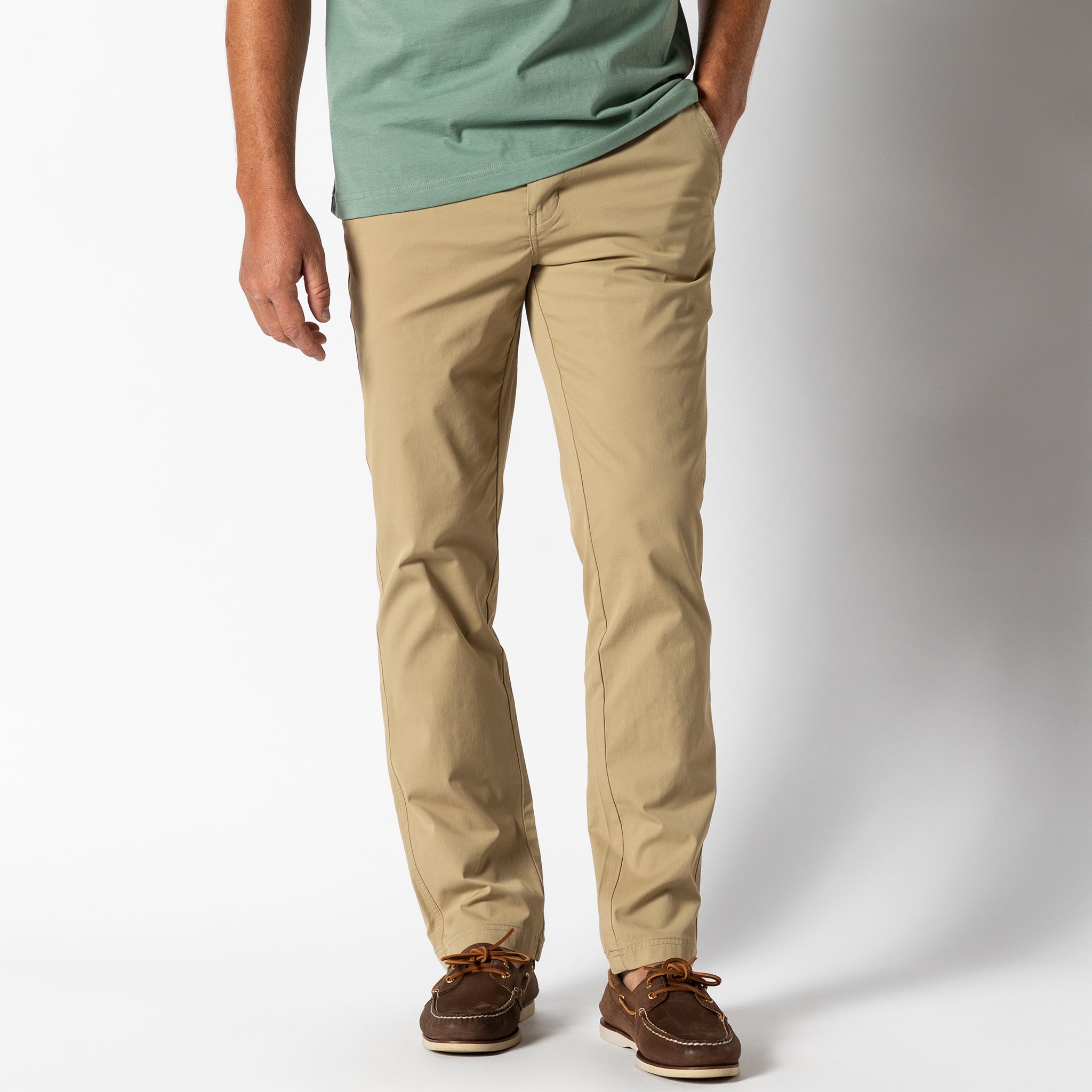
Classic Fit Gold School Chino
1978 Khaki Legacy
Classic Fit Gold School Chino
The modern Duck Head khaki, rebuilt around the gold-tab chino that made the mallard a campus staple.
$118 at DUCK HEAD
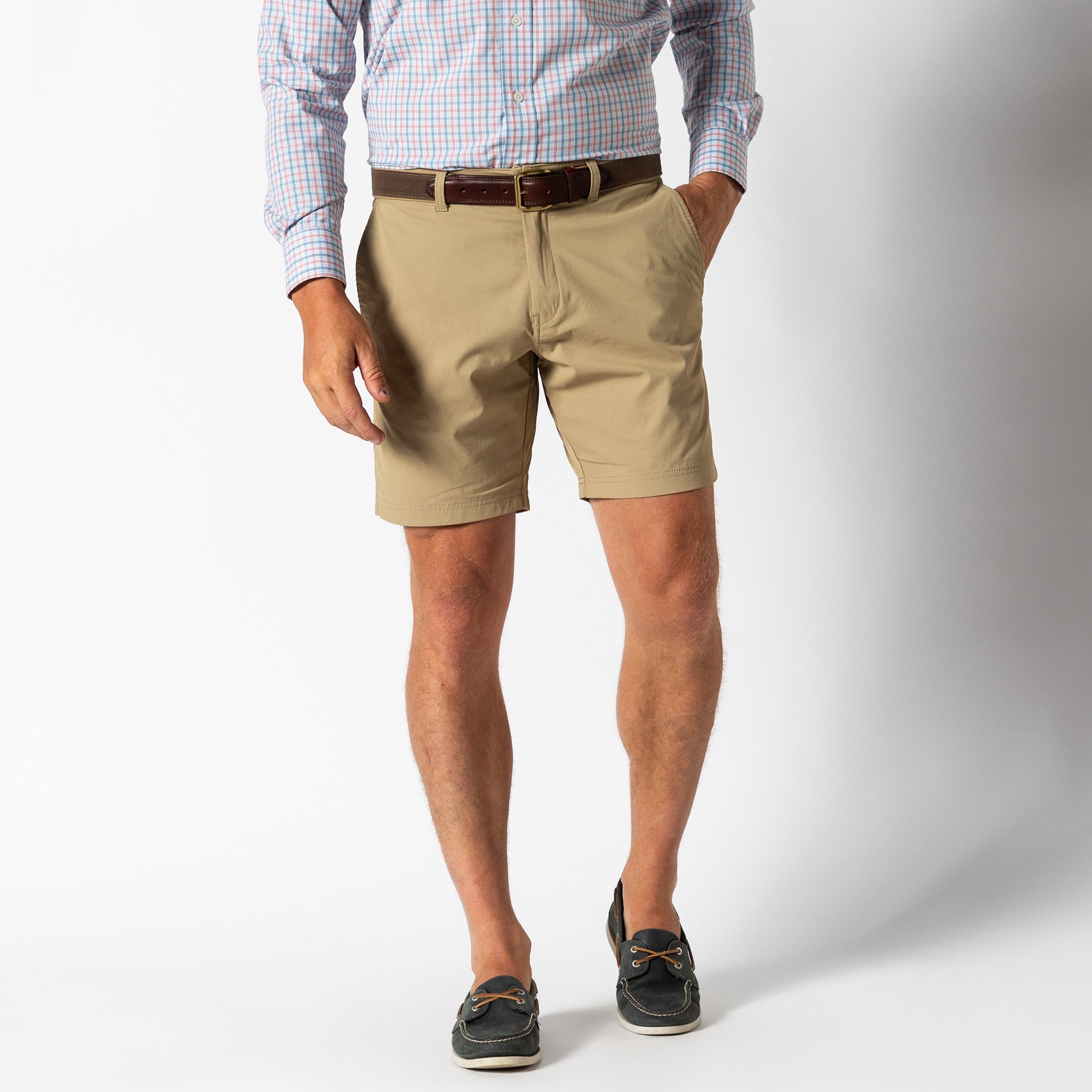
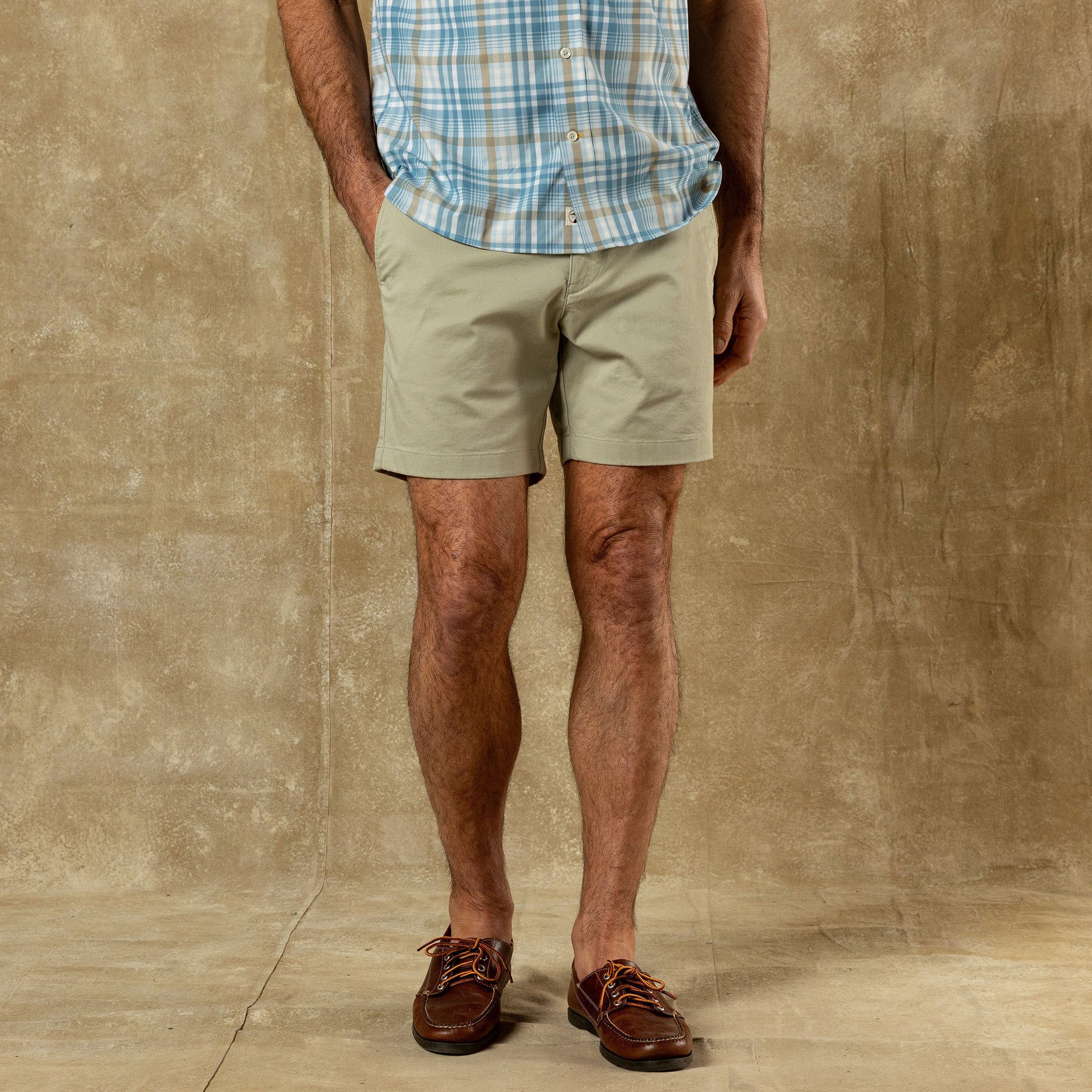
7" Gold School Chino Short
Summer Chino
7" Gold School Chino Short
The Gold School formula cut above the knee, keeping the same mallard-tag details for warm-weather prep.
$88 at DUCK HEAD
Harbor Performance Chino
Elevated Performance
Harbor Performance Chino
A cleaner, technical chino for Duck Head’s travel-and-coast performance lane.
$128 at DUCK HEAD
8" Harbor Performance Short
Best-Selling Harbor
8" Harbor Performance Short
Duck Head’s performance short, tuned for quick-dry ease without losing the chino outline.
$98 at DUCK HEAD
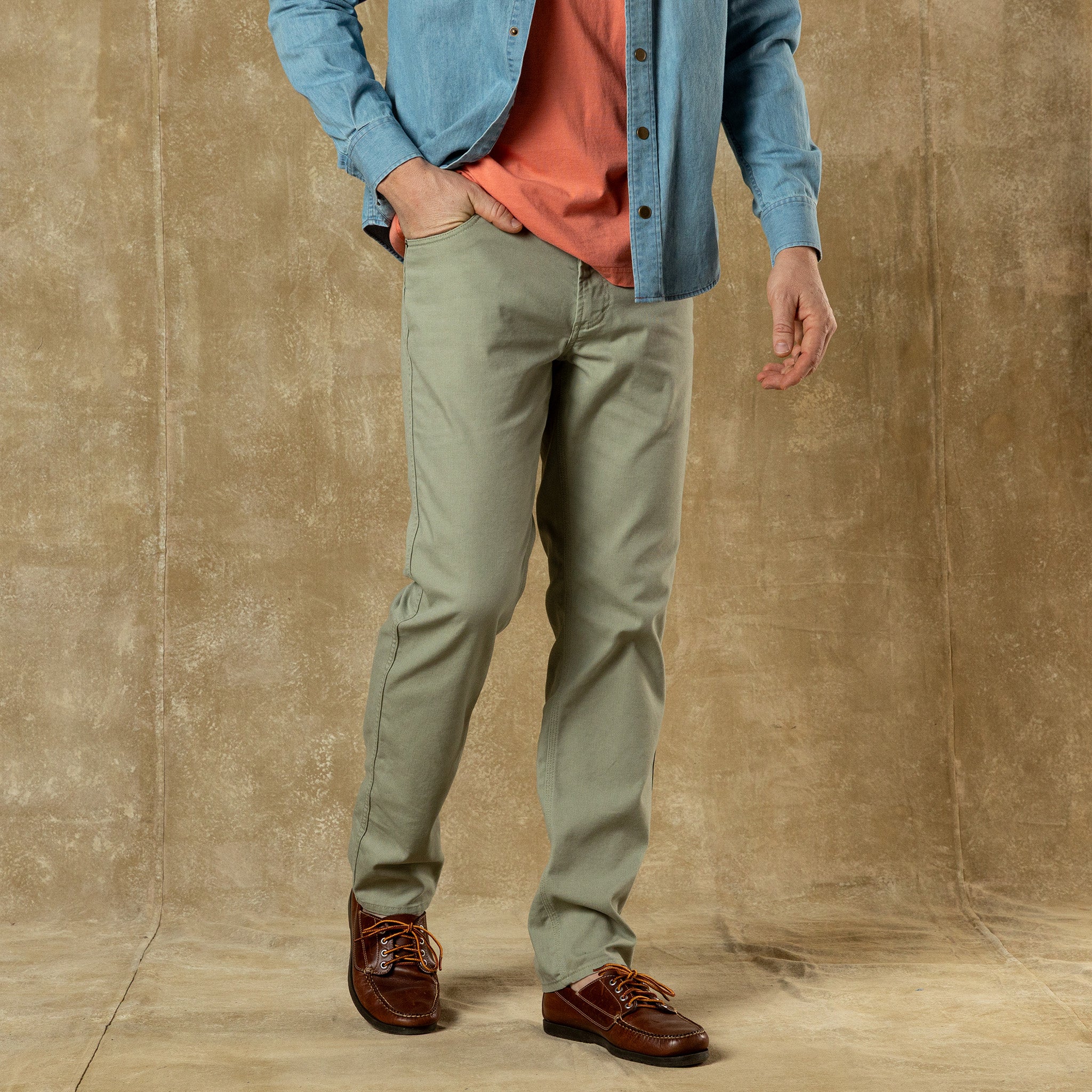
Shoreline Five-Pocket
Soft Twill
Shoreline Five-Pocket
A buttery lightweight five-pocket that softens Duck Head’s pant lineup without losing structure.
$118 at DUCK HEAD
Field Canvas Five-Pocket
Rugged Canvas
Field Canvas Five-Pocket
Rugged canvas translated into a five-pocket pant with Duck Head’s gold-school detailing.
$128 at DUCK HEAD
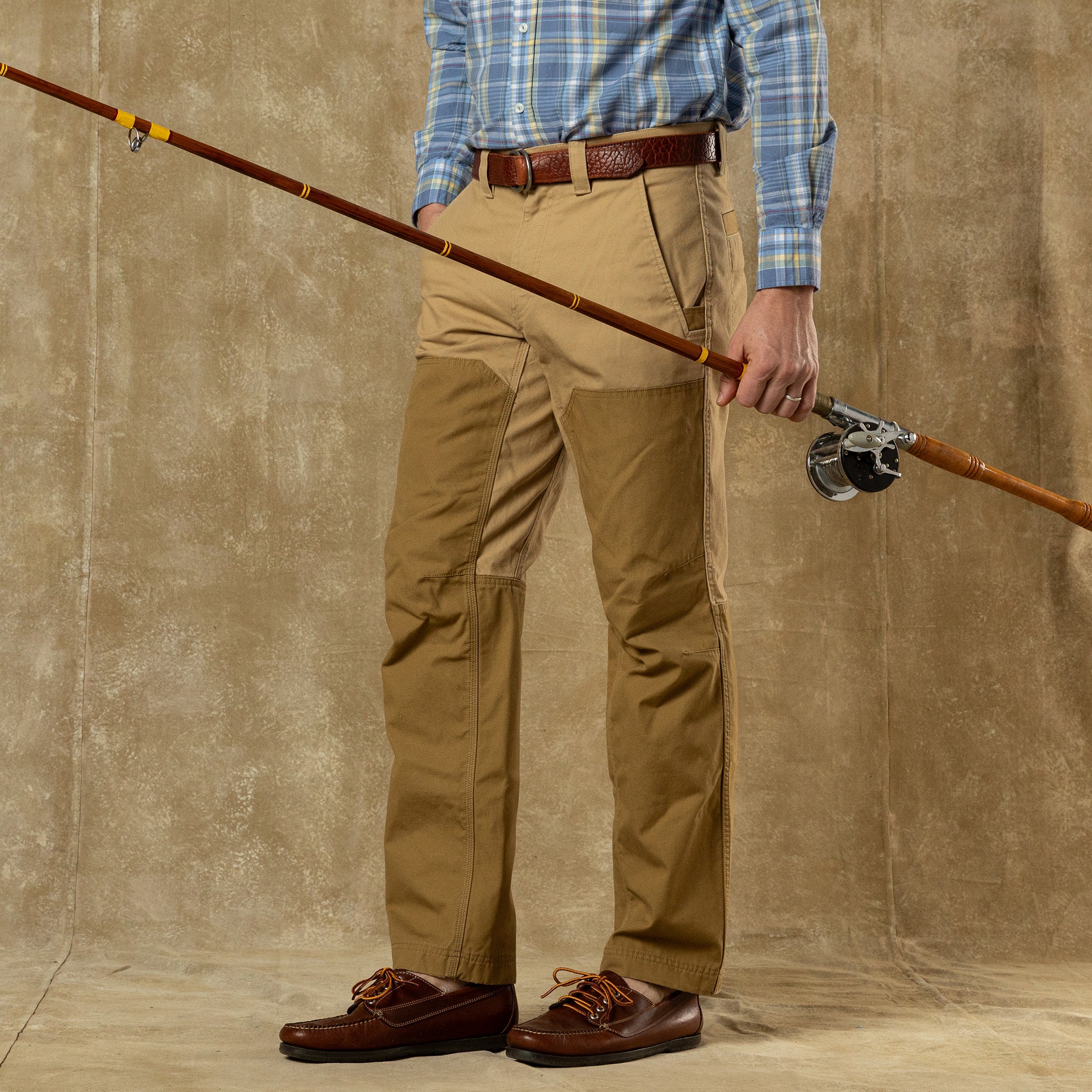
Field Canvas Briar Pant
Sportsman Pant
Field Canvas Briar Pant
Duck Head’s outdoorsman pant, built as a field-ready extension of the canvas story.
$178 at DUCK HEAD
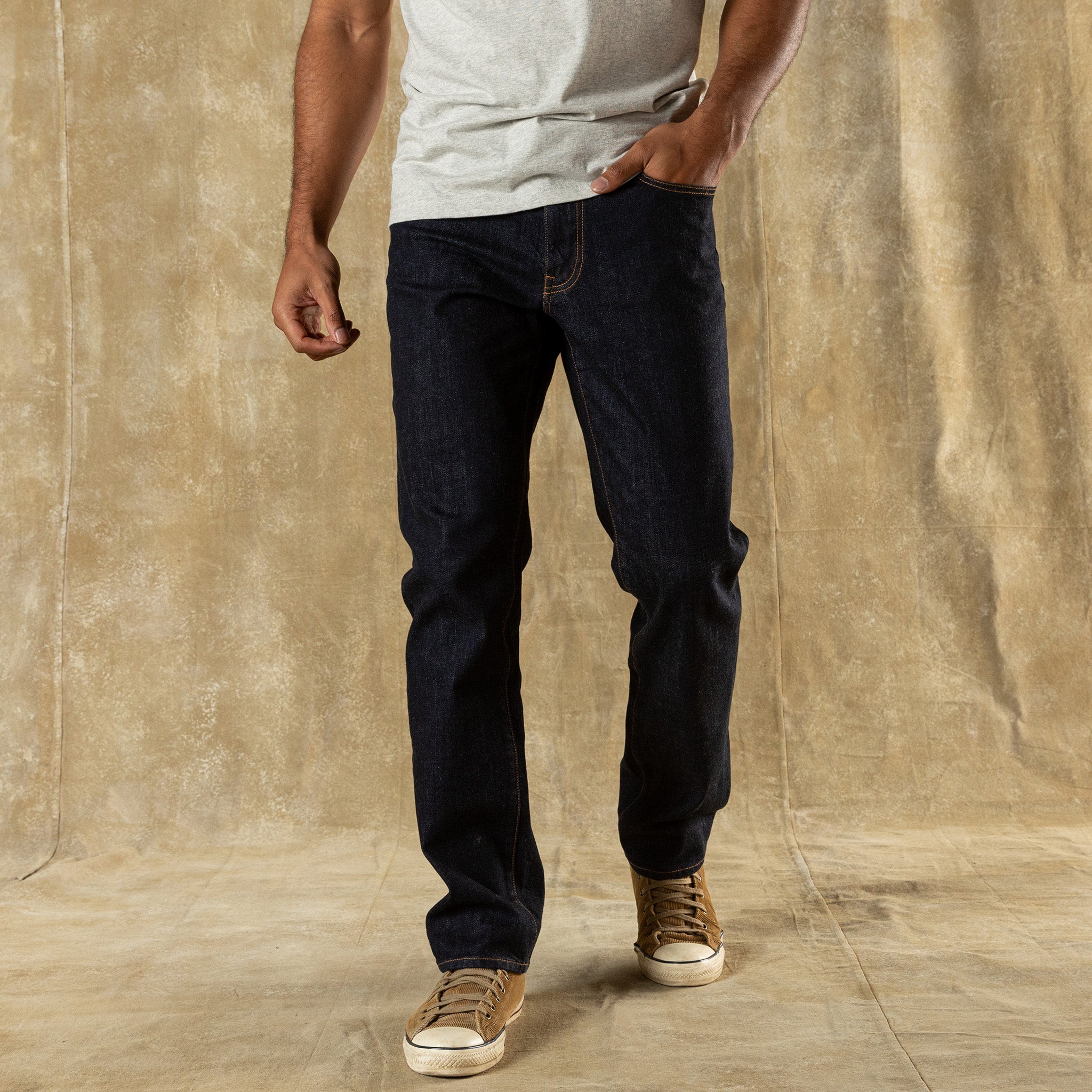
Classic Straight Denim
Duck Head Denim Co.
Classic Straight Denim
Premium Japanese denim connects Duck Head’s workwear past to a straighter everyday jean.
$178 at DUCK HEAD
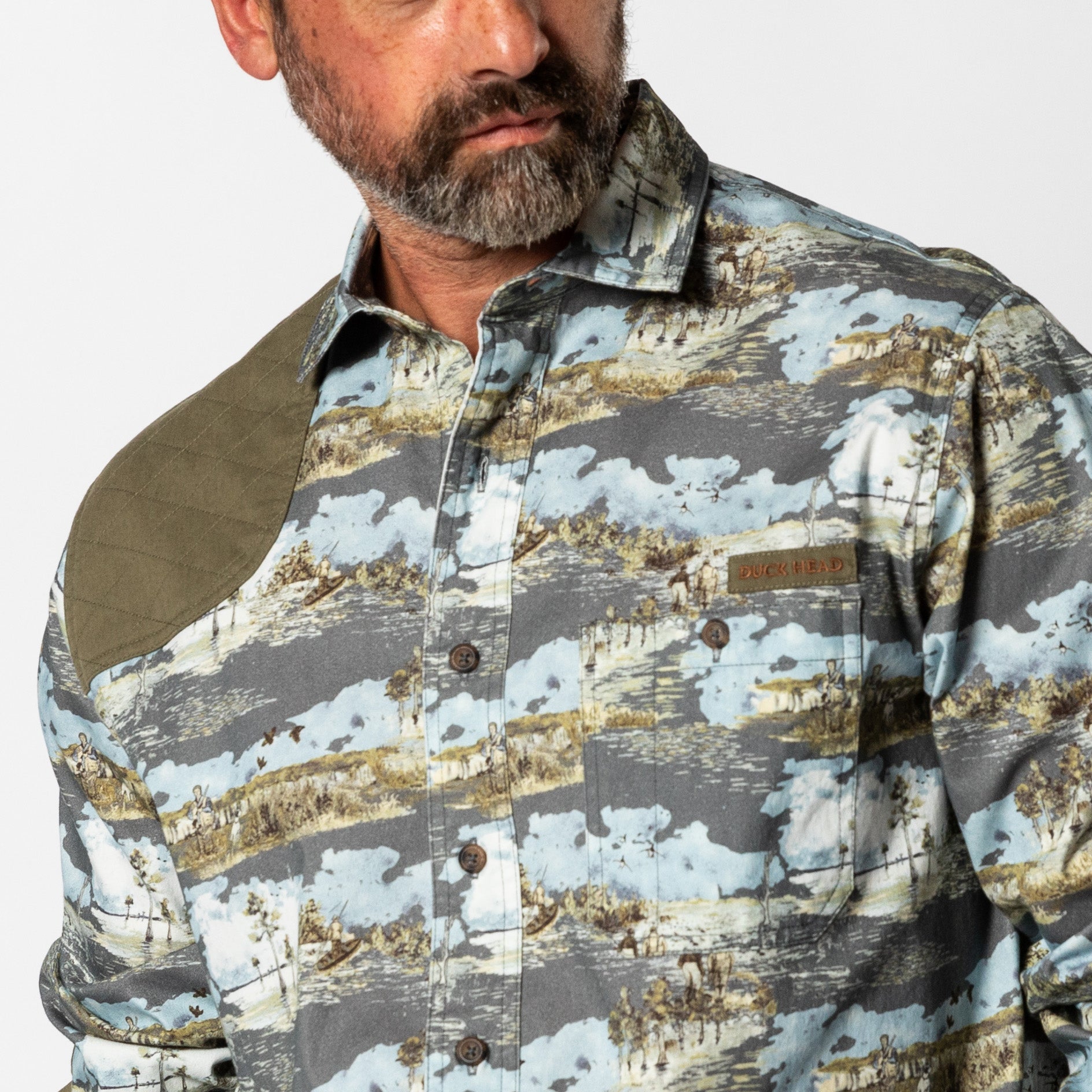
Woodland Shooting Shirt
Field Shirt
Woodland Shooting Shirt
A field-ready sport shirt that brings the Social Sportsman idea into Duck Head shirting.
$138 at DUCK HEAD
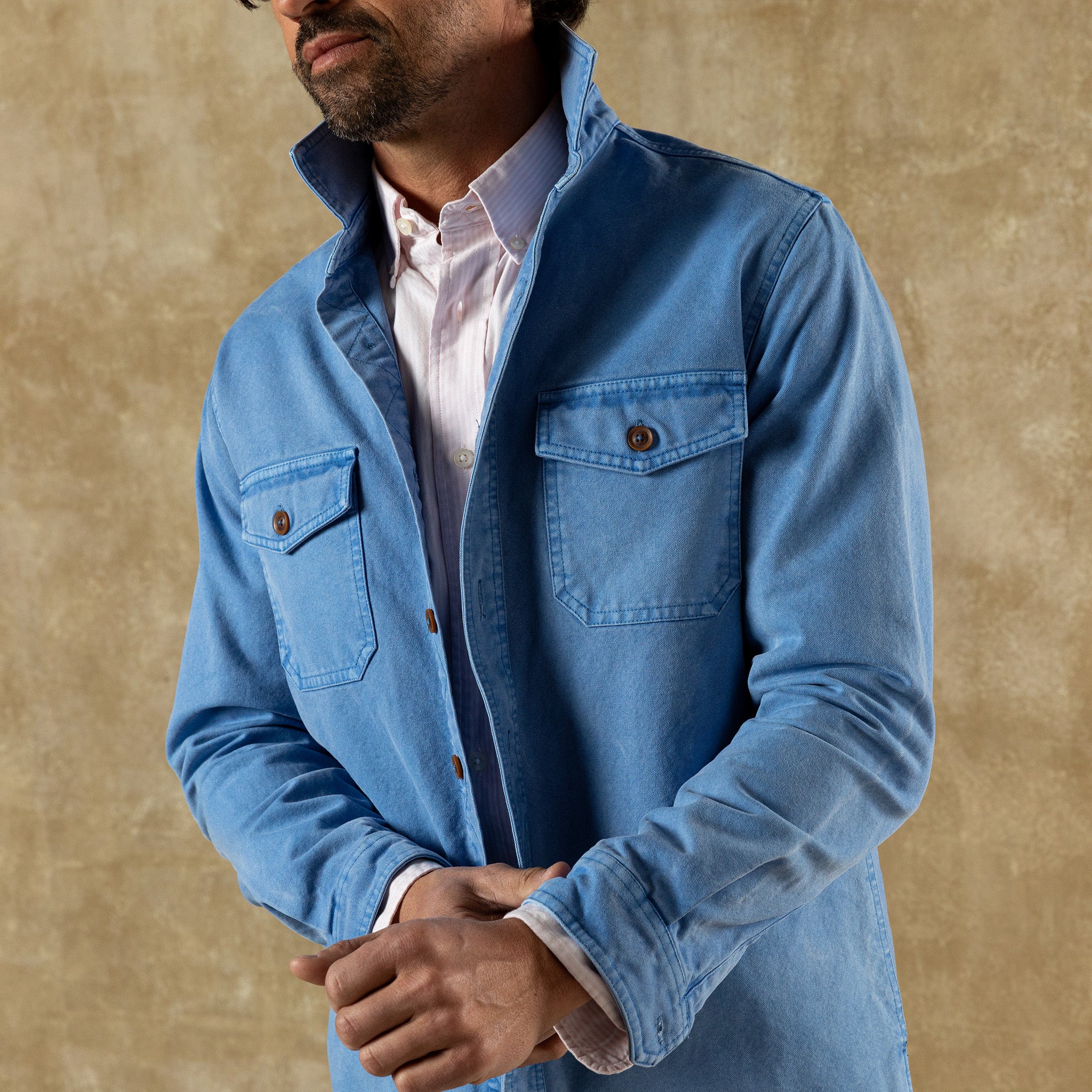
Garment Dyed Duck Canvas Jacket
Duck Canvas Outerwear
Garment Dyed Duck Canvas Jacket
A broken-in duck-canvas jacket that makes the brand’s workwear origin visible on the rack.
$158 at DUCK HEAD
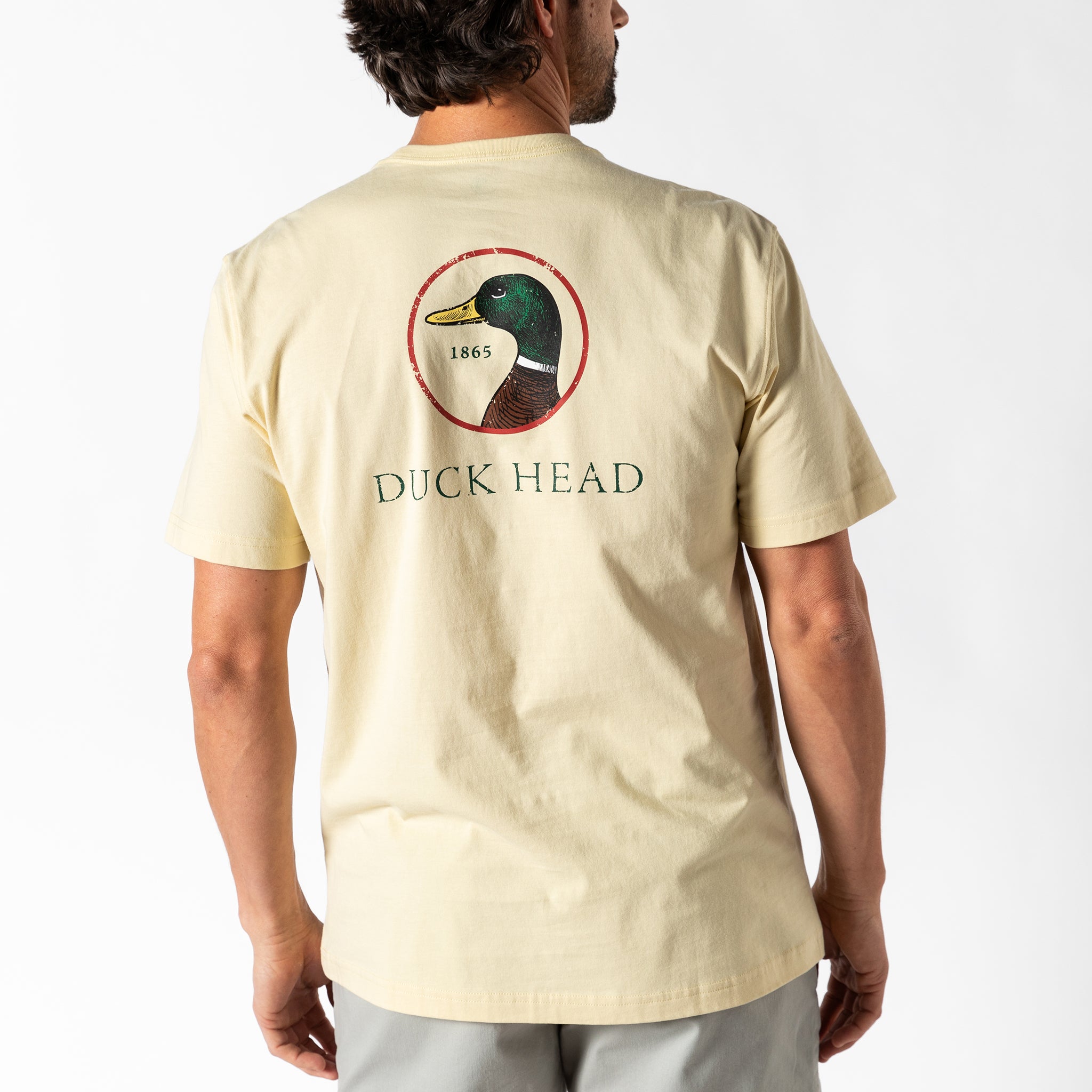
Logo Short Sleeve T-Shirt
Mallard Graphic
Logo Short Sleeve T-Shirt
The everyday logo tee, with the mallard graphic doing the brand-recognition work.
$44 at DUCK HEAD
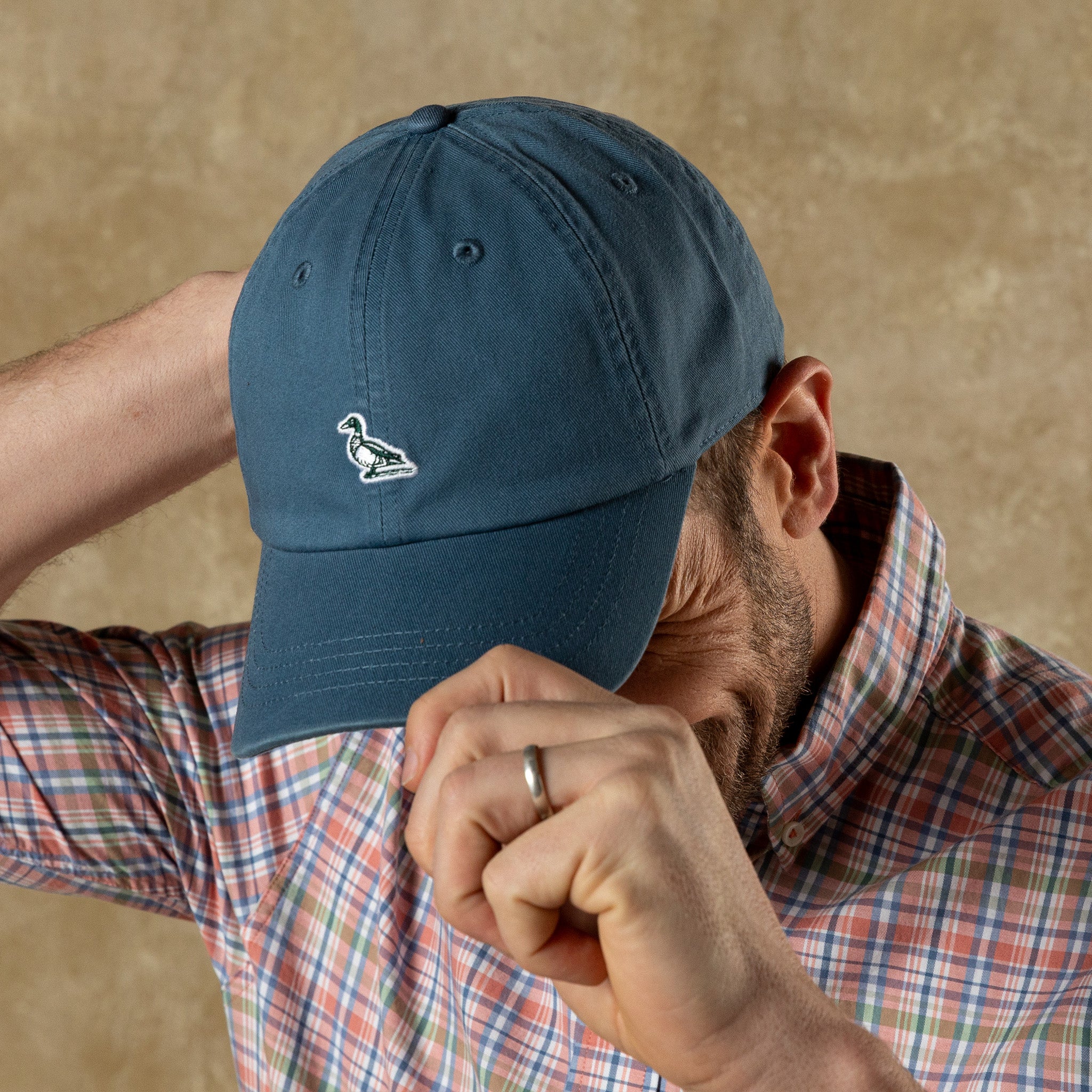
Embroidered Mallard Cotton Twill Hat
Mallard Cap
Embroidered Mallard Cotton Twill Hat
A cotton twill cap that puts the mallard mark front and center.
$34 at DUCK HEAD
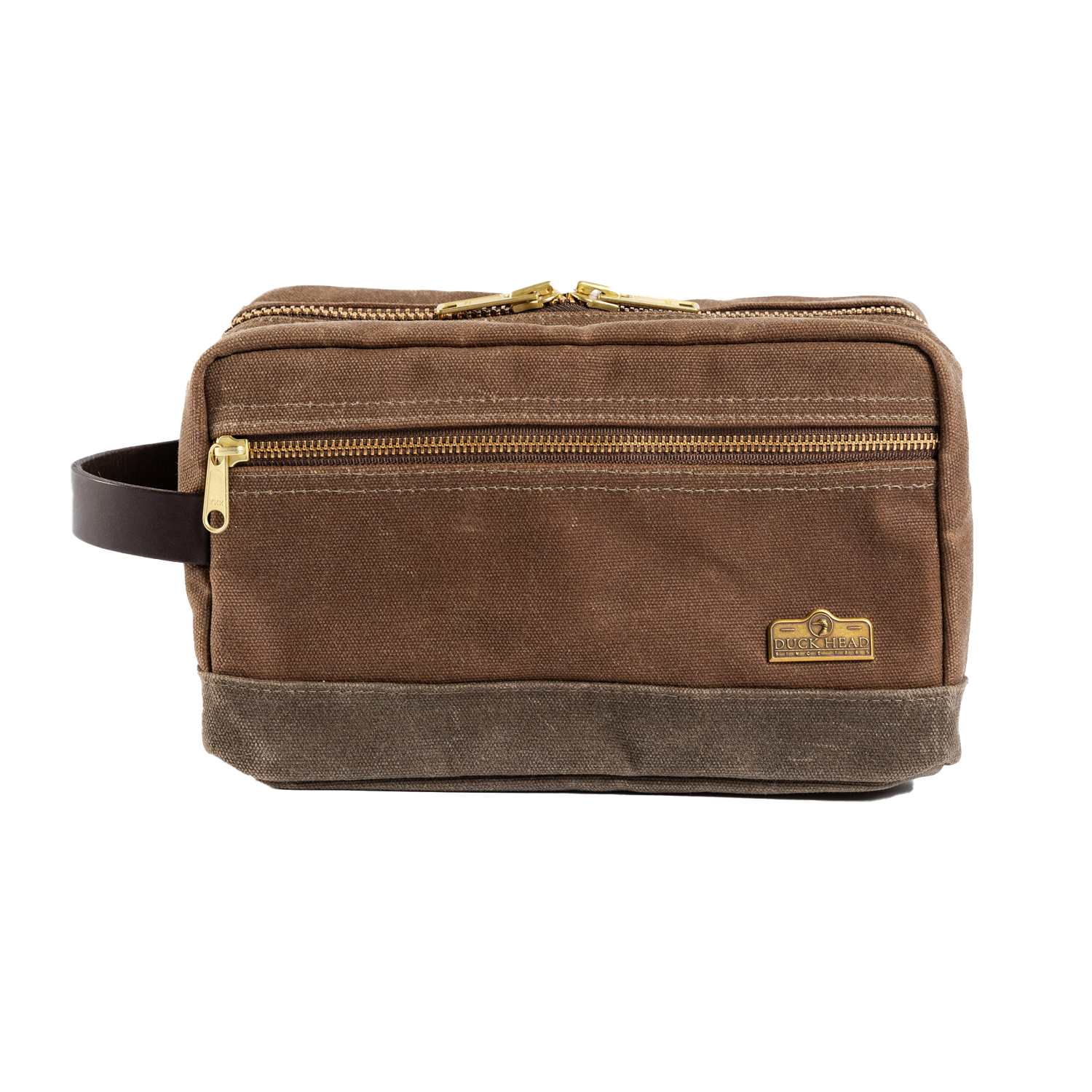
Waxed Canvas Dopp Kit
Travel Canvas
Waxed Canvas Dopp Kit
A travel pouch that turns Duck Head’s canvas heritage into a rugged everyday carry accessory.
$98 at DUCK HEAD

Duck Head shopping FAQ

Are Duck Head's Gold School chinos worth it?+

If you want a classic American khaki with real heritage behind it, the Gold School chino is an easy yes. The brand traces back to 1865, when the O'Bryan brothers in Nashville began sewing pants from heavy Army-surplus canvas called duck, and that durability-first instinct still defines the line. Buyers tend to praise the construction and the timeless, preppy fit, so the value lands well for anyone who wears chinos as a daily uniform.

Why are people drawn to Duck Head khakis again?+

Duck Head had its golden run through the 1980s and early 1990s, when khakis with the little mallard tag were a Southern campus staple. Forbes once observed that for a preppy Southern college guy in the 1980s, Duck Head khakis were as indispensable as worn Topsiders and a pink polo. That nostalgia, paired with a genuine relaunch, is what keeps pulling shoppers back.

What is the story behind the Duck Head mallard logo?+

The duck has been the brand's signature since the very beginning. The O'Bryan brothers tried to trademark the word Duck in 1892, but it was rejected as too generic, so they registered Duck Head instead. When sales director David Baseheart turned the brand fashionable in 1978, he stitched the mallard onto a bright yellow tag on the back of the khakis, and that detail became the brand's calling card.

Which Duck Head piece should I buy first?+

Start with the khaki chino, the garment the whole brand is built on. Duck Head became a fashion name in 1978 when Baseheart cut a shipment of cotton khaki fabric into dress pants and sold his first batch at the University of Mississippi bookstore, where they sold out fast. A pair of classic khakis is the truest expression of the label before you branch into shirts or shorts.

Where are Duck Head clothes actually made?+

Duck Head is an American brand through and through, born in Nashville and shaped by Southern style for generations. Today it is owned by the Lanier Apparel division of Oxford Industries, based in Atlanta, Georgia, which relaunched it in 2016. For exact production details on any given piece, check the product's own listing, since sourcing can differ by item.

How is Duck Head different from Bill's Khakis?+

The two share a guiding hand. In March 2018, Oxford Industries named Bill Thomas, the founder of menswear brand Bill's Khakis, as Brand Director of Duck Head. So if you have admired Thomas's approach to a well-made American chino, you are essentially seeing that same sensibility carried into Duck Head's current collections.

When was Duck Head founded and by whom?+

Duck Head dates to 1865, founded in Nashville, Tennessee, by brothers George and Joe O'Bryan. They were buying surplus U.S. Army tent material, a heavy canvas known as duck, and began making work pants and shirts from it. Their firm became the O'Bryan Brothers Manufacturing Company, making Duck Head one of the older surviving American apparel names.

Did Duck Head ever go away?+

It nearly did. After a hugely successful early-1990s run under Delta Woodside Industries, the brand's popularity faded, and ownership changed hands repeatedly, with Tropical Sportswear International going bankrupt in 2005 and later owners filing for bankruptcy as well. The label was sold at auction in 2009 before its steady revival, which is part of why its current relaunch feels like a comeback.

What makes Duck Head a heritage brand rather than just retro?+

The history is genuine, not invented. Duck Head began making rugged work clothing such as overalls and denim jackets long before khakis, and that canvas-tough lineage still informs the brand's value-and-durability ethos. When you wear it, you are tapping a continuous American story that runs from 1865 Army surplus to today's chinos.

How big did Duck Head get at its peak?+

Very big for a regional label going national. After Delta Woodside Industries bought the brand in 1989 and expanded it beyond men's pants into shirts, shorts and women's clothing, gross sales of Duck Head clothing topped $130 million in its 1992 fiscal year. That scale is a reminder of just how dominant the mallard tag once was in American casualwear.