Is Ermanno Scervino worth its luxury price?+
For lovers of ultra-feminine Italian craftsmanship, many feel it earns its place. The house is built on ready-to-wear made with couture-level attention to detail, and it is especially celebrated for its intricate lace work. Pieces are conceived in the Florence atelier and produced entirely in Italy, which shoppers tend to value when weighing the cost. Whether it is worth it for you comes down to how much you prize delicate, hand-finished detailing over flashier statement design.
What is Ermanno Scervino best known for?+
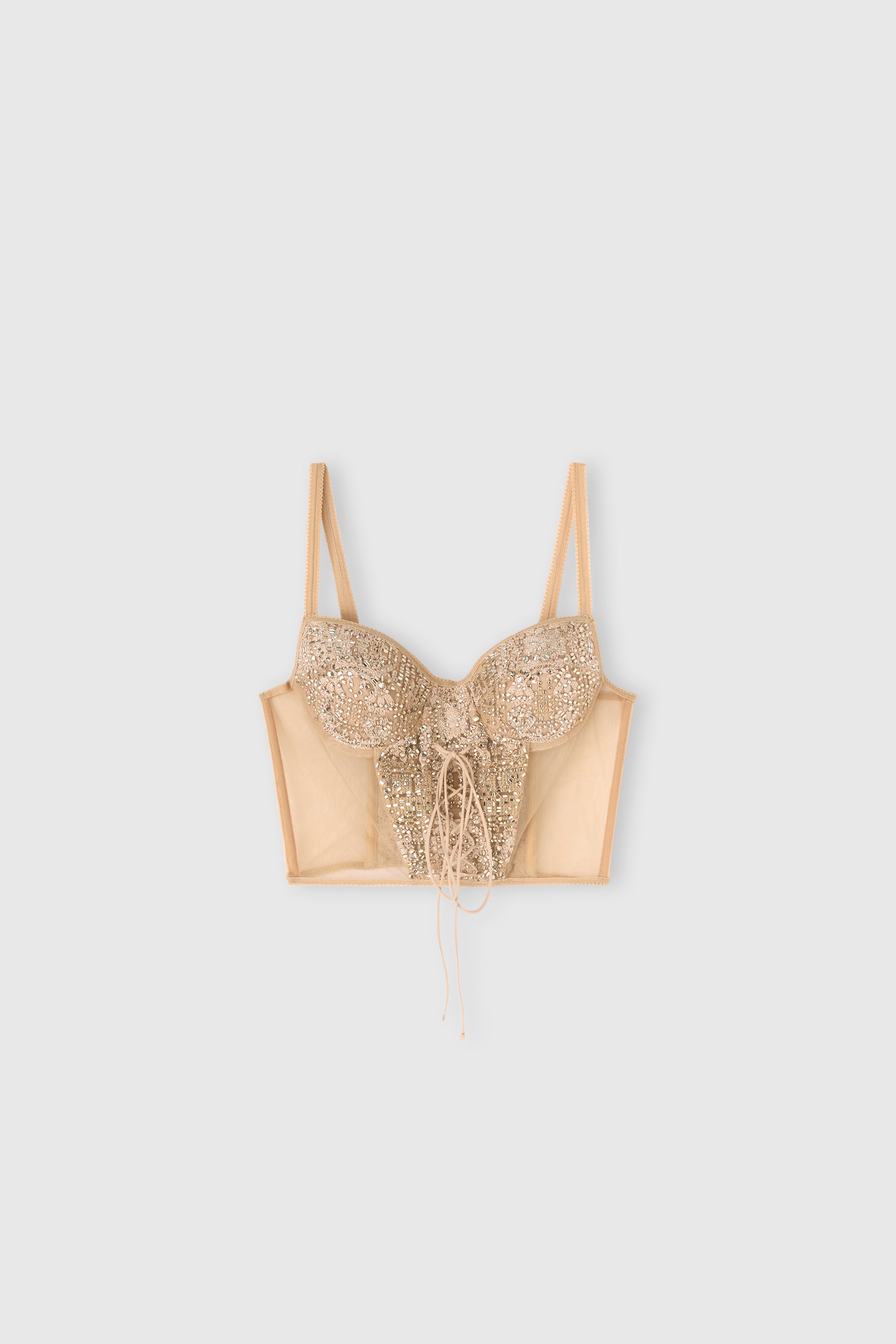
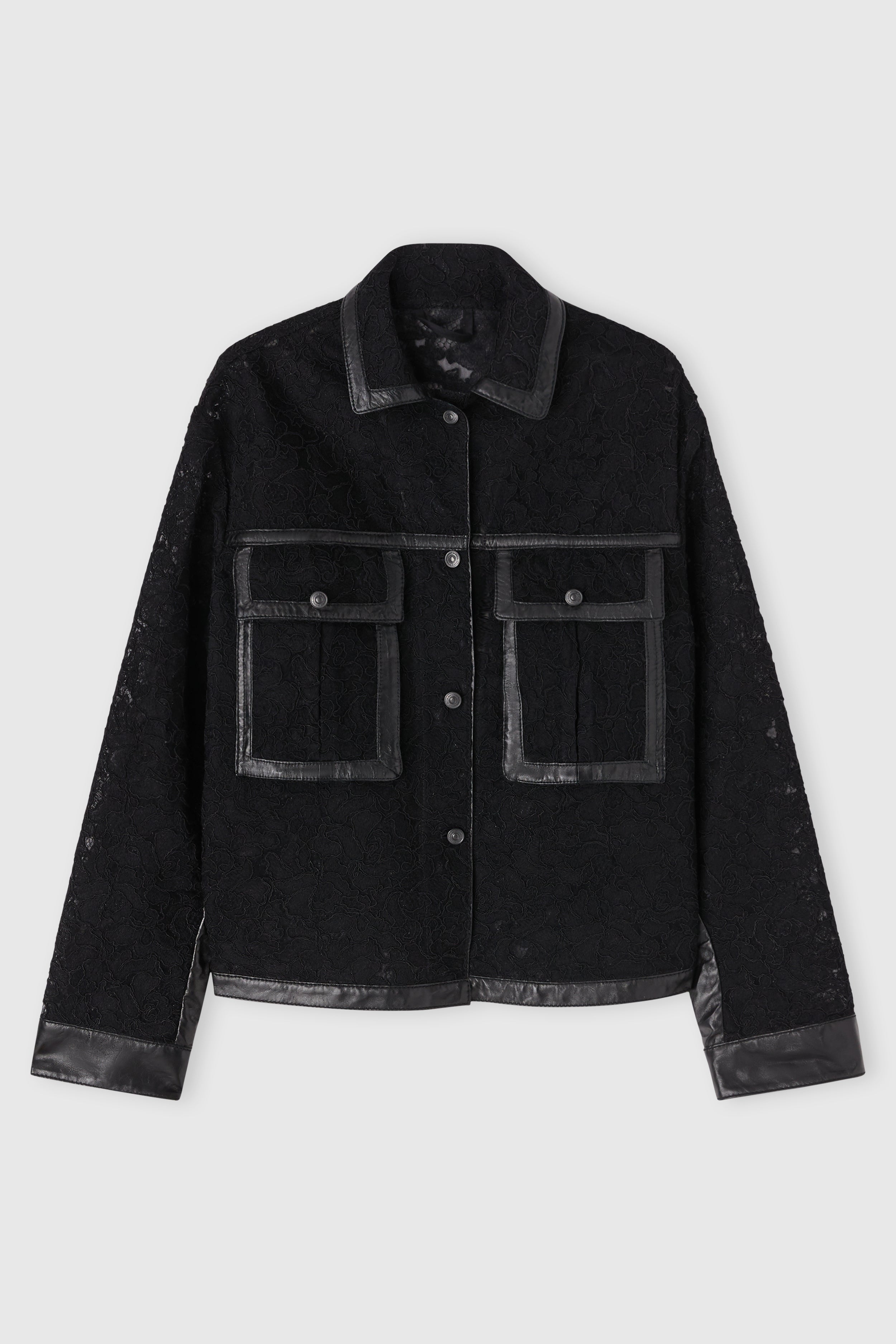
Lace, above all. The brand has become famous for its singular way with lace and hand-embroidered finishes, layered onto refined tailoring. Its collections span women's and men's ready-to-wear and accessories, but it is the delicate, feminine detailing that defines the house's signature. That craft sensibility is the thread running through everything it makes.
Where is Ermanno Scervino made?+
In Italy, without exception — the company states it only manufactures its products in Italy. Its headquarters sit in Grassina, in Bagno a Ripoli in the area surrounding Florence, housing the design offices, research labs and production workshops together. That concentration of design and craft in one Tuscan base is central to the brand's made-in-Italy identity.
Who founded Ermanno Scervino and when?+
The label was founded in 2000 by entrepreneur Toni Scervino and designer Ermanno Daelli. Daelli launched his own line after living in New York City, where he had met Andy Warhol. The pairing of a businessman and a designer set the brand on its path as a serious made-in-Italy house from the start.
Is Ermanno Scervino an Italian brand?+
Yes — it is an Italian fashion house headquartered near Florence, in Grassina in Bagno a Ripoli. The brand draws on Tuscan craftsmanship, including a lace tradition that has been produced in the region for centuries, and keeps all of its manufacturing in Italy. That deep regional rooting is a big part of its appeal.
When did Ermanno Scervino start showing on the runway?+
The women's collection debuted at Milan Fashion Week in 2003 with the Fall/Winter 2003-04 collection. The men's collection launched in 2002 and made its first runway appearance during Milan's Men's Fashion Week in 2008, having earlier been guest of honor at Pitti Immagine in 2005. Those moments marked the house's arrival on the major Italian fashion calendar.
What different lines does Ermanno Scervino offer?+
Beyond the core women's and men's ready-to-wear and accessories, the house created Ermanno Scervino Junior in 2004 for girls, drawing on the adult wardrobe. It launched a Lingerie and Beachwear line from 2007, and in 2013 added Scervino Street, a younger-skewing line of handbags, hoodies and jackets. So there is a route in across several price and product points.
What is Scervino Street?+
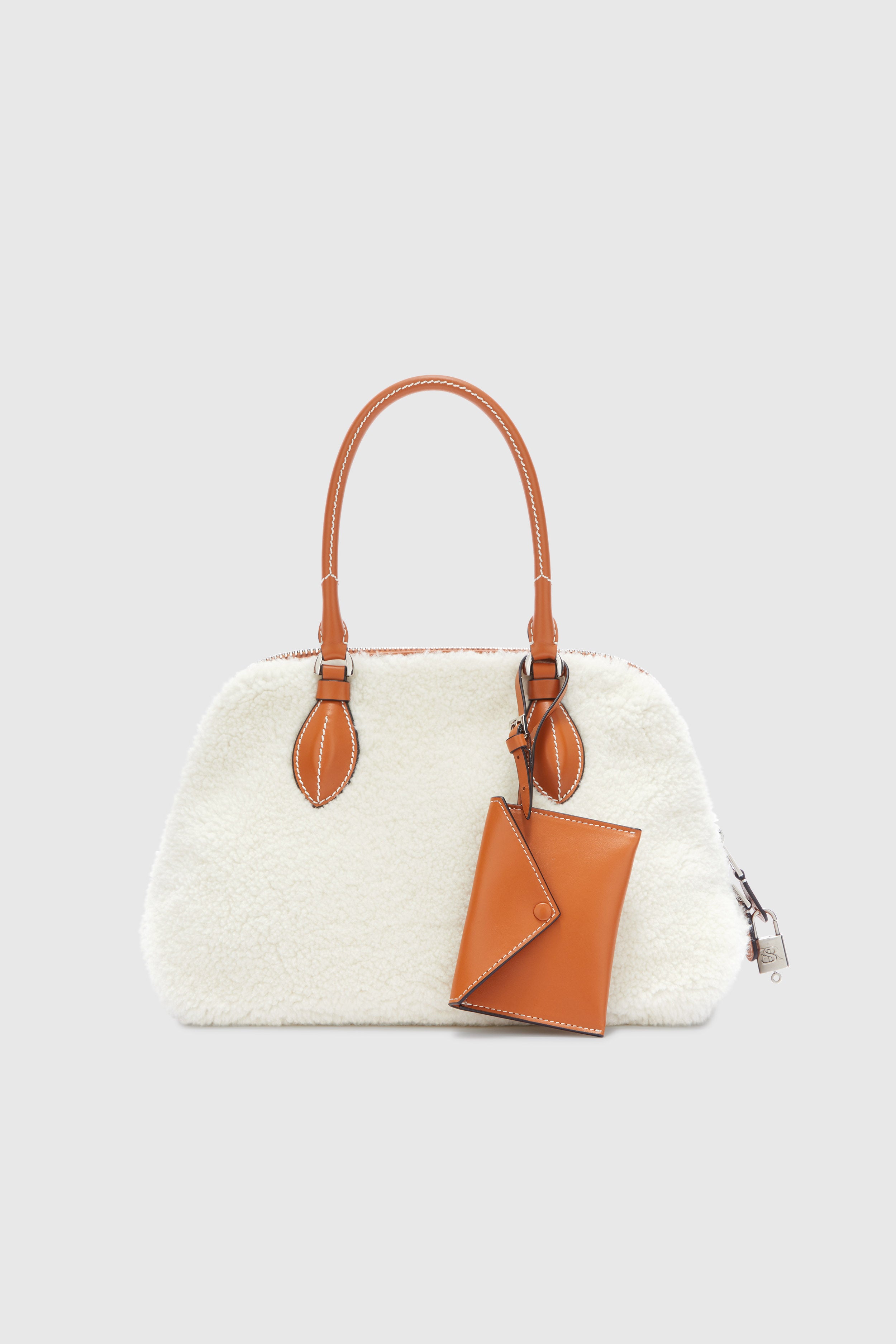
Scervino Street is the house's younger, more accessible line, launched in 2013 as a license with ABC Spa Company. It centers on leather accessories — handbags — alongside hoodies and jackets aimed at a younger clientele. Think of it as a more casual gateway to the brand's aesthetic.
How does Ermanno Scervino's craft compare to bigger Italian houses?+
Its calling card is artisanal intimacy rather than scale: pieces are first created in the Florence atelier by skilled seamstresses, then produced in small dedicated workshops in Italy. The house frames its ready-to-wear with the attention to detail you would expect of haute couture, especially in lace and embroidery. If you favour delicate hand-finishing over a big logo, it makes a strong case.
Which models and photographers have worked with Ermanno Scervino?+
Over the years its campaign faces have included Helena Christensen, Bianca Balti, Dree Hemingway, Asia Argento and Lindsey Wixson, among others. The brand has also worked with renowned photographers such as Peter Lindbergh, Mario Sorrenti, Patrick Demarchelier and Paolo Roversi. That roster signals the level the house plays at in fashion imagery.
Is Ermanno Scervino a small or established label?+
It is well established. By April 2014 the brand had over 500 international points of sale, including 39 of its own stores worldwide, and employed around 1,200 workers. For a house that keeps all production in Italy, that is a substantial footprint while staying craft-led.