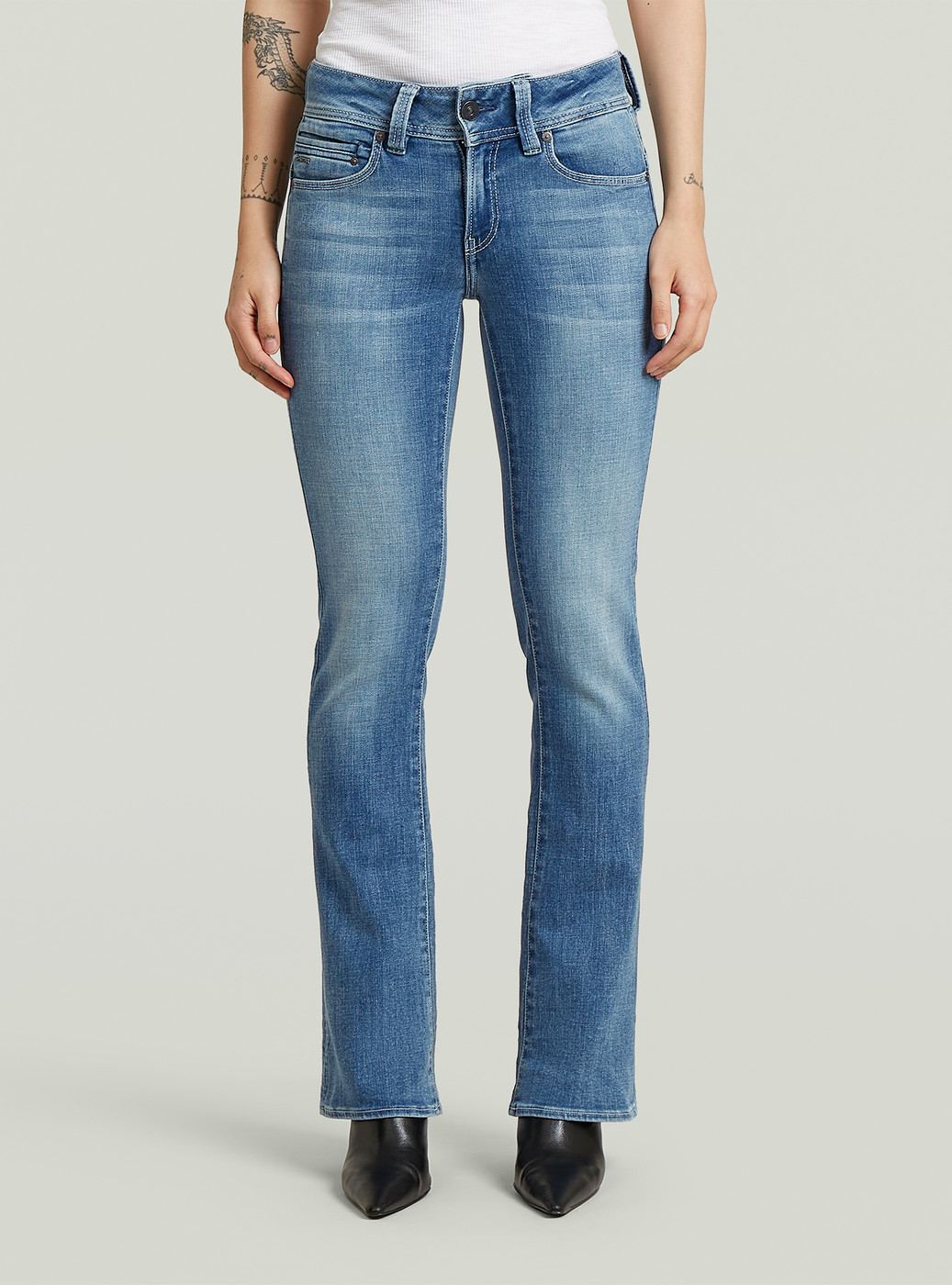
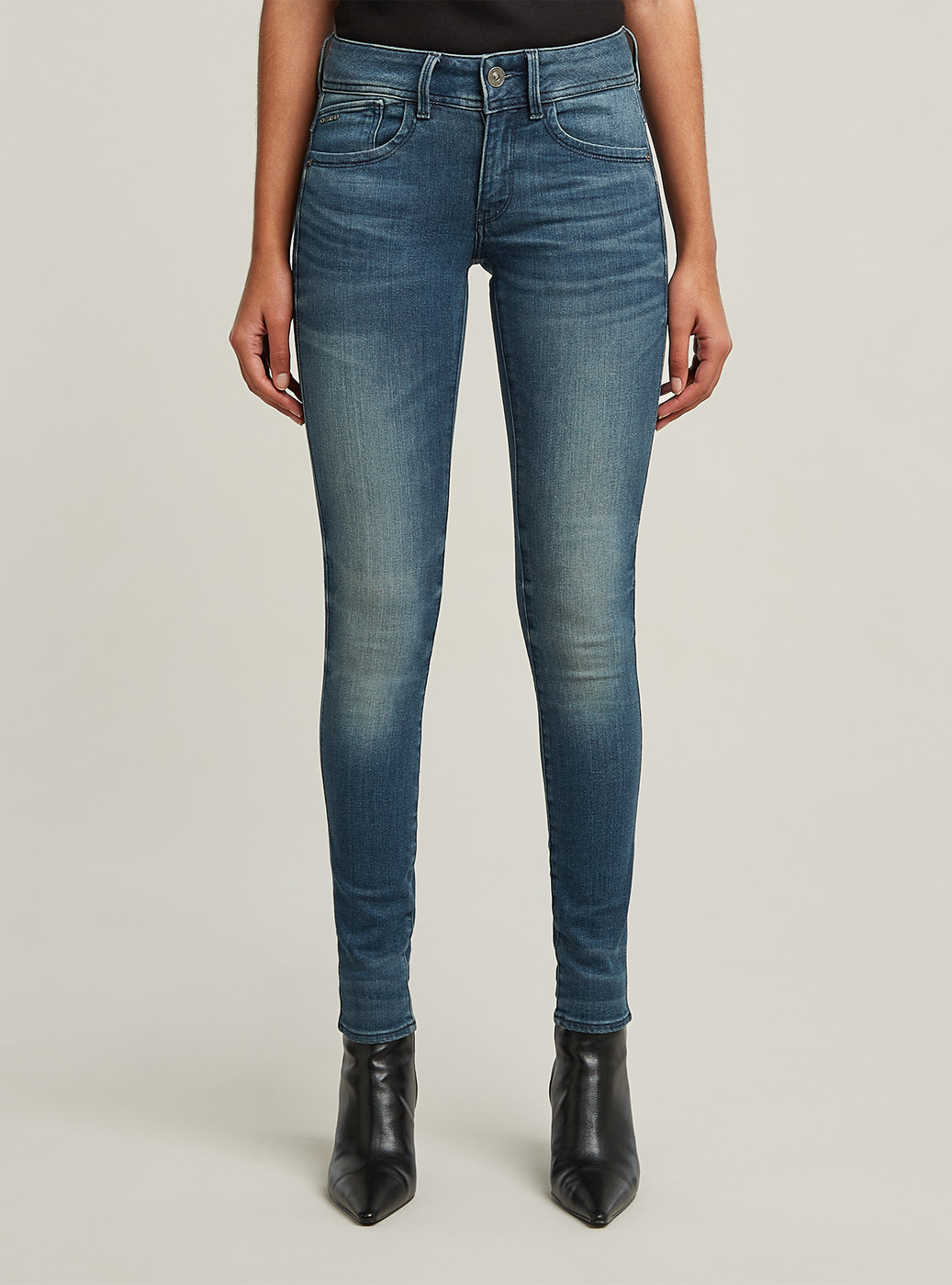
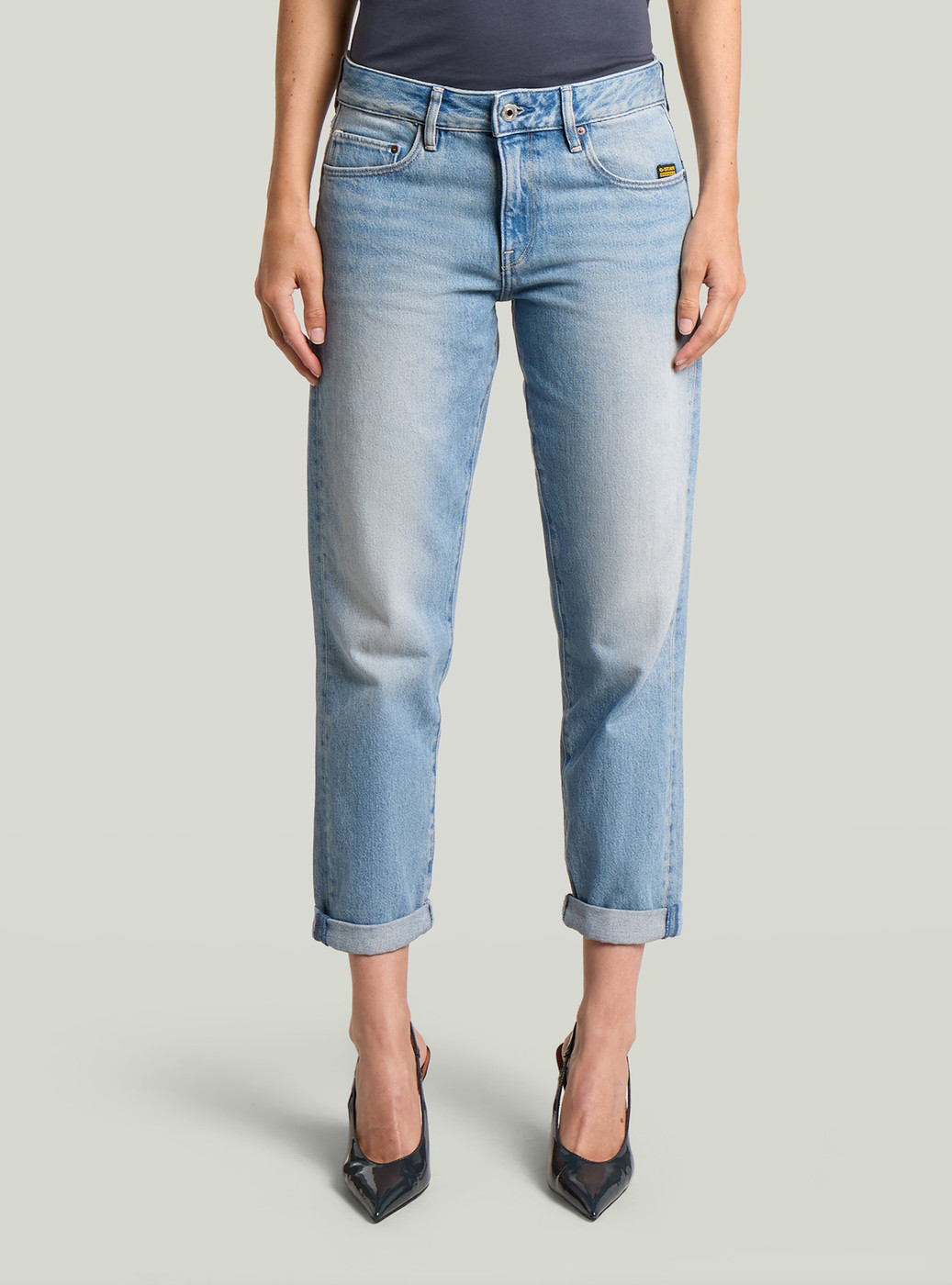
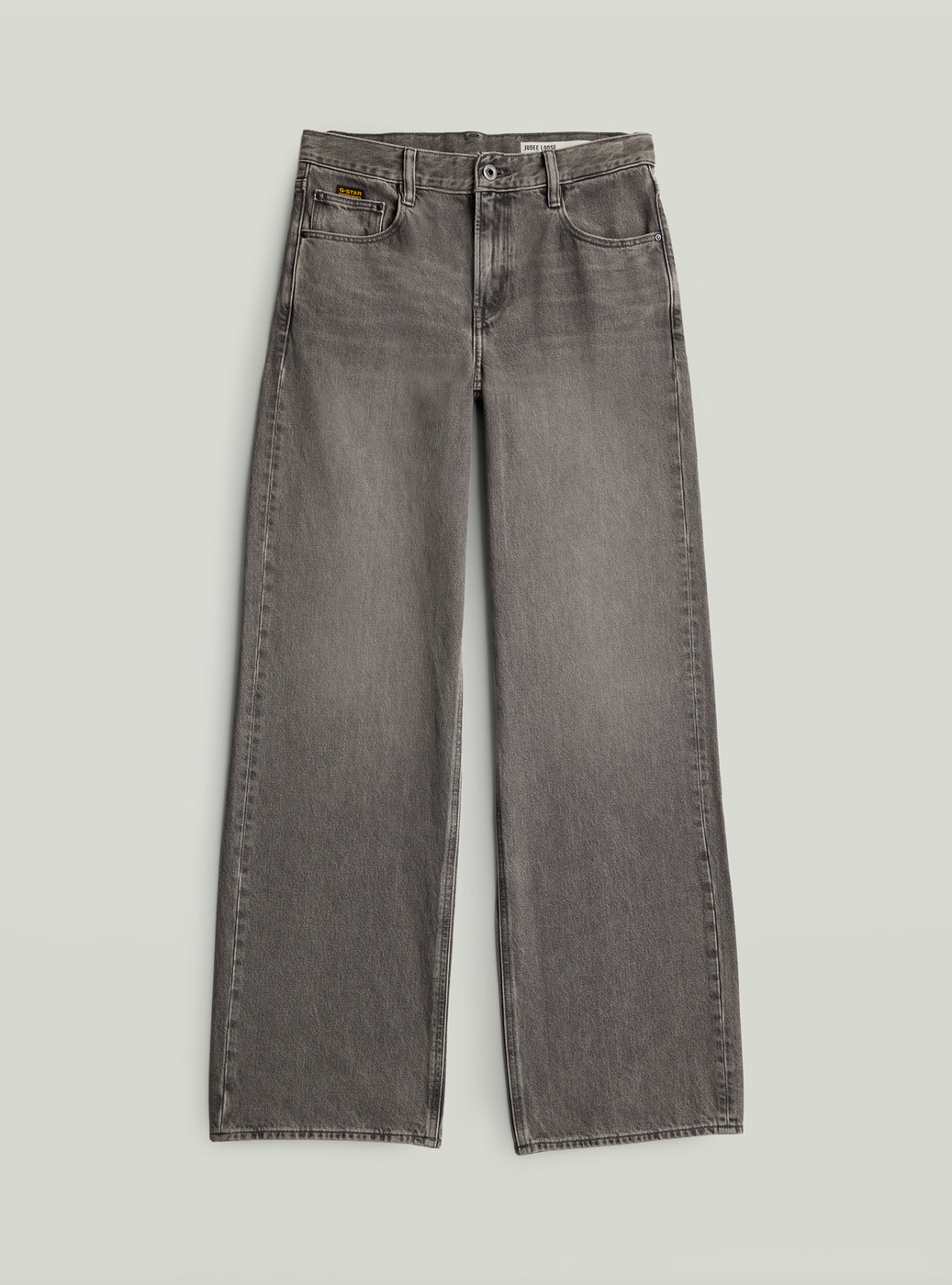
Is G-Star RAW denim worth the price?+
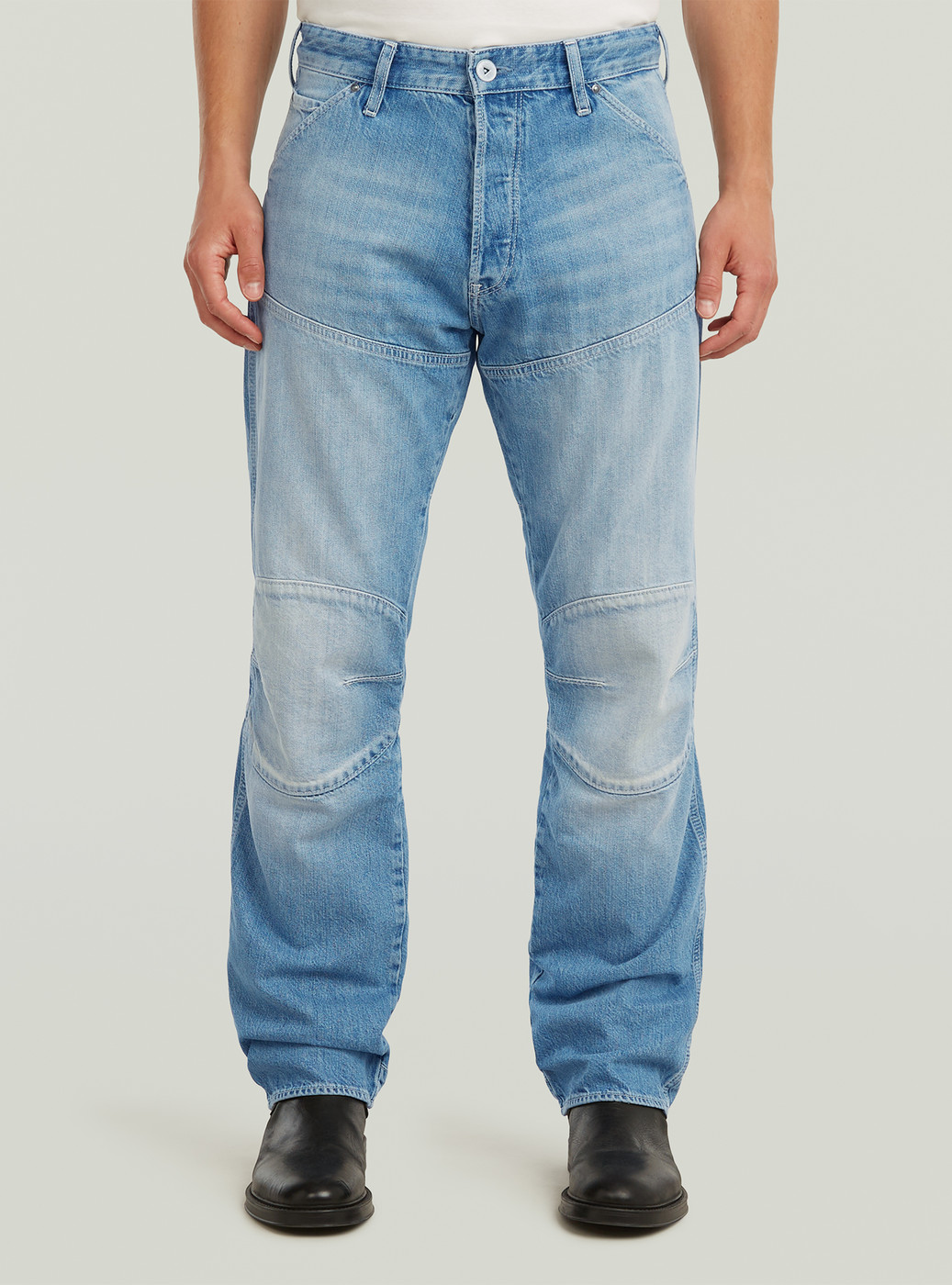
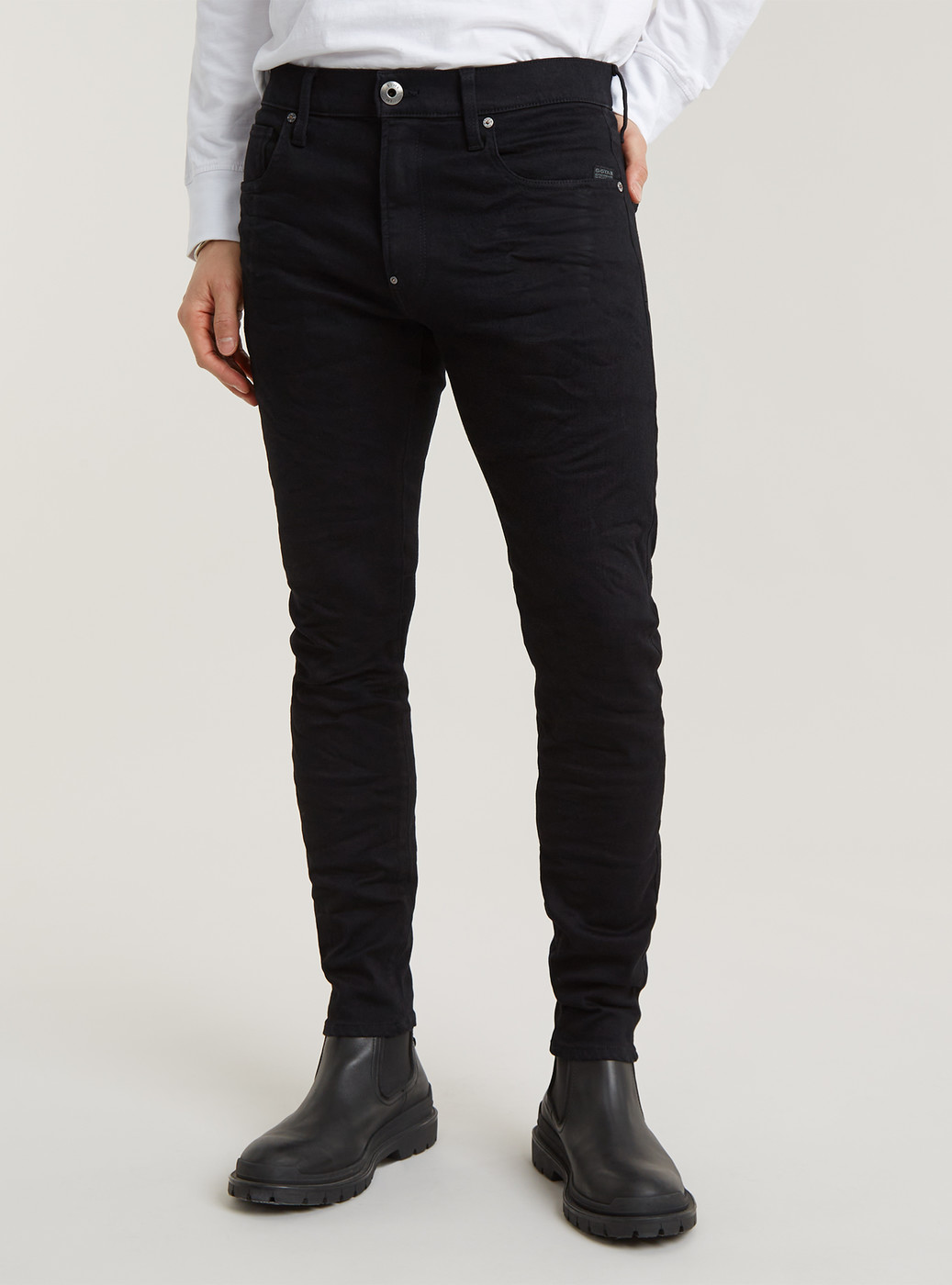
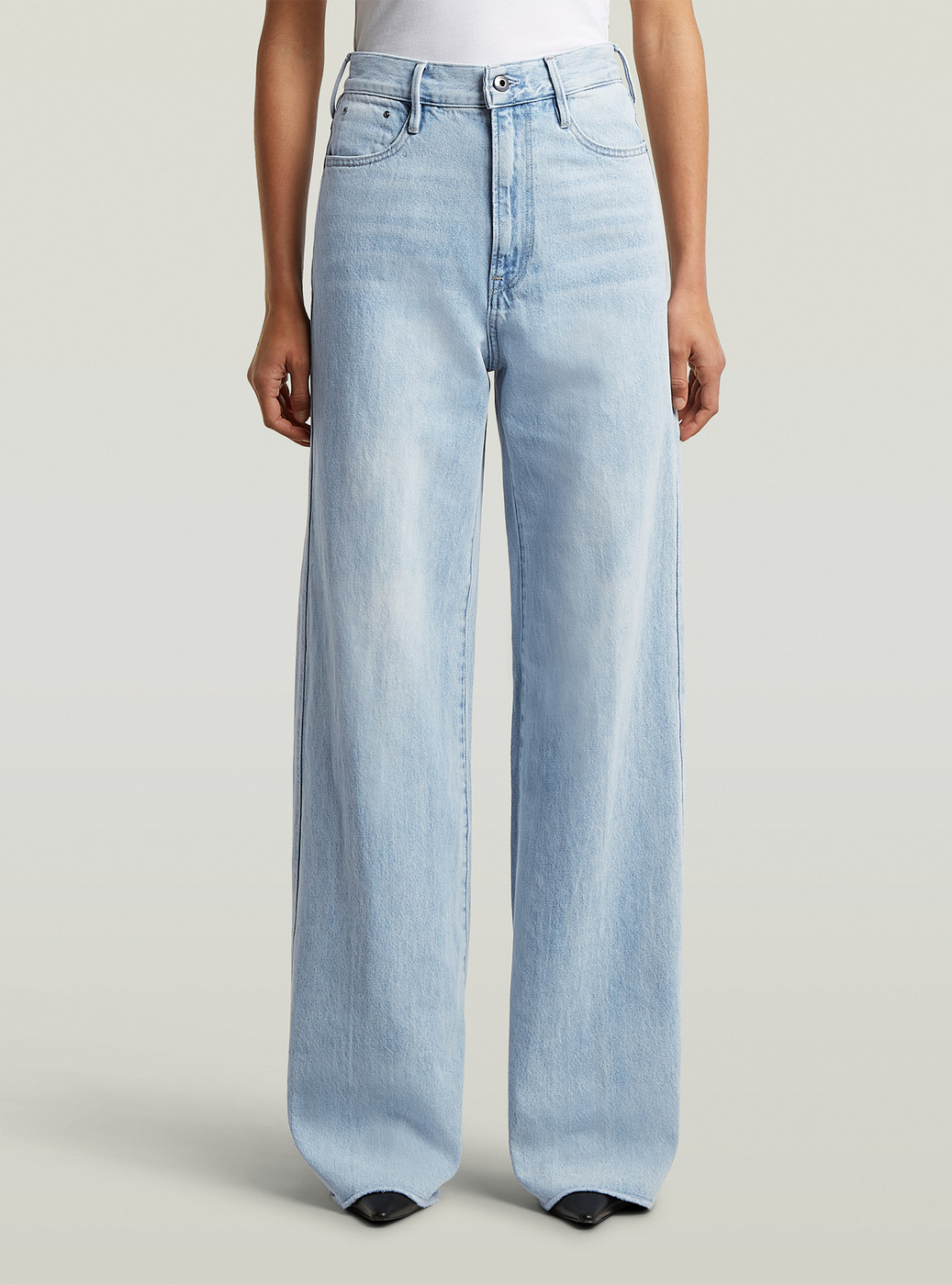
G-Star earns its keep if you value raw denim over a soft, pre-faded look. The unwashed, untreated cloth starts stiff and breaks in to a fade that maps your own life rather than a factory's. If you want jeans you'll wear for years and let age on their own terms, the pioneering brand behind raw denim is an easy case to make.
Why are G-Star RAW jeans so expensive?+
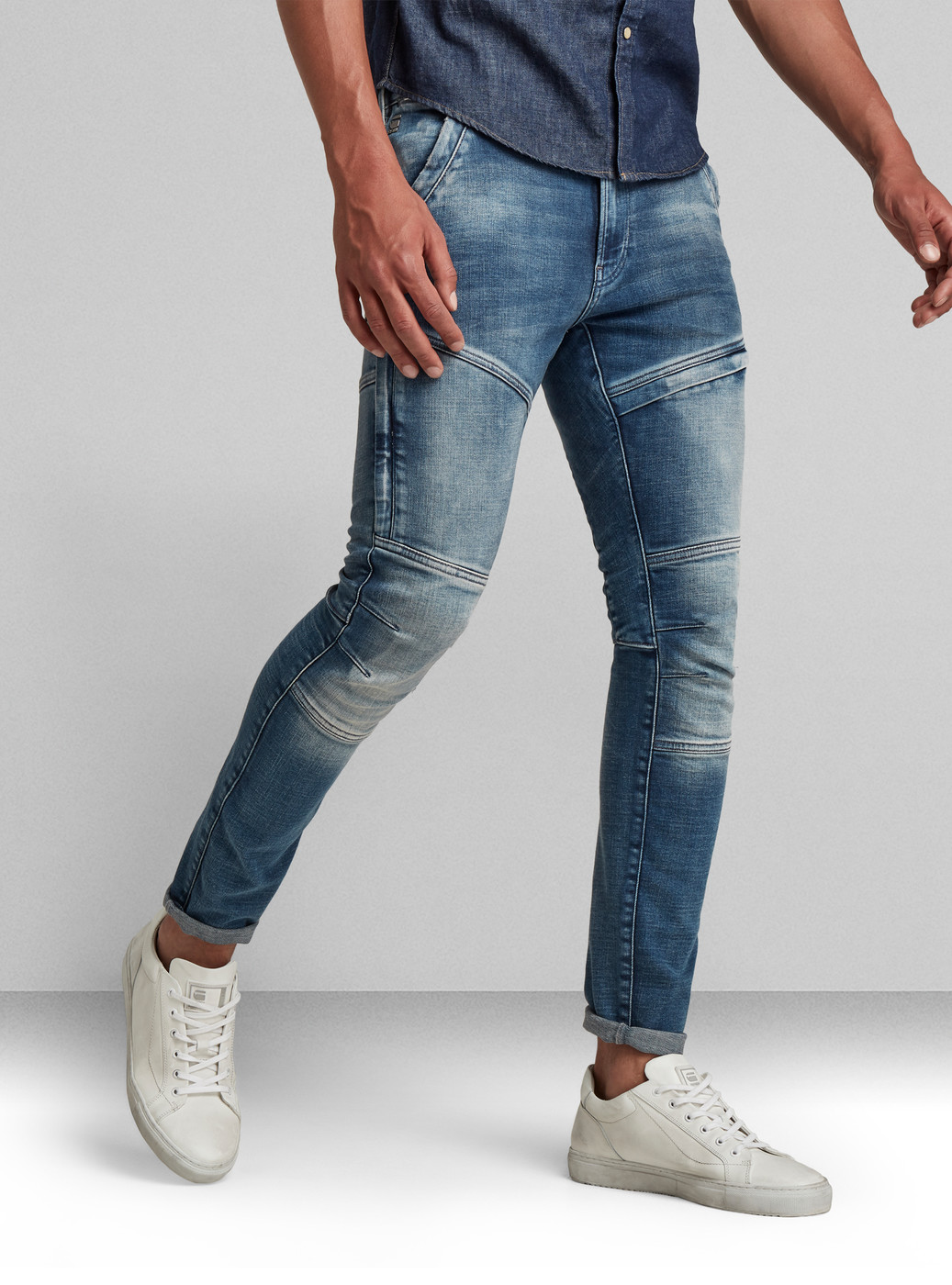
Most of the cost lives in the cloth and the cut. G-Star builds with heavier, untreated denim and architectural, military-inspired construction rather than thin, heavily washed fabric. You're paying for a sculptural fit and raw cloth that is meant to last, not for a trend.
What does "raw denim" actually mean at G-Star?+
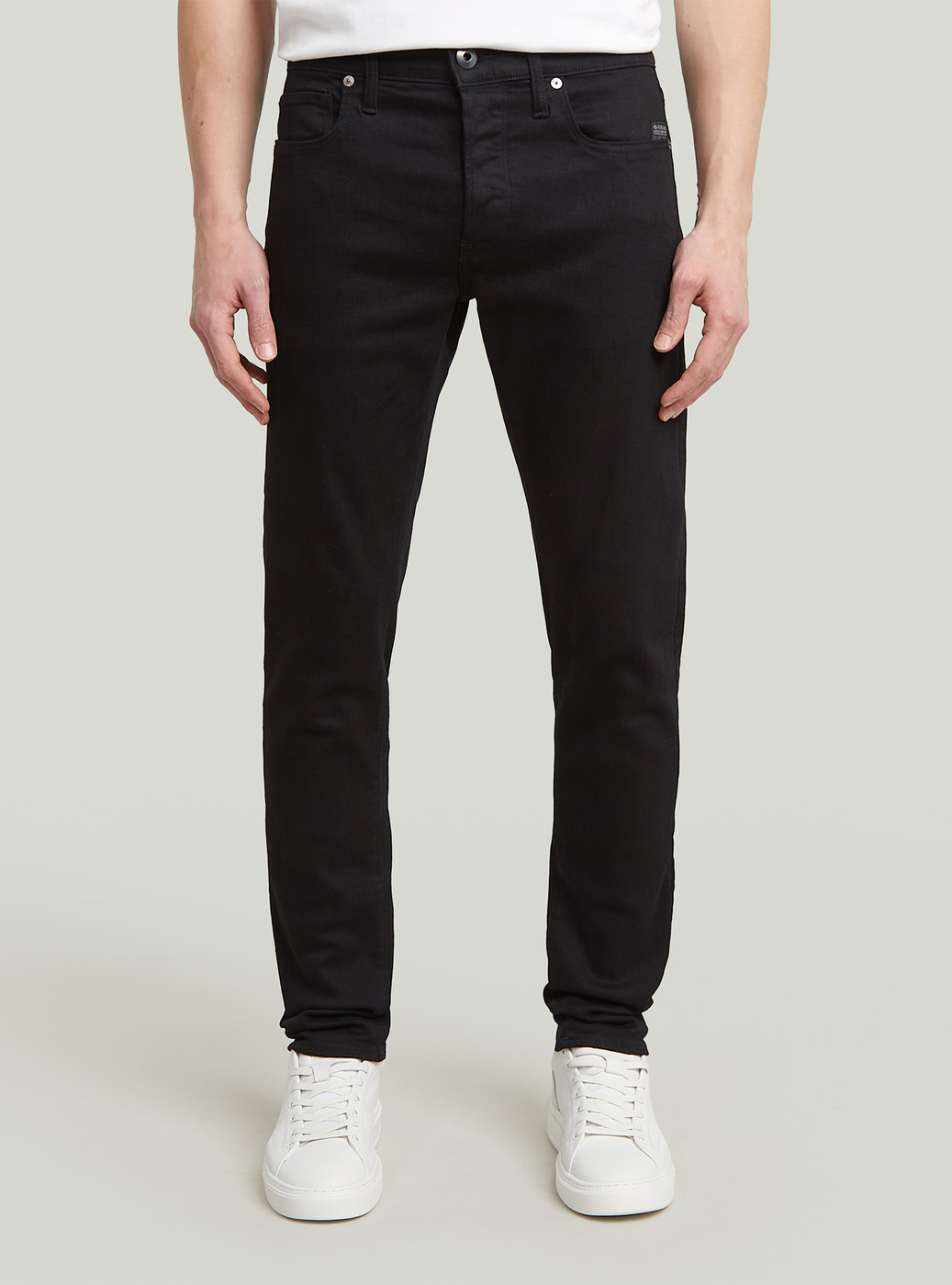
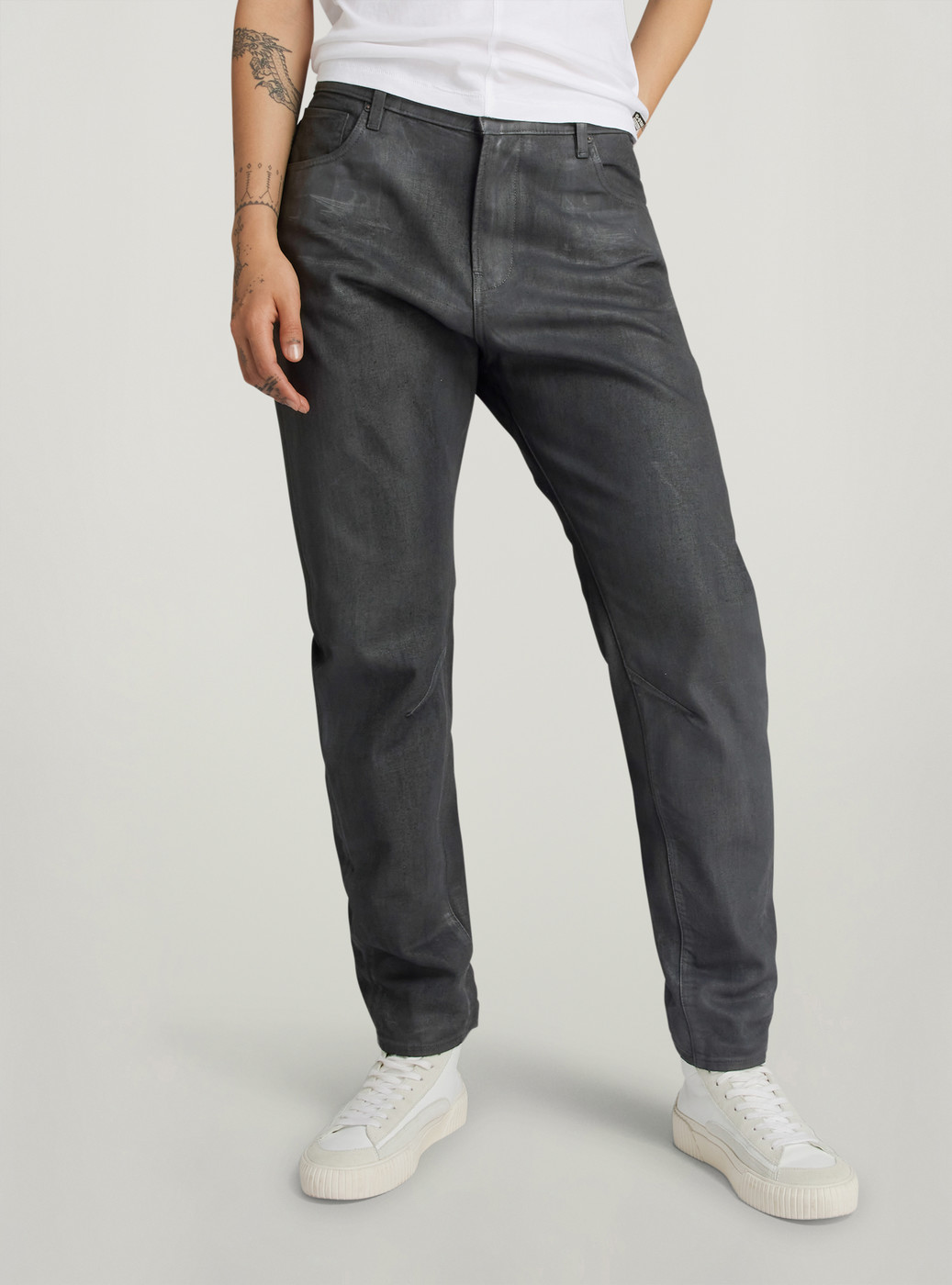
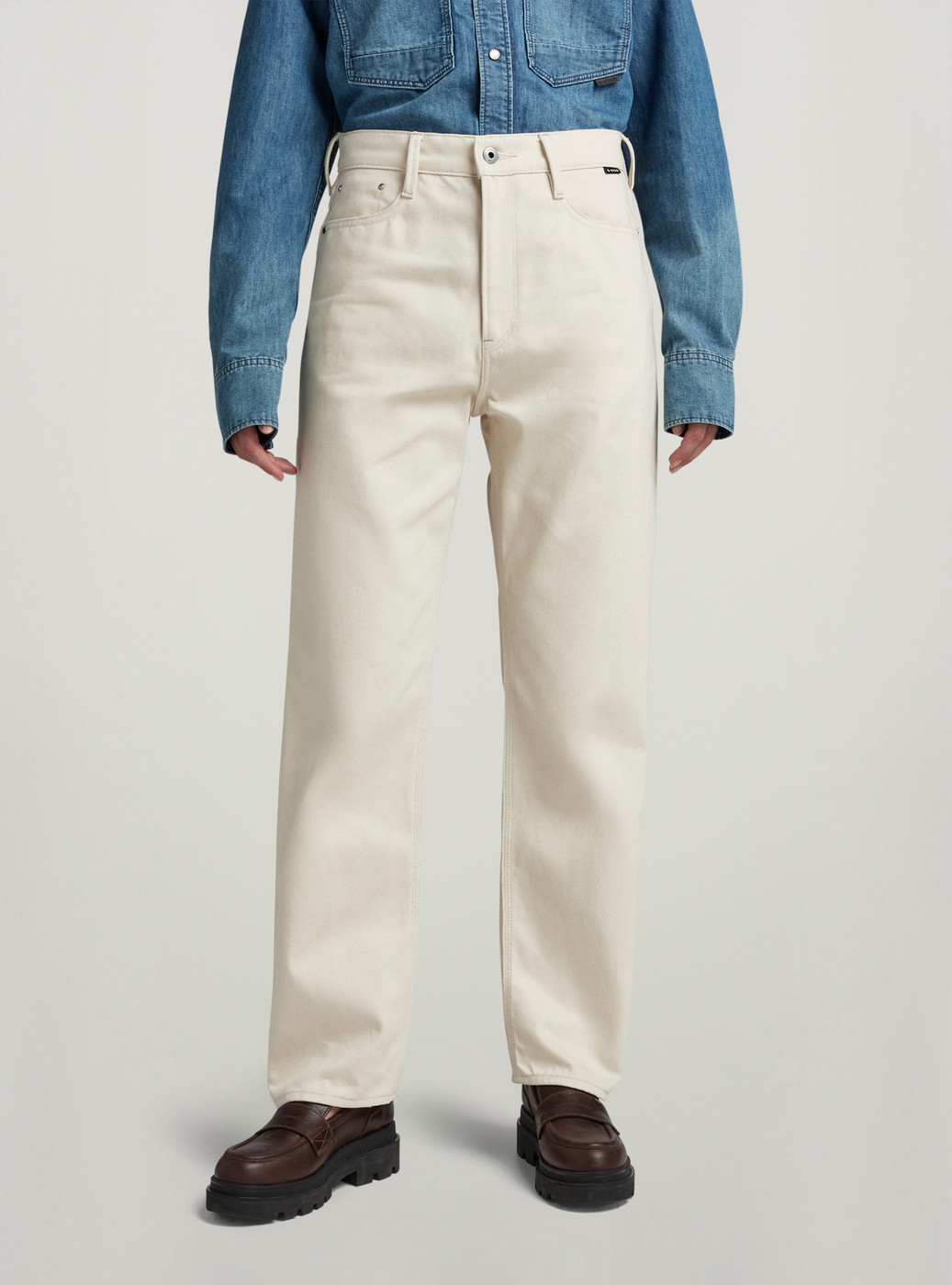
Raw denim is denim that is unwashed and untreated — exactly the cloth G-Star is built around. The brand introduced raw denim jeans in 1996, sold untreated and straight from the factory, so the indigo is deep and the fades are yours to earn through wear instead of being washed in before you buy.
Where should a first-time buyer start with G-Star?+
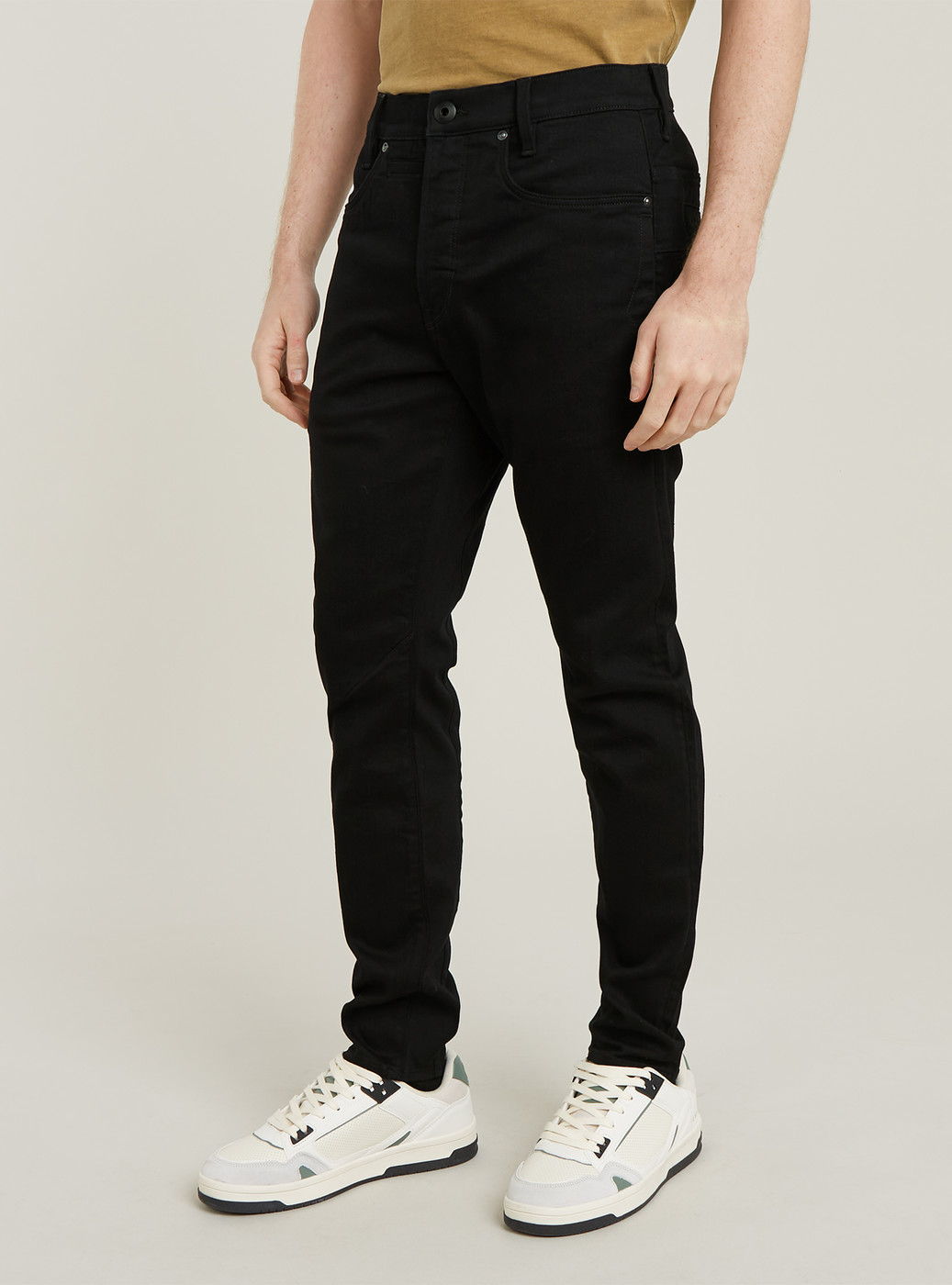
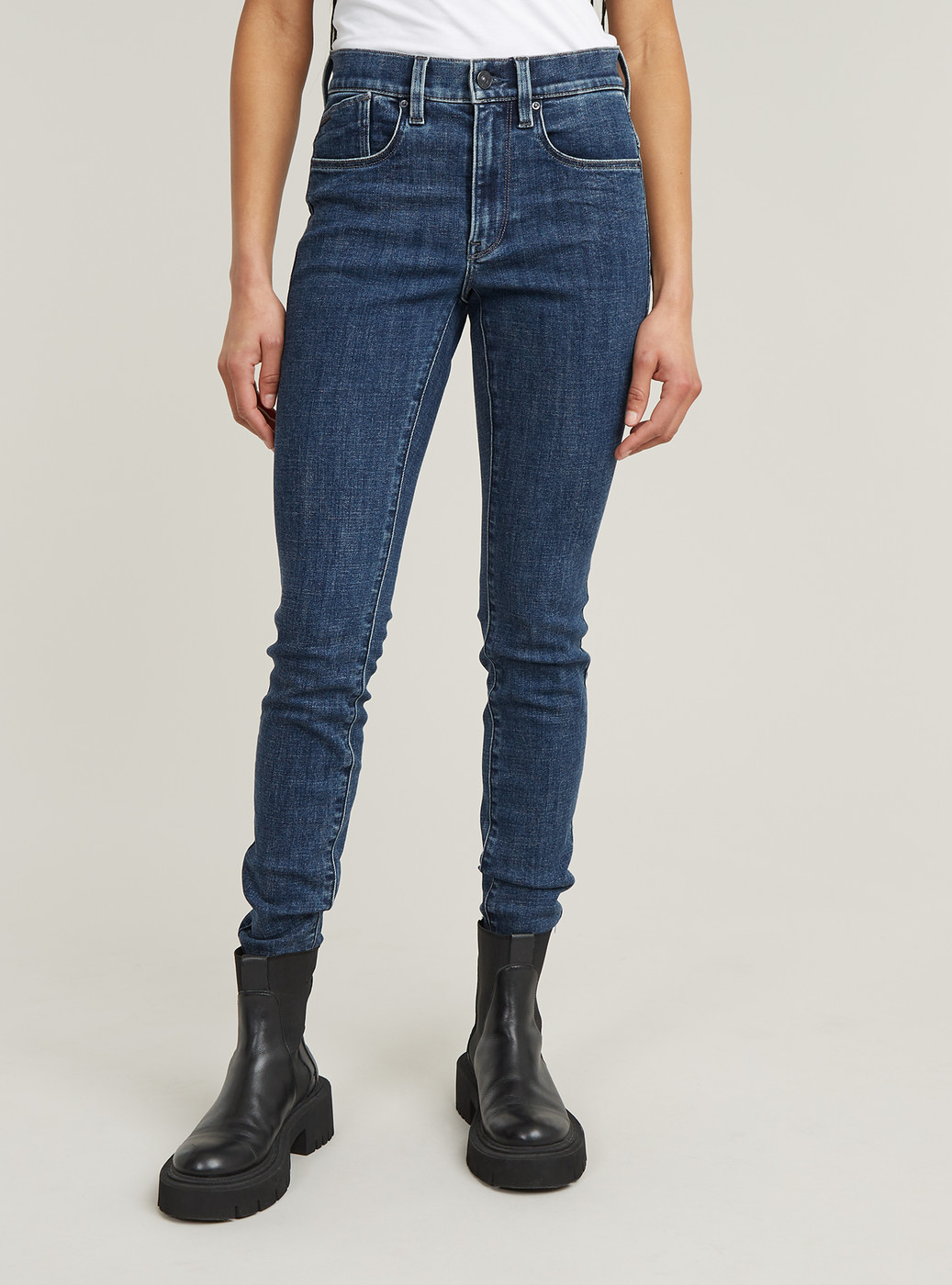
Start with a pair of raw denim jeans — it's the cloth the whole house is built on. Pick a cut you'll actually live in, then let it break in. If raw indigo feels like a commitment, a denim shirt is a gentler way into the brand's military-leaning denim language before you graduate to the unwashed jeans.
Who founded G-Star and when?+
G-Star was founded by Jos van Tilburg in Amsterdam in 1989. It began as a Dutch denim specialist making jeans, shirts and other clothing, and grew from there into a global denim house.
Why was G-Star originally called something else?+
It was first named Gap Star. When the company moved to go international it changed the name to avoid confusion with the already-established Gap, and G-Star is the name that stuck.
What gives G-Star its distinct look?+
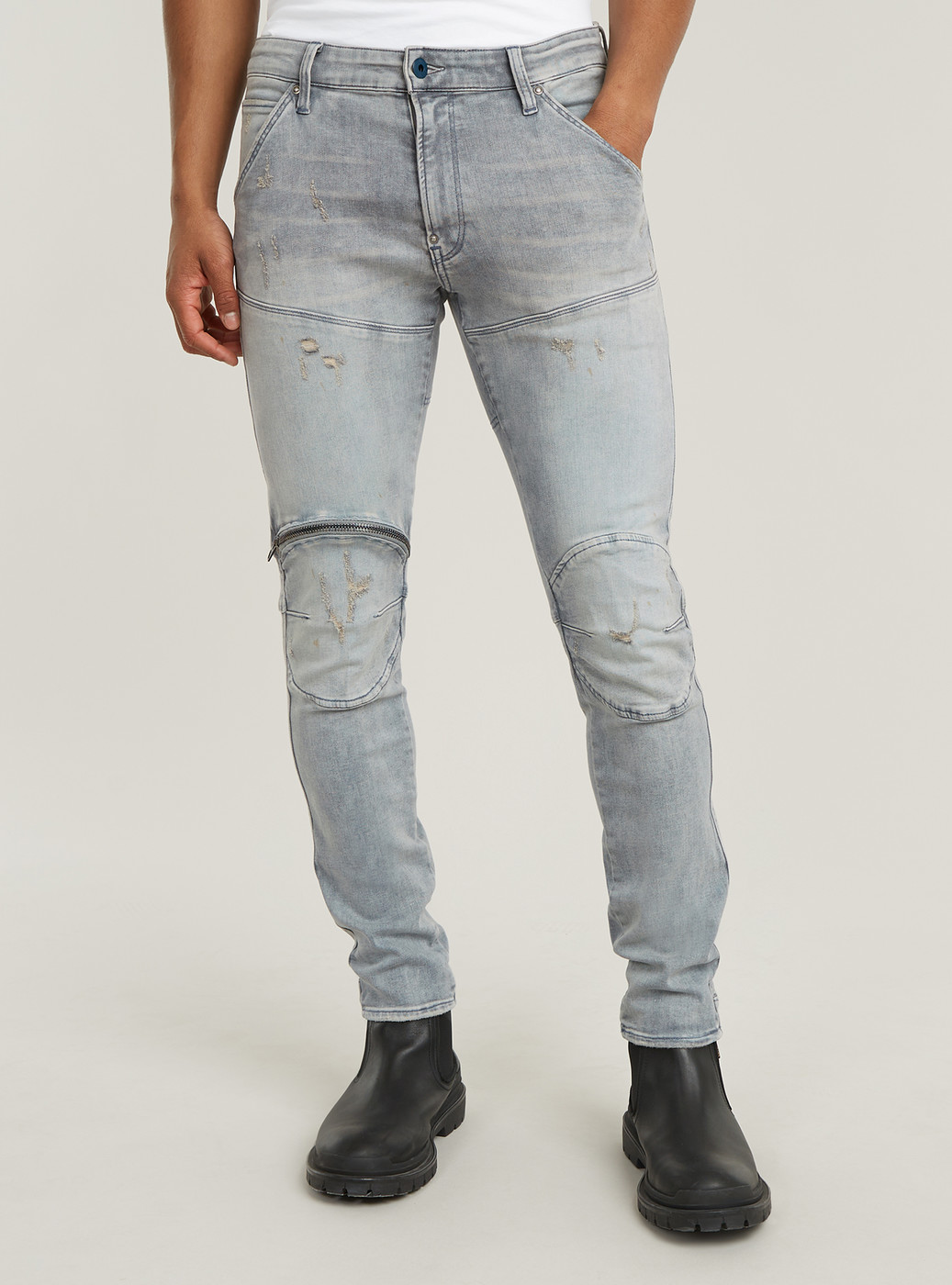
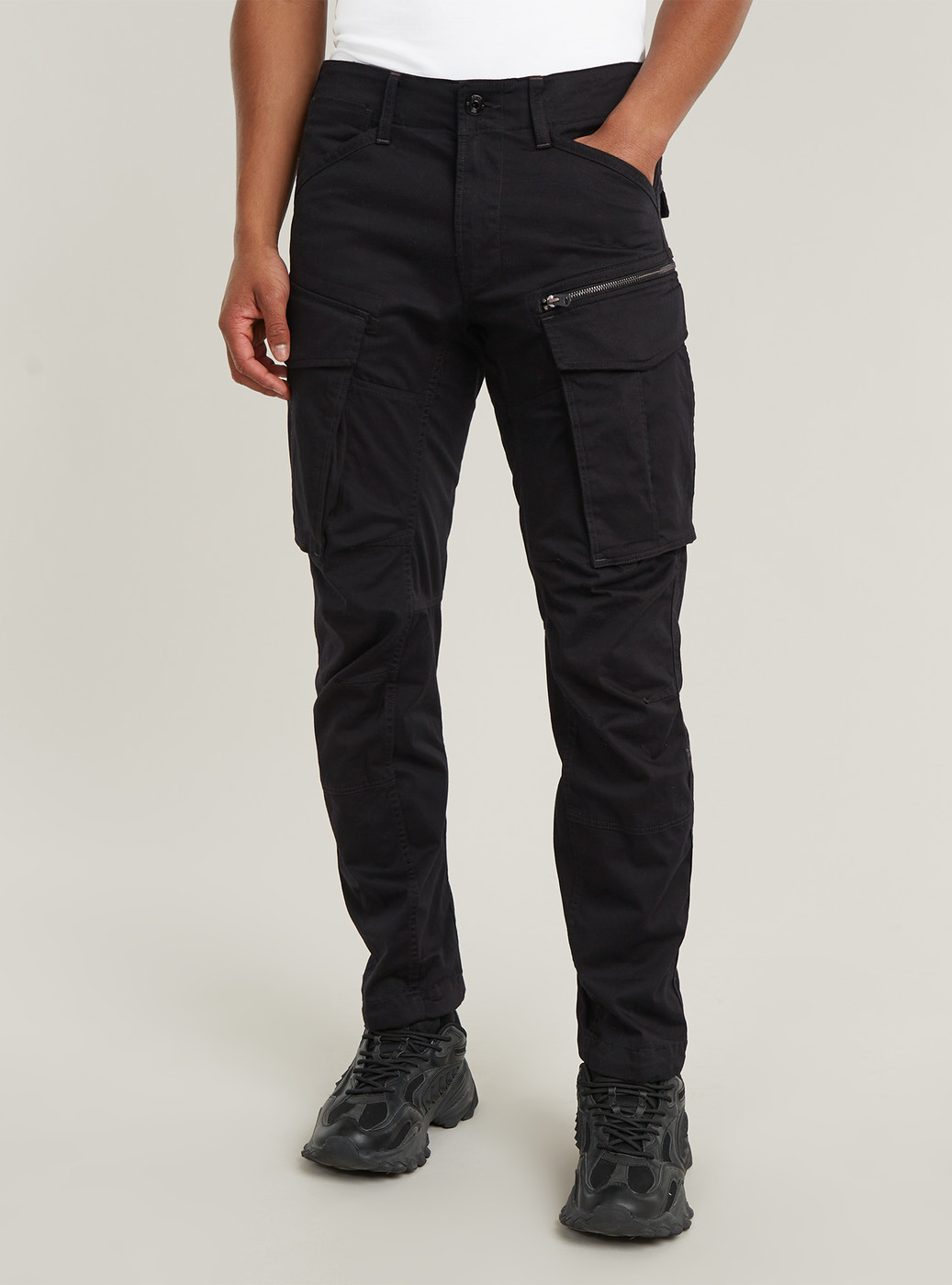
Military clothing. G-Star is openly influenced by vintage military apparel from around the world, and you can read it in the cut and detailing — utilitarian seams and an engineered, hard-wearing feel rather than classic Americana cowboy denim. That military DNA is what sets it apart on a rack of jeans.
How does G-Star compare to Levi's?+
Both are denim heavyweights, but they pull in different directions. Levi's leans into American heritage and broad everyday comfort, while G-Star is the European, design-led house that helped define raw denim. If you want a more modern, military-cut silhouette in untreated cloth, G-Star is the one to try; if you want classic five-pocket familiarity, Levi's still owns that lane.
Is G-Star RAW a sustainable choice?+
Raw denim itself helps, since untreated cloth skips a lot of the water and chemicals that washing adds. G-Star has also leaned into the idea publicly — in 2014 it worked with Pharrell Williams and his Bionic Yarn on Raw for the Oceans, a collection of denim made from recycled ocean plastic, presented in New York.
Who owns G-Star now?+
G-Star is owned by WHP Global. The acquisition was announced in September 2023 and completed in December of that year, so the founder-built Dutch house now sits under the WHP brand group.
Has G-Star done notable collaborations?+
Yes, and they're a good window into the brand's range. Beyond the Pharrell Williams Raw for the Oceans project, Jaden Smith collaborated with G-Star in 2018, Formula 1 driver Max Verstappen entered a partnership in 2019, and in February 2025 designer Walter Van Beirendonck created a collaboration called "Denim with Balls."
Where can I see G-Star in person?+
G-Star runs flagship stores in cities including New York, Los Angeles, London, Paris, Milan and Shanghai, with its home base on Amsterdam's P.C. Hooftstraat, the city's most luxurious shopping street. With thousands of selling points worldwide, trying raw denim on before you commit is rarely far away.