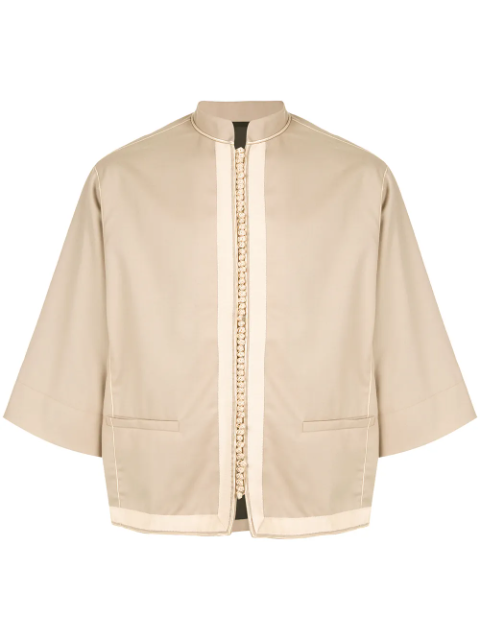
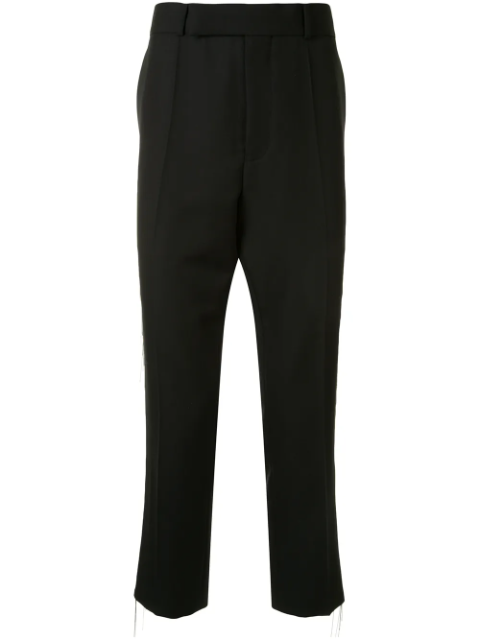
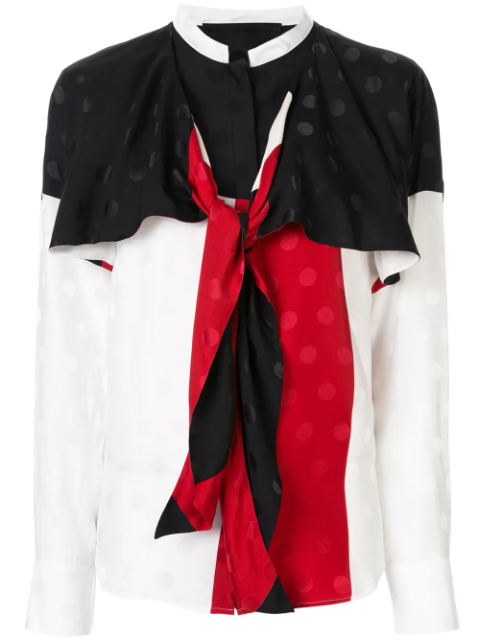
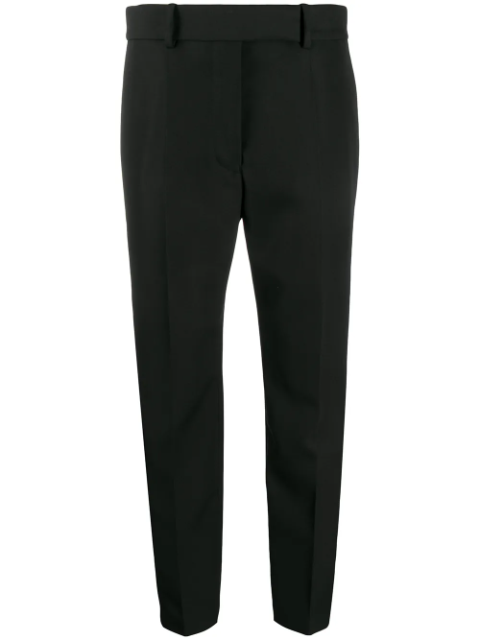
Is Haider Ackermann worth it, and what is he known for?+
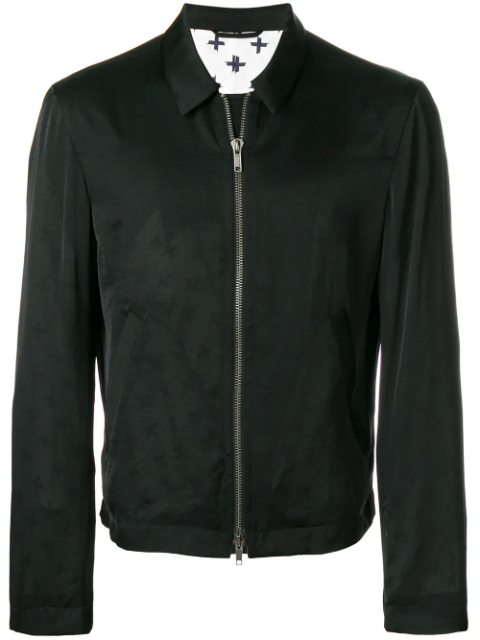
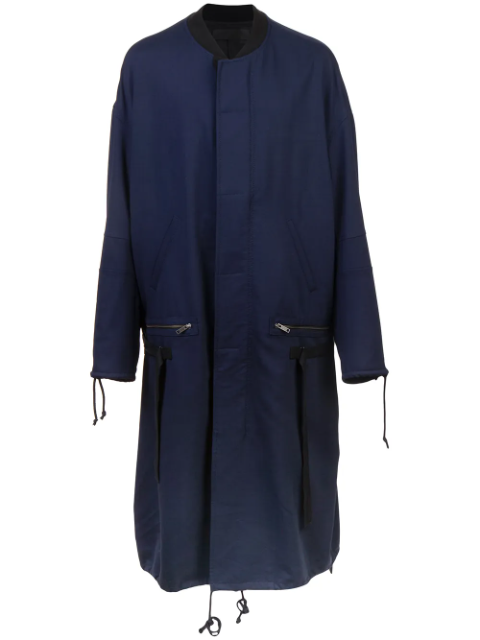
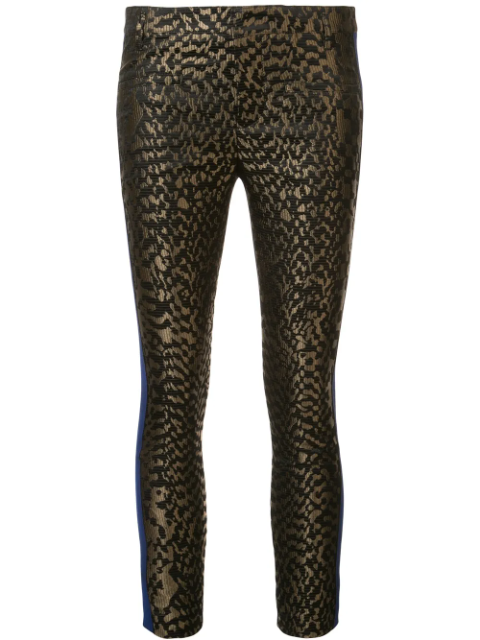
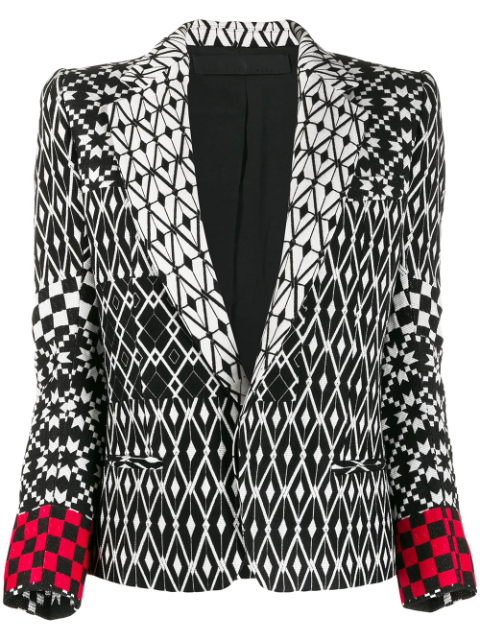
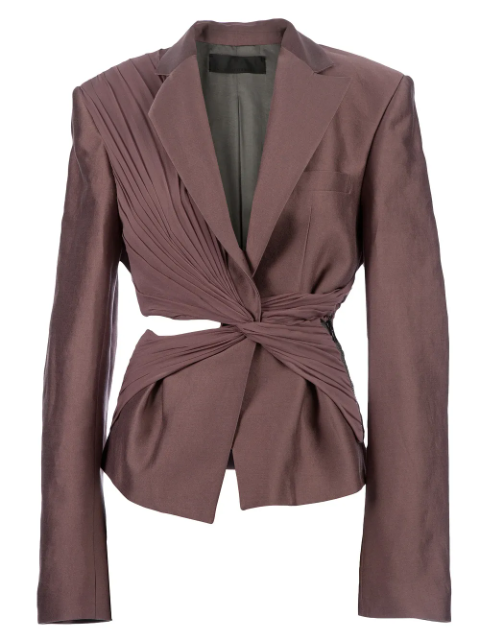
For lovers of drape and tailoring, very much so. Ackermann's creations are built on simple cuts that are often asymmetric and sewn from different materials, blending and contrasting dress codes. His work has been worn by figures including Tilda Swinton, Timothée Chalamet and Penélope Cruz, which speaks to the appeal of his sculptural, considered approach for those who value cut over logos.
Why is Haider Ackermann's draped tailoring so admired?+
His signature is the way he softens structure. Influenced by the cultural differences of a childhood across several countries, Ackermann blends dress codes and works in simple, often asymmetric cuts that combine different materials. That mix of precision and fluidity is what fans mean when they talk about his "drape," and it is the heart of his reputation.
Who is Haider Ackermann?+
Haider Ackermann is a Colombian-born French designer of ready-to-wear fashion, born on 29 March 1971 in Bogotá, Colombia. He was adopted at nine months by a French Alsatian family and spent his childhood in Ethiopia, Chad, Algeria and France before the family moved to the Netherlands when he was twelve. He lives in Paris.
Where did Haider Ackermann train as a designer?+
Inspired by Yves Saint Laurent, Ackermann went to Belgium in 1994 and studied fashion design at the Royal Academy of Fine Arts in Antwerp. He was expelled in 1997 for failing to turn in assignments, then did a five-month internship with John Galliano and worked for brands including Bernhard Willhelm before striking out on his own.
When did Haider Ackermann launch his own label?+
He created his own label in 2001 and presented his first women's wear collection that March during Paris Fashion Week. His 2002 collection caught the attention of the leather specialist Ruffo, which hired him to direct collections for Ruffo Research, and in 2005 he set up his studio in Paris under the Belgian group BVBA 32.
Is Haider Ackermann really the creative director of Tom Ford?+
Yes. Ackermann was appointed creative director of both Canada Goose and Tom Ford in 2024. Timothée Chalamet debuted the first-ever Ackermann look for Tom Ford, a sequined black suit, on the red carpet of the 82nd Golden Globe Awards, marking the start of his tenure at the house.
What did Haider Ackermann do at Berluti?+
He was creative director of Berluti from September 2016, succeeding Alessandro Sartori, and showed his first collection in January 2017. He introduced a more languid, feminine edge, showing on both men and women, and oversaw not just product but campaigns, image and stores. He and Berluti parted ways by March 2018, after just three seasons.
Was Haider Ackermann ever considered for the top houses?+
Repeatedly. He was among the designers approached to succeed John Galliano at Dior, after declining a proposed succession of Martin Margiela in 2009, and in 2010 Karl Lagerfeld described him as his ideal successor at Chanel. Some commentators even called him "a new Yves Saint Laurent," which says a lot about how the industry rates him.
Does Haider Ackermann design menswear as well as womenswear?+
Yes. He began with women's wear in 2001, presented a one-off menswear collection at the Pitti trade shows in Florence in 2010, and launched his first full menswear line in 2013 after his label split from Ann Demeulemeester into an independent company. So his vision spans both, often with a deliberately fluid, genderless feel.
Which celebrities wear Haider Ackermann?+
His clothes have been worn by a notable roster including Tilda Swinton, Timothée Chalamet, Penélope Cruz, Victoria Beckham, Janet Jackson and Kanye West. His creative partnership with Chalamet is especially close; Ackermann styled the actor's first red carpet at the 2017 Berlin International Film Festival, and Chalamet has called him one of his closest friends.
How should I approach buying and wearing Haider Ackermann?+
Buy for the cut and let it lead the outfit. Because his pieces rely on asymmetric lines and the interplay of different materials, they look best given room to drape rather than fighting against fussy layering. Try things on if you can, since the asymmetry and proportion are intentional, and build the rest of the look around that one sculptural piece.