Is Herbal Essences worth it as an affordable shampoo?+
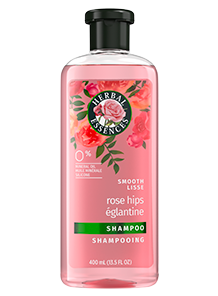
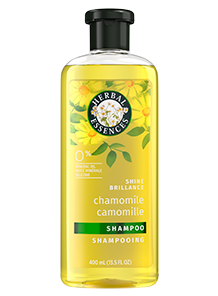
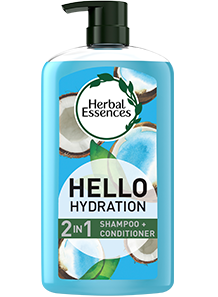
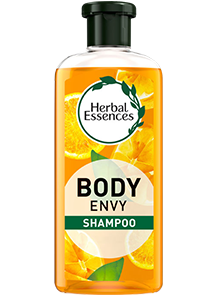
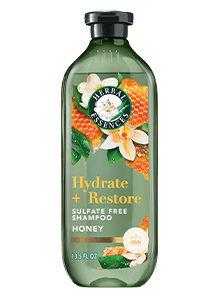
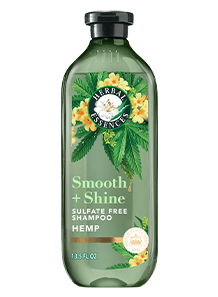
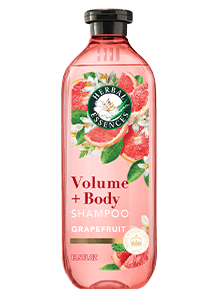
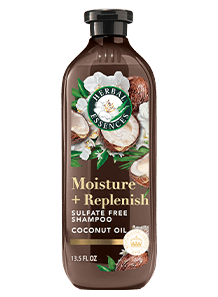
Herbal Essences has been a drugstore staple since 1971, and its appeal has always been accessible, pleasant-smelling hair care that does not cost much. It is owned by Procter & Gamble and spans 29 collections, each designed for a different effect on your hair, so there is usually a formula aimed at your concern. For everyday cleansing on a budget, it is an easy place to start.
Is Herbal Essences bio:renew good for your hair?+
The bio:renew range is Herbal Essences' more modern, ingredient-led direction. The brand's current shampoos and conditioners are characterised as paraben, gluten, and sulfate-free, which is the kind of cleaner formulation many shoppers now look for. As with any line it suits some hair types better than others, so match the collection to your hair rather than picking by scent alone.
Why is Herbal Essences so famous for its scent?+
Fragrance has been central to the brand's identity from the start, and it leaned into that hard in its advertising. In the 1990s and early 2000s, commercials famously showed women appearing to reach a state of ecstasy while shampooing in public settings, an over-the-top campaign that made the sensory experience the whole pitch. The scent reputation it built then still defines the brand today.
Which Herbal Essences collection should I choose first?+
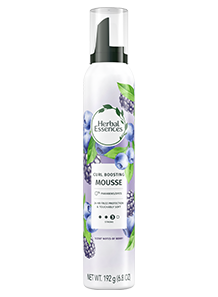
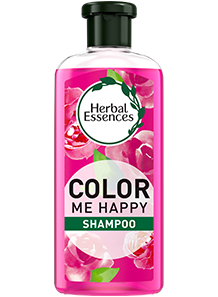
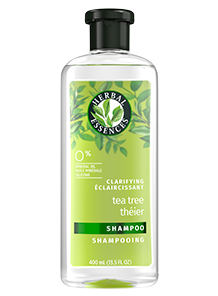
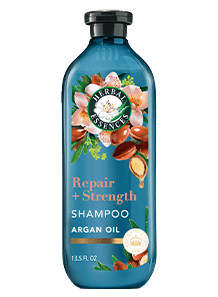
With 29 collections, each designed to have a different effect on your hair, the trick is to start from your goal rather than the shelf. Decide whether you are after moisture, smoothing, volume, or curl support, then pick the matching collection, ideally from the sulfate-free bio:renew side of the range. You can refine from there once you see how your hair responds.
What did the original Herbal Essences look like?+
The first product, launched in 1971, was a single shampoo: Clairol Herbal Essence Shampoo. Its label carried a cartoon image of a nature girl in a pool, and the shampoo itself was a distinctive green colour you could see through the clear plastic bottle. That nature-girl, see-through-green look is the brand's nostalgic signature.
Who owns Herbal Essences now?+
Herbal Essences is owned by Procter & Gamble. Clairol introduced the brand in 1971 and ran it for three decades before selling it to P&G in 2001. Under P&G it has continued to expand its collections and reformulate toward cleaner, sulfate-free lines.
When and where did Herbal Essences start?+
Herbal Essences was founded in 1971 by Clairol as a single product called Clairol Herbal Essence Shampoo. It expanded to the UK and other markets in 1997, and was sold to Procter & Gamble in 2001. So its roots are firmly American, dating to the early 1970s.
Is Herbal Essences actually sustainable, or is that just marketing?+
The brand does have concrete sustainability moves on record. Herbal Essences partnered with World Wildlife Fund Canada to plant native pollinator-friendly plants and renew wildlife habitats, and in 2016, as part of its Sustainability Program, it began buying certified renewable electricity credits from windmills for its Iowa City plant. Whether that goes far enough is a fair debate, but those specific commitments are documented.
Did Herbal Essences have a product recall?+
Yes. In 2021, Procter & Gamble recalled about 30 of its hair products, including some Herbal Essences items, after detecting small amounts of the carcinogen benzene. Recalls like this are about trace contamination found in testing rather than the formula itself, and they were pulled as a precaution.
Herbal Essences or Pantene, which is better?+
They are close competitors at the drugstore, and both sit in the Procter & Gamble family. Herbal Essences is the one most associated with fragrance and its botanical, sulfate-free bio:renew direction, so if scent and a cleaner ingredient list appeal to you, it leans your way. The honest call is to match a specific collection to your hair type rather than choosing on brand name.
Is Herbal Essences sulfate-free?+
The brand's current shampoos and conditioners are characterised as paraben, gluten, and sulfate-free, with the bio:renew line in particular built around that cleaner positioning. If avoiding sulfates matters to you, check the specific bottle, since the range is broad, but the modern formulations are designed with that in mind.