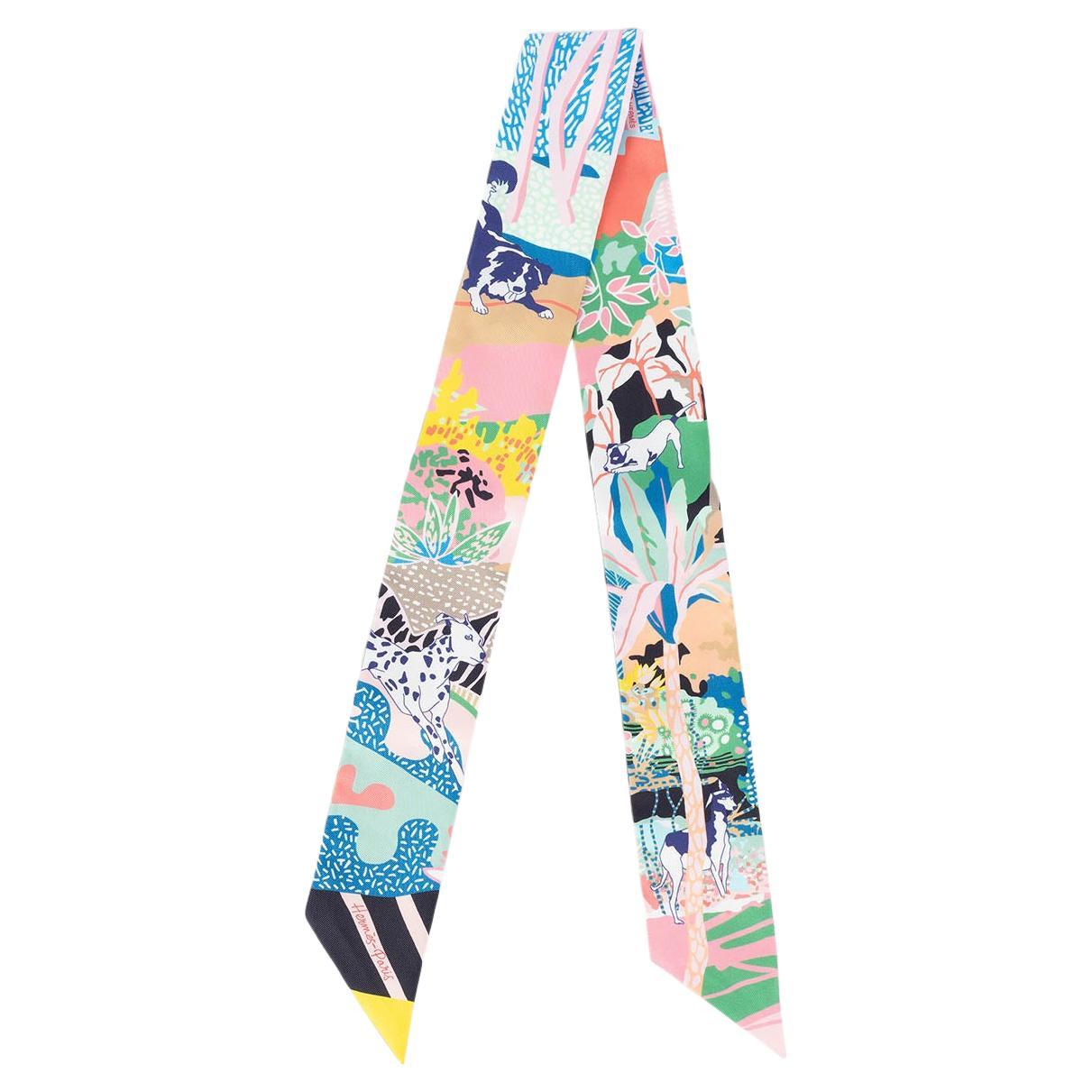
Carré 90 Silk Scarf
The 90cm silk square that has been Hermès' signature since 1937 — sold somewhere every few seconds.
Prices are a snapshot from when this page was built — confirm on the retailer's site.
Story & heritage
The Hermès carré has been a signature of the house since 1937, when the first design — Jeu des omnibus et dames blanches, drawn from a print and developed with the artist Hugo Grygkar — was issued for the company's centenary. The square became a piece of French culture in its own right.
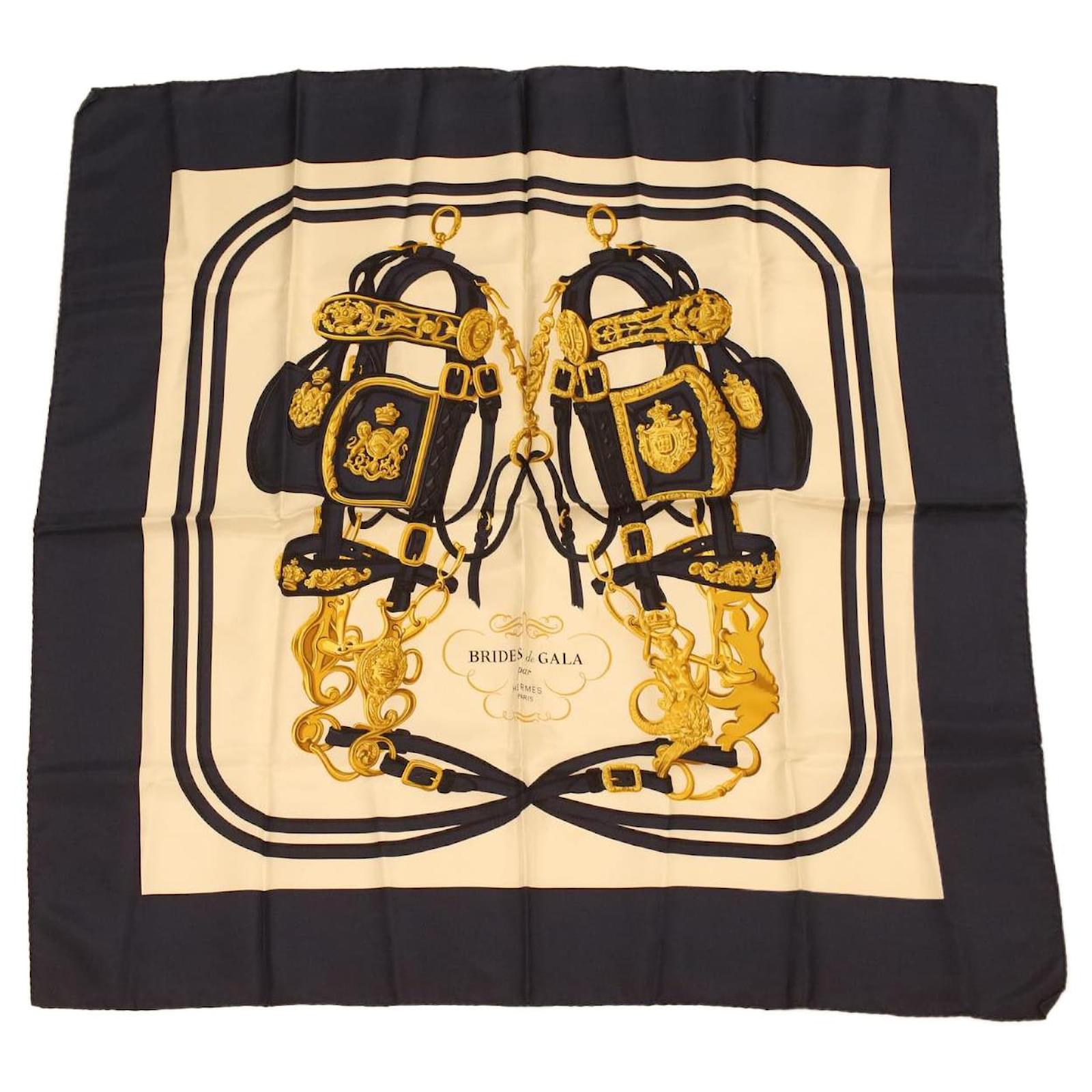
Since then the house has produced thousands of designs; the equestrian Brides de Gala, introduced in 1957, became the most reproduced of all. The house has said a Hermès scarf is sold somewhere in the world every twenty-five seconds — a measure of how completely the carré entered the everyday.
Materials & craft
The classic carré measures 90cm × 90cm, weighs around 79 grams, and is woven from the silk of roughly 300 mulberry-moth cocoons — a twill twice as heavy and strong as most scarves of its era. Designs are individually screen-printed from a palette the house draws from tens of thousands of colours, with a single square sometimes requiring dozens of screens.
Every carré is finished with hand-rolled and hand-stitched hems. The house controls the entire silk chain — from raw thread to weaving to printing — in and around Lyon, where its dedicated silk workshop has run since the late 1980s.
How to choose & style
The 90cm square is the flagship format — large enough to wear at the neck, over the shoulders, in the hair, knotted to a bag, or framed. The equestrian and harness motifs (like Brides de Gala) are the house's most archetypal; brighter abstract designs read more modern. Two collections are issued each year, alongside reprints and cashmere-silk versions, so the carré is endlessly collectable.