Is a Hugo Boss suit worth it?+
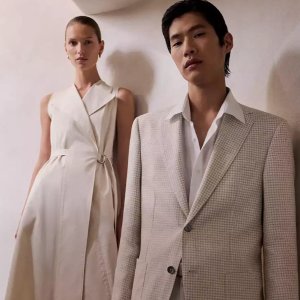
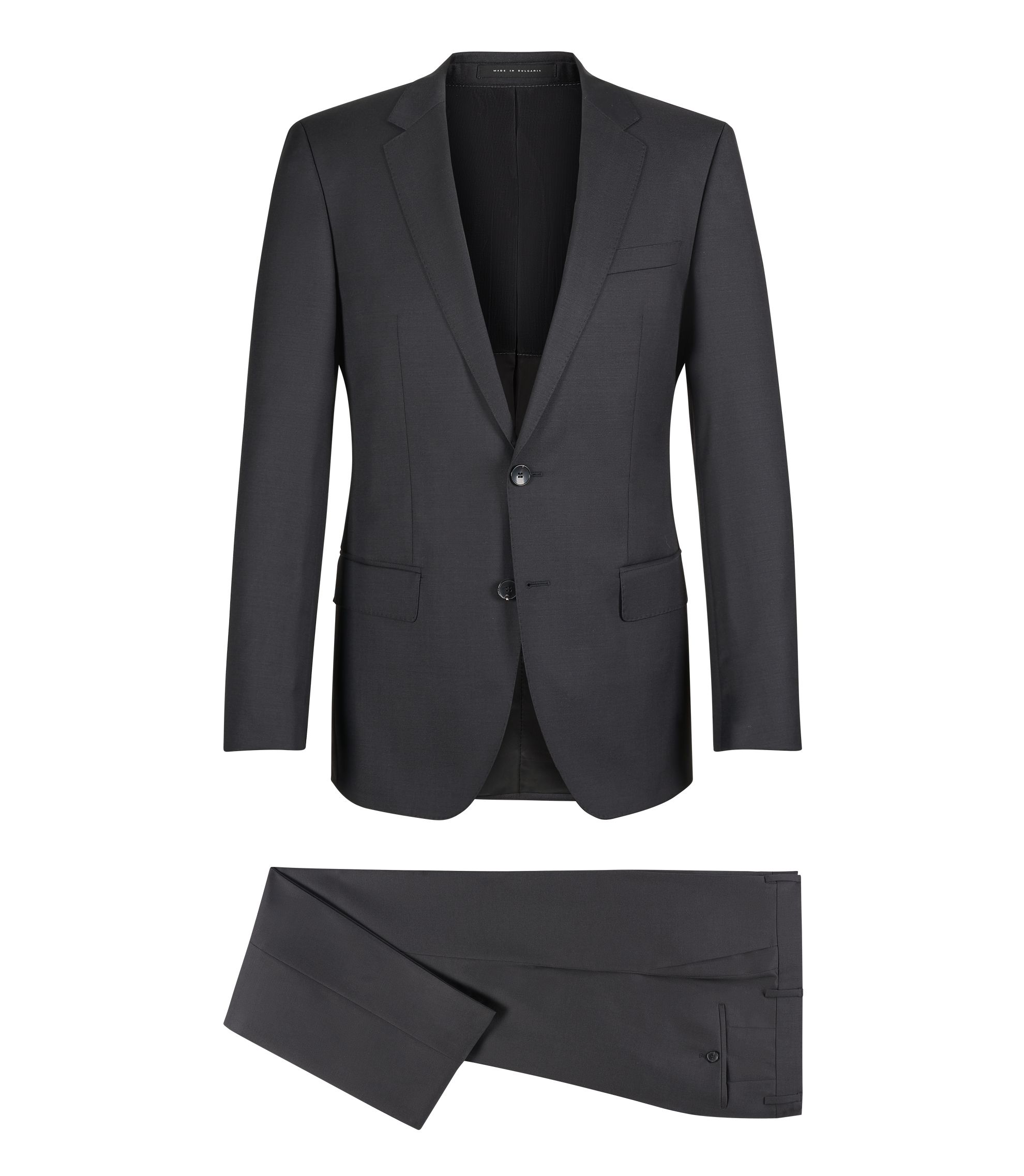
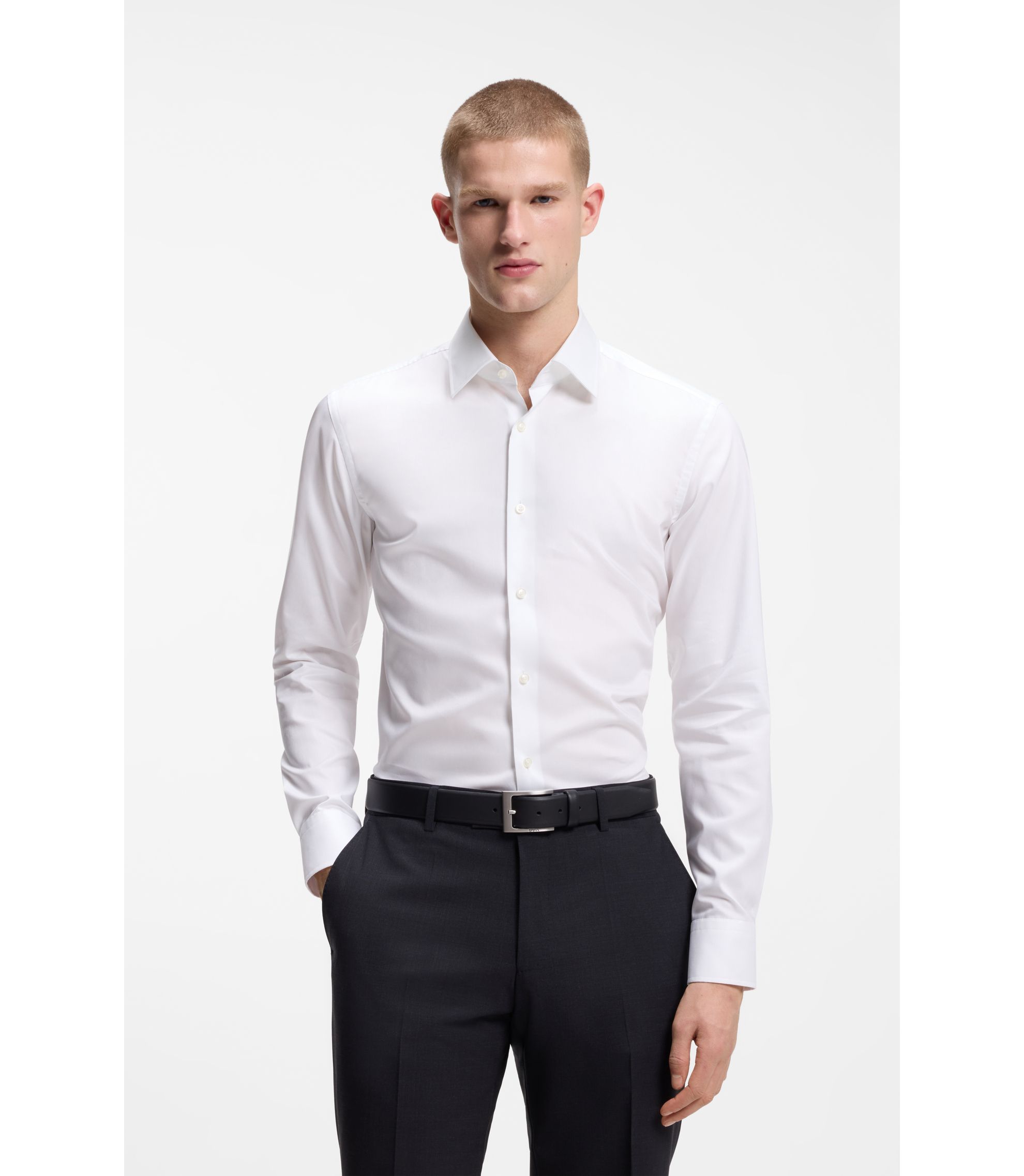
A Hugo Boss suit sits in the upper end of designer ready-to-wear and delivers a sharp, modern European cut with dependable construction. It is worth it if you want a polished, well-fitting suit with real brand presence for work or events; it is less compelling if you are a tailoring purist chasing bespoke-level craft. For most professionals it is a reliable, good-looking choice rather than a value play.
What is the difference between the BOSS and HUGO lines?+
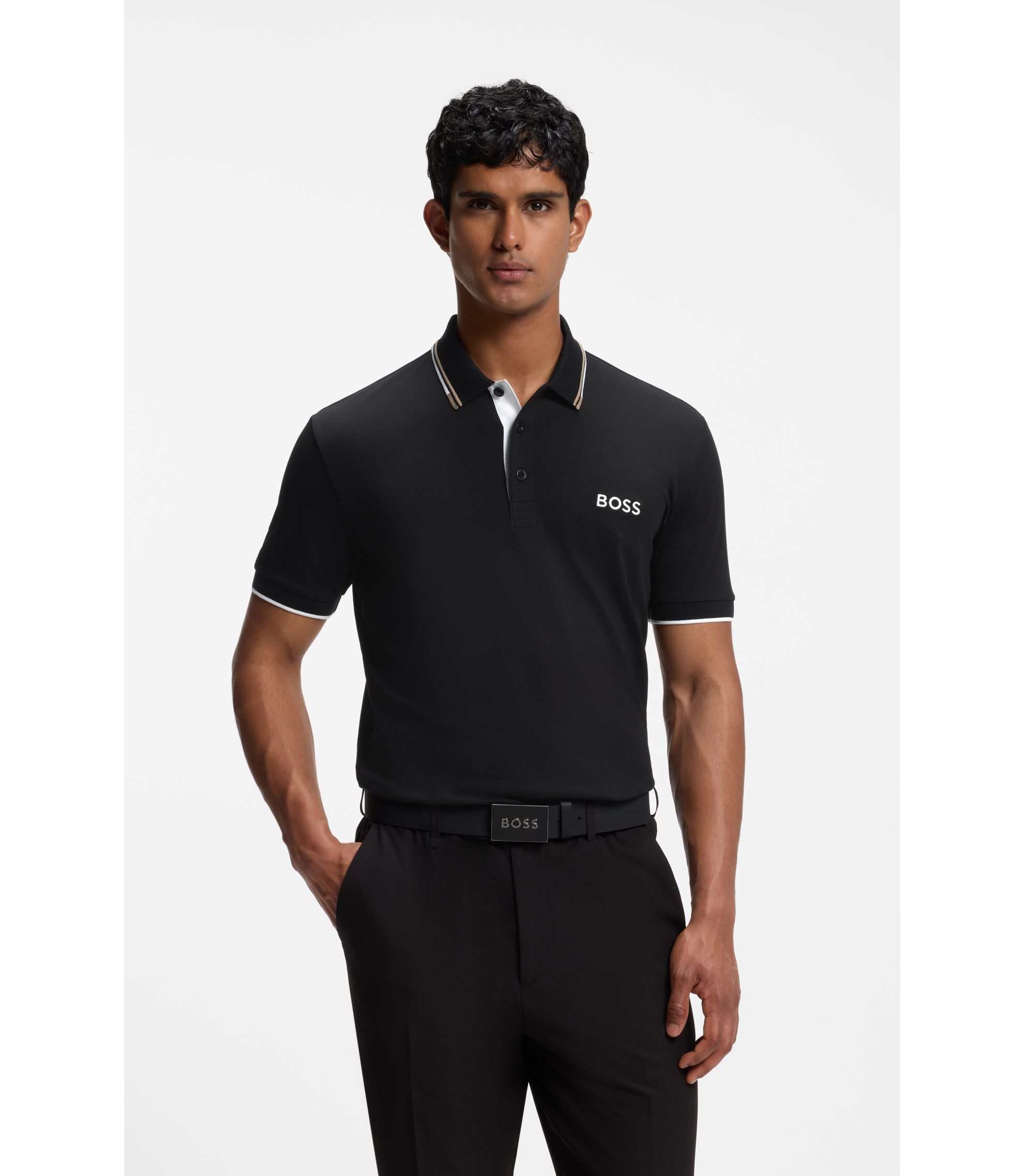
Hugo Boss runs two distinct labels: BOSS is the classic, refined line built around tailored suiting and smart, sophisticated wardrobes, while HUGO is the younger, more contemporary and trend-forward line with bolder, edgier pieces. BOSS generally targets a more established customer, HUGO a younger one. Think of BOSS as the boardroom and HUGO as the after-hours.
How does Hugo Boss compare to a brand like Armani?+
Both make modern European tailoring, but Armani is positioned as the higher luxury benchmark, known for fluid drape and a soft shoulder, while Hugo Boss offers a sharp, structured, more accessible take. Hugo Boss gives you a designer suit with a clean silhouette at a friendlier price point. Which wins depends on whether you prioritise top-tier prestige or solid, repeatable everyday value.
Is Hugo Boss good quality?+
Quality is consistent and respectable for the category, though it varies by line and fabric — BOSS pieces generally use higher-grade materials and more structured construction than HUGO. You are getting reliable, well-finished designer clothing rather than artisanal craftsmanship. Choose your fabric and line thoughtfully and the value is sound.
What is Hugo Boss best known for?+
After the founder's death in 1948, the company turned its focus to men's suits, and tailored menswear and suiting remain the heart of its reputation. It is one of the largest German clothing brands and a fixture of polished, professional dressing. The sharp suit is the piece most people associate with the BOSS name.
When and where was Hugo Boss founded?+
The company was founded in 1924 in Metzingen, Germany by Hugo Ferdinand Boss, where it is still headquartered today. It began producing general-purpose clothing — shirts, jackets, workwear, sportswear and raincoats — long before it became a designer fashion house. The Metzingen roots remain central to its German identity.
Does Hugo Boss make fragrances, and when did that start?+
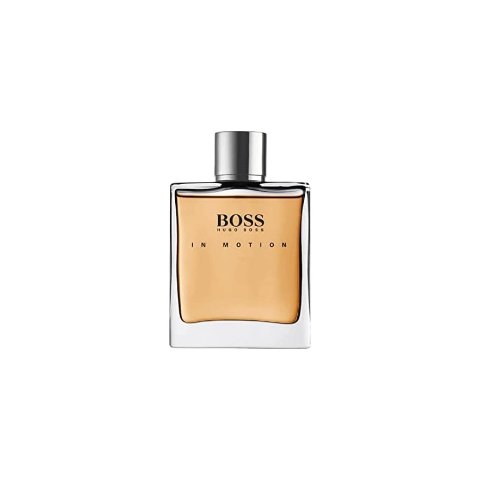
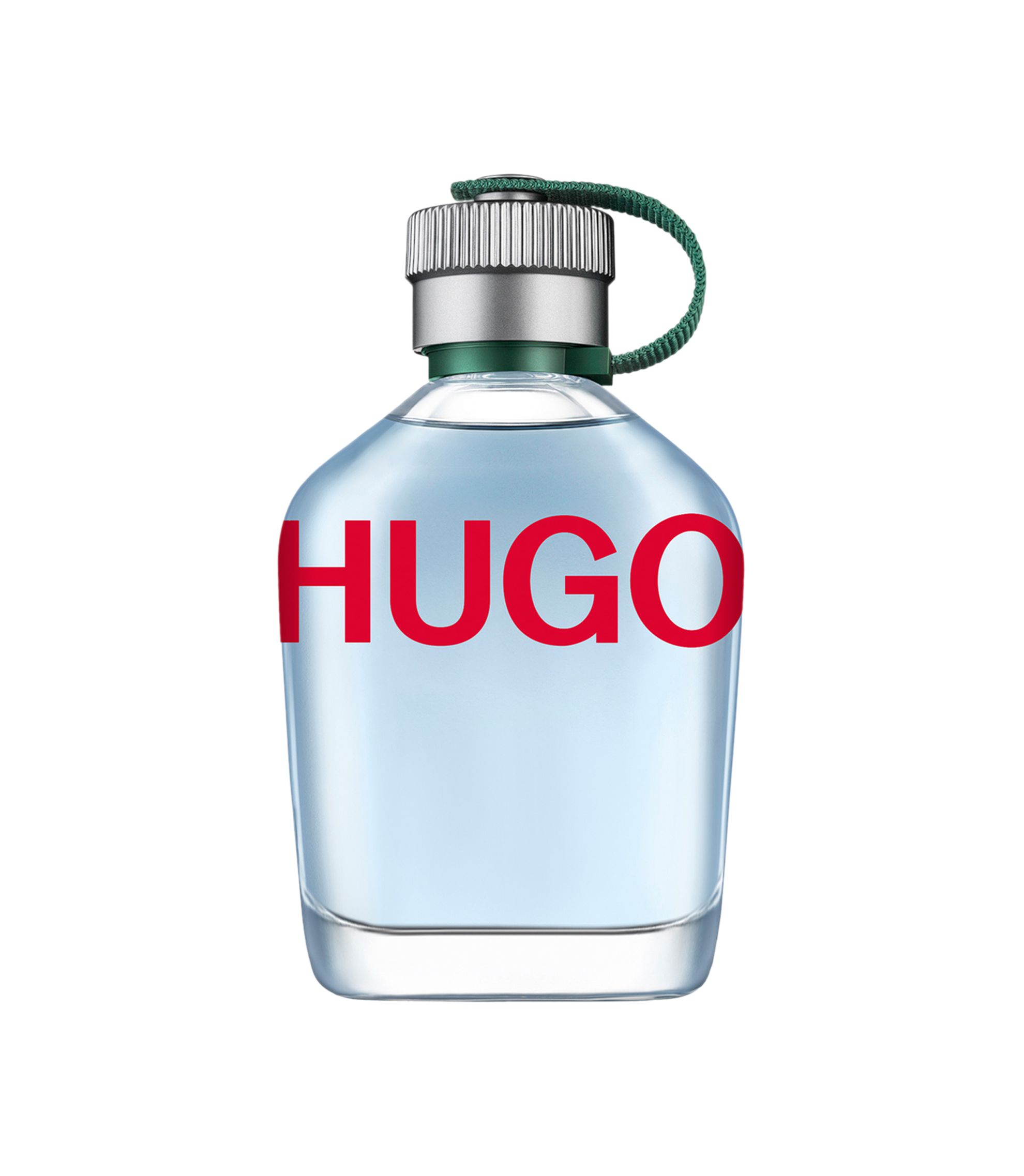
Yes — fragrances are a major part of the business. Hugo Boss went public in 1988 and introduced its fragrance line that same year, and scents remain among its most widely owned products. The fragrances are produced under licence, alongside other licensed categories the brand offers.
Beyond suits, what else does Hugo Boss sell?+
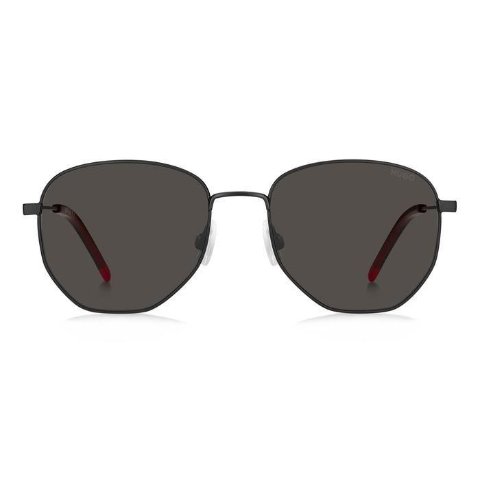
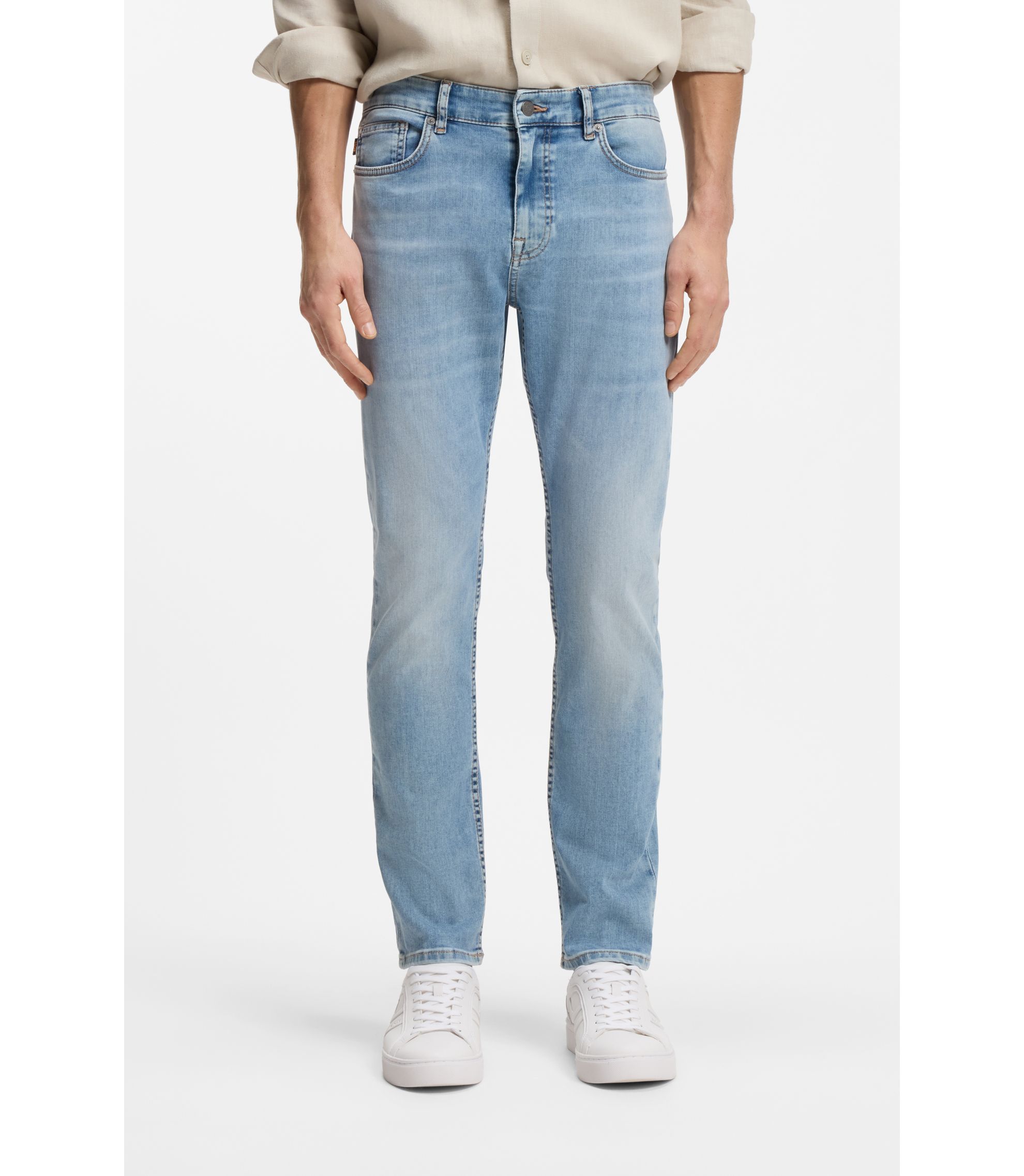
The brand has expanded well past tailoring. It added men's and women's diffusion lines in 1997, a full women's collection in 2000, and children's clothing in 2006–2007. Today it also licenses eyewear, watches, home textiles, riding apparel, writing instruments and fragrances, making it a broad global fashion house.
Should I know about Hugo Boss's wartime history?+
Yes — it is part of the company's documented past. Founder Hugo Ferdinand Boss joined the Nazi Party in 1931, and in the 1930s and during the Second World War the firm produced uniforms for Nazi organisations and used forced labour. The company has acknowledged this history. It is worth being aware of, even as the modern brand is an entirely different operation.
Is Hugo Boss a publicly traded company?+
Yes. Hugo Boss AG went public in 1988 and its stock is a component of Germany's MDAX index. The company reported global sales of around €4.3 billion in 2024 and operated more than 1,500 of its own retail points of sale worldwide as of that year. It is firmly established as a major listed fashion business.
How should I choose between BOSS and HUGO when buying a first piece?+
Match the line to your wardrobe goal: reach for BOSS if you want classic tailoring and refined staples that lean dressy, and HUGO if you want younger, more contemporary and trend-driven pieces. Trying both on matters, since the cuts and intended fits differ. Buy the line that fits the life you actually dress for.
 Hugo Boss