Is an Icebreaker merino base layer worth it?+
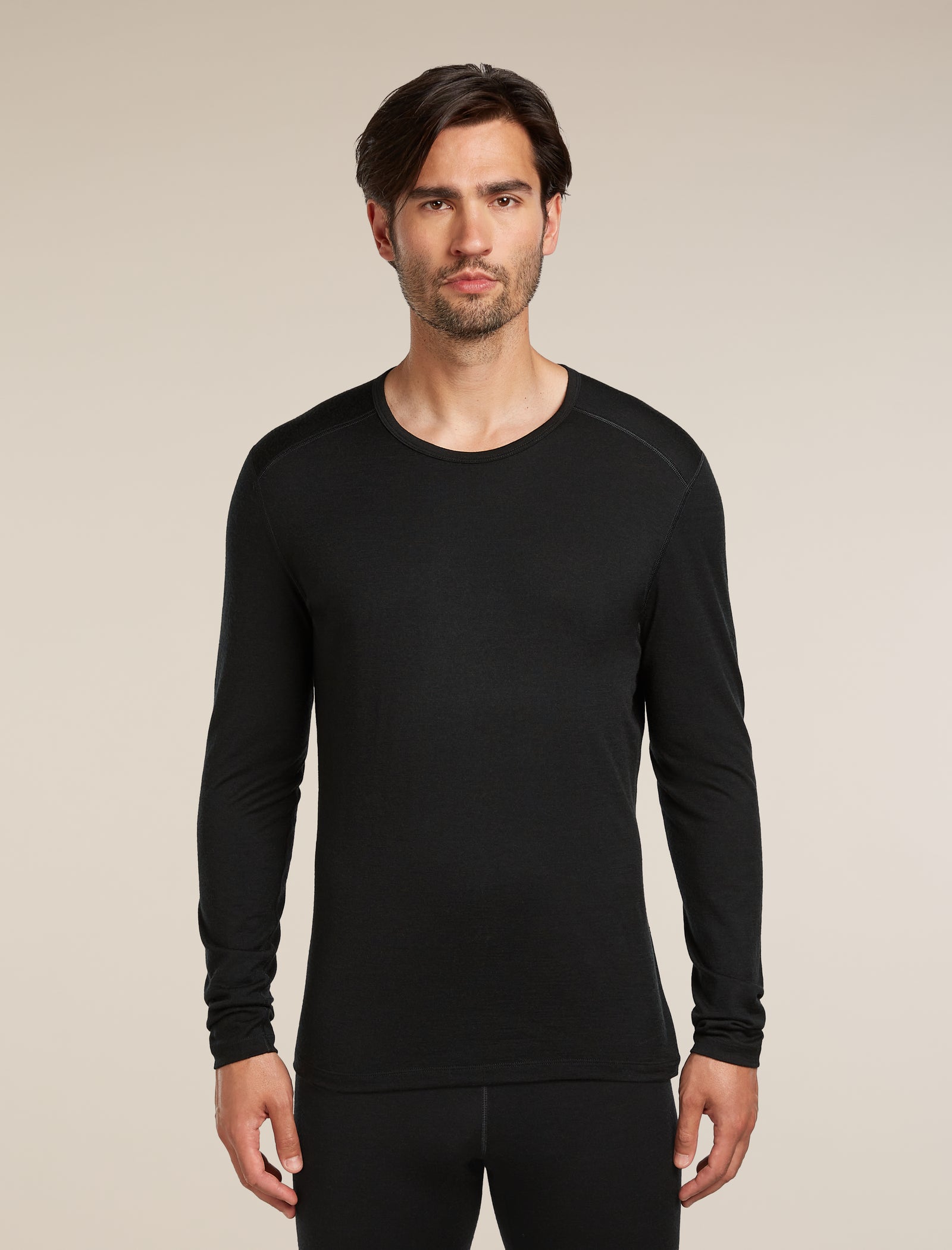
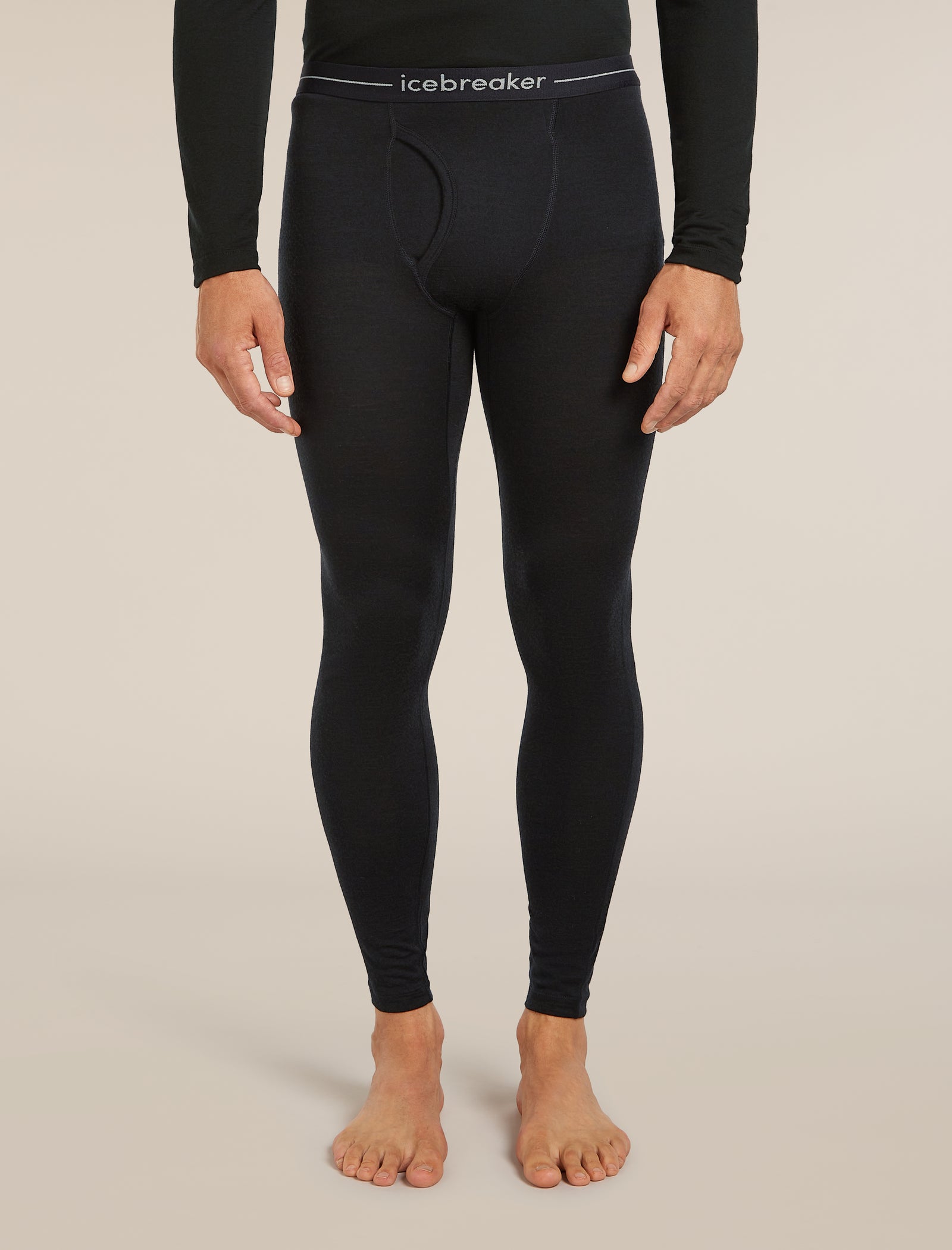
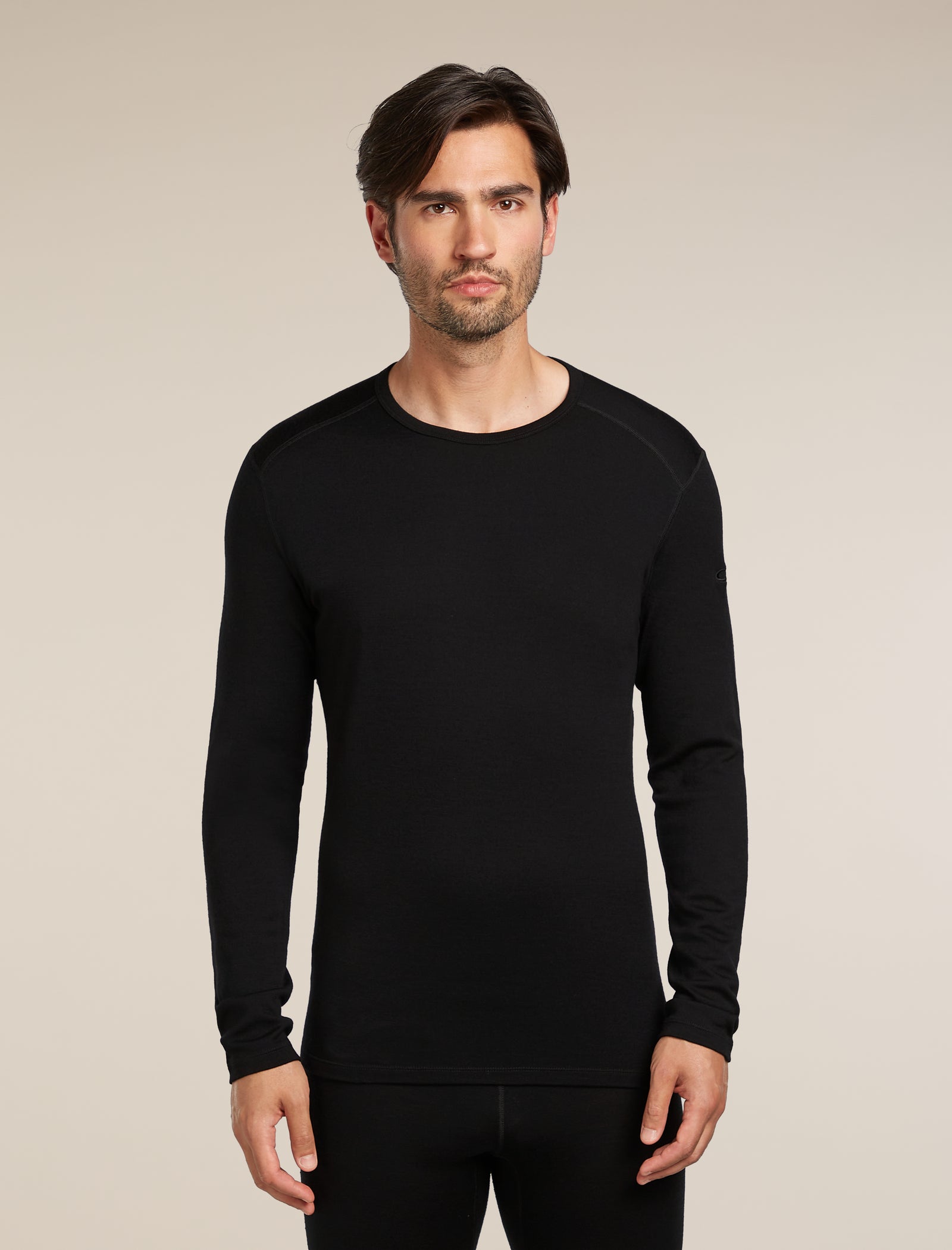
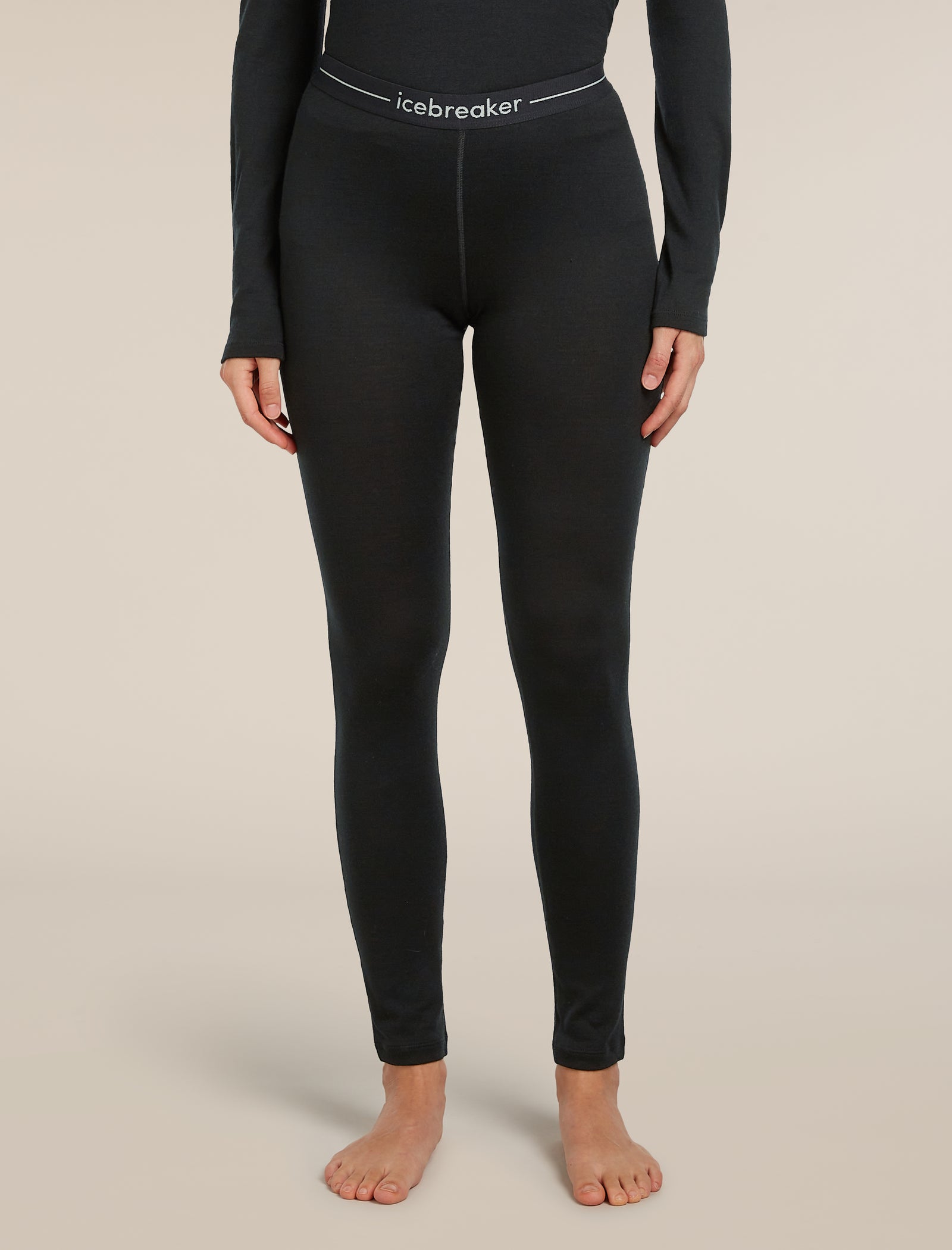
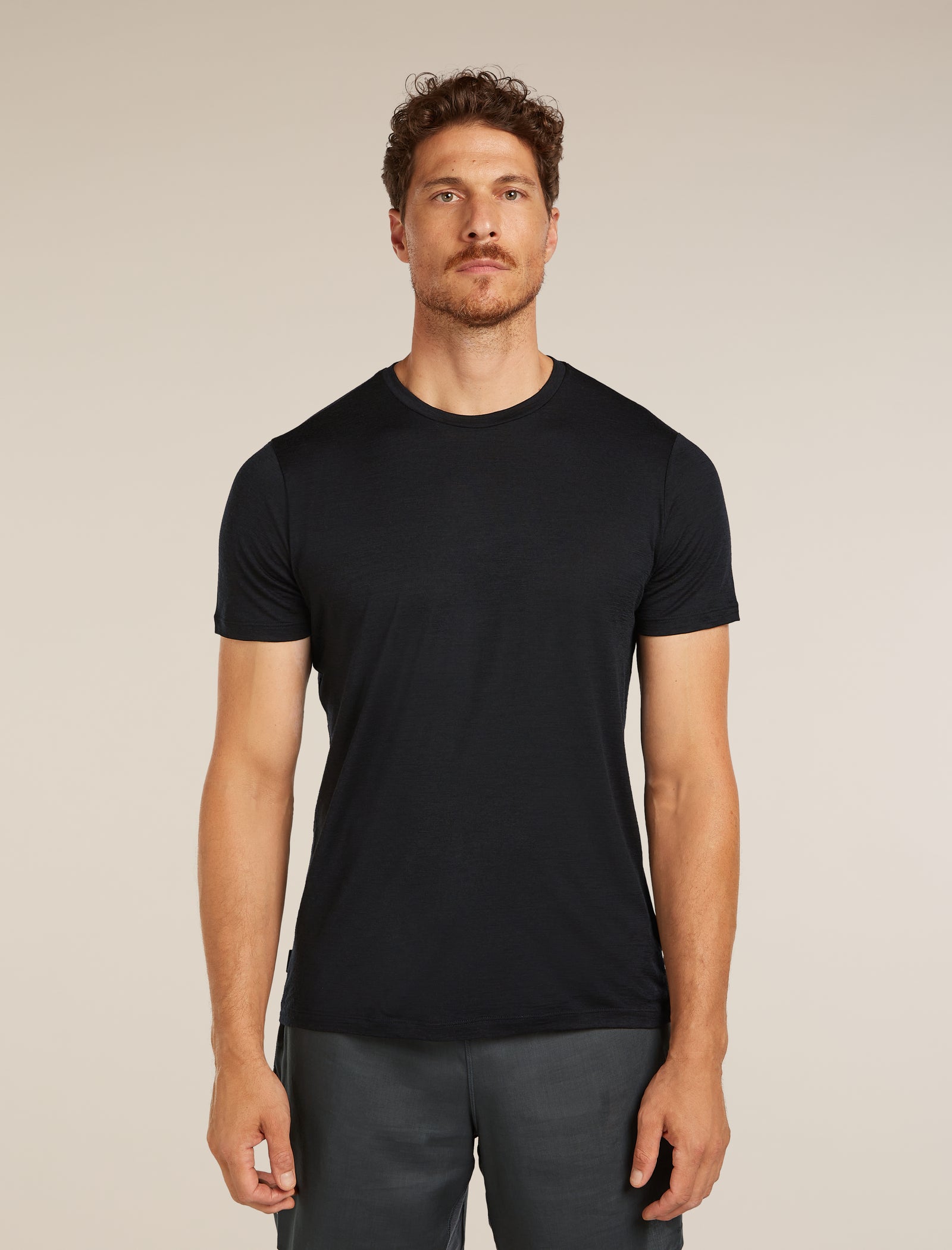
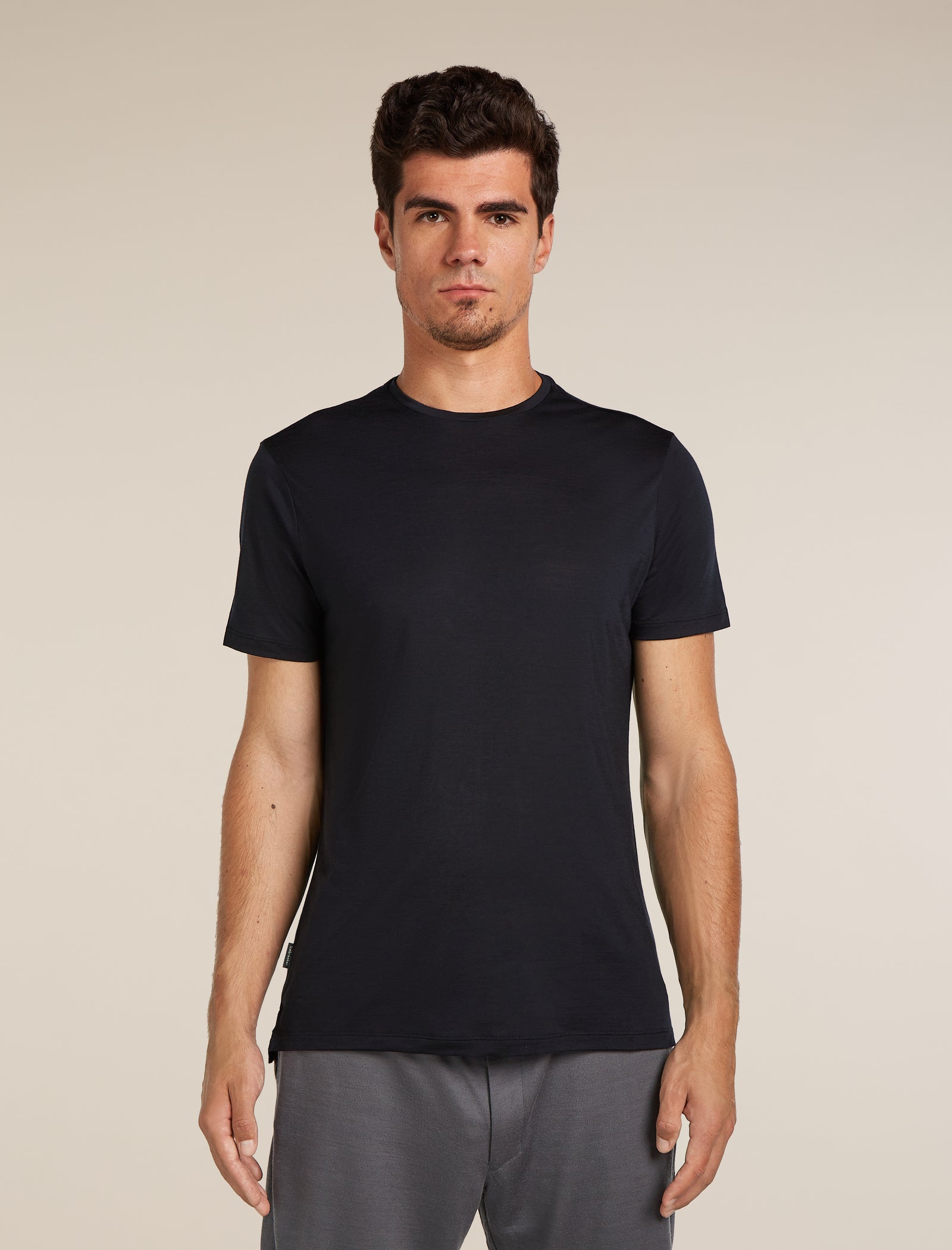
Icebreaker pioneered the merino base layer and it remains the heart of the range, so you are buying into the brand's core competency rather than an afterthought. Merino's natural warmth, breathability, temperature regulation, and odour resistance are the reasons people pay the premium, and well-cared-for pieces can last for years. If you value comfort and natural fibres over the lowest price, most owners conclude it is worth it.
How does Icebreaker compare to Smartwool?+
Both are leading merino brands and both make durable, high-quality garments, so the choice is largely about fit and feel. Icebreaker is the New Zealand house founded in 1995 by Jeremy Moon, and its tops tend to run closer-fitting with a style-led cut. The deciding factor for most buyers is which fit and softness they prefer rather than a clear winner.
Why is Icebreaker merino so expensive?+
The cost reflects the fibre and the sourcing standards. Icebreaker was conceived around sustainability, natural fibres, and animal welfare, and it pays a significant price premium to selected New Zealand sheep farmers under long-term contracts in return for strict environmental and welfare conditions. You are paying for genuine merino and a traceable, ethically managed supply chain, not just a logo.
What is Icebreaker best known for?+
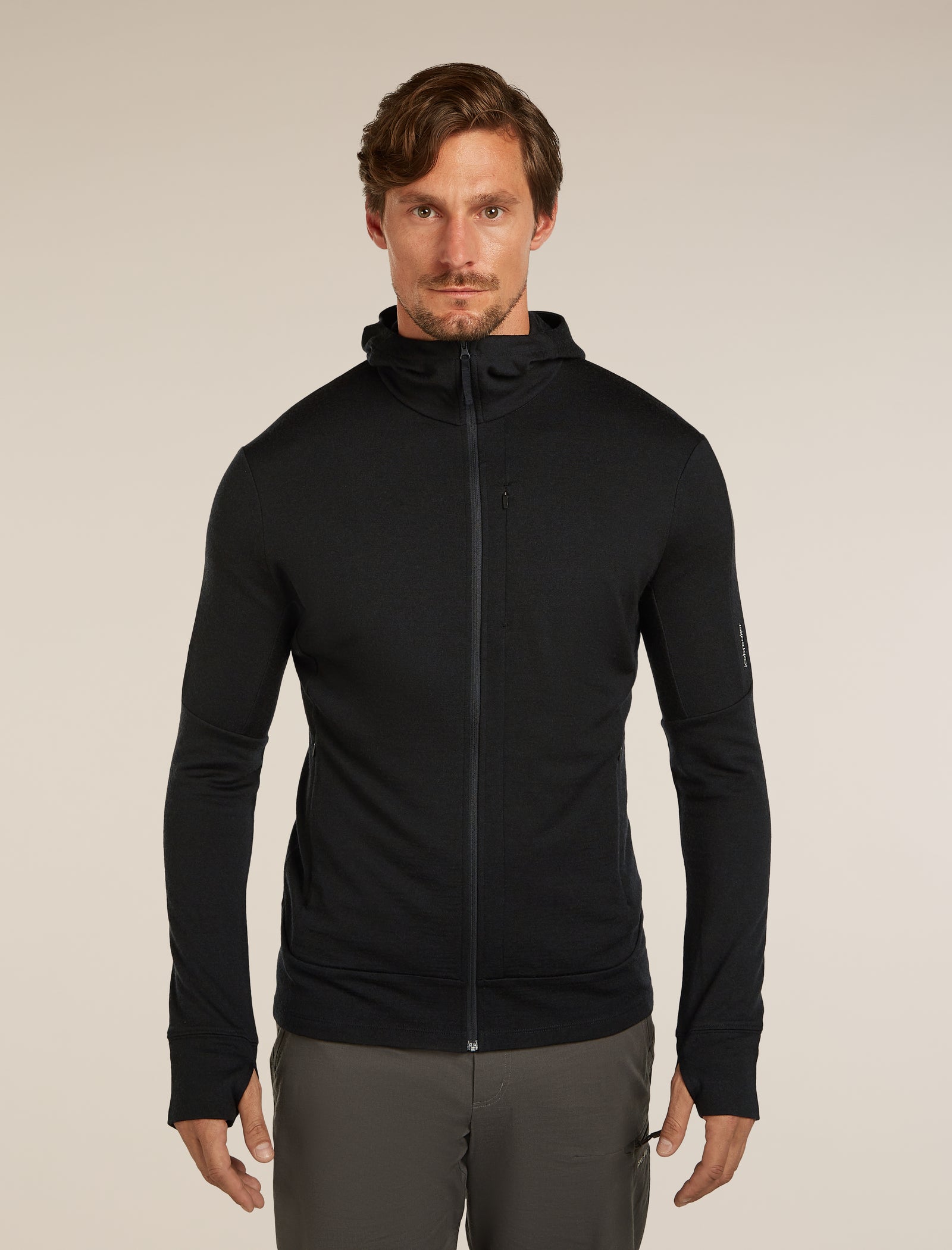
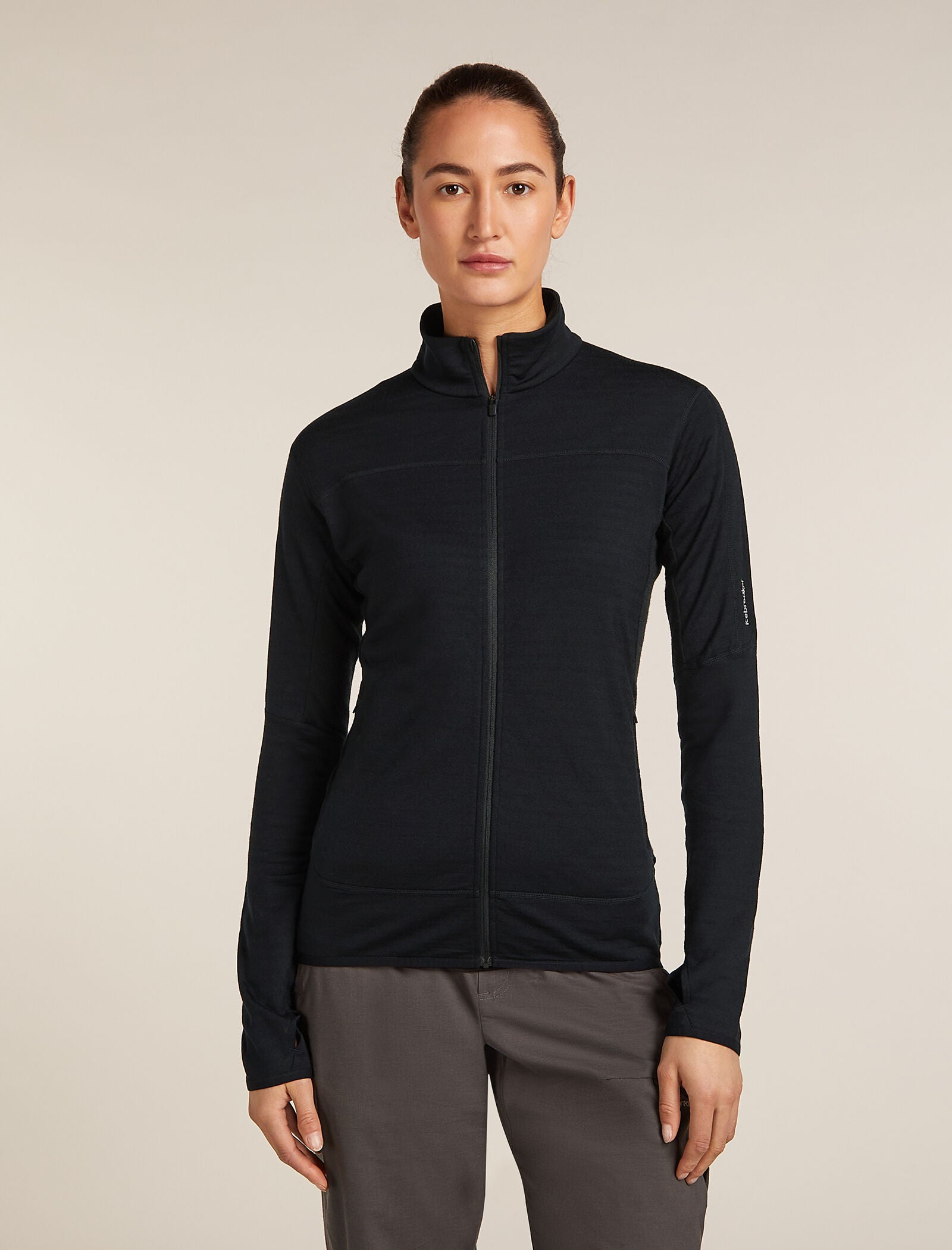
Icebreaker is a New Zealand merino wool outdoor and performance clothing brand that made its name with merino base layers. From those base layers it expanded into underwear, mid layers, outerwear, socks, and accessories, all built on natural fibres. Its whole philosophy is rooted in natural-fibre performance and sustainability.
Where is Icebreaker made?+
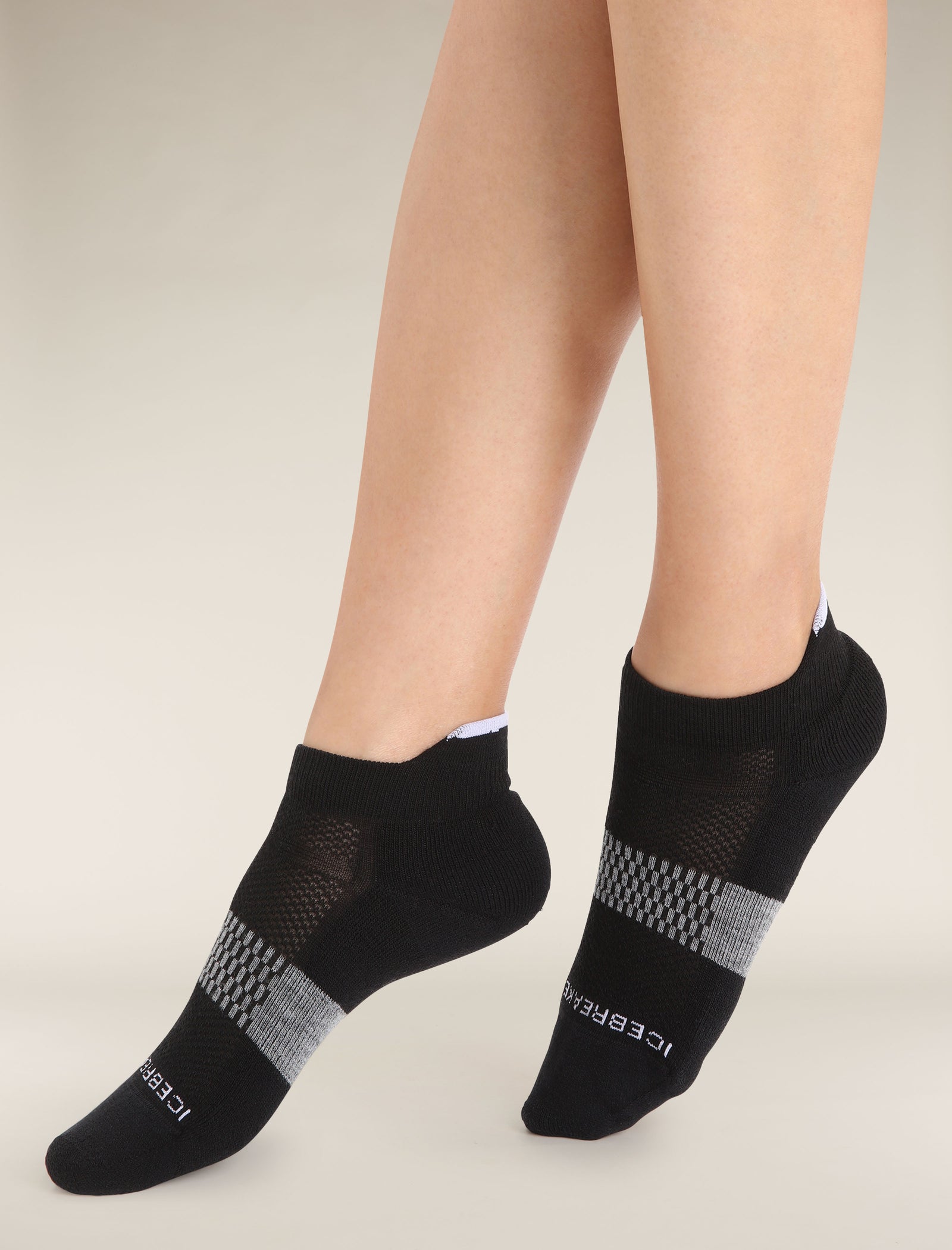
Icebreaker is headquartered in Auckland, New Zealand, and its merino comes from the New Zealand high country. Manufacturing, however, was moved from New Zealand to China through a phased process beginning with trials in 2003, with one exception: socks are all manufactured in the USA. So the wool is New Zealand-grown while most garments are made offshore.
When was Icebreaker founded?+
Icebreaker was founded in 1995 by Jeremy Moon. The idea took shape in 1994 when, aged 24, he was introduced to a New Zealand merino farmer whose family had developed prototype thermal underwear from 100% pure New Zealand merino. From that meeting he built a brand that now supplies clothing to more than 4,700 stores in 50 countries.
Who owns Icebreaker now?+
Icebreaker is owned by VF Corporation, the NYSE-listed group, which agreed to purchase the brand in 2017 and completed the deal in 2018. Before that it was an independent New Zealand company. The founder, Jeremy Moon, was named one of the country's top business leaders by The New Zealand Herald in 2009.
What do Icebreaker's weight numbers like 200 and 260 mean?+
They refer to the fabric's weight in grams per square metre, which is how Icebreaker structures its merino layering system. The range runs from 120 Featherweight and 150 Ultralite up through 200 Lightweight, 260 Midweight, 320 Midlayer, and 380 Outerlayer. Lower numbers suit warm conditions and next-to-skin wear, while higher numbers add warmth for cold and active use.
Is Icebreaker ethical and sustainable?+
Sustainability is built into the brand's founding philosophy, centred on natural fibres, environmental and social ethics, and animal welfare. Icebreaker prohibits mulesing, certifies its merino fabric to Oeko-Tex standard 100 Class 1, and in 2008 launched Baacode, a system letting customers trace a garment back to the New Zealand sheep station where the wool was grown. It also pays farmers a premium tied to strict welfare and environmental conditions.
How should I care for Icebreaker merino?+
Merino rewards gentle handling: wash less often than synthetics, since the fibre's natural odour resistance means garments stay fresh far longer between washes. Follow the garment's label, avoid harsh heat, and let pieces air out between wears. Treated well, owners report Icebreaker base layers lasting for many years.