−60%
Founded by ski instructors in Colorado — Merino wool engineered for the trail, the slope and everything between.
Real verified markdowns across Backcountry — filter by category, retailer & price. Heart anything to track its price.
Merino manages moisture, regulates temperature and resists odor exceptionally well, which is why Smartwool's socks, apparel and accessories for women, men and kids are a staple in hiking and outdoor reviews. The brand has also pushed on sourcing — in 2005 it required its New Zealand wool suppliers to stop mulesing, and in 2010 it signed to source its Merino exclusively from the New Zealand Merino Company.
Smartwool was acquired by The Timberland Company in 2005 and became a subsidiary of VF Corporation when VF acquired Timberland in 2011.
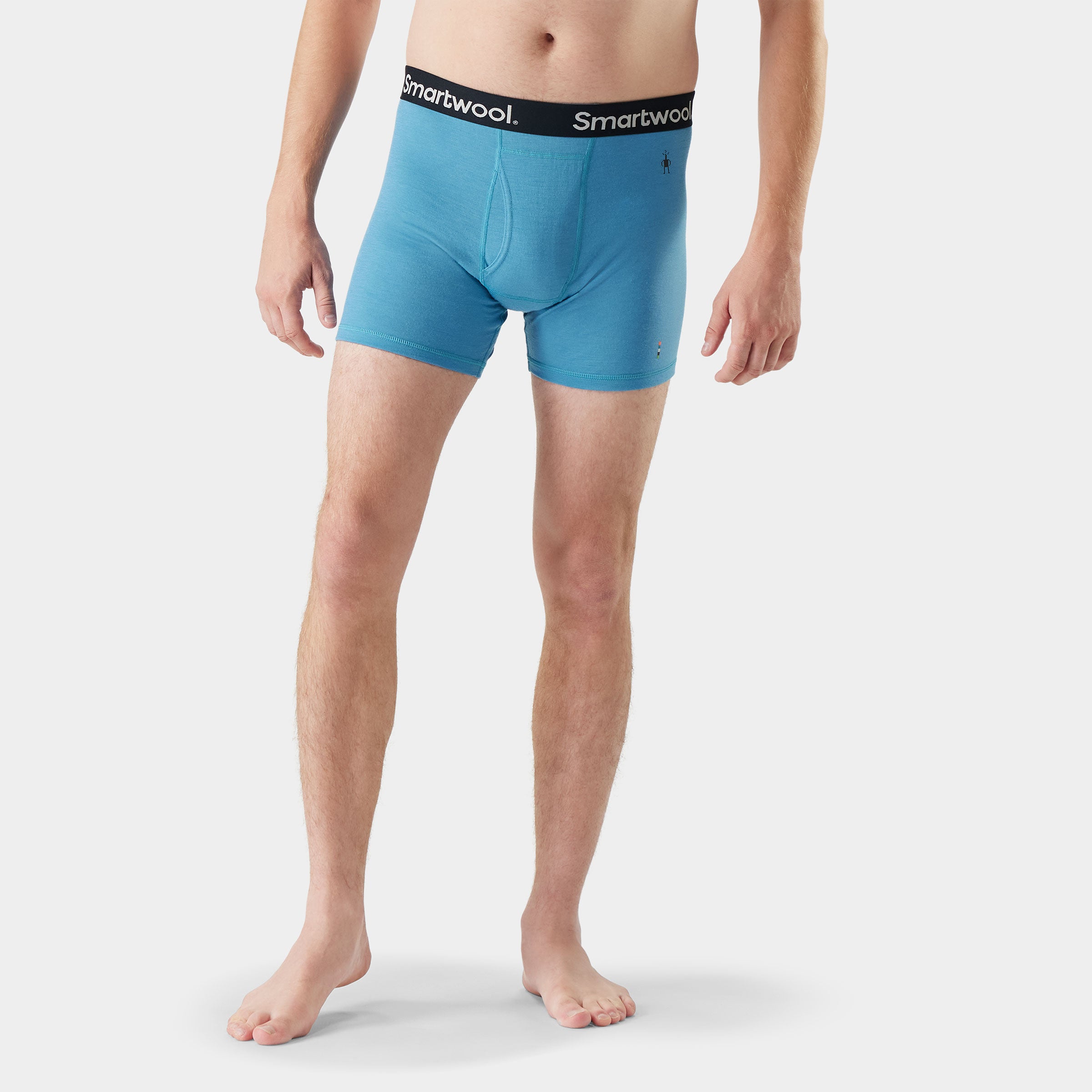
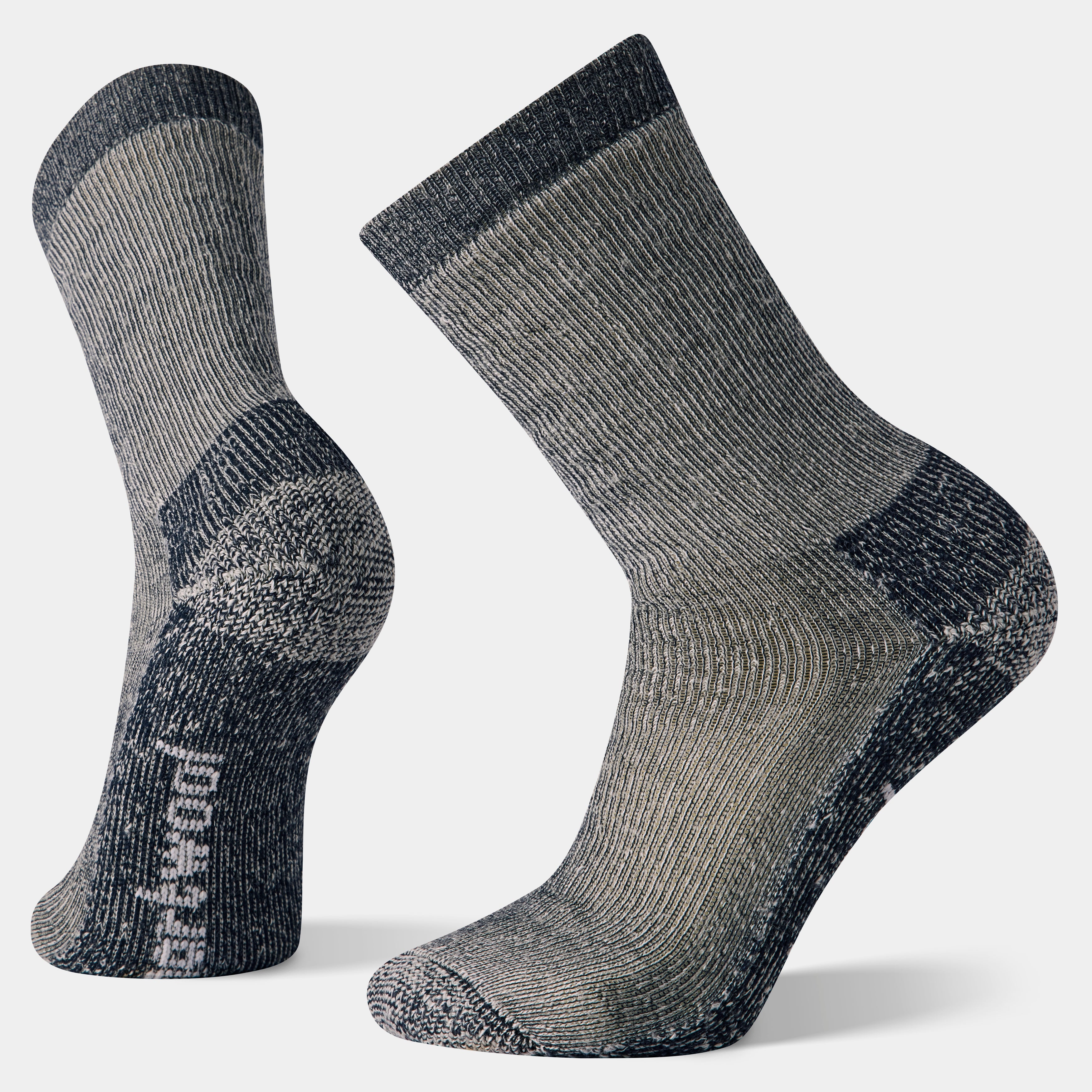
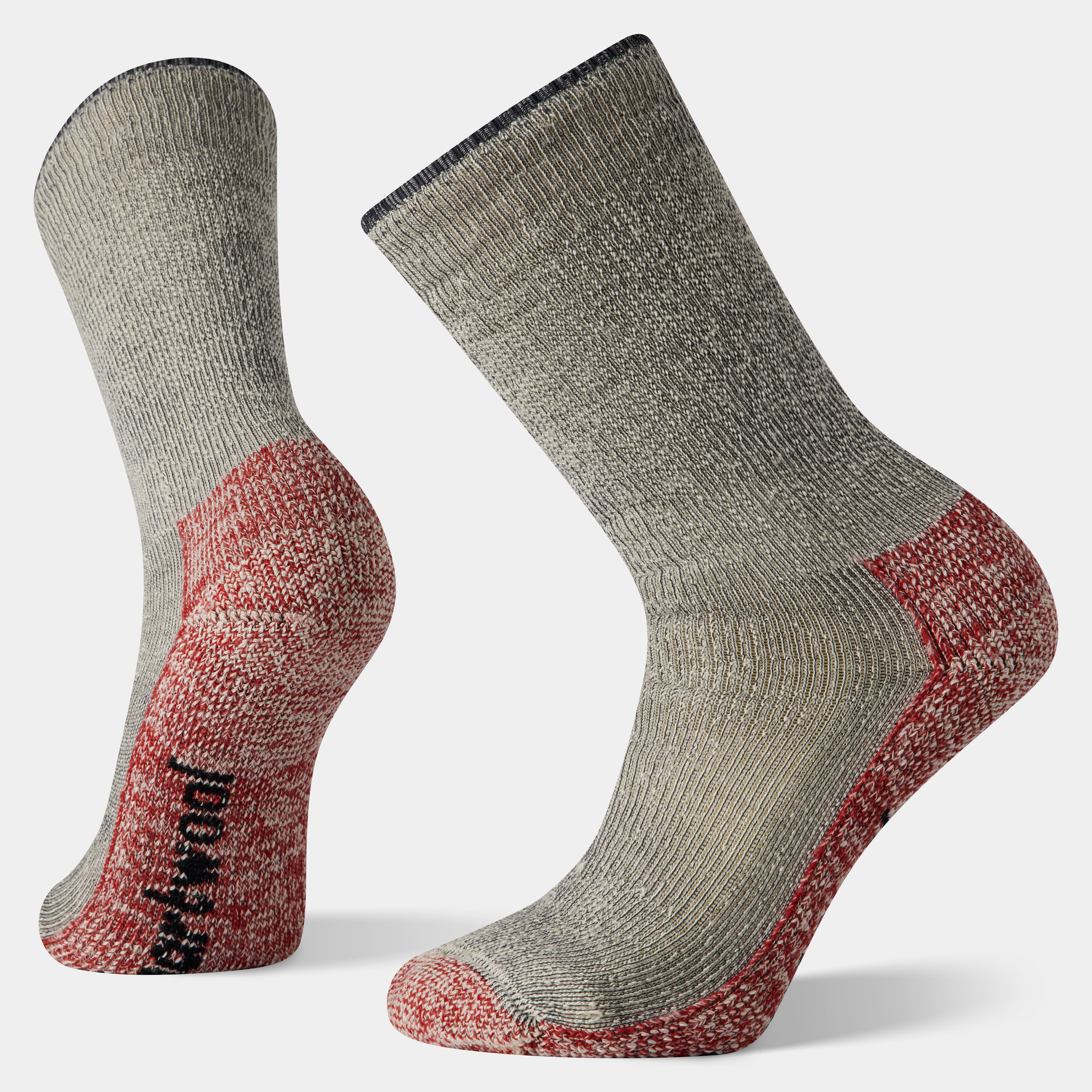
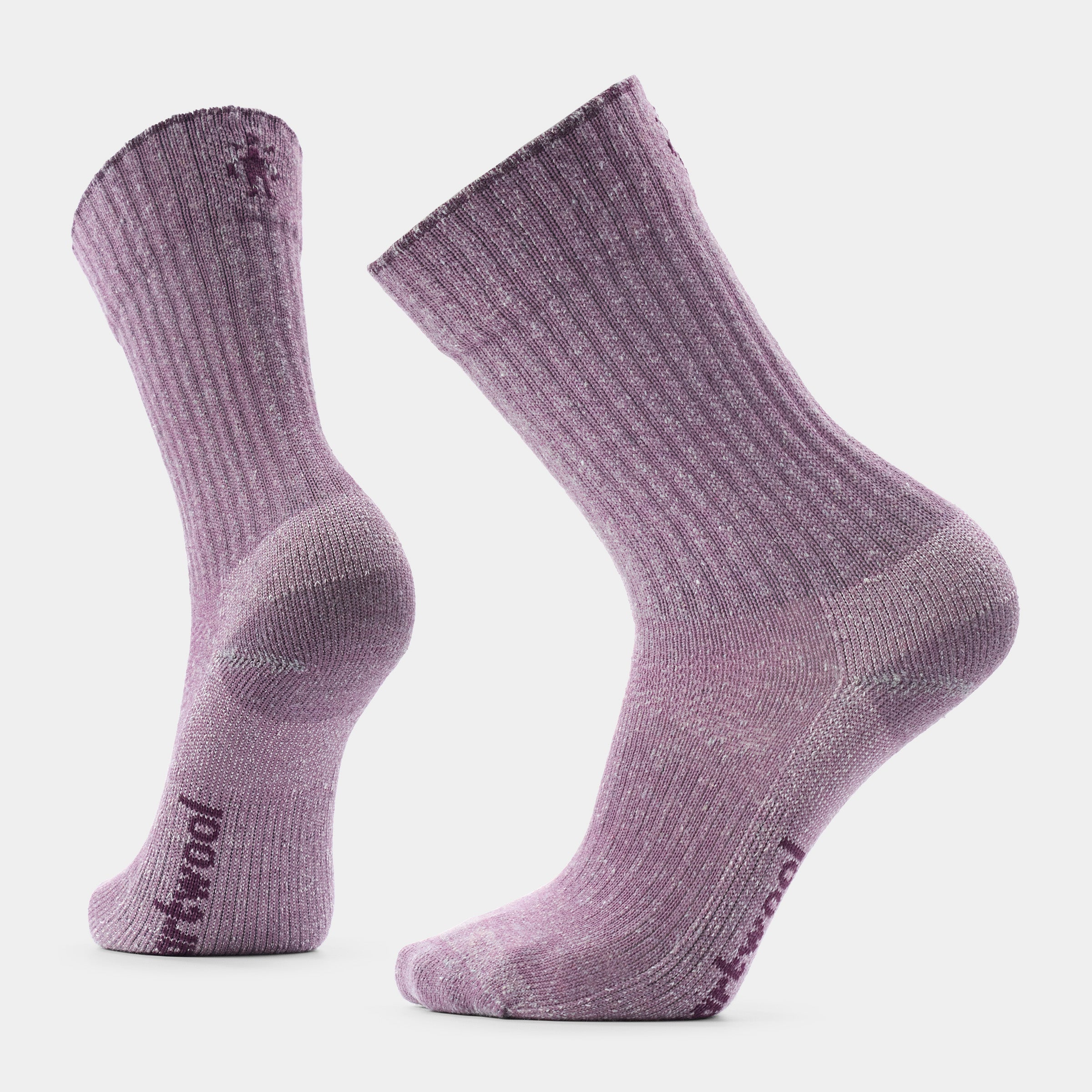
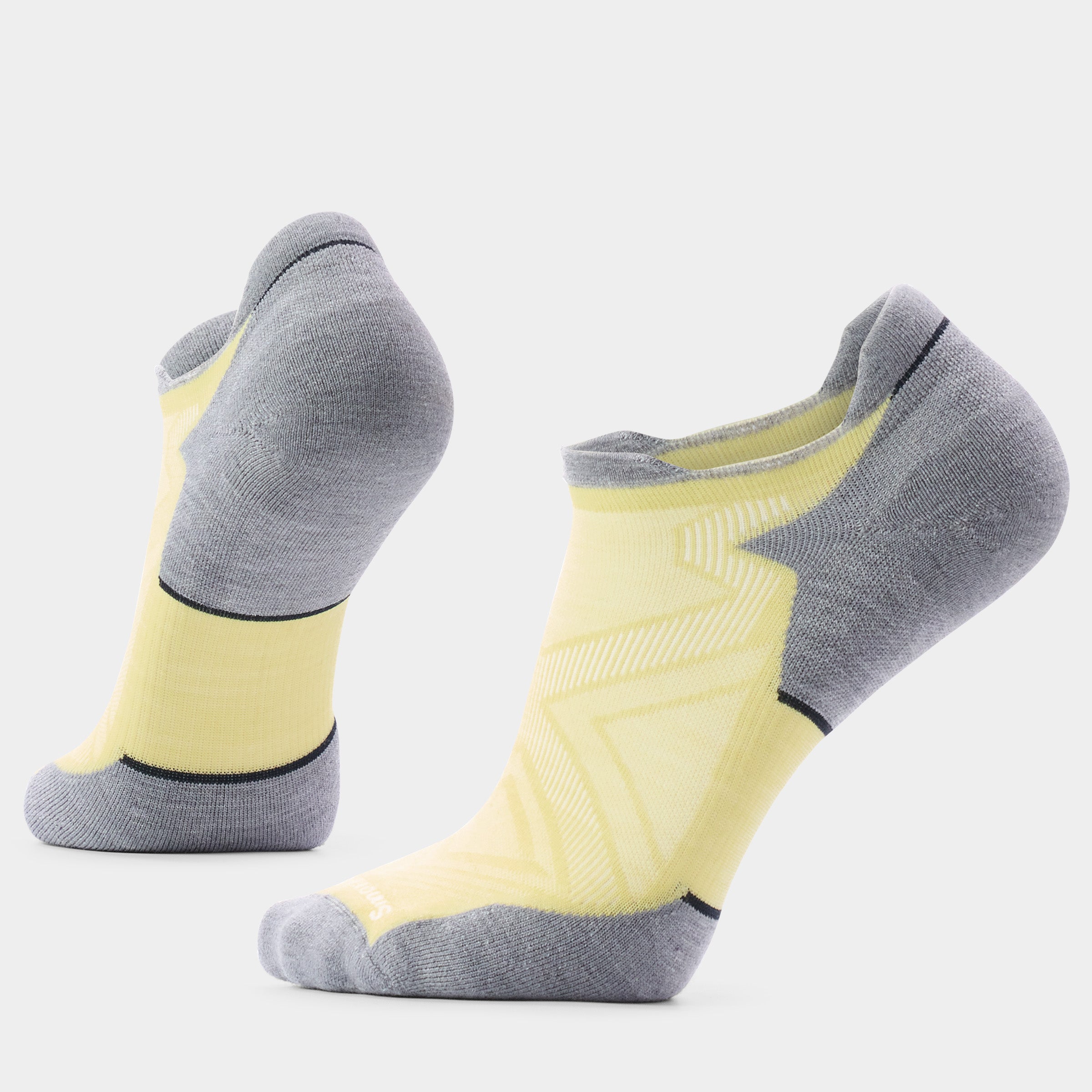
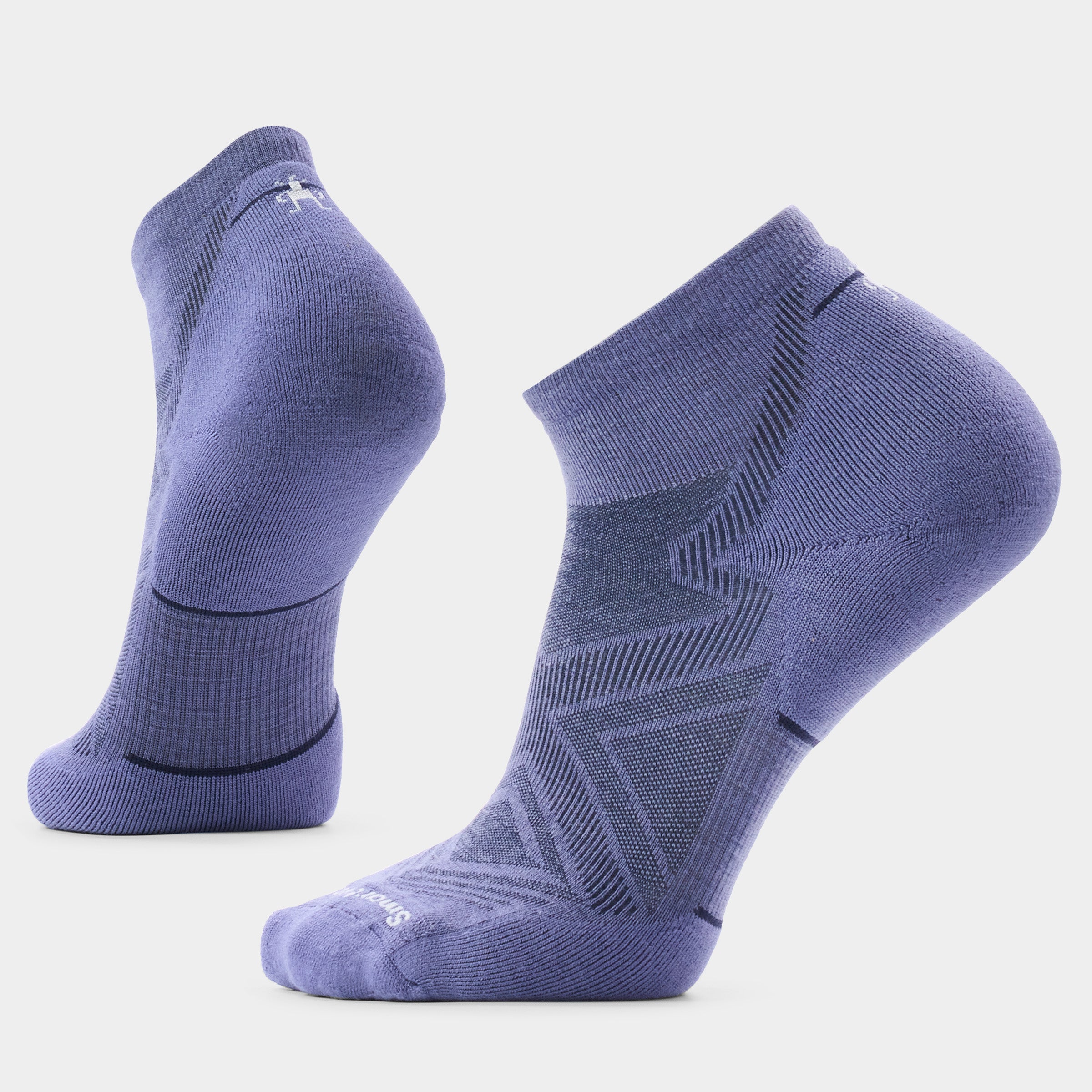
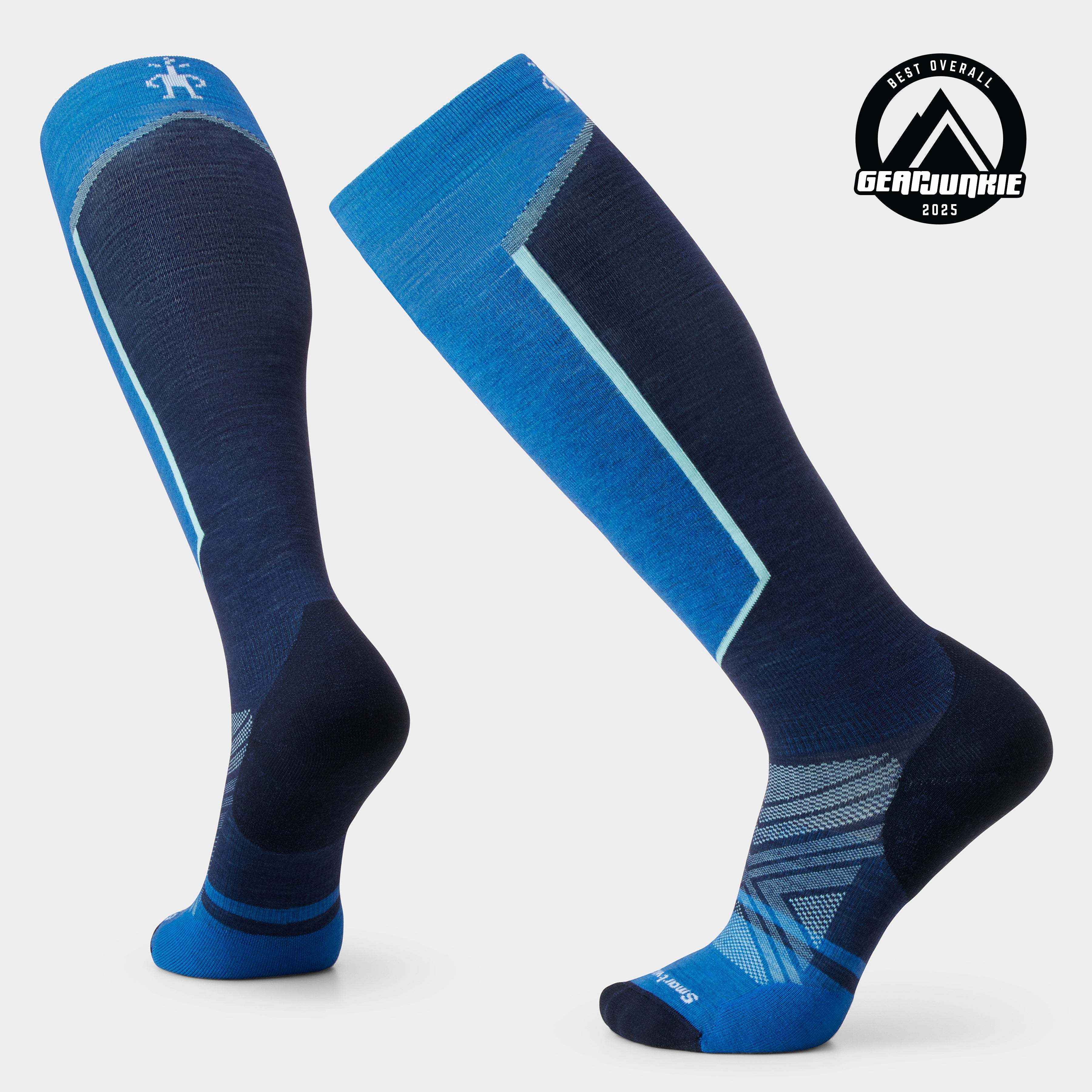
Same authentic Smartwool, different prices & codes. We watch all of them so you don't have to tab-hop.
Code Provided with Signup
Same quiet-luxury, craft-first sensibility — follow any to widen your alerts.


If you spend real time outdoors, they tend to earn the price. Made primarily from Merino wool, Smartwool socks manage moisture, regulate temperature, and resist odours unusually well, which is why they show up so often in hiking and outdoor gear reviews. Casual wearers may find the cost steep for everyday use, but for trail days the performance is hard to beat.
It largely comes down to the material. Merino wool is a premium fibre prized for managing moisture, regulating temperature, and resisting odour, and turning it into durable performance apparel takes real engineering. Smartwool also went to lengths on sourcing, signing a contract in 2010 to source its Merino exclusively from the New Zealand Merino Company. You're paying for the fibre and the supply chain behind it.
They're close rivals that both build around premium Merino blends, so it often comes down to feel and priorities. Smartwool's signature strength is its Merino-led performance, with the fibre's moisture management, temperature regulation, and odour resistance at the core. Many wearers choose between them on fit and warranty preferences, but you can't go far wrong with either for the trail.
Smartwool builds its products primarily from Merino wool, a naturally fine fibre that's far gentler against skin than coarse traditional wool. Most wool clothing, Smartwool included, also goes through a treatment called Hercosett, a chlorine-based process invented in the 1950s by the UK Wool Board. Hercosett smooths the microscopic scales on each fibre, which is mainly what keeps wool from shrinking.
Performance Merino wool, full stop. The company makes its eponymous products primarily from Merino wool and is most associated with socks, though it also offers apparel and accessories for women, men, and kids. Reviews of Smartwool products typically appear in the context of hiking and other outdoor activities, which tells you where it shines.
Merino is something of a natural performance fibre. It manages moisture, regulates temperature, and resists odours extremely well, which is exactly what you want next to the skin on a long day out. Those three traits are the core reason Smartwool built its entire line around the material.
Smartwool was founded in 1994 in Steamboat Springs, Colorado, by ski instructors Peter and Patty Duke. That ski-town origin sits right at the heart of the brand's outdoor identity. It remains an American company at its core.
Smartwool was acquired by the Timberland Company in 2005, and in 2011 it became a subsidiary of VF Corporation when VF acquired Timberland. VF is the same group behind a number of well-known outdoor and apparel labels. The ownership change brought Smartwool into a much larger portfolio while keeping its Merino focus.
The brand has made deliberate moves on this front. In 2005, Smartwool required its New Zealand wool suppliers to stop practising mulesing, and in 2010 it signed a contract to source its Merino exclusively from the New Zealand Merino Company. It has also moved toward blended yarns over time. Those steps reflect a focus on its supply chain rather than just the end product.
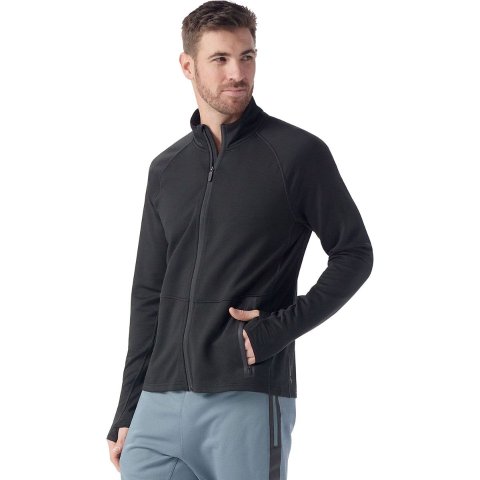
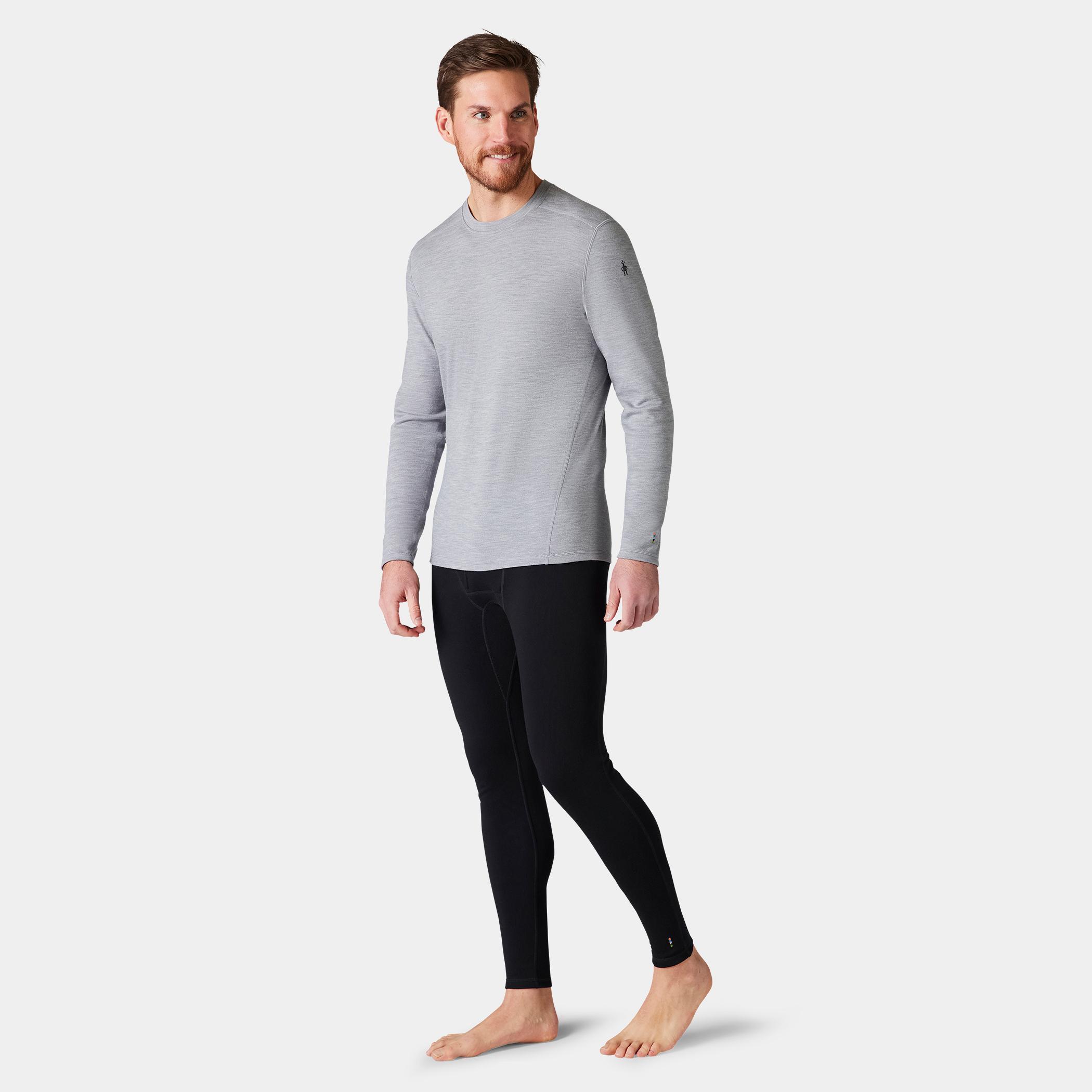
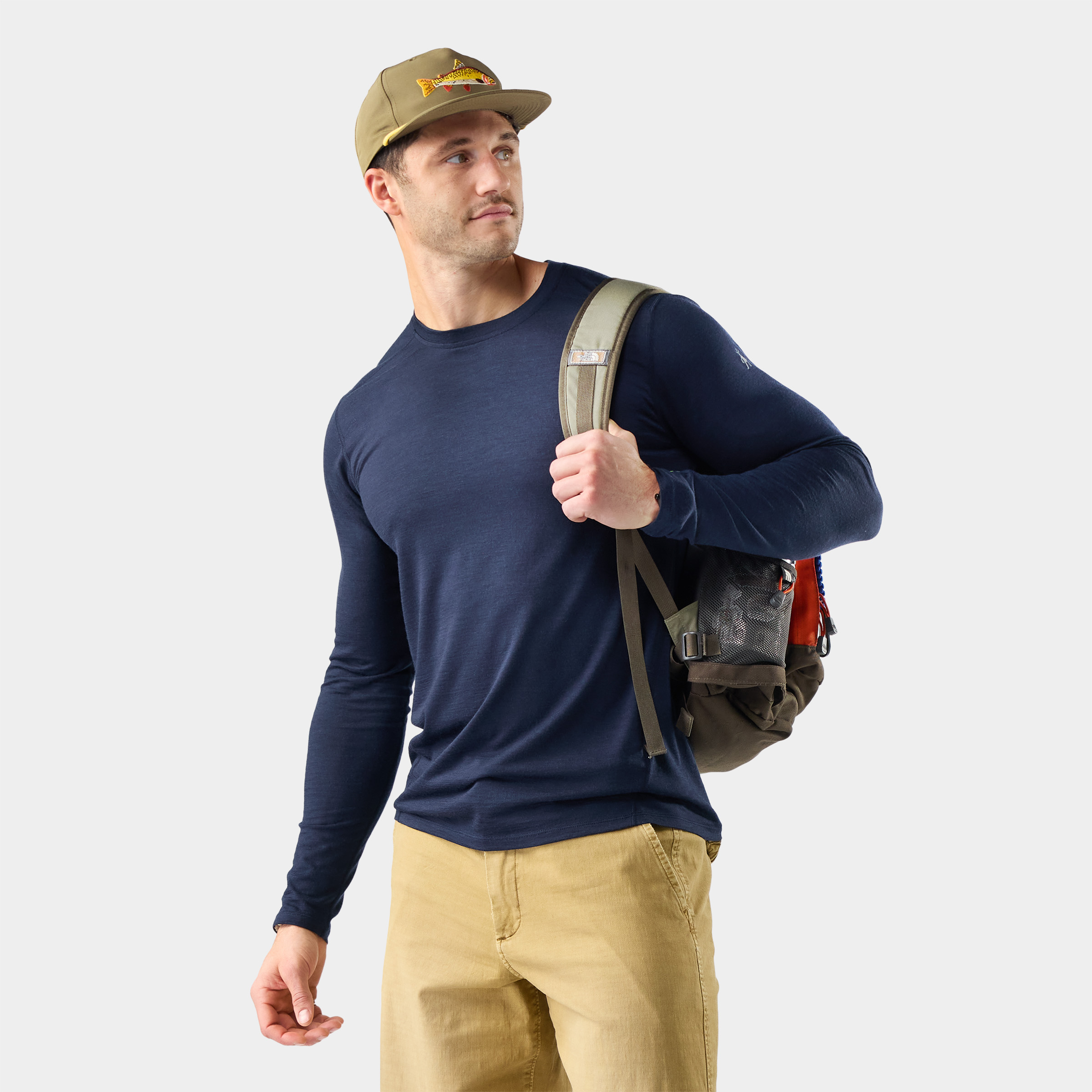
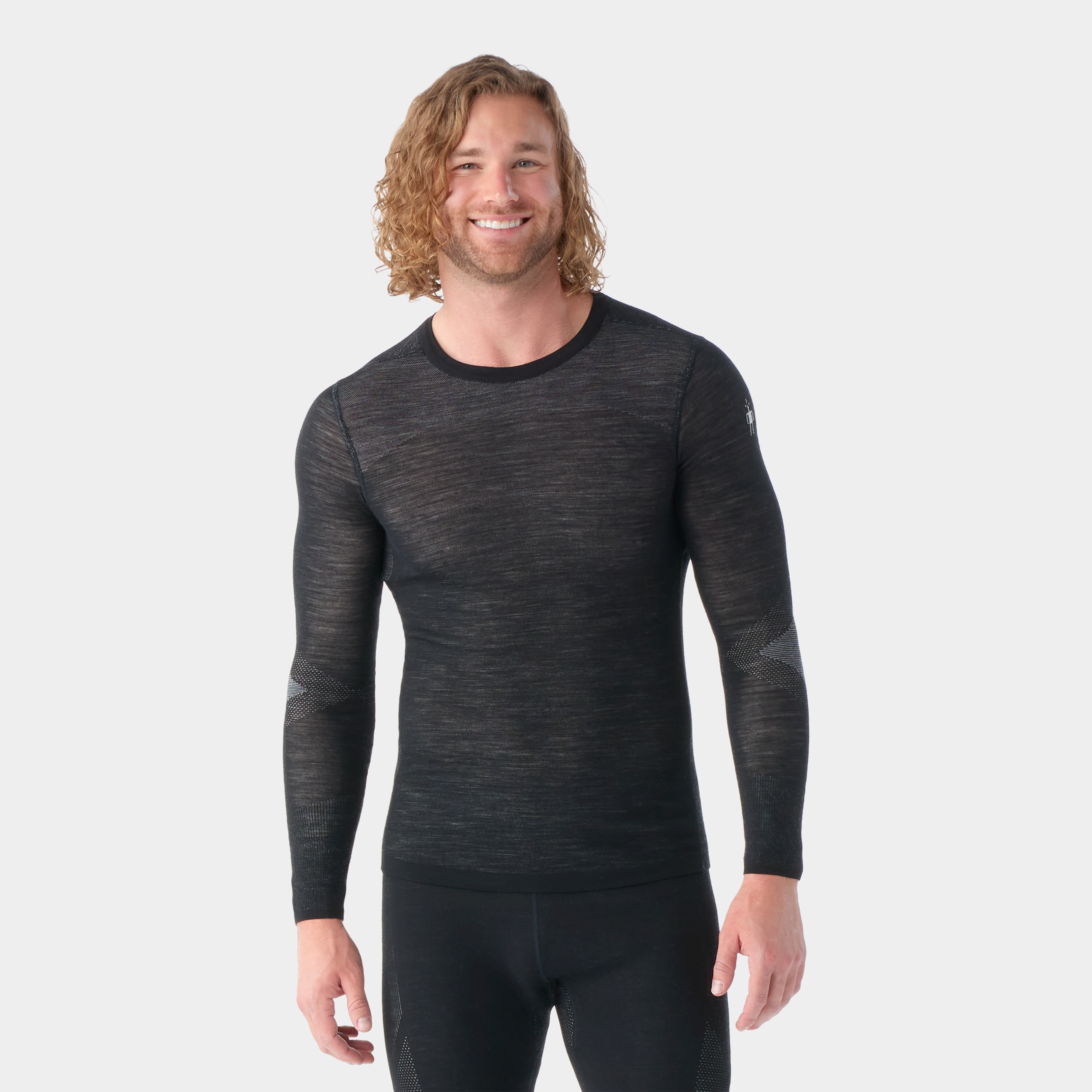
While socks are its calling card, Smartwool offers apparel and other accessories for women, men, and kids, all built around its Merino expertise. The same fibre benefits, moisture management, temperature regulation, and odour resistance, carry across the range. Base layers are a natural extension of what the brand does best.
Hercosett is a chlorine-based treatment, invented in the 1950s by the UK Wool Board, that most wool clothing goes through, including Smartwool's. It smooths down the edges of the microscopic scales that make up each fibre. Left untreated, those scales interlock and clump when wet, then constrict on drying and shrink the garment, so Hercosett is essentially what keeps your socks and sweaters from shrinking.