Is Ioana Ciolacu worth buying, and what makes the label distinctive?+
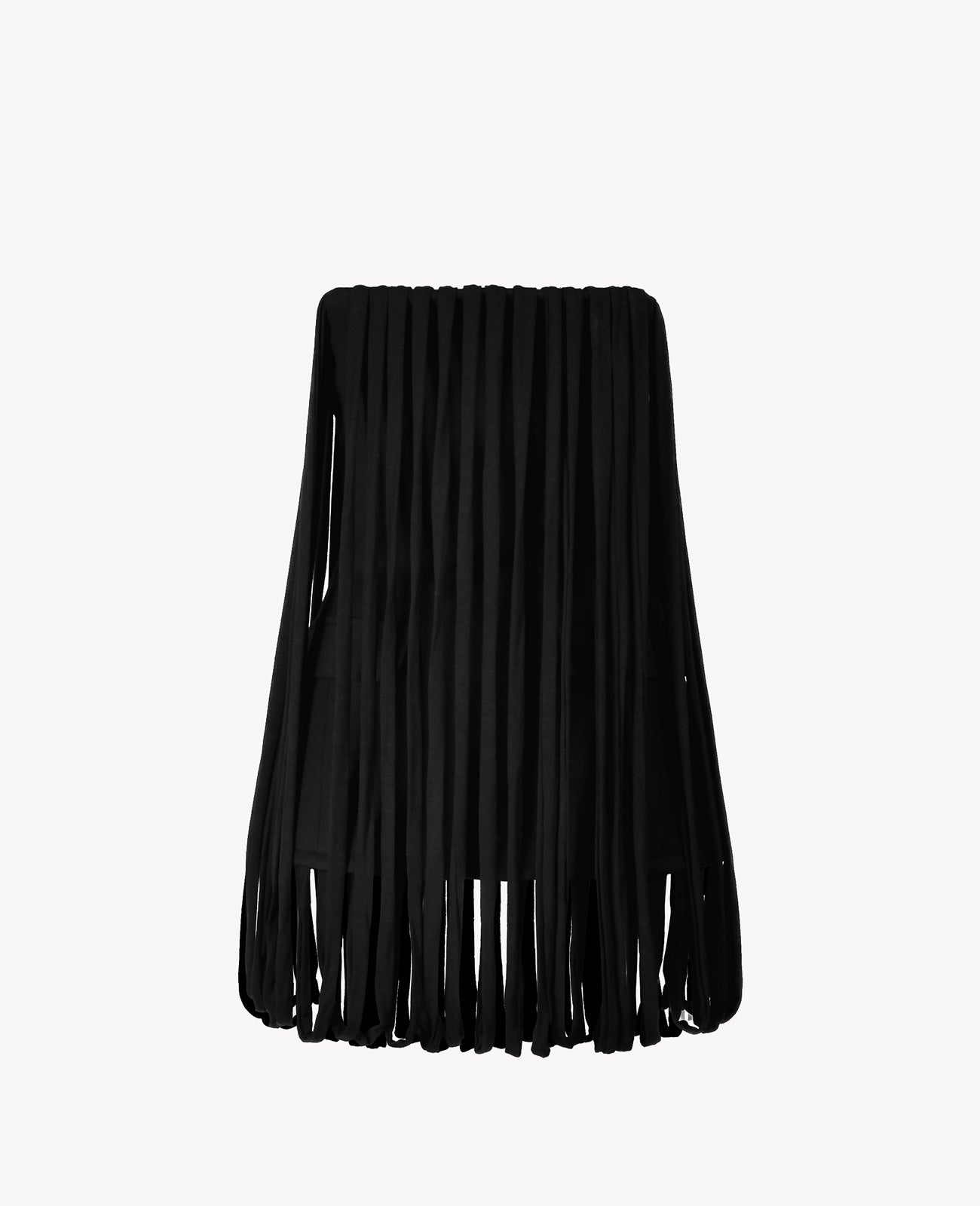
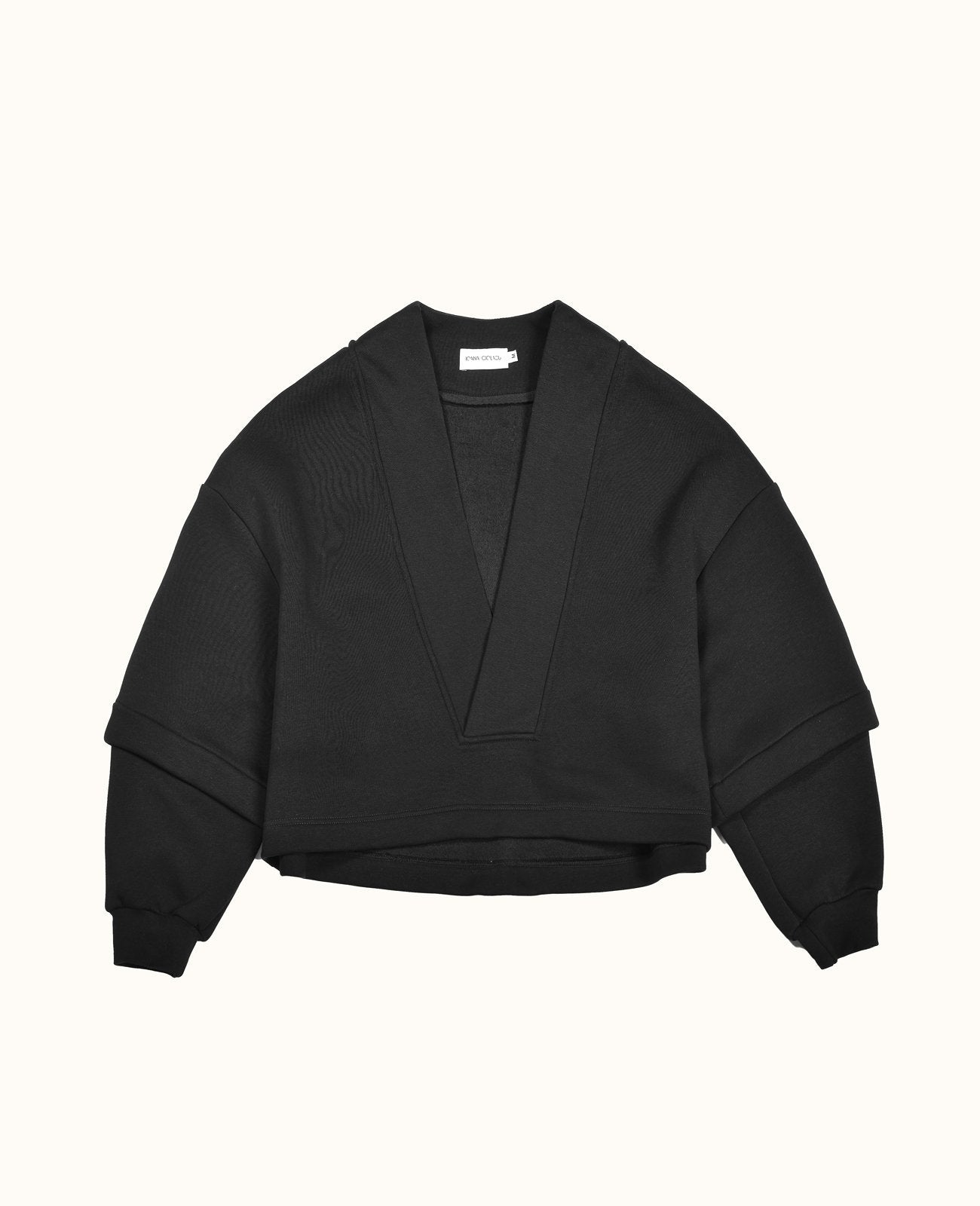
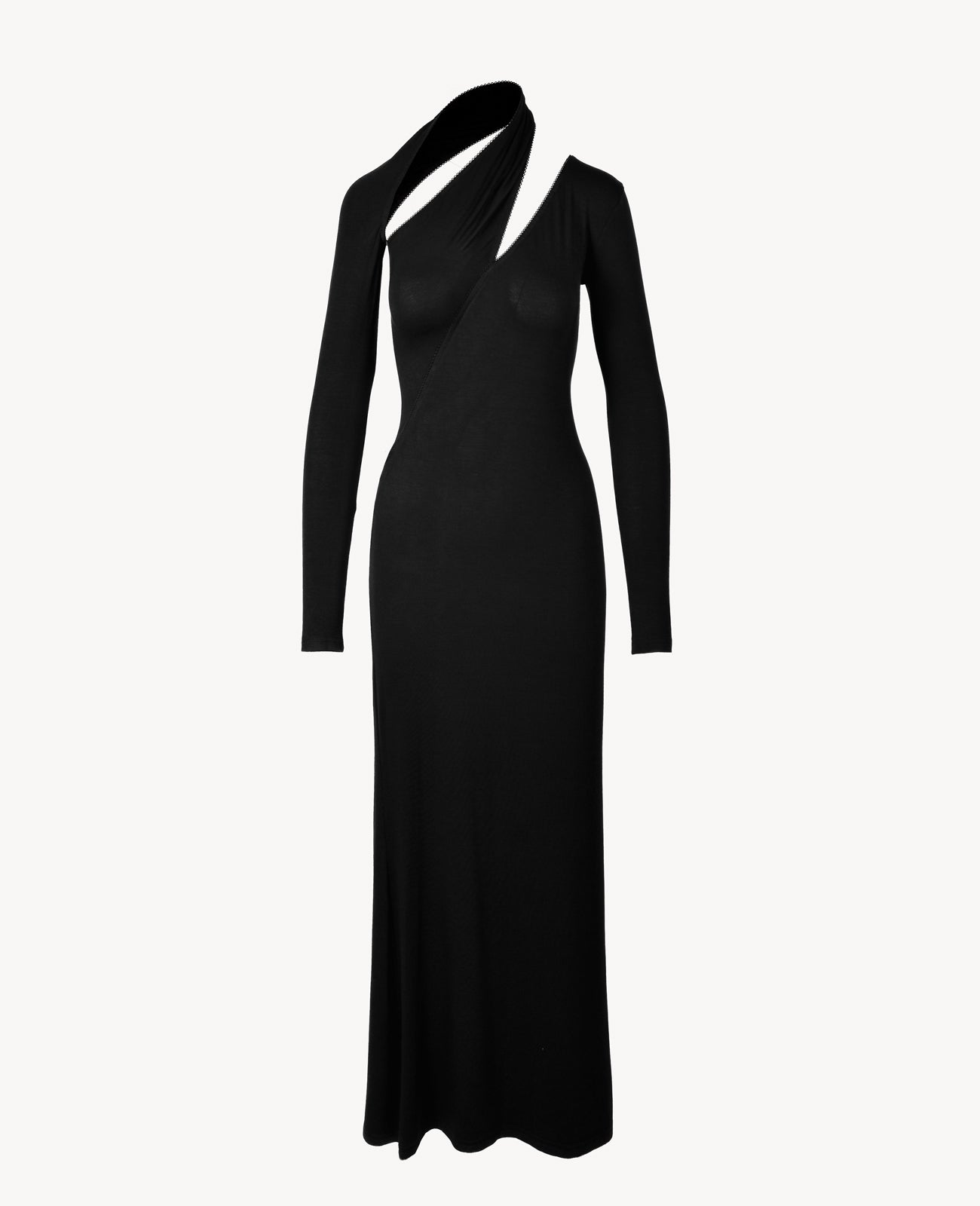
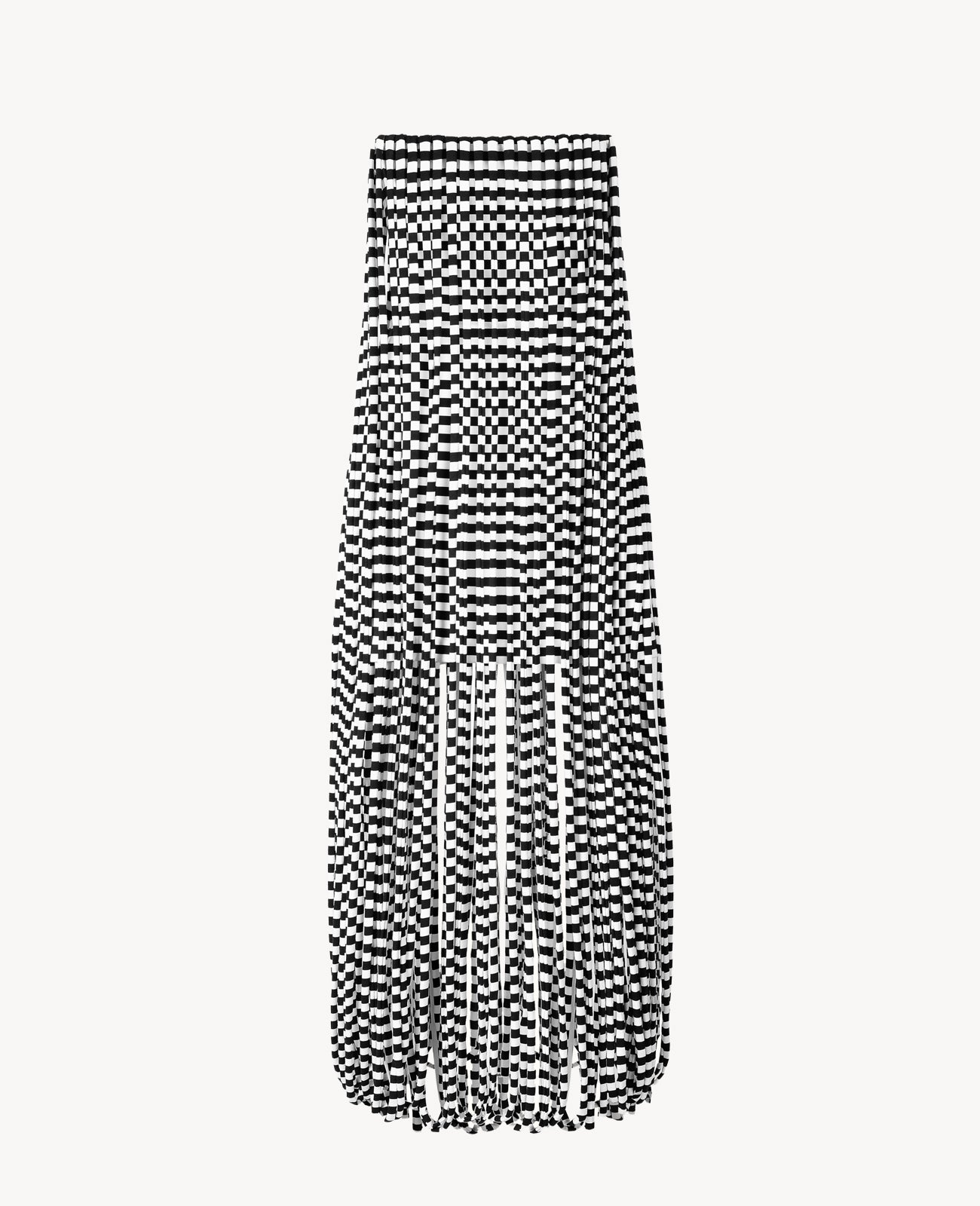
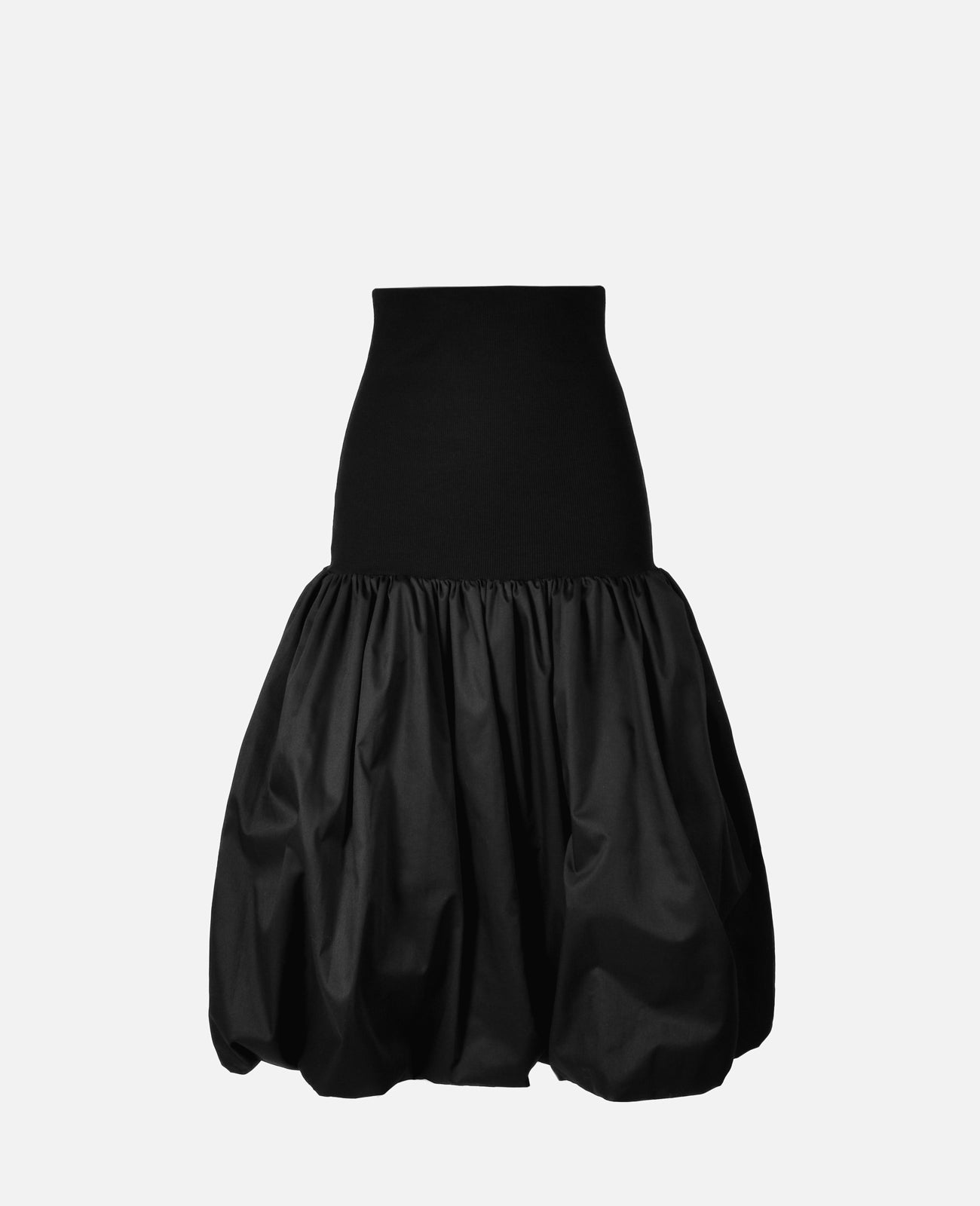
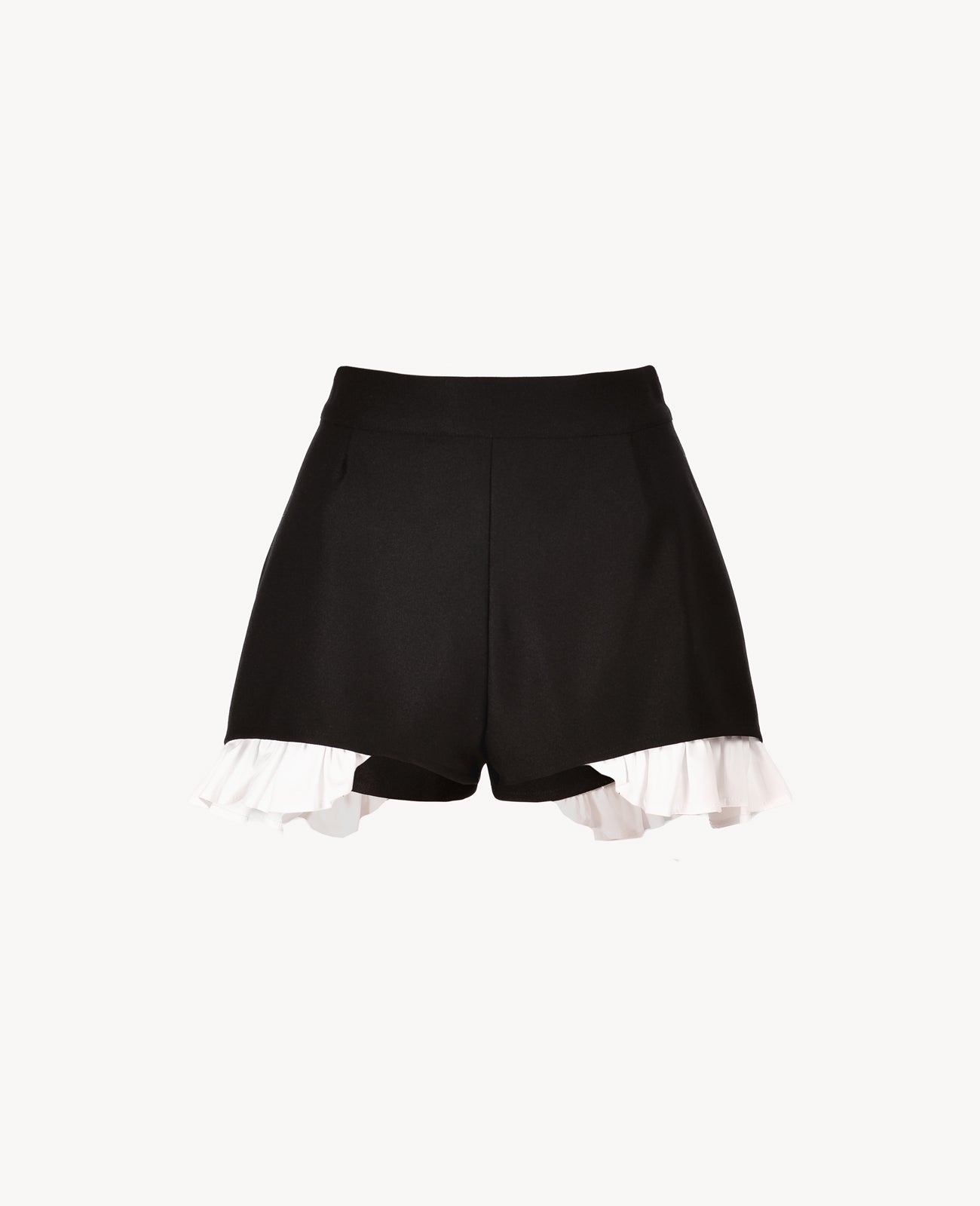
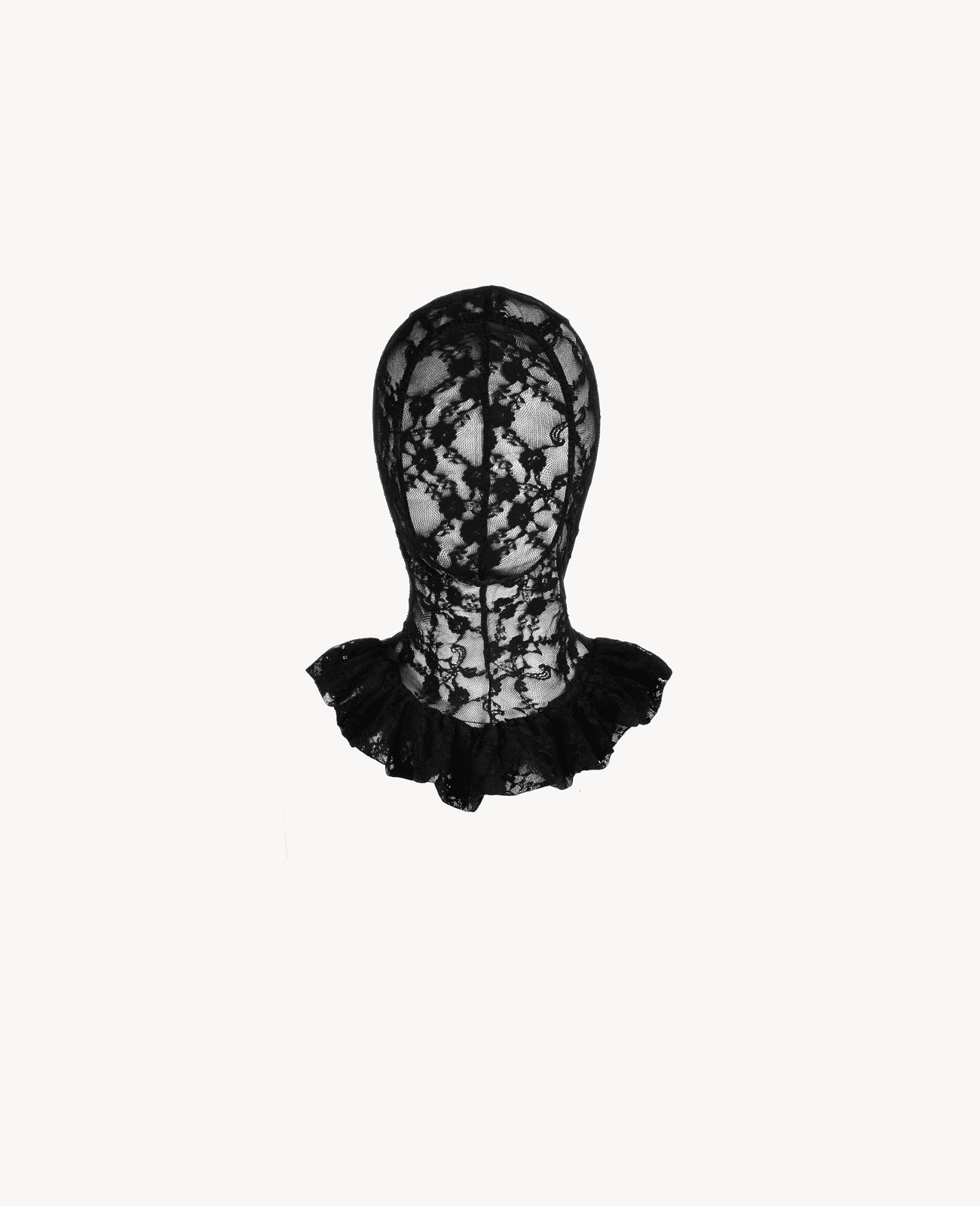
What sets it apart is its architectural eye. Ioana Ciolacu combines architectural design principles with contemporary womenswear, so the appeal is in sculptural construction and considered silhouettes rather than logos or trends. For shoppers who want quietly distinctive, sustainability-minded design from an independent label, that point of view is exactly what justifies the buy.
Which Ioana Ciolacu piece is the best introduction to the label?+
A signature architectural piece is the place to start, where her background in structure is most visible in the cut. The brand is known for elevating everyday garments with sculptural construction and signature flourishes, so a well-shaped dress or tailored piece shows off the house's identity better than its more experimental work. Begin with the silhouette, then explore the textured and recycled-material collections.
Why does sustainability sit at the centre of Ioana Ciolacu's work?+
It is not a marketing afterthought — it is the designer's research subject. Ioana Ciolacu is known for sustainable fashion practices, has built collections around textile recycling and local craftsmanship, and has pursued doctoral research focused on sustainability in fashion design. Her ethical knitwear line from 2016, supporting local wool trade, is a clear example of that commitment in practice.
How does an architect end up designing womenswear?+
Ciolacu trained as one first. She studied at the Ion Mincu University of Architecture and Urban Planning in Bucharest, then enrolled at the Bucharest National University of Arts alongside it, graduating as a junior architect in 2010 and a fashion designer in 2011. That dual training is why her clothes explore the relationship between body, structure and movement.
What is the Designer for Tomorrow Award, and how did it shape her career?+
It was her international breakthrough. While studying for her master's at London College of Fashion, Ciolacu won the Designer for Tomorrow Award, patroned by Stella McCartney, followed by a year of mentorship coached by McCartney in her London studios and backstage at her Paris show. That recognition put the young Romanian designer on the international map.
Who is Ioana Ciolacu, and where is she from?+
She is a Romanian fashion designer and researcher, born in Iași in 1982, and the founder and creative director of the womenswear label that carries her name. The daughter of an architect, she spent her childhood summers in the Romanian countryside, and after studying in Bucharest and London she returned to Bucharest to launch her own label in 2013.
What is the Bauhaus Women collection about?+
Bauhaus Women, her Spring/Summer 2018 collection, explored the creative legacy of the women associated with the Bauhaus movement. It combined geometric silhouettes with architectural garment construction — a clear distillation of how Ciolacu folds her architectural training and an interest in design history into the clothes themselves.
What is The Knot Dress, and how does it reflect her sustainable approach?+
The Knot Dress comes from her Bare Necessities collection, which explored material reuse and sustainable production through recycled textile elements and experimental draping. It is a good example of how Ciolacu treats sustainability as a design method — reusing and reworking material rather than bolting eco language onto a conventional garment.
Where can I buy Ioana Ciolacu?+
The brand has expanded internationally through major retailers including Farfetch, Zalando, Moda Operandi and Peek & Cloppenburg, with products available in more than 80 countries. There is also the brand's own showroom, which she opened in downtown Bucharest in 2017. For most shoppers outside Romania, the global retailers are the easiest route in.
Has Ioana Ciolacu won notable design awards?+
Several. Beyond the Designer for Tomorrow Award in 2013, she has received the BigSEE Fashion Design Award and Grand Prix in 2020, Best Designer at the Romanian Design Week Awards in 2018, and Best Designer of the Year at the 2015 Beau Monde Awards, among others. The honours track a steady rise from emerging talent to established designer.
Has Ioana Ciolacu's work been featured in major fashion press?+
It has. Her collections have been featured in publications including Vogue, L'Officiel and Elle, and in 2015 Vogue.com introduced her Autumn/Winter 2015–2016 collection as one of the reference collections for the season. That kind of editorial attention is notable for an independent designer working largely from Bucharest.
How does Ioana Ciolacu balance experimental design with wearability?+
By pairing structure with softness. Her work combines geometric construction with fluid silhouettes and often incorporates experimental and recycled textiles, giving pieces an avant-garde edge that still moves with the body. The result aims to be sculptural without being costume — distinctive enough to notice, easy enough to actually wear.