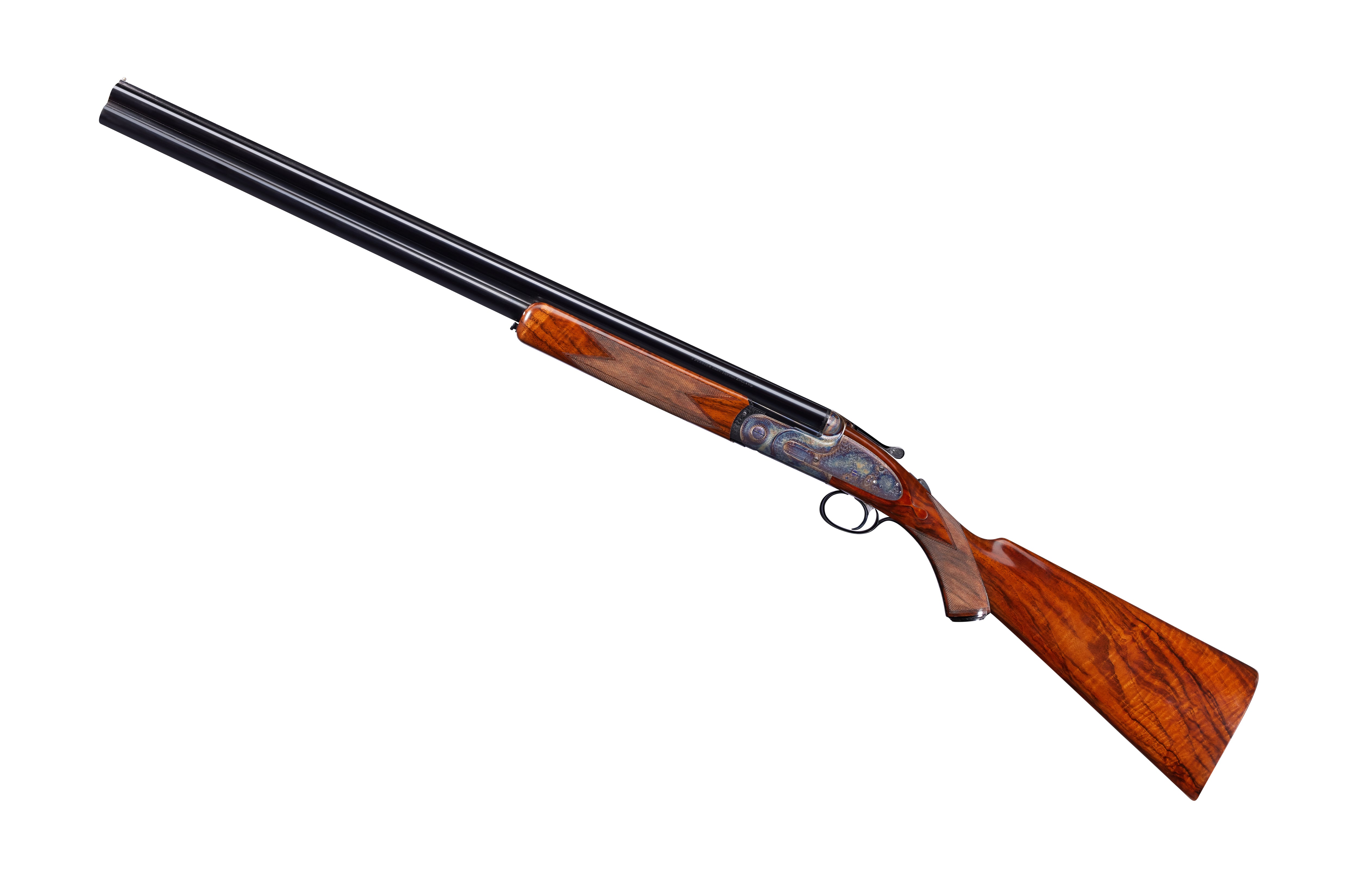
Sidelock Over-and-Under
Purdey's answer to modern shotgun taste, filtered through old-school finish.
Story & heritage
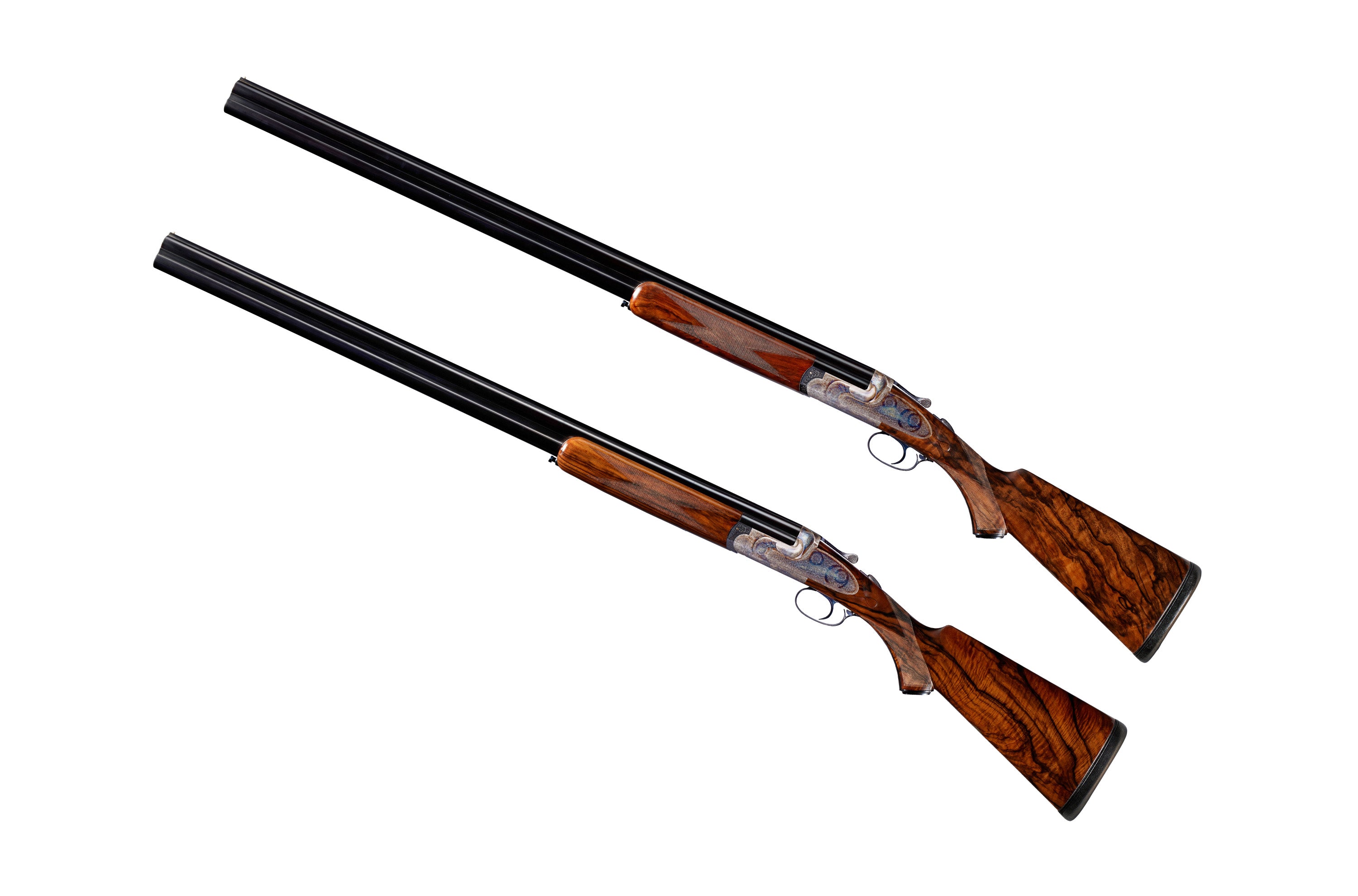
Wikipedia records that Purdey introduced an over-and-under in 1925 in response to American demand, first working from an Edwinson Green design before later buying James Woodward & Sons in 1949 for its patented Under & Over action. That sequence matters because it explains why Purdey's over-and-under is not a break from house history so much as a deliberate extension of it.
The current model keeps the brand's conservative vocabulary intact while embracing the stacked-barrel layout many modern shooters prefer. In other words, it is Purdey modernity on Purdey's own terms rather than a wholesale style reset.
Materials & craft
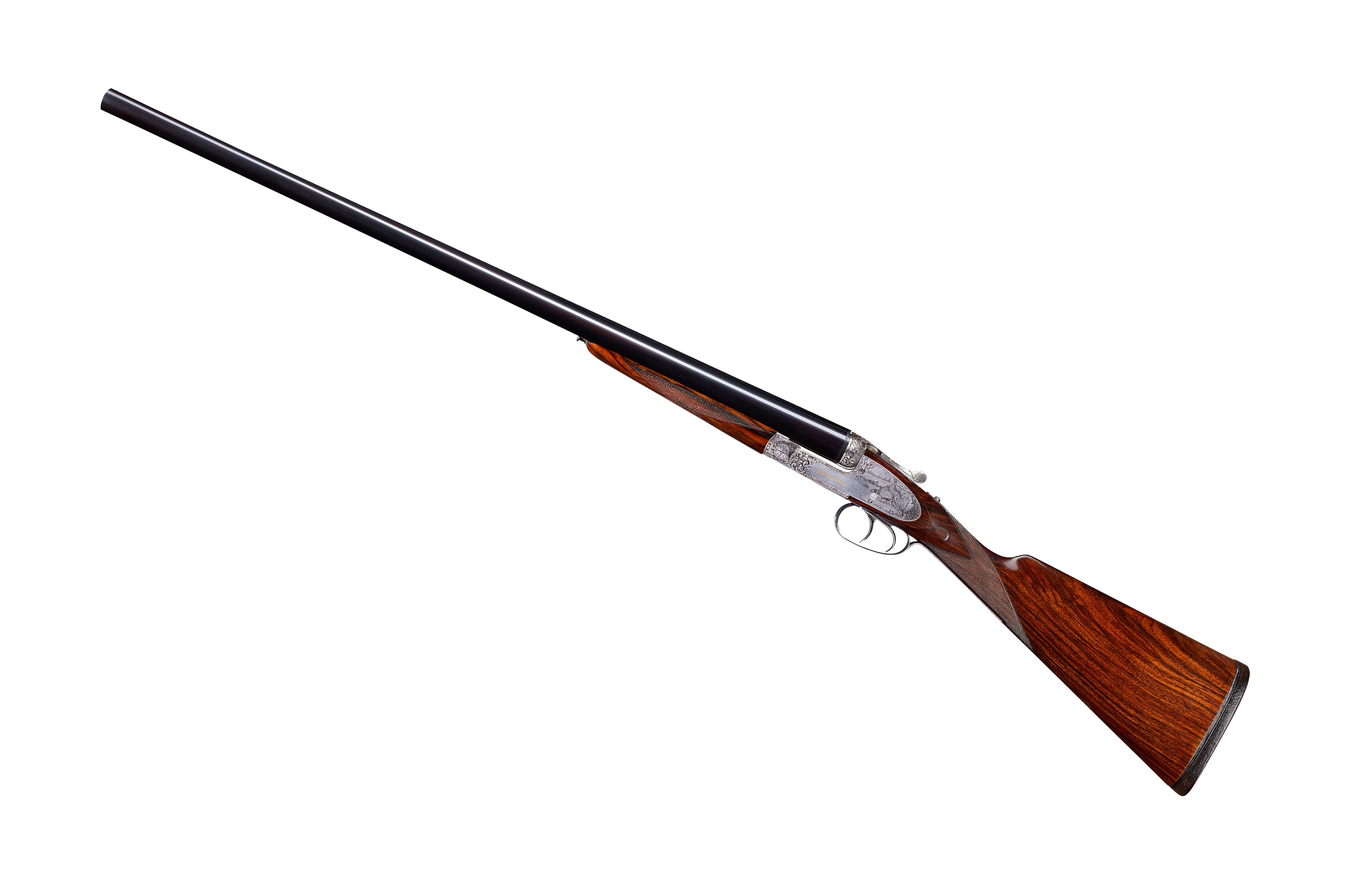
Purdey's official example describes an ultra-round action body, a non-selective single trigger, traditional rose and scroll engraving, a case-hardened finish and a semi-pistol grip stock with engraved cap. The 28-inch barrels sit under a matt solid top rib, giving the gun a cleaner, more contemporary top line than the house's side-by-side.
What makes the model still feel unmistakably Purdey is the finish discipline: figured walnut, restrained gold inlay for the safety marking and engraving that follows the curves of the receiver instead of fighting them.
How to choose & style
Choose the over-and-under when you want Purdey's finish language but not necessarily its most old-world silhouette. It looks a touch firmer and more technical in the shoulder than the side-by-side, while still wearing the same engraving codes.
Among the house's gun models, this is the bridge piece: recognisably heritage, but easier to imagine as an everyday preference for clients who like a more contemporary barrel arrangement.