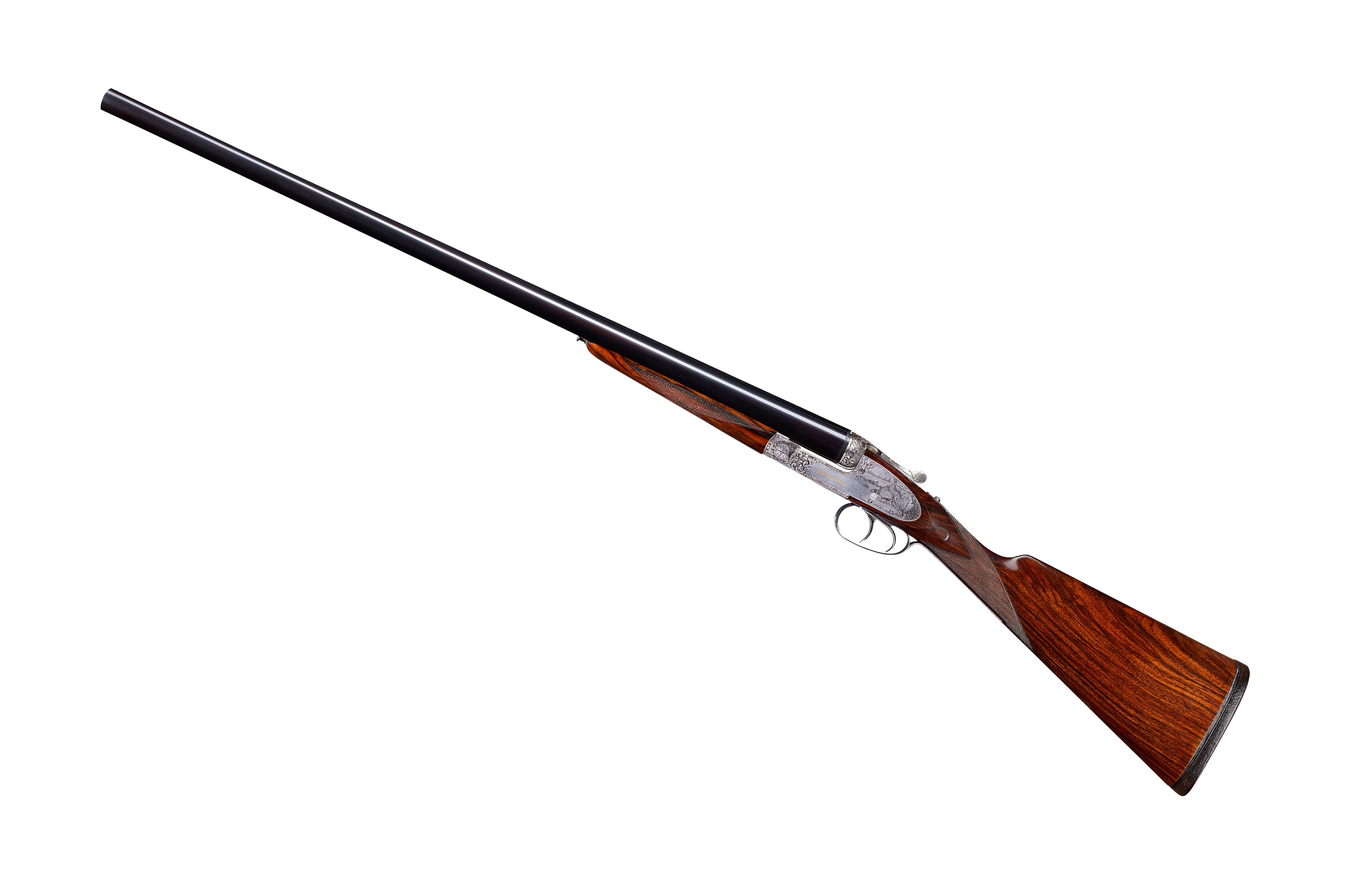
Sidelock Side-By-Side
The self-opening gun that most people mean when they say Purdey.
Story & heritage
Purdey introduced its self-opening hammerless gun in 1880, using Frederick Beesley's mechanism to create the house style most closely associated with the name. Wikipedia's brand history notes that Purdey added William Wem's ejector design in 1888 and has changed remarkably little since, which is why the side-by-side still reads as the canonical Purdey gun.
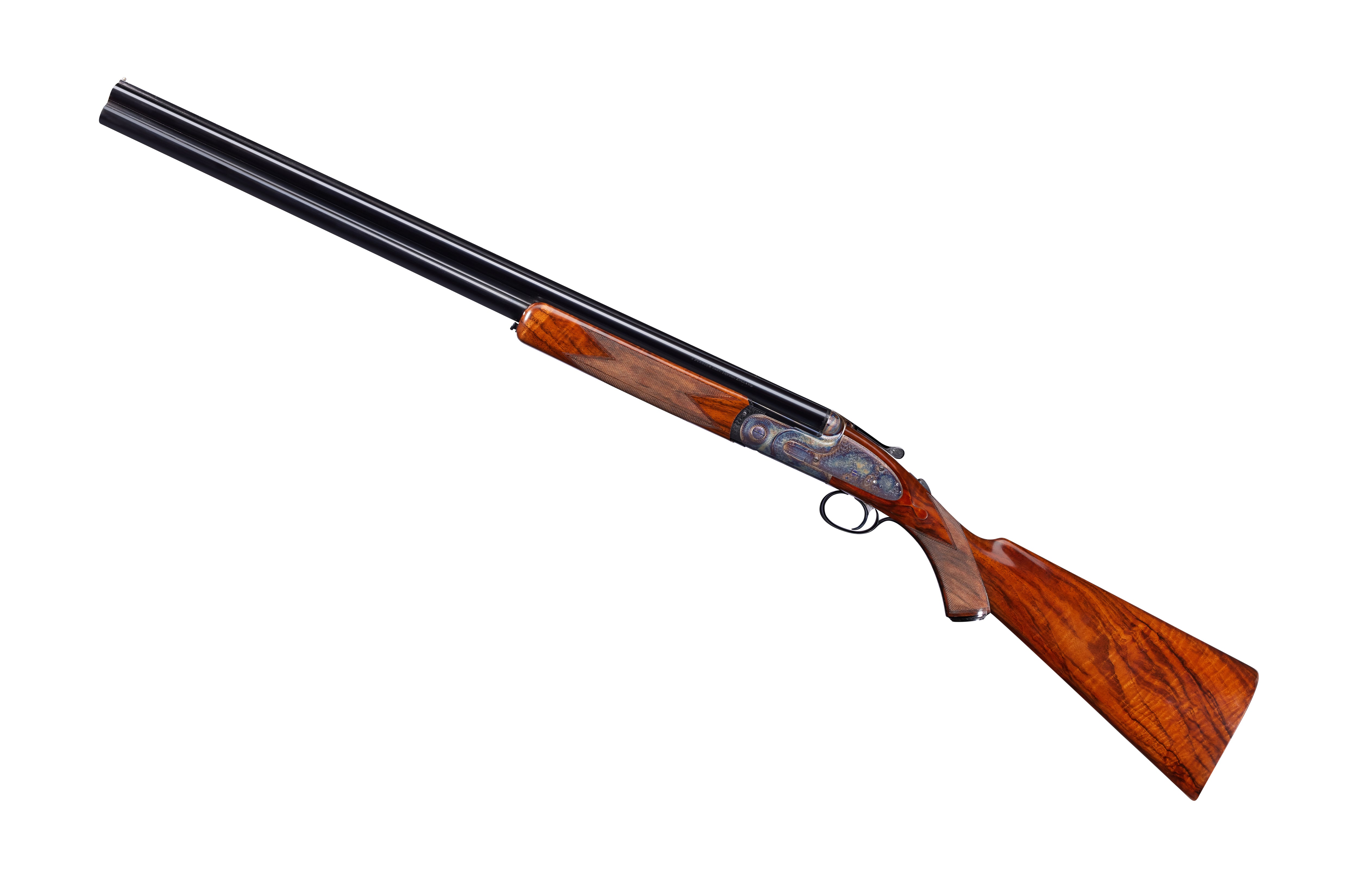
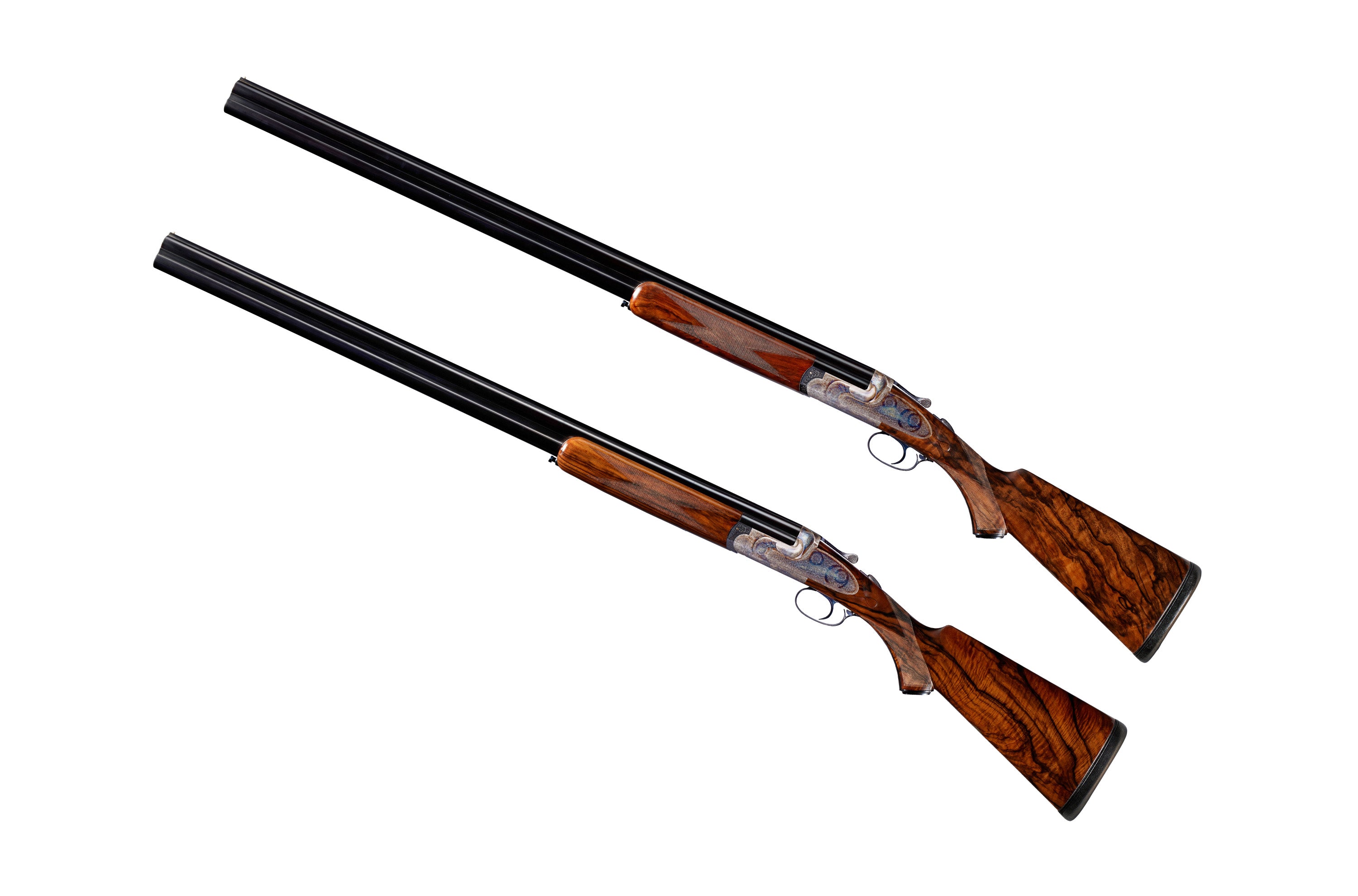
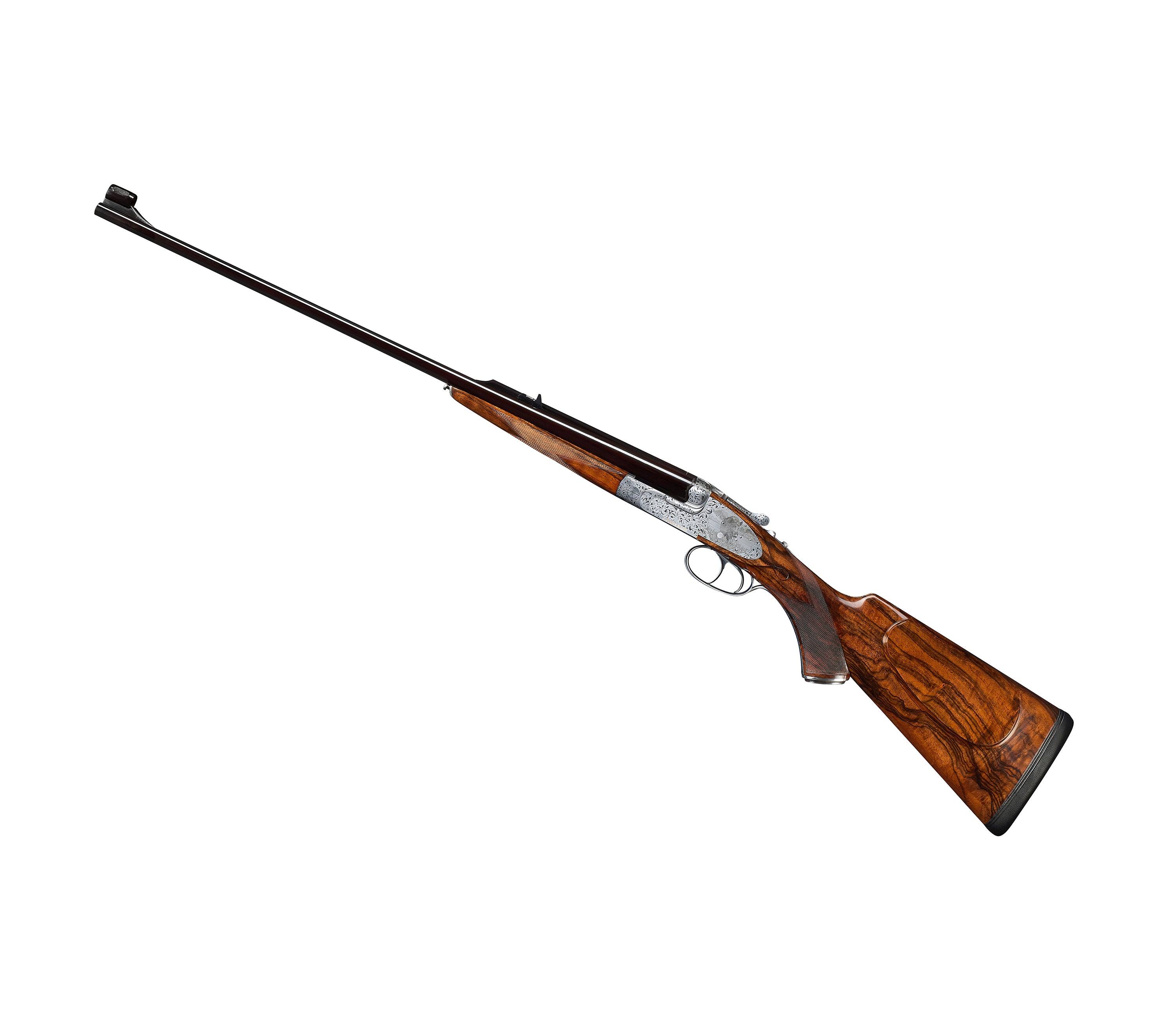
The model also carries James Purdey the Younger's engineering signatures forward: the Purdey Bolts locking system and the concealed third bite described in the brand's historical record. On Purdey's own pre-owned side-by-side examples, that heritage shows up in the long, elegant action body, fine engraving and heavily figured walnut that make the gun feel more like furniture-grade craft than ordinary sporting hardware.
Materials & craft
An official Purdey side-by-side example describes a square-bar action body with concealed third grip, clip sides, matted flat-top ribs and a well-figured stock finished with a leather-covered recoil pad. Those details are exactly the sort of restrained, functional finishing Purdey has spent generations refining rather than radically reinventing.
The visual emphasis is always on proportion and balance: long barrels, slim action walls, polished metalwork and engraving that decorates the lockplates without overwhelming them. Even in photographs, the gun's craft reads through the junctions between steel, walnut and hand-finished checkering.
How to choose & style
If you want the most archetypal Purdey expression, this is it. The side-by-side is the model for someone who values tradition, low visual drama and the kind of mechanical continuity that has become part of the house myth.
Visually, it is the least flashy route into the brand and therefore the one that tends to age best. Collectors who care about classic game-gun lines usually start here before looking at more specialised Purdey actions.