Is Karen Kane clothing worth it?+
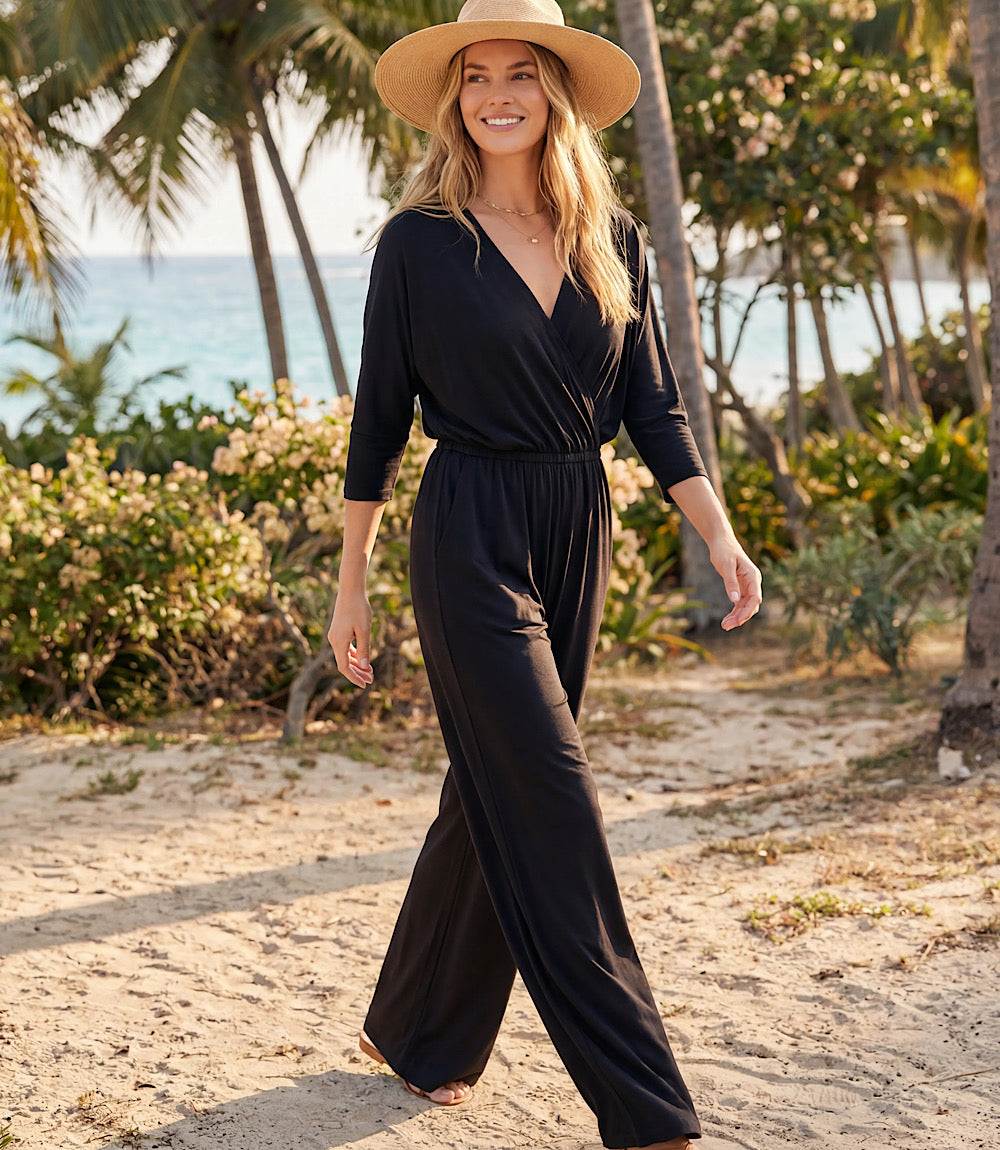
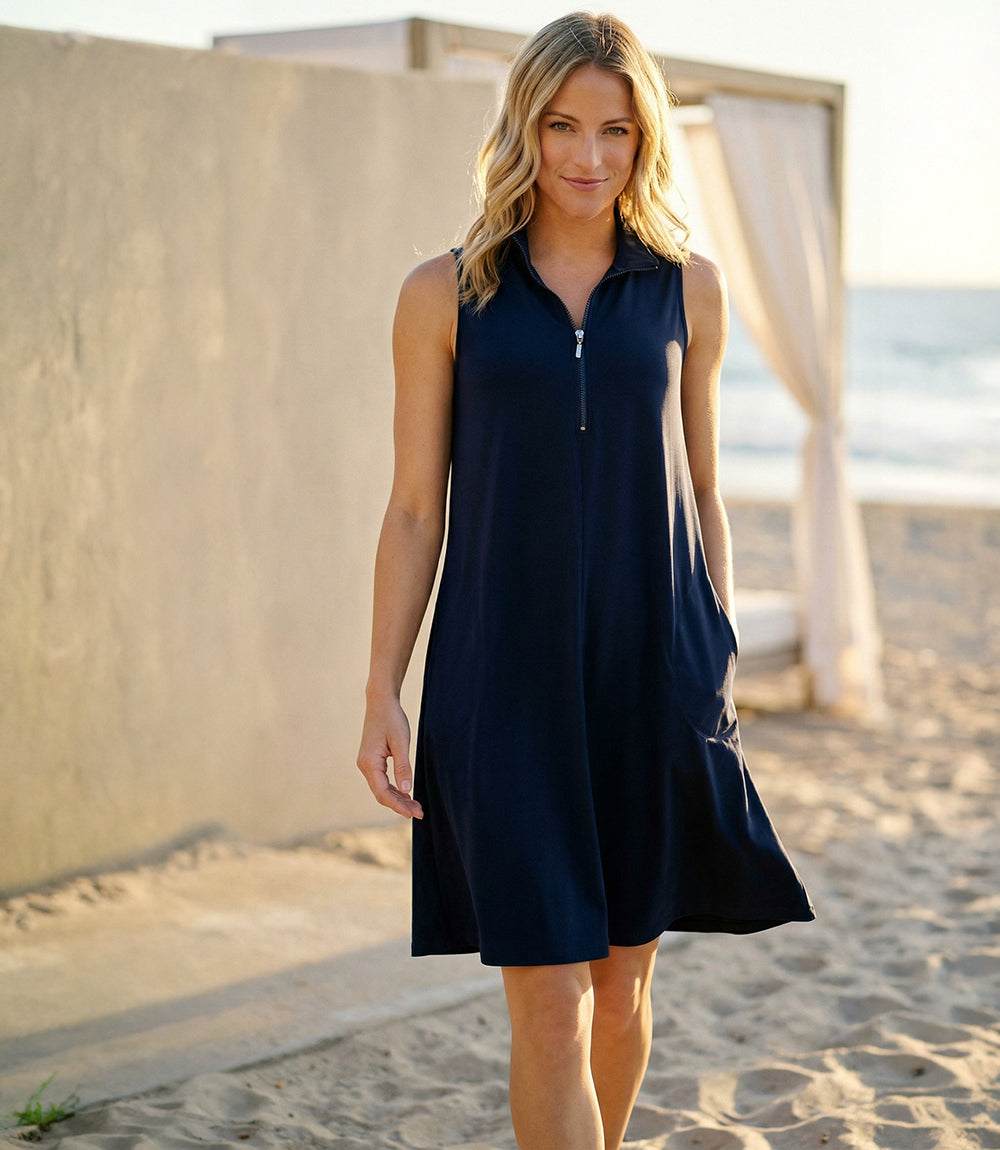
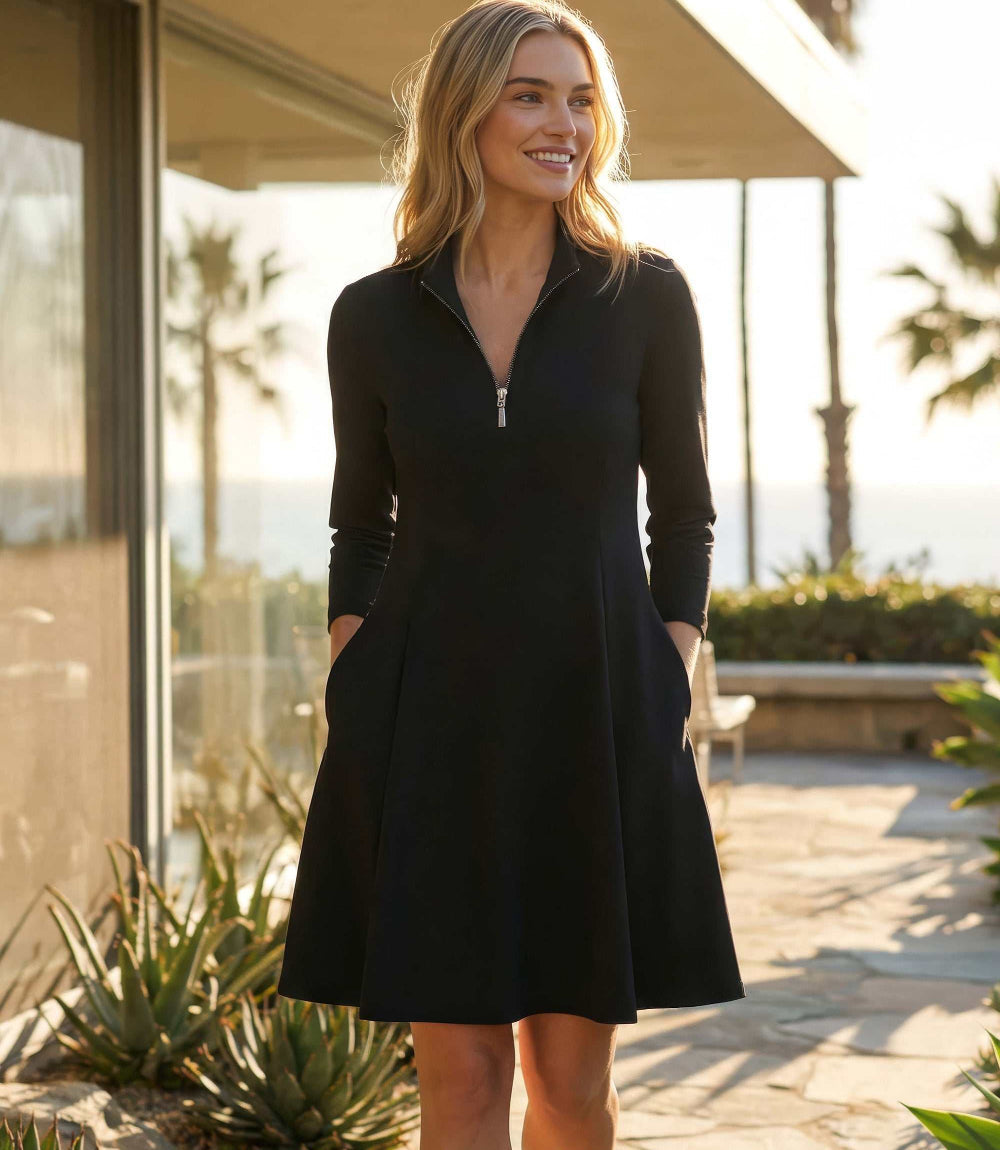
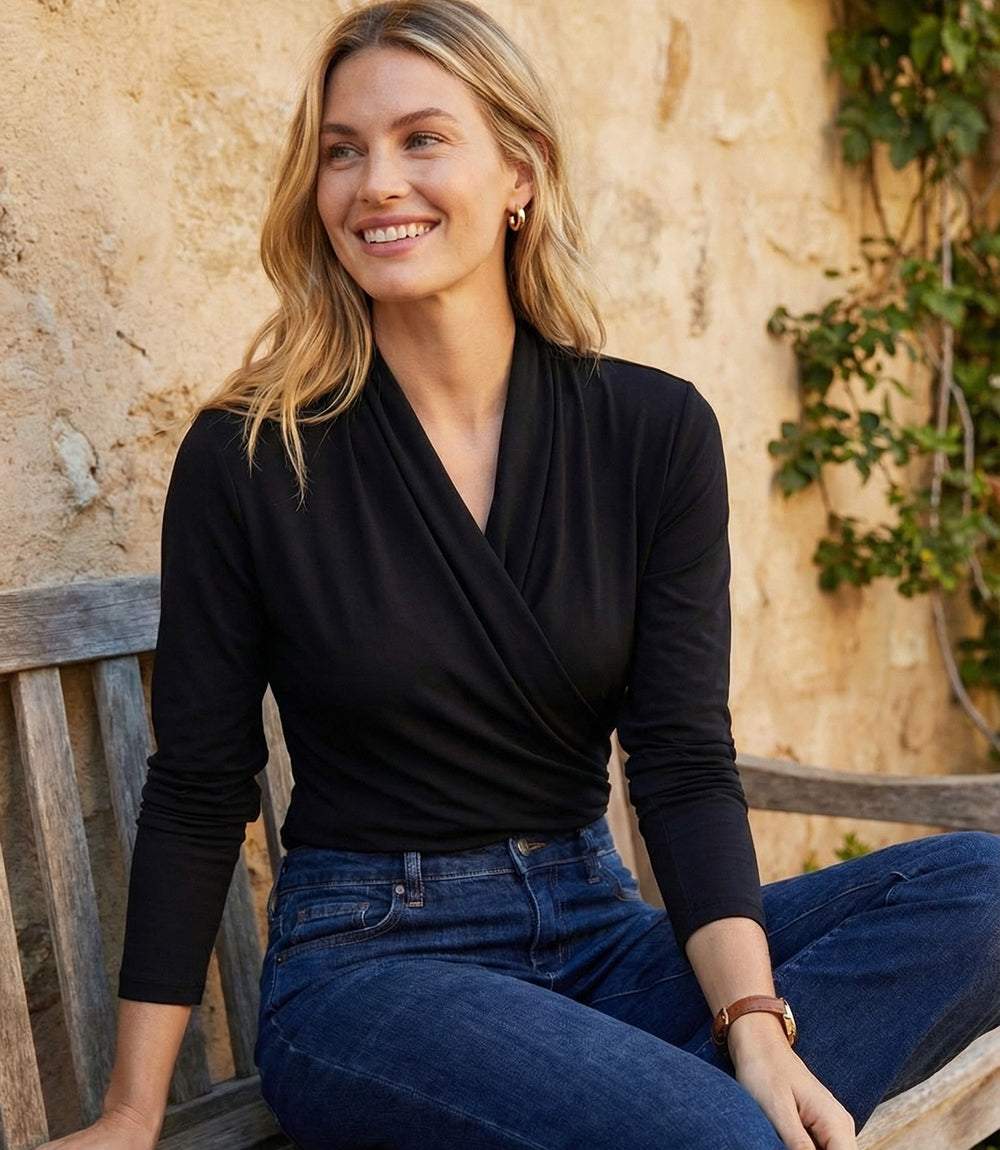
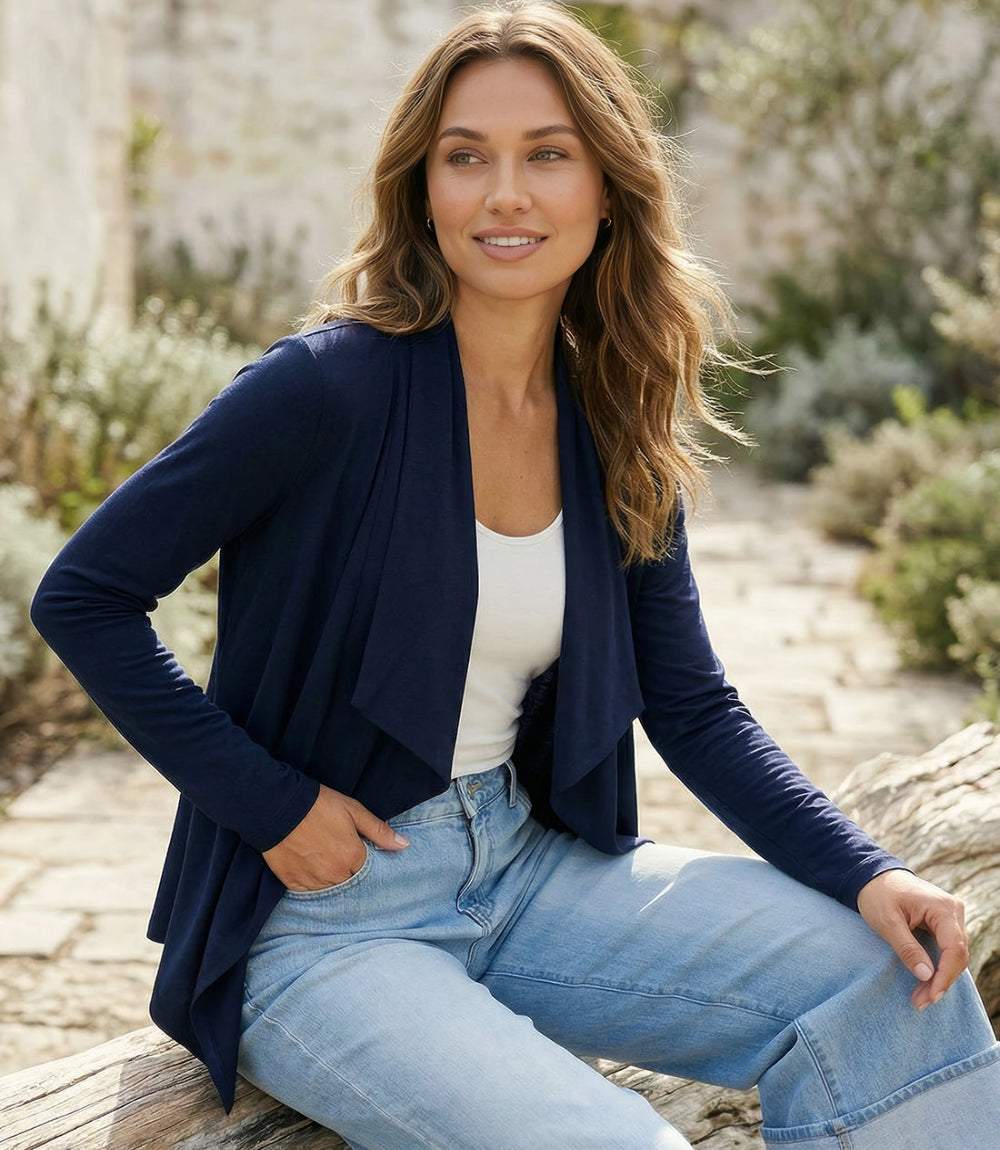
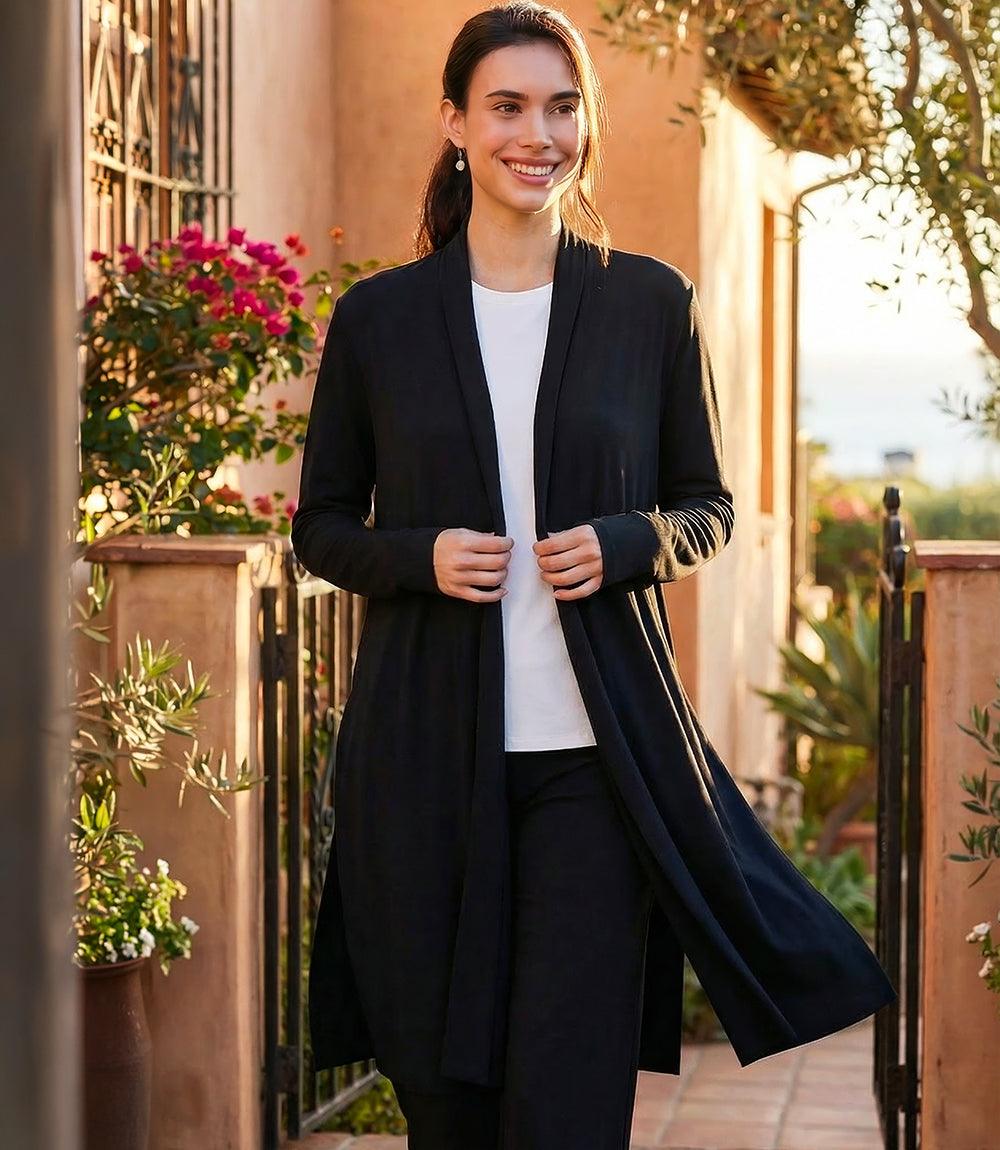
If you want relaxed, California-inspired pieces with an easy drape, Karen Kane is a sensible buy. The line has been built around that laid-back feeling since it launched in 1979, and much of it is made in the United States, which appeals to shoppers who care about where their clothes come from. It suits wardrobes that prize comfort and longevity over fast-changing trends.
Is Karen Kane good quality?+
Karen Kane has built its reputation on relaxed, well-made everyday clothing rather than flash, and the brand earned B Corporation certification in 2020, a signal of its standards. As with any contemporary label, individual pieces vary by fabric, so reading the composition helps you pick the ones that will last. Buyers who match the style to their wardrobe tend to be the happiest with it.
Is Karen Kane made in the USA?+
Largely, yes. In 2011, 80% of Kane's line was made in the United States, rising to 90% in spring 2012, and as of fall 2013 the company continued to manufacture most of its collection domestically, primarily in Southern California. That commitment was prominent enough that Kane was invited to the White House in 2012 for President Obama's Insourcing American Jobs summit.
What is Karen Kane's aesthetic?+
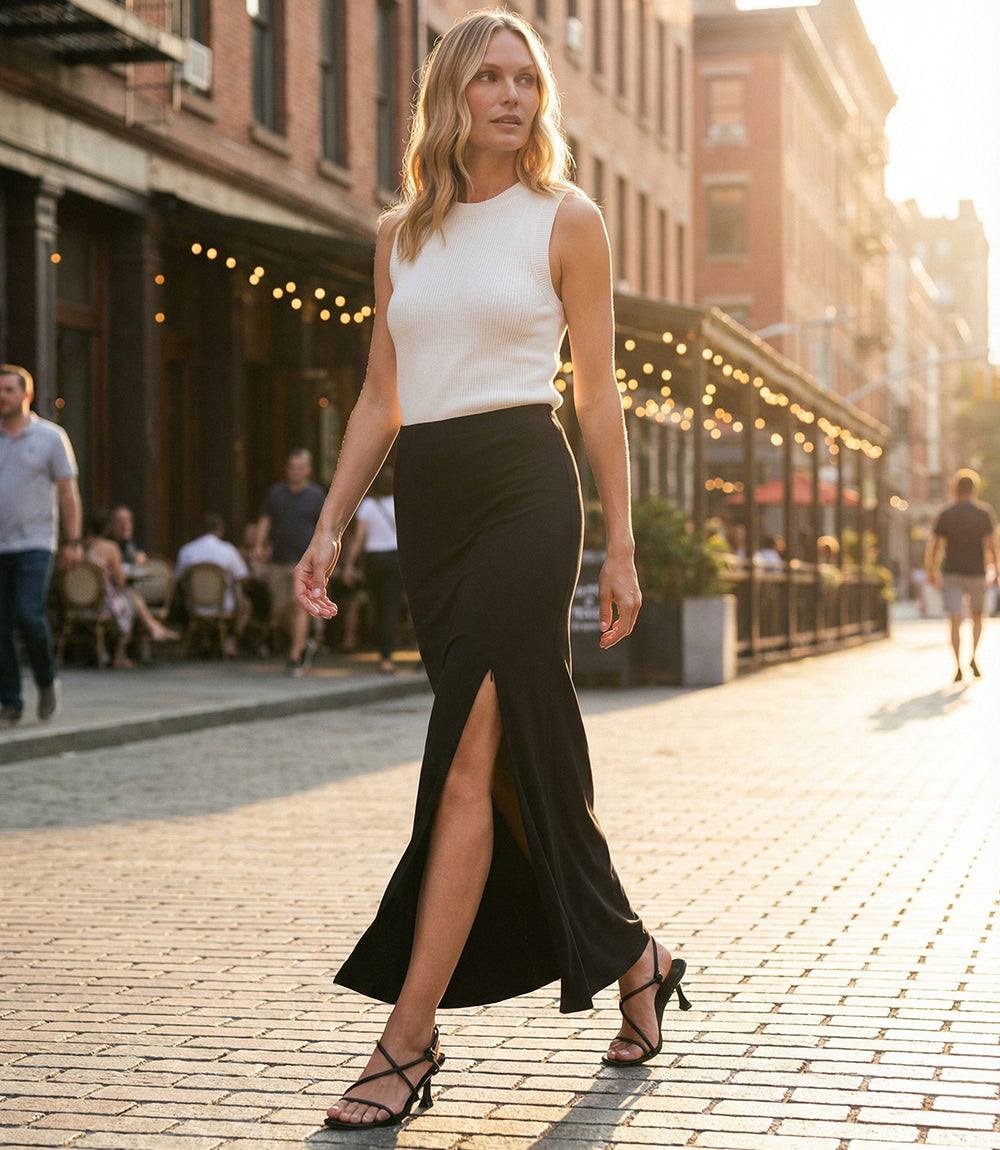
Karen Kane's designs are known for their relaxed, California-inspired feeling, an easy, lived-in elegance rather than anything fussy. The look traces back to the designer growing up in Santa Barbara, sewing and taking as many fashion classes as she could. If you want effortless West Coast ease in your wardrobe, that is exactly the lane this brand occupies.
Who founded Karen Kane?+
Karen Kane is an American fashion designer who founded the namesake label with her husband Lonnie. The two married in 1979 and that same year launched the Karen Kane womenswear collection out of their Studio City garage. It started as a true small business before department stores picked it up.
Where did Karen Kane get her start?+
Kane was born in Barberton, Ohio, and moved with her family to Santa Barbara, California, at age nine, where she grew up sewing. She graduated from the Fashion Institute of Design and Merchandising in Los Angeles at 19, and her first job was as a pattern maker at a junior sportswear company, where she met Lonnie. That California upbringing still defines the brand's feel.
Is Karen Kane a family-run company?+
Yes, and that is central to its identity. Karen Kane is privately owned and family operated, and it has been family-run since its inception, with Karen and Lonnie joined over the years by their sons in leadership roles. That continuity is part of why the brand can hold to its made-in-USA and California-ease values.
What is the Fifteen Twenty line?+
In 2008, Karen Kane launched Fifteen Twenty, a collection that began as assorted separates primarily made of silk. It has since grown into a full collection of tops, jackets, dresses, skirts and pants, sold in high-end specialty stores and online boutiques. Think of it as a more elevated, contemporary companion to the main Karen Kane label.
Does Karen Kane offer plus and petite sizes?+
Yes. In addition to sizes XS to XL, the brand produces a plus-size division of the lifestyle collection called Karen Kane Women's, as well as petite sizes. That range makes it easier to find the same relaxed silhouettes across different fits. It is worth choosing the division that matches your proportions for the best result.
How sustainable is Karen Kane?+
Karen Kane earned B Corporation certification in 2020, which recognizes social and environmental performance, and the brand's long-running emphasis on domestic manufacturing supports that positioning. During the COVID-19 pandemic, the company even temporarily shifted production to make face covers for medical workers and other at-risk people. For shoppers weighing values alongside style, that track record matters.
How does Karen Kane fit and how should I care for it?+
The line leans into fluid, comfortable silhouettes in keeping with its relaxed California feeling, so it tends to wear easily rather than restrictively. Because some pieces use delicate fabrics like silk, check the care label and treat those items gently to keep them looking their best. Matching the cut to your own proportions is the surest path to a flattering fit.