Are Le Chameau Chasseur boots worth the investment?+
For anyone spending real time outdoors, most reviewers say yes. Le Chameau boots are built to last for years where cheaper wellingtons crack after a season, and each pair is hand-assembled rather than mass-produced. Spread across years of wet-weather use, the cost-per-wear case is what makes them a considered buy rather than an impulse one.
Why are Le Chameau boots so expensive?+
The price reflects genuine handcraft and heritage. Le Chameau dates to 1927 and makes its rubber boots by hand, with each boot assembled by a single specialist bootmaker, a maître bottier, whose training typically takes several months. That labour, plus hand-cut rubber vulcanised on a last to form a waterproof structure, is what you're paying for.
How do Le Chameau wellingtons compare to Hunter?+
Both are storied wellington names, but they sit differently. Le Chameau leans into hand-finished construction and fit options, and British country publications describe it as a premium option distinguished by craft rather than fashion-led design. If you're choosing for serious agricultural, equestrian, or shooting use, Le Chameau's reputation rests on that hand-built durability.
What is the Le Chameau Chasseur and why is it the signature boot?+
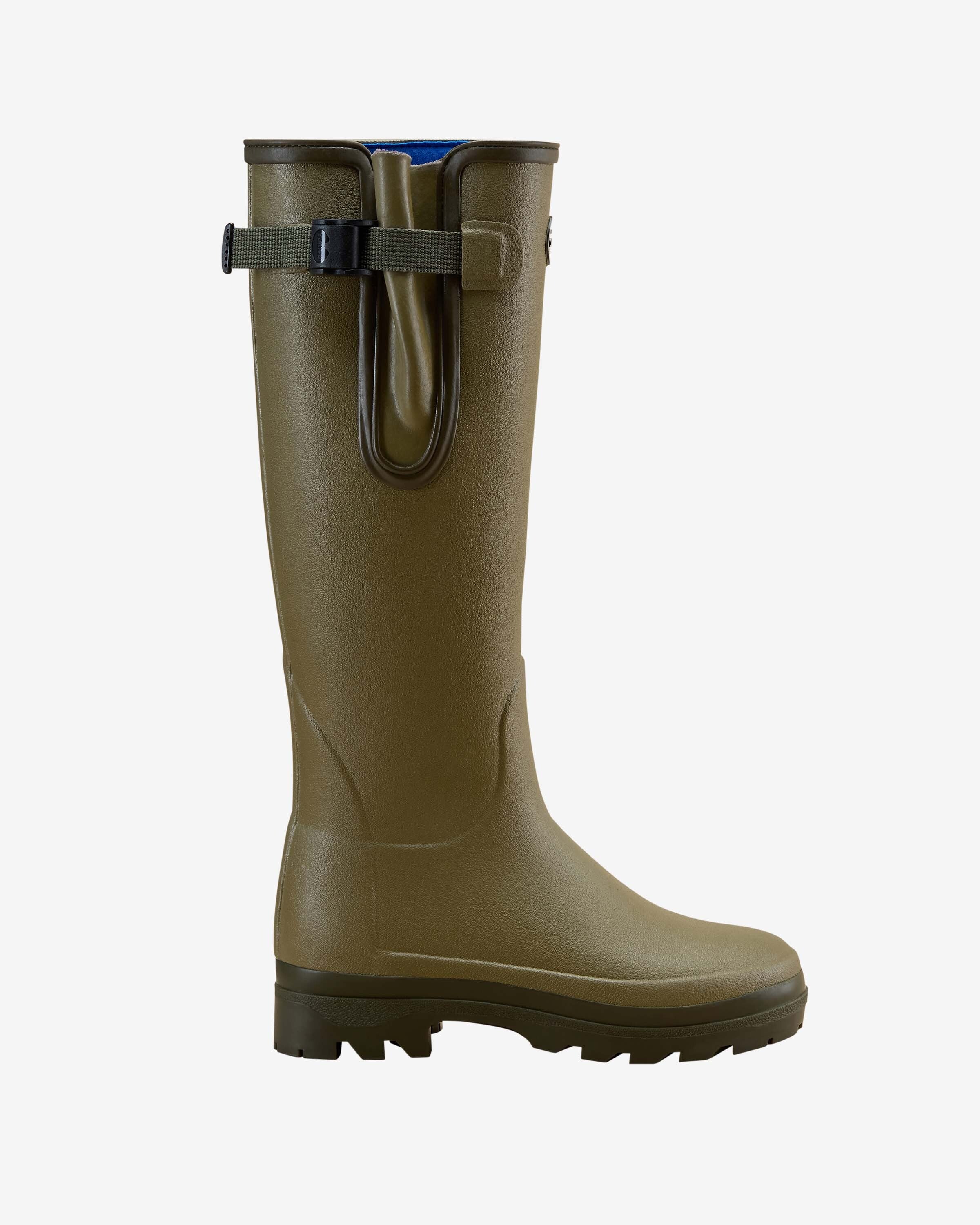
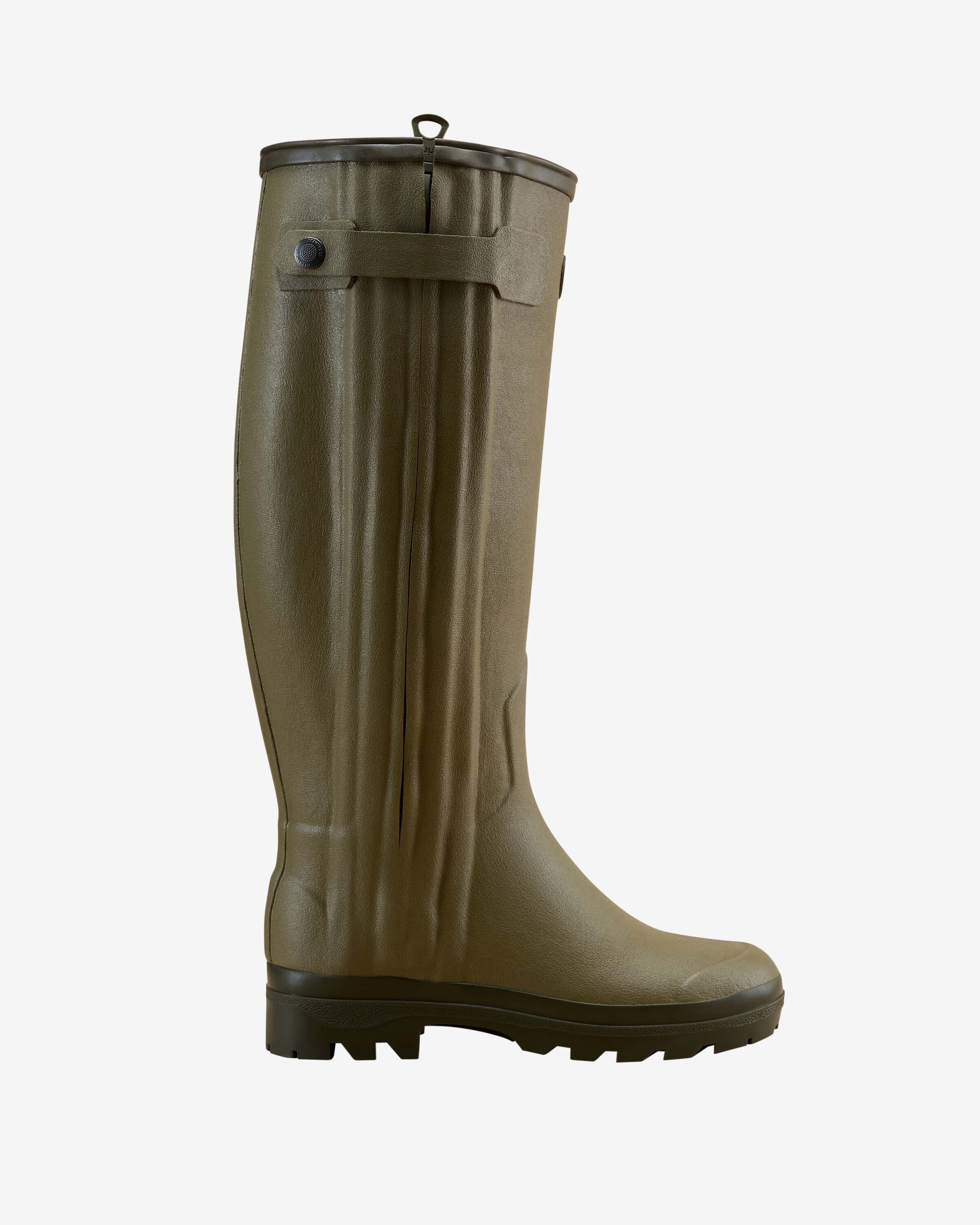
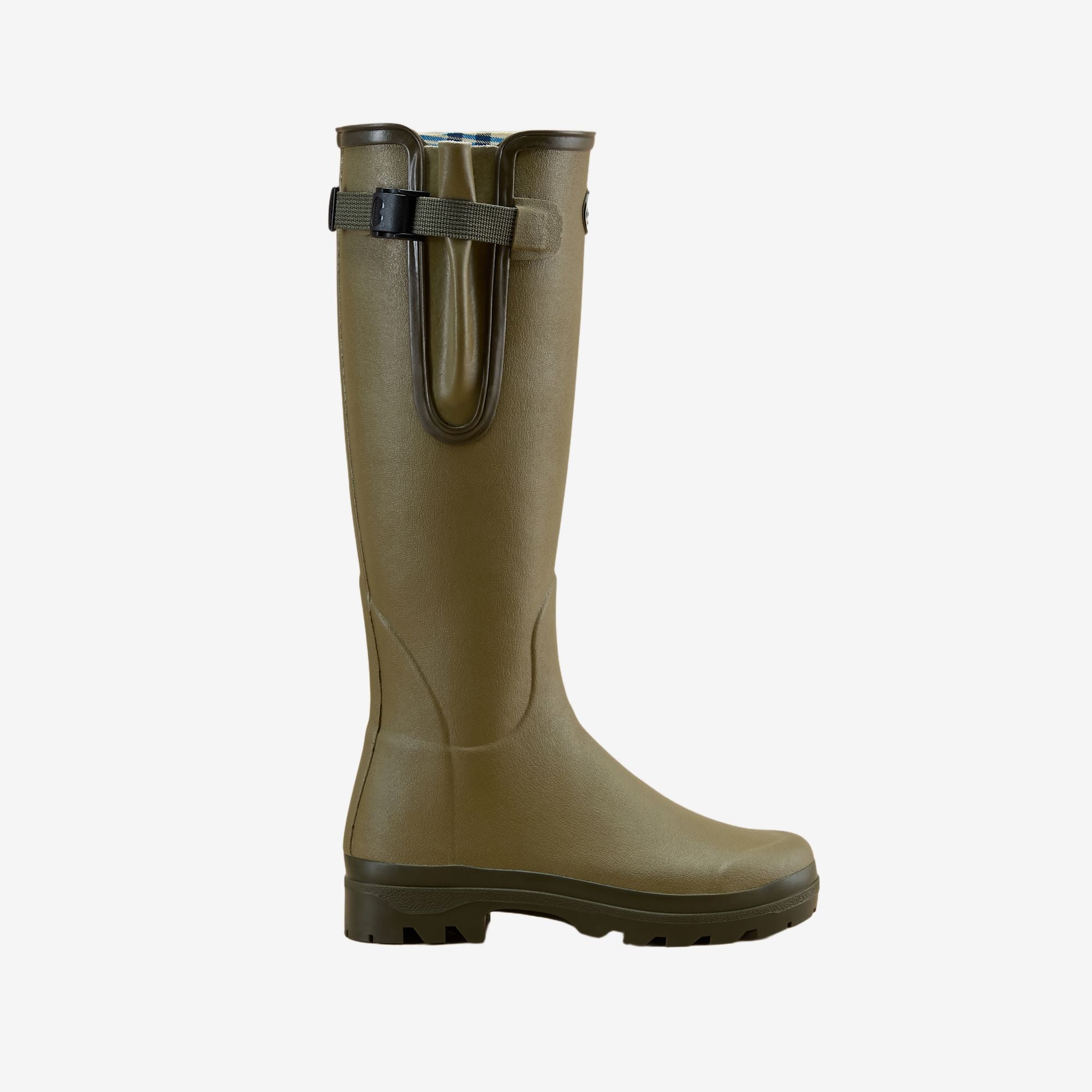
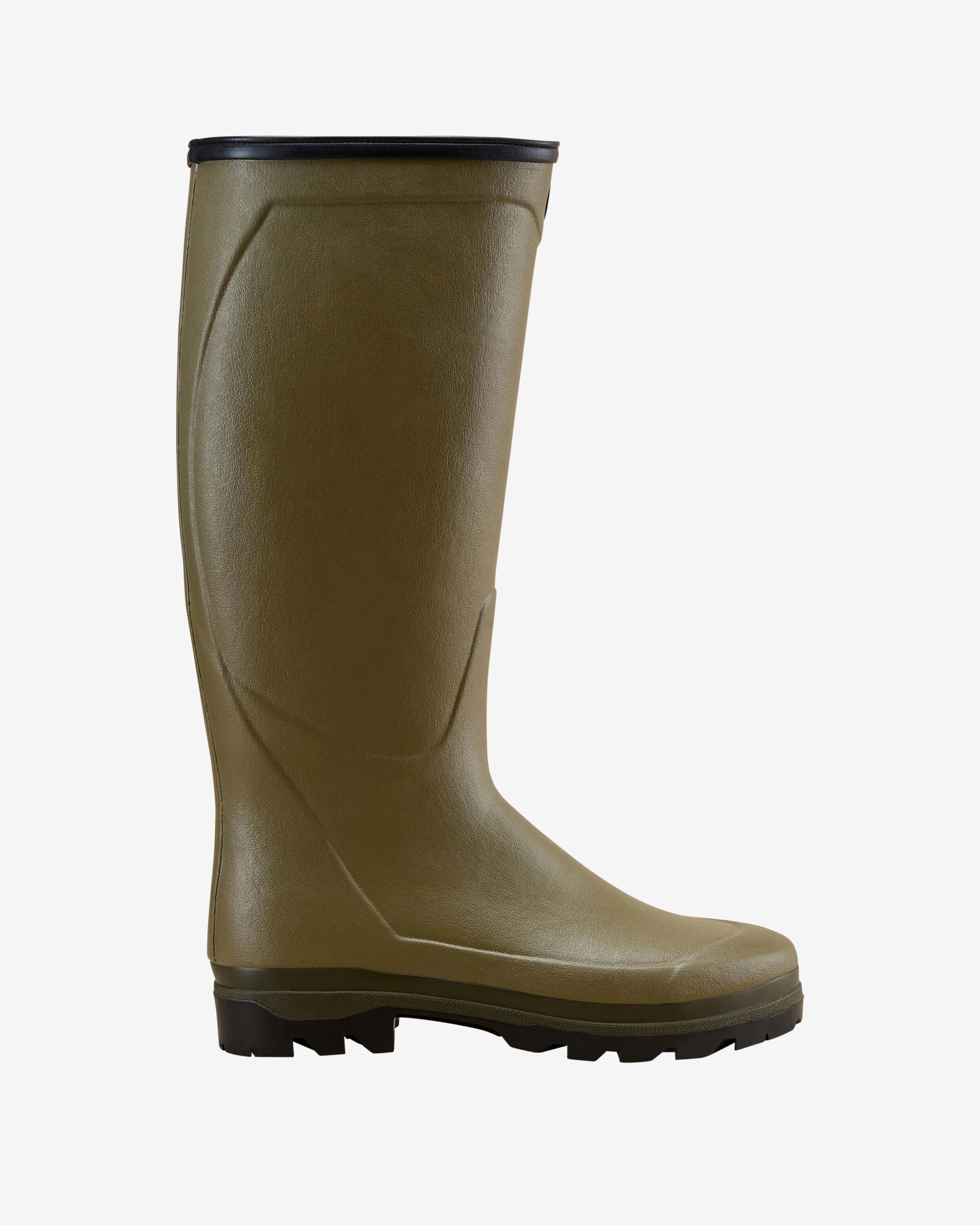
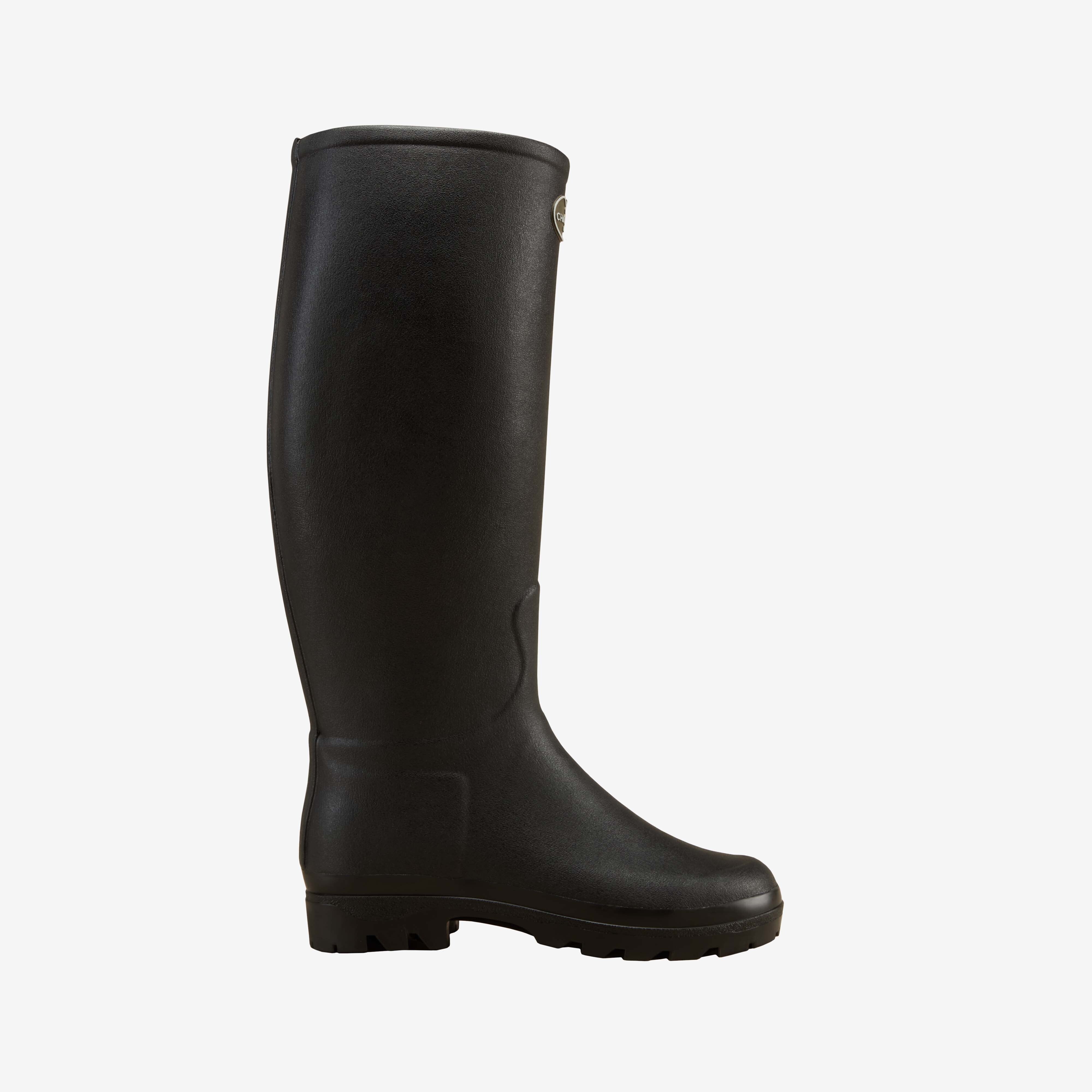
The Chasseur is among Le Chameau's best-known models, described in British country publications as a long-running design noted for its multiple calf-size options. That fit flexibility is a big part of its appeal for country wear. It's the boot most people picture when they think of the brand.
Who founded Le Chameau and where?+
Le Chameau traces its origins to 1927 in Cherbourg, Normandy, a region shaped by maritime activity, agriculture, and heavy industry. It is associated with the bootmaker Claude Chamot, who set out to improve industrial rubber footwear by combining waterproof performance with greater comfort, flexibility, and durability. His work was a practical answer to the needs of farmers, fishermen, and rural workers in persistently wet conditions.
Where are Le Chameau boots made?+
Manufacturing has historically taken place in France and Morocco. After the Second World War the company established production facilities in Casablanca in 1949, which became a major centre for its rubber boot manufacturing, and it was at that point the brand name Le Chameau was adopted. Production still centres on hand-cut rubber components assembled on a last, then vulcanised.
What are Le Chameau boots actually made of?+
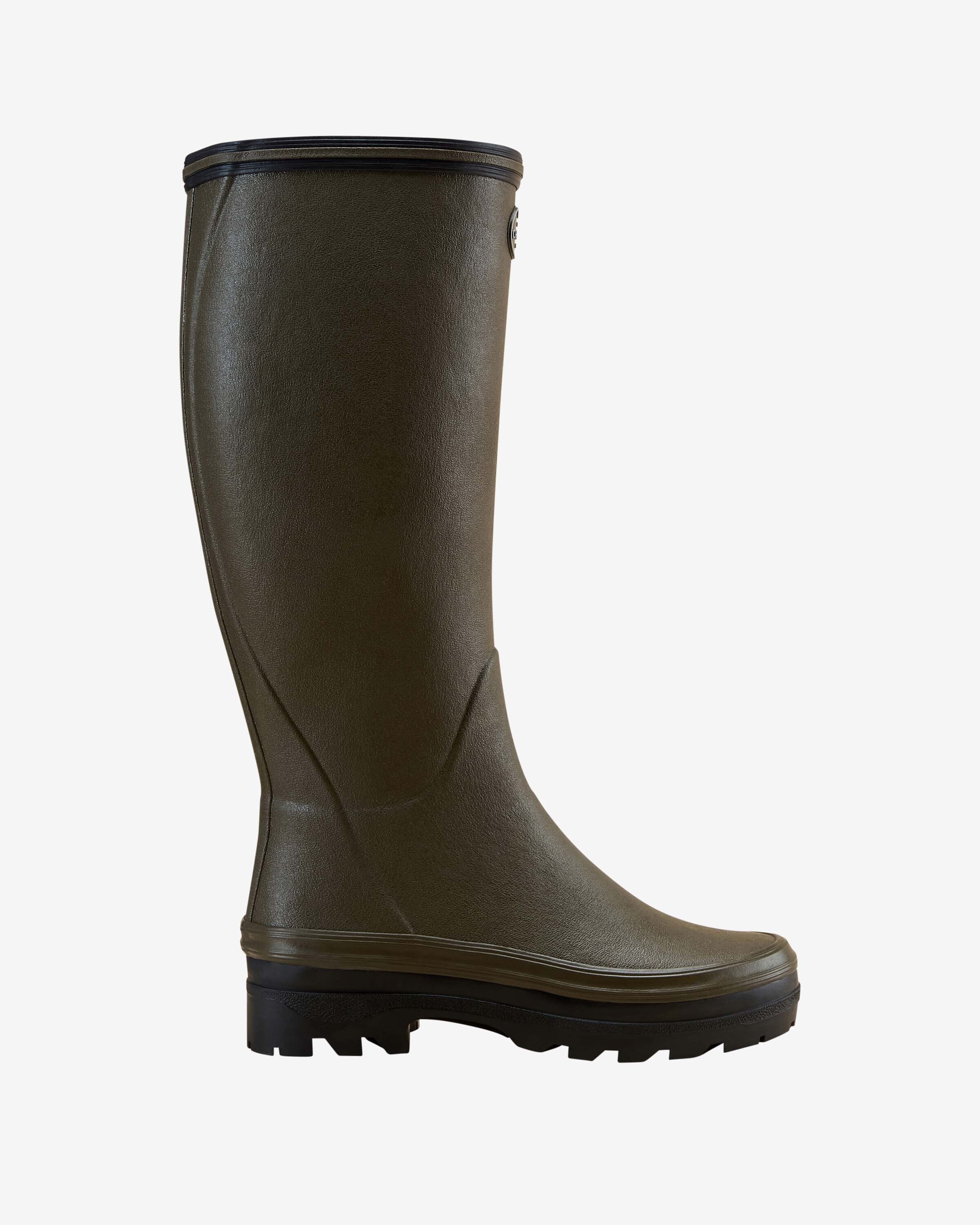
They are handmade using natural rubber, with each boot built by a single specialist bootmaker and finished by vulcanisation to bond the material into a waterproof structure. Beyond leather-lined rubber boots, the company also makes neoprene-lined models, walking boots, and other outdoor footwear. The materials are chosen for waterproof performance and durability rather than fashion.
Who owns Le Chameau now?+
Its ownership has changed hands several times. In 2012 the company was sold by its then-parent Lafuma to the private equity firm Marwyn Management Partners, and in 2019 it was reported as being explored for sale. As of October 2025, regulatory announcements referred to a potential transaction involving Silvercloud Holdings Limited, described as holding a majority interest in Le Chameau Holdings Limited.
Why are Le Chameau boots so popular in British country circles?+
Through the later twentieth century the boots became closely tied to agricultural, equestrian, shooting, and countryside use, particularly in the UK. They've been regularly reviewed in outlets like Country Life and Horse & Hound, which is exactly the audience that values hand-finished, hard-wearing footwear. That steady country-press presence built the reputation.
Do royals wear Le Chameau boots?+
British newspapers have reported on the brand's visibility among members of the royal family, particularly after early-2010s coverage of Catherine, Princess of Wales wearing Le Chameau boots. That kind of attention reinforced its standing as a premium country choice. It's reputation by association rather than a paid endorsement.
How do I choose the right Le Chameau fit?+
Fit is a defining feature of the range, with the Chasseur in particular offered in multiple calf sizes, so measure your calf rather than guessing. Consider lining too: the brand makes both leather-lined and neoprene-lined models suited to different seasons. Matching calf width and lining to how you'll wear them is the key to all-day comfort.