Are Le Coq Sportif sneakers worth it?+
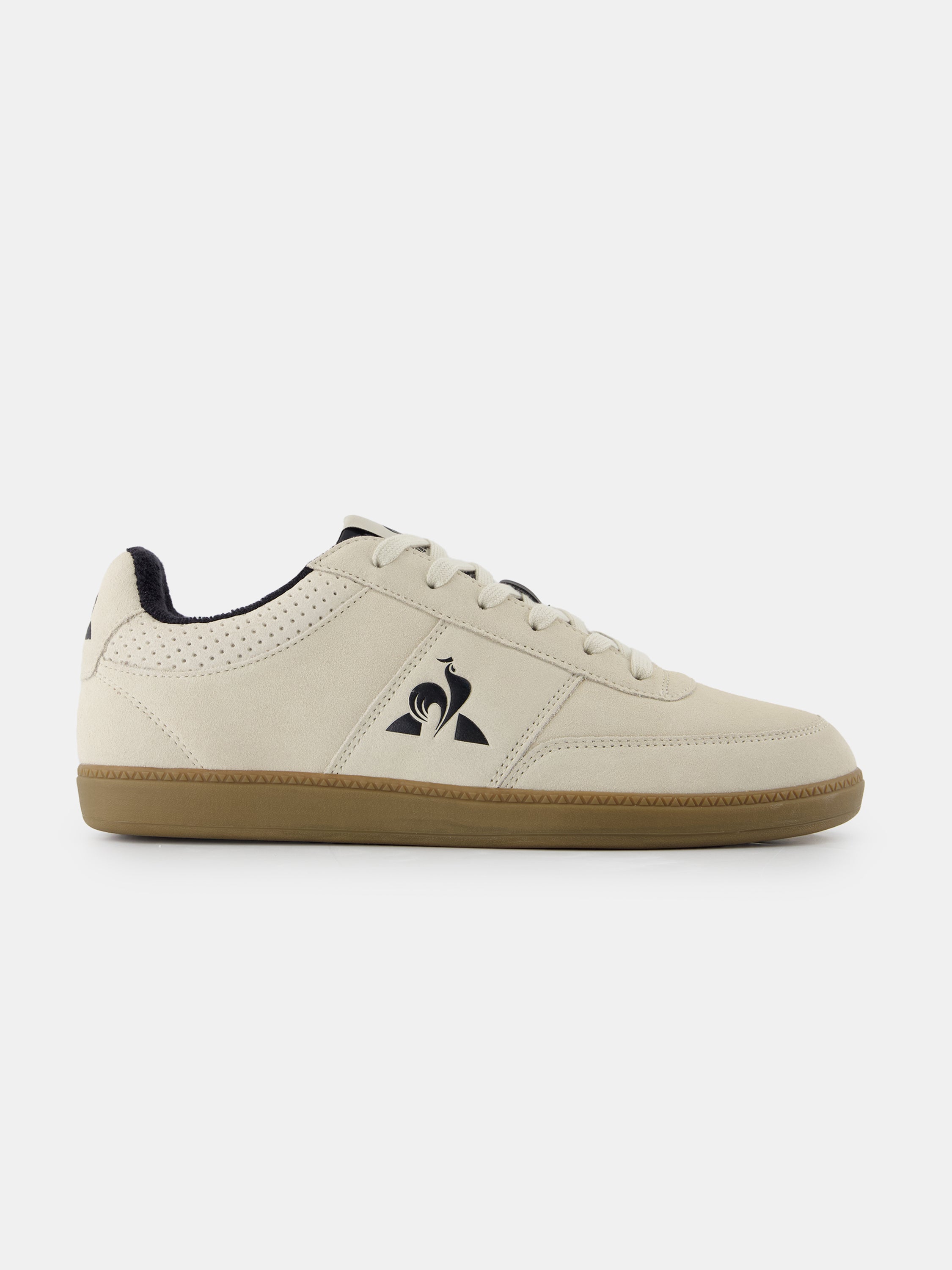
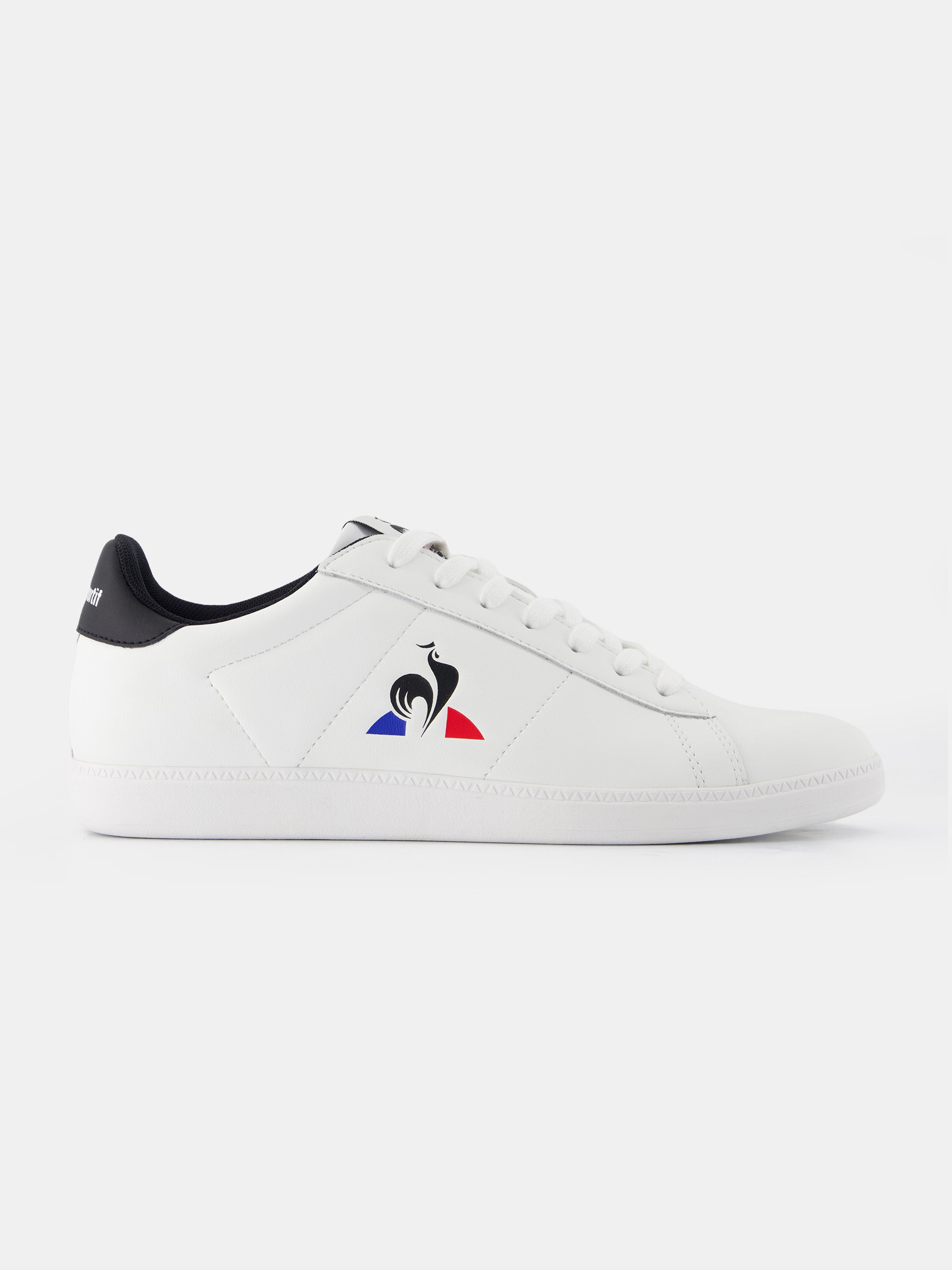
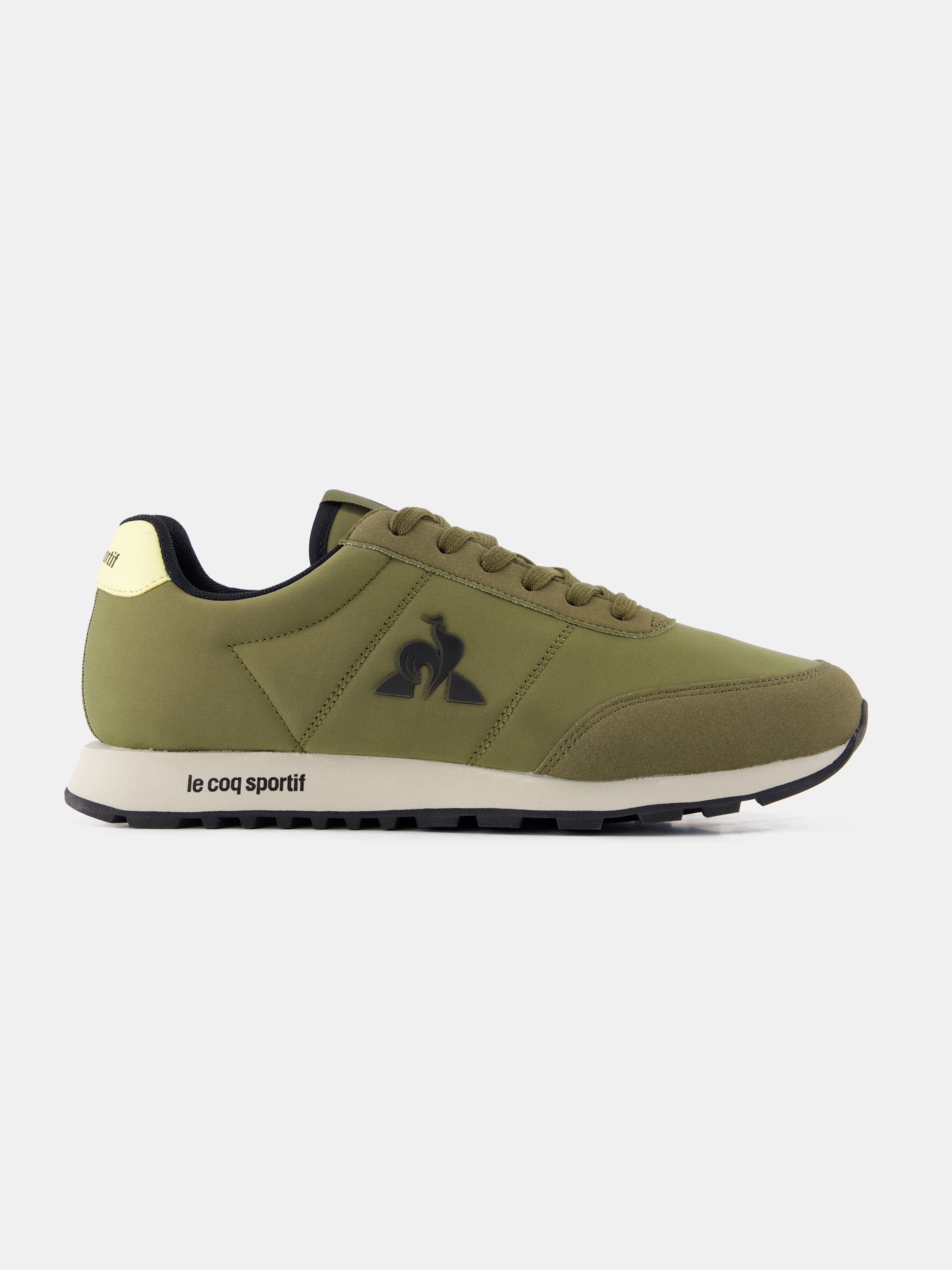
For fans of low-profile, heritage-flavoured trainers, many say yes. The appeal is a simple, retro French aesthetic stamped with the famous rooster logo and decades of sporting history rather than hype-driven design. Wearers tend to describe them as comfortable everyday shoes and a refreshing alternative to the bigger sportswear giants. If you want timeless style over the latest performance tech, they make sense.
How does Le Coq Sportif compare to Adidas?+
The two brands are surprisingly entwined. In 1966 Le Coq Sportif signed a deal with Adidas to produce the three-stripes clothing in France, with Adidas focused on footwear and LCS on textiles, before a famous falling-out over the three-stripes trademark. Today Adidas is the global powerhouse, while Le Coq Sportif is the smaller, more heritage- and lifestyle-led French label. If you want a less ubiquitous, French-rooted look, LCS is the distinctive choice.
What does the Le Coq Sportif rooster logo mean?+
The rooster is a deliberate nod to national identity. The brand's name and trademark come from the Gallic rooster, a national symbol of France, and the first items carrying the now-famous rooster trademark appeared in 1948. So the logo signals French sporting pride as much as the product itself.
What is Le Coq Sportif best known for?+
More than any single shoe, it is known for cycling heritage. In 1951 the brand signed a deal to make the yellow jersey for the Tour de France, and it supplied Louison Bobet during his three consecutive Tour wins from 1953 to 1955. That race connection, revived when LCS restarted its Tour de France partnership in 2012, is central to the brand's identity.
When and where was Le Coq Sportif founded?+
Le Coq Sportif was founded in 1882 by Émile Camuset, beginning in the woolen industry before moving into sportswear. The Camuset family manufactured sports clothing at its factory in Romilly-sur-Seine in north-central France, and the brand is based in Entzheim today. It is one of the older names in sportswear.
Is Le Coq Sportif a French brand?+
At heart, yes. It was founded in France in 1882, its name and rooster come from the Gallic rooster symbol of France, and in 2010 it relocated to its original home, refurbishing the Romilly-sur-Seine factory with production centralised in France. Ownership sits with Swiss investment company Airesis, but its identity is firmly French.
Did Le Coq Sportif really invent the tracksuit?+
According to the brand's history, yes. In 1939 the company launched what it calls the first tracksuit ever, the chándal, also known as "the Sunday clothing." That makes the tracksuit one of the brand's genuine contributions to sportswear, alongside its early cycling jerseys.
Which Le Coq Sportif shoe should I look at first?+
For a first pair, a classic court-style or running-inspired silhouette captures the brand's retro, low-profile character best. The label leans on heritage and clean lines rather than chunky trends, so a timeless model in leather, suede or canvas tends to be the safest entry point and the easiest to style.
What is Le Coq Sportif's connection to tennis?+
It has a real tennis legacy. Arthur Ashe wore Le Coq Sportif when he won the 1975 Wimbledon Championship, and the brand launched an Arthur Ashe shoe in his honour; Yannick Noah also wore LCS when he won the French Open in 1983. That history is why tennis-style sneakers feel native to the brand.
Has Le Coq Sportif been through ups and downs?+
Yes, its history is eventful. After a near-collapse stemming from a trademark battle with Adidas in the 1970s and later ownership turmoil, the brand was relaunched in 2005 by Robert Louis-Dreyfus through Swiss company Airesis. More recently, in November 2024 majority owner Airesis placed it into receivership to reorganise after financial losses, even after it kitted the French teams at the 2024 Olympics.
Does Le Coq Sportif make football and rugby kits?+
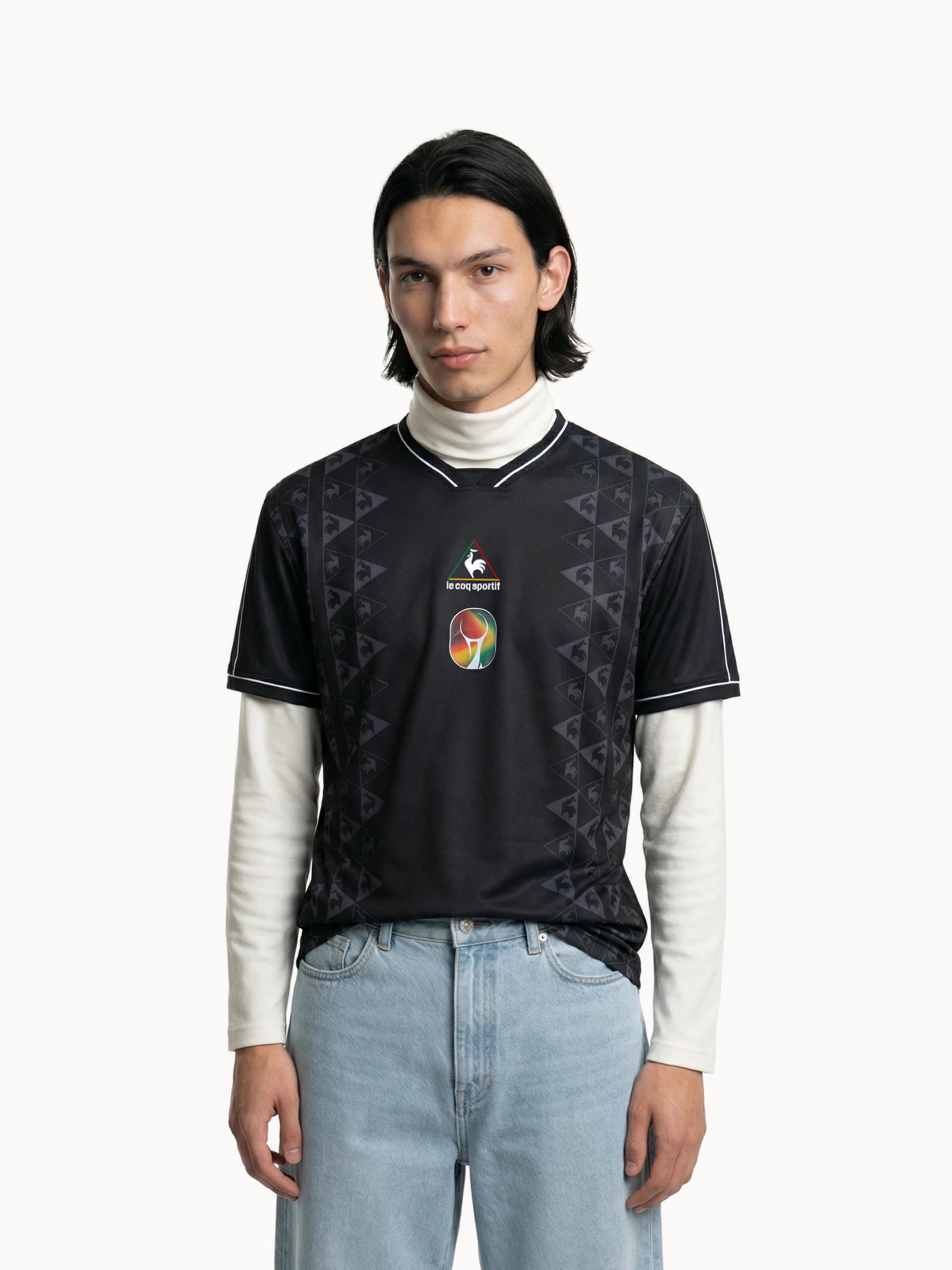
It has a long team-sport history. The brand became the official kit provider for the France national football team from 1955, supplied rugby teams, and over the years dressed clubs such as Tottenham, Everton and Ajax, plus World Cup winners Italy in 1982 and Argentina in 1986. Team kits are a core part of its sporting heritage.
Is Le Coq Sportif good quality for everyday wear?+
Generally it is regarded as solid for casual, everyday use. Reviewers point to materials like leather, suede and canvas and to comfortable, low-profile fits suited to walking and city wear rather than serious athletic performance. For relaxed daily styling with a heritage feel, it tends to deliver.