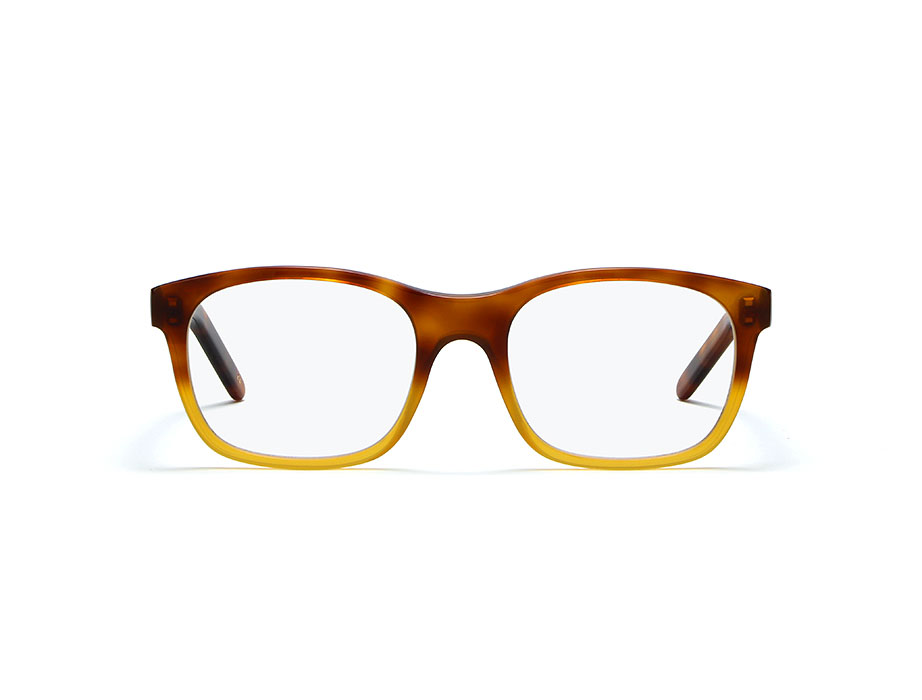
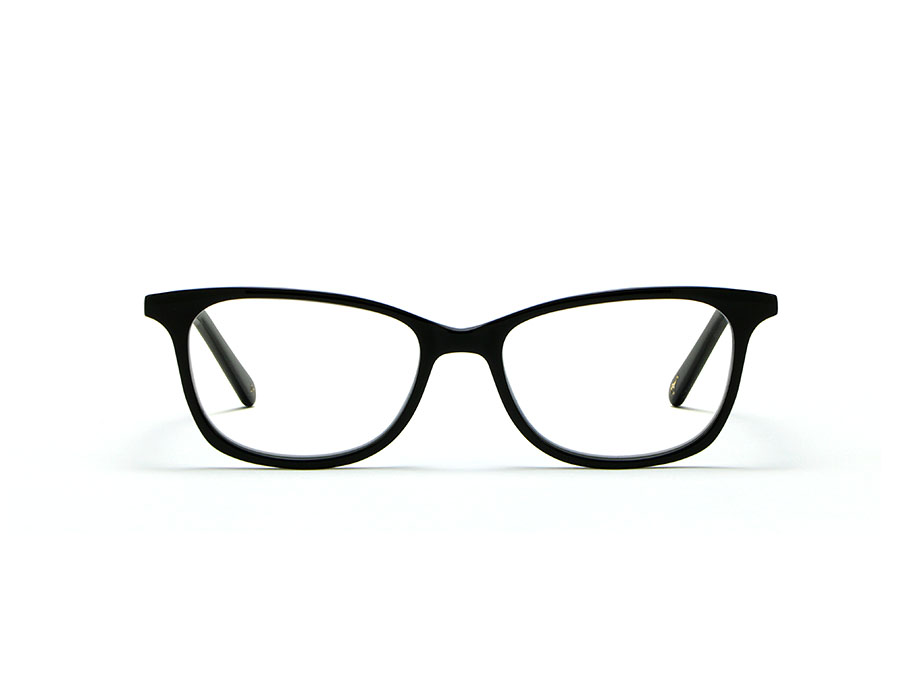
Are L.G.R sunglasses worth the price?+
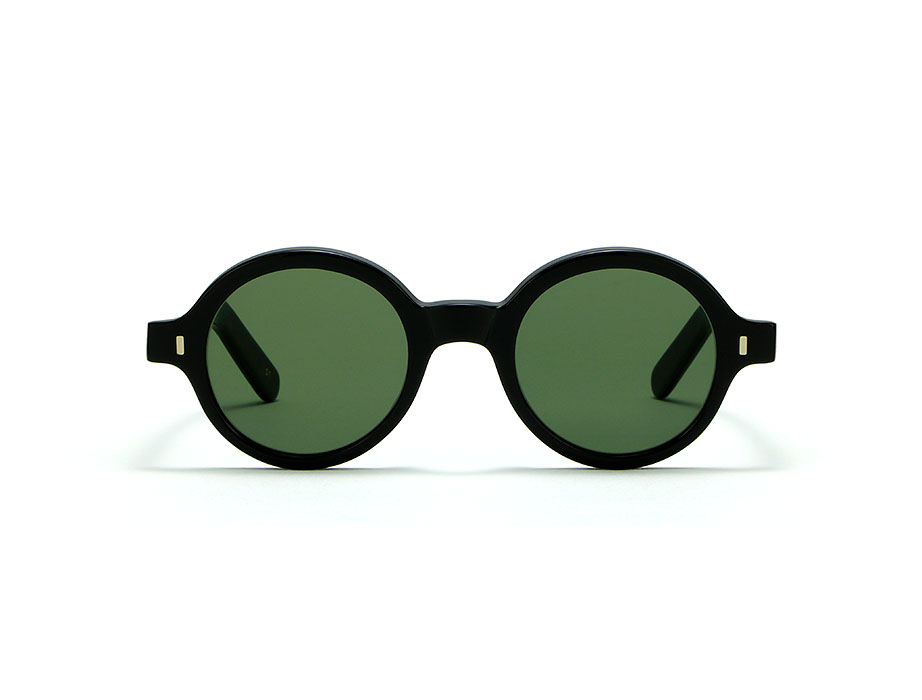
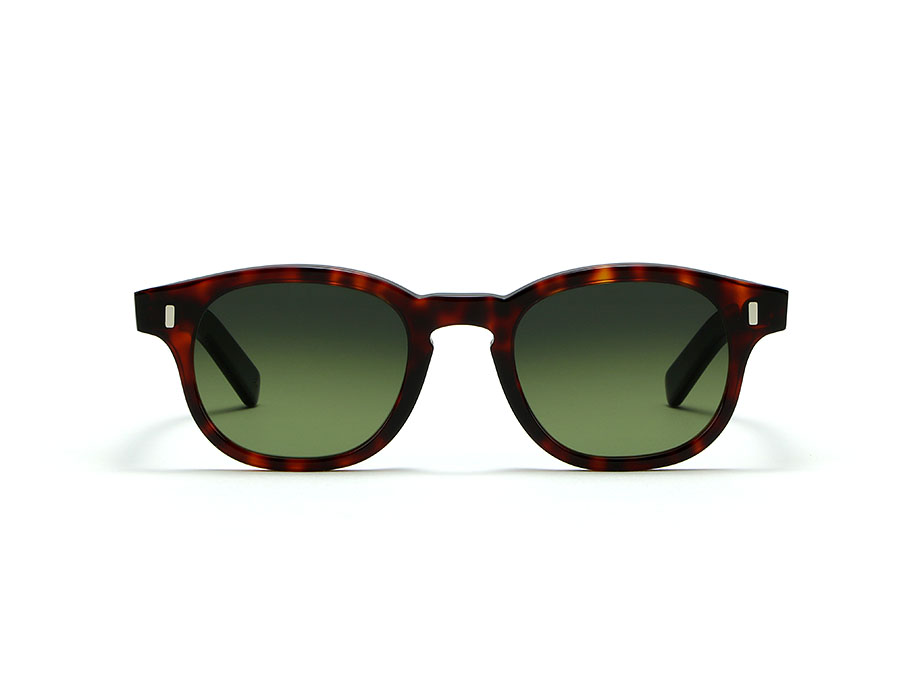
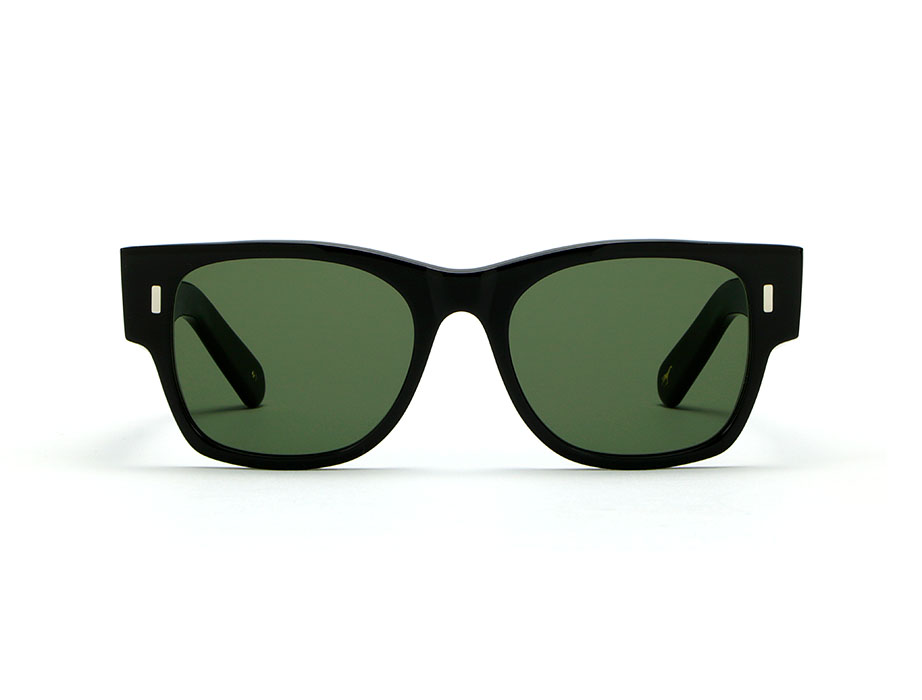
For buyers who value handcraft over logos, they tend to be. Each pair is handmade in Italy using traditional methods, and owners frequently describe them as impeccably made and worth the outlay. The appeal is the combination of vintage-rooted design and genuine artisanal construction rather than mass production. If you simply want sun protection on a budget they will feel expensive; if you want a considered, made-to-last frame, the value case is strong.
Why are L.G.R sunglasses so expensive?+
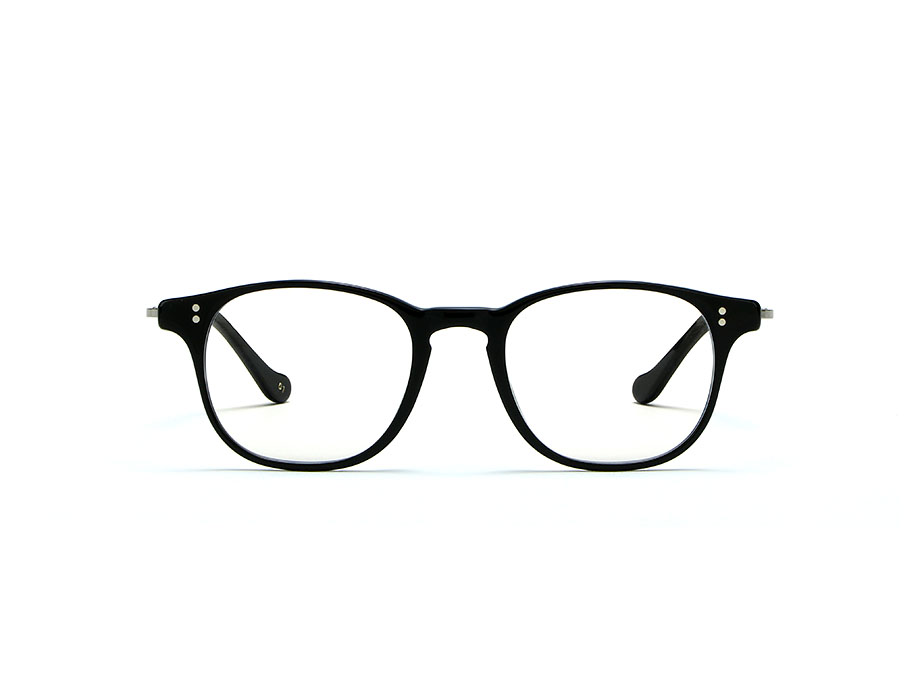
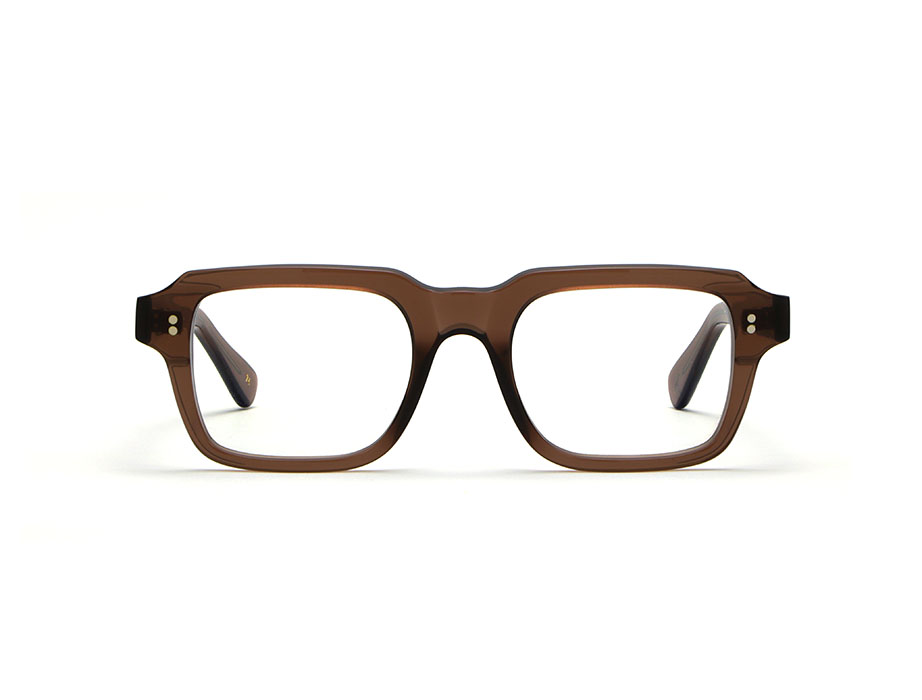
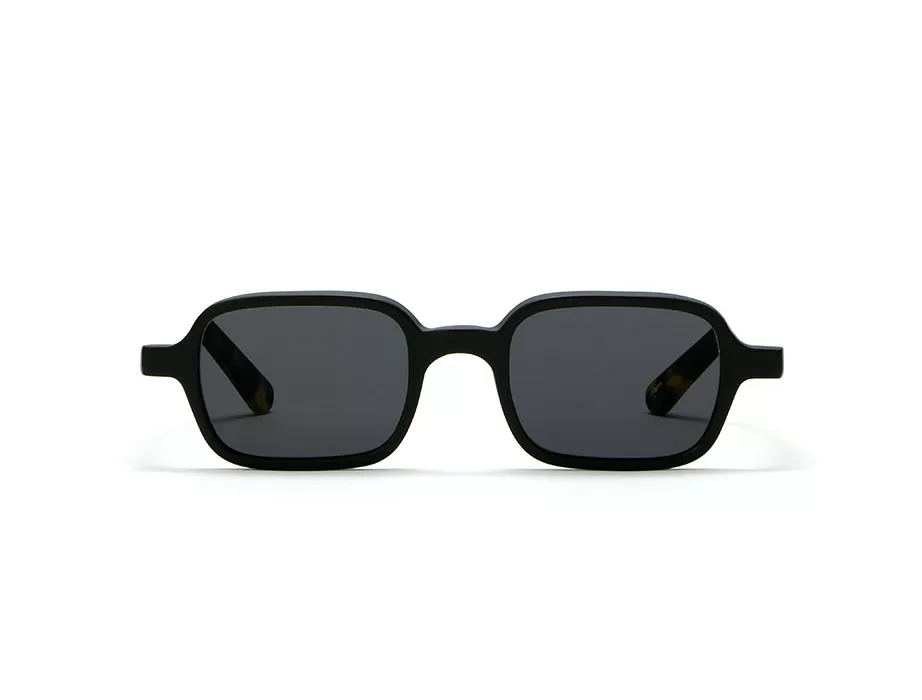
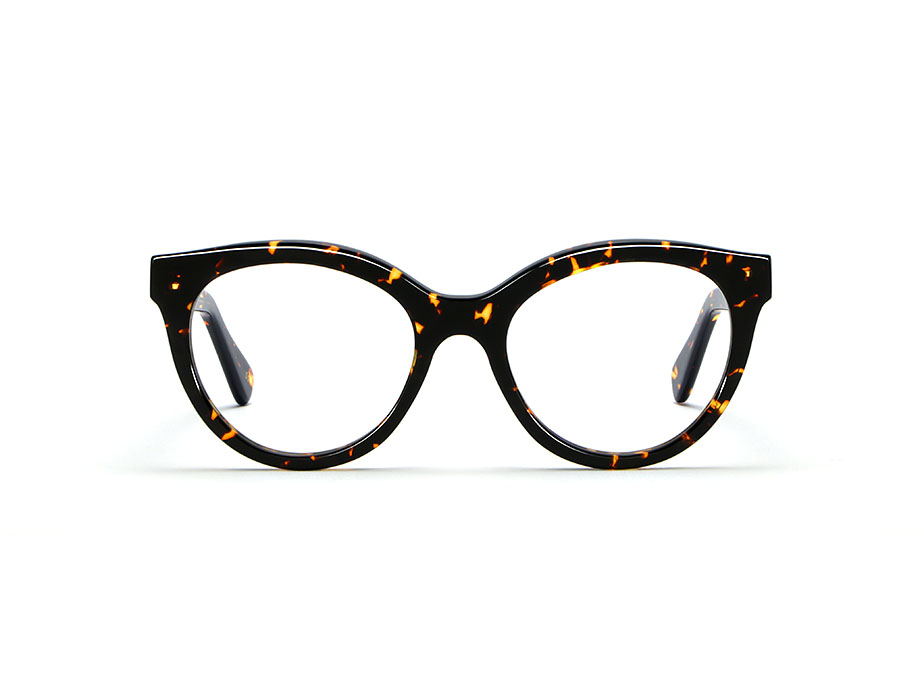
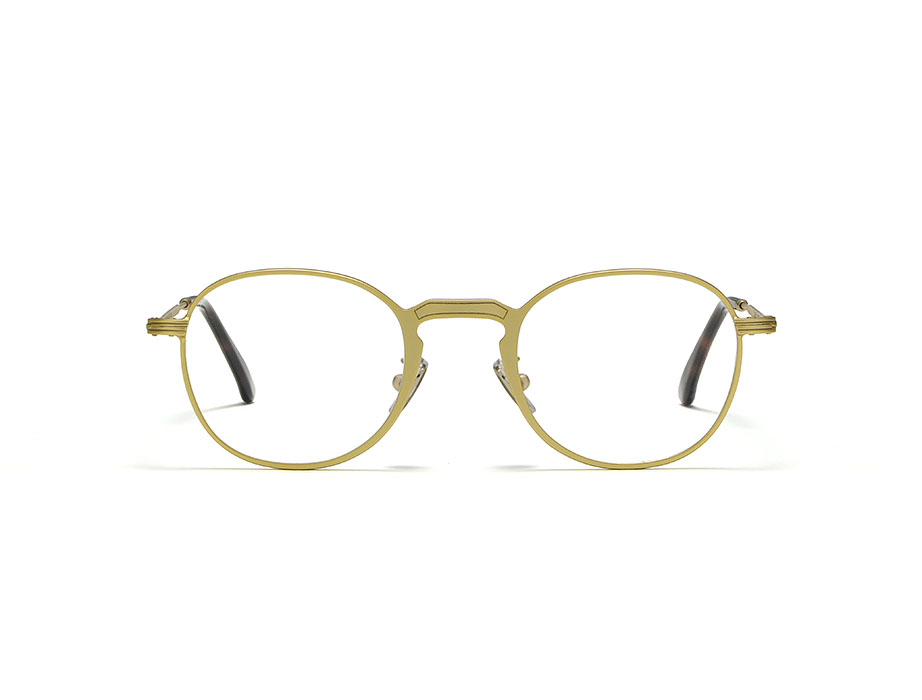
The cost reflects how they are built. Frames are handmade in Italy from cellulose acetate — a material that takes many more manufacturing steps than cheap injection-moulded plastic — and the process includes tumbling, hand-polishing and details like fire-stamped branding pressed with heated brass. Production runs eight to fourteen weeks per pair across three artisanal families who each build a frame from start to finish. You are paying for slow, small-batch Italian craft, not a marketing markup.
What does L.G.R stand for and how did the brand start?+
The initials come from the founder, Luca Gnecchi Ruscone, who revived the brand in 2005. The story begins with his grandfather, Raffaello Bini, who in 1936 opened Foto Ottica Bini in Asmara, then an Italian colony in Eritrea, selling film, cameras and later Italian-made optical frames. Decades later Luca rediscovered vintage sunglasses in his grandfather's old store, tracked down the original makers, and built L.G.R around them.
Where are L.G.R sunglasses made?+
Entirely in Italy, by hand. The brand works with three artisanal families, each of which constructs a frame from scratch using traditional techniques rather than automated lines. That handmade Italian production — complete with hand-polishing and brass-stamped temple branding — is central to the brand's identity and a big part of why each pair takes weeks to complete.
Is the Africa and Eritrea story behind L.G.R real?+
Yes — it is the documented origin of the brand. Founder Luca Gnecchi Ruscone's grandfather, Raffaello Bini, genuinely ran an optician's and photography shop, Foto Ottica Bini, in Asmara, Eritrea, established in 1936. The modern brand grew directly from vintage frames Luca found connected to that shop, which is why L.G.R describes itself as the merging of two worlds: the adventure of Africa and the glamour of the Italian Riviera.
What materials and lenses do L.G.R sunglasses use?+
Frames are built from cellulose acetate, prized because it is durable and flexible and gradually adapts to the wearer's face. Many models are fitted with mineral glass lenses, which are known for optical clarity and scratch resistance. The designs themselves draw on frame shapes from roughly the 1940s through the 1960s, so the look is deliberately vintage while the materials are chosen for longevity.
How should I care for handmade acetate L.G.R frames?+
Because acetate adapts to your face over time, an occasional adjustment by an optician keeps the fit comfortable as the material relaxes. Clean the mineral glass lenses with a microfibre cloth and lens fluid rather than dry-wiping, store the pair in a hard case to protect the hand-finished surfaces, and keep them out of prolonged high heat, which can stress acetate. Treated well, a handmade frame like this is built to last for years.
What inspired L.G.R's frame designs?+
The designs are rooted in vintage Italian eyewear, specifically frame styles from around the 1940s to the 1960s, echoing the pairs the founder discovered through his grandfather's old shop. That heritage gives the collection its timeless, classic-Mediterranean character. The brand pairs those archival silhouettes with present-day handmade construction, which is how it bridges genuine vintage feeling and modern wearability.
L.G.R vs other handmade Italian eyewear — how does it stand out?+
Plenty of premium eyewear is made in Italy, but L.G.R's distinction is its small-batch, family-craft model — three artisanal families building frames individually over weeks — wrapped in a specific, verifiable heritage story tied to 1930s Asmara. Compared with larger Italian houses that produce at scale, L.G.R trades volume and ubiquity for individuality and provenance. Buyers drawn to a frame with a real backstory and slow craft tend to choose it for exactly that reason.
Are L.G.R sunglasses unisex, and how do they fit?+
The collection draws on classic vintage silhouettes that many wearers find work across genders, though fit ultimately comes down to the individual model and your face shape. Because acetate softens and conforms over time, a frame that feels slightly firm at first will usually settle in with wear, and an optician can fine-tune it. As with any premium frame, checking the listed lens and bridge measurements against a pair you already wear is the surest way to gauge fit before buying.