Is Lovisa jewellery good quality, and does it tarnish?+
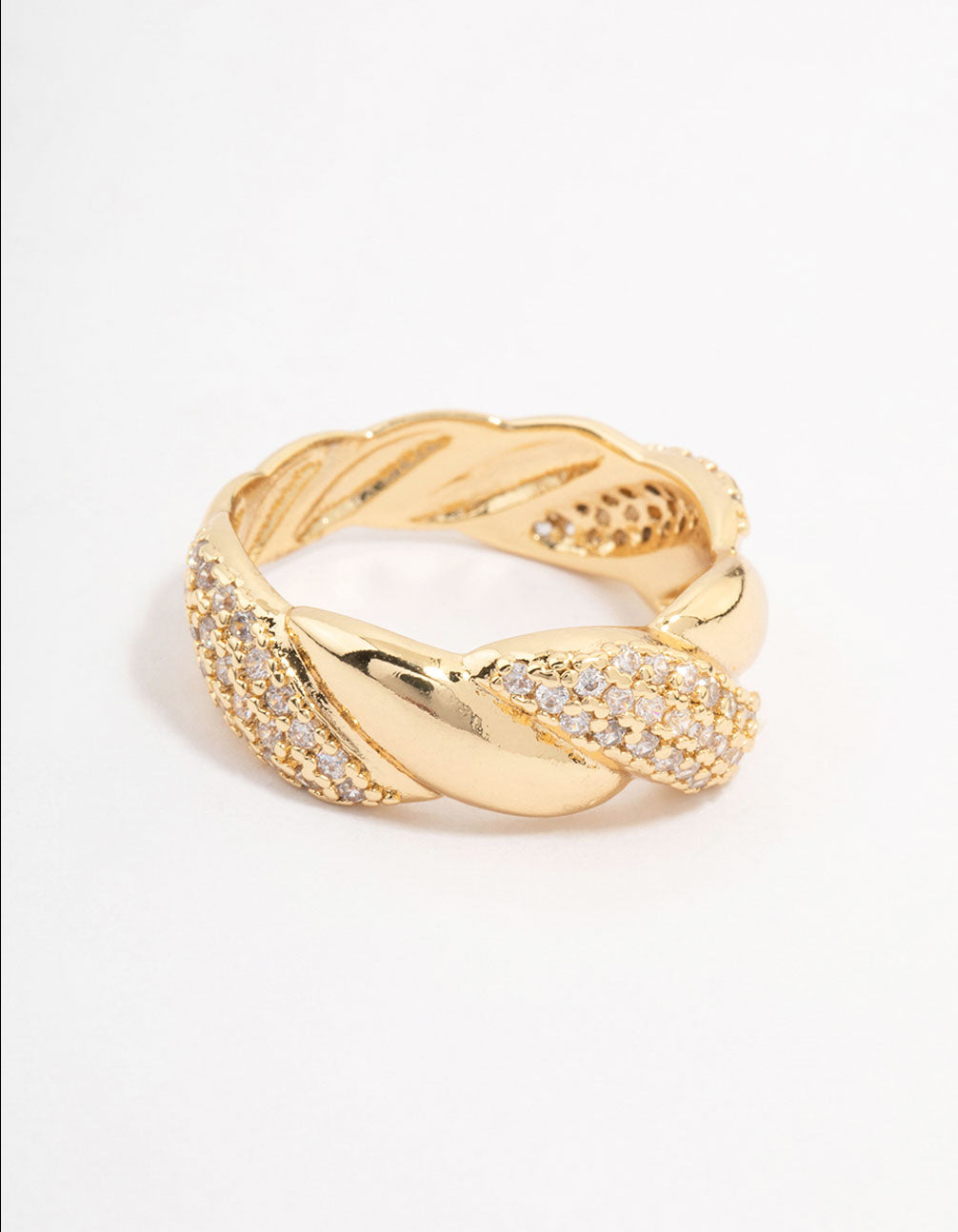
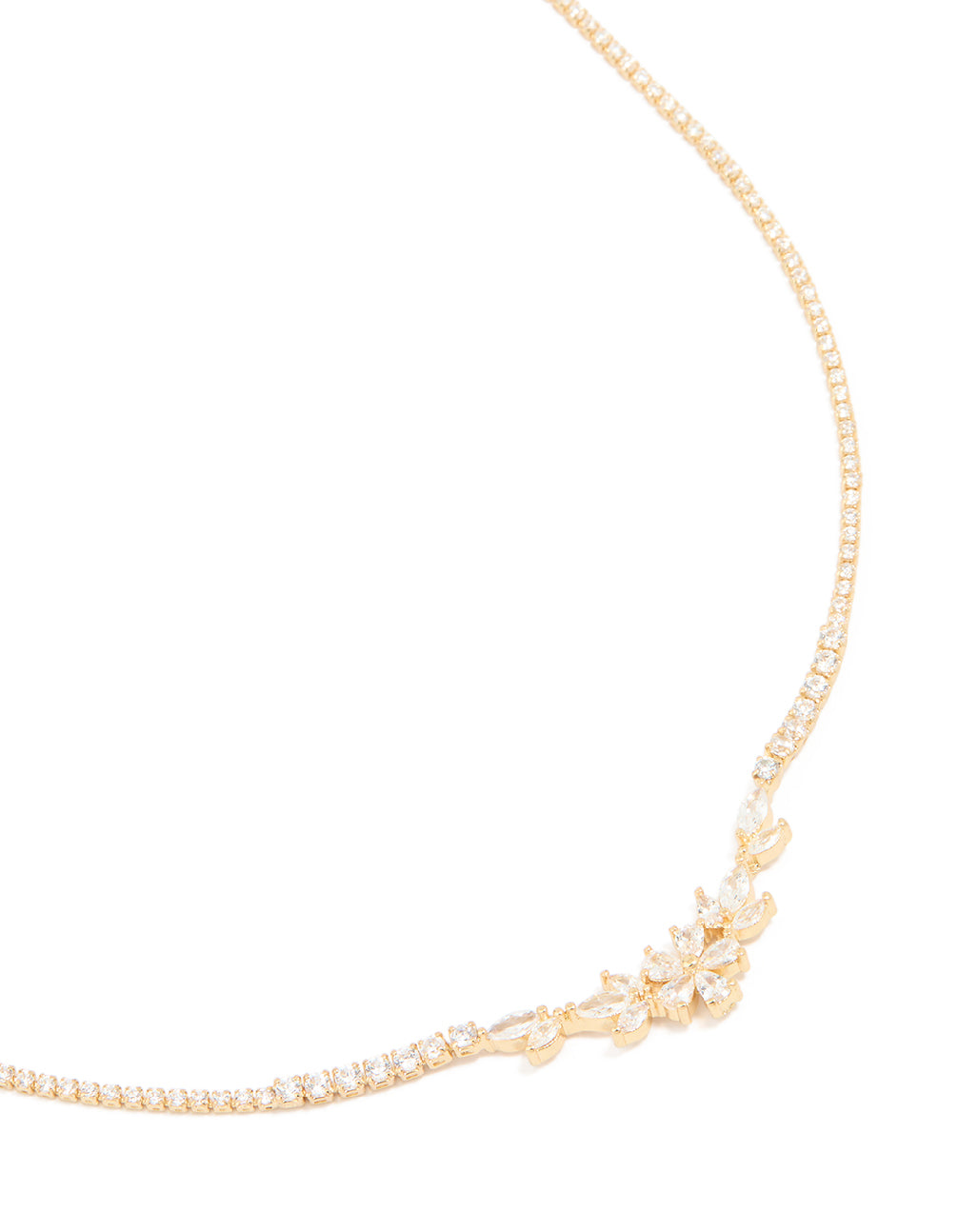
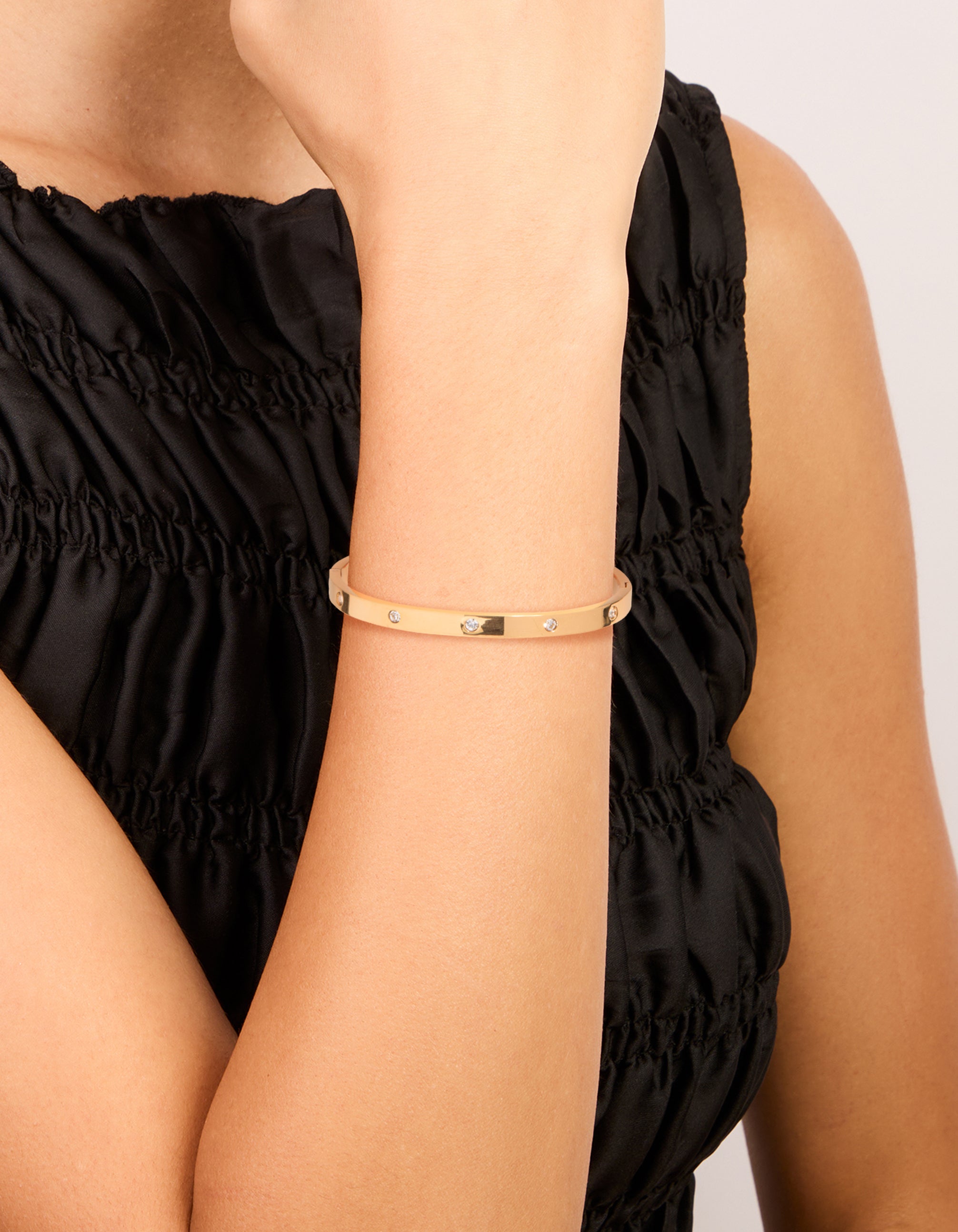
Set expectations to match what Lovisa is: an affordable fast-fashion jewellery chain, not fine jewellery. Many shoppers love the on-trend designs and prices, while a common complaint is that plating can tarnish or fade with regular wear, especially around water. Treat pieces as fashion accessories, keep them dry, and you will get more life out of them.
Is Lovisa worth it?+
For trend-led earrings, necklaces and hoops that you want to refresh often without spending much, Lovisa hits the brief. The value is in fast-moving fashion at low prices rather than longevity, so it is ideal for statement pieces of the moment. If you want something to keep for years, fine jewellery is the better spend.
Why is Lovisa so popular?+
Lovisa offers a contemporary, grown-up take on affordable jewellery, which has helped it pull ahead of more childhood-coded mall rivals. Its fast-fashion model means the ranges turn over quickly, so there is always something new and on-trend. That mix of mature styling and ready-to-wear prices is exactly what its younger shoppers respond to.
How does Lovisa compare to other mall jewellery chains?+
Compared with the older, more youthful mall jewellery shops, Lovisa reads as more contemporary and a touch more sophisticated, which is a big part of its appeal. Both occupy the affordable, fast-fashion end of the market, so quality is broadly comparable, but Lovisa's styling skews more current. Shoppers chasing the latest looks tend to gravitate to it.
Which Lovisa pieces should I buy first?+
Earrings are the natural entry point, since hoops and studs are the heart of the range and the easiest way to try a trend cheaply. A pair of statement earrings or a layering necklace gives the most impact for the money. Treat them as of-the-moment additions and rotate as styles change.
Where can I buy Lovisa?+
Lovisa runs its own stores worldwide; as of July 2025 it had 1,024 stores across more than 50 countries, including Australia, New Zealand, Malaysia, Singapore, South Africa, France, Canada, Peru and the United States, plus franchised stores in the Middle East and Vietnam. Buying in one of its own boutiques or its official channels is the standard route. The wide footprint means there is often a store nearby in major markets.
Where and when did Lovisa start?+
Lovisa is an Australian jewellery chain founded in Sydney in April 2010. It was launched by Australian billionaire Brett Blundy, the former chairman of BB Retail Capital, with Shane Fallscheer as managing and executive director. The concept was envisioned as an extension of BBRC's existing jewellery brand, Diva.
Who owns Lovisa?+
Lovisa was launched by Brett Blundy through his private investment company BB Retail Capital, in partnership with Shane Fallscheer. The company, Lovisa Holdings Limited, had its initial public offering on the Australian Securities Exchange in December 2014, so it is a publicly listed business. That listing followed the closure or conversion of the remaining Diva stores that same year.
What is Jewells, the newer Lovisa brand?+
In 2025 Lovisa launched an upmarket jewellery brand in the UK called Jewells, and as of July 2025 there were seven Jewells stores there. It sits above the core Lovisa range, signalling a move into a more elevated end of the market. It is a distinct chain from the everyday Lovisa stores.
How has Lovisa expanded internationally?+
Beyond organic growth, Lovisa expanded through acquisition: in November 2020 it bought part of German wholesaler Beeline GmbH's European network, 74 stores trading as Six and I Am across Germany, Switzerland, the Netherlands, Belgium, Austria and Luxembourg, then acquired Beeline's 30 stores in France that December, rebranding them as Lovisa. In 2023 it opened a 5,000-square-metre warehouse in Poland to handle European logistics in-house. That string of moves built out its European presence quickly.
Has Lovisa faced any controversy?+
Yes. Following a 2021 investigation by New Zealand's Labour Inspectorate, Lovisa paid NZ$153,190 in wage arrears to employees. Belgian staff went on strike in January and July 2022 over pay and conditions, with Dutch employees also taking action that July, and in January 2025 a class action involving more than 300 former Australian employees was filed, accusing the company of underpayment and a hostile work environment.