−23%
The pink beauty fluid that crossed the world — from a Durban chemist's bottle to a P&G billion-dollar brand.
Real verified markdowns across 3 retailers — filter by category, retailer & price. Heart anything to track its price.
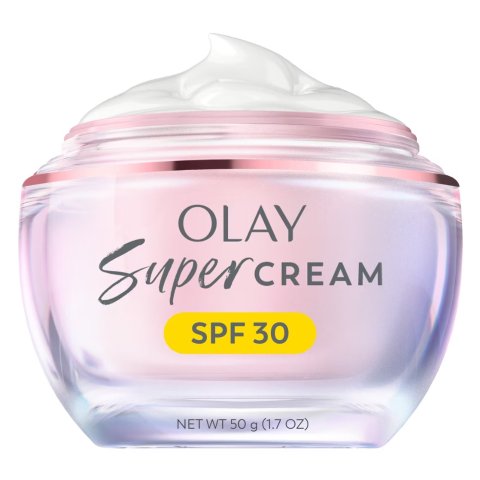
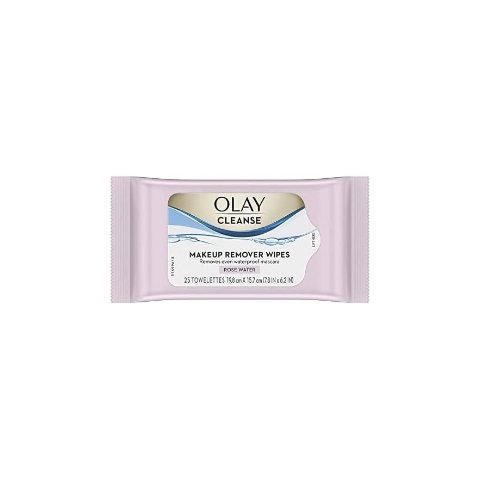
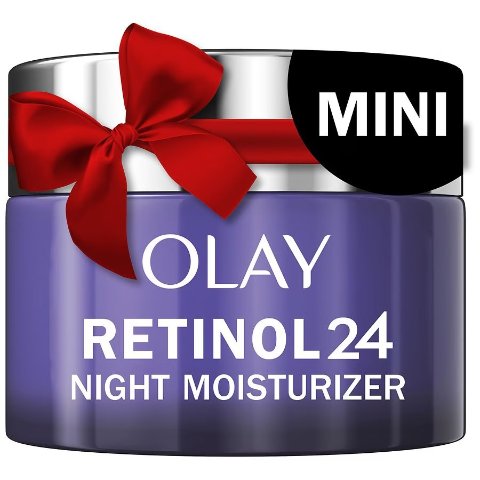
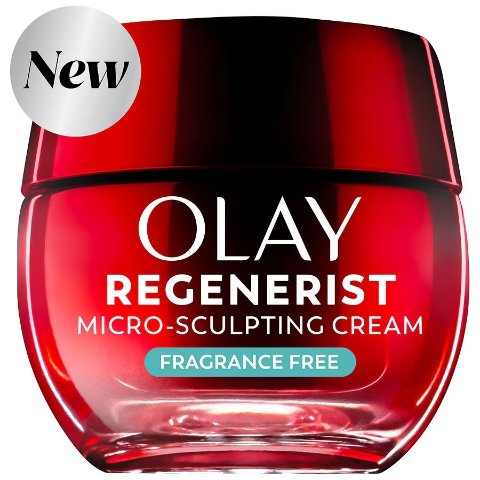
Wulff and marketing partner Jack Lowe sold it not as a moisturiser but as a secret — print ads promised "a younger looking you" without ever saying what the bottle did. As it travelled, the name shifted to suit each market: Oil of Ulay in Britain and Ireland, Oil of Ulan in Australia, Oil of Olaz across much of Europe.
Procter & Gamble acquired the brand in 1985 and unified it worldwide as Olay in 1999. By 2013 it had become P&G's thirteenth billion-dollar brand, its range grown to cleansers, creams and body care built on ingredients like niacinamide and retinyl propionate.
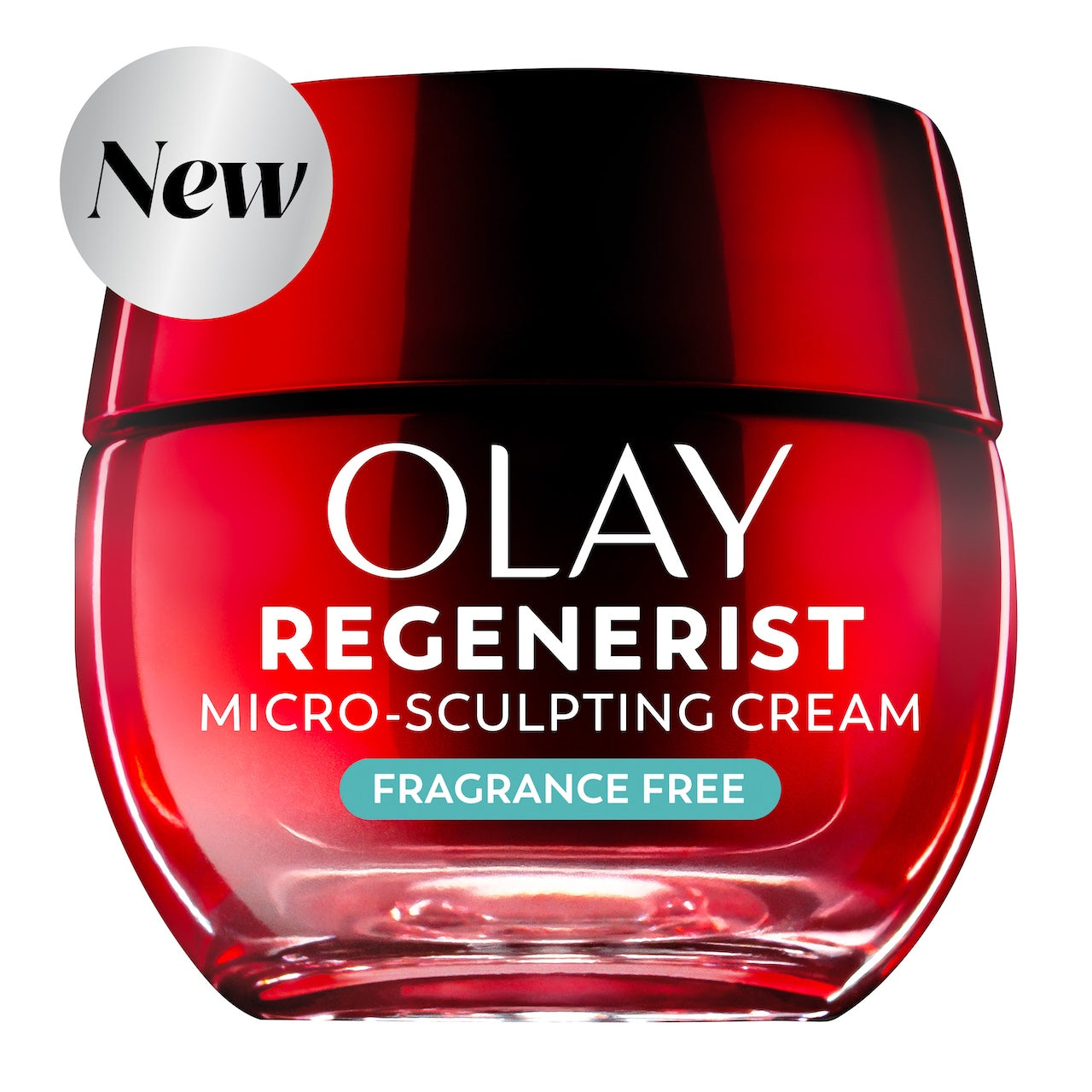
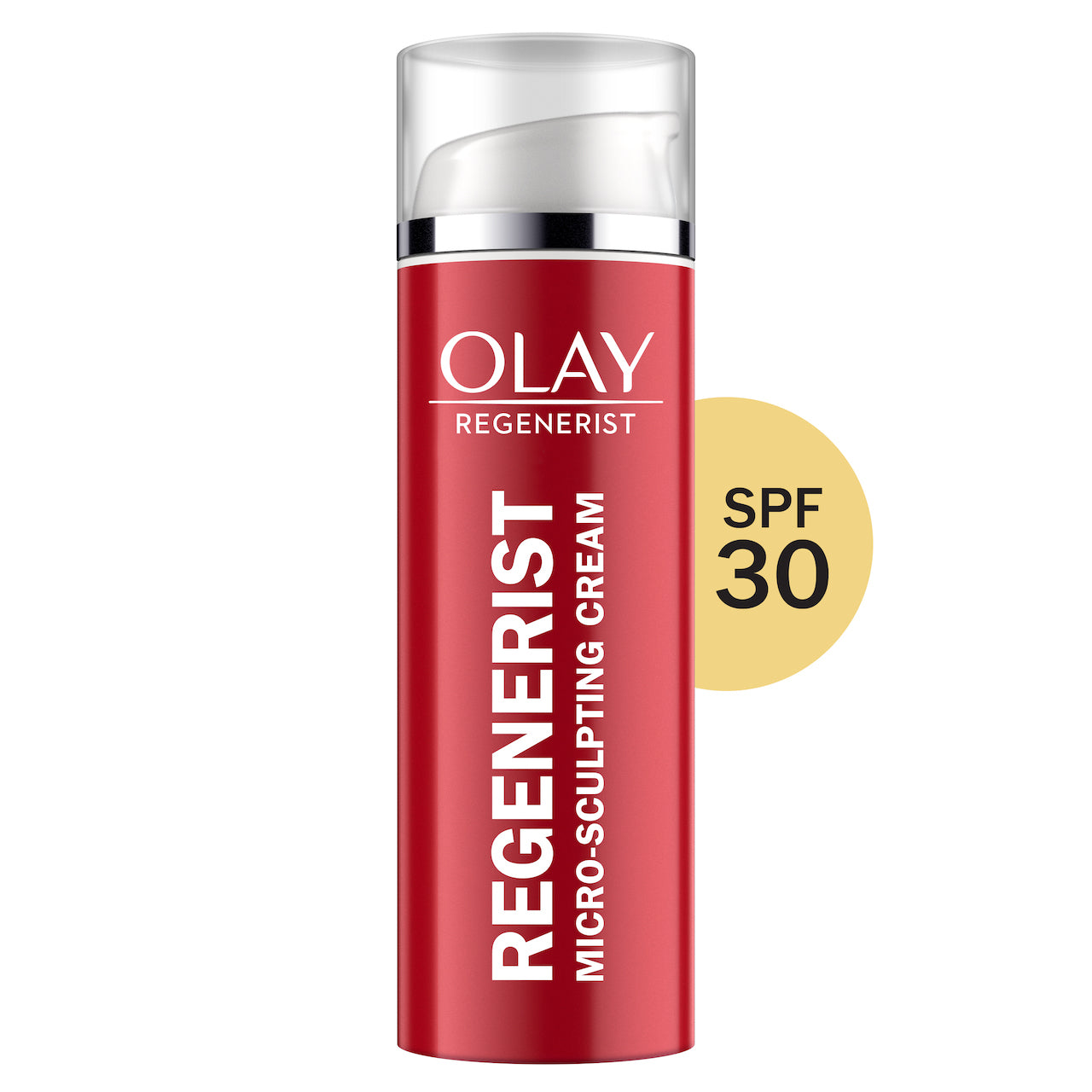
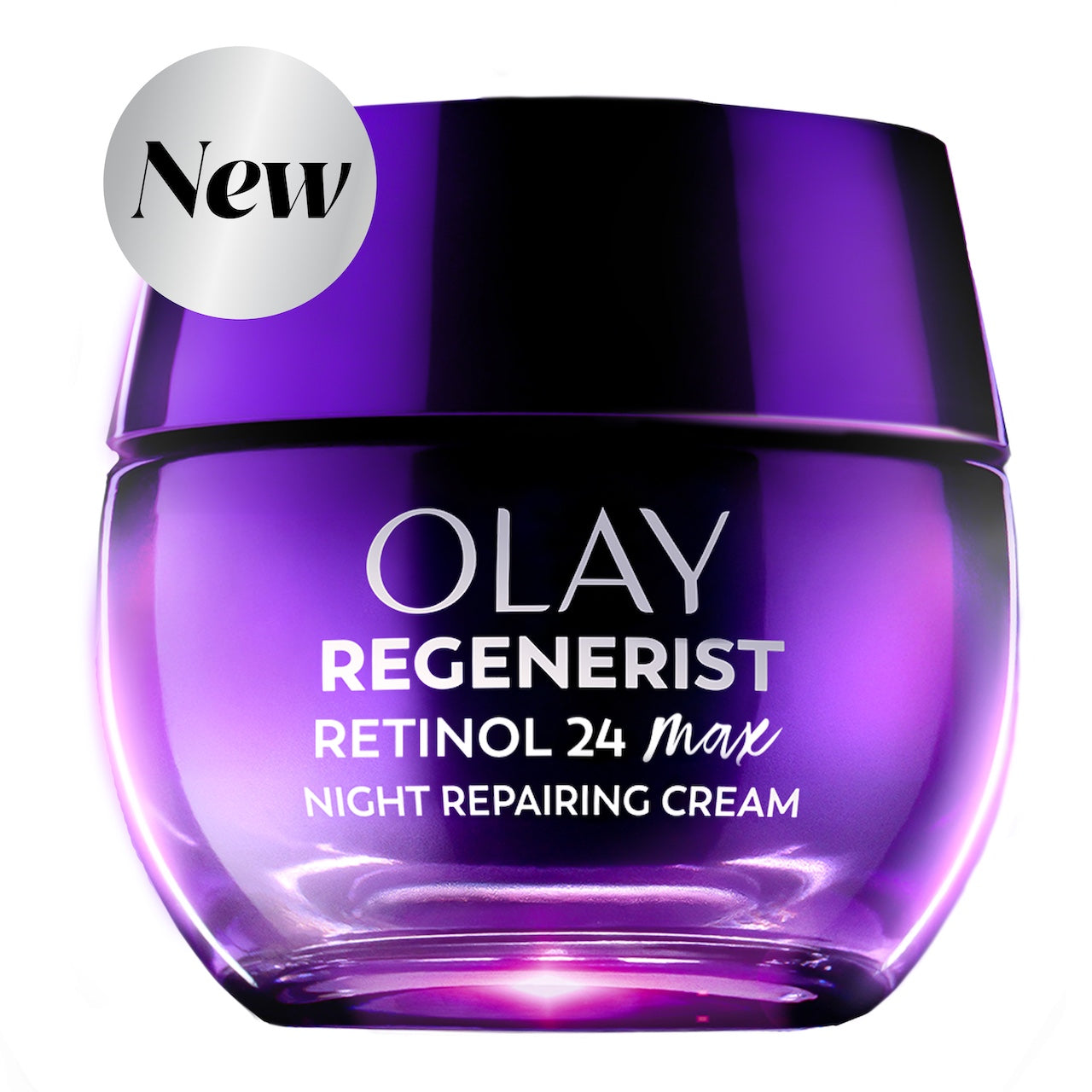
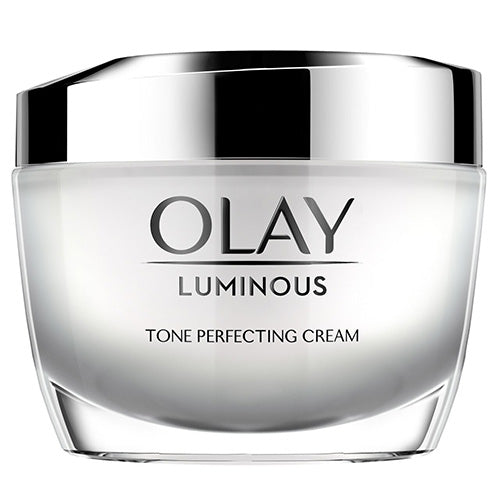
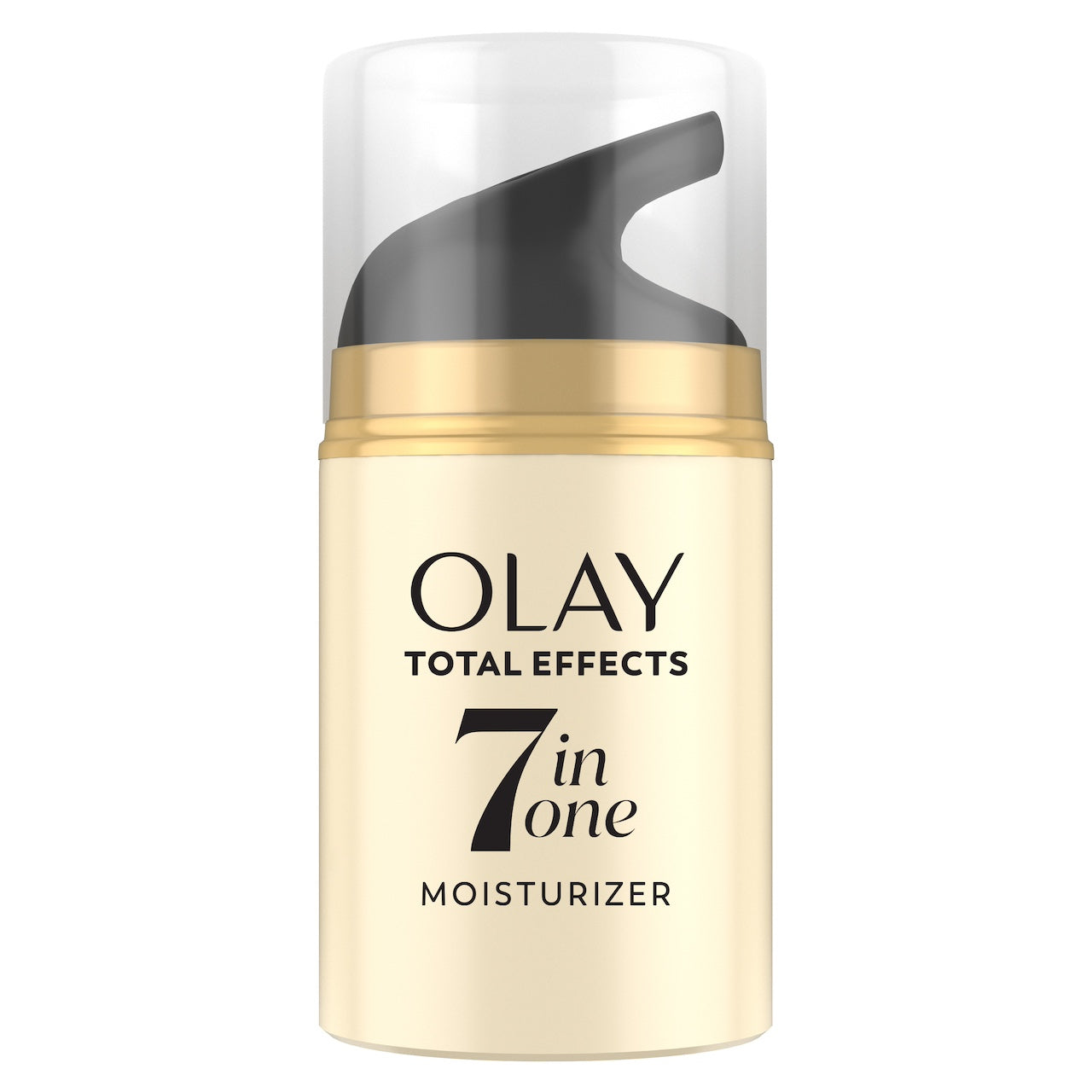
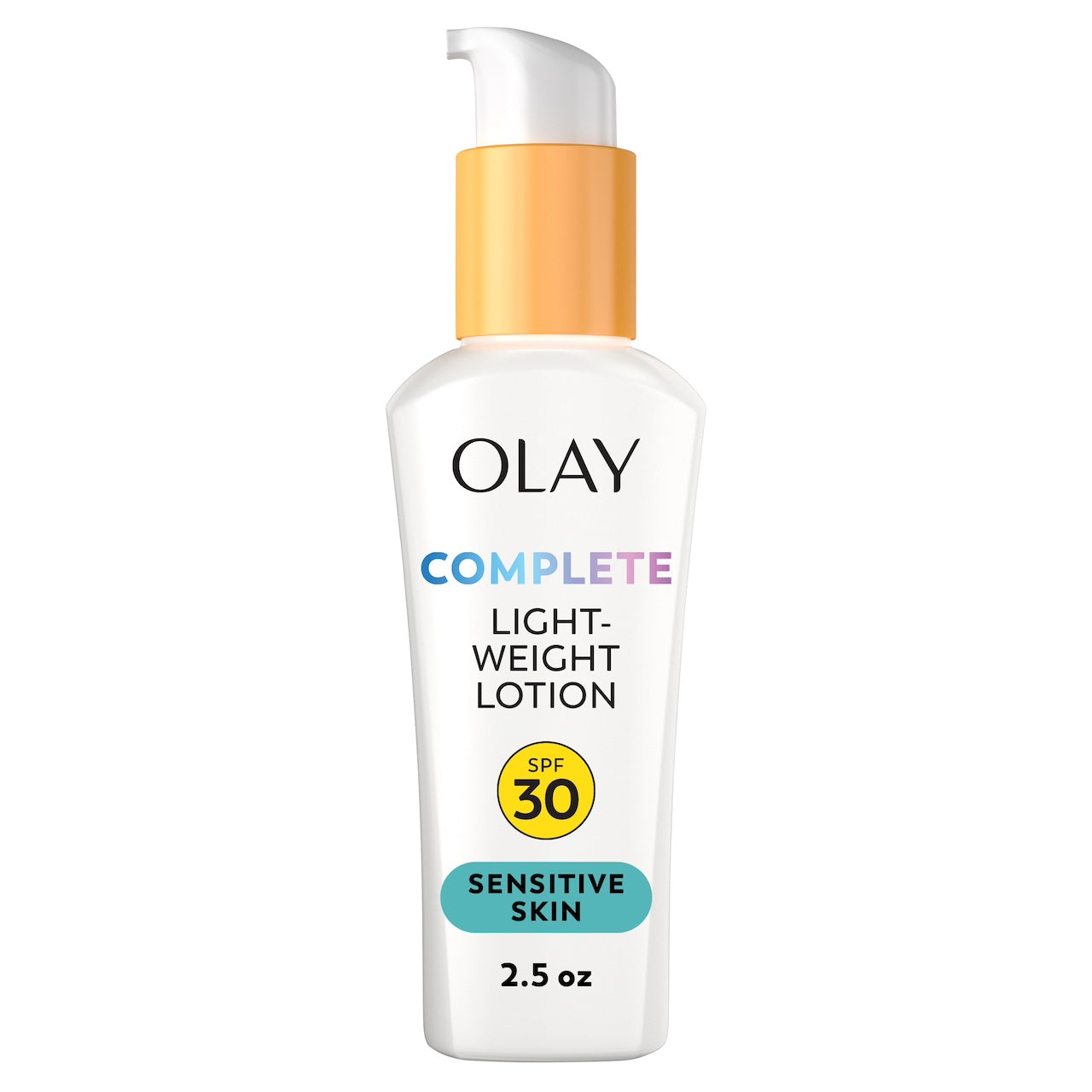
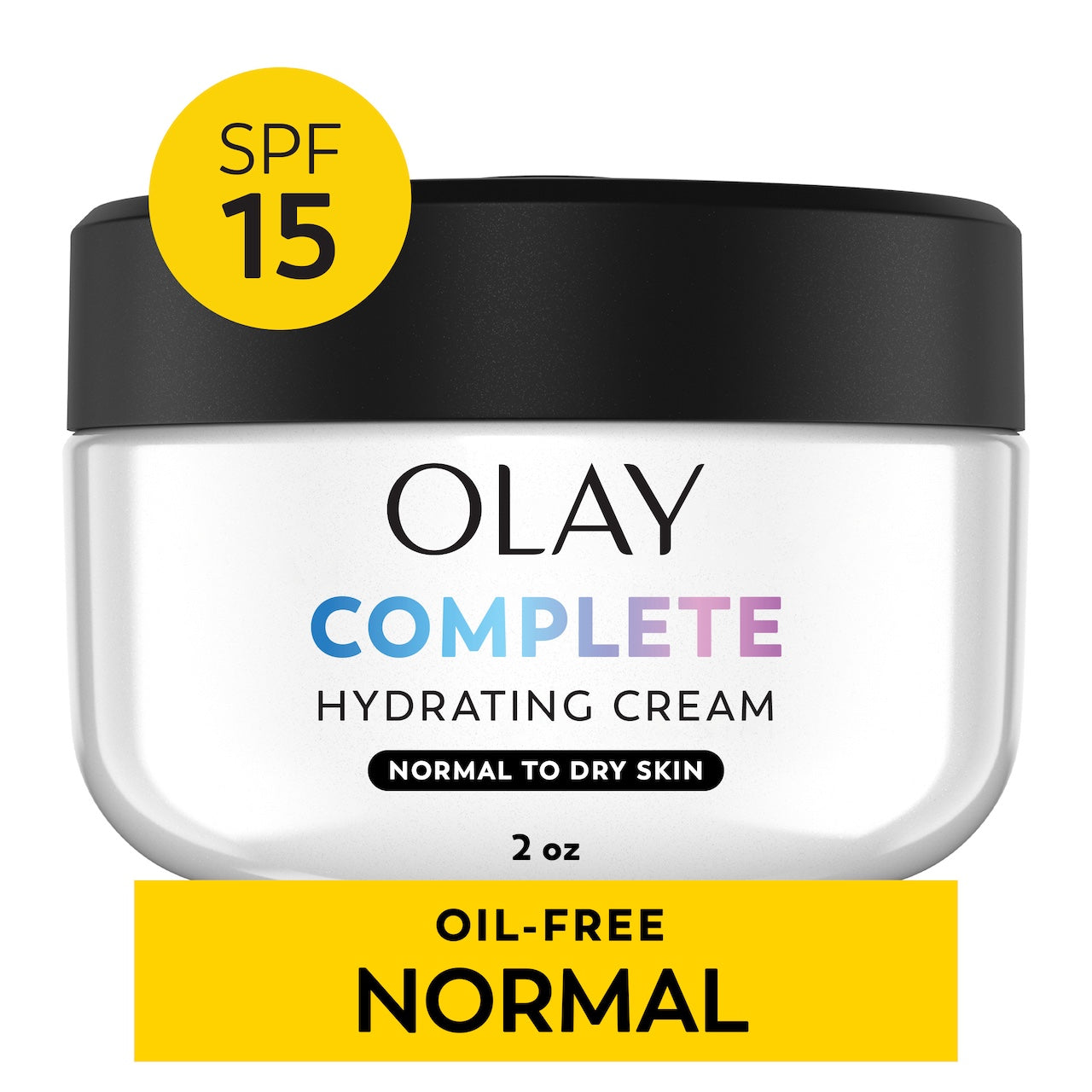
Tap any category to shop every Olay deal in it.
Same authentic Olay, different prices & codes. We watch all of them so you don't have to tab-hop.

quick15
Store codes that stack on Olay orders — re-tested in the last few hours. Tap to reveal, copy without leaving the page.
Same quiet-luxury, craft-first sensibility — follow any to widen your alerts.




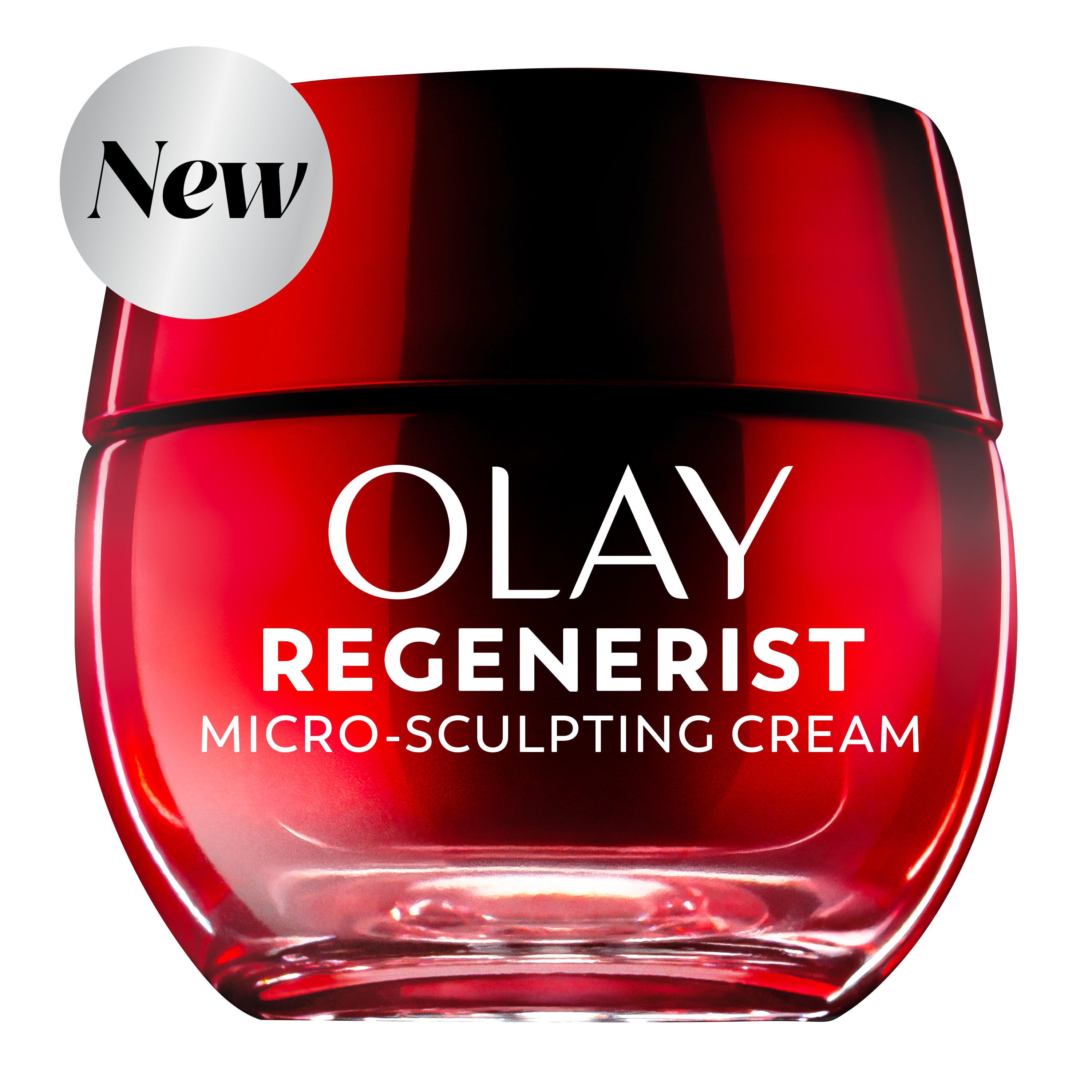
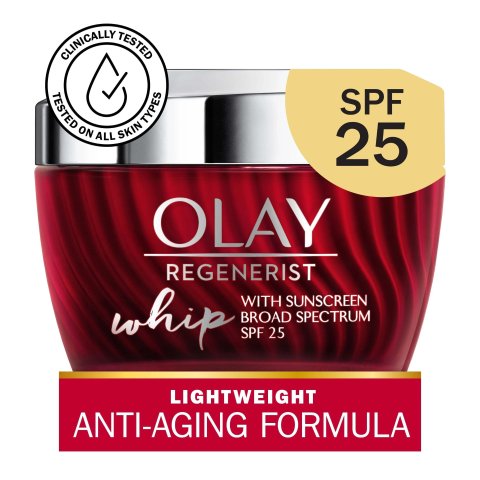
For a drugstore line, Regenerist earns its loyal following. Its formulas lean on amino peptides and niacinamide (vitamin B3), two of the ingredients Olay leans on across its range, to firm and smooth over time. Treat it as a patient, everyday investment rather than an overnight fix, and most people find it punches above its price.
If your main concern is firmness and the look of deeper lines, Regenerist is the more targeted anti-ageing route. Total Effects is the gentler multi-tasker for general radiance and early signs of ageing. Many people begin with Total Effects and graduate to Regenerist as their concerns sharpen.
Both sit in the accessible, science-backed tier rather than the luxury one. Olay built its name on anti-ageing, with Regenerist as its flagship, while Neutrogena spreads across a broader span of skin concerns. If firming and line-smoothing are your priority, Olay is the more single-minded choice.
The brand is best known today for its Regenerist moisturisers, but its whole story began with one hero: Oil of Olay, a pink beauty fluid in a heavy glass bottle. That original formula is the ancestor of everything Olay sells now.
Across its skincare line Olay reaches for a recognisable toolkit: niacinamide (vitamin B3), amino peptides, retinyl propionate (a vitamin A derivative), glycerin, broad-spectrum sunscreen and coconut oil. It is a workhorse set of ingredients rather than anything exotic, which is part of the brand's value appeal.
It started as Oil of Olay, and founder Graham Wulff chose the word as a spin on lanolin, a key ingredient in his formula. The early advertising never even said what the product did, instead promising readers the "secret of a younger looking you."
Olay began in South Africa in 1952 as Oil of Olay, created by Graham Wulff (1916–2008), a former Unilever chemist from Durban. So although it is now an American brand, its roots are South African and its history stretches back over seventy years.
As the brand went international, each market got a name tuned to sound right locally. It was Oil of Ulay in the UK and Ireland, Oil of Ulan in Australia, and Oil of Olaz in France, Germany, Italy and the Netherlands. In 1999 the owner unified most of these into the single global name Olay.
Olay is owned by Procter & Gamble, the American consumer-goods giant, which acquired it in 1985. It became one of P&G's billion-dollar brands in 2013, so it sits among the company's most important names.
Not by positioning, and that is rather the point. Olay is a mass-market, drugstore-priced brand that has long pitched itself on delivering visible results without a prestige price tag. Its appeal is accessible effectiveness rather than exclusivity.
Olay is sold widely through pharmacies, supermarkets and major retailers, plus the brand's official site. Sticking to established sellers is the simplest way to be sure you are getting the real formula rather than an old or counterfeit batch.