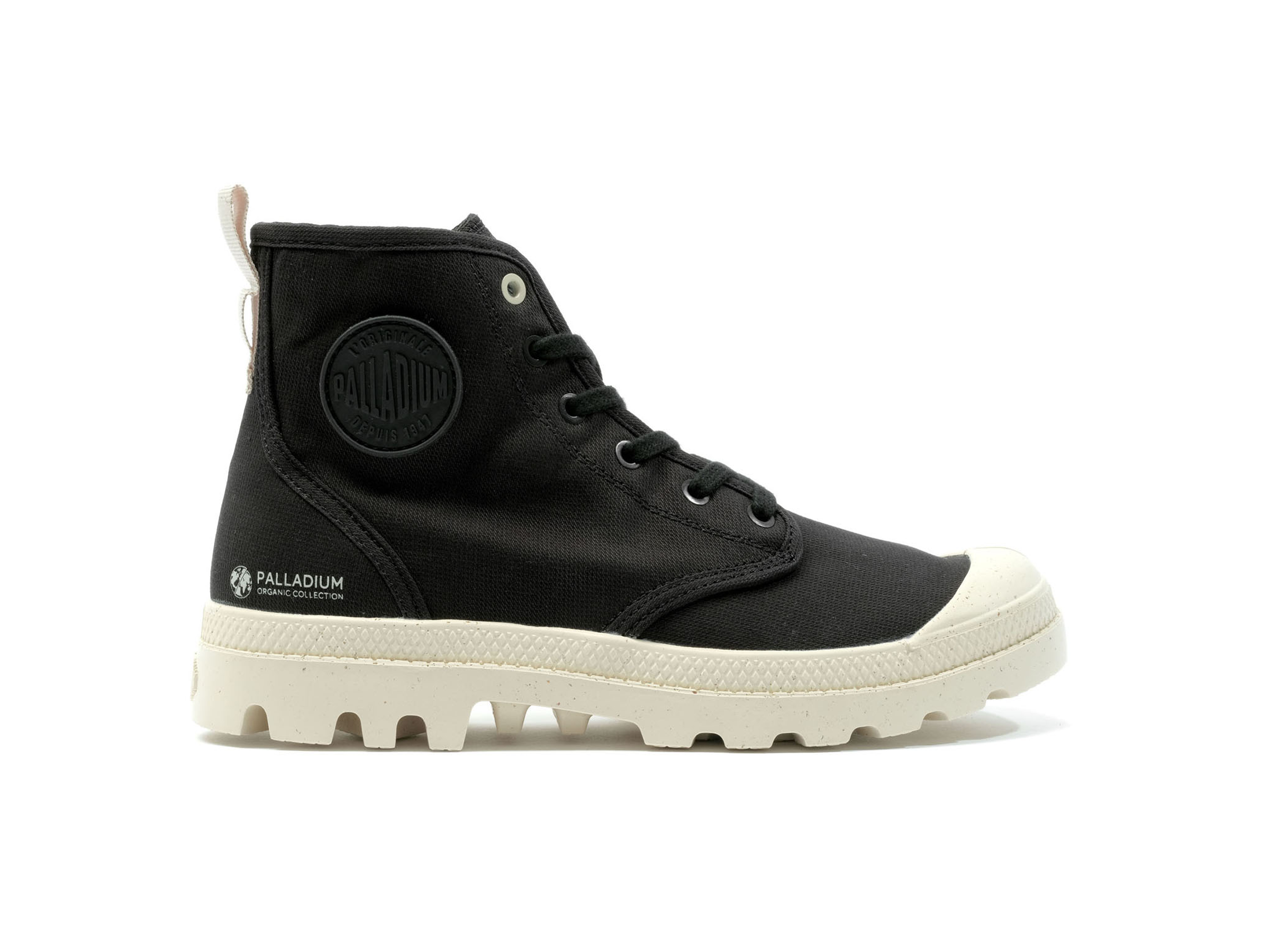
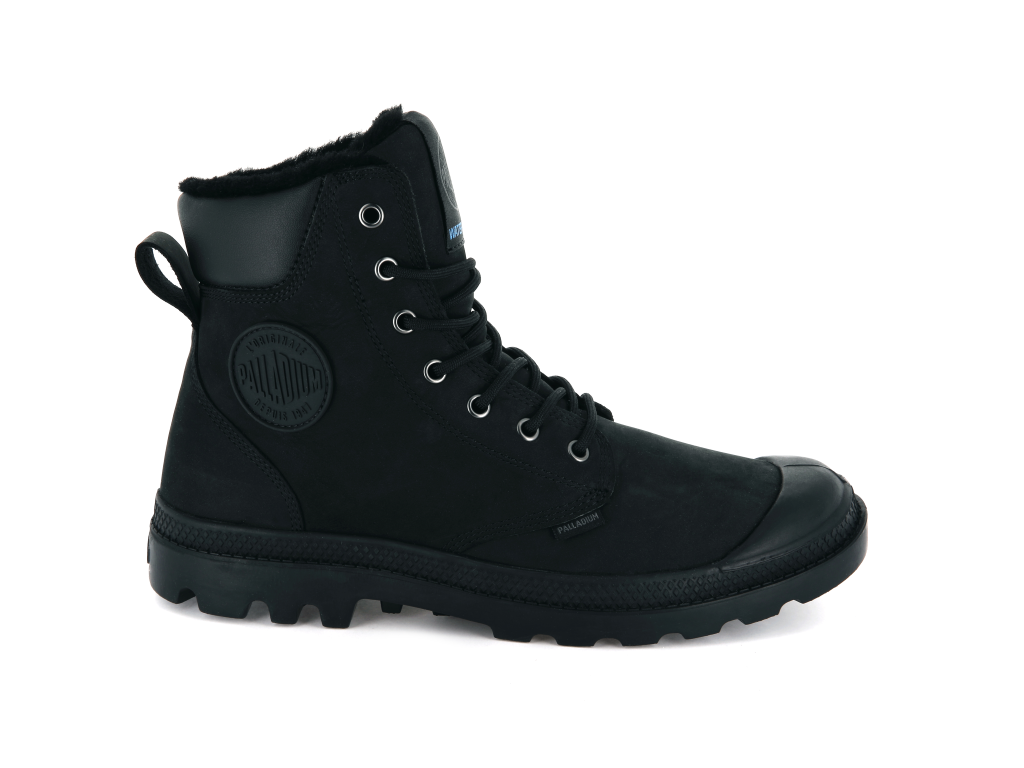
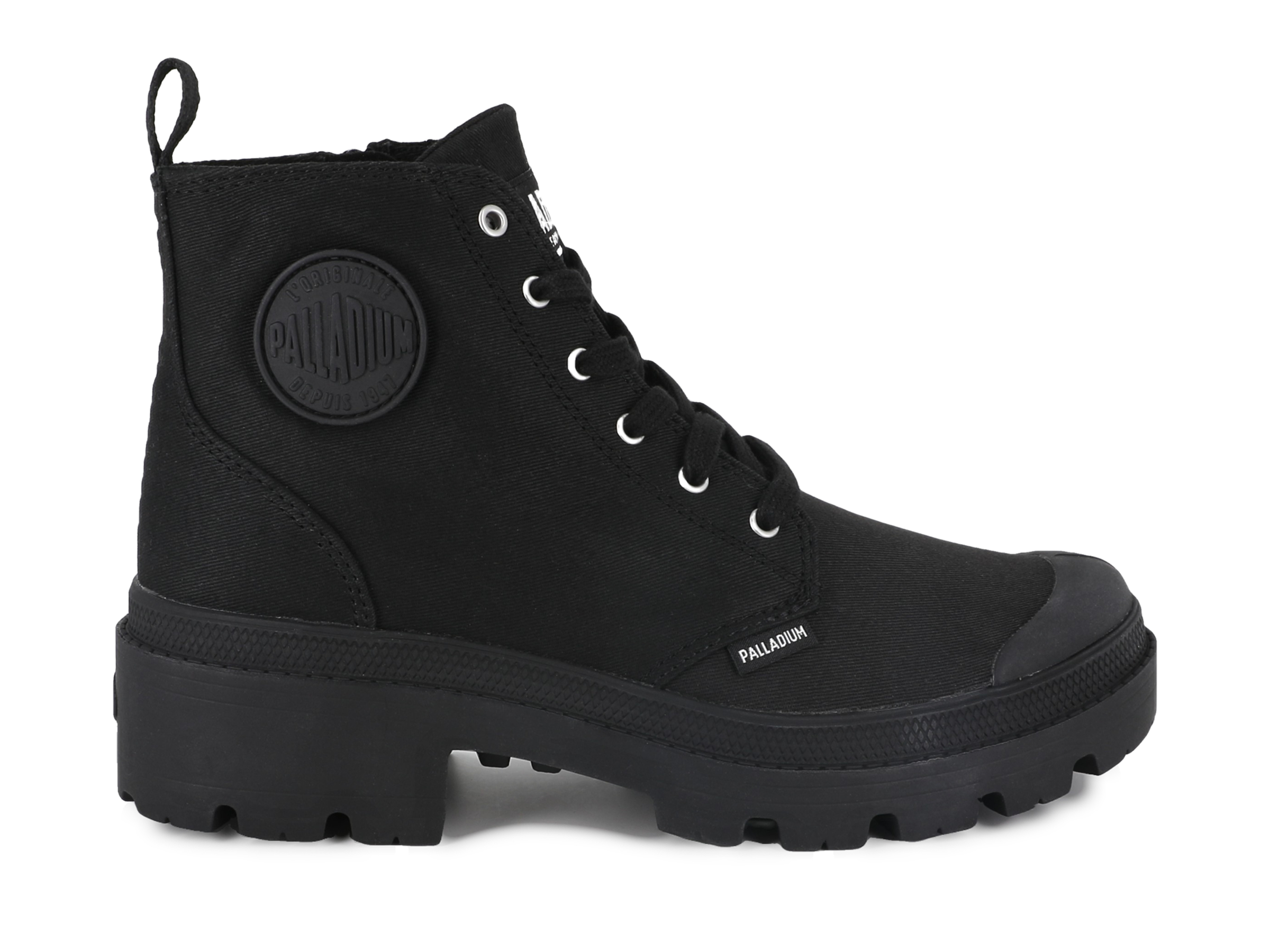
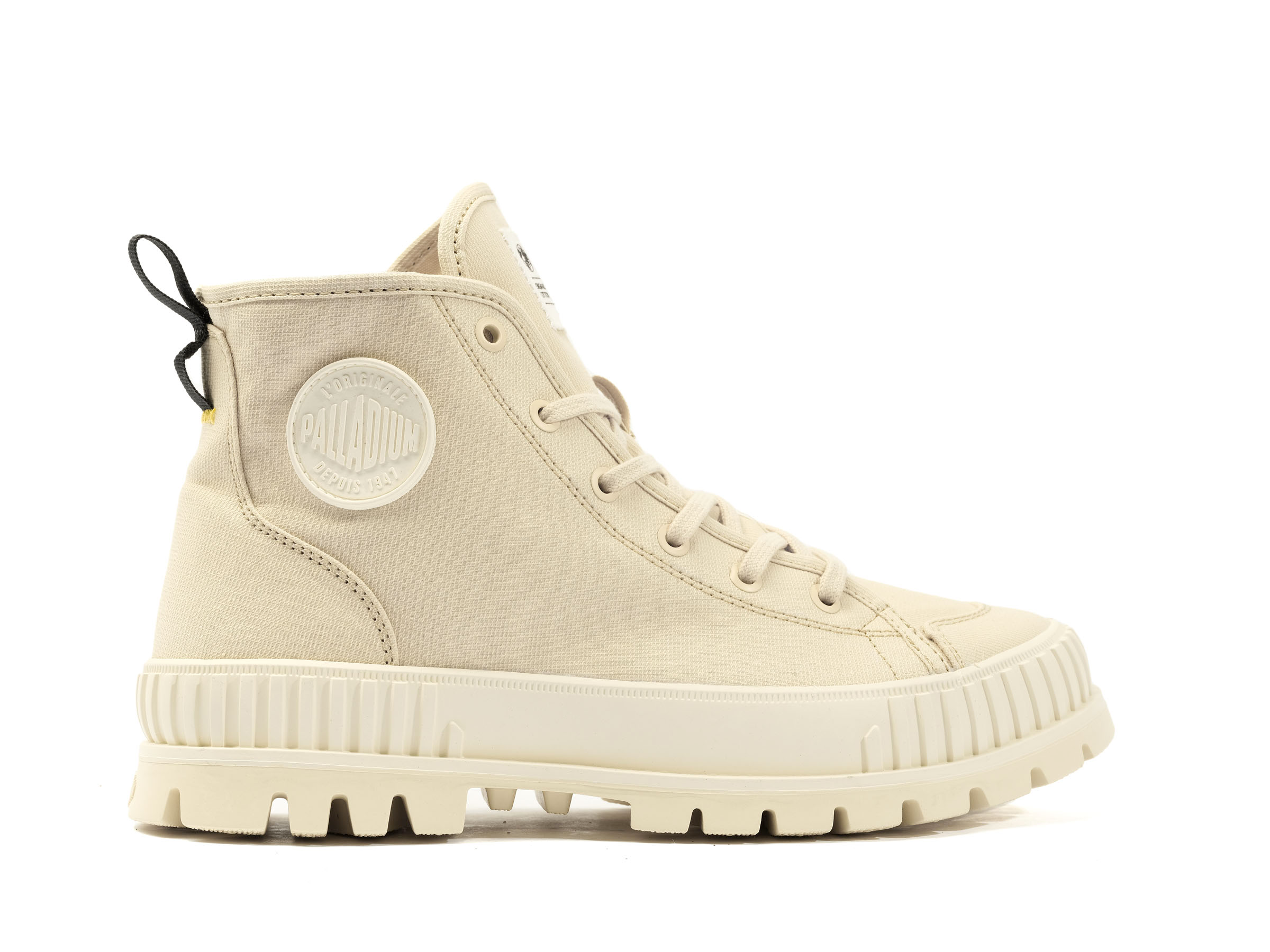
Are Palladium Pampa boots worth it?+
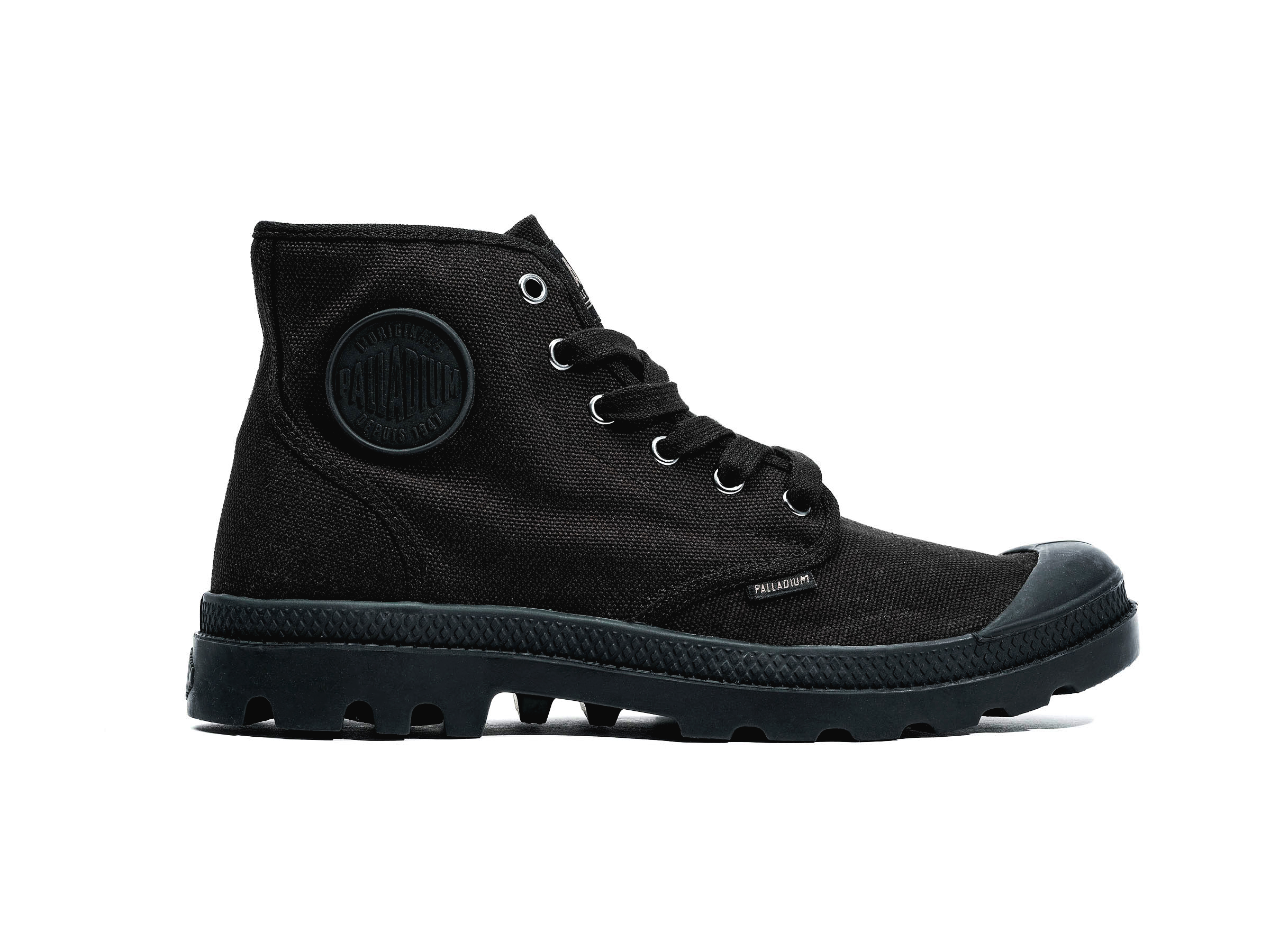
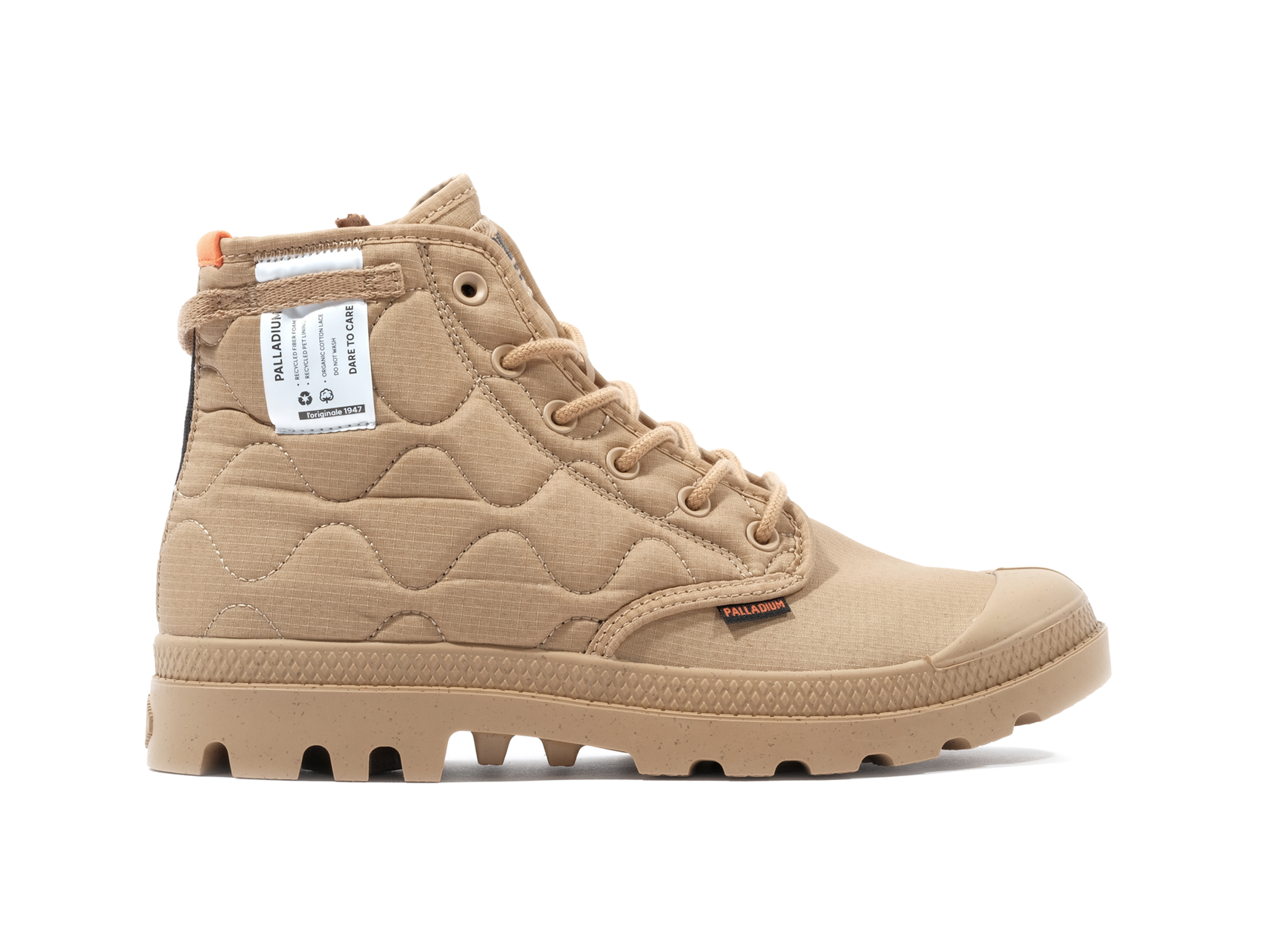
For a canvas boot, the Pampa is widely seen as strong value, offering a streetwear-meets-military look that is light and comfortable to wear. It is not a hand-welted lifetime work boot, and it is built for the city and light terrain rather than serious climbing, so judge it on those terms. If you want a rugged, characterful casual boot with genuine heritage behind it, the Pampa earns its keep.
Are Palladium boots good quality?+
Palladium has a long reputation for lightweight cotton canvas boots that pair durability with style. The construction is well regarded for the category, with sturdy canvas and a tough sole, though it sits in the everyday-casual tier rather than the premium handmade work-boot world. Look after the canvas and you can expect solid, dependable wear.
How does the Palladium Pampa compare to Converse?+
The two share an origin story, since both grew out of rubber factories that branched into footwear, but the Pampa is the more rugged proposition. Palladium leaned into boots during and after the Second World War, and the Pampa's canvas upper is generally seen as sturdier and more substantial than a Converse high-top. Think of it as a tougher, more boot-like cousin to a canvas sneaker, with sizing that can differ, so check the fit.
Which Palladium boot should I buy first?+
Start with the boot that defines the brand: the Pampa. It is Palladium's signature silhouette, originally released in 1949 for French paratroopers and given a modern reinterpretation in 2017. It captures the lightweight canvas look the label is known for and is the most natural introduction to the range.
What is Palladium best known for making?+
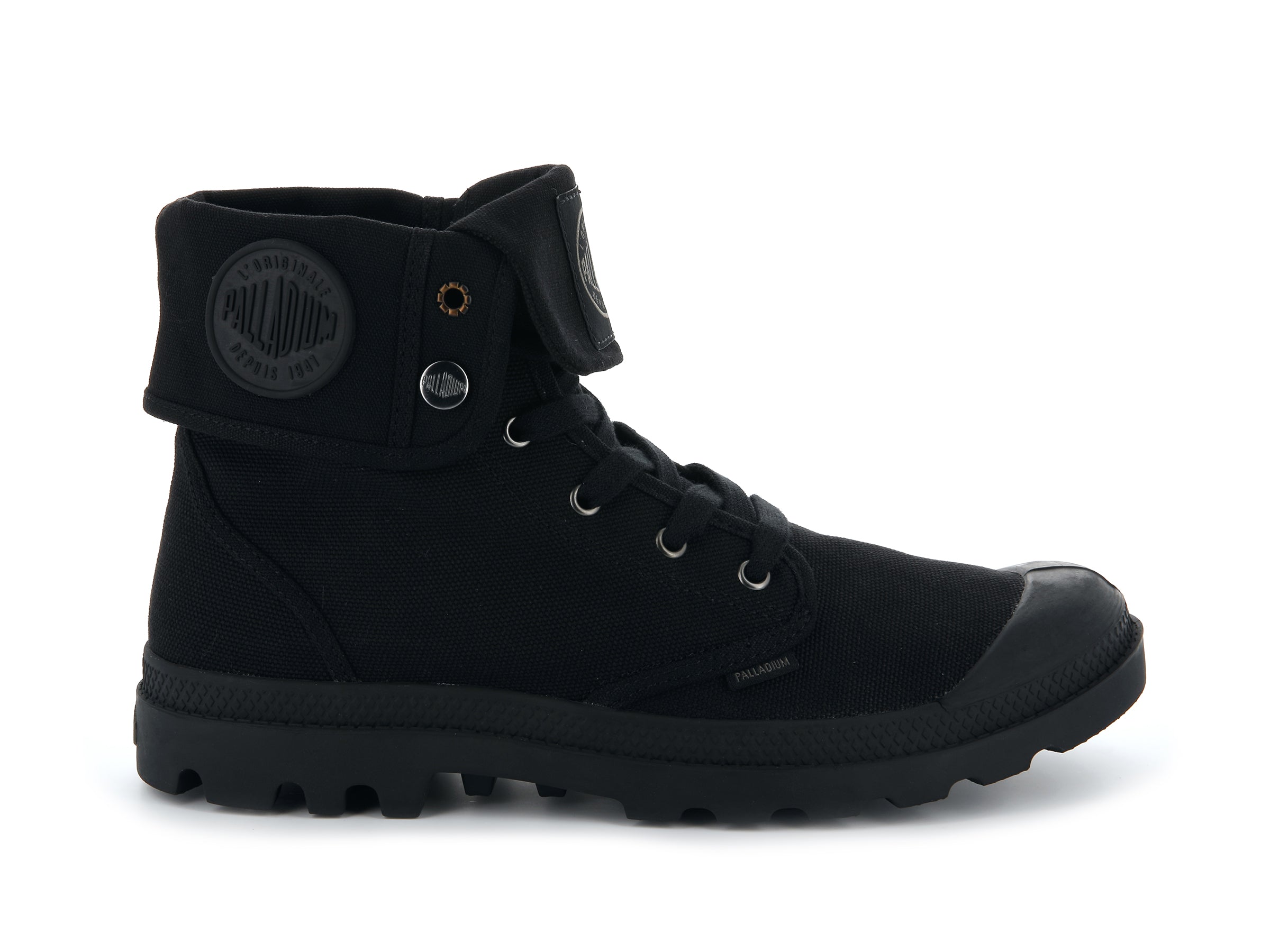
Palladium is a French footwear brand best known for its lightweight cotton canvas boots. The defining model is the Pampa, but the lineage also includes the Pallabrouse, the brand's first boot, introduced in 1947 as a quick-drying combat boot for the French Foreign Legion. Canvas, lightness and military heritage are the brand's signatures.
How did Palladium start out?+
Palladium did not begin in fashion at all. It was founded in 1920 to supply equipment such as tyres for the aviation industry, and only after the end of the Second World War did it shift to making shoes with rubber soles. That aviation-rubber DNA is part of why its boots are so light and resilient.
Why are Palladium boots tied to the French military?+
The connection runs deep in the brand's history. The Pallabrouse arrived in 1947 as a lightweight, quick-drying combat boot for the French Foreign Legion, and two years later the Pampa was released for French paratroopers. That military function is exactly what gives the boots their utilitarian, hard-wearing character.
Who owns Palladium now?+
Palladium is owned by KP Global. The Chinese firm Xtep acquired Palladium, along with K-Swiss and Supra, from South Korea's E-Land Group in 2019 and created the KP Global division to handle the Palladium and K-Swiss brands. Xtep later sold KP Global to its controlling shareholder, Ding Shuibo, and his family.
Has Palladium done notable collaborations?+
Yes. In 2011 Palladium worked with Pharrell Williams on a short documentary series, Tokyo Rising, in which Williams toured Tokyo interviewing local musicians, artists and designers. More recently, in 2025, Palladium partnered with Netflix to release footwear themed after the series Stranger Things.
What is the cultural history behind Palladium's shoes?+
Beyond the military boots, Palladium has woven itself into French sporting and youth culture. The Palla Louvel basketball shoe, introduced in 1951, became the official shoe of ASVEL Basket and was heavily endorsed by Alain Gilles, while the Pallatennis sneaker became an unofficial shoe of student leaders during the social uprisings of 1968. The label even reached pop culture when Shawn Mendes wore the reinterpreted Pampa at Coachella.
How should I care for my Palladium canvas boots?+
Canvas rewards gentle cleaning, so brush off loose dirt and spot-clean with a soft brush and mild soap rather than soaking the boots. Let them air dry away from direct heat to protect the canvas and the rubber-to-shoe bond. Bear in mind the canvas Pampa is water-resistant rather than fully waterproof, so it can soak through in heavy rain.