Should I buy Vans Old Skool or Authentic first?+
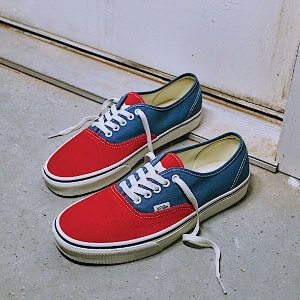
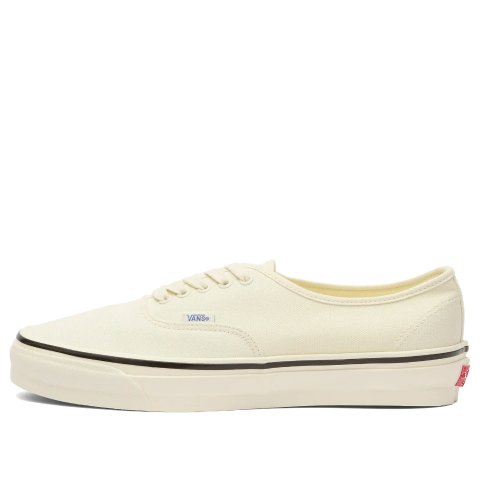
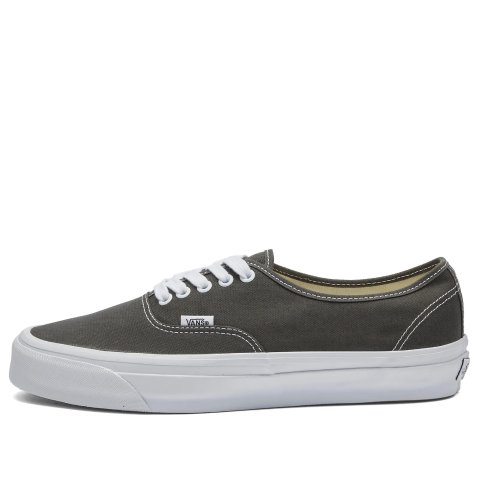
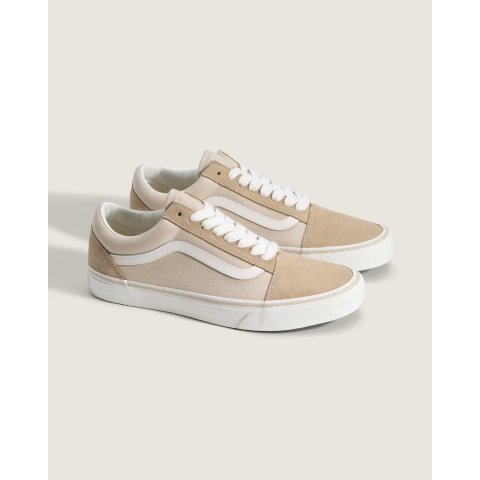
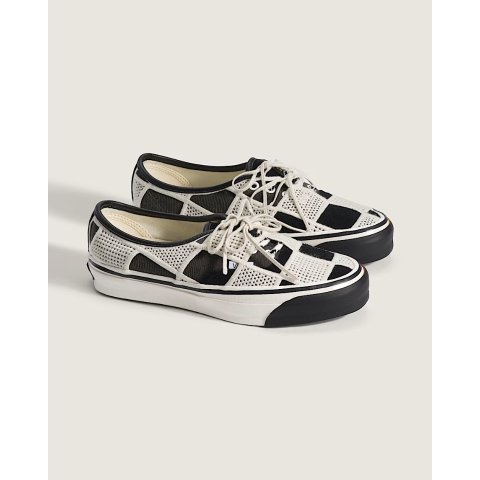
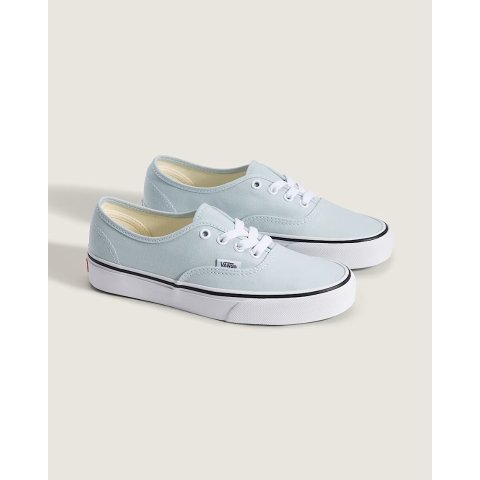
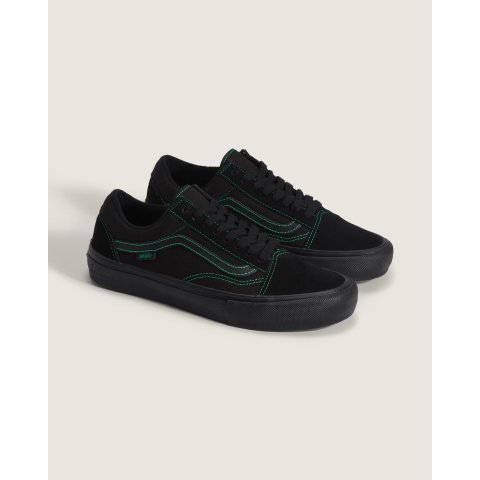
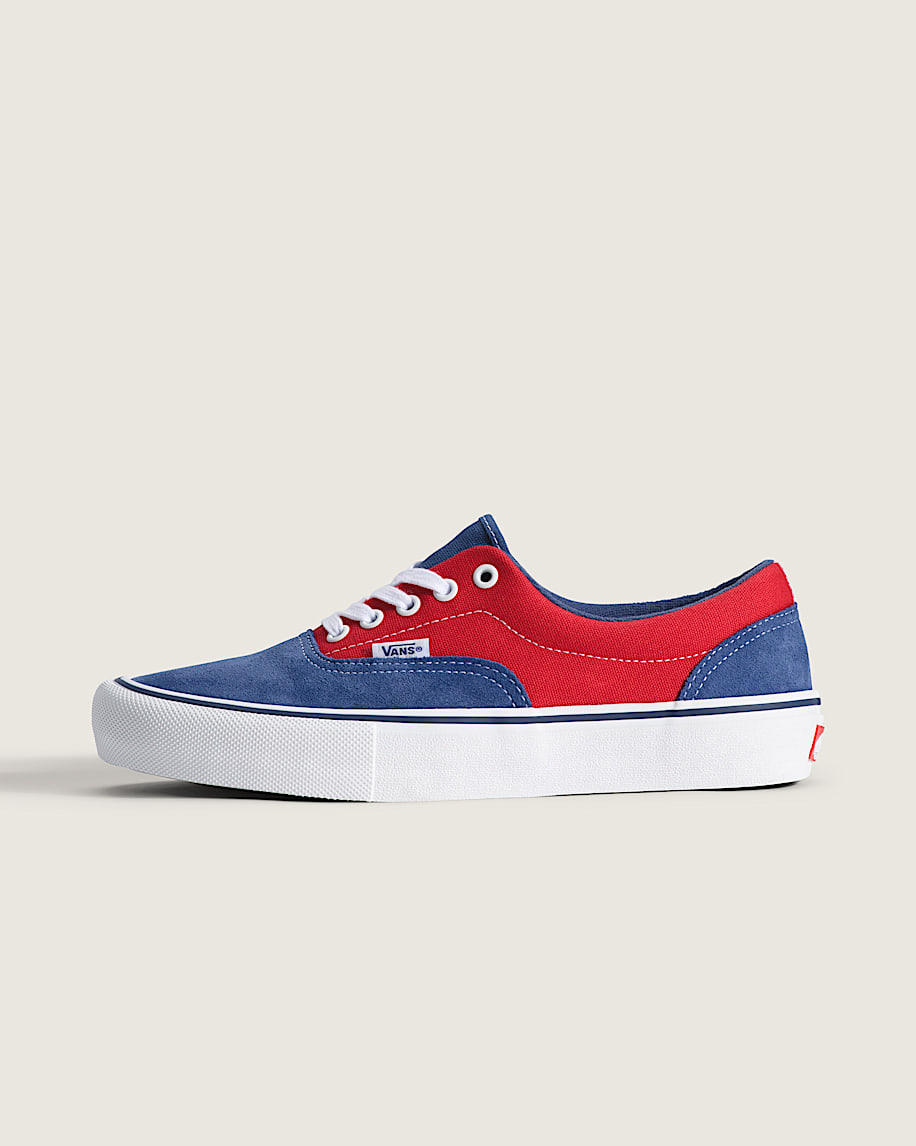
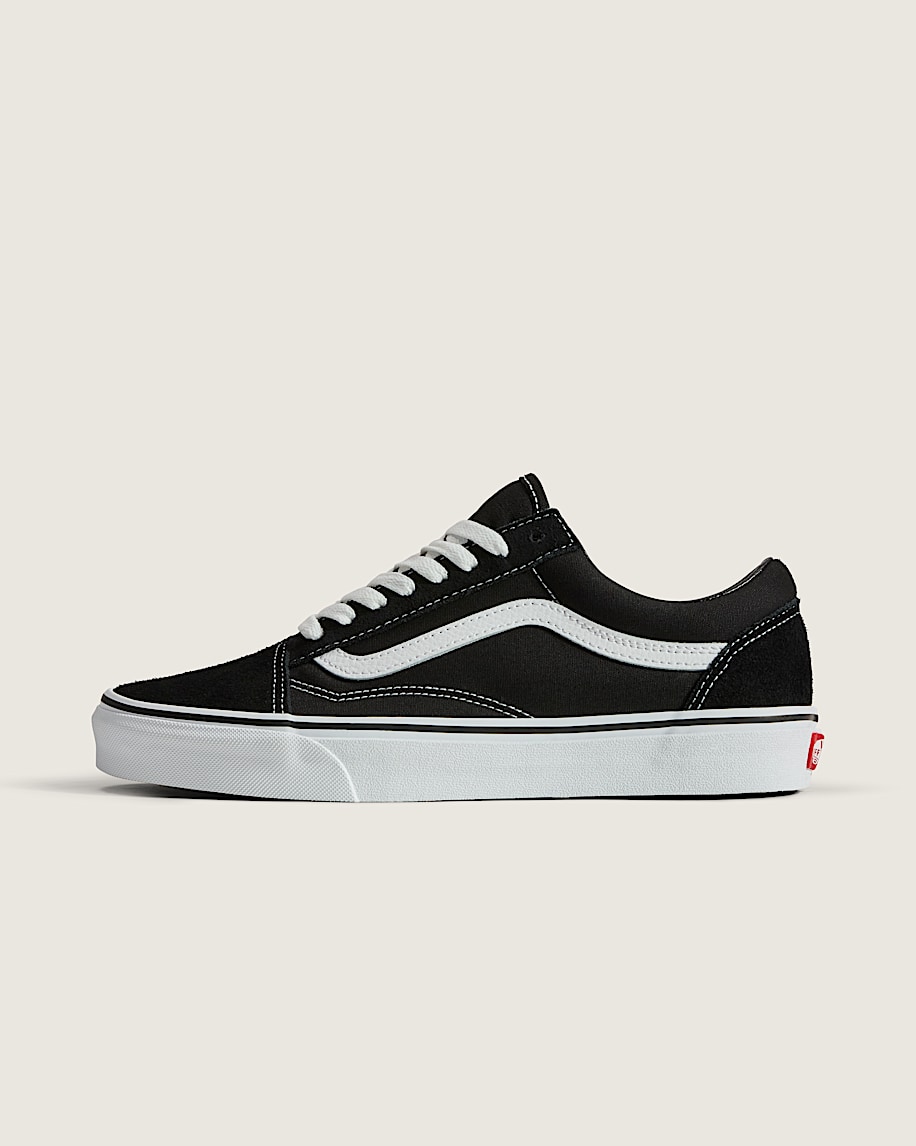
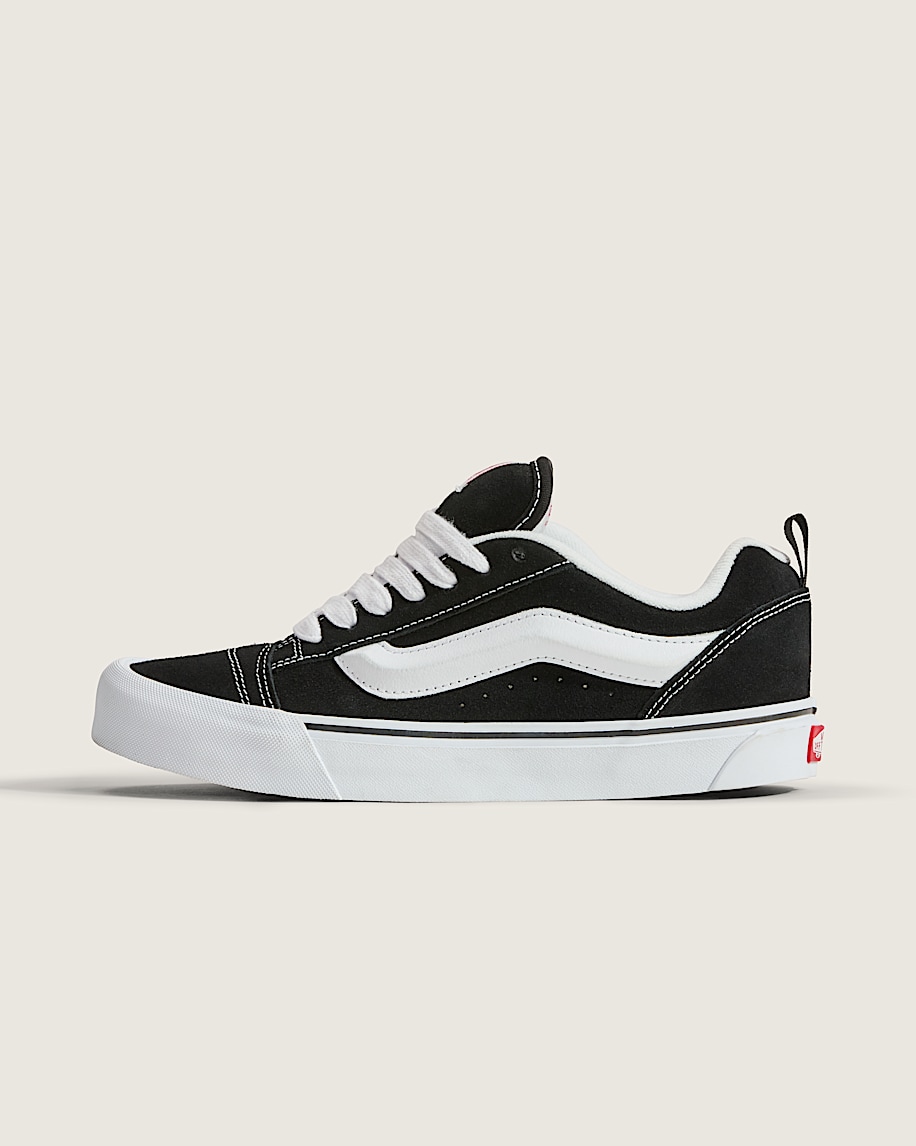
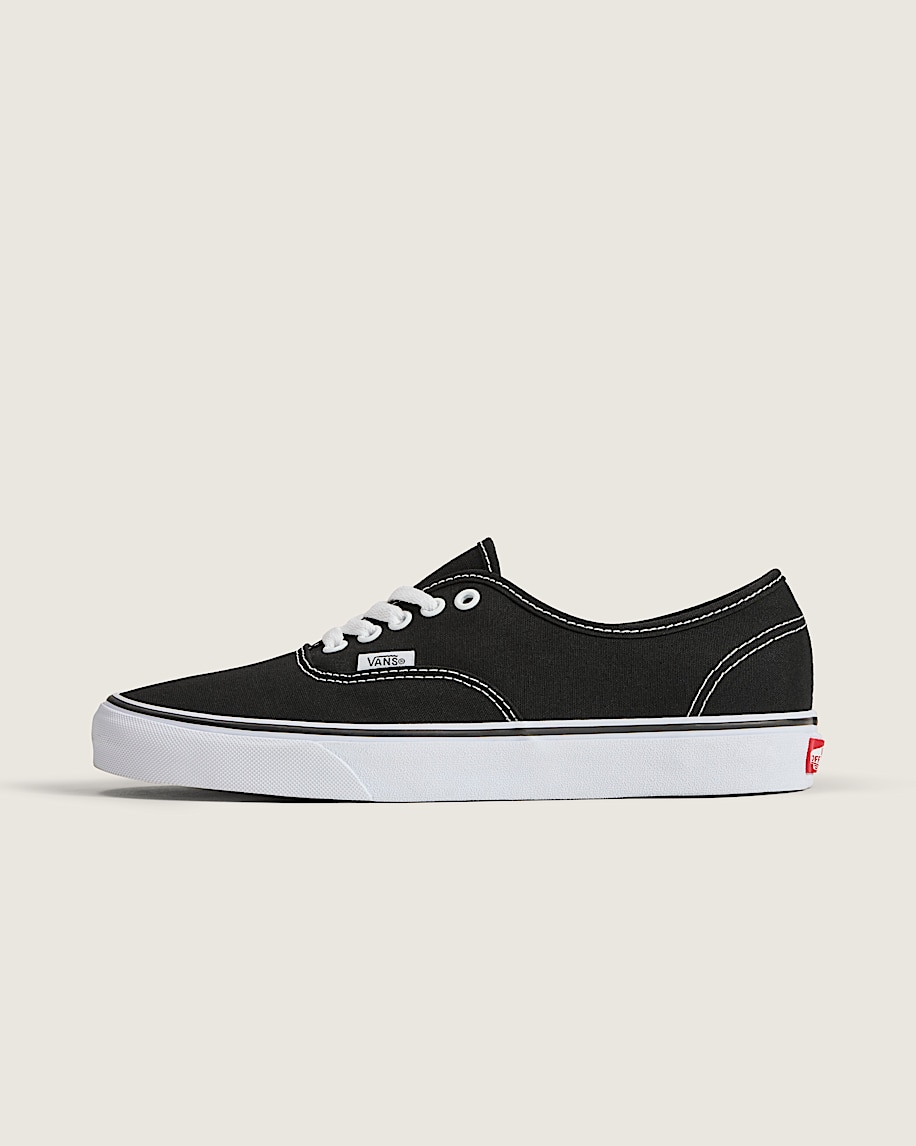
The Authentic is the original Vans deck shoe, simple and unbranded on the sides, and a great first pair. The Old Skool adds the famous side stripe, suede detailing and a padded collar for a bit more cushioning and a bolder look. If you want the most classic, no-frills Vans, start with the Authentic; if you want the signature striped silhouette, go Old Skool.
Why are Vans so popular?+
Vans grew out of skate culture and became a genuine icon: the brand adopted its "Off The Wall" motto in 1976 from a phrase skaters used while doing tricks in empty pools. Cultural moments helped too, like Sean Penn wearing checkerboard slip-ons as Jeff Spicoli in Fast Times at Ridgemont High in 1982. That authentic connection to skating and youth culture is the heart of its appeal.
Are Vans good for actual skateboarding?+
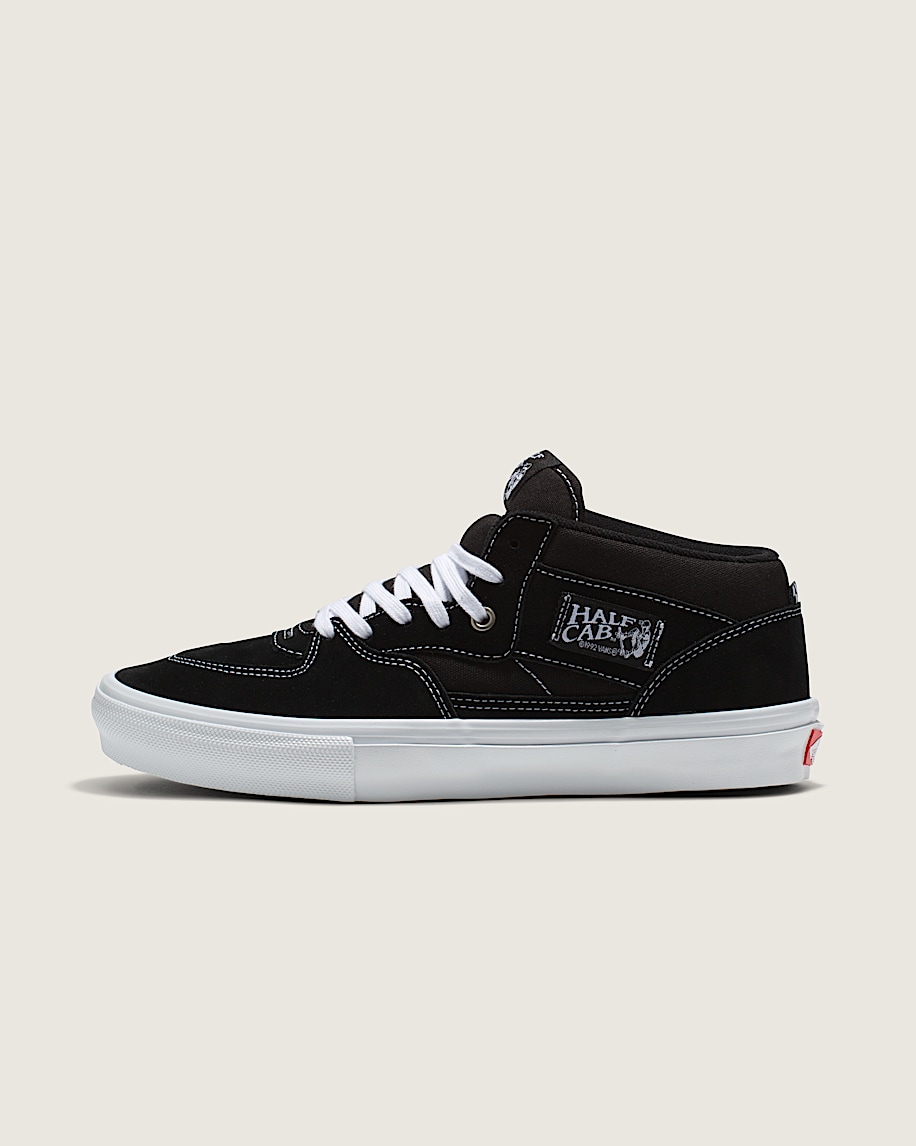
Yes, that's their origin. Vans began as a skate-shoe brand and their waffle-style soles are prized for grip and board feel. The Old Skool, originally the Vans #36, grew directly out of that skate heritage. For many skaters the trade-off of durability and feel still makes Vans a default choice.
Where did the Vans checkerboard pattern come from?+
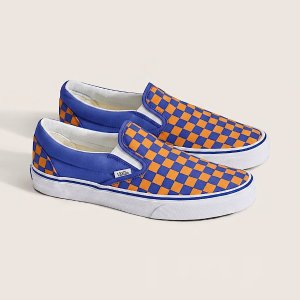
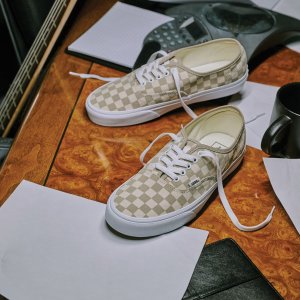
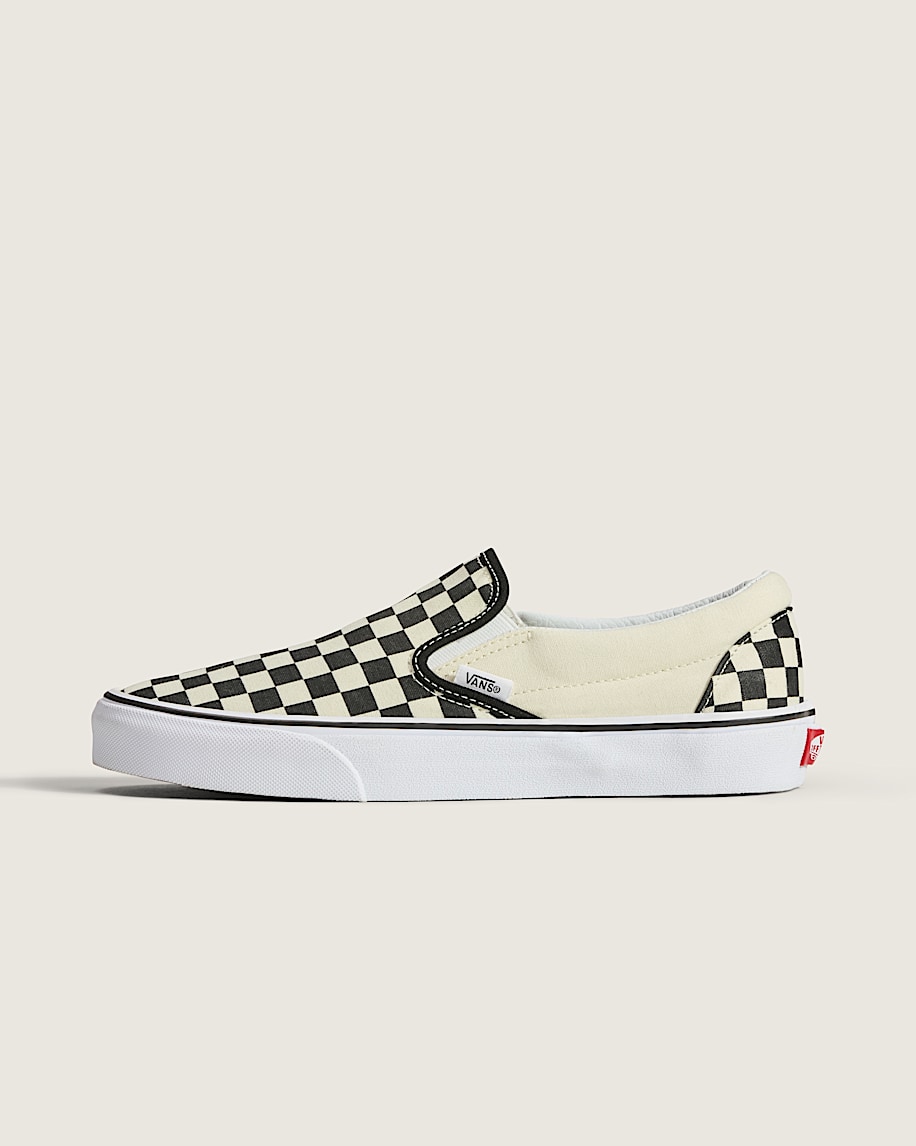
The checkerboard wasn't invented in a design studio; the company adopted it after noticing skateboarders drawing it on their own shoes. It became closely tied to ska and punk culture and is now one of Vans' most recognisable looks. It's a great example of the brand turning fan customisation into official style.
Who founded Vans and when?+
Paul Van Doren, his brother James and Gordon C. Lee opened the first store as The Van Doren Rubber Company on March 16, 1966, at 704 East Broadway in Anaheim, California. They manufactured shoes and sold them directly to the public. On opening day twelve customers bought the deck shoe now called the Authentic.
Why is the brand called Vans?+
It started as the Van Doren Rubber Company, named for founder Paul Van Doren. Customers took to calling the shoes "Vans" for short, and in 1991 the company was officially renamed Vans, Inc. to reflect that. The name literally comes from the founding family.
Where is the iconic Vans skate logo from?+
The original Vans skateboard logo was designed in Costa Mesa, California, in the 1970s by Mark Van Doren, son of then-president James Van Doren, when he was just 13. It began as a stencil so the logo could be spray-painted onto skateboards. The design was later worked into the heel tab of the Style 95 skate shoe.
Who owns Vans now?+
Vans is owned by VF Corporation, the North Carolina-based group, following a merger in 2004. Before that, the company had been sold in 1988 to the banking firm McCown De Leeuw & Co. and later went public on NASDAQ in 1991. It remains a major American footwear and apparel brand.
How do I spot fake Vans?+
Counterfeits have shadowed Vans for decades; a flood of fakes in 1984 even pushed the company toward bankruptcy protection before counterfeiters were cracked down on later in the decade. Buy from official Vans channels or authorised retailers, and check details like the heel-tab logo, stitching quality and the waffle sole. If a deal looks too good for a current model, treat it with suspicion.
Who is Vans' Artistic Director?+
In August 2025, Vans appointed singer-songwriter SZA as its first-ever Artistic Director in a multi-year creative partnership. It signalled a push to connect the brand with a wider audience, following its 2016 50th-anniversary rebrand. Vans has long leaned on cultural collaborators rather than traditional fashion designers.
How does Vans compare to Converse for skate style?+
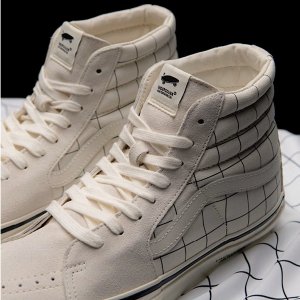
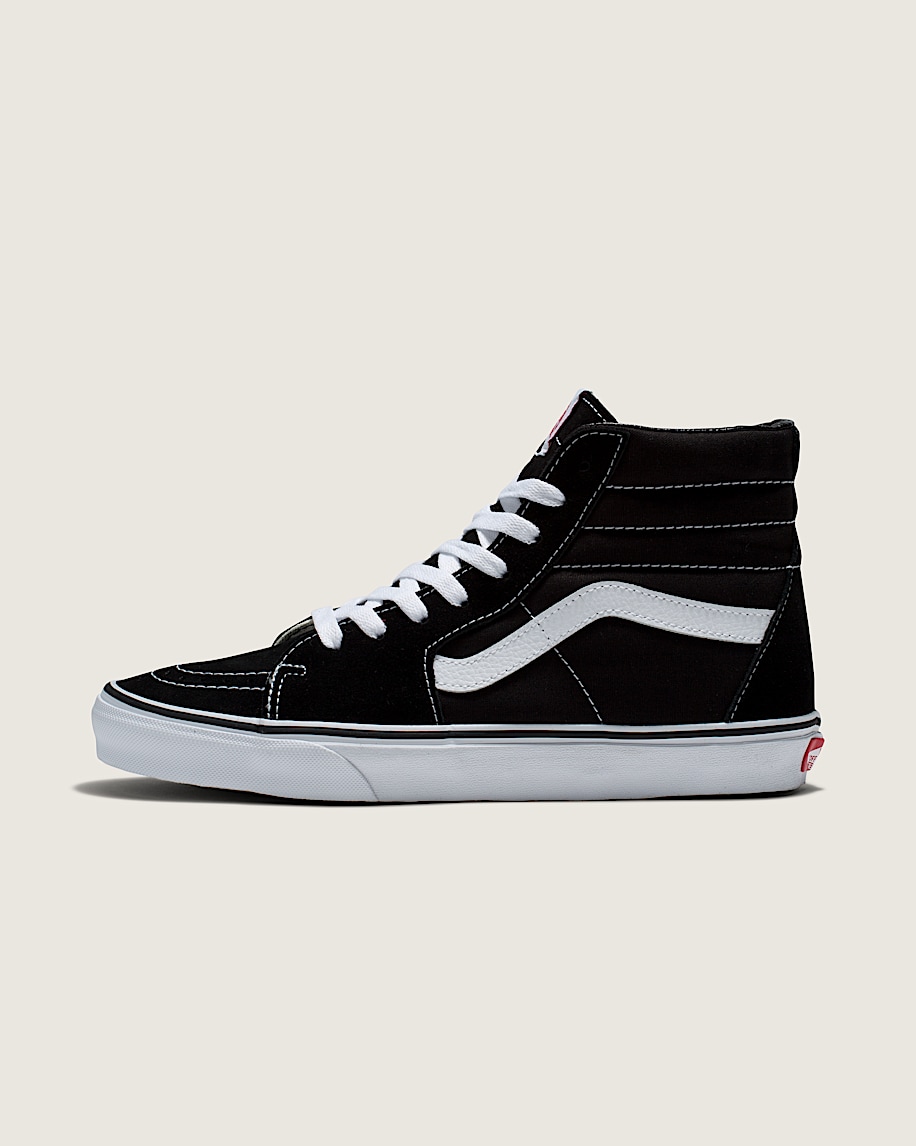
Both are heritage canvas sneakers with deep cultural roots, but they come from different worlds; Vans was built specifically around skateboarding, with grippy waffle soles and models like the Old Skool and Sk8-Hi. Converse leans on its basketball and all-purpose history. For skate-first styling and board feel, Vans is the more native choice.
Is Vans doing anything on sustainability?+
Yes. In 2022 Vans launched its VR3 product line, where 30% of the product is renewable, recycled or regenerative, and VF Corporation has said it will expand the VR3 collection to more footwear and apparel categories. If sustainability matters to you, look specifically for VR3-labelled styles. It's an evolving part of the range rather than the whole catalogue.
 Vans
Vans