Is People Tree clothing worth it?+
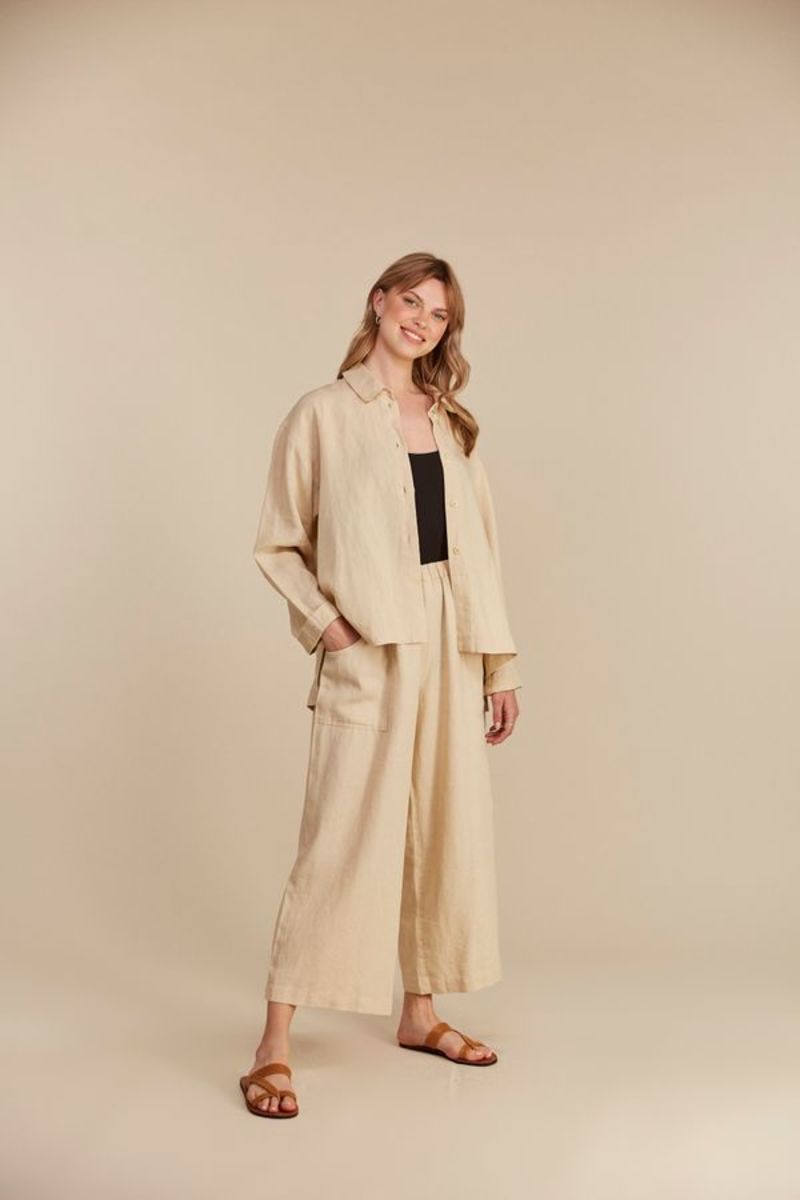
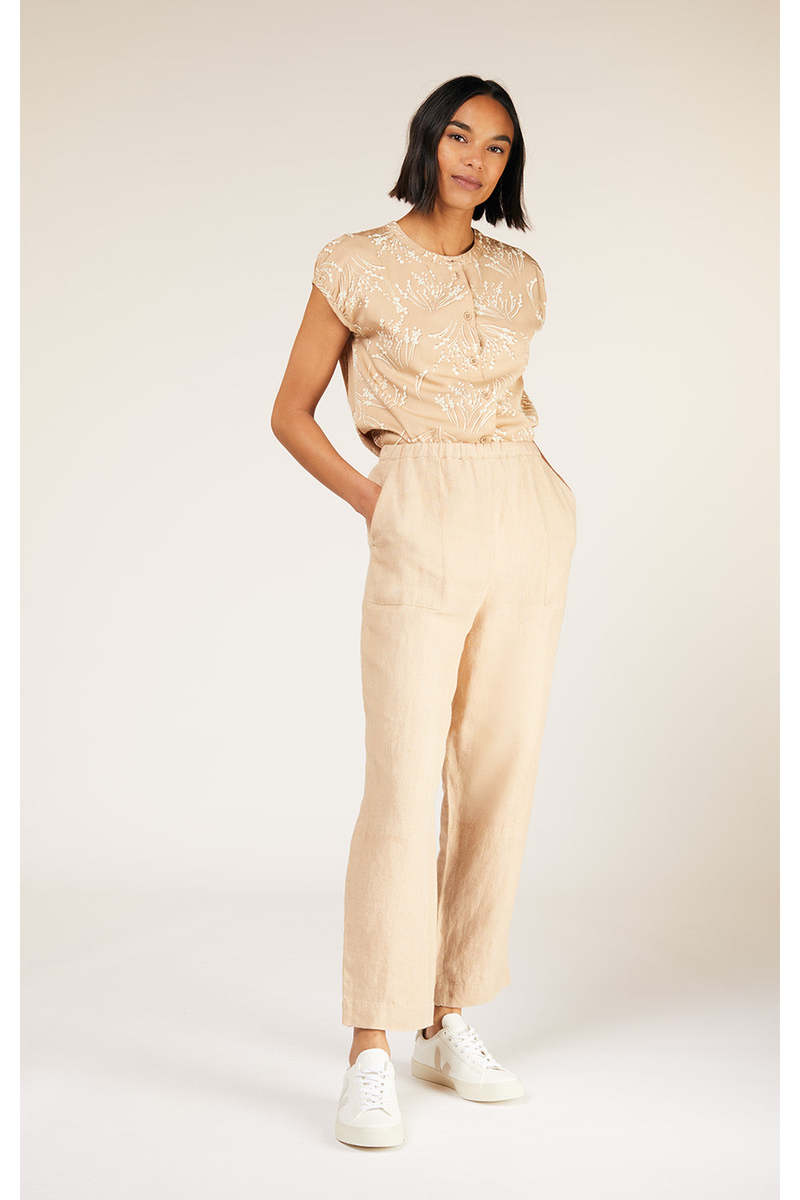
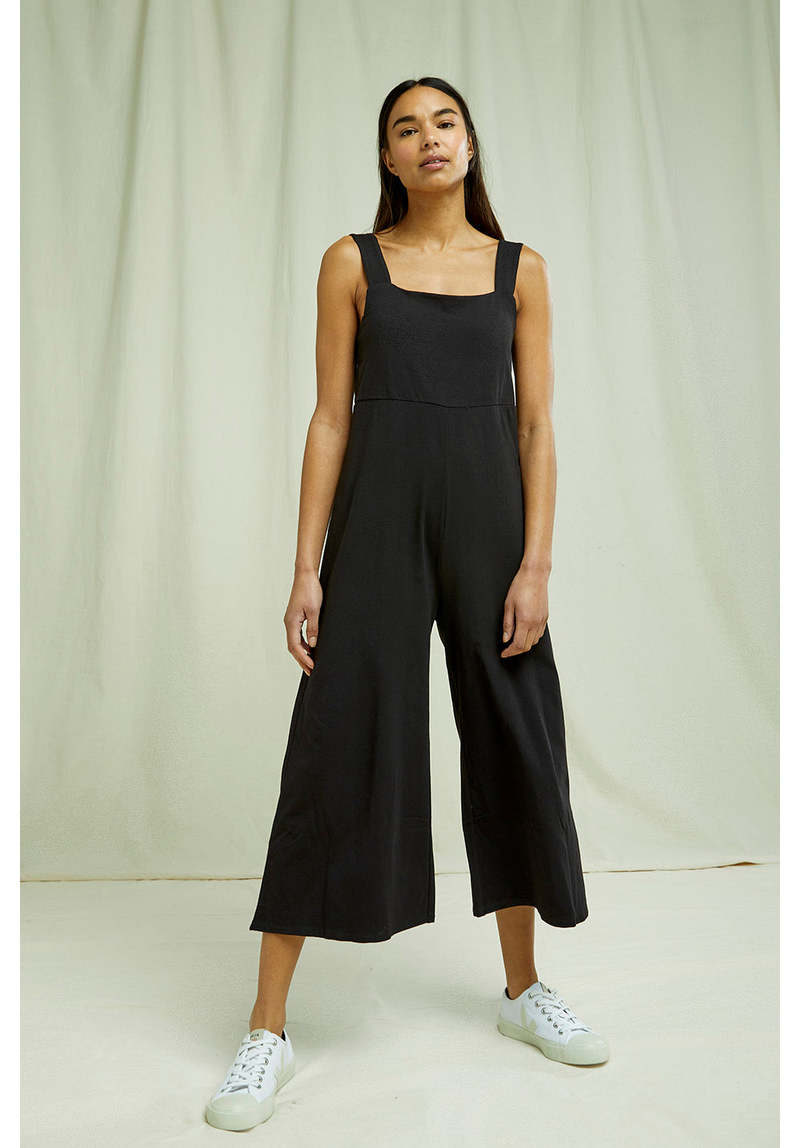
If fair trade and organic materials matter to you, People Tree is one of the most credible names you can buy — it was one of the early proponents of ethical fashion and the first fashion company to be awarded the World Fair Trade Organization's Fair Trade product label. Buyers describe the clothes as well-cut and made from soft, durable organic materials, with several saying their pieces have lasted a decade. You pay more than high-street prices, but the ethics and longevity are the point.
Is People Tree clothing good quality?+
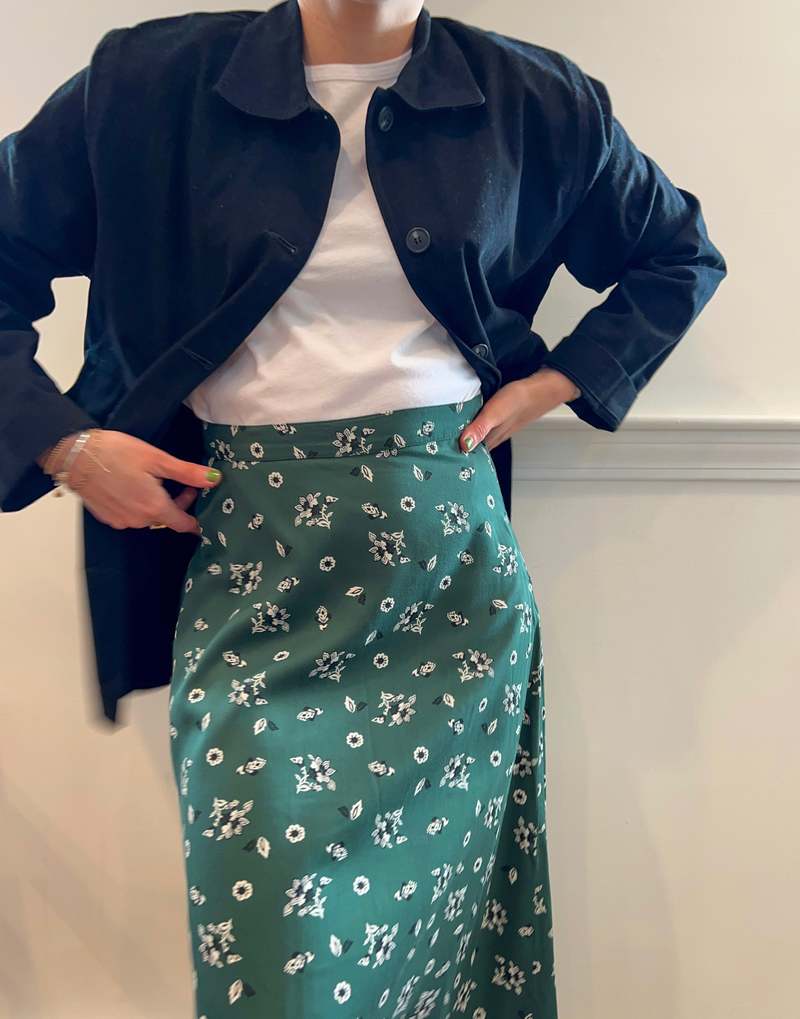
Most owners rate the make highly, praising the well-cut shapes and the softness of the organic-cotton fabrics, and many treat the garments as long-term investments rather than seasonal buys. The brand works closely with textile artisan groups, much of the work done by hand, which gives the pieces their distinctive character. As with any artisan-made line there can be the odd sizing surprise, so check measurements before you commit.
What is People Tree actually known for?+
People Tree pioneered fair trade and ethical fashion — it implemented the first supply chain for organic cotton and was the first organisation in the world to achieve Global Organic Textile Standard (GOTS) certification for a supply chain located in the developing world. That credentials-first approach, rather than any single hero product, is what made the name. Its clothing and home wares all sit on that ethical foundation.
Who founded People Tree?+
The business grew out of Global Village, an environmental campaigning NGO founded by British-born Safia Minney in Tokyo in 1991. It began as a clothing catalogue featuring hand-woven, naturally dyed bags, clothing and clogs made by women in Bangladesh. Minney moved the brand into eco-textiles and fair trade fashion, becoming one of the most recognised voices in the movement before leaving the business in 2015.
Where did People Tree start — Japan or the UK?+
Both, in stages. The fair trade company began in Japan — Fair Trade Company KK was formed in 1995 and opened a shop in Tokyo's fashionable Jiyūgaoka district, with People Tree Ltd following in the UK in 1994. The brand's heart is genuinely Japanese-British, which is unusual for an ethical fashion label and part of its identity.
What materials does People Tree use?+
Organic cotton is the backbone — in 1997 the founder added a Fair Trade Fashion Collection built on eco-textiles including organic cotton, and the brand later became the first to win GOTS certification for a developing-world supply chain. Much of the production is hand-woven and naturally dyed by artisan groups. The emphasis throughout is on natural materials over synthetics.
Has People Tree collaborated with well-known designers?+
Yes — People Tree has worked with designers including Orla Kiely and Bora Aksu, as well as London's Victoria and Albert Museum. These collaborations brought a more fashion-forward edge to a brand built on ethics, and they remain some of the more collectible pieces. They are a good place to look if you want People Tree with a recognisable design signature.
How is People Tree different from a conventional high-street brand?+
Where fast fashion mass-manufactures with synthetics, People Tree was built the opposite way — investing in labour-intensive, hand-made processes and natural materials, and working with disadvantaged producers in remote places. Its supply chain is fully traceable and certified, which most high-street labels cannot claim. The trade-off is higher prices and a smaller range, in exchange for transparency.
Where can I buy People Tree?+
People Tree designs and markets its own label and runs its own e-commerce business, and its clothing has been sold in around 500 stores worldwide, including ASOS.com. Because the brand has gone through significant corporate change in recent years, it is worth checking that you are buying from an official People Tree channel. Buying direct is the surest way to know the fair trade credentials are genuine.
Has People Tree faced business difficulties?+
Yes — amid financial trouble, the UK trading business People Tree Ltd went into liquidation in September 2023, and UK and European staff were laid off, while the founding company in Tokyo continued. The Japanese Fair Trade Company KK remains a World Fair Trade Organization member. If you are shopping today, it is worth confirming which entity is behind the store you are buying from.
Why does People Tree cost more than fast fashion?+
The premium reflects fair wages, certified organic materials and labour-intensive hand processes rather than mass production with synthetics. Long-time customers tend to see the higher price as buying clothes that last and that are made by people treated fairly. If your priority is ethics and durability over volume, that is exactly the trade the brand asks you to make.