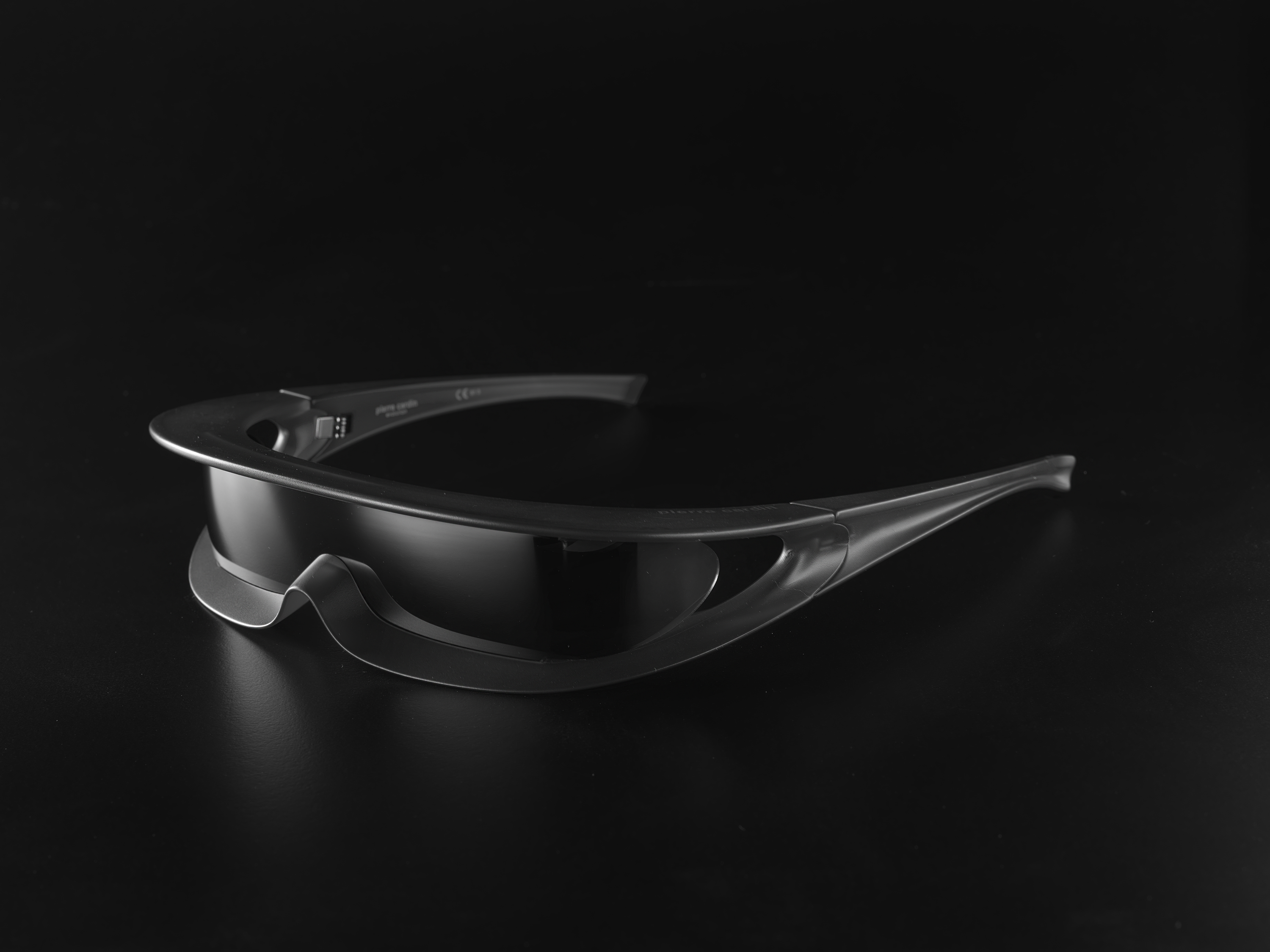
Is Pierre Cardin still a luxury brand and worth it?+
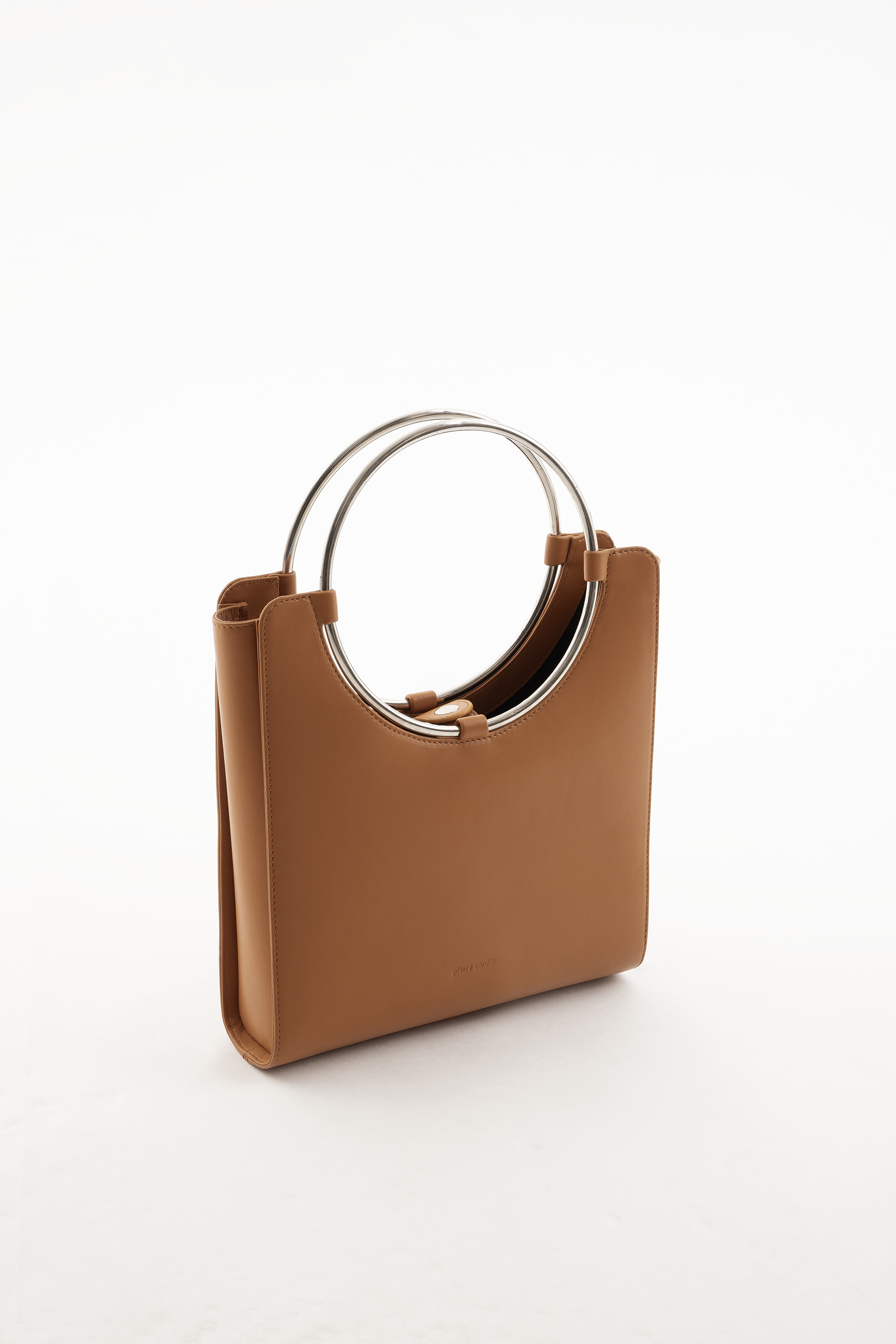
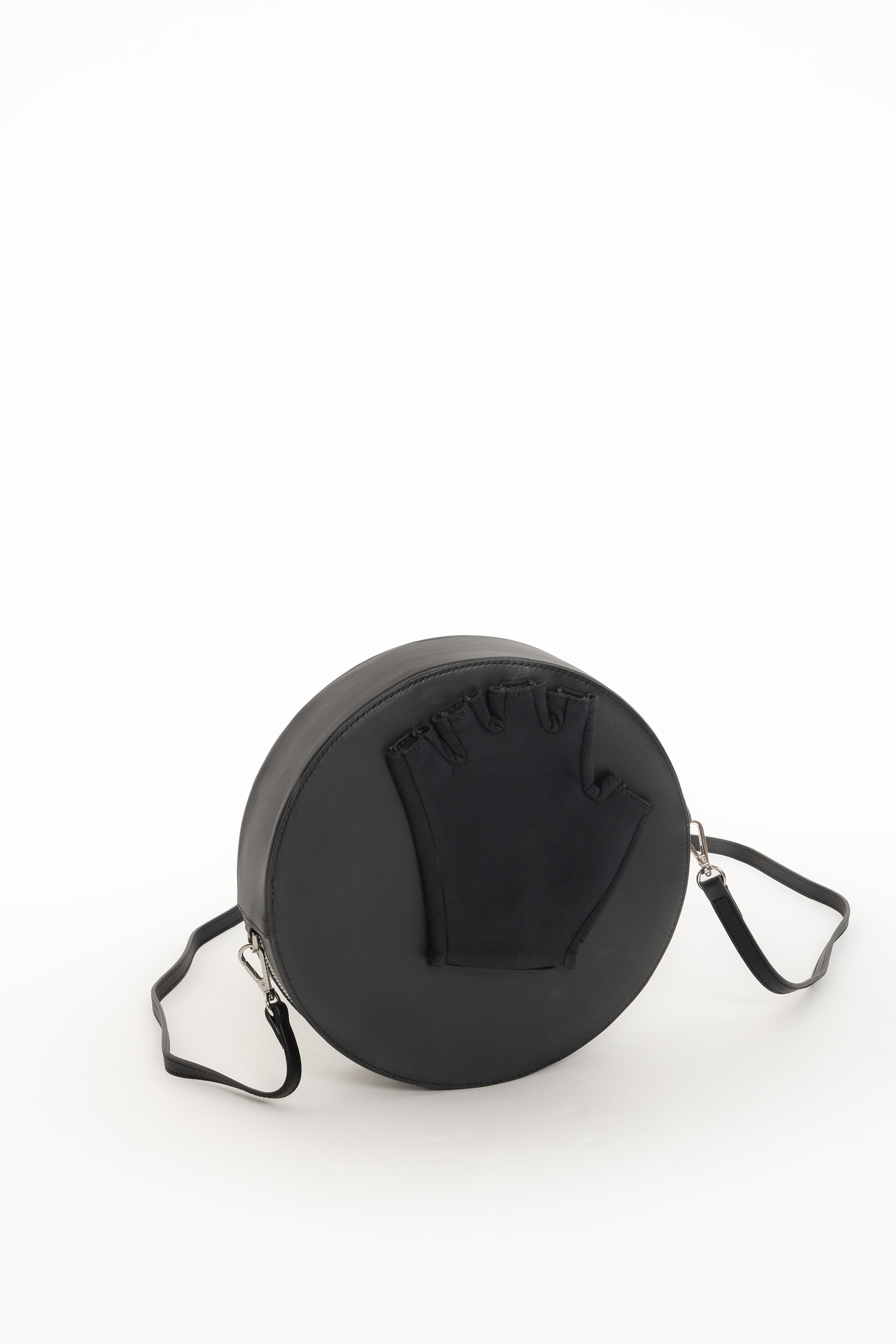
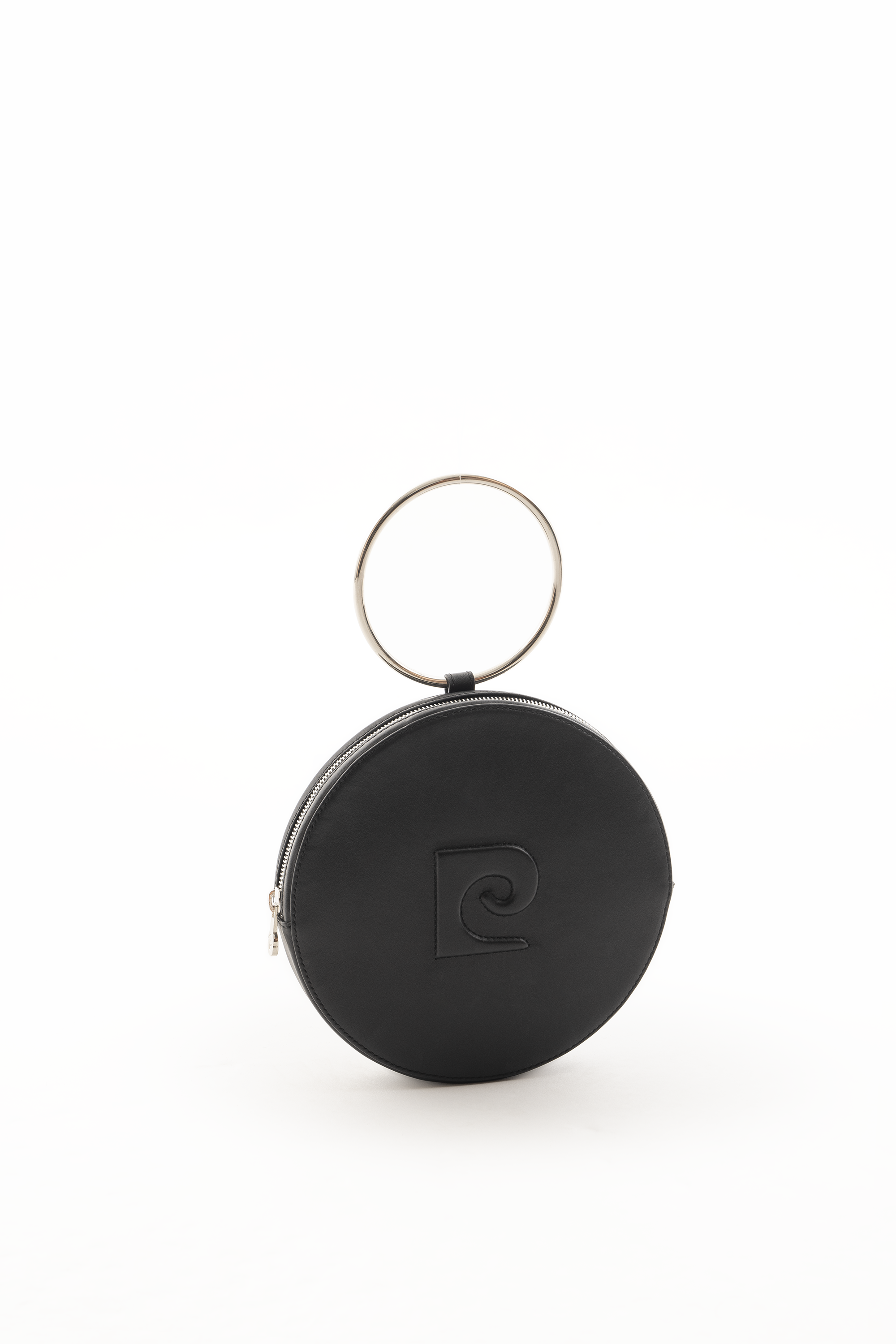
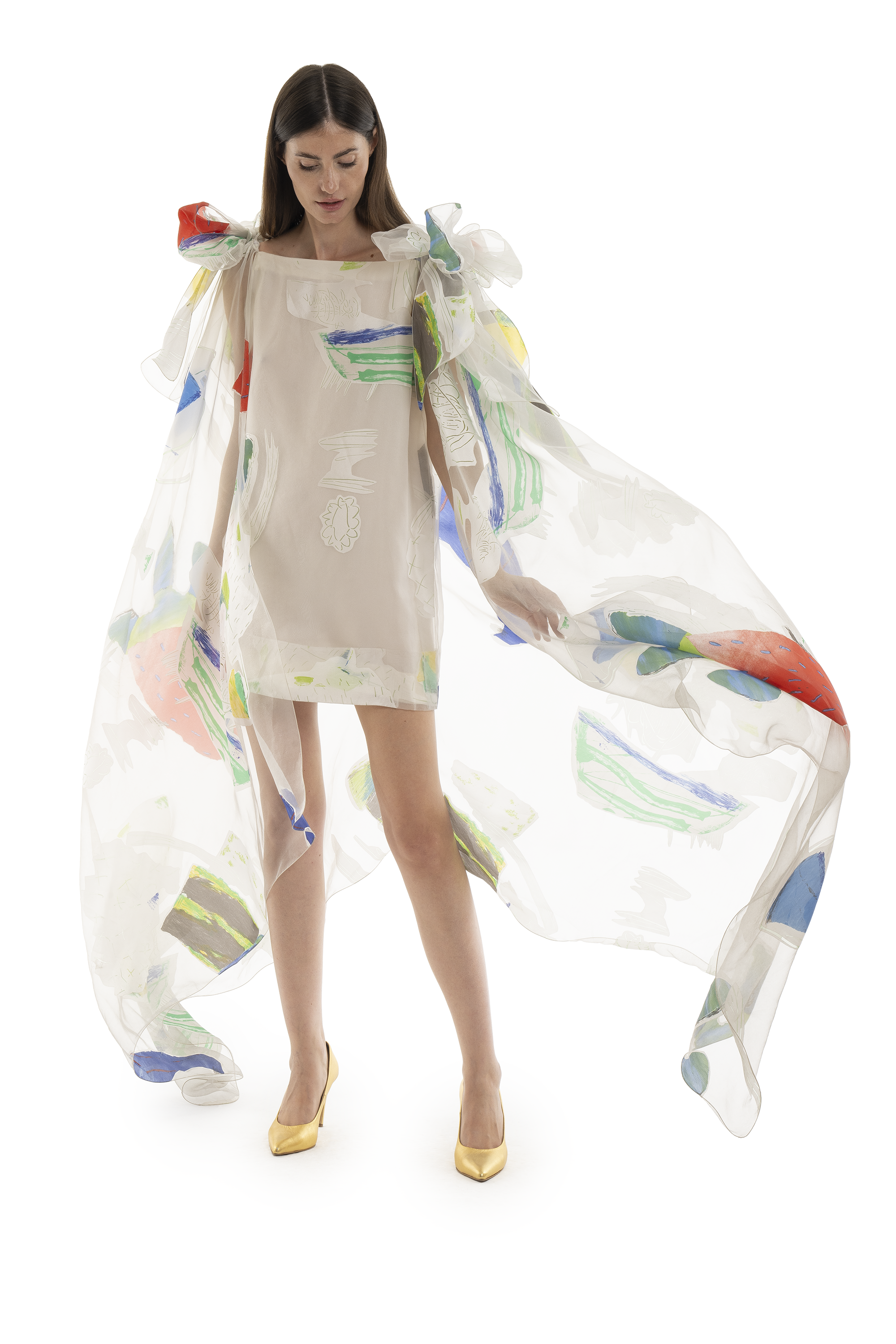
Pierre Cardin sits in an unusual place: it began as a prestigious French fashion house in 1950, but decades of very broad licensing softened its luxury edge. Whether it is worth it depends on what you want, since shoppers today buy it for accessible French heritage and recognisable styling rather than top-tier exclusivity. Treat it as a heritage name with wide reach rather than a rarefied luxury label and you will know what you are getting.
Why did the Pierre Cardin brand lose its luxury status?+
The short version is overexposure. From the 1970s the name was licensed onto thousands of products, and by the late 1970s it appeared on more than 2,000 items, from bicycle accessories to cookware. As Women's Wear Daily put it, the cachet crashed once the name turned up on everything; the licensing brought in huge revenue but eroded the brand's high-fashion credibility.
How was Pierre Cardin a pioneer of licensing?+
Pierre Cardin essentially wrote the playbook for fashion licensing, extending the name far beyond clothing. It moved into perfumes and cosmetics in the 1960s, added furniture and home decor in 1968, then acquired licensees rapidly through the 1970s. By the end of that decade the name spanned over 2,000 wildly different products, an unprecedented reach for a couture house.
When and where was Pierre Cardin founded?+
The Pierre Cardin brand was founded in 1950 by its namesake French designer, Pierre Cardin. It started life as a prestigious fashion house before branching into the many other categories that defined its later identity. That 1950 origin makes it one of the long-standing names in French fashion.
Where are Pierre Cardin products made?+
Today all products of the Pierre Cardin brand are produced at the Ahlers Group factory in Herford, Germany. So while the name is quintessentially French in origin, the manufacturing base is German. It is worth knowing that the brand's reach is enormous, spanning thousands of stores across many countries.
How many stores and products does Pierre Cardin have?+
The brand operates on a vast scale, managing more than 8,000 stores across 170 countries, with over 20,000 people involved in creating its products. That global footprint is a legacy of its sprawling licensing model. Few fashion names have ever spread as widely across the world.
Are vintage Pierre Cardin pieces collectible?+
Many shoppers seek out older Pierre Cardin pieces, and the brand's long history from 1950 onward means there is plenty of vintage to hunt for. As with any heritage label, value tends to follow condition, rarity and provenance rather than the name alone. If you collect, buy what genuinely appeals to you rather than treating it purely as an investment.
Did Pierre Cardin ever try to sell the brand?+
Yes. In 2011, Cardin tried to sell the business, valuing it at around 1 billion euros, though the Wall Street Journal reckoned it was worth roughly a fifth of that. In the end he did not sell. The episode captured both the scale of the empire and the gap between its founder's valuation and the market's view.
Why was Pierre Cardin's expansion into perfume so successful?+
A 2005 Harvard Business Review piece argued the move into perfumes and cosmetics worked because the brand's premium feel fit naturally into those adjacent categories. The lesson it drew, though, was that owners credited the brand's strength when really it was the good category fit, and later over-extension into unrelated products is what diluted it. In other words, the early wins were about fit, not invincibility.
Is Pierre Cardin a French brand?+
Yes, Pierre Cardin is a French designer brand, founded in France in 1950 and named after its founding designer. Its French identity is central to how the name is marketed, even though much of its production today is based in Germany. The Frenchness is heritage and styling; the supply chain is more international.
What should I keep in mind when buying Pierre Cardin today?+
Because the name has appeared across so many licensed categories, quality and positioning can vary from product to product, so judge each item on its own merits. Look at the materials and finishing in front of you rather than assuming a uniform luxury standard across the whole range. Bought with that mindset, you can find good, characterful pieces that carry real French heritage.