Is Nina Ricci's L'Air du Temps worth buying?+
If you're drawn to soft, romantic florals rather than loud modern scents, L'Air du Temps is a rewarding classic. Created in 1948, it remains Nina Ricci's most famous and best-selling fragrance more than seventy years on, which tells you something about its staying power. It's the kind of perfume people reach for when they want elegance without weight.
Is Nina Ricci a good perfume house?+
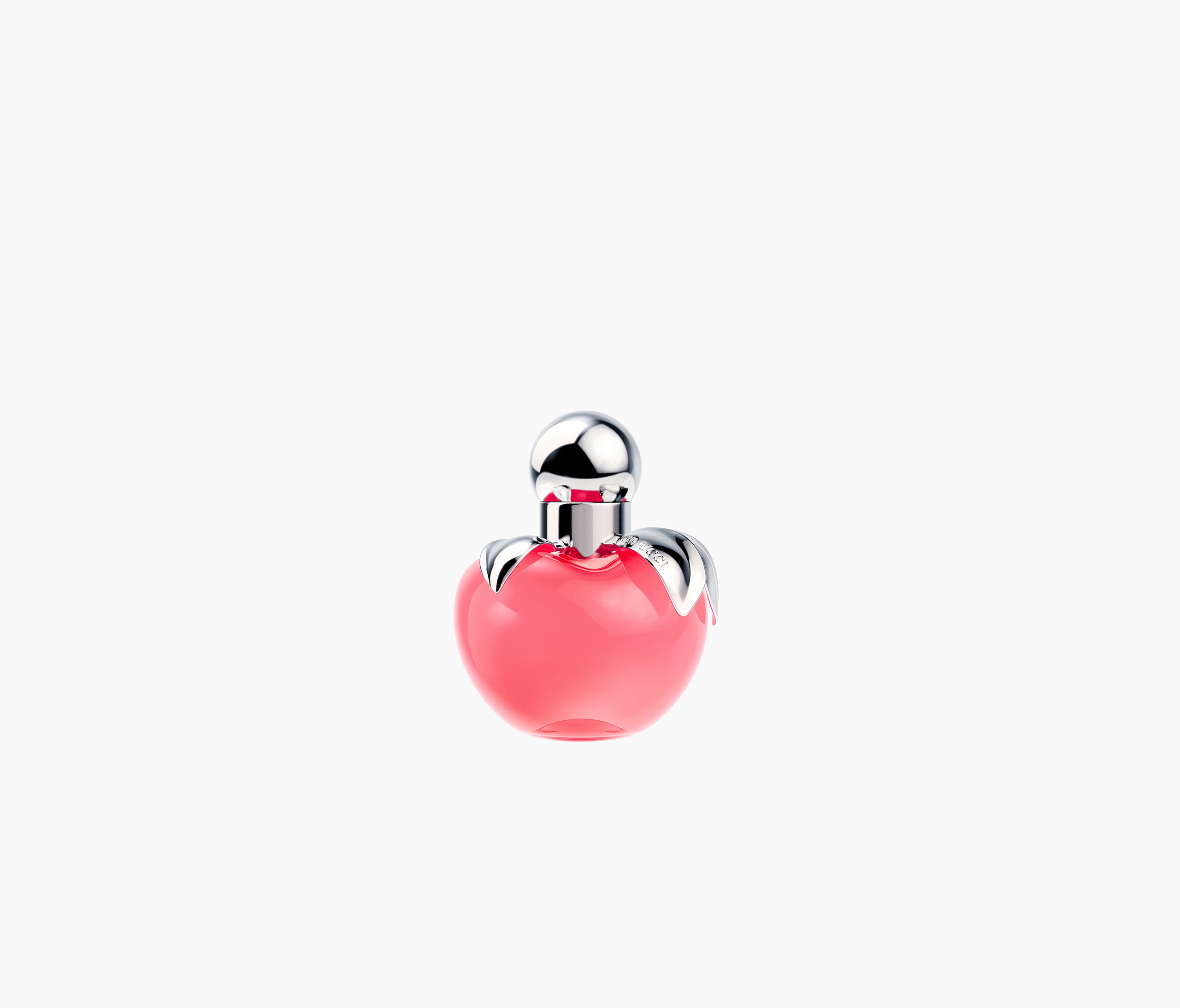
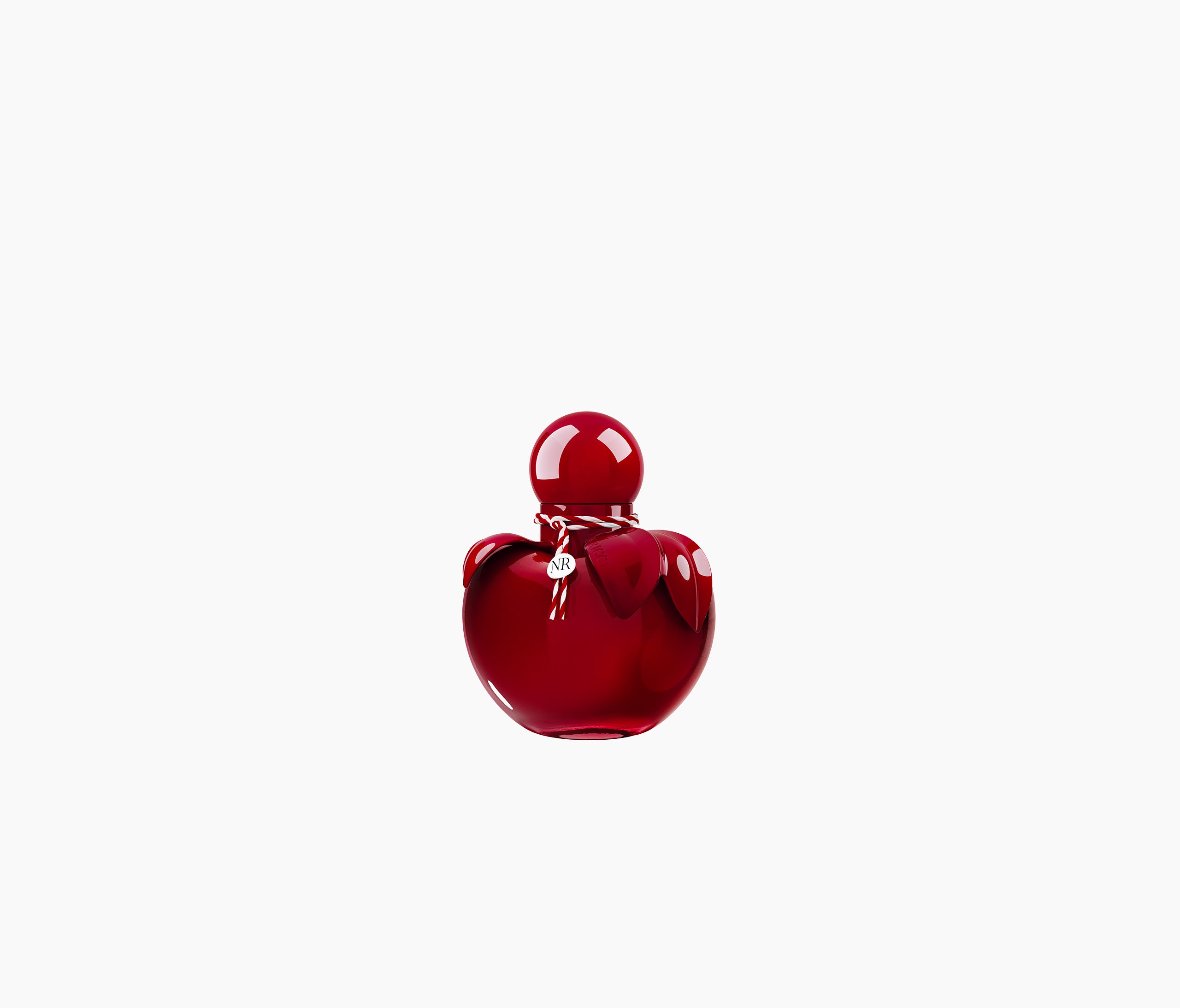
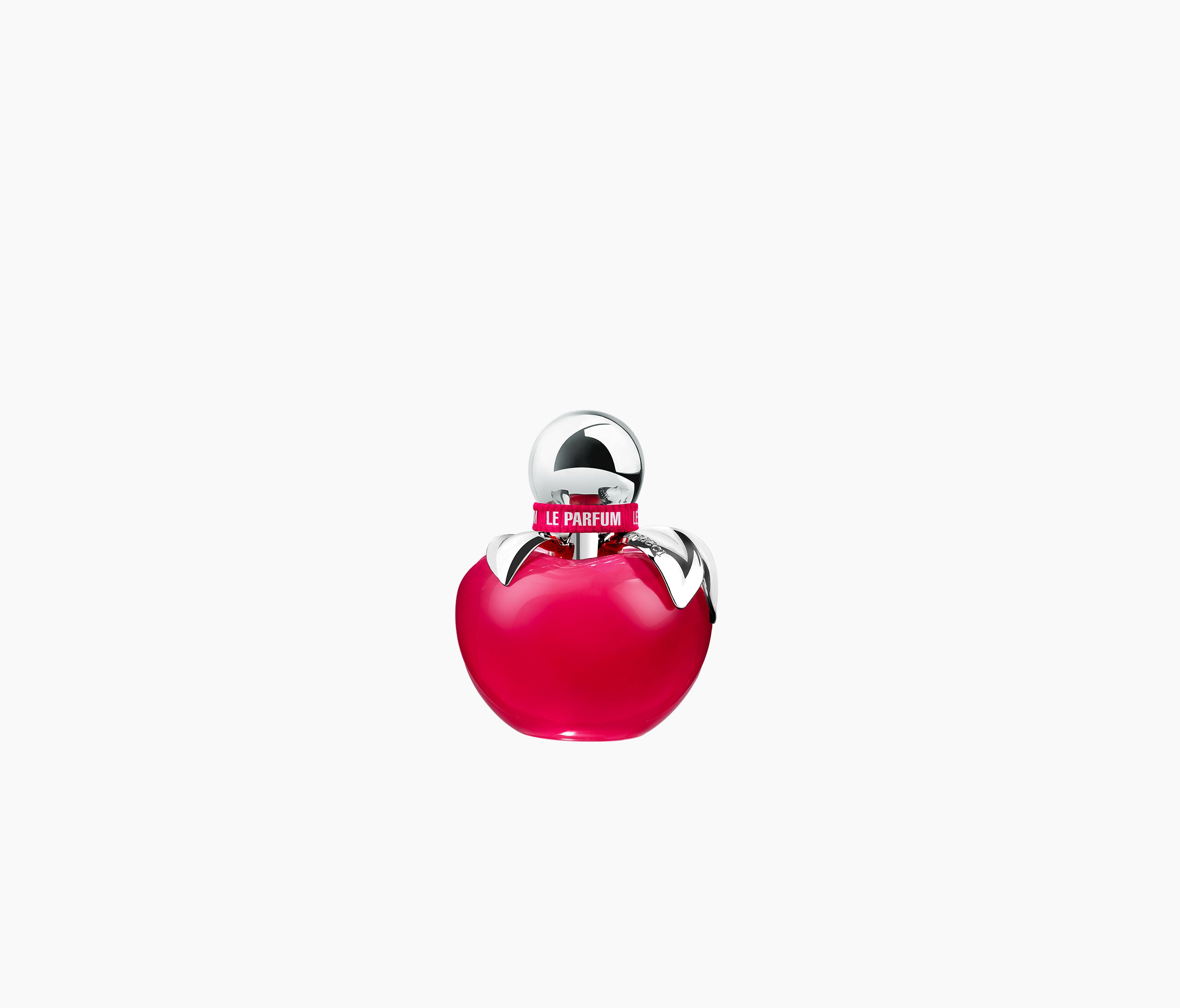
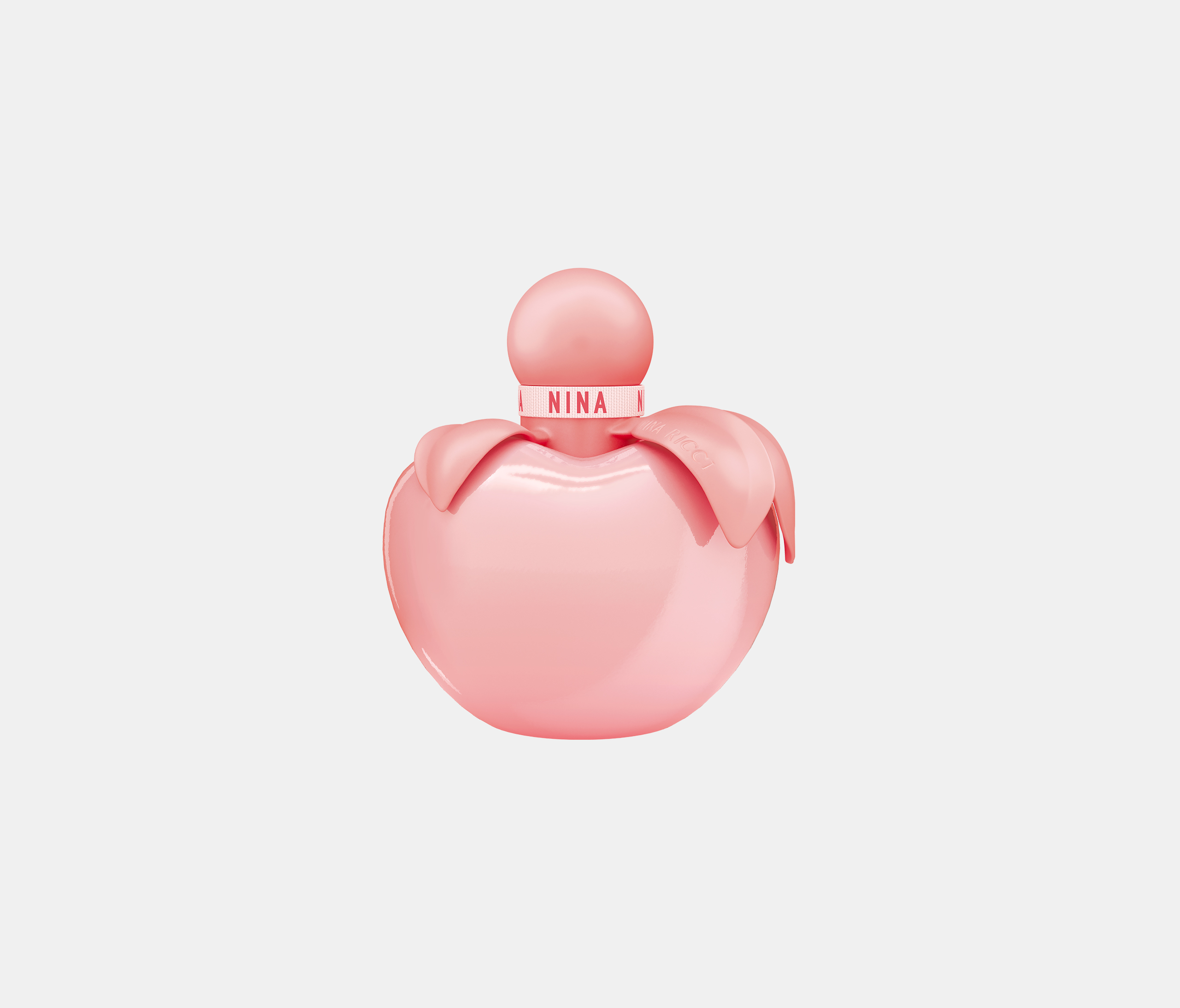
Nina Ricci has deep perfumery roots: Robert Ricci created the in-house perfume division back in 1941, and the house has produced enduring scents ever since. Beyond L'Air du Temps, the line includes classics like Farouche, Capricci and Fleur de Fleurs, plus newer offerings such as the Nina fragrances and Ricci Ricci. Quality and character vary by scent, so it's worth sampling before you commit to a full bottle.
Which Nina Ricci fragrance should I try first?+
For most people the natural starting point is L'Air du Temps, the house's signature scent and a genuine perfume landmark. If you prefer something more contemporary, the Nina fragrances offer a fresher, more modern feel. Trying L'Air du Temps first gives you the truest sense of what Nina Ricci is about.
What is the story behind the dove bottle of L'Air du Temps?+
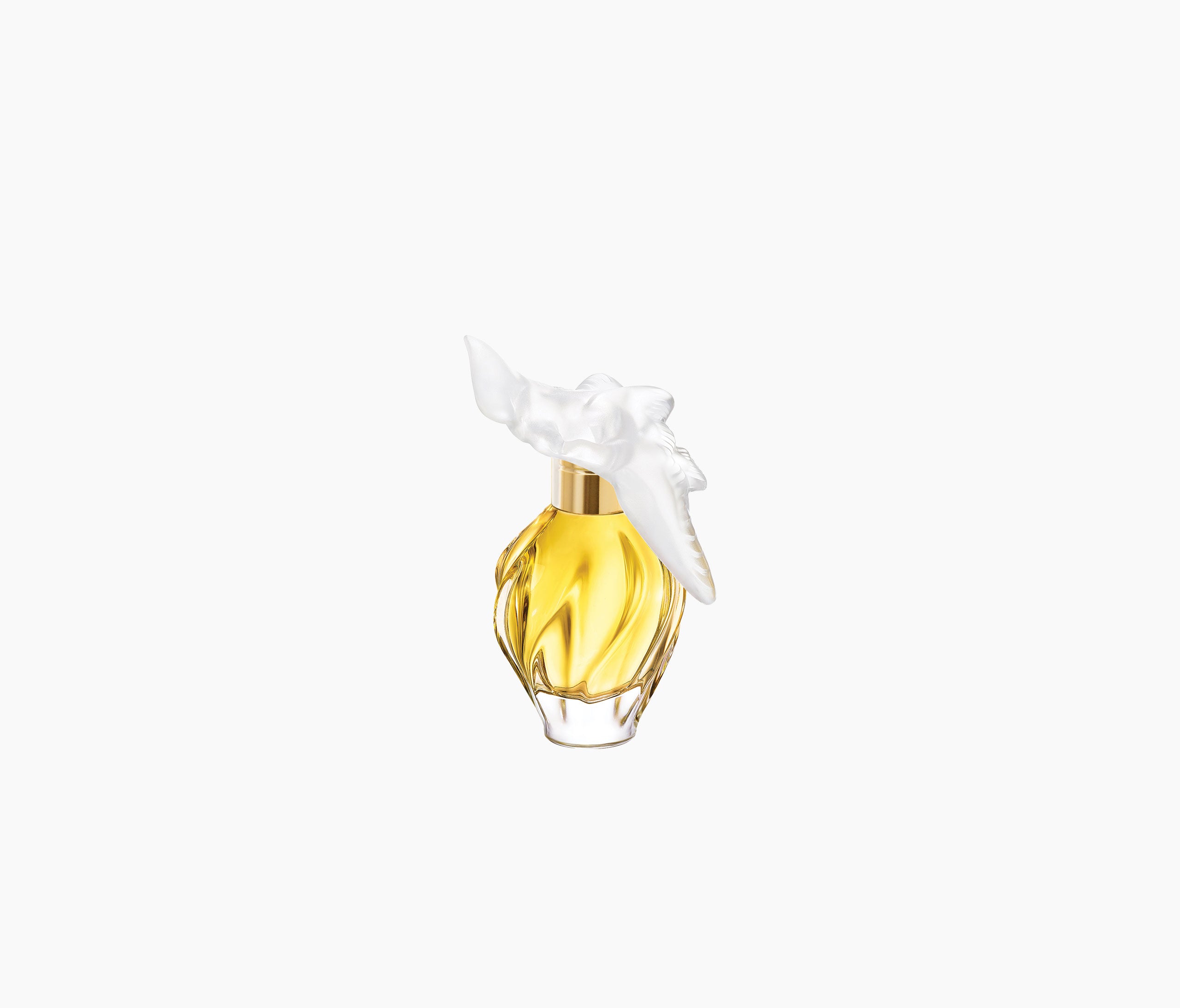
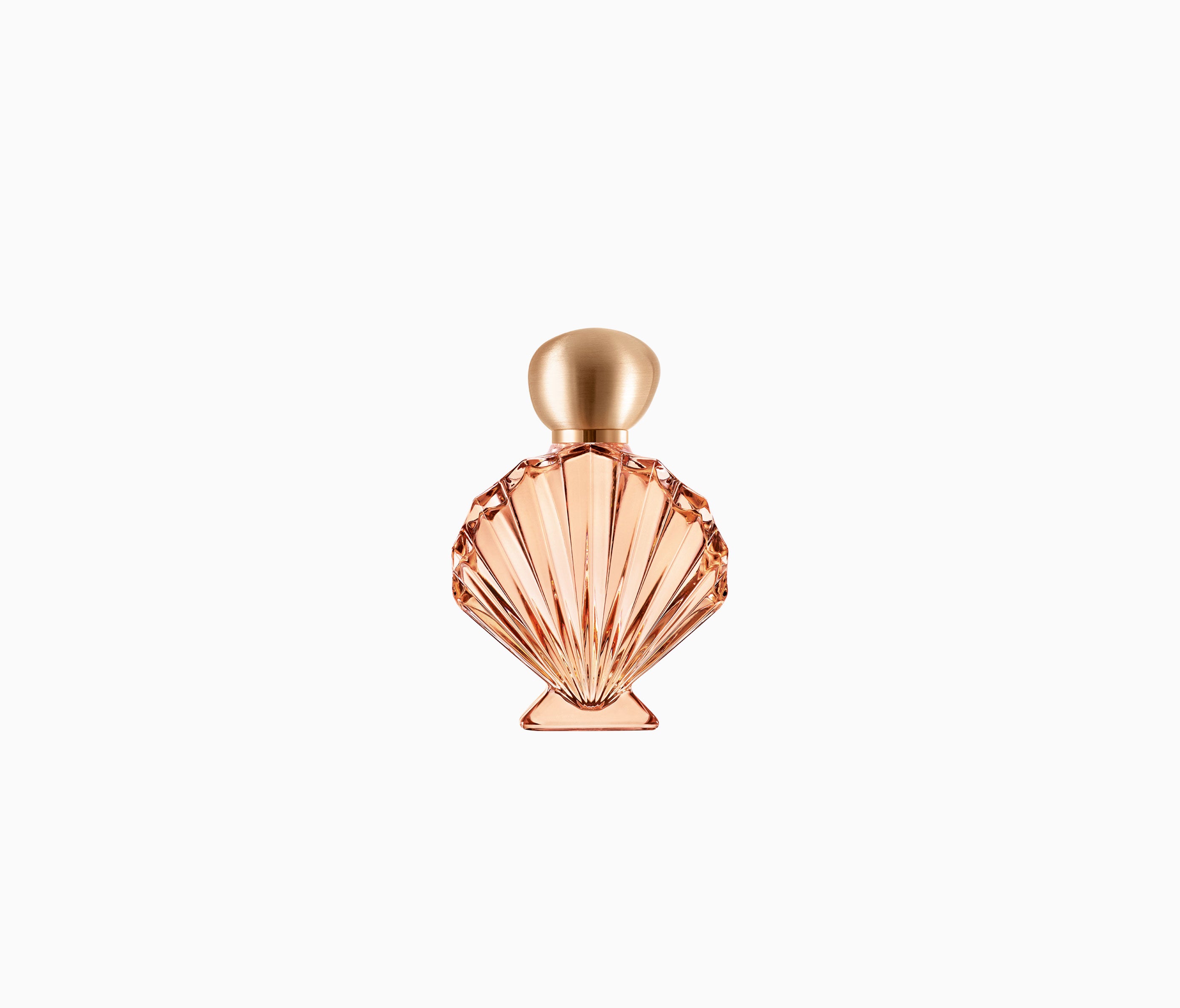
The graceful twin-dove crystal flacon is one of perfumery's most recognisable bottles, and it was created by Marc Lalique. Many of the house's classic perfumes, including Farouche and Capricci, have had their own dedicated Lalique crystal bottles. The doves have become a quiet emblem of the brand's romantic spirit.
Who founded Nina Ricci and when?+
Nina Ricci was founded in Paris in 1932 by Maria "Nina" Ricci and her son Robert. Maria designed the gowns while Robert managed the business and finances. She famously worked the fabric directly on the mannequin so each piece kept its shape once finished.
Who owns Nina Ricci today?+
Nina Ricci has been owned by the Spanish beauty and fashion group Puig since 1998. The founding family had shaped the house for decades before that, with Robert Ricci continuing in perfumery and business until his death in 1988.
What is Nina Ricci's design aesthetic?+
From the start the house became known for a refined, romantic and always feminine feeling that Maria brought to every collection. That sensibility ran through its haute couture and carried into its fragrances. It's a softer, more graceful register than the more architectural French houses of the same era.
What does L'Air du Temps mean?+
The name L'Air du Temps translates roughly from a French expression as "the current trend" or the spirit of the times. Created in 1948 as the war years receded, it was meant to capture the passion, love and optimism of an emerging generation. The name itself is part of its enduring romance.
Was Nina Ricci connected to the Théâtre de la Mode?+
Yes. In 1945, with the war over, Robert Ricci proposed an idea that became the Théâtre de la Mode, in which over 150 miniature mannequins from forty Paris couturiers were dressed in the labels' best fashions and exhibited at the Louvre. After huge success in Paris it toured Europe and the United States, helping revive couture and raise funds for war relief.
Who is the creative director of Nina Ricci now?+
London-based designer Harris Reed, known for his gender-fluid designs, was appointed Creative Director in September 2022. He has committed to producing a majority of styles up to at least a size 14, with select pieces going to size 18, an unusually broad size range for a luxury house. The role has passed through many notable hands, including Olivier Theyskens, Peter Copping and Guillaume Henry.
How does Nina Ricci compare to other French luxury houses?+
Nina Ricci sits among the historic Paris couture houses, founded in 1932 alongside contemporaries whose work also appeared in the Théâtre de la Mode, such as Balenciaga and Madame Grès. Where some peers leaned architectural or avant-garde, Nina Ricci is defined by romance and femininity. Today much of its everyday presence comes through its celebrated fragrances rather than couture.
How should I wear and care for L'Air du Temps?+
Because it's a soft, airy floral, L'Air du Temps rewards a light hand; it's evocative of a calm walk in a garden rather than a statement scent. Store the Lalique-style bottle away from heat and direct sunlight to protect the fragrance. It suits daytime and warmer-weather wear especially well.