Brand · Italian print house est. on Capri

Pucci

The prince of prints — kaleidoscopic silk born of the jet-set Mediterranean.

Pucci
Re-checked daily
Emilio Pucci, Marchese di Barsento (1914-1992), was an Italian aristocrat and designer whose eponymous house turned geometric prints in vivid colour into a fashion language all its own.

Born in Naples and raised in the family's Florence palace, Pucci was an Olympic skier and wartime air-force pilot before fashion. His first designs were for the Reed College ski team; skiwear he made for a friend was photographed for Harper's Bazaar in 1947, and a 1948 commission launched his career. He was the first to design a one-piece ski suit, then set up an haute couture house on Capri, moving from swimwear into the brightly patterned, wrinkle-free printed silks that made his name.

By the 1950s Pucci was an international name, winning the Neiman-Marcus Award and dressing the jet set; Marilyn Monroe was photographed in his pieces and interred in a Pucci dress. He designed Braniff airline uniforms in 1968 and 1972, his acid-bright prints becoming shorthand for a whole era of glamour.
The Pucci pieces worth knowing

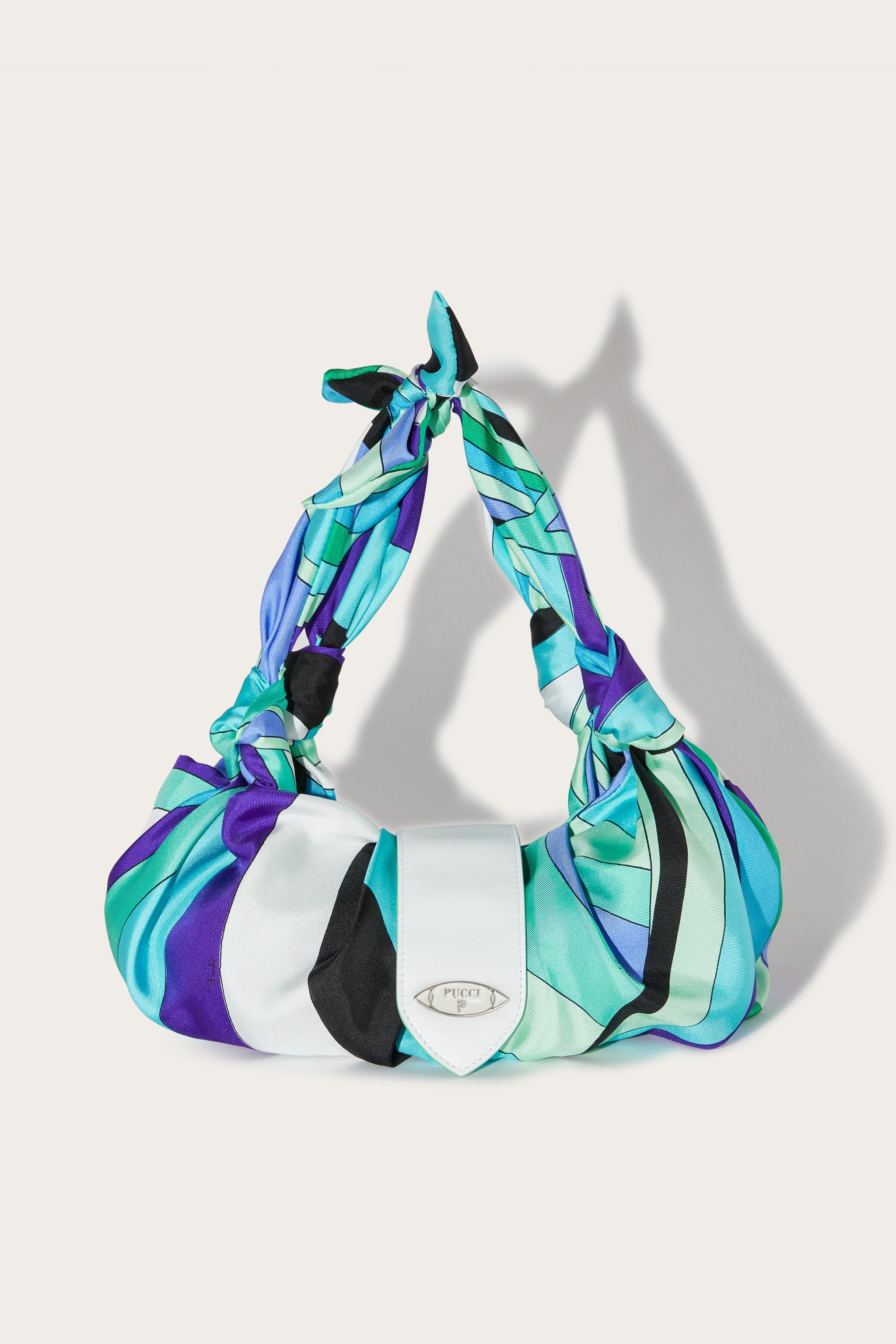
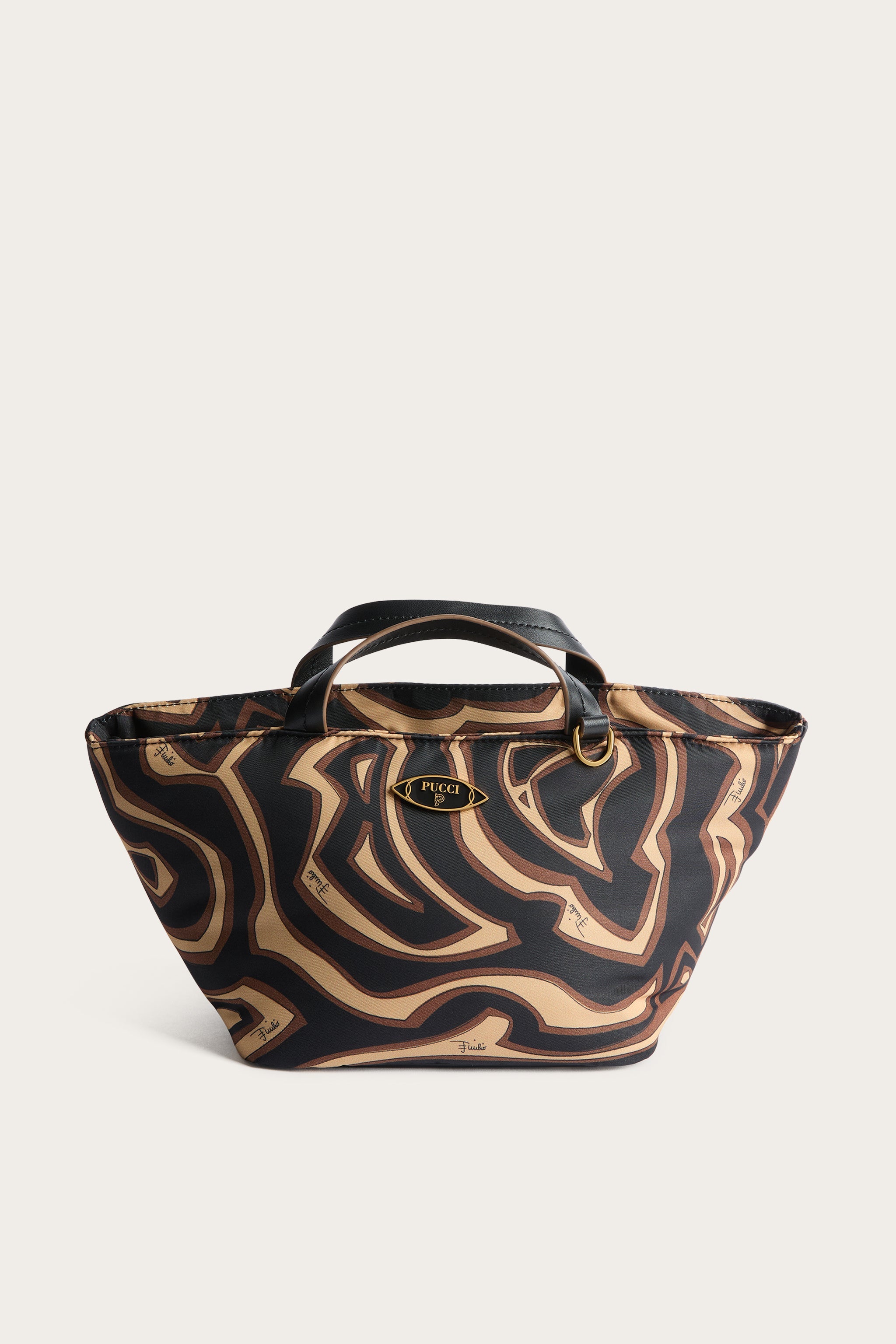
Yummy Handbag
Labirinto
Yummy Handbag
Yummy Handbag distilled into Pucci's graphic resort vocabulary.
$1,080 at PUCCI
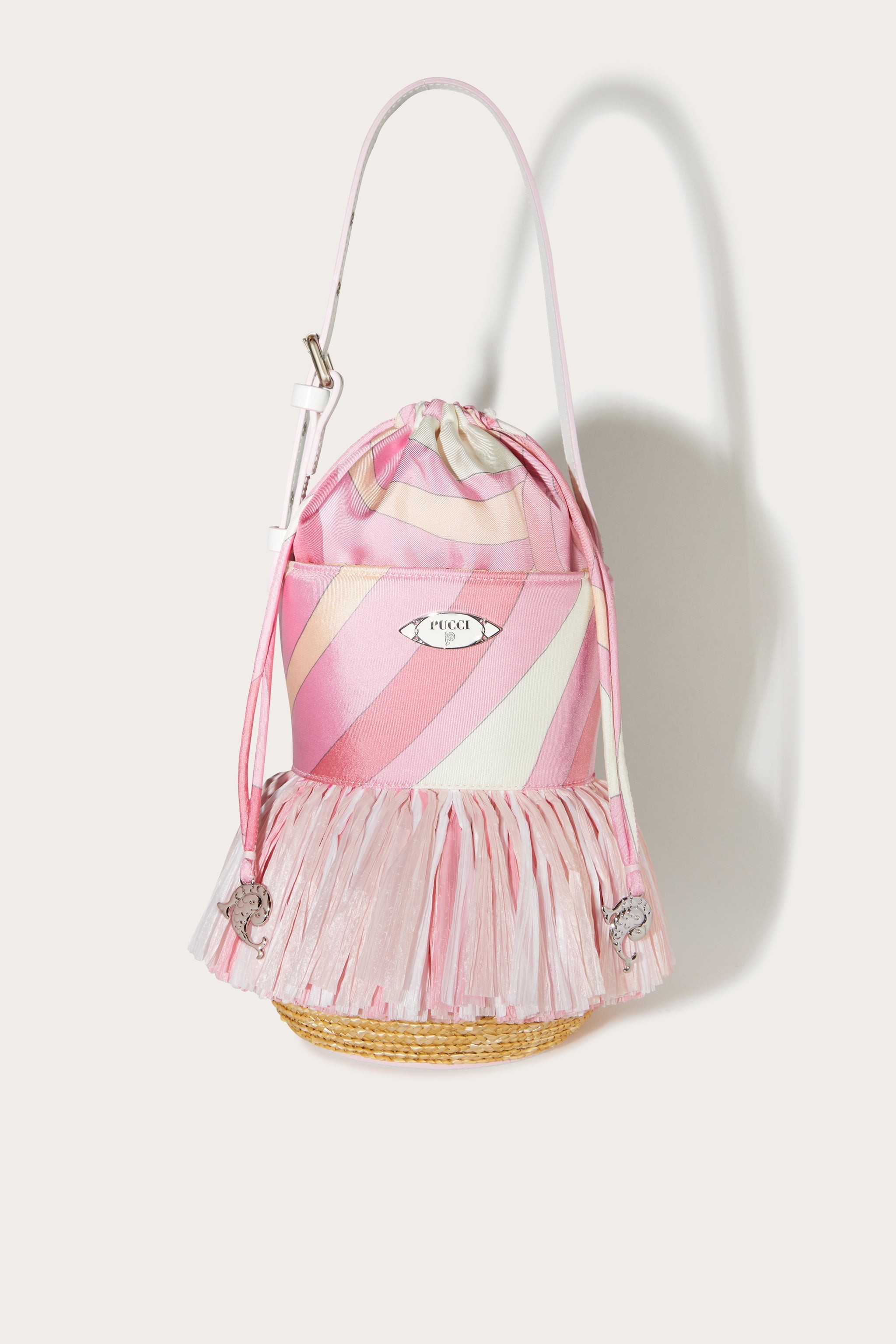
Puccinella Bag
Wheat braid
Puccinella Bag
Puccinella Bag distilled into Pucci's graphic resort vocabulary.
$1,070 at PUCCI
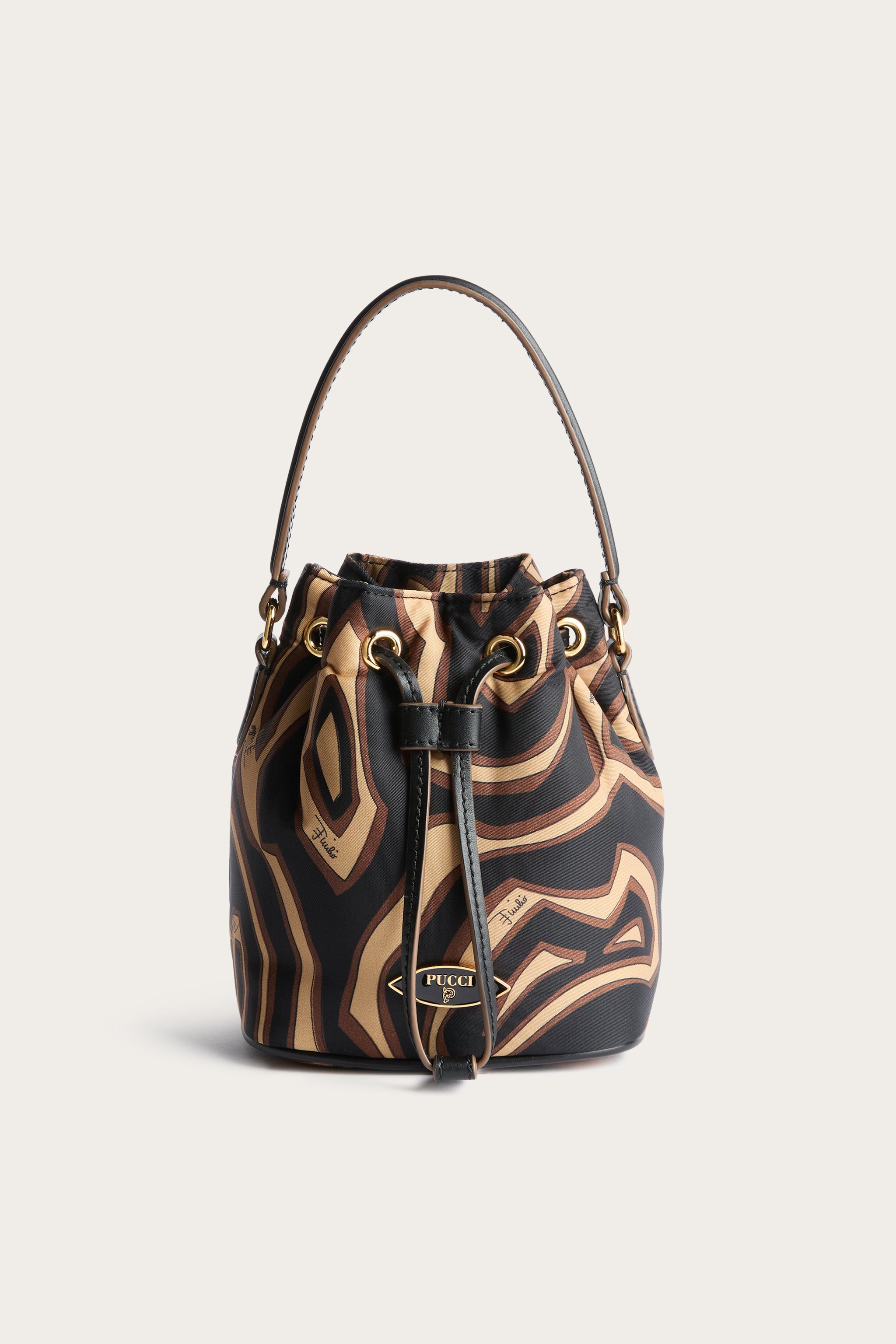
Yummy Bucket Bag
Labirinto
Yummy Bucket Bag
Yummy Bucket Bag distilled into Pucci's graphic resort vocabulary.
$1,140 at PUCCI
Emilio Bag
Iride
Emilio Bag
Emilio Bag distilled into Pucci's graphic resort vocabulary.
$1,295 at PUCCI
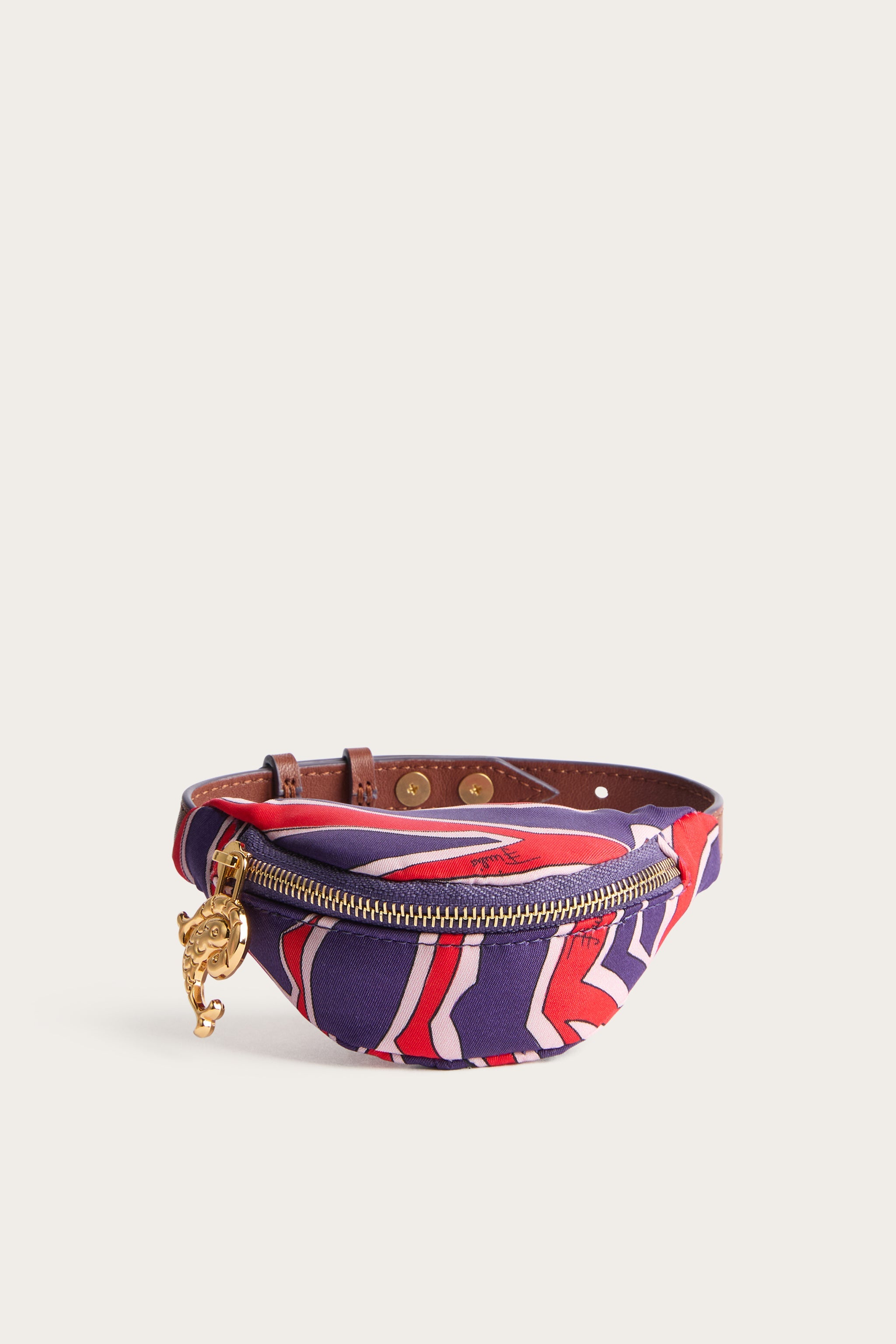
Yummy Coin Purse
Labirinto
Yummy Coin Purse
Yummy Coin Purse distilled into Pucci's graphic resort vocabulary.
$460 at PUCCI
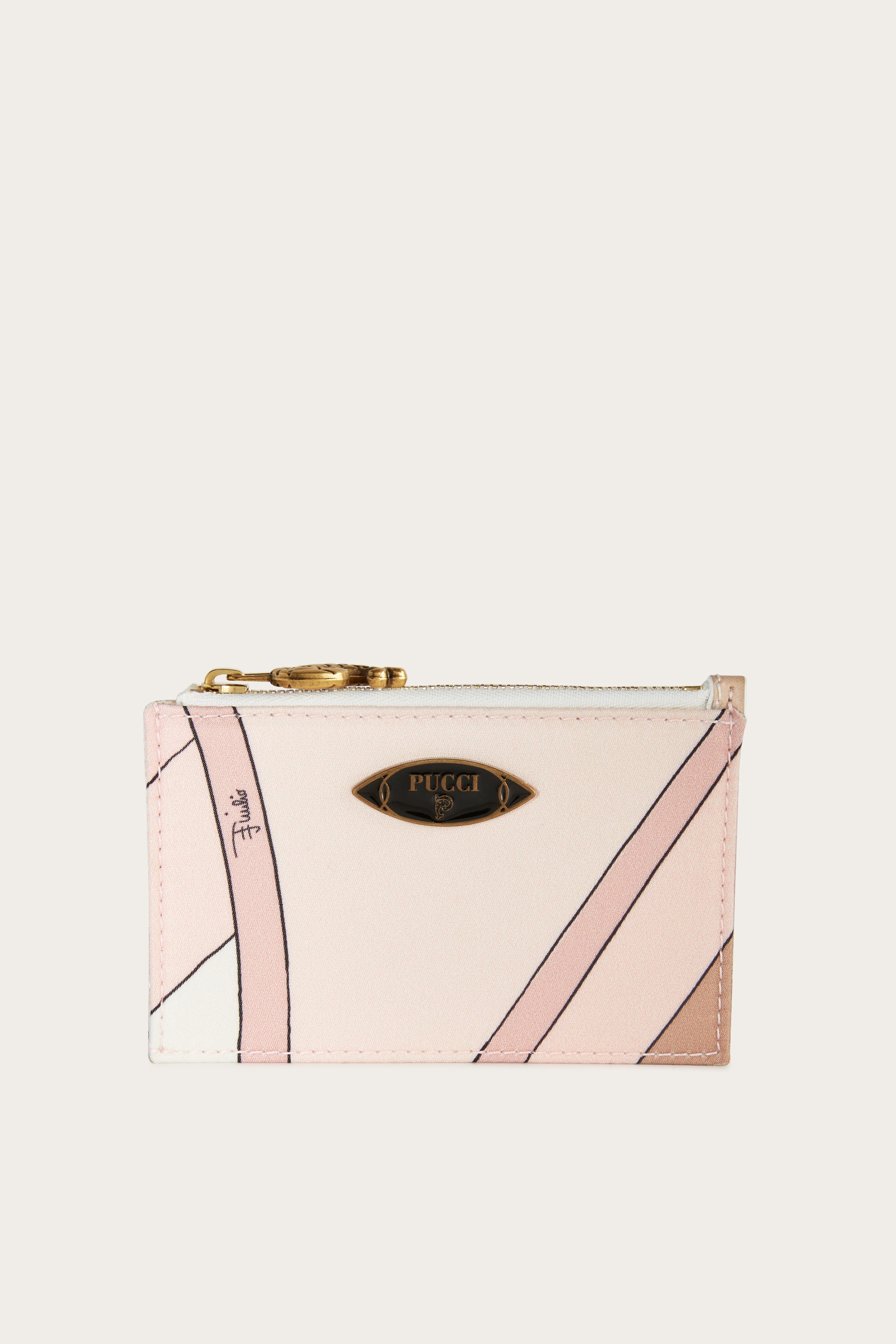
Iride Print Card Holder
Iride
Iride Print Card Holder
Iride Print Card Holder distilled into Pucci's graphic resort vocabulary.
$640 at PUCCI
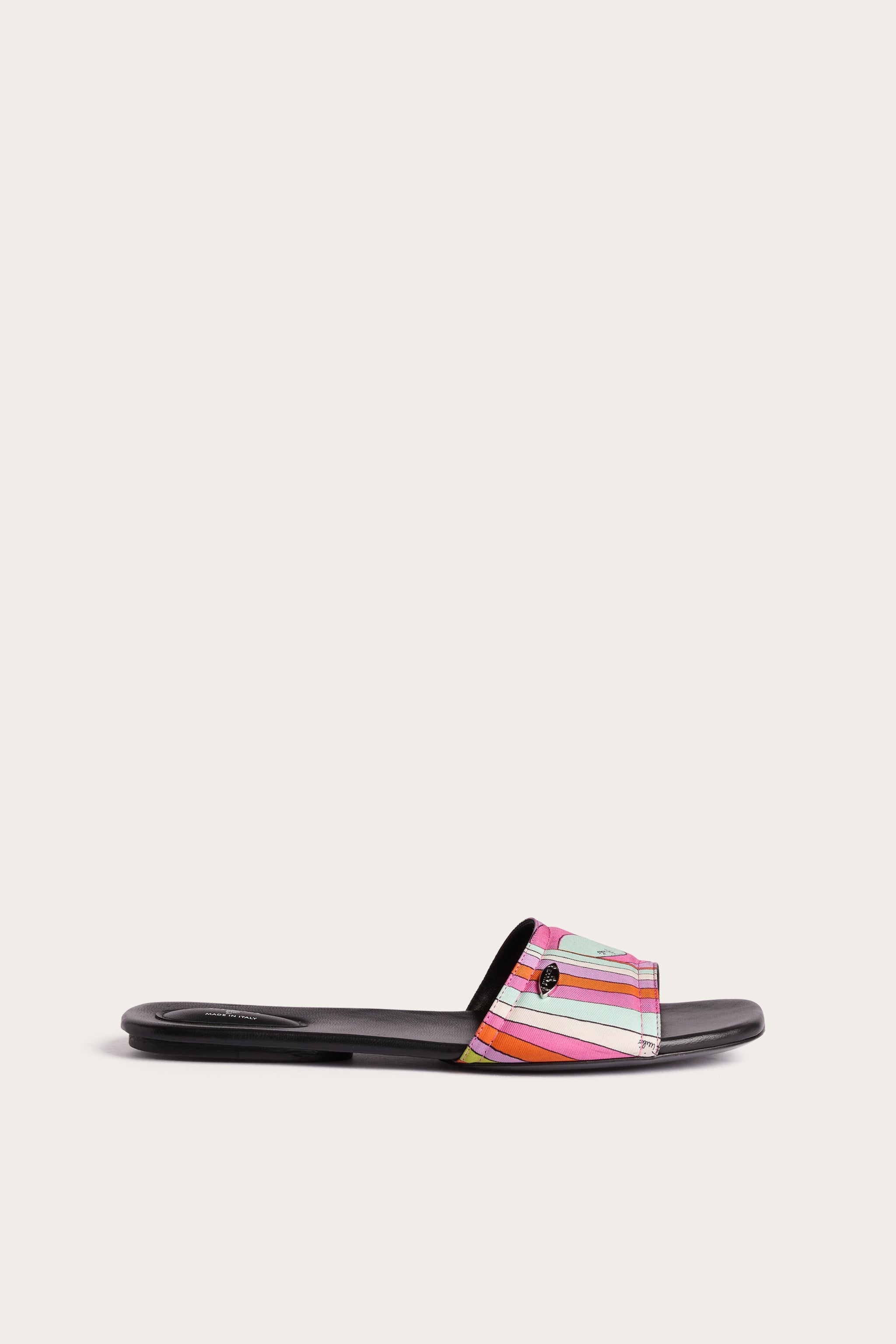
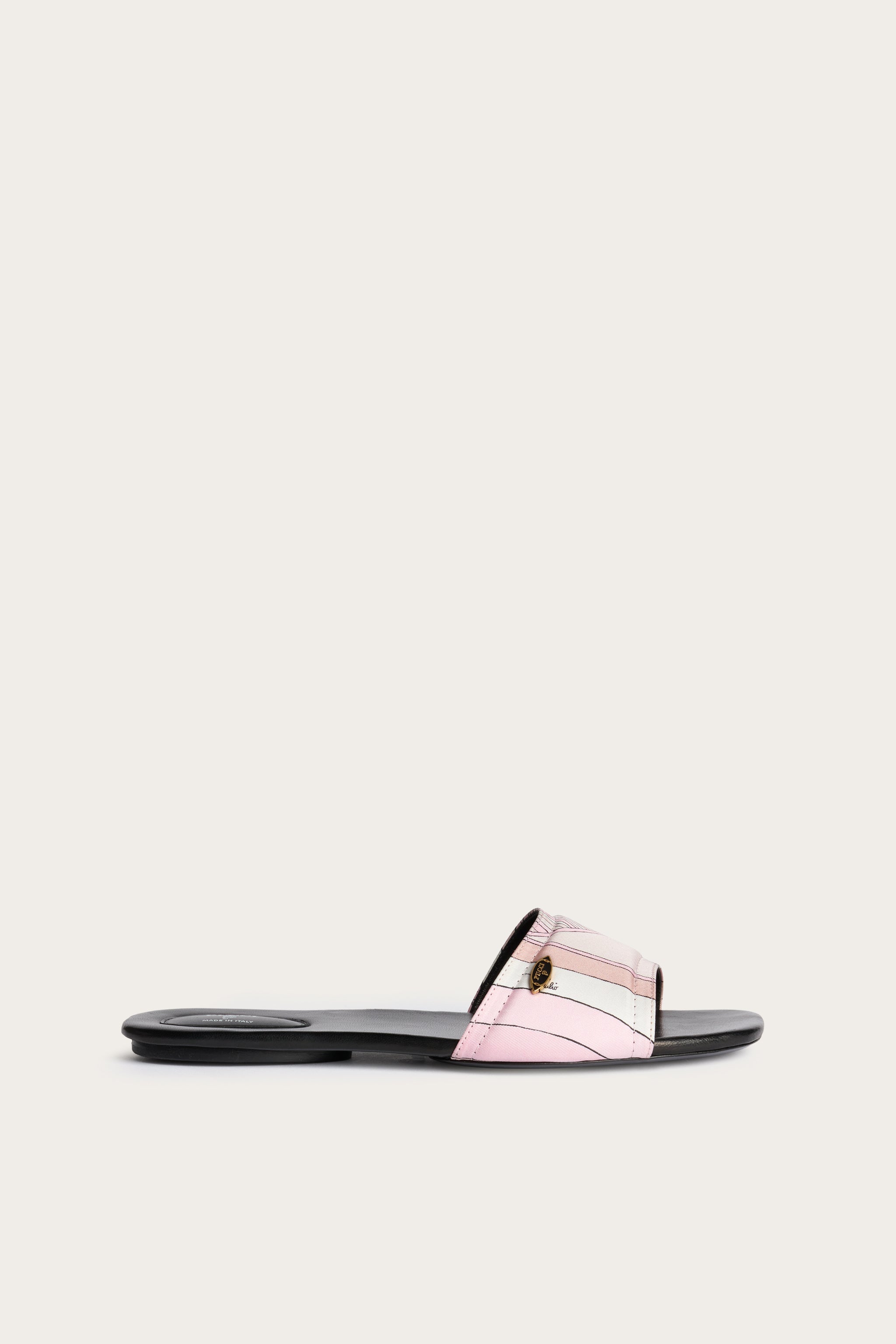
Iride Print Silk Slip-Ons
Iride
Iride Print Silk Slip-Ons
Iride Print Silk Slip-Ons distilled into Pucci's graphic resort vocabulary.
$925 at PUCCI
Iride Print Yummy Sandals
Iride
Iride Print Yummy Sandals
Iride Print Yummy Sandals distilled into Pucci's graphic resort vocabulary.
$925 at PUCCI
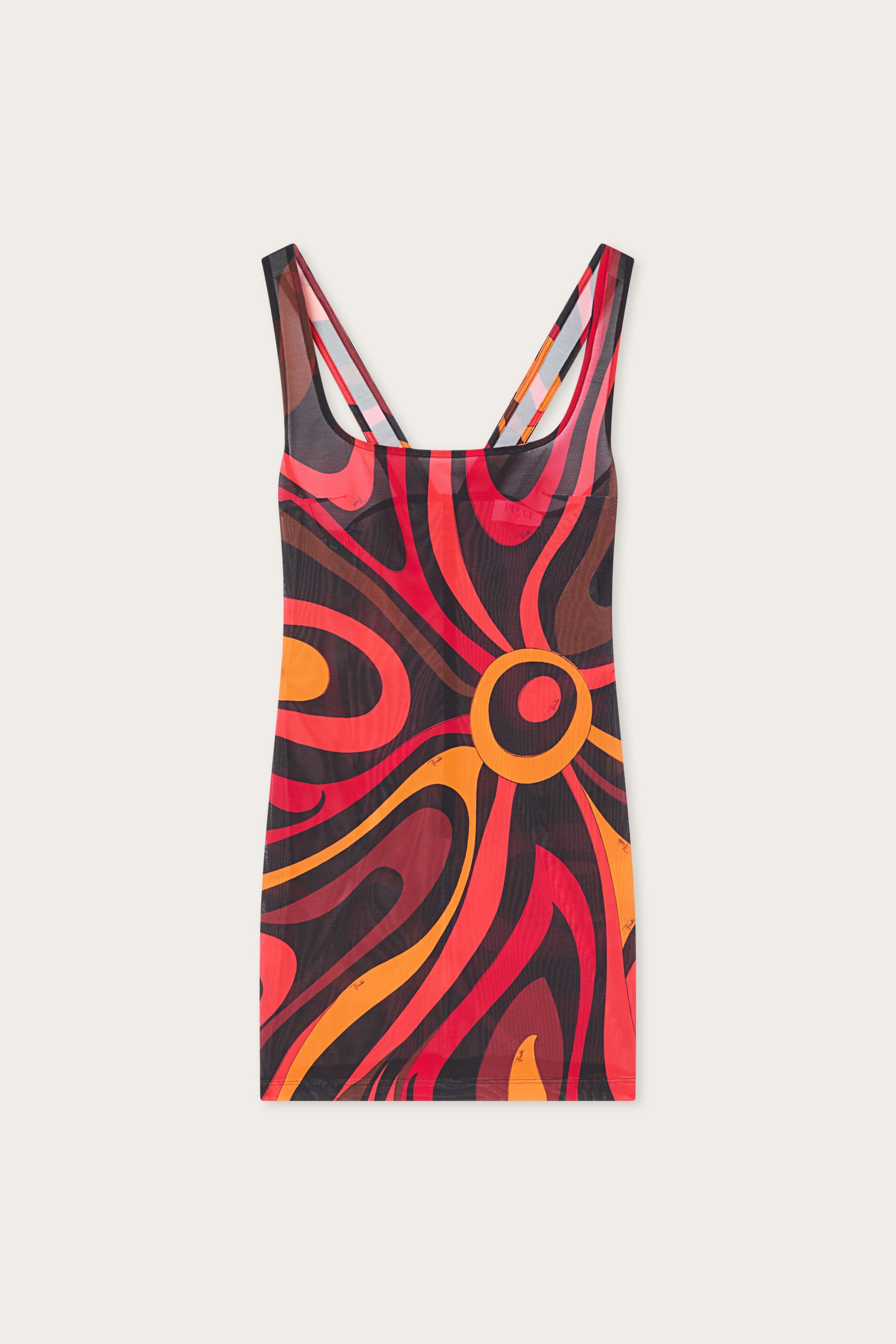
Marmo Print Dress
Marmo
Marmo Print Dress
Marmo Print Dress distilled into Pucci's graphic resort vocabulary.
$1,000 at PUCCI
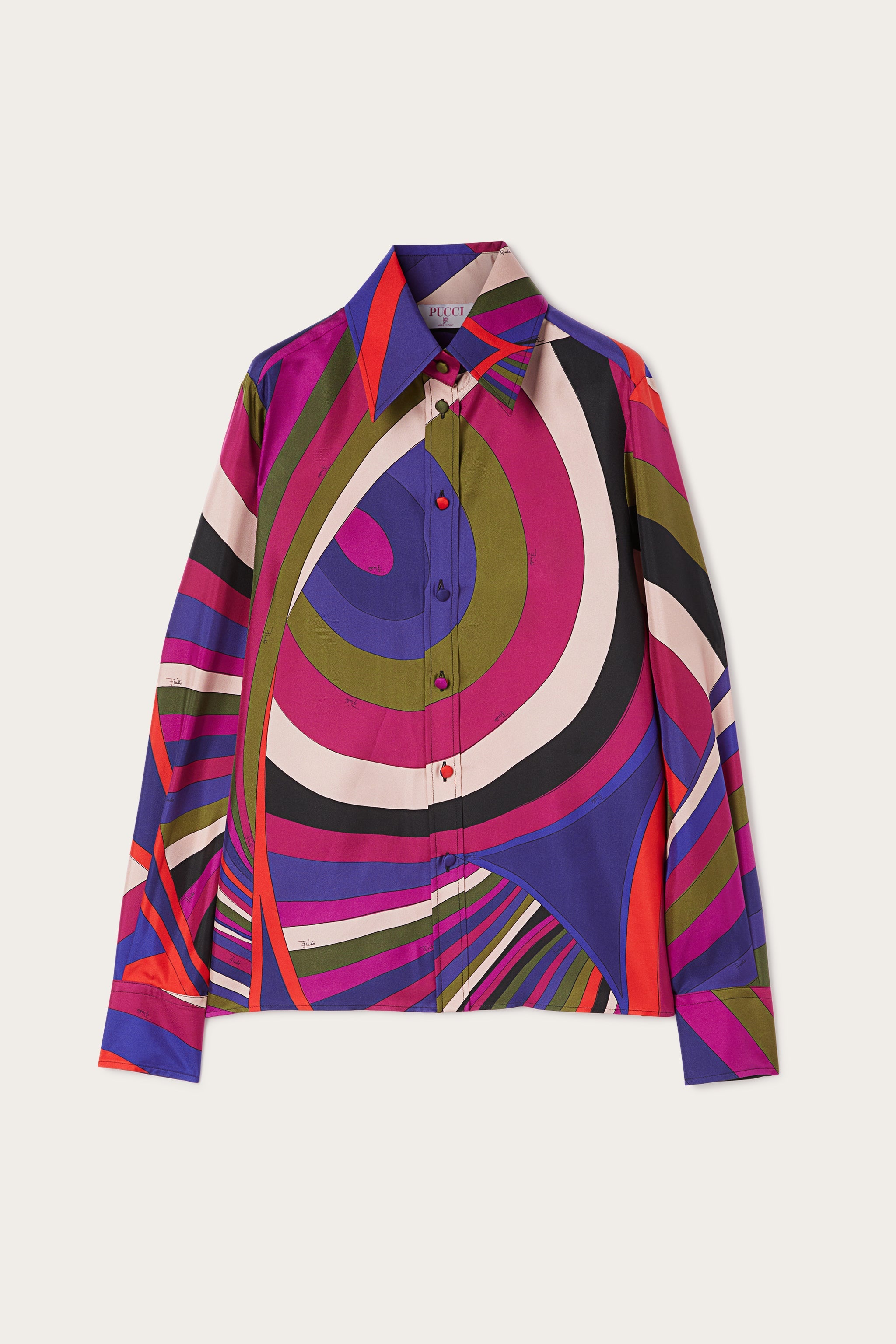
Iride Print Silk Twill Shirt
Iride
Iride Print Silk Twill Shirt
Iride Print Silk Twill Shirt distilled into Pucci's graphic resort vocabulary.
$1,375 at PUCCI
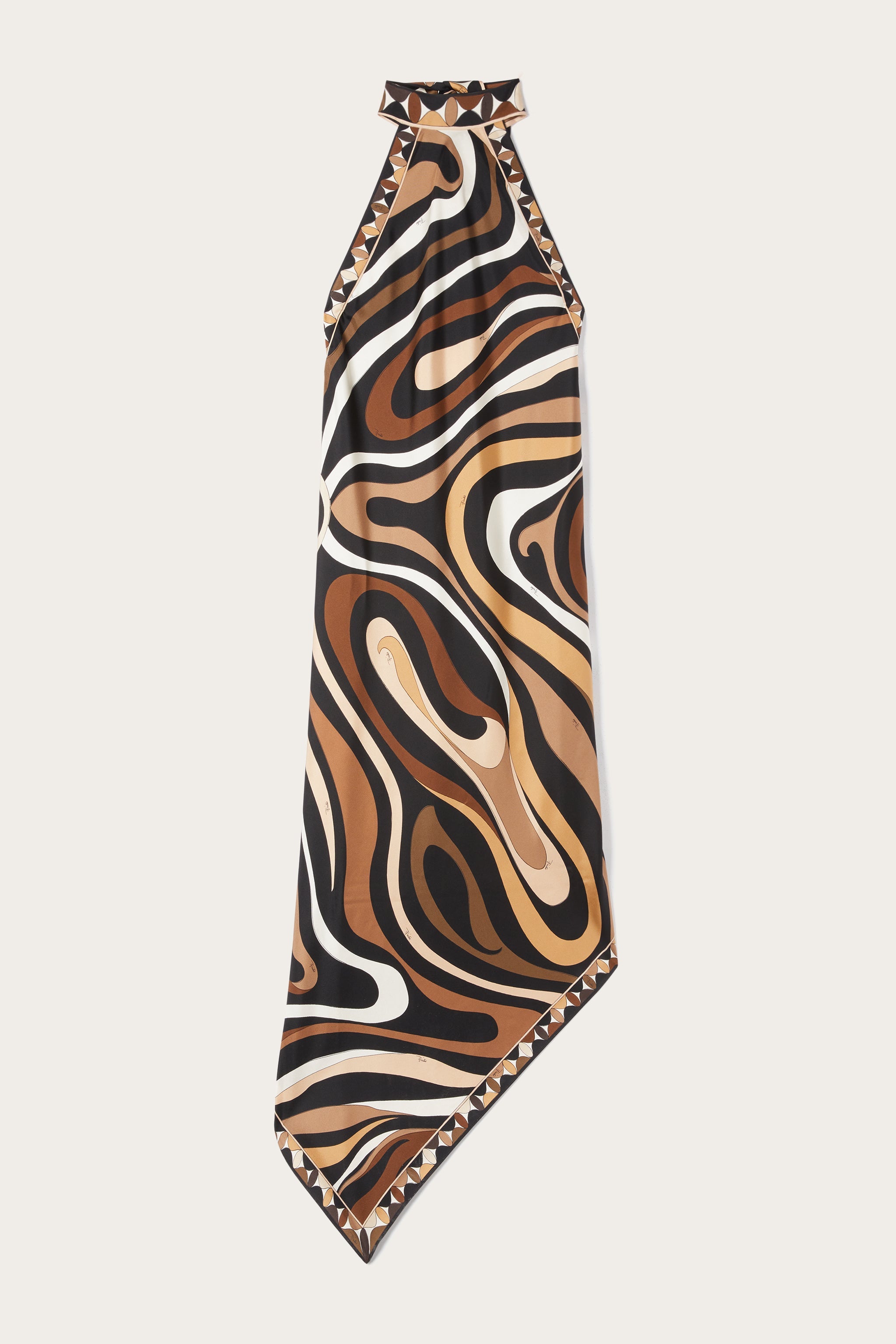
Marmo Print Long Dress with Halter Neck
Marmo
Marmo Print Long Dress with Halter Neck
Marmo Print Long Dress with Halter Neck distilled into Pucci's graphic resort vocabulary.
$2,020 at PUCCI
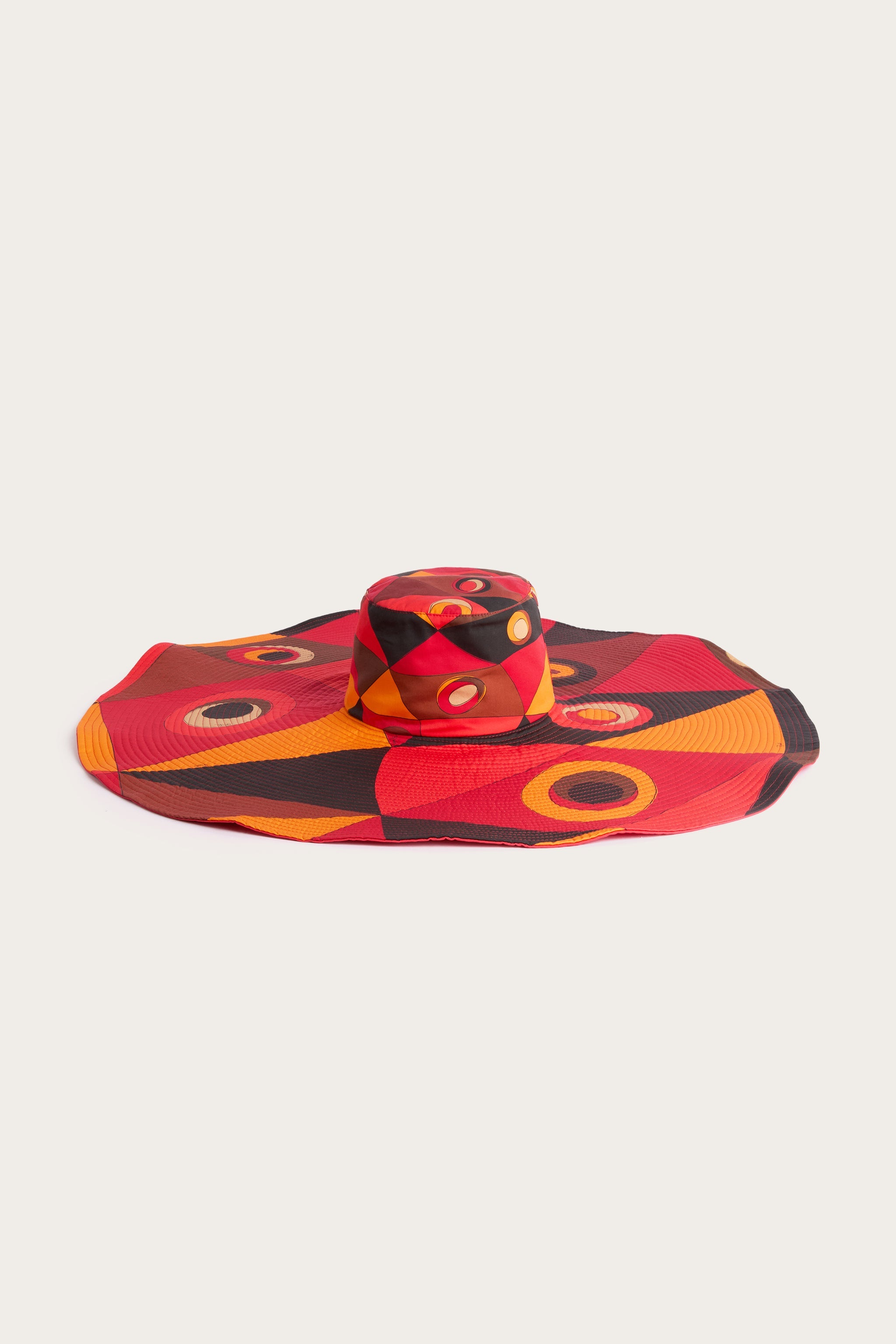
Raffia Hat with Printed Brim
Occhi
Raffia Hat with Printed Brim
Raffia Hat with Printed Brim distilled into Pucci's graphic resort vocabulary.
$845 at PUCCI
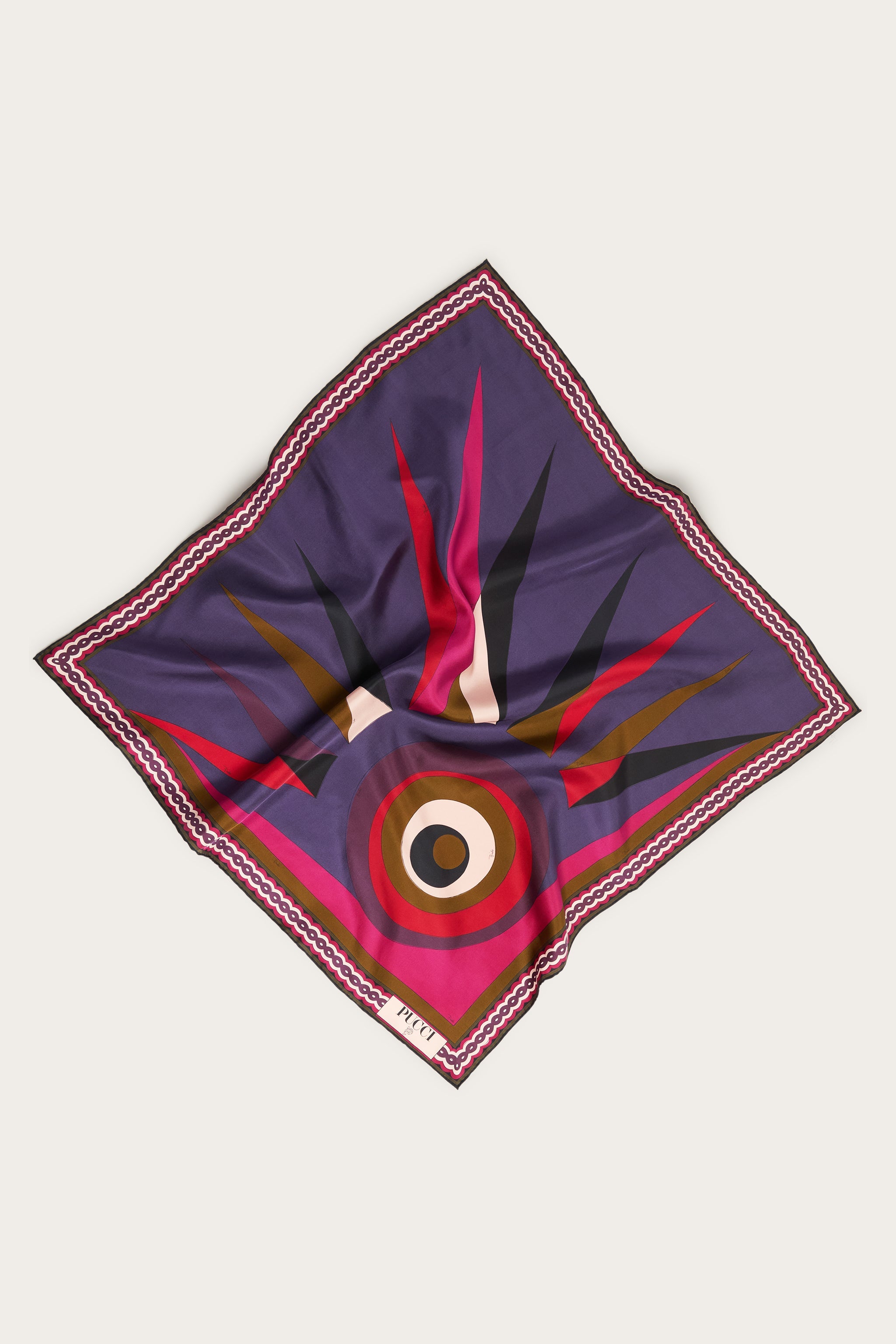
Hawaii Print Carre
Hawaii
Hawaii Print Carre
Hawaii Print Carre distilled into Pucci's graphic resort vocabulary.
$850 at PUCCI
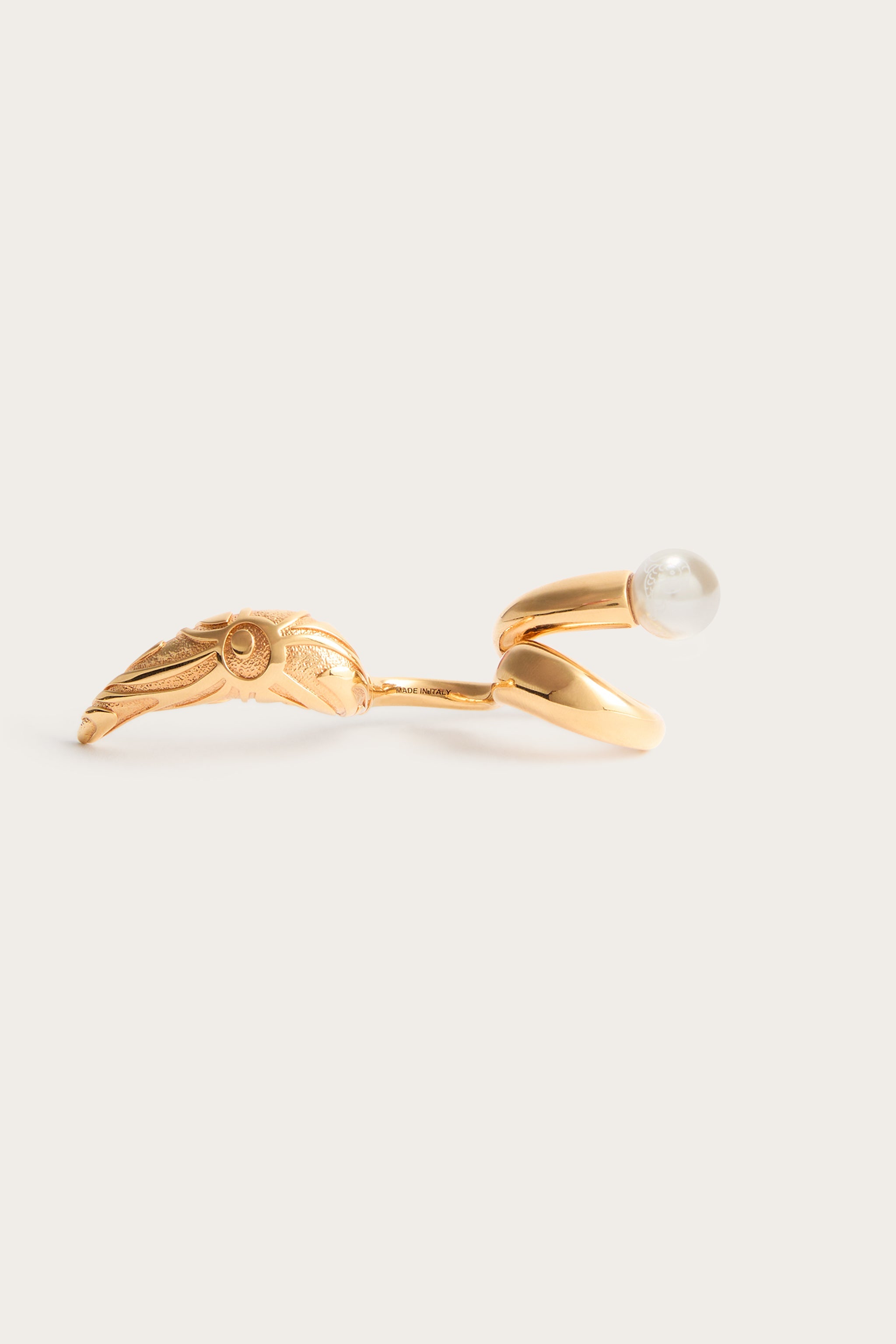
Multifinger Horn Ring with Marmo Texture
Marmo
Multifinger Horn Ring with Marmo Texture
Multifinger Horn Ring with Marmo Texture distilled into Pucci's graphic resort vocabulary.
$530 at PUCCI
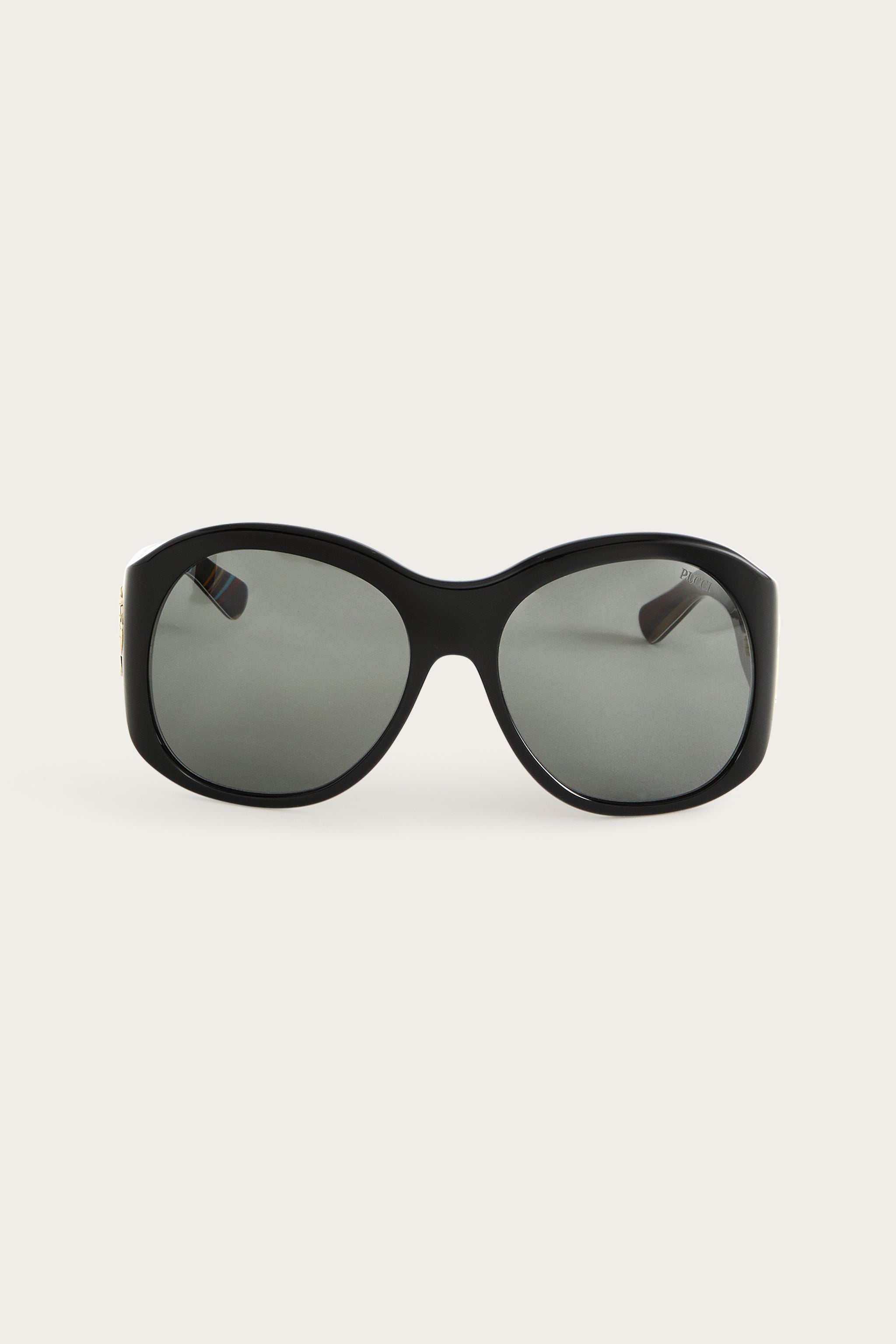
Oversized Sunglasses with Inside Print
Iride
Oversized Sunglasses with Inside Print
Oversized Sunglasses with Inside Print distilled into Pucci's graphic resort vocabulary.
$465 at PUCCI
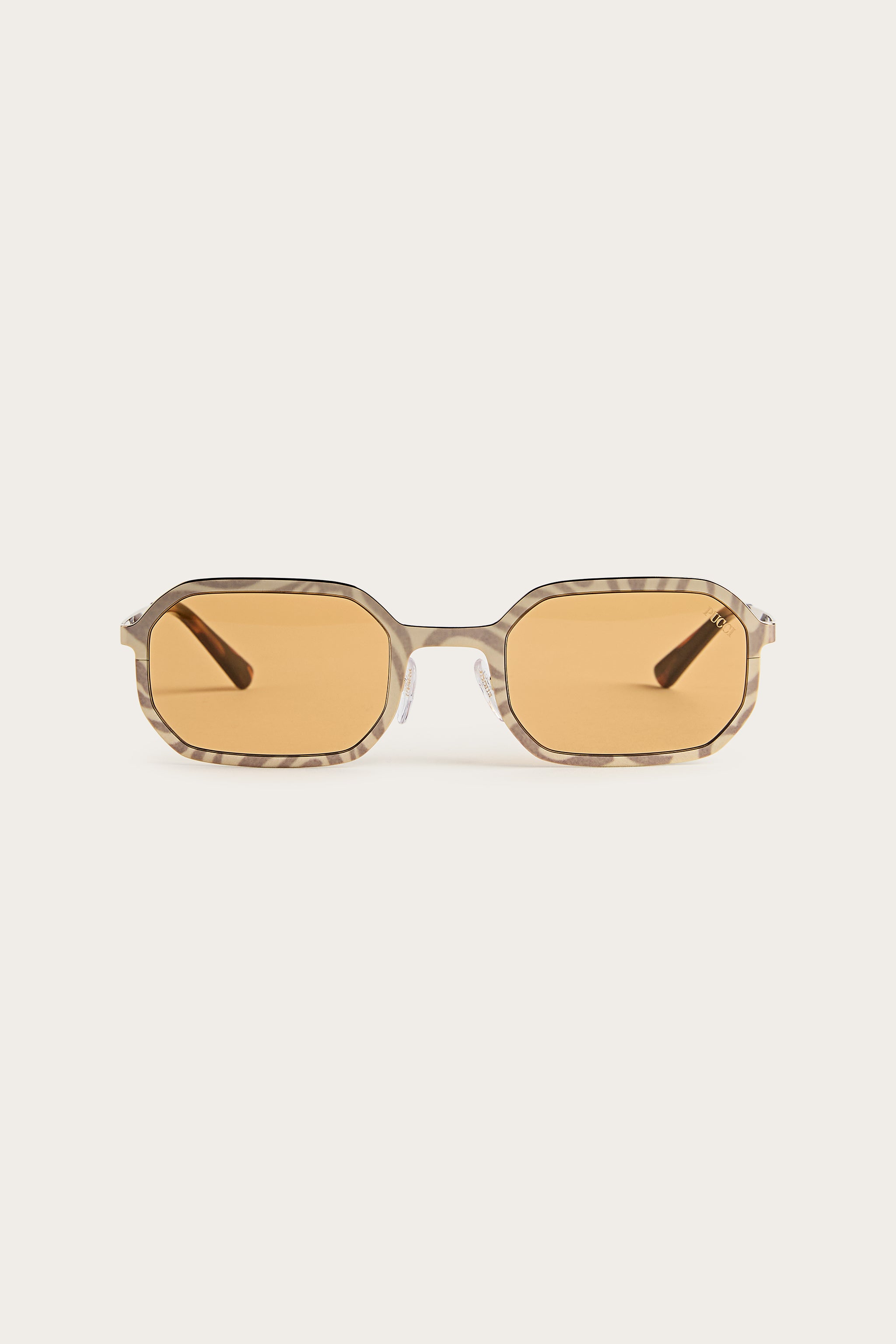
Geometric Sunglasses
Archive print
Geometric Sunglasses
Geometric Sunglasses distilled into Pucci's graphic resort vocabulary.
$360 at PUCCI

Pucci shopping FAQ

Is an Emilio Pucci print worth it, and why is it expensive?+

Pucci's value rests on its singular print heritage — the kaleidoscopic, geometric, often swirling designs that earned Emilio Pucci the nickname "the Prince of Prints." You are paying for finely printed silk and a colour sensibility that defined 1960s glamour, not a logo for its own sake. If a Pucci print speaks to you, it is a wearable piece of fashion history.

How do I spot a fake vintage Pucci?+

A famous authentication clue is the squiggly "Emilio" signature woven into the print itself — Pucci added it to help authenticate his much-copied designs. Note, though, that he only began signing the prints once his designs grew more abstract in the 1960s, so genuinely earlier pieces can be unsigned. Pair the signature check with period-correct labels and the silk jersey hand to be confident.

What is Pucci's signature material and look?+

The house is built on vivid, boldly patterned printed silk — including Pucci's beloved silk jersey — in a palette of acid yellow, lime green, turquoise and pink that captured 1960s psychedelia. The prints are geometric and swirling, instantly recognisable. That riot of colour on lightweight silk is the Pucci signature.

Who was Emilio Pucci and when did he found the house?+

Emilio Pucci, Marchese di Barsento (1914–1992), was an Italian aristocrat, designer and politician. His designs first drew attention in 1947–48 when skiwear he created was photographed for Harper's Bazaar, and he soon set up a couture house on Capri. He went on to build the eponymous print house that still bears his name.

What was Pucci's first fashion innovation?+

Before the prints came skiwear: the very first clothes Pucci designed were for the Reed College ski team, and he is credited as the first person to design a one-piece ski suit. His sleek use of stretch fabrics caused a sensation and launched his fashion career. From the slopes he moved to swimwear in 1949 and then to the printed silks he became famous for.

Why is Pucci so associated with 1960s glamour and the jet set?+

Pucci's Capri couture house rode the island's popularity with the international jet set, and his vivid prints became shorthand for the era's elegance. His clothes were worn by Sophia Loren, Jackie Kennedy and Marilyn Monroe — Monroe was even interred wearing a Pucci dress. That golden-age glamour is still part of the brand's allure.

Did Pucci really design airline uniforms?+

Yes — one of his most celebrated commissions. Braniff International Airways hired Pucci to design uniforms in 1968 and again in 1972, and he created six complete collections for hostesses, pilots and ground crew between 1965 and 1974. His acid-bright, modular designs became icons of Space-Age style.

Who owns Pucci now and who has designed for it?+

After Emilio Pucci's death in 1992, his daughter Laudomia Pucci continued designing under the name, and in 2000 the French luxury group LVMH acquired 67% of the house. LVMH brought in major designers including Christian Lacroix as creative director from 2002 to 2005, followed by Matthew Williamson and later Peter Dundas. Laudomia became Image Director.

How does Pucci differ from other Italian luxury houses?+

Where many Italian houses are defined by leather goods or tailoring, Pucci is defined almost entirely by print — it was a pioneering bridge between luxurious couture and ready-to-wear in the 1950s and 60s. Its identity is colour and pattern on silk rather than a handbag or a heel. That print-first focus makes it distinct.

What does Pucci make today?+

The house produces ready-to-wear and accessories for women, plus a small range of men's accessories, sold through Pucci boutiques and high-end department stores. The pieces mostly carry Emilio's original brightly coloured, often swirly prints or new designs in his distinctive style. The print remains the throughline across everything.