−40%
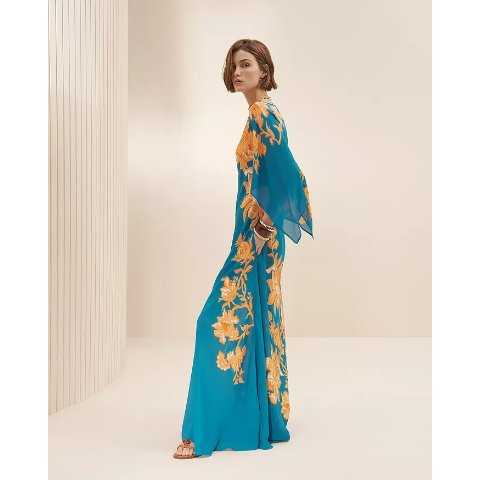
The house that made paisley its signature — Milanese textile heritage spun into fashion, fragrance and home.
Real verified markdowns across Bloomingdale's — filter by category, retailer & price. Heart anything to track its price.
The paisley became central after a trip to India, growing from furnishing textiles into leather goods, a home collection, fragrance and ready-to-wear, with the first Milan Fashion Week show in 1996. The Milan headquarters on Via Spartaco holds a textile archive and in-house library, and the founder's four children — Kean, Veronica, Jacopo and Ippolito — long shaped its menswear, womenswear, accessories and operations.
In 2021 private-equity firm L Catterton acquired a majority stake, and Marco De Vincenzo became the first creative director from outside the family in 2022. In December 2025 the founding family sold its remaining minority stake, completing its exit from the company.
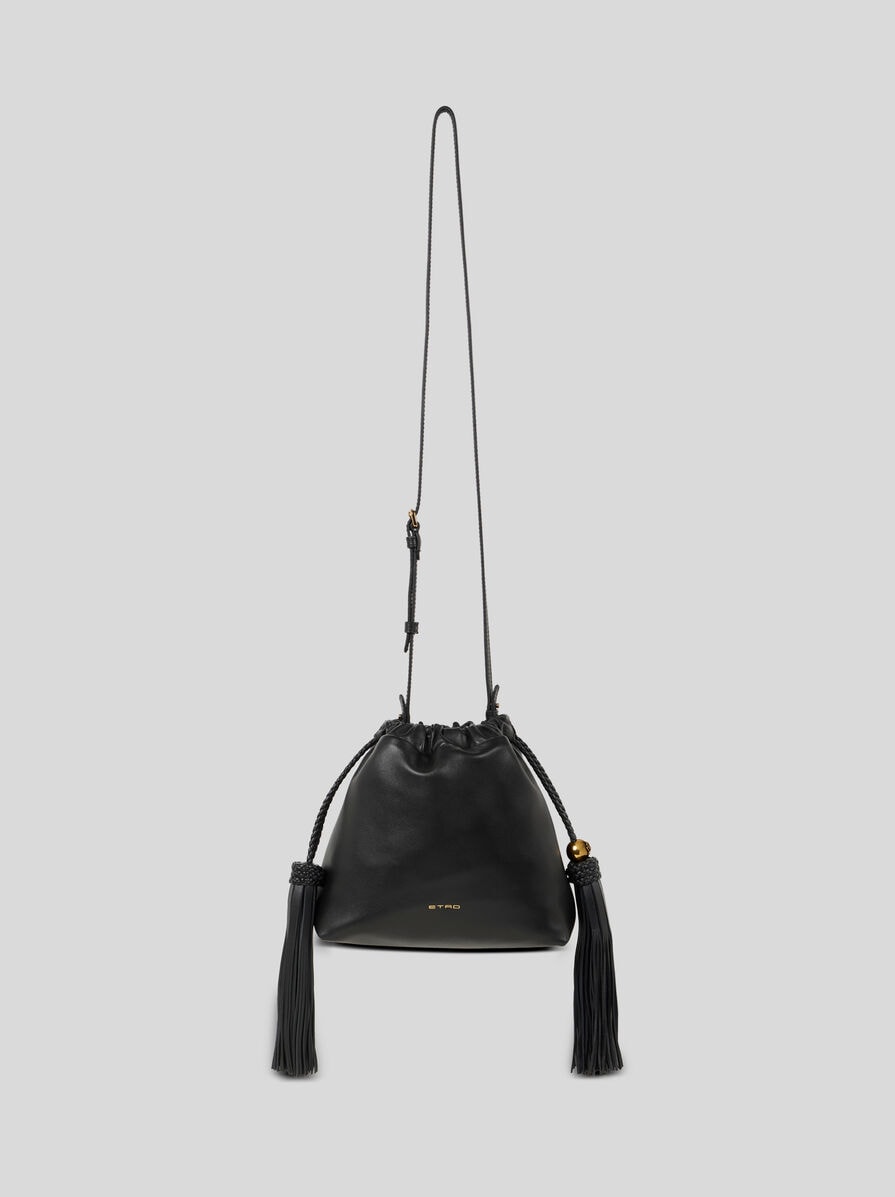
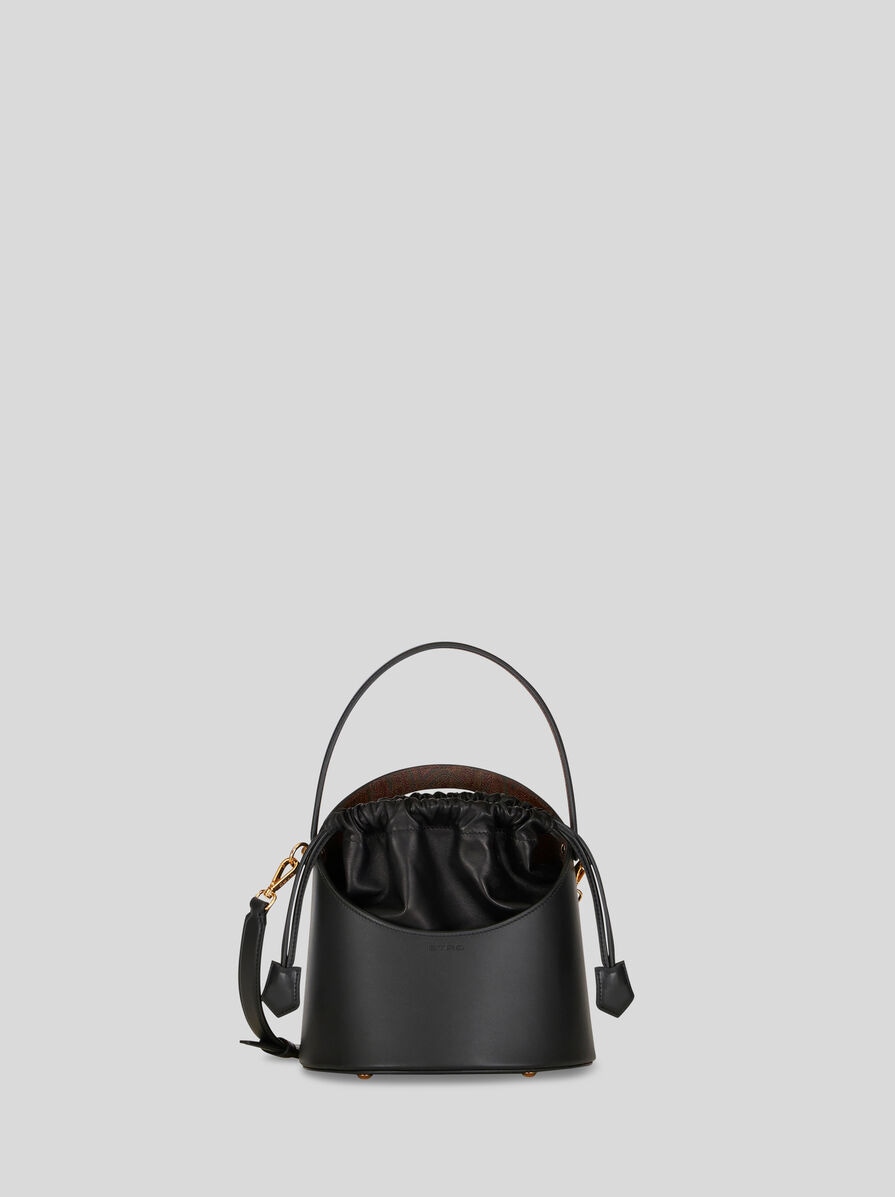
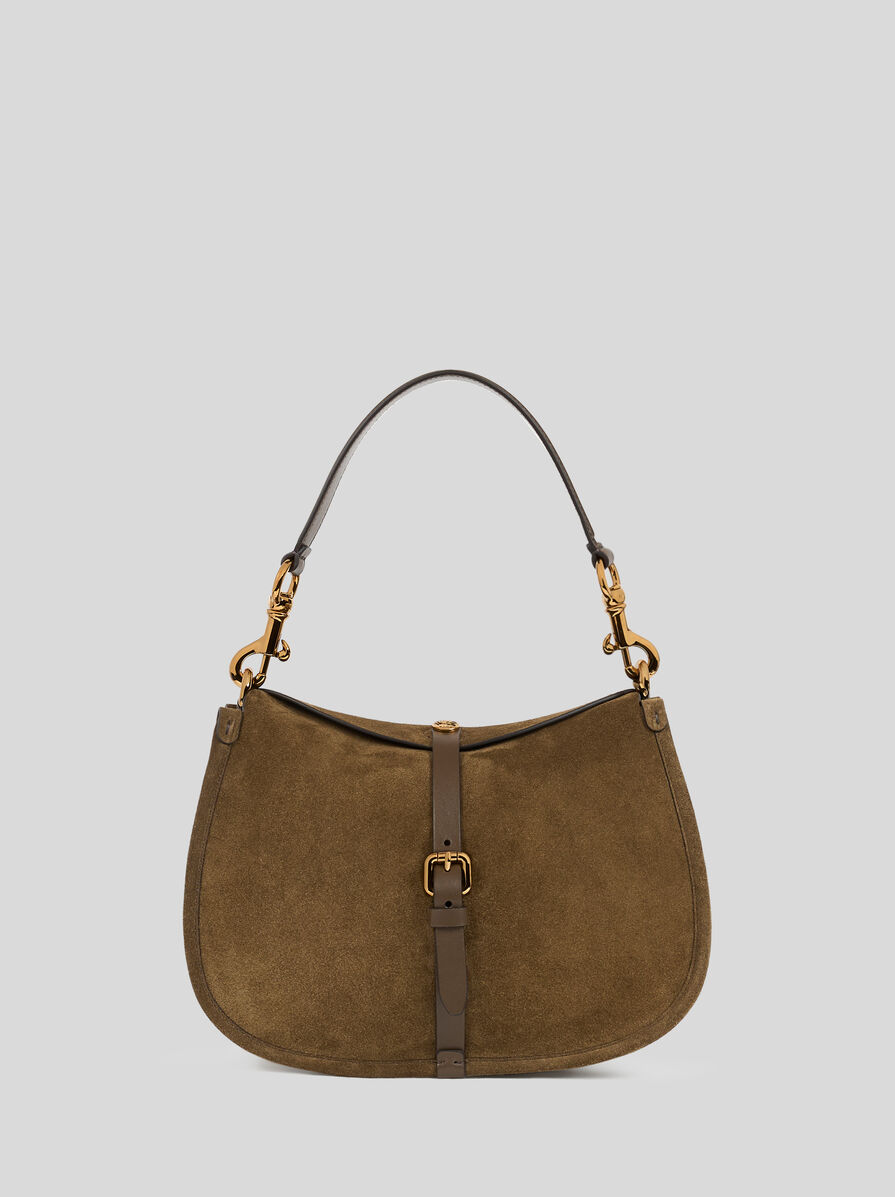
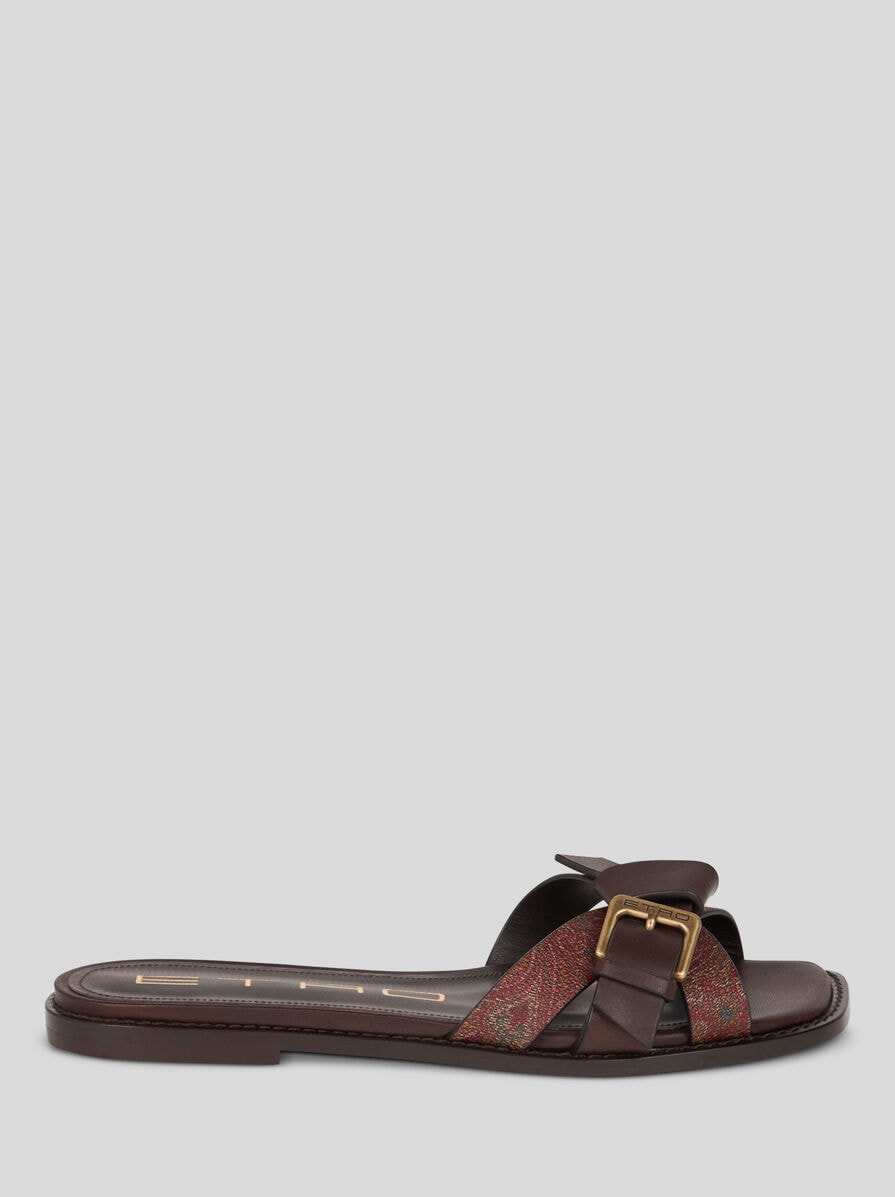
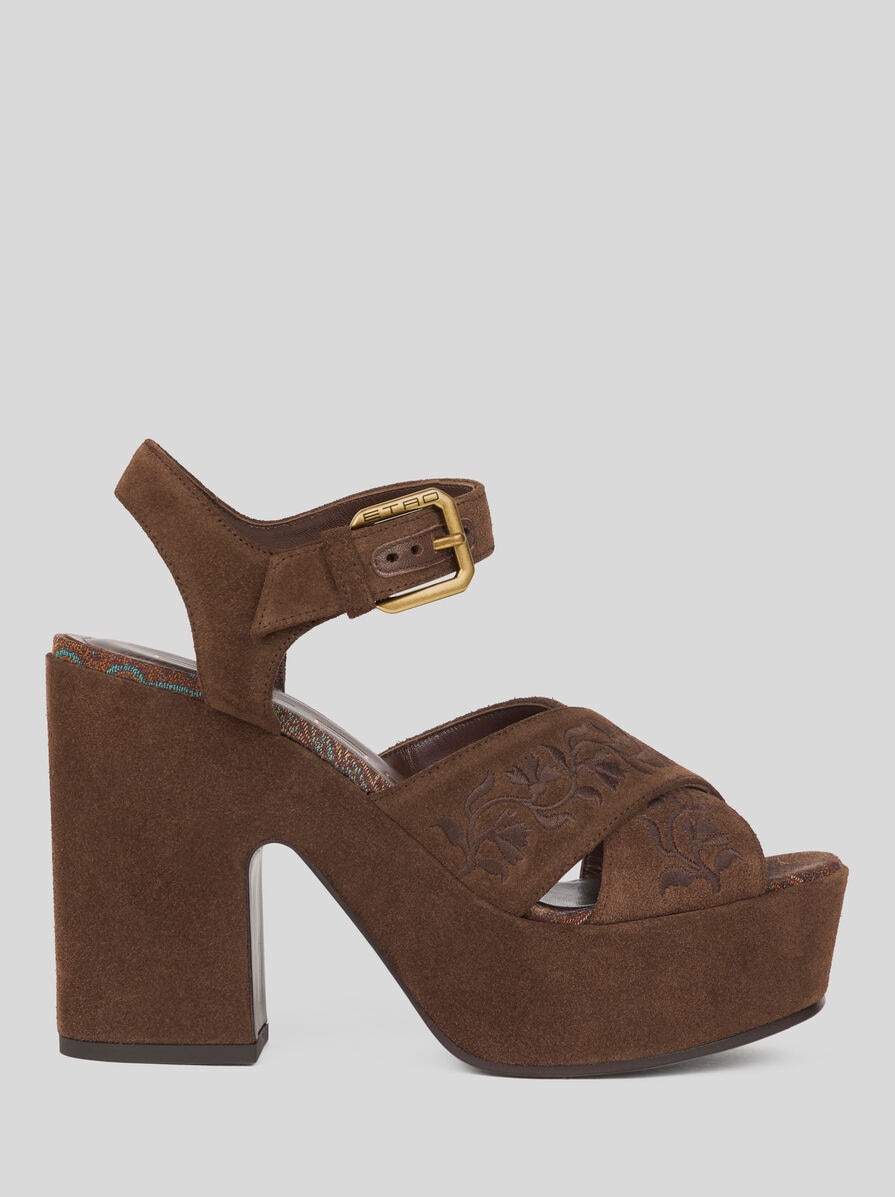
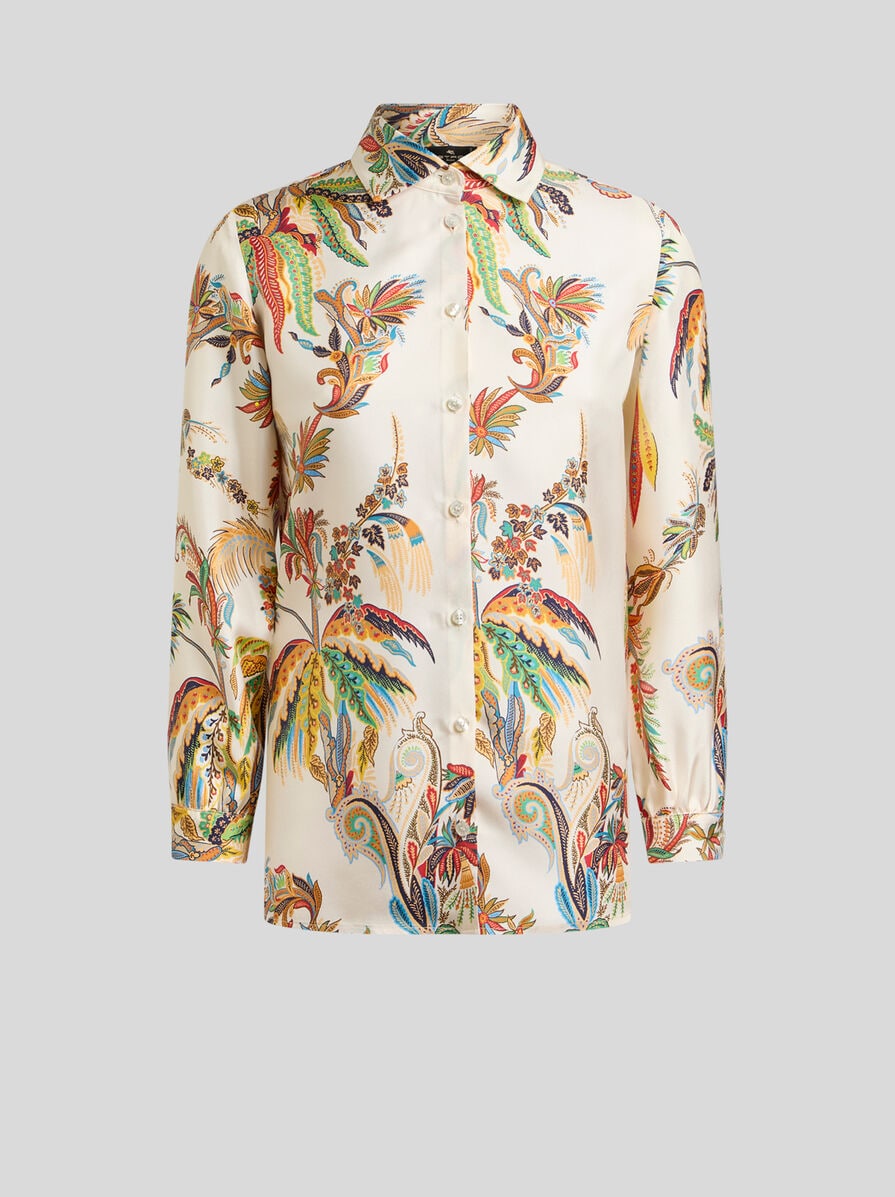
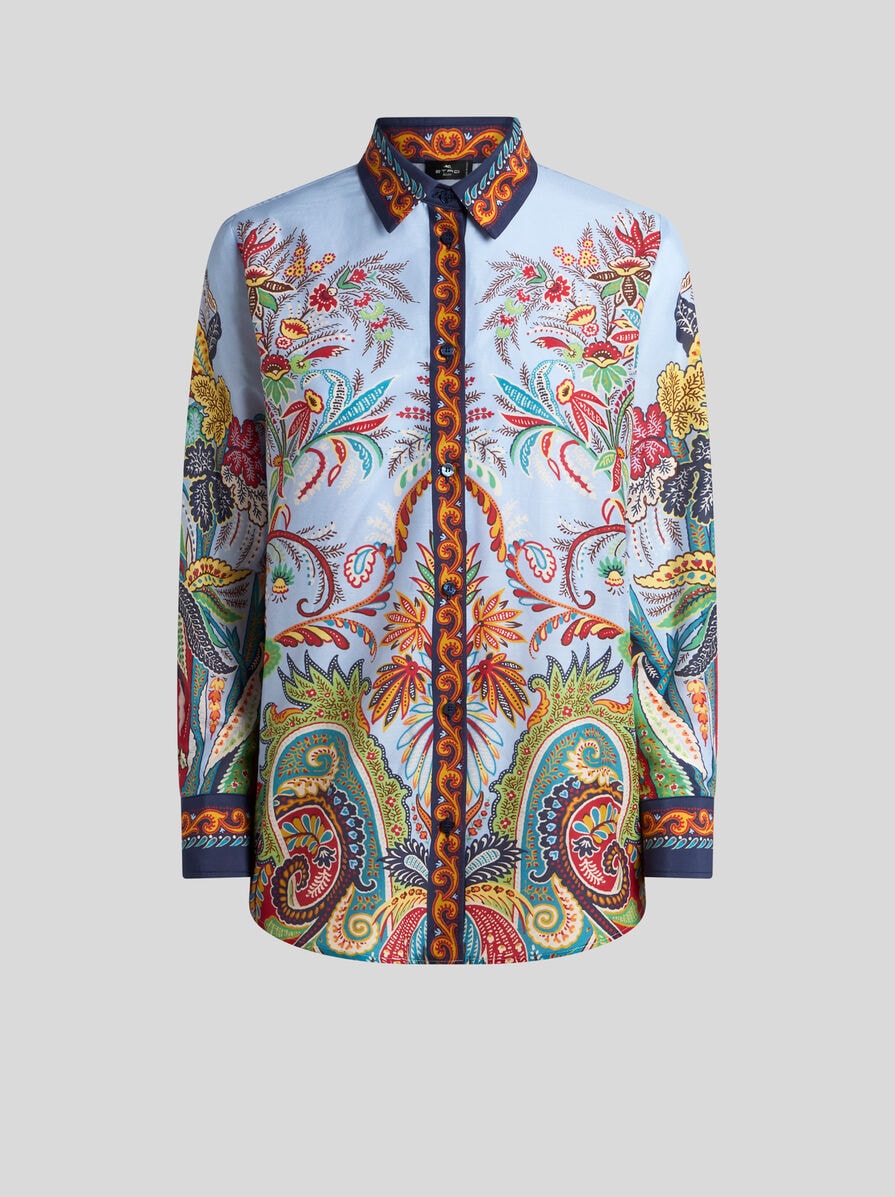
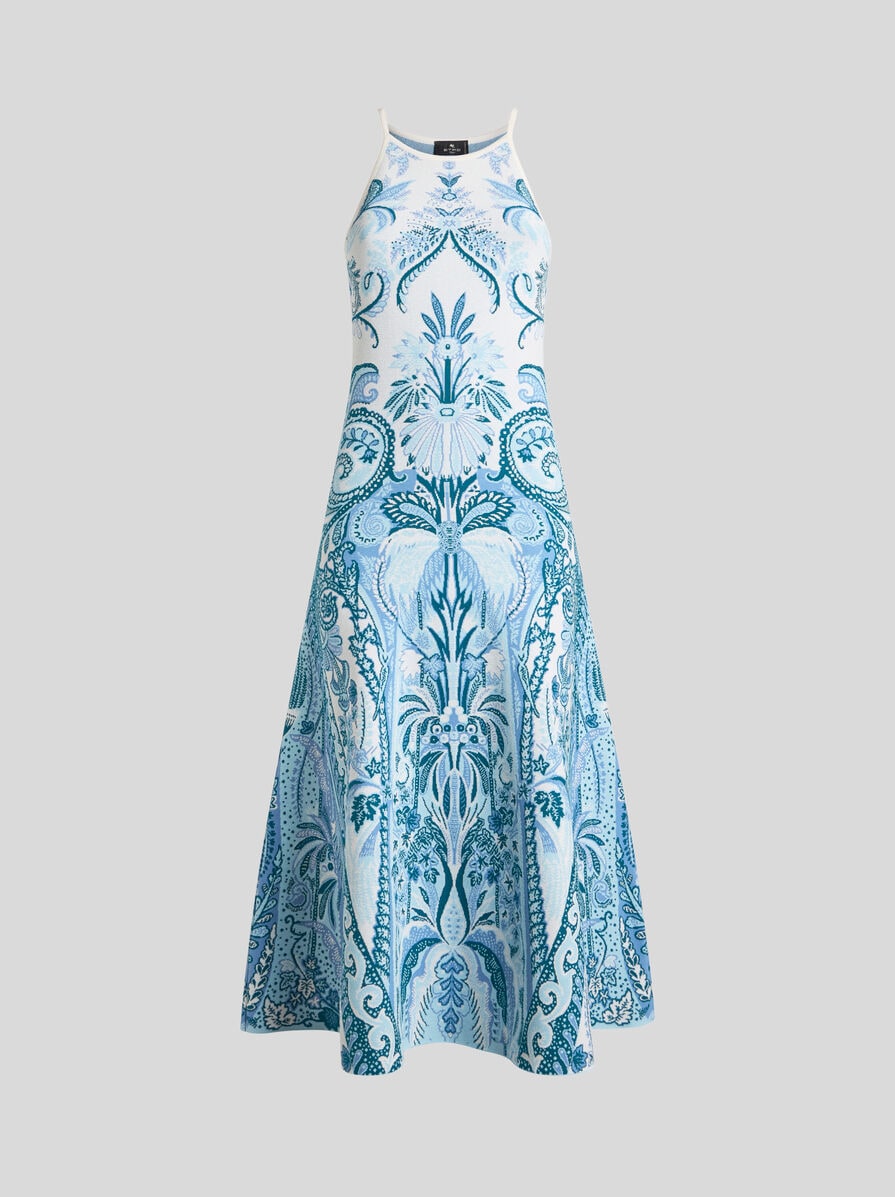
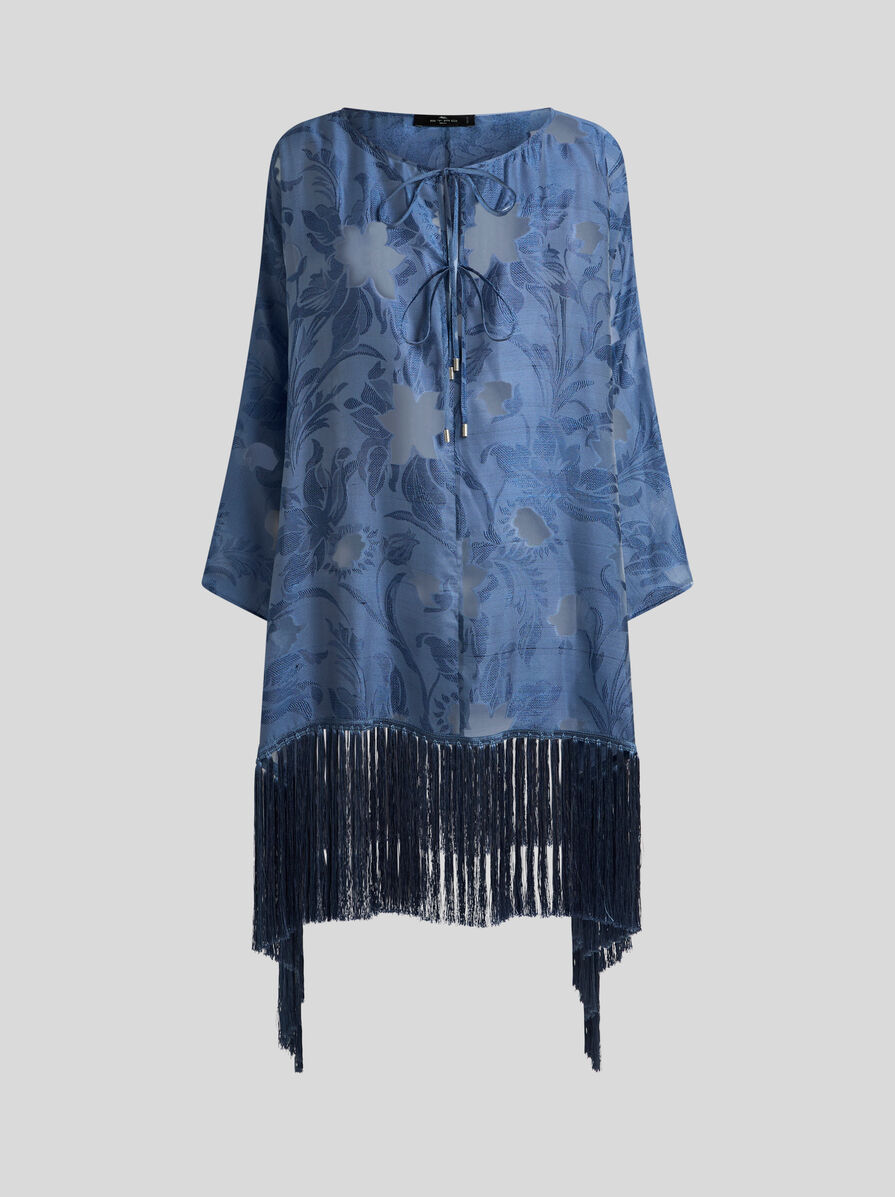
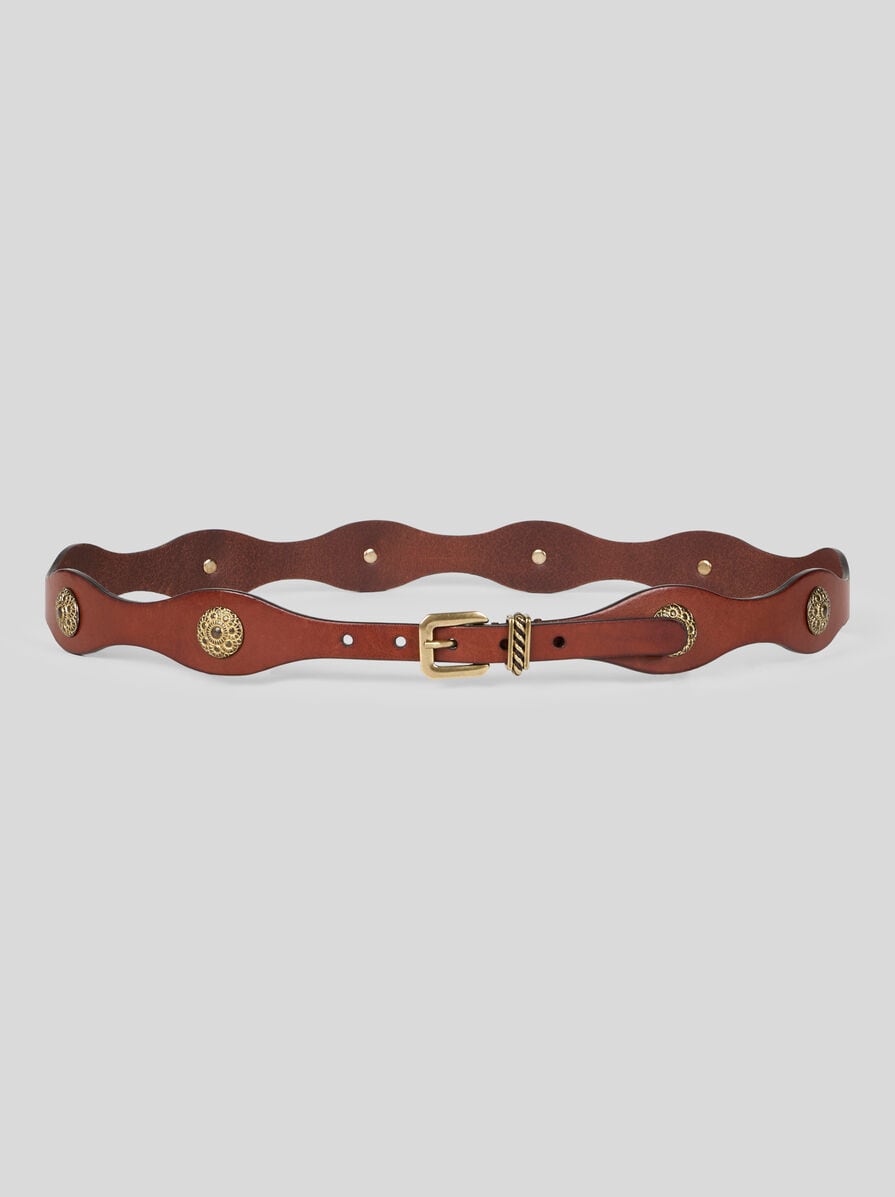
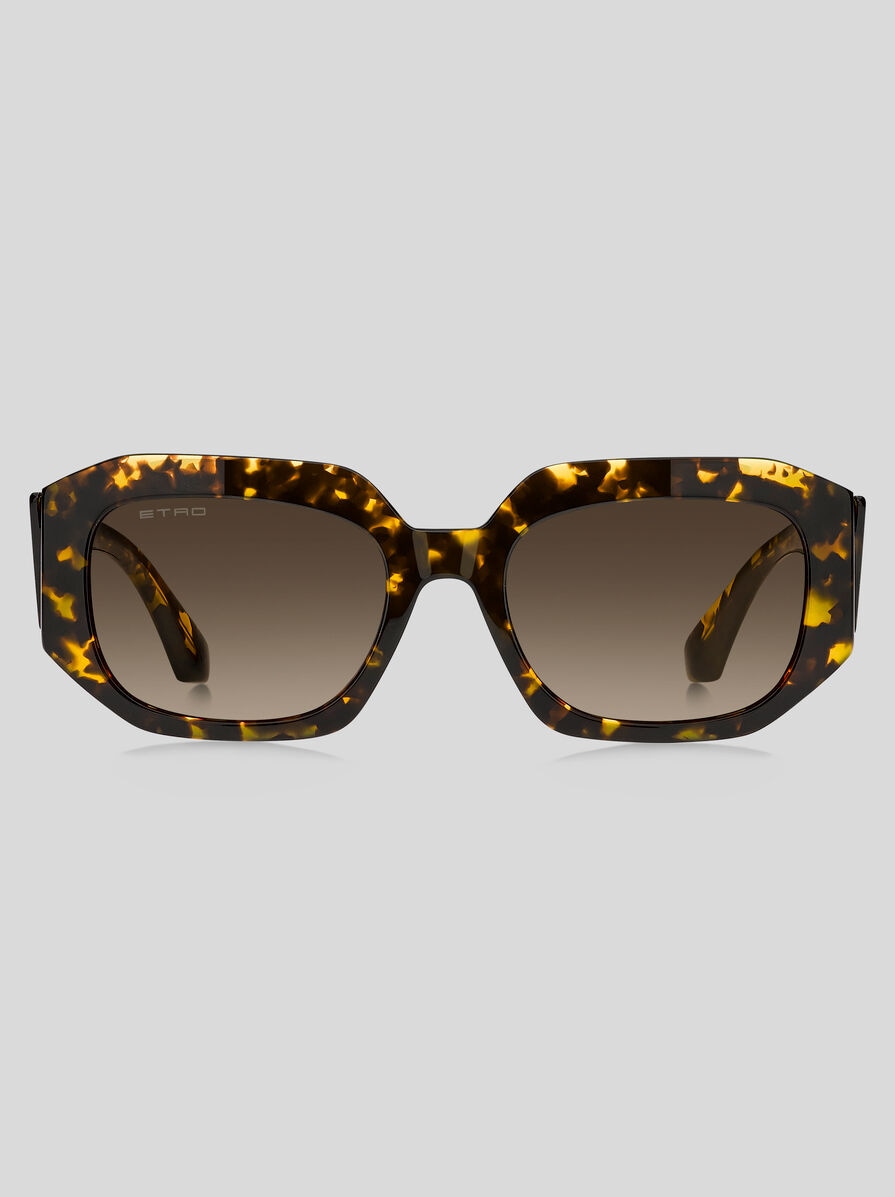
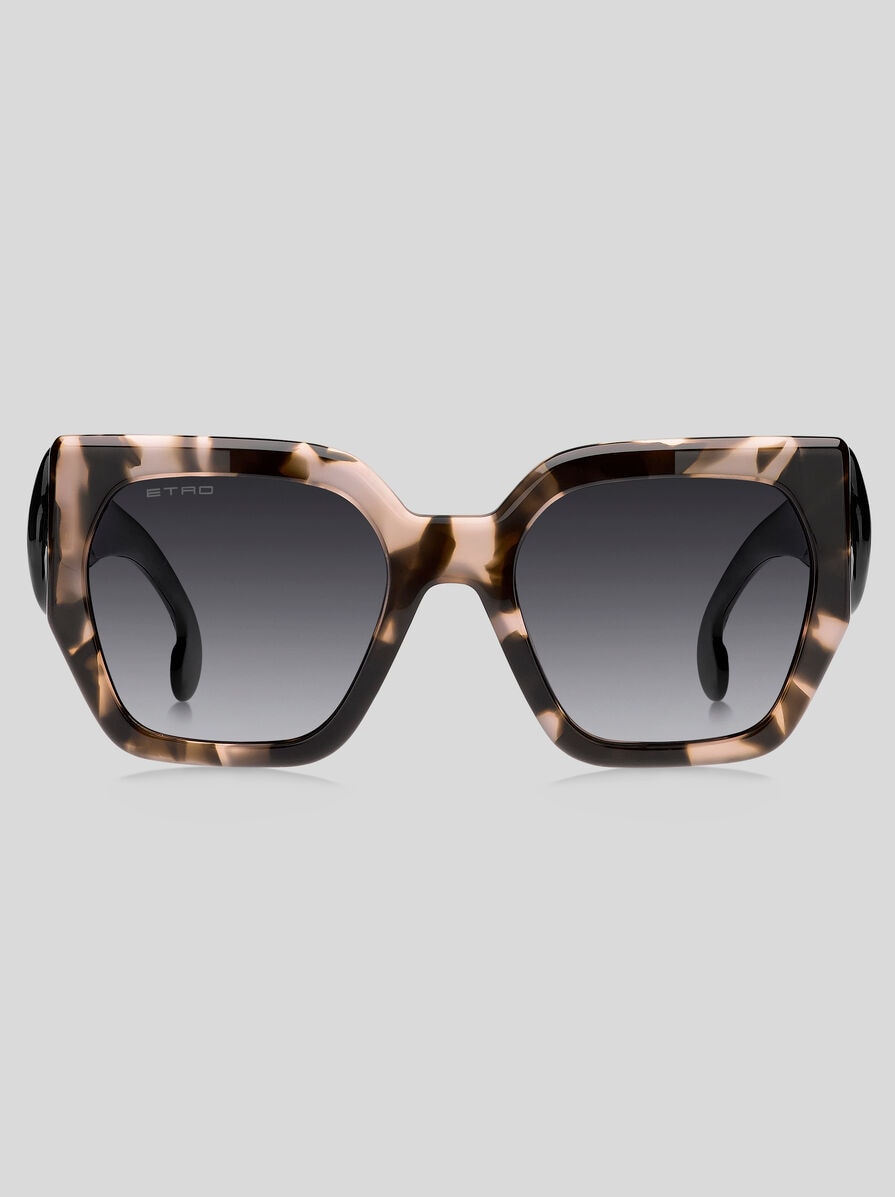
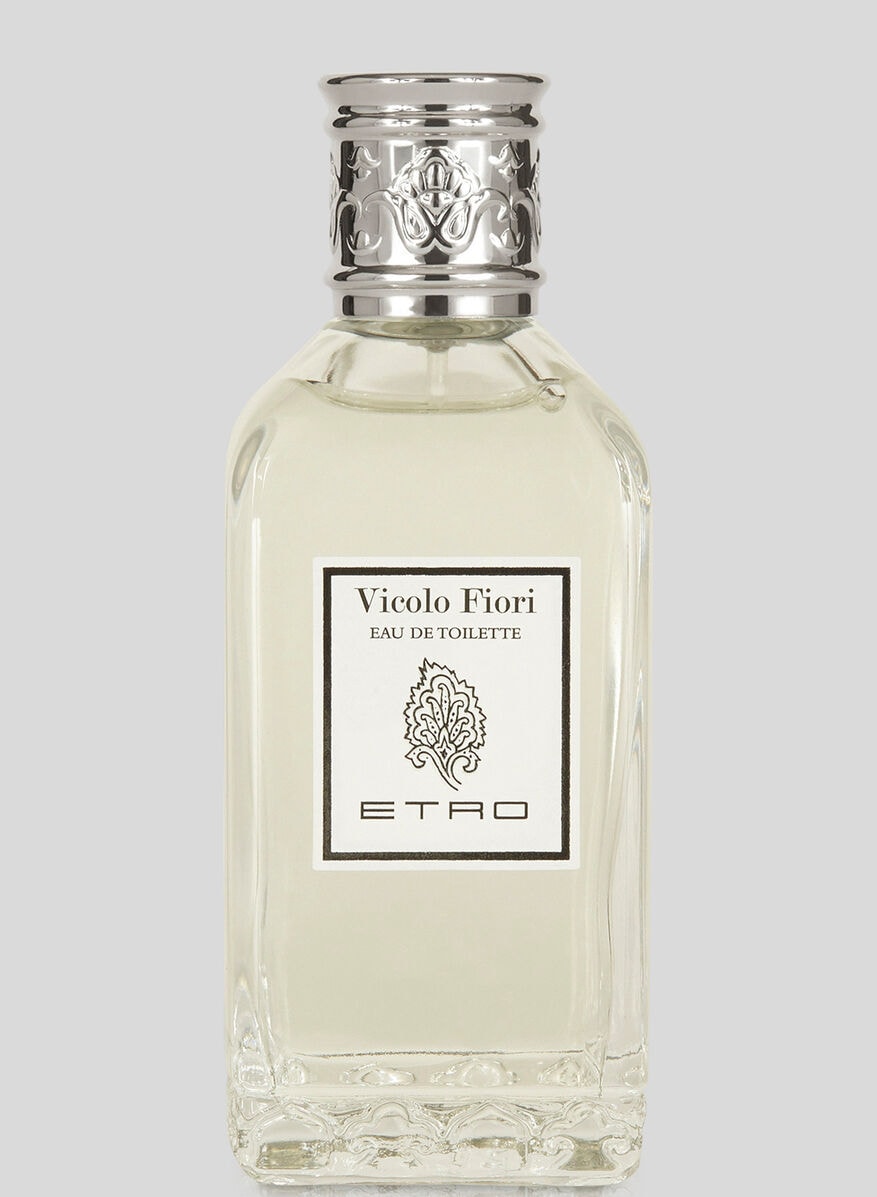
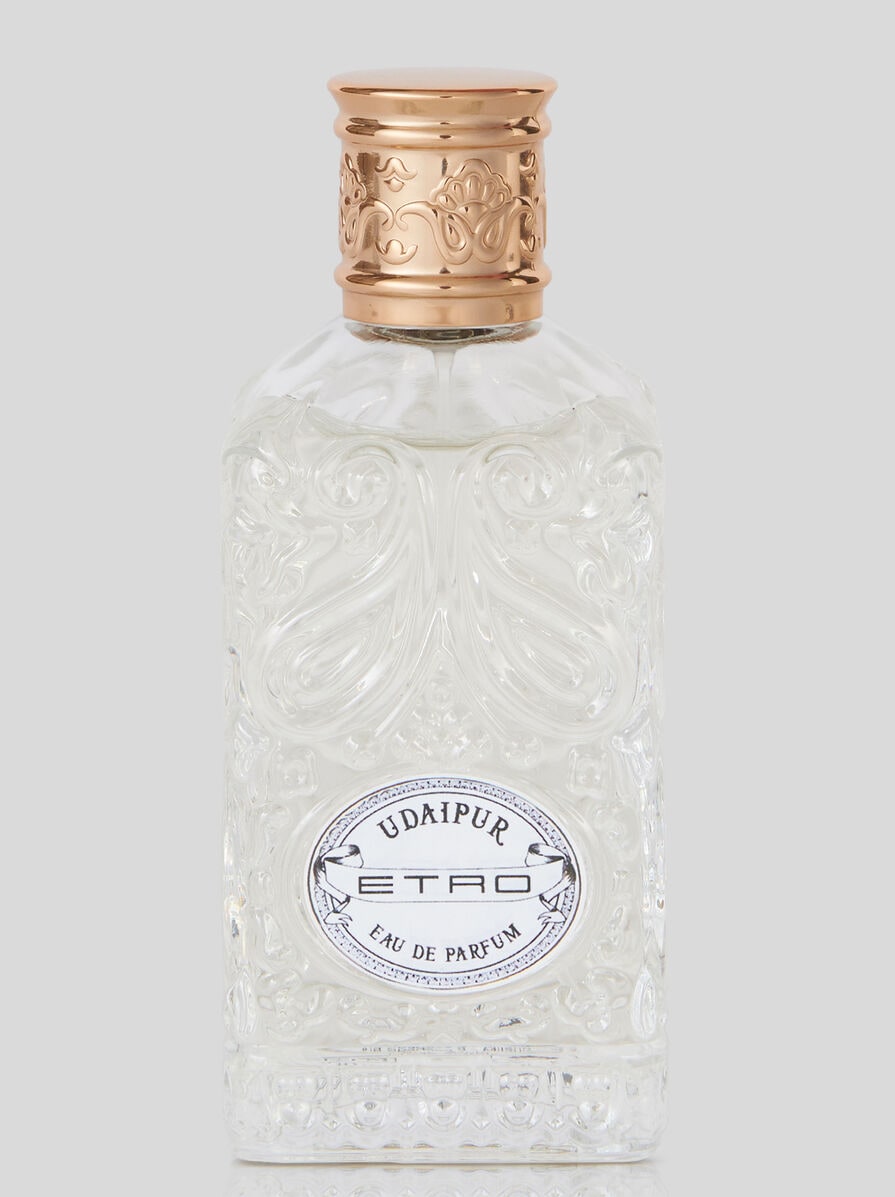
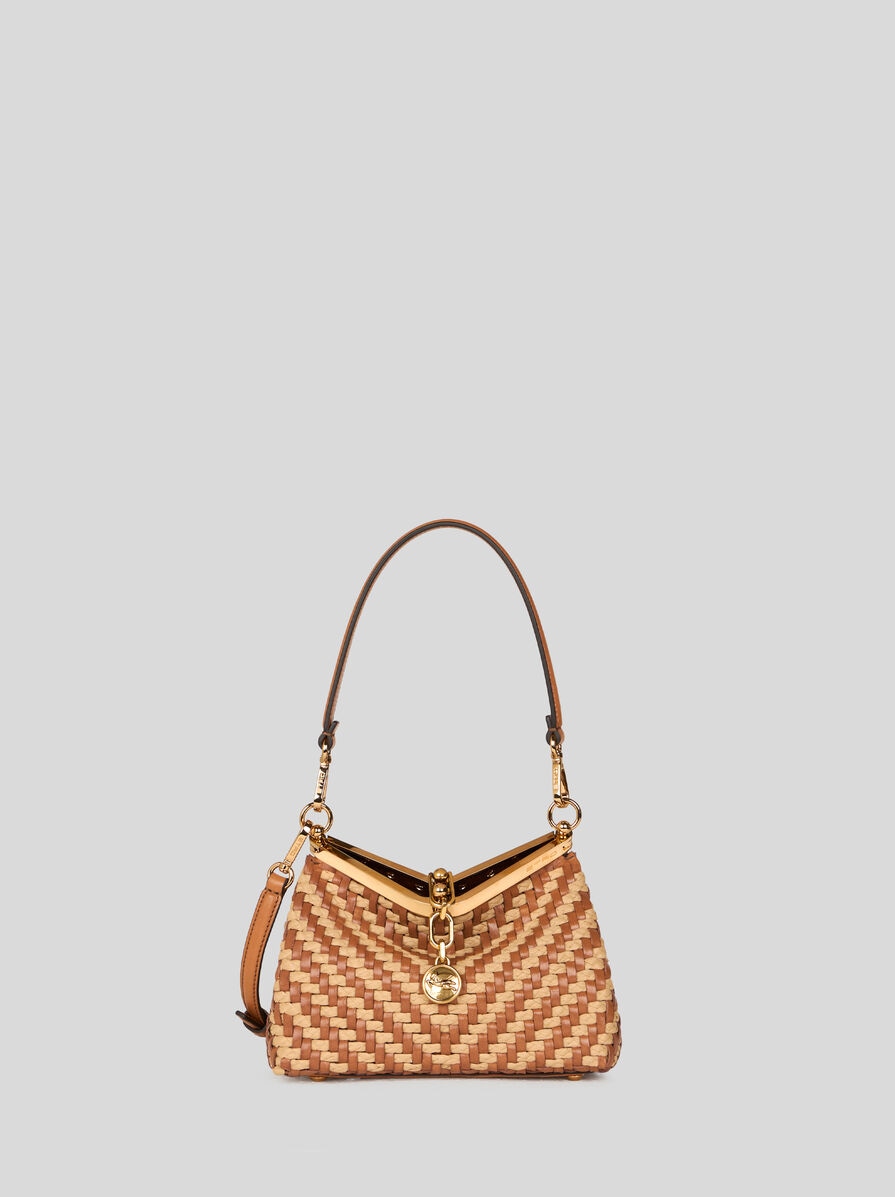
Same authentic Etro, different prices & codes. We watch all of them so you don't have to tab-hop.
Store codes that stack on Etro orders — re-tested in the last few hours. Tap to reveal, copy without leaving the page.
Same quiet-luxury, craft-first sensibility — follow any to widen your alerts.




Much of what you pay for sits in the cloth and the print: Etro is built on a deep textile expertise, and the house works in fine materials like silk, cotton, linen, wool and cashmere. The signature swirling paisley is its own draw, an instantly recognisable motif rather than a quiet basic. A paisley shirt is worth it if you want that bohemian-luxury statement and will wear it as a centrepiece; if you only need a plain Italian shirt, you are paying a premium for the print and the name.
Paisley is the teardrop-shaped pattern that runs through Etro's tops, dresses, scarves and accessories, and it grew out of the founding family's love of antique textiles. Gimmo Etro and his wife Roberta assembled a collection of around 300 antique shawls, one of the largest private collections of its kind, and after a company trip to India the house launched a furnishing-textiles line in 1981 built around the motif. From there paisley became the central element of Etro's design identity.
Start with something that carries the paisley DNA without committing to a full runway price, like a printed scarf, a shirt or a small leather good. Etro's range stretches across men's, women's, accessories, leather goods, eyewear, footwear, fragrances and home, so there are many ways in. A scarf in the signature print is the most natural entry point: it reads instantly as Etro and works with almost anything already in your wardrobe.
Both are Italian luxury houses, but the aesthetics pull in different directions. Etro leans into a bohemian, well-travelled elegance grounded in textiles and the paisley print, where another Milan house might trade more on overt glamour and bold logos. If you are drawn to pattern, print-mixing and a more eclectic, heritage-of-fabric sensibility, Etro is the more natural fit.
Etro was founded in 1968 in Milan by Gerolamo "Gimmo" Etro as a textile-design company, and for decades it was managed by his four children, with Kean on menswear, Veronica on womenswear, Jacopo on accessories, leather, home and textiles, and Ippolito as general director. That family era has now ended: in December 2025 the founding family sold its minority stake and completely exited the company.
Marco De Vincenzo was appointed creative director in 2022 for the women's, men's and home collections, making him the first designer from outside the Etro family to hold the role. Before that, the house was guided creatively by family members, so his arrival marked a real shift in how Etro is steered. The textile-and-paisley heritage remains the backdrop he designs against.
Yes, Etro is an Italian luxury fashion house with a strong made-in-Italy identity rooted in its Milan headquarters on Via Spartaco, which houses a textile archive and in-house library. By 2021 it operated around 140 flagship stores across 58 countries, in cities including Milan, London, Paris, New York, Beijing and Tokyo. It debuted its first fashion show at Milan Fashion Week in 1996 and sits firmly in the designer tier.
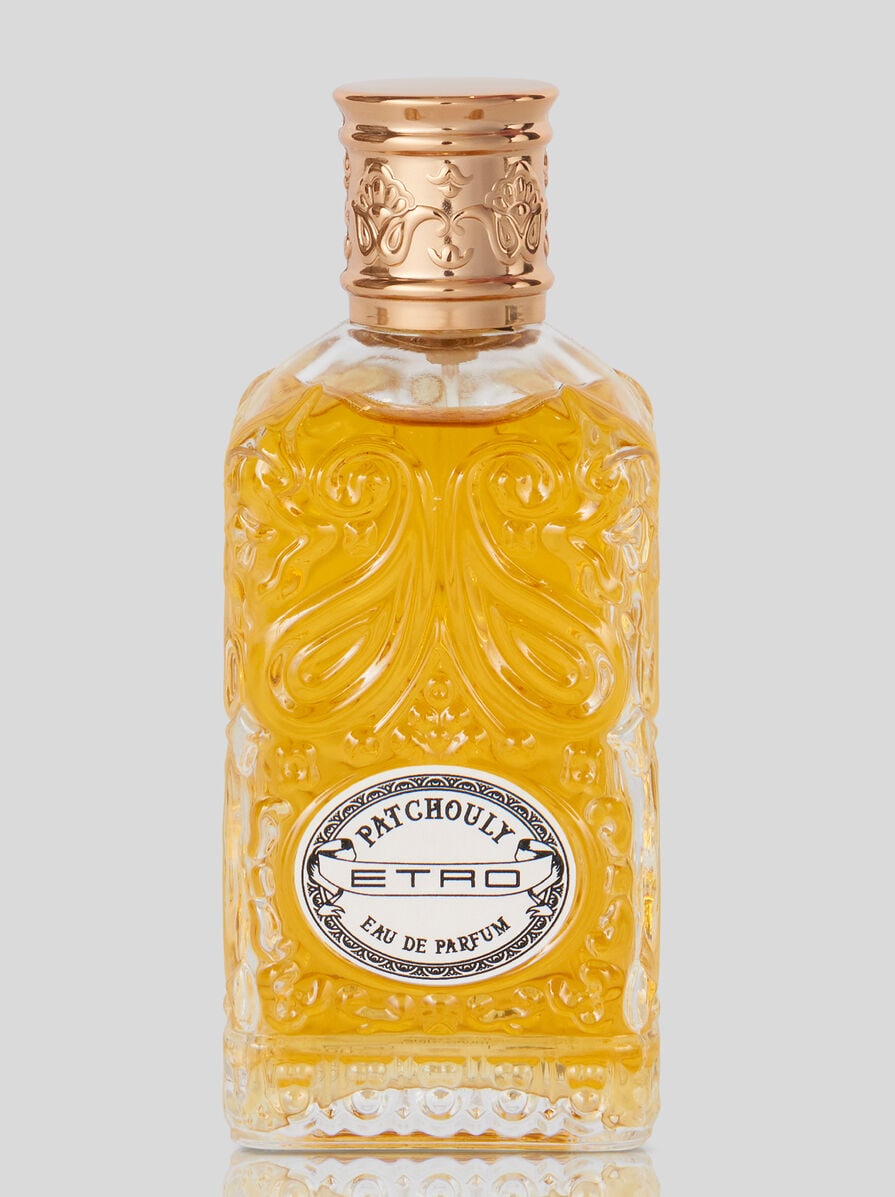
It does, and perfume has long been part of the house. Etro launched its fragrance line in 1989, opening its first boutique on Via Verri in Milan, with scents such as Rajasthan and Jacquard joining over time. Some of the fragrances are inspired by traditional perfumery, echoing the same well-travelled, exotic spirit that runs through the paisley prints.
Etro introduced its home textiles line in 1985, later expanding into pillows, plaids, ceramics, gifts and wallpaper, with items produced in-house except for furniture. It opened its first standalone Etro Home store in Milan during the Salone del Mobile in 2014. The home world draws on exactly the same textile heritage as the clothing, so the paisley and print sensibility carries straight from wardrobe to room.
Because the appeal is in the fine cloth and the print, treat these as investment pieces rather than throwaways. Follow the garment's care label closely, especially for silk, wool and cashmere, and lean toward gentle cleaning and careful storage to keep the colours of the paisley crisp. Folding and resting scarves rather than crushing them helps the pattern read the way it should for years.