Is a Seiko watch worth it?+
For most buyers, yes. Seiko is one of the few watchmakers, alongside Rolex, considered fully vertically integrated, designing and building all of a watch's components in-house, which is rare at any price. That capability is why a Seiko punches well above its cost, whether you're spending a little or a lot. The range runs from accessible everyday pieces to serious haute horlogerie, so there's a worthwhile entry at almost any budget.
Why are Seiko watches so well made?+
It comes down to control. Seiko's mechanical watches use roughly 200 parts, and the company has the technology and facilities to design and manufacture all of them internally. That vertical integration, the same trait it shares with Rolex, lets Seiko hold tight quality standards across quartz, mechanical, and its own Spring Drive movements. The result is a brand trusted from entry level all the way up to Grand Seiko.
Should I buy a Seiko 5 or a Seiko Prospex?+
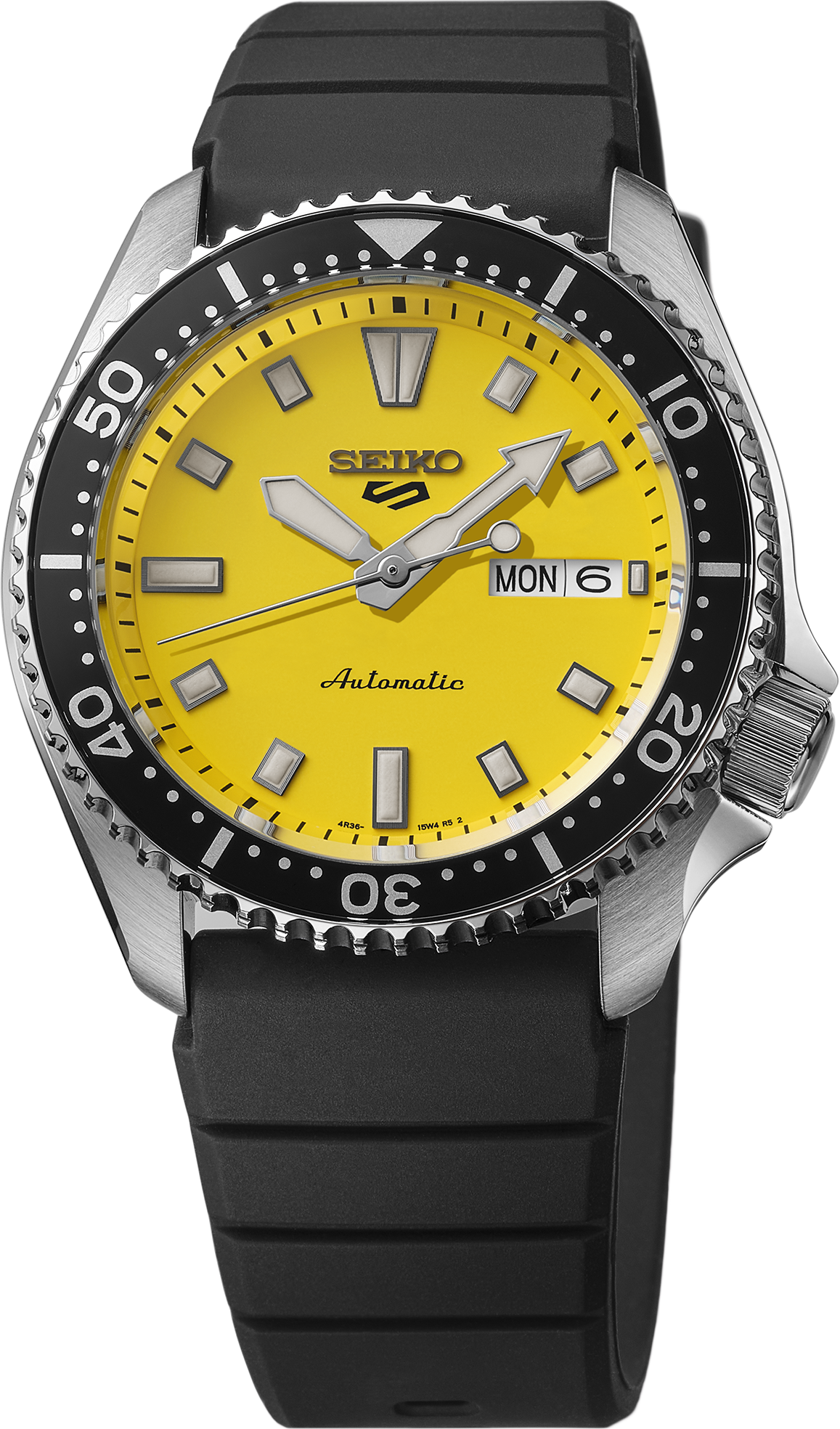
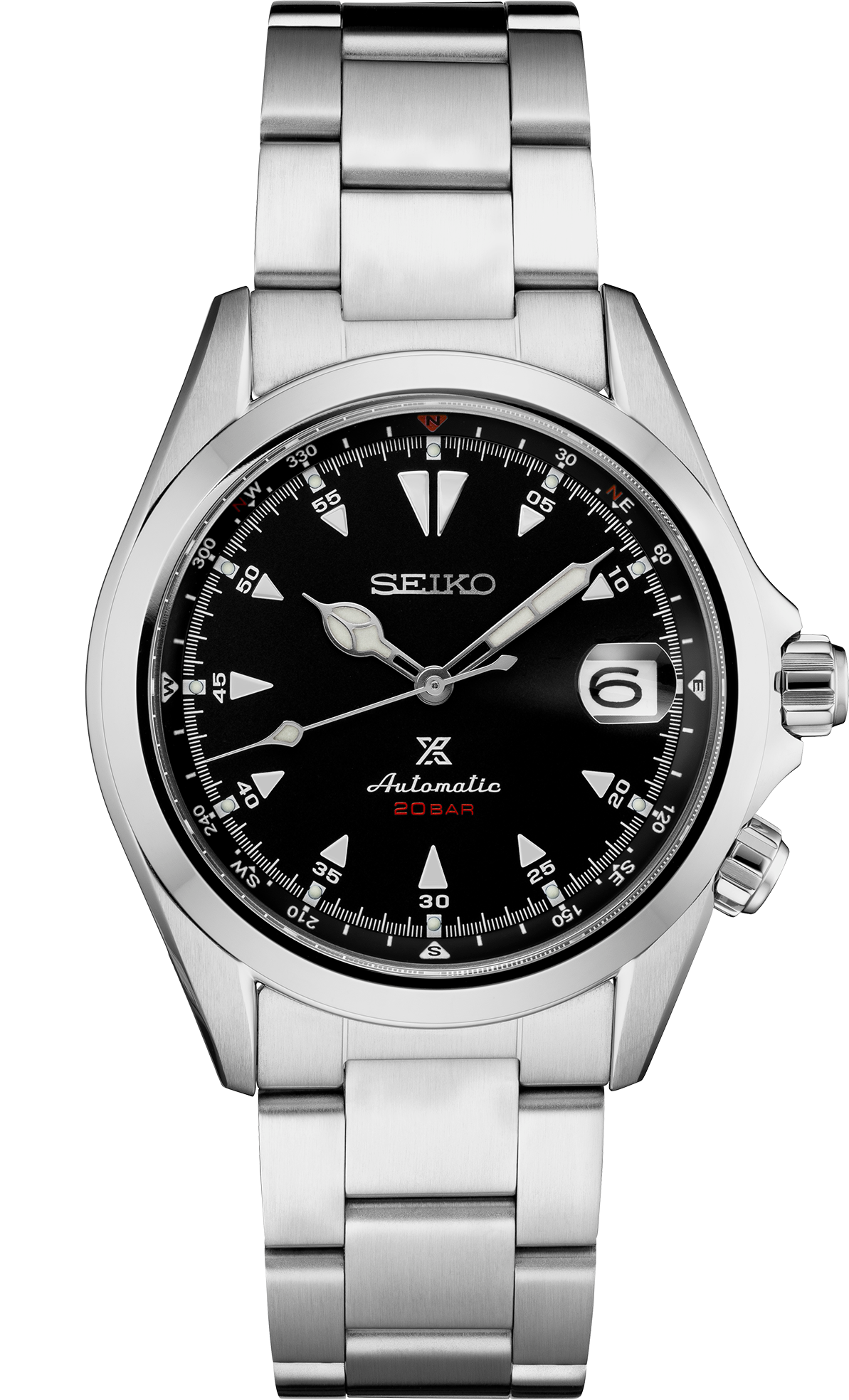
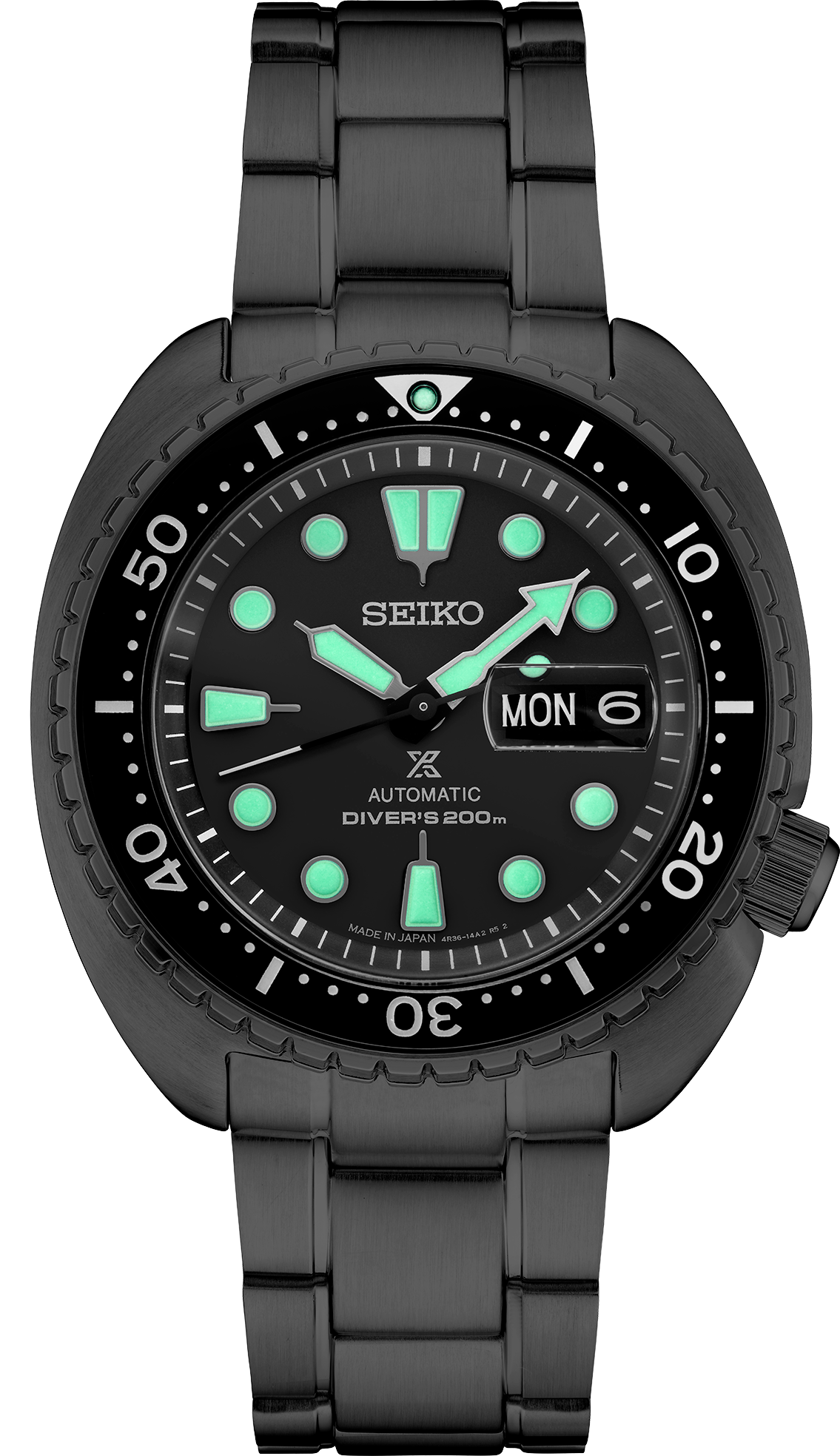
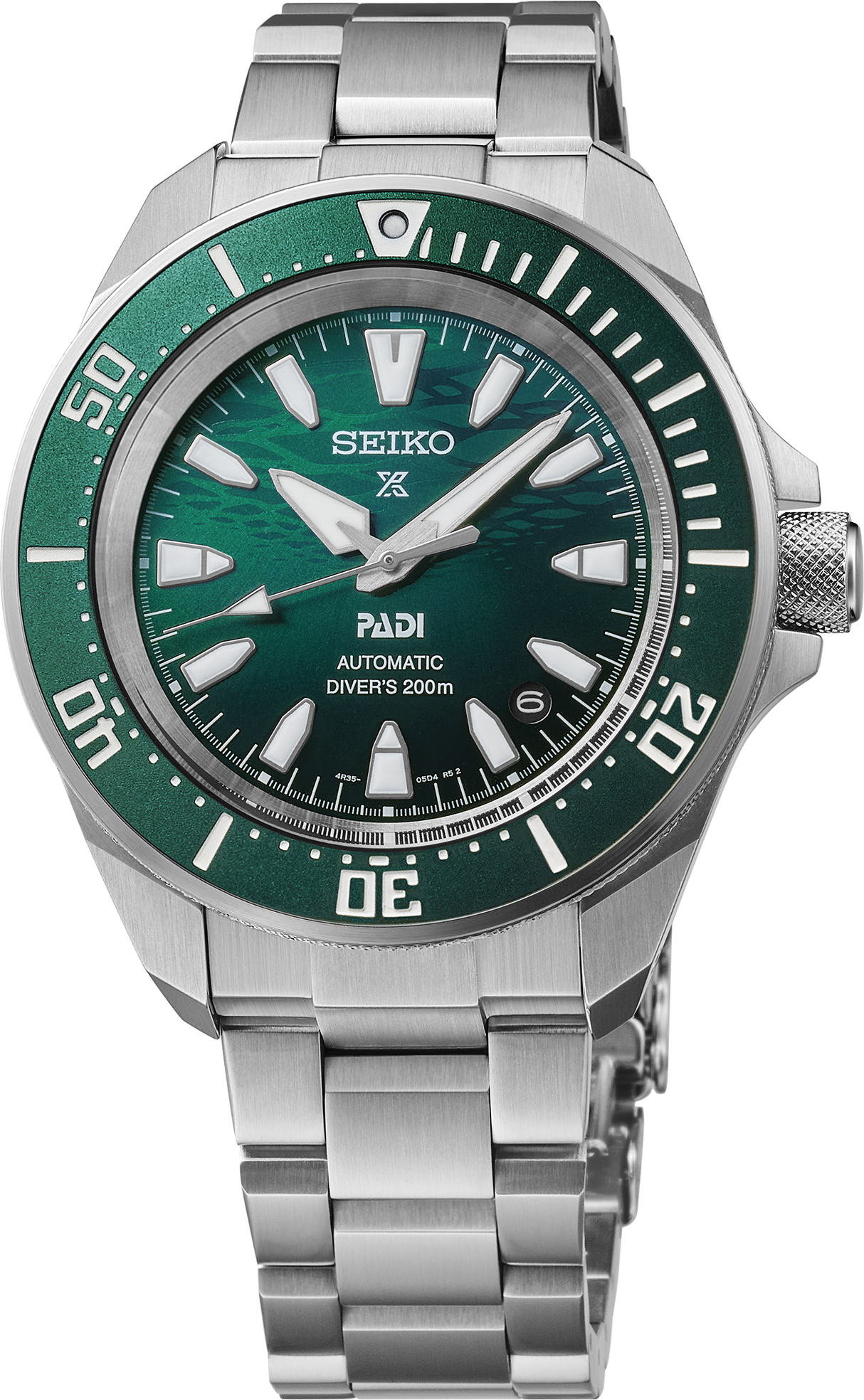
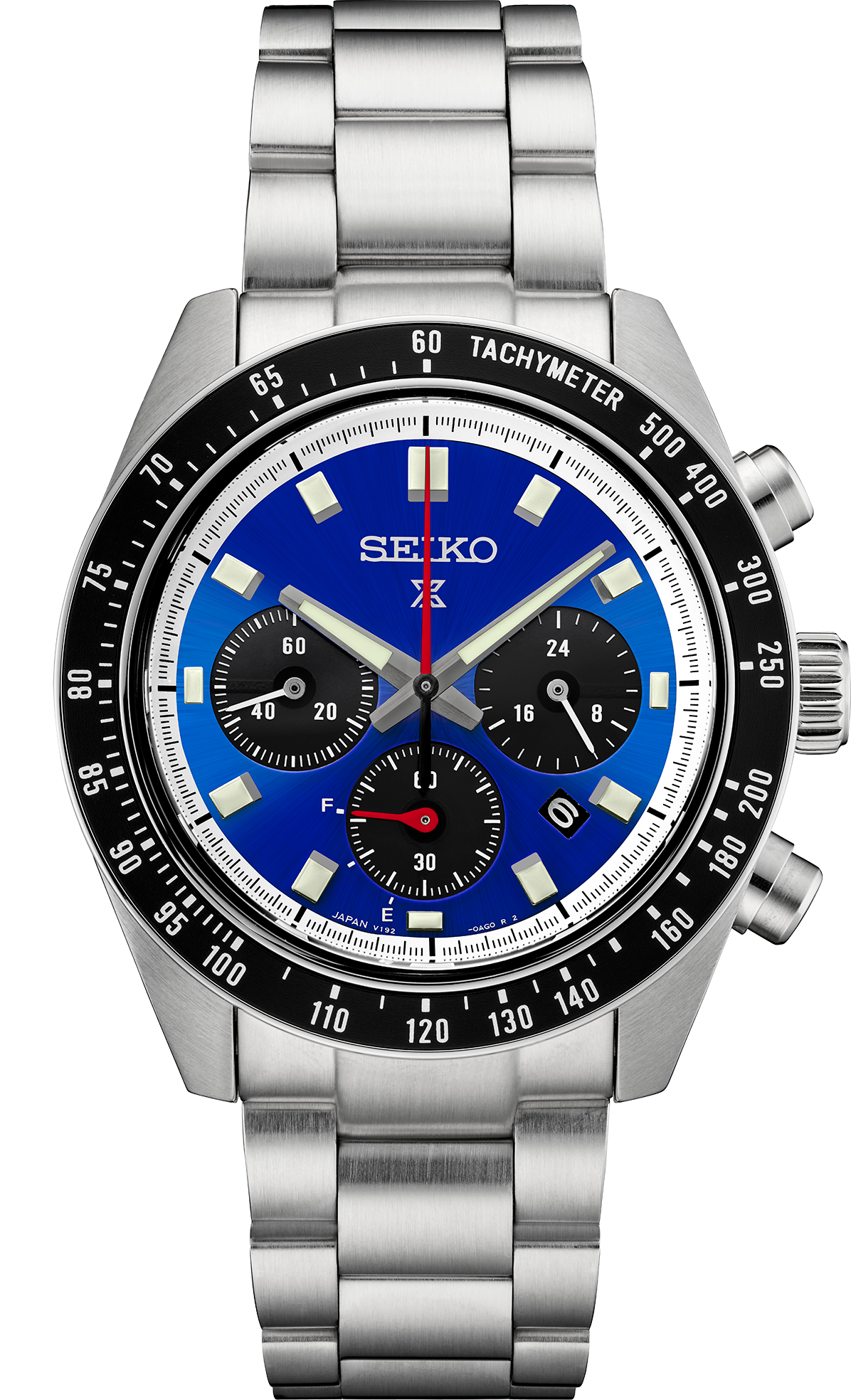
It depends on how you'll wear it. The Seiko 5, born with the Sportsmatic 5 in 1963, is the versatile everyday automatic, defined by traits like an automatic movement, day-date display, and a durable case. The Prospex line is the professional, tool-watch range, including ISO 6425-rated divers with 200 to 1000 metres of water resistance. Choose the 5 for daily versatility, Prospex if you want genuine diving and field capability.
What makes the Seiko 5 a 'five'?+
The name nods to five attributes the original was built around: an automatic movement, a day-and-date display on the dial, water resistance, a recessed crown at the 4 o'clock position, and a durable case and bracelet. Not every modern model carries all five anymore, but that founding formula is why the line has stayed a beloved entry point since 1963. It remains the classic first 'real' watch for many enthusiasts.
Which Seiko should I buy first?+
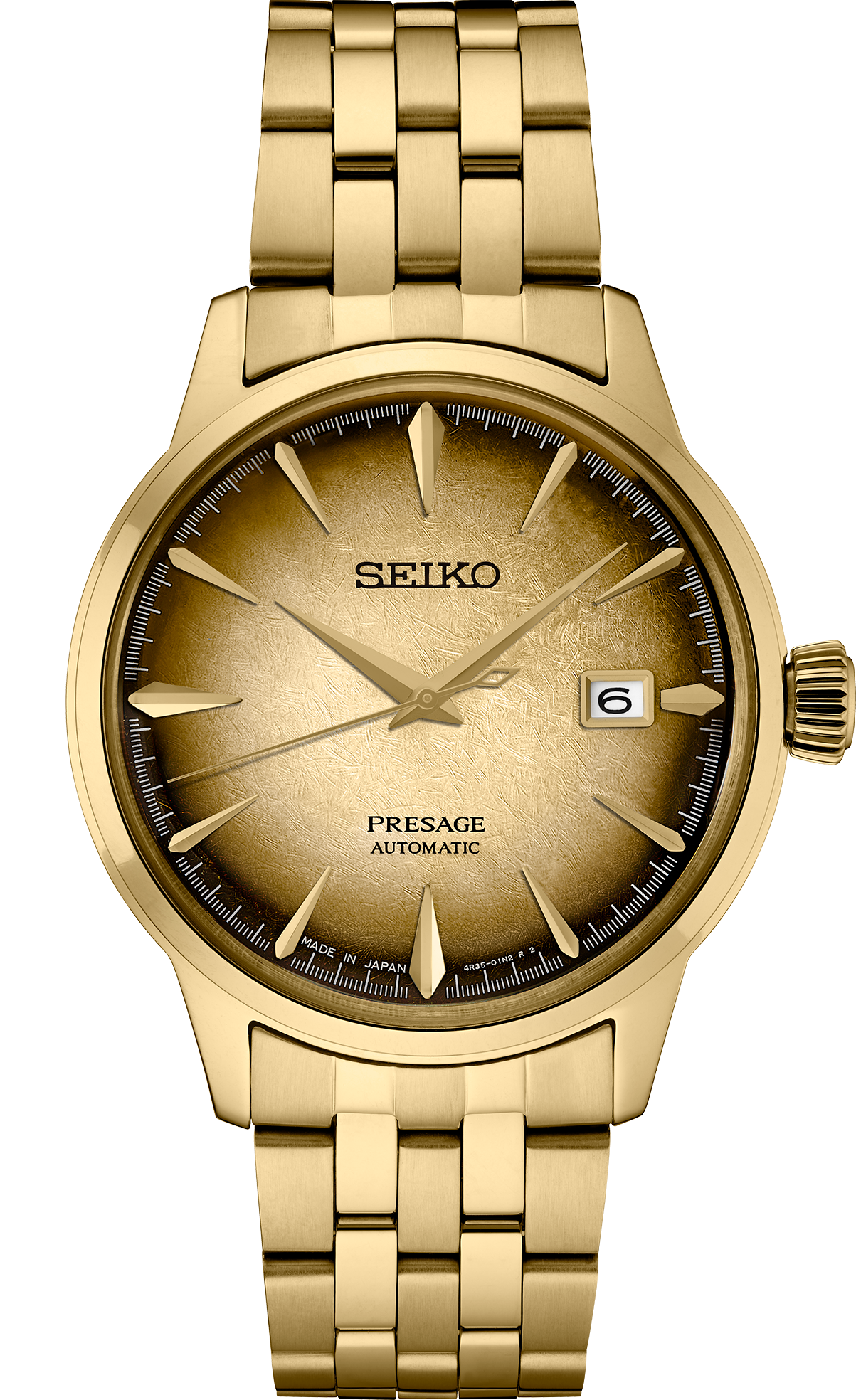
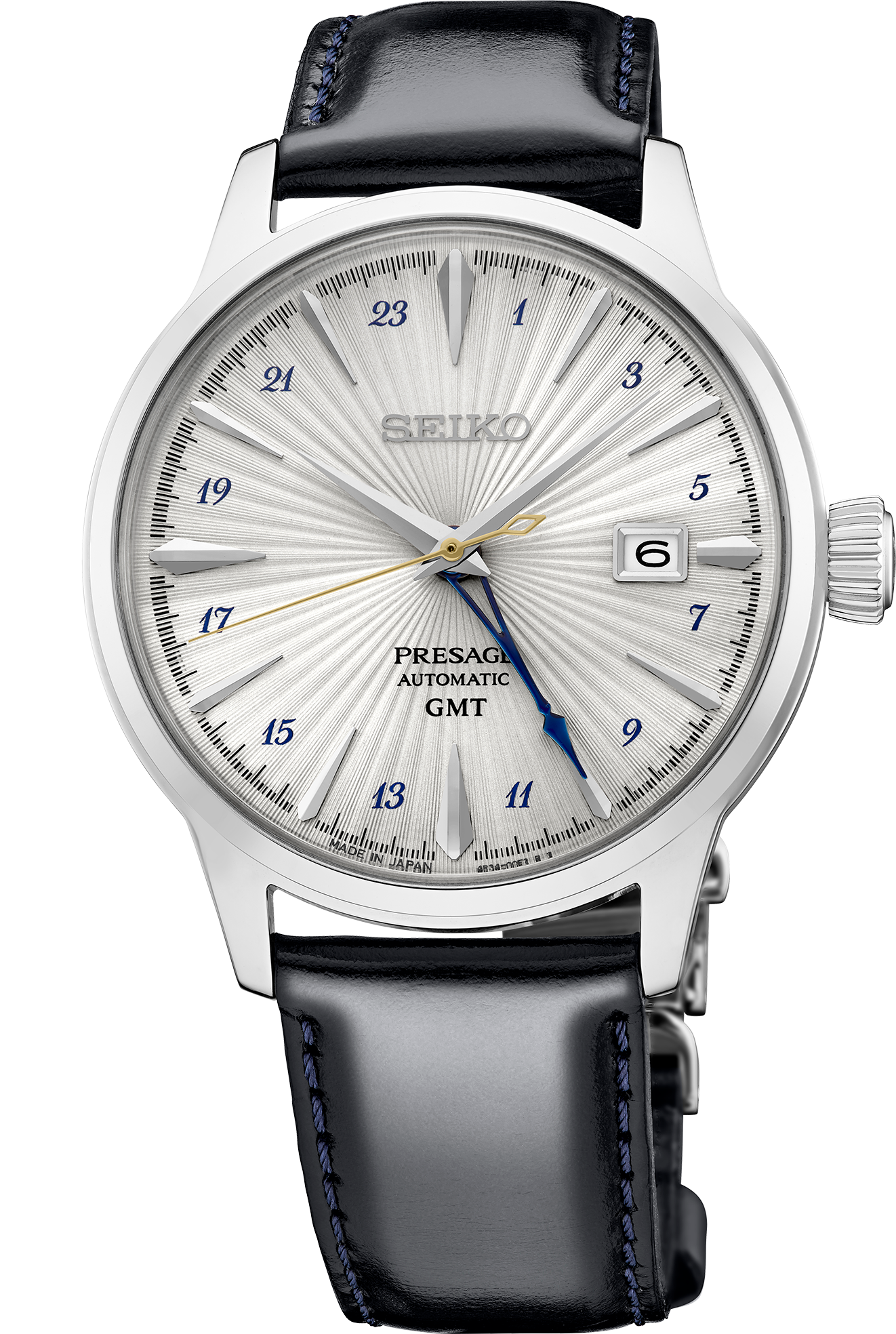
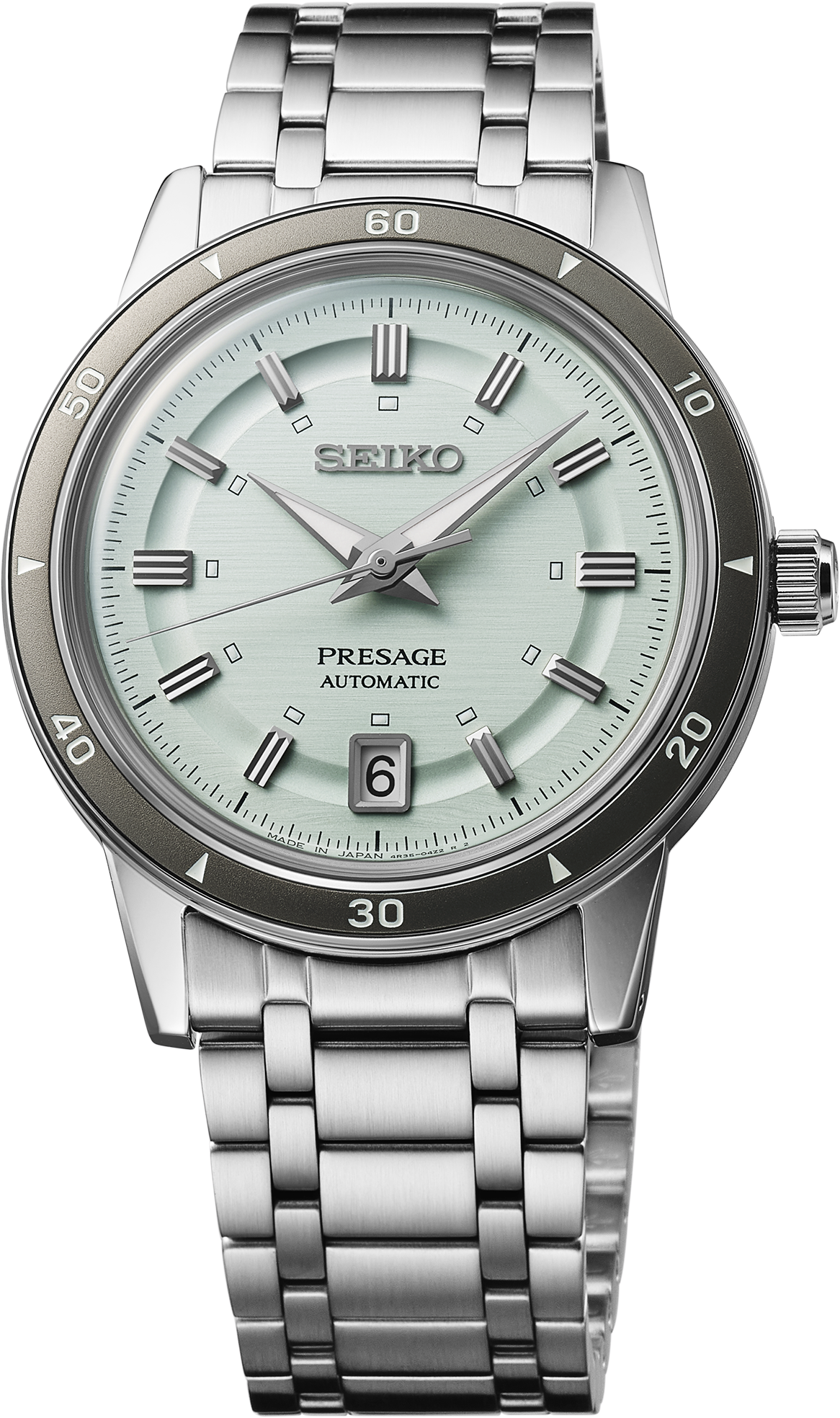
A Seiko 5 is the traditional starting point, an affordable automatic that delivers the in-house movement and everyday durability the brand is famous for. From there, the Presage line is a natural step up into more elaborate mechanical dials, sitting above the entry-level 5. If you're drawn to adventure, a Prospex diver makes a compelling first 'serious' Seiko instead.
What is the difference between Seiko and Grand Seiko?+
Grand Seiko began life in 1960 as Seiko's answer to fine Swiss watches and was repositioned as a fully independent luxury brand in 2017. Where Seiko spans accessible everyday pieces, Grand Seiko is the high-end expression, home to icons like the Spring Drive 'Snowflake' and a design language set by the 44GS in 1967. Think of Grand Seiko as the dress-up sibling crafted by Seiko's most elite watchmakers.
What is Seiko's Spring Drive movement?+
Spring Drive, announced in 1997 and led by Yoshikazu Akahane, is one of Seiko's signature innovations: a mainspring-powered watch regulated by a quartz crystal, giving it the soul of a mechanical movement with near-quartz accuracy. It's instantly recognisable for its smooth, gliding seconds hand rather than a ticking one. As of recent calibers it reaches roughly 20 seconds per year of accuracy, exceptional for a spring-driven watch.
Did Seiko really start the quartz revolution?+
Yes. On 25 December 1969, Seiko released the Astron, the world's first commercially available quartz wristwatch, then priced comparably to a mid-sized car. Its arrival triggered the 'Quartz Revolution' (or 'Quartz Crisis'), during which the Swiss mechanical industry suffered a steep decline through the 1970s and early 1980s. Notably, Seiko chose to open many of its quartz patents rather than monopolise them.
Do Seiko watches hold their value?+
Entry-level Seikos are bought to be worn rather than flipped, so don't expect dramatic appreciation from a standard piece. That said, the brand's reliability and reputation help models hold a steady value, and limited editions or sought-after references can become genuinely prized. The Astron's place in horological history, recognised as an IEEE milestone in 2004, speaks to how seriously collectors take the marque.
When and where was Seiko founded?+
Seiko was founded in 1881 by Kintarō Hattori, who opened a watch and jewelry shop called K. Hattori in Tokyo. The company began making clocks under the name Seikosha in 1892 and produced Japan's first wristwatch, the Laurel, in 1913. Its roots remain in Ginza, where Seiko House Ginza and the Seiko Museum still stand today.
What does the name Seiko mean?+
According to Seiko's official history, the name comes from a Japanese word meaning exquisite, and it is homophonous with the word for success. The clockmaking arm was originally called Seikosha, roughly 'House of Exquisite Workmanship.' The 'Seiko' brand name was settled on for watches mass-produced from 1924.
What is the most famous Grand Seiko watch?+
The SBGA011 'Snowflake' is the one most people picture, a Spring Drive piece whose textured dial evokes fresh snow and which houses the 9R movement. It captures everything the brand is celebrated for: the gliding Spring Drive seconds hand, Zaratsu-polished surfaces, and the crisp design grammar laid down by the 44GS in 1967. It has become something of a signature for Grand Seiko collectors.